
How should you structure campaigns so CPC falls?
Structure campaigns around user intent and margin, because this makes it easier to match bids and budgets to the value of traffic and to lower CPC faster in cost-sensitive segments. Split campaigns by intent (e.g. “buy”, “price list”, “reviews”, “how it works”) and by the margin of products/services, so you do not bid the same for traffic of completely different value. In Google Ads, it often also works well to separate campaigns: brand separately, non-brand separately, and “competitors” separately, so you do not mix auctions and bid levels. As a result, reports become clearer, and CPC optimisation is not “distorted” by cheap brand traffic.
- Split campaigns by intent (e.g. “price list” vs “how it works”) and by margin so you consciously control where CPC should be driven down aggressively.
- Run separate campaigns for brand, non-brand and competitors, so you do not mix bids and traffic quality.
- Stick to the rule: 1 campaign = 1 goal (e.g. lead or purchase), so the optimisation system does not work chaotically.
- Test networks separately: create one campaign for Search and a separate one for Search Partners, then switch off placements generating cost without conversions.
Campaign structure also affects CPC when you match traffic to delivery conditions and the quality of individual segments. Ad scheduling and bid adjustments allow you to limit expensive clicks at times when conversion rates drop (e.g. -30% adjustments between 22:00 and 6:00, after confirming this in the “Hour” and “Day of week” reports). Similarly, geographic segmentation makes it easier to set different bids where competition is higher (e.g. a separate campaign for Warsaw and another for smaller cities) and to exclude locations with no conversions. At device level, it is worth using the “Devices” report and, where CPC is high and the conversion rate is low, applying adjustments (e.g. -20% on mobile) or improving the on-site experience.
- 01Organising by intentMatch bids to the user’s goal.
- 02Splitting by margin and campaign typePrevent mixing auctions and traffic value.
- 03Optimising by delivery and qualityScheduling and adjustments for segments.
Better structure allows precise bid adjustments and lower costs where it matters most.
Is it worth splitting ad groups into smaller ones?
Yes, it is worth splitting ad groups into smaller ones, because better matching the ad to the query usually raises the Quality Score and allows you to lower CPC for the same position. A good practice is to build ad groups from 5–20 closely related keywords, rather than putting hundreds of random words into one group. This “granularity” helps maintain a consistent message and better match ads to what the user is actually searching for. As a result, the chance of a higher CTR and better quality increases, which supports a lower cost per click.
Smaller ad groups also organise messaging better, because you are not combining topics in one place that reduce relevance and performance. It is worth ensuring that each ad group is thematically consistent (e.g. “online accounting”, “online accountancy office”, “internet accounting”), because then it is easier to maintain high relevance and consistently reduce CPC. When one group has to cover too many different intents, ads become too generic, which makes improving quality harder. The more precisely the group “topic” matches the queries, the easier it is to control costs and, at later stages of optimisation, cut out irrelevant clicks.
How should you choose a landing page to pay less per click?
Choose a landing page so that the landing page closely matches the intent of the query, because this raises relevance and the “Landing page experience” rating, which supports a lower CPC. If the ad leads to a subpage that precisely matches the keyword phrase (e.g. “solar panel price list” → the pricing section), relevance and quality increase, and the cost per click can fall without raising bids. The safest approach is to stick to the rule: 1 topic = 1 dedicated page or dedicated block on the page, instead of sending all traffic to a general homepage. This approach also makes it easier to keep the messages consistent in the ad and on the page.
The landing page should confirm the promise from the ad straight away, because a lack of continuity increases the number of returns to the results and weakens quality signals in subsequent auctions. Match the headline on the page to the ad headline and add a section that responds directly to the intent behind the keyword, rather than using vague generalities. In practice, it also helps if the dedicated block has a clear H1 heading and content that includes the key query variants, without forcing keywords in unnaturally. The less guessing there is after the click, the greater the chance of a better experience rating and a more controlled CPC.
- 01Match the intentAd = landing page
- 02Increase relevanceHigher quality, lower CPC
- 031 topic = 1 pageA dedicated place for the keyword
- 04Confirm the promise, fewer returns
The key to lower CPC: tight alignment between the landing page and the query raises Quality Score and lowers the cost per click, reducing returns to the search results.
Which match type gives the lowest CPC?
The lowest CPC is most often achieved with exact match and phrase match, because they usually boost CTR and relevance, and that translates into a better Quality Score. Exact and phrase can reduce CPC thanks to better quality, but they may limit scale, so it is worth using them where precision and cost control matter. In practice, this means a lower risk of paying for overly broad, irrelevant queries that only push up the average cost per click. This is a sensible starting point if you want to consistently reduce CPC without “spreading” traffic.
Broad match is usually cost-effective mainly when you have exclusions in place and are using Smart Bidding (for example, Target CPA); otherwise, the risk of expensive clicks with no impact on performance increases. When broad runs without oversight, it is easy to burn budget on low-relevance queries, which in effect raises the average CPC instead of lowering it. Treat broad as a scaling option only once you have your exclusions in order and a clear optimisation goal, not as the default “starting” setting. That way, the match type supports traffic quality rather than click volume alone.
Does long tail really lower CPC?
Yes, long tail really lowers CPC, because longer and more specific queries often have less competition and a higher CTR, which supports better quality and lower click costs. Longer phrases (for example, “kancelaria rozwód bez orzekania o winie cennik”) usually attract more decisive users, and that helps you pay less per click with better relevance. Long tail works best when you build it intentionally around a specific need, such as price, service variant, location or purchase conditions. In this way, you reduce the share of accidental visits that push up the average CPC.
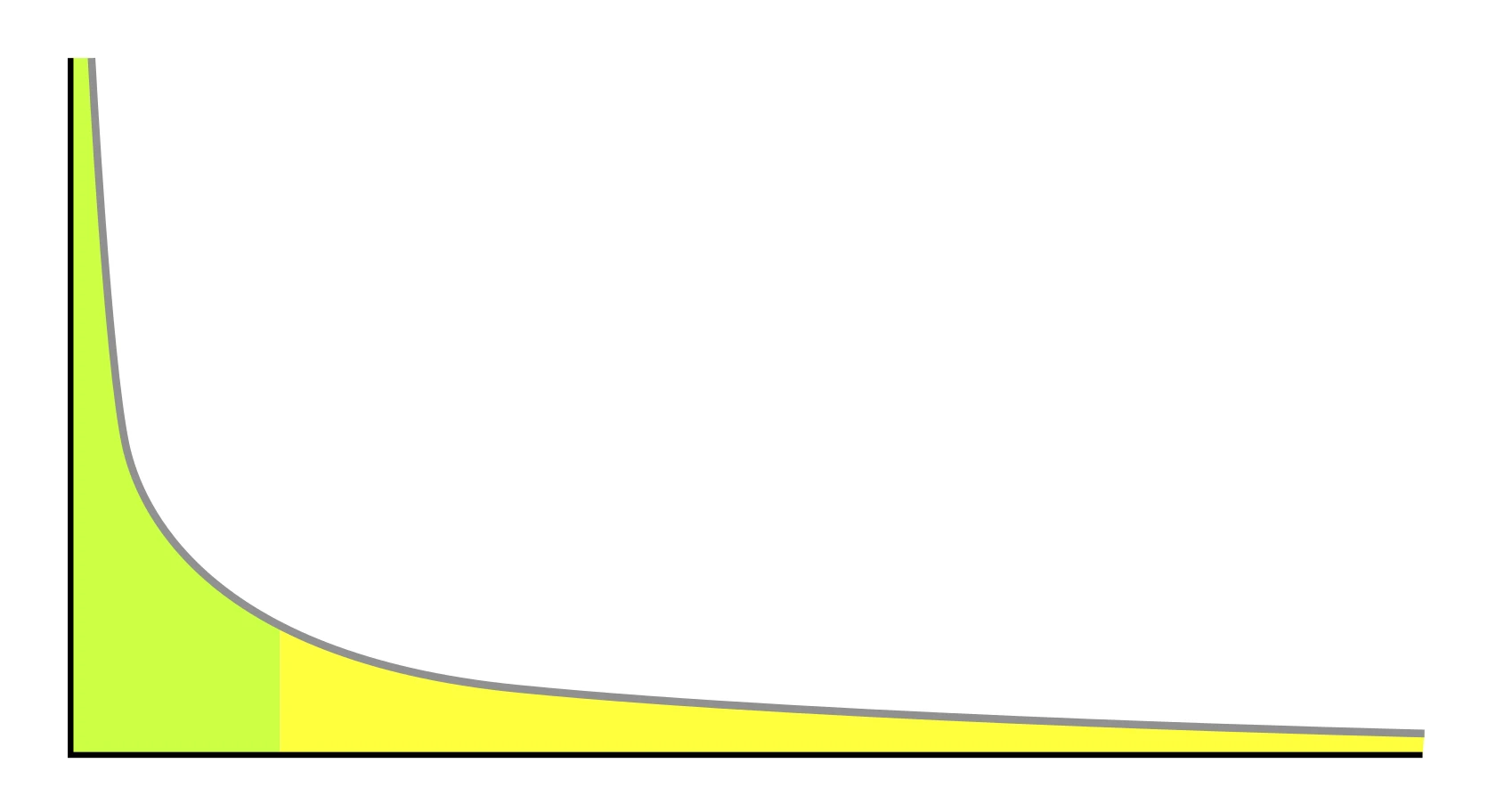
You will find long tail most easily in Keyword Planner, Google Search Console and the search terms report, because that is where you can see the actual language used by users. Then add these phrases as separate keywords in exact or phrase match to keep control over relevance and costs. If you see that long tail generates a stable CTR and better intent, treat it as the basis for scaling the campaign while keeping CPC in check. This approach is especially helpful when broader keywords become expensive and difficult to defend on cost.
- 01Competitive nicheLess competition, lower CPC.
- 02Decisive userBetter relevance, higher CTR.
- 03Reducing accidental visitsLower cost, better quality.
Yes, long tail lowers costs by attracting more decisive users and eliminating irrelevant clicks.
How does search remarketing (RLSA) help lower CPC?
Search remarketing (RLSA) can lower CPC because, by targeting people who have already visited the site, you usually increase CTR and conversion rate. That, in turn, improves Quality Score and allows you to bid more effectively. RLSA takes advantage of the fact that a “warmer” user is more likely to click and convert, so the same auction can cost less when measured against valuable clicks. In practice, this means shifting part of the budget towards traffic with a higher likelihood of delivering results, instead of competing solely for “cold” queries. It is also a way to make costs more predictable in segments where CPC rises as competition intensifies.
The simplest way to implement RLSA is to set the list to observation mode and adjust bids or messaging for high-intent users. For example, you can build a list “Visited pricing page 30 days” and add a bid adjustment or launch a separate campaign with more precise messaging. When you separate your approach to returning and new users, it is easier to keep costs under control and avoid “mixing” segments with different click quality. It is important that the message and landing page are consistent with the fact that the user already knows the offer and expects specifics (e.g. pricing, a demo or implementation terms), rather than generic slogans.
How do you test to actually reduce CPC?
Test CPC reductions through controlled experiments in Google Ads that compare ad and setting variants with a fixed budget. In practice, headline/USP tests and match types and bids tend to work best, and the result is worth evaluating through the impact on CTR and CPC. To limit the effect of chance, run the test for at least 2–4 weeks or until you reach a volume of approx. 1 000 clicks. This approach makes it possible to distinguish a “temporary drop in CPC” from a lasting improvement in auction share quality.
Stability of changes is crucial, because Smart Bidding needs a steady stream of data to learn effectively. Too-frequent edits to budget, targets or structure can interrupt learning and lead to less efficient bidding, which pushes CPC up. If you are making adjustments, do it in stages (e.g. 10–20% of the budget every few days) and give the system time to stabilise the results. That way, the tests show the real effect rather than the “noise” after changes.
When CPC suddenly rises, look for the cause in the change history instead of guessing what went wrong. Most often, spikes result from enabling broad match, changing the bidding strategy or expanding locations, and Change History lets you spot this quickly. Match the dates of changes with movements in CPC/CTR metrics so you can make decisions based on facts, not intuition. Such a “post-mortem” shortens the path back to cost control and improves the quality of subsequent tests.
What tools speed up CPC reduction?
Tools help reduce CPC faster because they shorten diagnosis time, organise keywords and spot unusual cost spikes earlier. You gain the most when you build them into a coherent workflow: from bulk edits, through monitoring, to competitor analysis and landing page evaluation. A well-thought-out toolset makes it easier to identify the sources of high CPC and implement fixes without manually “clicking through” the entire account. It is important that each tool has a specific role assigned to it (editing, control, insight, UX), rather than accumulating more solutions without a plan.
- Google Ads Editor – bulk exclusions, structure tidy-up and efficient work on a large number of keywords and groups.
- Optmyzr or Adalysis – support in detecting CPC anomalies and running ad tests.
- SEMrush/Ahrefs – competitor analysis and costly areas, including long-tail expansion.
- Hotjar or Microsoft Clarity – session recordings and UX signals that make it easier to understand where users drop off after clicking.
- PageSpeed Insights – diagnostics of landing page speed and performance issues that affect the quality of traffic after the click.
For quick diagnosis of the causes of high CPC, a coherent report that gathers metrics in one place is also useful. A dashboard in Looker Studio (Google Ads + GA4) can show CPC per campaign/group/keyword and combine it with CTR, Quality Score, “Search lost IS (rank)”, “Search lost IS (budget)” and conversions, with filters by device, location and time of day. This makes it easier to spot segments that generate most of the cost without results, and direct optimisation where it will genuinely translate into lower CPC. This reporting model also supports consistent testing and control of changes over time.
FAQ
Frequently asked questions
How should you organise campaigns to lower CPC in Google Ads?
Split campaigns by user intent, product margin and traffic type, e.g. brand, non-brand and competitor terms. That makes it easier to control bids and budgets in segments where cost per click matters most.
Is it worth splitting ad groups into smaller ones to pay less per click?
Yes, because smaller, thematically coherent groups usually improve ad relevance and Quality Score. This supports a lower CPC at the same auction position.
How should you match the landing page so CPC is lower?
The landing page should reflect the query intent and the ad promise as closely as possible. The best approach is one topic and one dedicated page or content block.
Which keyword match type usually gives the lowest CPC?
Exact match and phrase match usually deliver the lowest CPC, because they typically increase CTR and relevance. Broad match is worth using only once you have strong negatives and a clear optimisation goal.
Does long tail really lower cost per click?
Yes, longer and more specific phrases usually have lower competition and higher CTR, which helps reduce CPC. The best places to find them are Keyword Planner, Google Search Console and the search terms report.
How does RLSA search remarketing help lower CPC?
RLSA targets ads at people who have already visited the site, so it usually increases CTR and conversion rate. That improves traffic quality and can translate into a lower cost per click.