
A one-off client rarely becomes a regular one by default. In service firms, retention starts earlier than is usually assumed, because it begins at the stage of acquiring and qualifying the client. If from the outset you attract people with a recurring need, you have a better chance of repeatable revenue than when you only handle emergency jobs. That is why a client retention strategy should not start after the sale, but in marketing, the offer and the way segments are selected.
Acquisition intent and retention: the key to long-term cooperation
The key to long-term cooperation lies in acquiring clients with a recurring need, not just a one-off one. If a company mainly attracts people looking for quick help, it often ends the relationship after the first service. The situation is different when a client is initially looking for ongoing support, a recurring audit or a maintenance package. That intent increases the chance of another purchase without aggressive selling.
In practice, this means changing the way you target content and offers. Instead of focusing solely on emergency queries, it is worth also working on keywords related to support, monitoring and development. Separate pages for ongoing support, recurring audits and subscription packages work well. This way, the client can immediately see that the cooperation may continue.
This also matters for lead quality. A channel that generates lots of first contacts does not necessarily deliver clients with the highest LTV. The assessment of acquisition sources should take into account not only the first sale, but also who comes back and buys additional services. If content attracts clients with a growth-related need, it usually supports retention better than communication based solely on an urgent problem.
Segmentation for retention: How to identify the most valuable clients
The most valuable clients are identified through a combination of lifetime value, profitability and ease of further cooperation. Not every client should be a priority for retention activities. Some buy once, generate a high service cost or have no real potential for further services. Keeping everyone under the same rules usually lowers efficiency.
The best way is to assess segments against a few simple criteria:
- LTV, meaning how much the client spends over the entire relationship
- Margin, because high revenue without profit does not improve portfolio quality
- Need cyclicality, which increases the chance of regular purchases
- Potential for cross-sell and up-sell after the first service
- Service cost, which affects the real profitability of the relationship
This segmentation helps determine where to invest the team’s time. A client with a moderate budget but a regular need can be more valuable than a larger one-off order. Similarly, a client open to extending the cooperation may have higher potential than one who is constantly negotiating the price. Retention priority is therefore worth assigning not by the turnover from the first invoice, but by future value.
In practice, a division into segments works well, where you offer different levels of support and different cooperation models. Clients with a high recurrence of need are better suited to a subscription, an hourly package or ongoing support. Clients with low cyclicality may require a more project-based approach and different post-purchase communication. Segmentation only makes sense if it affects the offer, contact with the client and the way results are measured.
Onboarding and expectation management: the foundations of successful cooperation
The foundation of successful cooperation is onboarding, which sets goals, contact rules and realistic expectations during the first 30 days. This is when the client decides whether they have chosen the right service provider. If this stage is chaotic, even good delivery later will not always rebuild trust. In recurring services, the first month often decides whether there will be a continuation.
A good onboarding process starts with a concrete kick-off, not with work beginning by itself. You need to define the goal of the cooperation, the scope of activities, responsibilities and the way communication will work. It is also worth naming one contact person on both sides, because this shortens response times and reduces misunderstandings. The client should know when they will get an update, what will be measured and how both sides will recognise progress.
It is equally important to show the plan for the next stages and the first quick wins. The point is not to promise big results artificially, but to confirm that the work has started in the right direction. A short list of priorities, a timeline and the first completed actions reduce the client’s uncertainty. The most common mistake is starting delivery without a shared definition of success, because then each side assesses the results differently.
Experience and customer service (CX): how to build loyalty through the quality of interactions
Loyalty is built through the quality of everyday interactions, not through a one-off discount. In service firms, the client evaluates not only the final result, but also how the cooperation goes along the way. Response speed, clarity of messages and a sense of being looked after influence the decision to continue. That is why CX is part of retention, not an addition to service delivery.
In practice, proactive and specific communication works best. The client should not have to chase you for status updates, risks or next steps. Regular updates show control over the process and reduce tension, especially when results appear gradually. This is more important than frequent contact without substance, which only takes time.
Good service is also personalised, because different clients need different levels of guidance. Some expect short summaries and recommendations, others want more operational detail. If the form of contact matches their working style, the cooperation becomes easier and more predictable. A client returns more often where they feel partnership and competence than where they got the lowest price.
Loyalty is also strongly affected by the way problems are handled. A delay or mistake does not have to end the relationship if the client quickly receives an explanation, a remediation plan and a deadline for action. Sweeping difficult topics under the carpet usually destroys trust faster than the problem itself. That is why the service standard should cover not only successes, but also the way difficult situations are managed.
Communicating value and reporting: why transparency is key
Transparency is key, because the client needs to see what they are paying for, what has already been done and what practical effect it has. In services, results are not always immediate, so a lack of clear communication quickly reduces trust. When the client does not understand progress, they are more likely to see the cooperation as a cost rather than an investment. That is a straight path to no continuation after the first stage.
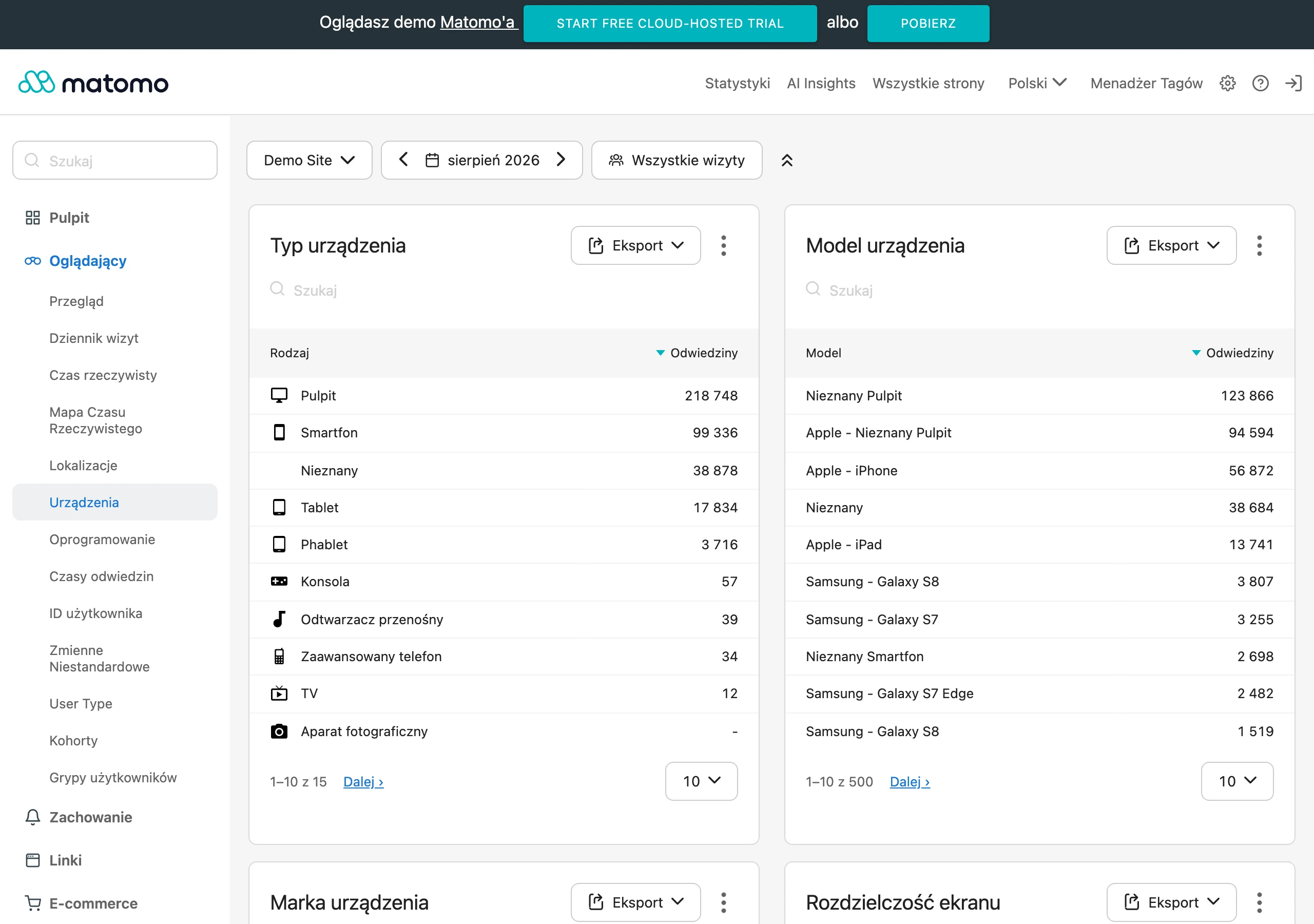
Good reporting is not about sending a large amount of data, but about showing it in the context of the client’s goal. If the goal was site stability, the report should show the fixes made, the risks identified and the impact on ongoing performance. If the goal was time savings or better organisation, that needs to be stated plainly. The client stays longer when they understand the value in their own language, not just in the specialist’s language.
In practice, recurring reports with a few fixed elements work best. These include the key KPIs, a short before-and-after comparison, a list of completed work and recommendations for the next period. This structure organises the collaboration and cuts down on unnecessary questions. It also makes it easier to discuss the next step, because the needs are visible in the data, not in intuition.
The report should also cover situations where the big result has not yet materialised. In that case, you need to show leading indicators, the actions taken and a realistic plan for the next stages. This is especially important in services, where the effect accumulates over time. Hiding delays or problems usually does more harm than calmly explaining the causes and the corrective plan.
Cross-sell and up-sell strategy: how to increase client value
Client value increases most effectively when an additional or expanded service responds to a real need at the right time. Cross-sell adds a complementary service, while up-sell develops the current collaboration into a broader scope. Both actions only make sense once the client has already seen the first value. Without that, the offer sounds like selling for the sake of selling.
The best moment usually comes after a milestone has been reached or after a report that reveals a new opportunity or risk. Another good signal is a client asking for a recommendation, because it shows readiness for a further conversation. At that point, it is worth referring to something concrete: a result, an observation or a market change. That way the offer is not detached from the current collaboration.
In practice, this means the proposal should answer three questions: why now, what will it change and how will it be billed. The client is more likely to accept an extension when they can see the link to the current goal and a predictable scope of work. It also helps to show the implementation sequence instead of throwing several services at them at once. The simpler the decision for the client, the greater the chance of continuation.
Not every client should receive the same extension offer. First, it is worth assessing whether a given segment has potential for further needs and whether the cost of servicing it will remain profitable. This protects the team from adding services where the relationship will remain one-off anyway. It is better to prepare fewer proposals, but ones that are relevant and grounded in data.
The most common mistake is an up-sell that is too early and too aggressive, before the quality of the work has been proven. The second mistake is a generic offer, the same for every client, regardless of the stage of the relationship. Both approaches reduce trust, because the client feels pressure rather than support. A calmer recommendation based on results, with a clear business rationale, is more effective.
Typical retention strategy mistakes: what to avoid so you do not lose clients
Clients are most often lost because of a lack of a plan after the first service, poor segmentation and weak communication of value. Retention usually breaks down not because of one major mistake, but because of a series of small oversights. If a company ends the relationship at the point the order is completed, the client is not given a reason to come back. In practice, this lengthens the gaps between purchases and weakens recurring revenue.
The most common mistakes appear in several parts of the process:
- A lack of a continuation offer on the website, in the sales process and after the service has been delivered.
- Treating all clients the same, without assessing margin, the cyclical nature of the need and the cost of servicing.
- An up-sell that is too early or too aggressive, before the client has seen the first value.
- Generic post-purchase communication, without personalisation and clear next steps.
- Ignoring negative feedback and signals that the collaboration needs adjusting.
- Measuring only the first conversion instead of client returns, churn and lifetime value.
The second costly mistake is competing on price instead of the value of the collaboration. A discount can help close the sale, but on its own it does not build loyalty or predictable client return. If the client does not understand the effect and purpose of further actions, price quickly becomes the only comparison criterion. That is why retention requires a continuation plan, a response to feedback and measurement of what happens after the first purchase.
FAQ
Frequently asked questions
How do you turn a one-time client into a regular client in a service business?
You need to start by attracting people with a recurring need, not just an emergency one. Then good onboarding, regular communication of value and an offer to continue after the first service matter.
Why does client retention start already at the marketing and sales stage?
Because the way you target content and offers affects whether you reach people with the potential for repeat purchases. A client who is looking for ongoing service from the outset is more likely to come back than someone buying a one-off solution to a problem.
Which clients should be prioritised from a retention perspective?
The most profitable segments are those with a high recurring need, good margins and potential for cross-sell or up-sell. Low servicing costs also matter, because revenue alone does not yet say anything about a client’s real value.
What should a good client onboarding in the first 30 days include?
It should define the goal of the cooperation, the scope of work, responsibilities and the communication process. It is also worth identifying a contact person, a schedule and the first quick wins so that the client can see the direction of the work.
Is good service delivery on its own enough to make a client return?
No, because loyalty is also built through the quality of day-to-day interactions, response speed and transparency. The client must understand the progress, the results and the sense of continuing the cooperation.
When is the best time to offer a client an additional service or an extension of the cooperation?
The best time is after reaching a milestone or when the report shows a new opportunity or risk. The proposal should stem from a real need and show why it makes sense now.