
The reference base sells services when it shows a specific problem, the way of working and the result achieved for a similar client. In SEO and marketing this is particularly important, because the client is buying a process, expertise and trust, not a simple product. Well-built references help you assess more quickly whether the agency understands the industry, the scale of the business and the real business goals. The better a potential client finds their own situation reflected in a reference, the less resistance appears before the sales conversation. That is why a reference base is not a decorative element of the website, but a sales and lead-qualification tool.
How references contribute to increasing sales of SEO and marketing services
References increase the sales of SEO services and marketing services because they turn company claims into credible evidence of work done. Thanks to them, a potential client more quickly understands what problem you worked on, what actions you took and what the result was. This shortens the stage of explaining basic concerns during sales conversations. At the same time, the chance increases that contact from the form relates to a real need rather than a casual enquiry.
This matters greatly in services whose effect appears over time and depends on many delivery decisions. The client cannot assess the quality of SEO or marketing strategy before the cooperation starts as easily as with a product. A reference therefore lowers the perceived risk, because it shows the starting point, the implementation process and the result. The more such material resembles the buyer’s situation, the easier it is to move on to a conversation about scope and budget.
References linked to a specific service and decision stage sell the strongest. A person viewing an SEO audit offer needs a different proof than a company looking for full content support. That is why a reference base should help match an example to the industry, business goal or company scale. In practice, this increases conversion from traffic to services and improves the quality of leads passed to sales.
Psychological mechanisms behind references as social proof
References work as social proof because they reduce uncertainty and show that a similar problem has already been solved successfully. The potential client is looking in them not so much for praise as for confirmation that your team can handle a context familiar to them. Similarity of industry, business model, company scale or goal works most strongly. When the recipient sees their own situation in the description of the implementation, it is easier to regard the service as a safe choice.
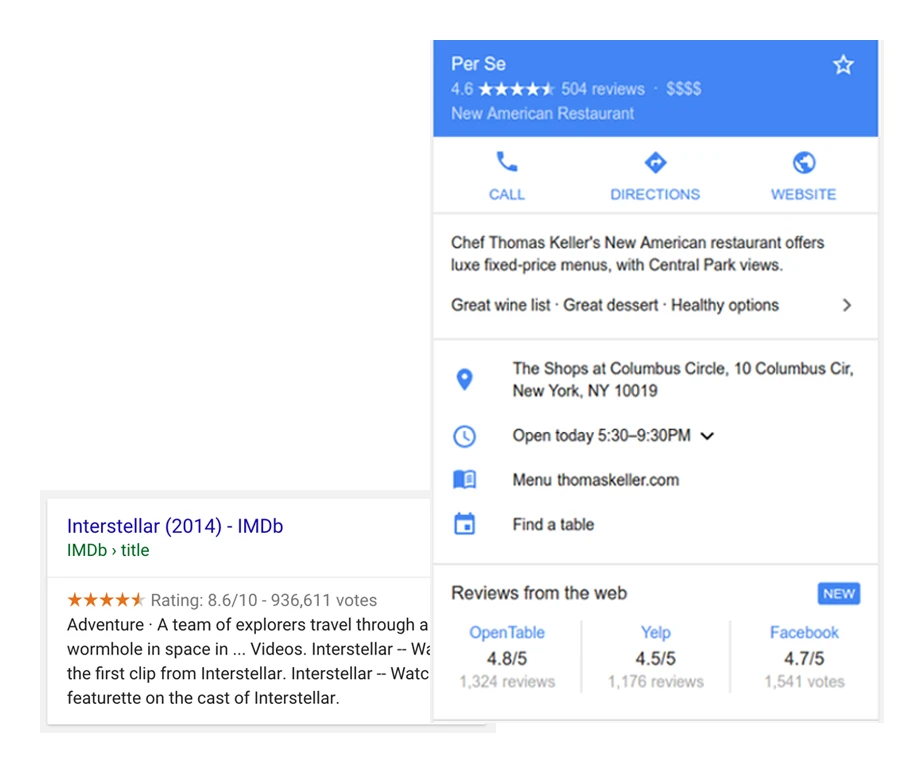
A single enthusiastic quote usually is not enough. Social proof works more strongly when it combines the problem, actions and result into one logical story. Such a structure allows people to assess whether the effect came from the right method rather than from chance. In the sales of SEO and marketing services this is crucial, because clients want to see the way of thinking, not just the final number.
For this reason, vague opinions, a wall of logos or numbers without context have limited persuasive power. They may build a first impression, but they rarely resolve specific objections. If a reference does not show who the service was for, what the goal was and where the data come from, the recipient will more quickly question its credibility. An effective reference base should therefore answer the question: have you already helped someone similar to me.
Key social-proof formats and their use
The most effective social-proof formats are a short opinion, a mini case study, a full case study, a video testimonial, a quote with a result, figures before and after, and client logos with permission. Each of them works at a different stage of the decision and addresses a different level of doubt. The more complex and expensive the service, the more context the recipient needs. That is why the format should be chosen according to the sales goal, not the convenience of publishing.
A short opinion and a single quote with a result work best close to the offer, form or CTA. Their job is not to tell the whole project story, but to quickly confirm that the collaboration brought a measurable effect. Such a format works well on service pages where the user compares providers and wants to reduce risk. The condition is simple: the quote must have context, even if only the industry, type of client or a clearly named result.
A mini case study and a full case study sell more strongly because they show a cause-and-effect chain. The recipient sees the starting point, the actions, the delivery time and the result, so it is easier to assess whether your method fits their situation. A full case study is particularly important for SEO and marketing services, where the client is buying a way of working rather than a one-off result. A video testimonial can further increase trust if the client speaks specifically, without generalities and without excessive self-promotion.
Client logos should be treated as support, not the main argument. They show the scale of cooperation, but on their own they do not explain the problem or the result. Figures before and after, on the other hand, are very persuasive, provided it is clear what they refer to and where the data come from. The weakest choice is opinions without specifics, because they do not help the client make a decision.
How to segment and target references effectively
Effective segmentation of references involves assigning each one to the characteristics that matter for the customer’s purchasing decision. In practice, the most important are the service, industry, company size, business goal and stage of the sales funnel. This means you do not show random stories, only proof matched to the audience’s intent. It shortens the path from interest to contact.
The best place to start is with a simple tagging system that can be maintained in a CMS or CRM. In most companies, a few consistent dimensions are enough:
- type of service, for example SEO audit, content marketing, link building
- client industry, for example e-commerce, B2B, local services
- company size, for example small business, mid-sized business, large organisation
- business goal, for example lead growth, organic traffic, conversion improvement
- decision stage, for example initial awareness, offer comparison, final selection
This kind of segmentation only makes sense if it affects how the content is presented. A person viewing an SEO service for an online store should see a reference from a similar business model, not a generic story from another category. If the audience is looking for a solution to a lead problem, an example showing the impact on enquiries will be better than traffic growth alone. Matching the reference to the client’s goal is usually more important than the reference’s brand awareness alone.
Targeting is also worth basing on the stage of the decision. At the beginning, shorter proofs work better because they quickly build credibility, and later more detailed case studies that address objections are more effective. In sales proposals and during sales calls, materials similar to the prospect’s specific situation work well. This raises the quality of the conversation, because instead of promises you discuss a real implementation scenario.
A common mistake is building many filters when there are too few materials. The user then ends up with empty results or sees a few similar stories that narrow nothing down. It is more sensible to cover the key services and most important industries first, and only then expand the base. This sequence creates order and makes it easier to use references later on service pages and in sales.
Best publishing and UX practices for references
The best way to publish references is to place them exactly where the client compares providers and assesses the risk of working together. Short testimonials and quotes with a result should support service pages, while full case studies need their own URLs. This allows the user to move quickly from the offer to a concrete implementation example. This layout helps both at the first contact and during final selection.
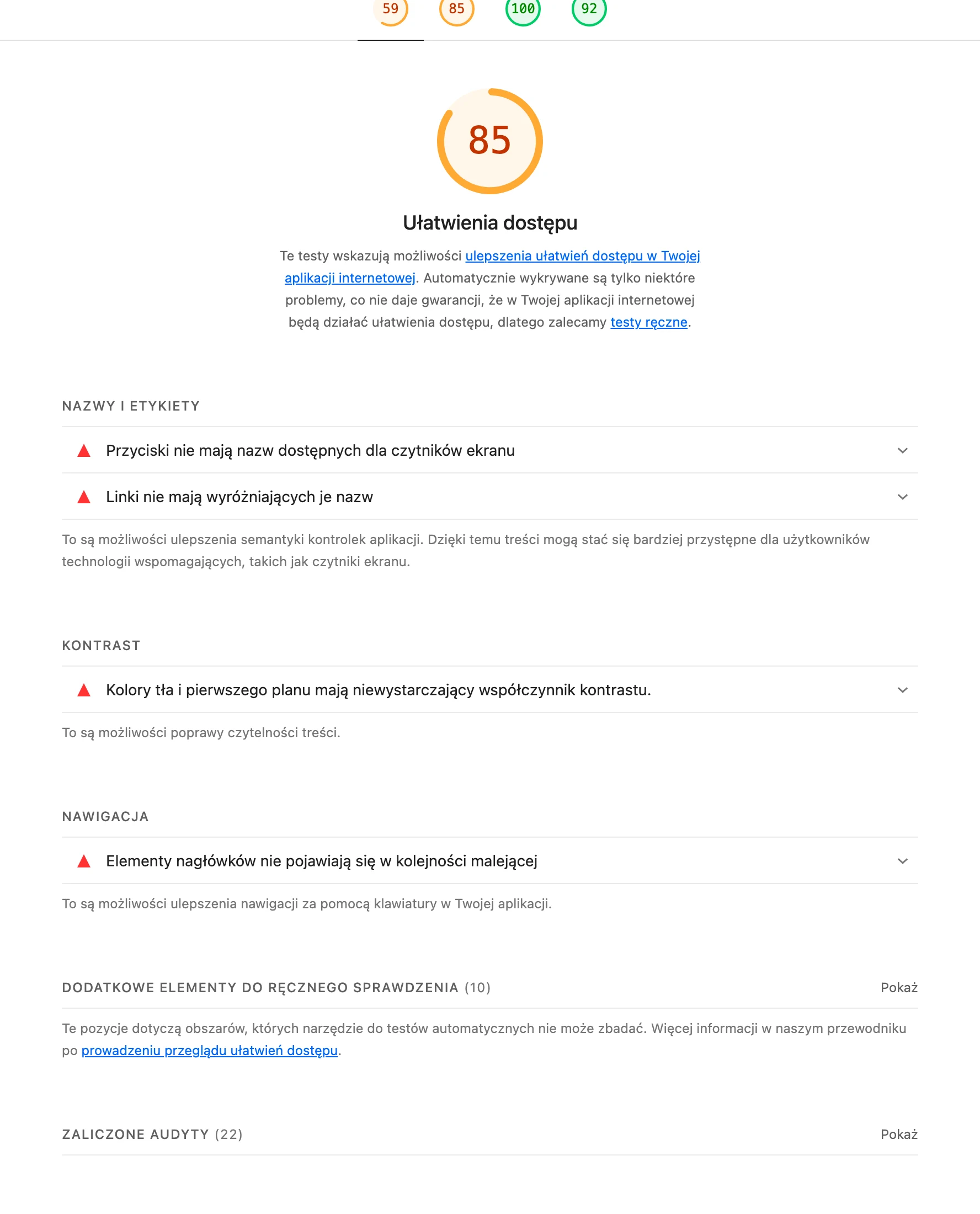
A full reference should be readable after just a few seconds of scanning. The best approach is a consistent structure: industry, challenge, before state, actions, delivery time and result. If there are numbers, show them in a simple before-and-after comparison instead of hiding them in a long description. A reference hidden in a PDF or on a graphic sells poorly and limits the usefulness of the content.
The UX of references is also improved by a good match for the next step. After a story about traffic growth from SEO, the user should see a link to the relevant service or a contact form. The CTA must come from the case study context, not be a random button. If the material does not lead anywhere, even a good reference often ends up as passive reading only.
In a larger base, it is worth showing matched references dynamically, for example by the industry or service the user is viewing. This shortens the search time and reduces the number of dead ends between subpages. In addition, clear headlines with the result work well, because they immediately show the point of clicking. The less effort it takes to find the right example, the greater the chance of contact.
The role of references in strengthening SEO and E-E-A-T
References strengthen SEO and E-E-A-T because they provide concrete, indexable content showing experience, working method and outcome. Well-written case studies build the topical depth of the website and answer more specific queries. This is especially important in SEO and marketing services, where users often look for examples from a particular industry or business goal. The greatest SEO value comes from references published as normal HTML content, with their own URL and logical internal linking.
From an E-E-A-T perspective, the strongest materials are those that show real experience rather than just sales slogans. If the reader sees the client’s problem, the course of action, the data source and the result, it is easier for them to regard the company as competent and credible. The same applies to algorithms, which understand content better when it is set in a specific context. A generic testimonial without numbers usually adds less value than even a short but well-described implementation.
Credibility grows when the data is current, consistent and published with the client’s consent. A visible brand and a quoted authorisation usually work more strongly than an anonymous mention, although confidentiality sometimes forces a compromise. In such a situation, you need to preserve as much context as possible, for example the industry, company scale and scope of work. Without this, the reference stops supporting trust and works less effectively for visibility.
Technically, it is worth adding structured data aligned with what the user actually sees on the page. Mark-ups such as Review or CaseStudy help organise information, but they will not replace good content. Just as important is linking from service descriptions to related references and vice versa. This structure supports content discovery, increases engagement and better shows the site’s specialisation.
The most common mistakes in building a reference base and how to avoid them
The most common mistakes are vagueness, a lack of numbers and consent, out-of-date data, and publishing references that are not linked to a specific service. Each of them lowers trust, because the client cannot assess the scale of the implementation or the credibility of the outcome. In practice, a weak reference does not speed up the decision; it just adds more questions to the sales conversation. If the recipient cannot see their own problem, the way it works and the result, the reference stops selling.
The biggest losses are caused by mistakes that can be removed with a simple editorial and formal process.
- A review without industry or objective context — add the client type, starting point and scope of work.
- A result without a data source — show the KPI and indicate where the numbers come from.
- An out-of-date case study — update the results after subsequent milestones.
- No consent for a quote, logo or data — collect authorisation before publication.
- A reference disconnected from the offer — link it from the relevant service page and direct it to the right CTA.
- Publication as a PDF or graphic — place the content in HTML on an indexable subpage.
The second common mistake is chasing the number of references rather than their usefulness. Ten short reviews without data usually perform worse than three well-described implementations. When a client requires confidentiality, do not publish an empty anonymous praise piece. Keep as much context as you can disclose: the industry, company size, objective and scope of the service.
To avoid these mistakes consistently, base the repository on one workflow. Ask for a reference after an important project stage, carry out a short interview, verify the numbers and record the consents. Then tag the material by service, industry and business objective so it can be easily matched to the recipient. This structure increases the usefulness of the base, makes distribution easier and lets you genuinely measure the impact of references on sales.
FAQ
Frequently asked questions
What should a testimonial look like to really sell services?
It should show a specific problem, the way of working and the result achieved for a similar client. It works best when the reader can also see the industry, starting point and final outcome.
Why do testimonials increase sales of SEO and marketing services?
Because they turn company claims into credible proof of work completed. As a result, the client understands faster whether you have experience in a similar context and can move more easily into a conversation about scope and budget.
When does a short review work better, and when is a full case study better?
A short review works well close to the offer, form or CTA, because it quickly confirms the result. A full case study is better for more complex services, because it shows the whole chain: problem, actions, time and result.
Is the client’s logo alone enough as social proof?
No, because a logo only shows the scale of cooperation, but does not explain the problem or the result. Materials that combine context, actions and outcome in one story work much better.
How should you segment a testimonial library so it is easy to match to a client?
The most important filters are service, industry, company size, business goal and decision stage. This way you show not a random story, but an example that fits the recipient’s situation.
Why are testimonials in HTML better than PDF or graphics?
Because they are easier to read, index and connect with links to other subpages. This format better supports SEO, E-E-A-T and leads the user to the next step, for example the offer or form.