
Cross-sell and up-sell work best when they shorten the route to a sensible purchase, rather than increasing pressure. In an online store, it is not the number of suggestions that matters, but their relevance, the moment they are shown and the way they are presented. If a recommendation does not make the decision easier, it usually harms conversion more than it helps revenue. That is why implementation has to be based on product logic, data and measurement of the impact on UX and site performance. In practice, that means fewer messages, better targeting and no interference with order completion.
How to implement cross-sell and up-sell effectively without being intrusive
They are most effectively implemented as helpful modules shown in the right place and at the right moment. On the product page, up-sell works well with a clear comparison of variants, and cross-sell with accessories that match the selected model. After adding to basket, you can show a quick cross-sell of small add-ons, but only as an easy-to-skip element. In checkout, it is better to keep recommendations to a minimum, because every additional prompt can distract and reduce completion.
Subtlety starts with selection, so usually show one to three suggestions. Too many offers create decision paralysis and weaken the page’s main goal. The module heading should clearly explain why the customer is seeing that block, for example “Complete your set”. Avoid pop-ups that cover the content or basket, because they take away control and often spoil the mobile experience.
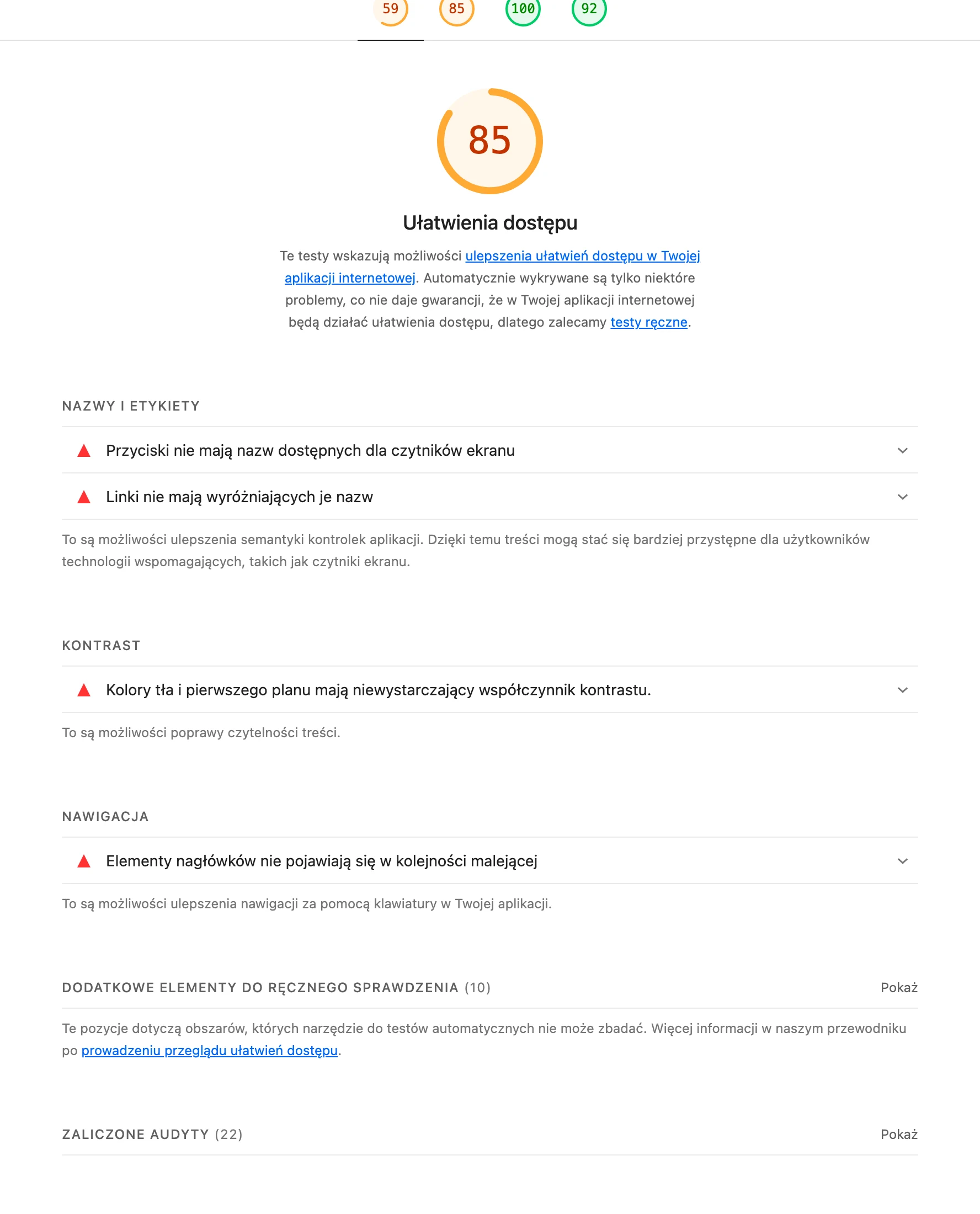
The module format must be quick to read and technically light. A thumbnail, name, price, add button and one key benefit marker, such as savings in a bundle or larger capacity, are enough. Links in the module should be contextual and available as standard HTML links, not only after interaction. Load scripts and images lazily and avoid heavy carousels, because the recommendation module must not worsen LCP, INP or indexability.
Key strategies for selecting product recommendations
The best recommendations come from combining relevant logic, good product data and simple rules matched to the stage of purchase. Cross-sell only makes sense when the product genuinely complements the main purchase, and up-sell when the higher price delivers clearly shown value. The basis is attributes such as compatibility, range, size, colour, purpose and availability. Exclusions are just as important, so you do not recommend a product already in the basket or one that does not fit the selected model.
Recommendation selection should also take into account purchase intent and price threshold. If the customer is viewing a basic variant, a much more expensive suggestion without a clear benefit usually will not work. Availability and short delivery time matter in practical terms, because even a relevant offer loses its point if it cannot be bought quickly. Margin and seasonality can filter the selection, but they should not replace matching the customer’s needs.
The following four strategies are the most commonly effective for building recommendations:
- Manual associations for bestsellers and key product pairs.
- Business rules based on attributes, category, brand, price and tags.
- Collaborative filtering based on the behaviour of other customers.
- Behavioural personalisation based on browsing and purchase history.
In practice, it is best to combine these methods rather than base the store on a single mechanism. Manual mapping is worth using for key SKUs, where a recommendation error costs the most. Automated rules scale the catalogue well, but they need proper data and exclusion mechanisms. Collaborative filtering and personalisation help with higher traffic, but they still require relevance control and A/B testing.
The importance of logic and relevance in recommendations
Recommendation logic and relevance determine whether the module will help with the purchase or start to undermine the store’s credibility. The customer should see a suggestion that solves a specific problem related to the product currently being viewed. If they are buying a printer, ink or paper makes sense, not a random gadget with a high margin. An irrelevant recommendation reduces trust faster than no recommendation.
Relevance is built through several filters at once: compatibility, purchase intent, price threshold and real availability. The accessory must fit technically, and the more expensive variant should deliver a benefit that is easy to compare. If the price difference is large, show only the offer with a clear justification, for example larger capacity or performance. Without such logic, the result is usually clicks without purchase or returns after a poorly targeted up-sell.
Operationally, start by organising product data and relationships between SKUs. Define attributes for compatibility, range, size, purpose and exclusion mechanisms. For the most important products, set associations manually, because that is where an error costs the most. Automated rules should not show unavailable products, items that duplicate the basket content or items with a clearly longer delivery time.
The impact of visual presentation on user experience
Visual presentation affects user experience when it lets the user assess the offer in a few seconds and return to the main goal. The recommendation module should be small, readable and aligned with the page layout. In practice, four elements are enough: thumbnail, name, price and a clear add button. Every additional detail needs justification, because too much information distracts more than it helps.
In cross-sell and bundles, the most important thing is a quick answer to why the customer should add another item. The module name should say this plainly, and the benefit must be visible without doing the maths. For a bundle, show the saving in monetary terms and allow the whole set to be added with one click. If the discount is hidden or split across several messages, the user is more likely to ignore the entire block.
In up-selling, the best approach is a simple comparison of one or two variants, based on key parameters. Do not build an elaborate table if the decision can be supported with two differences and a clear note about the benefit. On mobile, large tap targets and the absence of elements that obscure the content or basket are particularly important. Good presentation does not fight for attention at all costs; it makes the decision easier without creating a sense of pressure.
Which KPI and analytics metrics are worth monitoring
Monitor above all the impact of recommendations on average basket value, overall conversion and the quality of the shopping experience. A rise in clicks on the module alone does not mean success if orders are falling or the basket is being abandoned more often. In practice, it is worth comparing the results of users who saw the recommendation with a group without that module. Only then can you see whether the module is genuinely helping sales.
The most useful metrics are AOV, Attach Rate and the conversion rate of the module itself. AOV shows whether the customer is actually adding additional products or choosing a higher variant. Attach Rate shows what percentage of orders contain an additional product. Treat the module CTR as secondary, because a high result without a purchase often means only interest.
If recommendations increase AOV but worsen CVR or increase returns, the implementation needs adjusting. Such a signal usually means the offer is shown at the wrong moment, is poorly matched, or is too sales-driven. For up-selling, it is worth measuring the return rate separately, because that is where an unsuitable product switch quickly becomes apparent. Alongside sales data, also check LCP, INP and CLS so the module does not take away conversions by slowing the site down.
Typical mistakes when implementing a cross-sell and up-sell strategy
The most common mistakes are too many offers, poor matching and technical overload of the site. Each one affects a different part of the purchase process, but the effect is usually similar. The customer loses trust faster, rates the shop worse and abandons the purchase more often. The problem grows especially when the same pattern is implemented across the entire shop without context.
Most often the problem looks like this:
- Showing too many offers instead of 1-3 relevant proposals.
- Recommending products that are unavailable or have a clearly longer delivery time.
- Suggesting a much more expensive variant without a clear benefit.
- Choosing offers solely on margin, with no link to the customer’s need.
- No exclusions, so the shop suggests a product already present in the basket.
- Using heavy carousels, pop-ups and elements that obscure the content.
It is best to avoid mistakes already at the level of rules, data and module quality control. Before publication, check compatibility, the price relative to the base product, stock levels and the business sense of each relationship. Do not show recommendations in checkout unless you have evidence that they help completion. If the module works well only in some categories, deploy it selectively rather than across the whole site.
The role of product data structure in effective recommendations
Product data structure determines whether a recommendation will be relevant, safe and possible to automate. Without consistent attributes, the shop will not distinguish a product that fits from one that is only similar in name. In practice, this leads to incorrect cross-selling, poorly matched up-selling and a higher number of returns. Good data also shortens the time needed to implement new rules, because not every relationship has to be set manually.
The most important are the attributes that describe the product’s real fit. For recommendations, compatibility, size, colour, intended use and product range are usually key. In up-selling, you also need parameters that make it possible to show the difference between variants clearly, for example capacity or performance. For bestsellers and key SKUs, it is worth keeping manual mapping of relationships, because that is where an error most easily damages sales.
Attributes alone are not enough if there are no exclusion rules and logical catalogue tagging. The system should omit products that are unavailable, duplicate basket contents and are incompatible with the selected model. A combination of manual links for the most important products with automatic rules for the rest of the range works well. Such a structure also makes it easier to define clear “fits with” and “is the newer version of” relationships, which are clear for users and AI systems.
FAQ
Frequently asked questions
How do you implement cross-sell and up-sell in a store without being pushy?
Show them as helpful modules in the right place and at the right time, ideally with 1–3 suggestions. Avoid pop-ups and do not cover the content or basket.
Is it worth showing recommendations in checkout?
In checkout, it is better to keep recommendations to a minimum, because every additional stimulus can distract and reduce completion. If the module only works in some categories, implement it selectively.
What determines the relevance of product recommendations?
The most important factors are compatibility, purchase intent, the price threshold and actual product availability. A recommendation must solve a specific problem related to the product being viewed.
When does up-sell make sense, and when is it better not to show it?
Up-sell makes sense when the higher price comes with a clearly shown benefit that is easy to compare. When the price difference is large and there is no clear justification, it usually will not work.
What elements should a simple cross-sell or up-sell module have?
A thumbnail, product name, price, add button and one highlighted benefit are enough. The module should be small, clear and quick to read.
Which KPIs are worth measuring after implementing product recommendations?
The most important are AOV, Attach Rate and the overall conversion rate, with module CTR only as a supporting metric. It is also worth checking returns and UX metrics such as LCP, INP and CLS.