
AI in marketing can cut work by hours. But it can just as easily add time for edits, verification and putting out small, irritating fires. In practice, the issue is not whether a tool can generate something, but whether that output can be quickly and safely plugged into a real process. That is why it is better to look not at a single prompt, but at the whole workflow: from input data, through the draft, to approval and publication. What matters most is not how quickly AI writes something, but how much time the team needs to deliver a correct final result. This article shows where AI genuinely eases the marketing workload, and where it only creates the illusion of speed-up. It is about practical decisions: what to automate, what only to support with AI, and what to leave to a human.
What practical use of AI in marketing means
Practical use of AI in marketing means assigning it tasks in which it genuinely shortens operational work without increasing the risk of error. Concrete results, not fireworks. So this is not about using AI “for everything”, but about a deliberate division of labour between the tool and the specialist. In a well-designed process, AI prepares working material, organises data or speeds up analysis, while the human takes responsibility for the business sense and correctness of the final output.
It works best where the task is repetitive, follows a fixed format and is based on existing materials. Then AI does not “create from nothing”, but arranges the pieces faster than we can. Examples include meeting transcripts, summaries of client conversations, grouping content topics, headline variants, FAQ drafts or organising keyword research. If it is easy to check whether the output is correct, AI usually really does save time. And in marketing, that can be a more solid currency than budget.
In practice, you do not assess the tool itself, but the whole process in which it works. The chain matters. You need to take into account where the input data comes from, who prepares it, what the verification looks like, who approves the output and what happens after publication. This matters because a text generated in three minutes may then require thirty minutes of editing, fact-checking and adapting to the offer. And then the “saving” becomes highly debatable.
AI only appears to help where deep brand context, high precision or business responsibility are needed. It sounds clever, but it can be costly. This applies, for example, to final advertising claims, expert content without source materials, offer descriptions requiring legal compliance or strategic recommendations created without market and customer data. In such tasks, the tool may sound convincing, but it easily produces simplifications, repetitions or information that then has to be manually corrected. Instead of speeding things up — a second round of work.
Work based on the company’s own data is also becoming increasingly important. That is what makes the difference, not the model’s own “cleverness”. AI performs much better when it is given a brief, offer documentation, historical campaign results, customer questions, sales notes or conversation transcripts. Without good context, AI usually does not speed up thinking, it only speeds up the creation of generalisations. And generalisations, as we know from life, rarely sell.
How AI affects time savings in marketing processes
AI saves time only when it shortens the whole task, not just the moment of generating text, a report or an idea. In marketing, the full cost of the work matters: preparing the input, the number of iterations, the time needed for corrections, approvals and fixes after implementation. And that is where the reckoning begins. If even one of these stages takes longer, the apparent speed-up simply evaporates.
The biggest savings usually come from volume. And from low risk. This is especially clear when summarising reports, extracting insights from surveys, transcribing, drafting emails, tagging content, monthly summary drafts or creating copy variants for tests. In such uses, AI cuts mainly the time spent on tedious operational work, while the human stays where they still need to be: selecting, clarifying and ensuring the sense holds together.
In SEO and content marketing, AI can genuinely speed up research, topic clustering and outlining. These are stages that can eat up hours, while at the same time being based on a brief, search data and existing materials. The key, however, is the “working version”. AI is strong at creating a good working draft, but weaker at assessing search intent, the quality of information and the unique value of the content.
In paid campaigns, AI speeds up the production of ad variants and organising comments on results. But beware: it just as easily multiplies flawed assumptions. If the input message is imprecise, the offer is poorly described or the segmentation is off, the tool can “produce” dozens of creatives based on the same mistake in no time at all. The effect is often brutally simple. The team does not save time, it just gets more material to undo.
A similar mechanism works in analytics. AI is good at translating data into simpler language, comparing periods and spotting unusual changes, but it does not replace proper measurement or knowledge of the business context. The question is who ties down the foundations. When tracking is incomplete, KPI definitions have changed or seasonality comes into play, automatic conclusions may sound sensible, yet still lead to poor decisions.
The most common mistake is simple in structure, but costly in effect: only the time taken to generate the answer is measured. From the team’s perspective, what matters more is whether AI helps produce material ready to use more quickly, or merely brings a draft into existence faster, which then takes a long time to “clean up”. And that is not a cliché. If corrections, fact-checking and adapting to the brand take longer than doing the task manually, AI does not deliver savings.
That is why real acceleration rarely comes from the chat itself. Instead, what works is a well-designed process. Prompt templates, a library of source materials, clear acceptance criteria and integration with documents, CRM, spreadsheets or dashboards work best. The less manual moving of information and guessing of context there is, the greater the chance that AI will genuinely shorten the work rather than just move it somewhere else.
Current trends and challenges in using AI in marketing
In marketing, AI is not magic today. Current trends and challenges boil down to one thing: models are increasingly better at speeding up work on their own data, but without context they quickly produce simplifications that later cost time and money. The biggest growth in importance is in working on briefs, CRM, sales notes, conversation transcripts and historical campaign results. It is precisely on this kind of material that AI usually delivers the best time return, because it has something to refer to. What happens when it is given only a general instruction. Most often it produces text that is linguistically correct, but weak from a business point of view.
In practice, AI wins where operations matter. It works best today in summarising, organising, topic clustering, creating copy variants and preparing report drafts, i.e. in tasks that have a quick quality check. These uses share one feature: the output can be checked immediately and improved without much fuss. If the correctness of the result can be easily verified, AI usually really saves time. If not, the saving is often only on paper.
It is also increasingly important to connect AI with the process. Not with a single prompt, but with the whole operational machine: brief templates, libraries of source materials, established response formats and approval workflows. Teams that have this use AI much more effectively, because the model is not groping in the dark, but moving along defined tracks. A chatbot alone rarely solves the problem of chaos. The biggest savings come only from combining AI with a good workflow and clear acceptance criteria.
The biggest challenge is input quality and responsibility for the outcome. In marketing, many tasks require knowledge of the offer, brand tone, legal constraints, the product’s real advantages and the audience’s intent, and this cannot be supplied by a single clever prompt. AI can prepare a working version, but it should not independently formulate final sales promises, interpret data without context or publish content without editing. This is not about aesthetics, but about risk. The greater the risk of a reputational, legal or strategic error, the less sense full automation makes.
Analytics and reporting are a separate front. AI can sensibly describe a change in metrics, spot an anomaly and suggest hypotheses, but beware: it will not fix poorly implemented measurement, because there is nothing to “infer” from thin air. If events are incomplete, KPI definitions have changed or seasonality is at work in the data, automated conclusions may sound reasonable and at the same time lead you astray. AI does not replace tracking quality; it only works on what the team has previously measured correctly.
Finally, there is data privacy and security. The scope of implementation depends on whether data can be legally and organisationally passed to an external system and how it can be anonymised. In many companies it is not the model quality, but data constraints that decide where AI can be rolled out broadly and where only as a supporting tool.
How to implement AI effectively in paid campaigns and SEO
Effective AI implementation in paid campaigns and SEO is not about handing over the controls. It is about drafts, analysis and data organisation, not independent strategic decisions that are then hard to unwind. First you break the process down into specific tasks. Only later do you choose the places where AI genuinely shortens the work without increasing risk along the way. In both areas, it is best to start with repetitive activities and those with a fixed output format, because then you can fairly compare the time before implementation and after it.
A good start begins with one workflow. And that is key. What input data does AI receive, in what format should it respond, and what does a human need to check before the result goes into a campaign or onto a website. In practice, it is simply a set of: brief, offer document, tone of voice, list of forbidden simplifications, campaign goals, legal constraints and data sources. The problem is that without such a framework the model will produce texts and ideas that are apparently “OK”, but far too often require a series of corrections and alignments. The better the input material, the less time is eaten up by corrections and alignments.
In paid campaigns, AI is best put to work on producing variations. Creating headline variants, descriptions, CTAs, segmenting messages and preparing A/B test drafts is its natural environment, because speed and breadth of experimentation matter. It also works well at summarising comments on performance results, organising phrases from search term reports and gathering hypotheses about why CTR or conversion are weak. A specialist can quickly judge whether the output makes sense or is just nicely packaged chaos. AI can speed up the preparation of many ad versions, but it should not independently decide on budgets, causes of declines or the direction of strategy.
In practice, the biggest mistake in paid ads appears when a team scales a weak assumption across many creatives and audience groups. If the brief is off or the message does not match the user’s intent, AI simply replicates the same problem faster, only at a larger scale. But beware: this is not the tool’s fault, but the process’s. That is why, before launch, it is worth locking down areas for manual control, namely sales claims, regulatory compliance, offer accuracy and fit to the funnel stage. The question is: what is the point of generating faster if you then have to pull ads or rebuild the entire test structure.
In SEO, AI shows its strengths where a large volume of information needs to be handled. It speeds up keyword grouping, topic mapping, building outlines, FAQ drafts, meta data drafts, internal linking suggestions and identifying content to update. This shortens the preparation stage and lets you get to a sensible working version faster, before the real editorial work begins. The facts are these: in SEO, order and intent win, not just “nice writing”. In SEO, AI is best treated as a tool for research and structure, not as the author of the final expert content.
The most common problem in SEO starts where we automatically “stitch together” full articles without solid source material and without checking search intent. The text can be fluid. The thing is, it often ends up too generic, repetitive or simply at odds with what the user is looking for at that stage. The problem is that the model, on its own, will not add the company’s unique experience, fresh data or the industry nuances that make all the difference to how it is received. That is why the final copy must go through expert editing, fact-checking and an assessment of usefulness against the results in the SERP.
In both channels, you need to measure not the time to generate, but the full cost of delivering the task. And that is not a cliché. It includes preparing the input, the number of iterations, editing time, revisions after approval and any fixes after publication. If AI shortens the first stage but stretches the later ones, the process does not work better, it only shifts the effort around. The question is: where are we really saving time, and where are we just moving the work to the end. Only this kind of measurement shows which uses are worth automating more broadly, and which are better left in an AI plus human model.
Typical areas where AI genuinely saves time
AI genuinely saves time where the task is repetitive, has a clear output format and the correctness of the result can be checked quickly. It works best when it operates on existing materials: transcripts, briefs, campaign data, surveys, sales notes and a customer questions database. In such processes, AI does not need to “invent” the content from scratch. Instead, it organises, condenses and arranges what is already known into a sensible structure. The biggest saving does not come from generating alone, but from reducing the manual handling of a large number of similar pieces of information.
This is easy to see with transcripts and summaries. Instead of listening through meetings, client conversations or interviews manually, you can quickly pull out decisions, questions, objections and next steps. The same applies to tickets, comments, survey responses and notes from sales calls, which are usually long, chaotic and full of repetition. A person still has to judge the weight of the findings. However, they do not waste time on mechanically organising the material and rewriting what has already been said.
AI can also save a lot of time in research and content organisation. This is mainly about keyword grouping, topic clustering, preparing article outlines, FAQ drafts, metadata and internal linking suggestions. If the task involves arranging working material according to known rules, AI usually speeds things up more clearly than when writing the final version. But be careful, this is especially important in SEO, where the draft version is only a stage, not a finished product.
In paid campaigns, AI sensibly shortens the time needed to create message variants. You can more quickly prepare several versions of headlines, CTAs, ad descriptions, email subjects or messages tailored to audience segments. This works especially well when a team is testing many creatives at once and needs a large number of sensible starting versions, rather than one “perfect” line. The facts are these: the saving appears when the specialist selects and refines the best variants. Not when they publish them without oversight.
In analytics and reporting, AI most often acts as a synthesis layer. In short, it puts the pieces together. It can summarise a dashboard, describe changes between periods, prepare a working commentary on charts and gather a list of hypotheses for further analysis before a human gets into the details. This shortens report preparation time, but it does not remove the need to assess data quality, tracking changes and the impact of seasonality. It also works well when classifying content for updates and when repurposing, i.e. turning one piece of content into several working formats for different channels.
The most common mistakes and pitfalls in using AI in marketing
The most common mistakes in using AI in marketing come from a simple mental shortcut: “if the answer is quick, then we’re saving time”. It sounds reasonable, but practice can be ruthless. The team gets a text or analysis straight away, and then spends a long time polishing the facts, the tone of voice, alignment with the offer and all those simplifications that looked harmless on screen. The problem is not the tool itself, but the poor fit of AI to the task. If revisions take more time than preparing the material manually, the process only appears faster.
A very common mistake is poor input. One overly general prompt instead of a brief can derail the whole job. A lack of historical data, a lack of brand guidelines or an unclear goal means that AI produces content that is linguistically correct but operationally weak, because there is nothing for it to “hold on to”. In practice, that means more iterations, more clarification and more risk that the final material will be imprecise. The less detail at the input stage, the higher the cost at the output stage.
The second pitfall is more serious. It is using AI for tasks that require business, legal or expert responsibility, i.e. where a mistake does not end with embarrassment alone. This applies especially to final ad claims, sales promises, technical content, high-precision product descriptions and strategic recommendations without full data. AI can prepare a draft, but it should not make the final call on a message that the company signs off under its own brand. The question is: who will take responsibility when something does not add up. The biggest risk appears not when the output sounds wrong, but when it sounds credible and is wrong.
Often the problem is also the lack of a process owner and the lack of acceptance criteria. The specifics are simple: when no one knows who is responsible for verifying facts, numbers, sources, alignment with the offer and publication, AI starts to operate in an organisational vacuum. And a vacuum in a company always sucks things in. Then it is easy to end up automatically publishing draft versions, file version chaos, inconsistent naming and difficulty recreating what was approved. This is not a technology issue, but a basic operational order issue.
A separate pitfall is misreading analytics. Numbers do not lie, but they can mislead. AI can efficiently describe increases and decreases, but without knowledge of measurement changes, seasonality, event quality or campaign structure, it can point to the wrong cause of the problem and then dress it up in convincing sentences. This is especially dangerous when assessing campaign effectiveness, lead quality and budget decisions. An automatic commentary on data does not replace correct tracking implementation or knowledge of the business context behind the result.
In practice, many teams fall into two traps at once. First they try to implement everything at once, and then they are surprised that privacy starts to take on a life of its own. When a company uses AI at the same time for content, reports, CRM, lead handling and analysis, the number of exceptions, errors and questions about data security grows faster than anyone would like to admit. Why add risk at the outset. It is wiser to start with one process where it is easy to assess the outcome and equally easy to separate sensitive data. The best implementations are usually narrower, more controlled and based on clearly defined source materials.
How to measure efficiency and time savings with AI
Efficiency and time savings with AI are measured at the level of the whole process, not on a stopwatch from clicking “generate” to the answer appearing. If a text is created in 3 minutes, but then requires 40 minutes of corrections, fact-checking and approvals, then AI has not shortened the work, only moved it further down the queue. And that is where it becomes concrete. The most important metric is the time it takes to deliver a correct result from brief to approval or publication. Only such a measure shows the real operational gain.
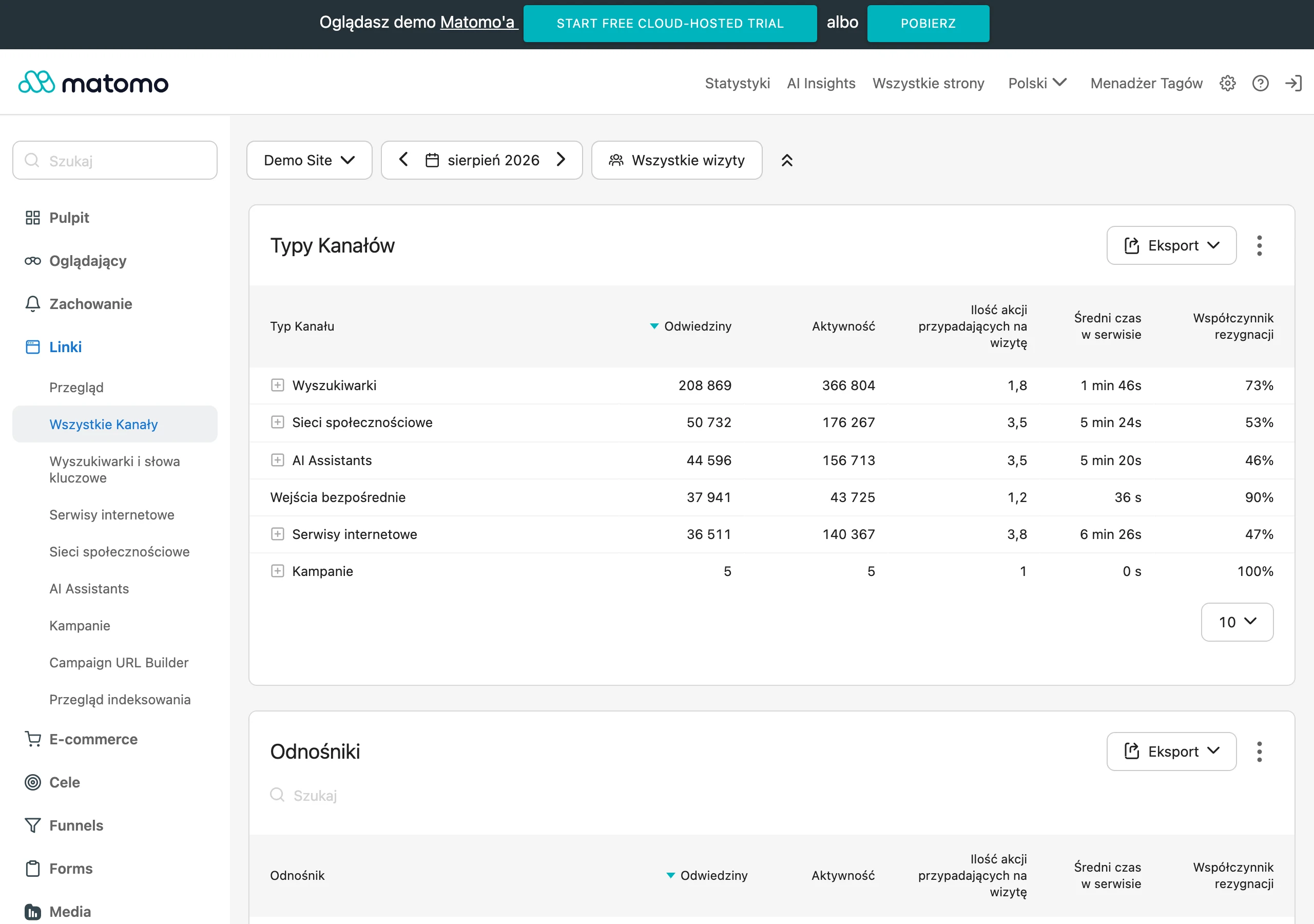
First you need a baseline, that is, the result of the process without AI. It sounds boring, but without it you are groping in the dark. In practice, it is worth measuring a few repeatable tasks in the manual version: how long it takes to prepare the material, how many rounds of corrections are needed and how many errors emerge along the way. Only then do you compare the same type of task in a model using AI. Without such a baseline, it is easy to confuse the impression of speed with real savings, and that is the difference between a sprint and a marathon.
One simple thing works: break the process down into stages and measure the time separately for each one. Most often these are: gathering input data, preparing the prompt or brief, generating a draft version, editing, substantive verification, approval and publication. It is precisely the post-generation stages that most often show whether AI helps or simply moves the work elsewhere. And that is the point. In many teams, the saving appears not in writing, but in summarising, organising and preparing the first version that is even fit for discussion.
Time alone is not enough. A faster result may simply be of worse quality, and then “savings” are an accounting fiction. That is why, alongside time, you need to measure the number of iterations, the extent of manual corrections, the proportion of materials rejected for reworking and the number of errors detected before publication. In content, these will be, for example, incorrect facts, the wrong tone of voice, weak CTA or a lack of alignment with the offer. In analytics and paid media, incorrect interpretations, missing context and conclusions that do not fit the data matter more. The question is where exactly quality breaks down, because that is where time leaks away.
A good indicator is also the share of human work after using AI. It is a quick reality check for the implementation. If a specialist is only correcting and clarifying the material, the process usually gains rather than spinning in circles. If they have to rewrite half the output, look for sources from scratch or fix the structure, the implementation is set up badly or the task is not suitable for such use. The higher the cost of editing and verification, the lower the real value of automation.
Efficiency needs to be measured separately for different types of tasks, because AI does not perform evenly across the board. Transcriptions, report drafts and keyword grouping are accounted for differently than final expert content, ad claims or strategic recommendations. In the first batch, speed and order in the data matter most, while in the second accuracy, responsibility and alignment with the business context come to the fore. The question is: why pretend that one aggregate metric will describe all of marketing. Usually it does not describe it at all, only obscures the picture.
An honest assessment of an implementation starts where “production” ends, that is, after publication. Measure not only the number of materials delivered, but also their effects: whether the number of corrections on the client’s or manager’s side is growing, whether content needs updating more often, whether reports require extra explanation, whether the team reaches decisions faster. These are costs that are easy to overlook. AI is cost-effective when it shortens work without increasing the cost of error, chaos and reworking.
The most practical approach is simple. You measure a sample of tasks for 2-4 weeks and stick to one method, instead of juggling metrics to suit a preconceived conclusion. For each task you record the start time, end time, number of iterations, who verified the result and whether the material was accepted without major changes. After such a test, three groups of processes usually emerge: those worth automating more broadly, those requiring an AI model plus editing, and those better left mainly to a human. And this is not an academic division, but an operational map of risk and gain. Such a filter leads to much better decisions than the general question of whether AI “saves time”.
FAQ
Frequently asked questions
Which marketing tasks does AI really speed up the most?
It works best for repetitive tasks such as transcriptions, summaries, topic grouping, headline variations, FAQ drafts or organising keyword research. In such tasks, the output can be checked and improved quickly.
Does AI always save time in marketing campaigns?
No, because you need to count the whole process, not just the time it takes to generate the content. If edits, verification and approvals take longer than doing the task manually, there is no saving.
Why does AI sometimes only seem to shorten the work?
Because it creates a draft faster than a finished end result, and then it still has to be adapted, checked and corrected. When context is missing, the brand, offer or data may require extra work instead of saving it.
When does AI in SEO deliver a real time saving?
When it helps with research, topic clustering, building outlines, FAQ drafts, meta data and internal linking. The biggest gain is when it works from a brief and existing materials, rather than creating content without a base.
What needs to be prepared for AI to work effectively in marketing?
You need good input: a brief, an offer document, tone of voice, campaign goals, legal constraints and data sources. Clear acceptance criteria and a workflow in which a person checks the result before publication are also important.
Which areas are better left to a human rather than AI?
A human should be responsible for final sales claims, expert content without sources, legal compliance and strategic decisions. The higher the risk of reputational, legal or business mistakes, the less sense full automation makes.