
Short video can genuinely strengthen expert content. Provided you treat it as a condensed distribution of knowledge, rather than a separate format created solely “for reach”. In practice, it means extracting the strongest points from an article, webinar, report or expert statement and turning them into short, easy-to-understand materials. Such a video is meant to grab attention, explain one specific thing and send the audience on to fuller content or the next step. The biggest mistake is publishing short videos without tying them to the source content, the business goal and the measurement plan. A well-prepared short video saves time, because it lets you use one expert piece across multiple channels. But beware: it requires more editorial discipline than simply “cutting out” clips from a long recording.
What short video as support for expert content means in practice
This is not content for content’s sake. Short video as support for content expert content is a series of short materials that explain one point, answer one question or show one problem and its solution. It is not about entertaining clips detached from the brand’s expertise, but about giving the audience a simpler way into the topic. This format is meant to open the conversation, not replace the entire expert piece. The question is: does this clip lead somewhere else, or does it only “look nice” in the feed.

The source material can be an article, podcast, webinar, report, presentation, sales FAQ, live session or raw phone recording. From a practical point of view, the form of the source matters less than whether it yields concrete, stand-alone points. The best-performing clips are those that can stand on their own in one message, without a long context. In other words, not “a story about everything”, but one idea, one distinction, one conclusion.
In a well-designed process, short video serves as an entry layer. It simplifies a difficult topic, helps the audience quickly judge whether the content is for them, and points them onwards: to an article, newsletter, demo, consultation or sales conversation. This is especially useful where expert content is valuable, but on first contact it may be too long or too complex. Instead of flooding the audience with a wall of information — you give them a clear point of reference.
The practical value of such a service comes from repurposing, that is, reusing one piece of content in many atomic formats. From one webinar you can prepare several or a dozen short videos, each addressing a different audience problem. This means you do not have to produce everything from scratch. The problem is that each piece still has to be adapted to the channel and the goal; otherwise, repurposing turns into mindless “pushing through” of shots.
The end result should not be just the recording itself, but a coherent working system. It includes topic selection, scripts, shots, editing, subtitles, descriptions, CTA, publishing and results analysis. If short video does not have a clearly defined role in the audience journey, it easily becomes just another format to fill the publishing calendar. And then it builds no brand expertise, only noise.
The current context of producing video materials
Today, vertical format and speed matter. The current context of producing video materials forces short, native forms that get into the topic from the first seconds and do not waste the viewer’s attention. Platforms reward content that is clear, fast and tailored to the phone, not to the creator’s convenience. In practice, this means a strong opening, a clear message and ruthless cutting of everything that delays getting to the point.
Many people watch without sound. That is why subtitles are not a decorative extra, but a condition of usability, just like contrast, a safe area for text and a frame in which the face, product or screen is actually visible on a small device. The problem is that editing details can be invisible to the creator, while for the viewer they make the difference between “I understand” and “I scroll past”. If the viewer does not understand the message without turning on audio, the material loses a large part of its effectiveness.
Expert content does not forgive shortcuts. It is more demanding than purely entertaining formats, because one cut too many can distort the meaning of what is said. The key is to avoid cutting out conditions, caveats and context, because they often determine the meaning of the point being made. This is especially important in legal, financial, medical and technological topics, and everywhere else where oversimplification may mislead the audience.
AI can turbocharge production. AI tools genuinely speed up transcription, clip selection, subtitle generation and the preparation of draft script versions, meaning the whole “mechanical” part of the process. But beware: they do not solve the problem of substantive quality, speaking style or brand alignment. AI is good for speeding up production, but the editorial decision still has to belong to a human.
There are also matters that are not visible on the timeline. The scope of work is affected by organisational and legal issues, because you need to establish rights to image, music, tool screenshots, archival materials and all elements used in the edit. The question is who approves it and when, because that is exactly where production can get stuck. In many companies there is also an approval process involving the expert, marketing, the legal department or compliance, which directly affects the speed of production and publication.
How the short video creation service works step by step
This is not a case of “let’s throw something short together” and job done. A short video production service works like an editorial and production process: from longer content, one specific thesis is selected, turned into a short script, recorded or edited into a piece, and published with a clear purpose. It starts with deciding why the video is being created and where it will be used, because that sets up all the other decisions. You build content for reach differently, differently for education, and differently again if the goal is to move someone to an article, a form or a sales conversation.
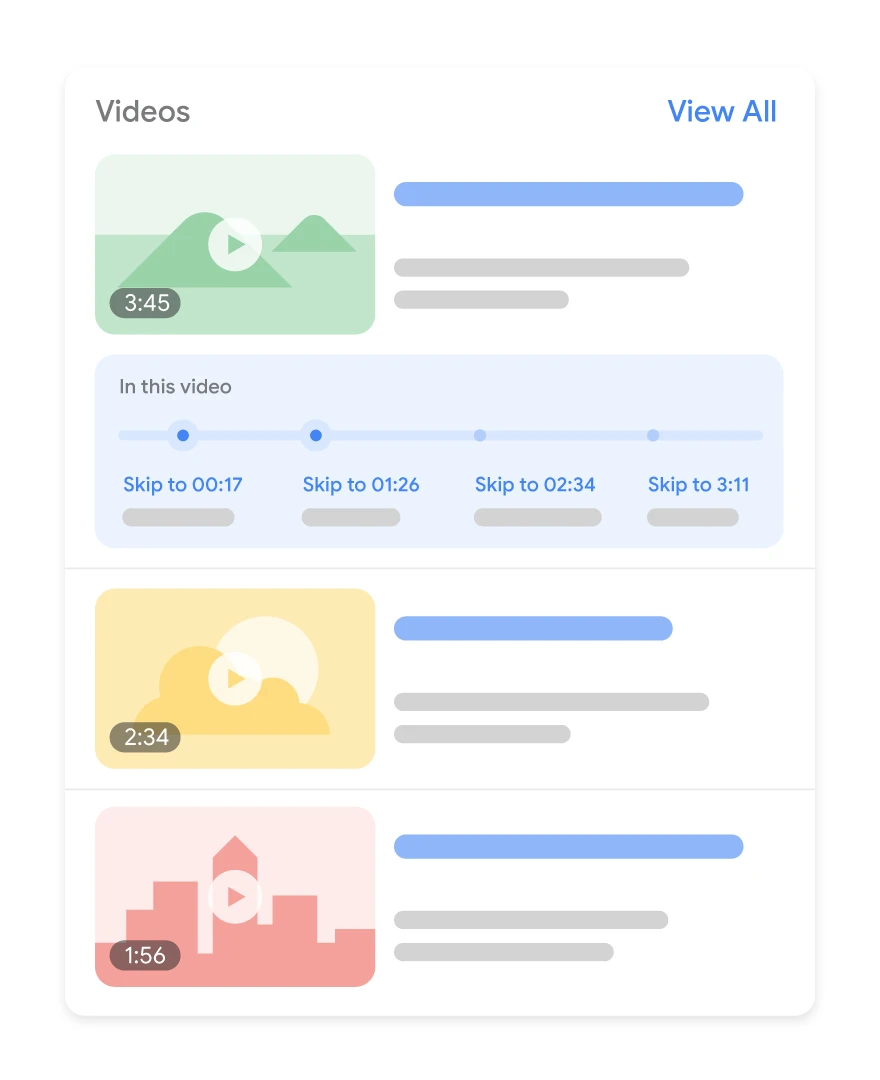
Then comes the selection, without sentimentality. You analyse the source material and choose the fragments that can stand up in short form without losing meaning, instead of stuffing everything in like a suitcase before a trip. The best performers are clear theses, frequent customer questions, short instructions and specific mistakes to explain. The most common mistake at this stage is trying to cram several threads into one video, which reduces clarity and retention.
The next step is adapting the content to vertical format and a short attention span. Digressions are cut from the longer statement, the line of thought is organised, and the whole thing is arranged into a simple structure: a strong opening, the problem, the explanation, the conclusion and the CTA. In expert content, the shortening has to be controlled, because over-aggressive simplification can change the meaning or lose key conditions.
Then comes the script and shot plan. This includes the spoken text, the first line, places for captions, cutaways, screenshots, slides and variants for different channels. A good short video is usually based on one guiding idea and one expected action from the audience, rather than a general “saying something valuable”. The question is whether, after watching, the viewer is meant to do exactly one thing, or just “remember something”.
At the production stage, the material is recorded natively in vertical format or assembled from a webinar, podcast, screen recording or existing video. Details matter. In practice, simple things do the job: a clear frame, good lighting, understandable speaking pace and clean audio. With expert content, the audience will forgive a more modest visual presentation, but usually not chaos or poor audibility.
Post-production is not only cutting, but also refining the usefulness of the material. Captions, highlighted keywords, timing adjustments, basic brand elements and sometimes language versions or shortened test variants are added. Because a large part of viewing happens without sound, captions and a clear screen layout genuinely affect performance, and are not just an aesthetic extra. And that is not a cliché, but everyday life in the feed.
The final stage is publishing, measurement and iteration. You prepare the description, CTA, links to the full content, campaign tags and the way the video is embedded in the user journey. Then you look not only at views, but also at attention retention, completions, clicks, questions from the audience and the quality of traffic sent to the source. If a short video does not lead to any next step, it often only works on the surface. It looks nice in the stats, worse in sales or leads.
What needs to be decided before starting short video production
Before starting short video production, you need to agree the working model, source material, the aim of each video and the approval rules. Without that, even a skilled editor will not save the project, because nobody will know what is actually supposed to be created and by what criteria to judge the result. This is where the decision is made whether you are producing a series from an article, a library of clips from a webinar, expert-to-camera recordings or a mixed format with screen and narration. One thing is key: what is “ready”, and what is still “to be improved”.
You also need to decide which topics can handle shortening at all. The best performers are concrete things: “how” questions, comparisons, checklists, common mistakes, interpretations of changes and short explanations of one problem. Content that requires broad legal context, multiple caveats or long argumentation performs worse, because shortening it easily ends in distorting the meaning. Instead of precision — a mental shorthand, and in expert materials that hurts the most.
Before you start, it is a good idea to clearly agree a few operational things:
- which source content the materials come from and whether it is up to date,
- who is responsible for subject-matter approval and brand consistency,
- whether the expert is recording new shots or you are working from archive footage,
- where the video is meant to lead: to an article, form, demo, newsletter or contact,
- which channels the material will be published on and whether you are planning paid promotion.
A separate topic is legal and organisational requirements. You need to verify consent for using likenesses, rights to music, the ability to use screenshots from tools, webinar excerpts and archive materials. In regulated companies, or where communication is under constant scrutiny, it is better to establish the approval path in advance. The problem is that this more often dictates the pace than the recording itself.
It is also worth preparing the working setup. One place for briefs and scripts, a publication sheet, a transcription tool, a brand asset library, a caption standard and a way of tagging links. Seemingly small things, but later a real advantage. The more repeatable the process, the easier it is to produce a series rather than individual random videos.
At the end, you need to establish what the test and measurement will look like. A safe model is a short series on a limited number of topics, in one format and with a consistent evaluation method. That makes it possible to compare what actually “lands”: an expert on camera, an edit from a webinar, a screen recording with narration, or another type of hook. Instead of guessing from a single publication, you get comparable results.
What tools and techniques are essential for short video production
Short video production requires tools for transcription, editing, subtitles, publishing and analytics, as well as techniques that shorten expert content without damaging its meaning. It sounds broad, but in practice the working set starts with simple things: a brief document, a spreadsheet with the publishing plan and a place to approve scripts. Then comes a speech-to-text tool, a video editor with support for vertical formats and a system for adding subtitles. What matters most, however, is not which programme you use, but whether the whole process lets you move quickly from source to publication without losing editorial control.
For expert content, transcription and editing are key. A long webinar, podcast or sales conversation usually contains several strong points, but they get lost in digressions, examples and repetitions. A transcription tool speeds up the selection of segments, and then manual editing still comes in: simplifying the language, organising the meaning and cutting everything that does not fit into one message. AI can prepare a draft version, but it cannot replace checking whether the summary shifts the meaning of the statement.
In editing, clarity beats fireworks. Prepare the material vertically, with a safe area for text, high contrast and subtitles that can be read on a phone without squinting. When the audience watches without sound, it is the subtitles, the emphasis on keywords and the simple frame layout that decide whether they will even “get” the point. A good short video can be understood without audio, without rewinding and without guessing what the first few seconds are about.
From a production perspective, technique likes routine. A fixed format makes a difference, because the same length, a similar shot structure, a consistent way of opening the video and repeatable CTAs speed up editing and then make it possible to compare results at a glance. If the material comes from an expert recording, pay attention to lighting, clean sound, a simple background and speaking pace. And if the source is a webinar or a screen, auto-reframing, audio enhancement and precise framing of what really should take centre stage can be worth their weight in gold.
The best editorial techniques are disarmingly simple. And repeatable. One video should answer one question, correct one mistake or defend one thesis, instead of stuffing several threads into one clip. The following structure works: a strong opening, a named problem, a short explanation, a concrete conclusion and a clear transition to further content. If two or three main ideas appear in the script, that is usually a sign that you need to make two separate pieces.
In the end, measurement is what matters. Without it, it is hard to distinguish a polished edit from an effective format, and those are two different things. In practice, the platform’s analytics dashboard, UTM links to the source content and a simple table with results for individual clips are enough. In short video, you cannot look only at views, because that is a noisy but often empty metric. The key metrics are retention, completion rate, clicks through to the article, the quality of comments and whether the material actually moves the audience to the next step.
Common mistakes and how to avoid them in short video production
The list of sins is surprisingly consistent: copying long-form content without adaptation, taking too long to get to the point, overloading one clip with too many theses and failing to connect it to the source content. The problem is that this is rarely a matter of lacking an app, and more often a lack of editorial decisions. Short video is meant to make it easier to enter the topic, not to summarise everything at once. If after a few seconds the viewer does not know what they are going to get and why they should keep watching, the material usually loses from the outset.
First mistake. Cutting a 1:1 fragment from a webinar, podcast or conversation and posting it without any changes, as if a short format had the patience of a long one. A longer statement usually starts with context, a caveat or an introduction, and in shorts that is just a handbrake. How do you avoid it? Rework the material for vertical video, shorten the sentences and put the strongest thesis at the beginning, because the question is: why should the viewer stay for the next few seconds? It is not about changing the meaning, but about changing the order and the form.
The second common problem is an overly aggressive shortening of expert content. In the rush for simplicity, it is easy to cut out conditions, exceptions and key limitations, and then the video starts promising something that the source simply does not confirm. The trouble is that in legal, financial, medical, technological and regulatory topics such “saving” can be costly. The safest option is to choose subjects that can be defended in one message, and to send more complex threads straight to an article, report or webinar.
Another mistake is neglecting the usefulness of the material itself. Missing subtitles, poor audio, an unclear frame, tiny text and excessive editing effects can reduce comprehension more than the alleged lack of “creativity”. In short video, embellishments only make sense if they genuinely support consumption, rather than drown it out. First there has to be a clear face, clean sound, a simple frame and subtitles, and only then is it worth thinking about animations.
A very common mistake only becomes apparent after publication. The video gains reach but does not lead to any next step, because there is no sensible CTA, no linking or no alignment between the topic and the target content. If the short video talks about one problem and the landing page suddenly opens another thread, the user drops off because they feel the track has changed. And the facts here are these: consistency has to be maintained between the hook, the description, the pinned comment, the article heading and the CTA itself.
A separate group of mistakes relates to the process. No person responsible for editorial approval, no agreed rights to image, music or screen captures, and improvisation in publishing usually end in delays or the need to correct finished materials. In practice, a short test series works best: one format, a fixed checklist and a shared measurement method. First you need to stabilise the process and quality, and only then increase the number of topics, channels and creative variants.
How to measure effectiveness and optimise short video
The effectiveness of short video is measured using metrics aligned to the material’s goal, and is optimised through regular refinement of the hook, structure, length, captions and CTA. One thing is key: before you count anything, establish why the clip was created in the first place. Is it meant to build reach, explain the topic, drive traffic to an article, collect sign-ups or support sales? Without this, it is easy to draw the wrong conclusions from views alone. A good result is not “lots of views”, but the delivery of a specific business objective.
If the goal is to attract and hold attention, look first at retention in the first few seconds, average watch time, the proportion watched to the end and the points where viewers drop off. If the video is meant to send people to the full piece, more important will be clicks, visits to the website, time spent on the landing page and the user’s further actions. In expert content, it is also worth monitoring the quality of responses, because that tells you more than “likes”. This means questions in comments, private messages, newsletter sign-ups and signals from salespeople that the material genuinely makes the conversation easier.
The opening says the most. Analysing the first 2-3 seconds of a video is where the decision is usually made: do I stay or do I keep scrolling. The fact is that when retention drops immediately, the culprit is often an opening that is too long, an unclear value promise, a weak frame, captions that are not clear enough, or starting with context instead of the main point. In expert short video, you show the point of the material first, and only then develop the explanation.
Optimisation should focus on the biggest levers. Instead of tinkering with editing polish, you most often improve the hook, shorten the introduction, remove the second and third point from one clip, strengthen the captions and sharpen the final CTA. What works better: a shorter piece with one strong idea, or a longer video that tries to say everything at once. If viewers watch to the end but do not click through, the problem usually does not lie in the video itself, but in a weak link to the source content or an unclear next step.
Platform stats alone are not enough. Reliable measurement requires combining platform analytics with website analytics, because the former will show whether the video holds attention, but will not answer whether the user reached the article, read it and took a further action. It is therefore crucial to tag links, check click paths and compare which topics and formats genuinely support the next stages. Short video makes sense only when it can be linked to the full content and the user’s later behaviour.
The safest way to optimise is in series. Compare several pieces with the same goal and identical format, because only then can you see whether it is the topic, the opening approach, the expert, the length or the publishing package that works. In specialist content, the point is not to chase reach blindly if it grows at the expense of message precision. It is better to have fewer random views and more relevant topic entry points than a viral hit that distorts the sense of the expert piece.
FAQ
Frequently asked questions
How can short video support expert content in practice?
It can pick out the strongest points from an article, webinar, report or expert quote and turn them into short, easy-to-understand materials. Such a video should explain one thing and direct the audience to fuller content or the next step.
Should short video be made solely for reach?
No, because the article points out that this is a mistake. The format should be a concise way of distributing knowledge and be connected to the source content and the business goal.
What can be a source material for short video?
The source can be an article, podcast, webinar, report, presentation, sales FAQ, live stream or a raw phone recording. What matters is whether specific, self-contained points can be drawn from it.
Why are subtitles and a vertical format important in short video?
Because today what matters is a quick entry into the topic and readability on a phone, and many viewers watch without sound. Subtitles and a well-framed shot decide whether the material will be understood at all.
What does the short video creation process look like step by step?
First, you set the goal and the place where the video will be used, then you choose one point from the source material and turn it into a short script. Next, you film or edit the material, add subtitles and a CTA, and publish it with a measurement plan.
When does short video not work in expert content?
When the topic requires broad context, many caveats or lengthy argumentation, because a summary can distort the meaning. This is especially risky in legal, financial, medical and technological areas.