
Effectiveness of e-mail marketing in 2026
E-mail marketing in 2026 is effective when it is based on a quality list and automations, rather than mass sending “to everyone”. It still remains one of the highest-return channels in digital, because the cost of sending to your own list remains essentially fixed, while margin grows with scale, although the real result depends on list quality and segmentation. In e-commerce, brands still report multiples of spend (often cited ranges are approx. 30–40 USD revenue per 1 USD cost), but ROI falls if you keep a dead list or target poorly. The safest route to results in 2026 is fewer sends, better context and behaviour-based automations.
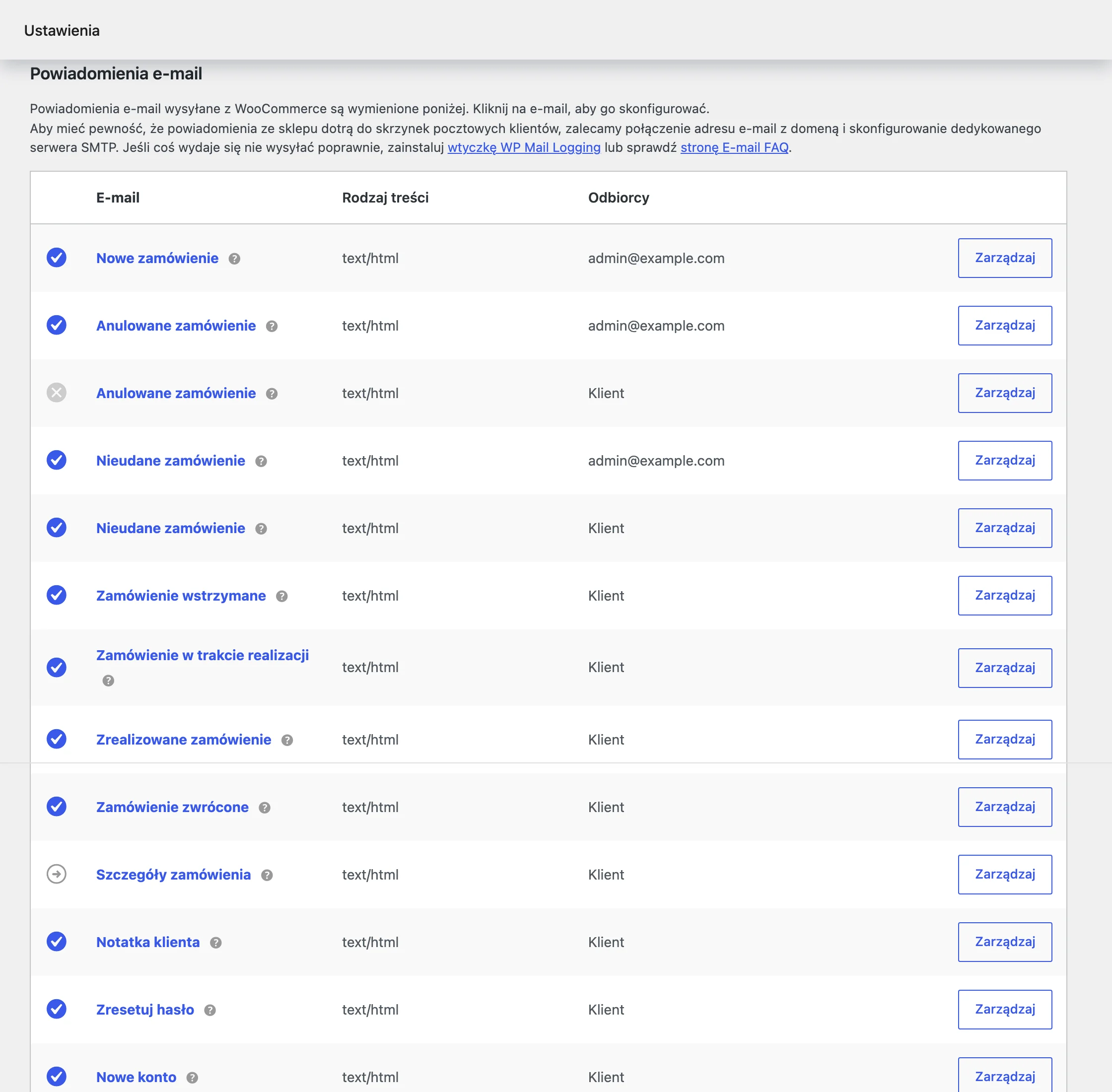
People still read emails in 2026, but transactional and “utility” messages and short campaigns with a clearly stated benefit work best. Recipients are more likely to check their inbox on their phone and skim, so messages such as order status, reminders or replenishment win, while a newsletter without clear value loses. E-mail also remains a key channel independent of algorithms, especially when CPM in paid social rises and attribution becomes less certain. A typical scenario is acquiring leads from TikTok/Meta and automatically segmenting and monetising them via email within 7–14 days thanks to sequences (welcome, post-purchase, winback).
The effectiveness of email in 2026 should be assessed through sales and quality metrics, not open rate, which can be distorted by privacy mechanisms and prefetch (e.g. Apple Mail Privacy Protection). The key metrics are clicks, conversions, revenue per recipient (RPR) and e-mail’s share of revenue, and for automations additionally time to first purchase after welcome, AOV from cross-sell and 90-day retention. If “e-mail is not working”, it is usually not about audience fatigue, but about deliverability and a lack of segmentation (everyone gets the same thing). In practice, a smaller, “warm” list with good hygiene (sunsetting inactive subscribers, re-permission) gives better results, because a large list with no response lowers deliverability and at the same time increases the cost of maintaining contacts.
- 01Quality over quantityInstead of mass sending, a precise list and automations. Less is more.
- 02High return on investment (ROI)Fixed sending cost, scalable margin. The key is list quality and segmentation.
- 03Better contextLess frequent, relevant sends based on behaviour and audience needs.
The key to results in 2026 is transactional, contextual emails and short campaigns, not spamming a large list.
Do people still read e-mails?
Yes, people still read emails, only in 2026 they do it faster and more selectively. Inboxes are filtered more heavily, and the recipient most often browses content on their phone, so messages with a clear reason to open win. Transactional and “utility” messages work best (e.g. order status, reminder, replenishment), because they respond to a specific need here and now. If an email does not offer a clear benefit, it is more likely to lose out to short-form content and app notifications.
In practice, “blog-style” newsletters without clear value are more likely to lose attention, while short campaigns built around a specific message gain it. Simple layouts such as “-15% until midnight + 3 bestsellers” work well because they promise and deliver one clear benefit. To avoid burning through the list, it is worth planning sends so that they arise from the recipient’s context, rather than only from the campaign calendar. The most reliable form of “readability” in 2026 are emails that are useful or immediately sales-driven, without a blurred narrative.
- Transactional and status emails (confirmations, tracking) as the foundation of attention and trust
- “Utility” messages (reminders, replenishment) matched to the moment
- Short campaigns with one offer and a clear deadline instead of long newsletters without a goal
E-mail vs social media and ads
Email in 2026 remains a key channel because it works independently of algorithms, when CPM in paid social is rising and attribution is often less certain. Social media effectively build reach and demand, while email more often closes the sale and increases LTV through lifecycle sequences (welcome, post-purchase, winback). In practice, this means ads can acquire leads, while email takes over their segmentation and monetisation in the next steps. The best results come from a clear division of roles: social “warms up” and email “finalises” and maintains the relationship.
Email also has a strategic advantage as a first-party “identity layer”, especially after tracking restrictions in the advertising ecosystem. An email address makes it possible to combine purchase history, on-site behaviour and customer service into one profile in CRM/CDP, and then trigger precise segments (e.g. “returned after 90 days” or “viewed category X 3 times”). In 2026, this approach can be more valuable than increasing send volume, because relevance improves and the number of irritating messages falls. When email is built on first-party data, it becomes a stable “monetisation system” alongside the changing world of advertising and algorithms.
- 01Social & AdsReach building, warming up
- 02Lead segmentationTaking over, education
- 03Closing and LTVSales, winback
- 041st-party identityData unification in CRM
The best results come from a clear division of roles: social builds reach and warms up, while email closes the sale and serves as the customer identity layer.
Best industries and use cases for email marketing
Email marketing in 2026 most often delivers the best results in e-commerce, SaaS and education, because it is relatively easy to link the message content to a specific behaviour and stage of the relationship. In e-commerce, scenarios around abandoned baskets, recommendations and “back-in-stock” are particularly strong because they respond to real purchase intent. In SaaS, email supports onboarding, feature activation and trial-related communication, i.e. the critical moments for retention. In education, course and webinar sequences work well, where email guides the user through successive steps. If you have a process where the user needs the next nudge “here and now”, email is naturally suited to delivering the result.
Email can also be exceptionally effective for repeat-purchase products, because you can predict the next purchase and trigger replenishment within a 30–60 day window. This scenario lets you send a reminder at the right moment and add a coupon, instead of running constant campaigns to the whole database. In B2B, email usually works better as nurturing (content, demo invitations) than as mass cold outreach to unverified lists. The key is matching the format to the context: where education and the decision-making process matter, the sequence wins, not a one-off “promo”.
Success signals beyond the open rate
In 2026, clicks, conversions and revenue per recipient (RPR) are better indicators of email marketing success, because open rate can be distorted by privacy mechanisms and prefetch. In practice, it is worth tracking email’s share of revenue and whether messages are actually generating sales rather than just “views”. An additional quality signal is the number of engaged recipients in the 30/60/90-day window, because it shows whether the database is actually staying “alive”. If revenue per recipient is rising with stable unsubscribes, that is usually a better sign than rising opens with no impact on sales.
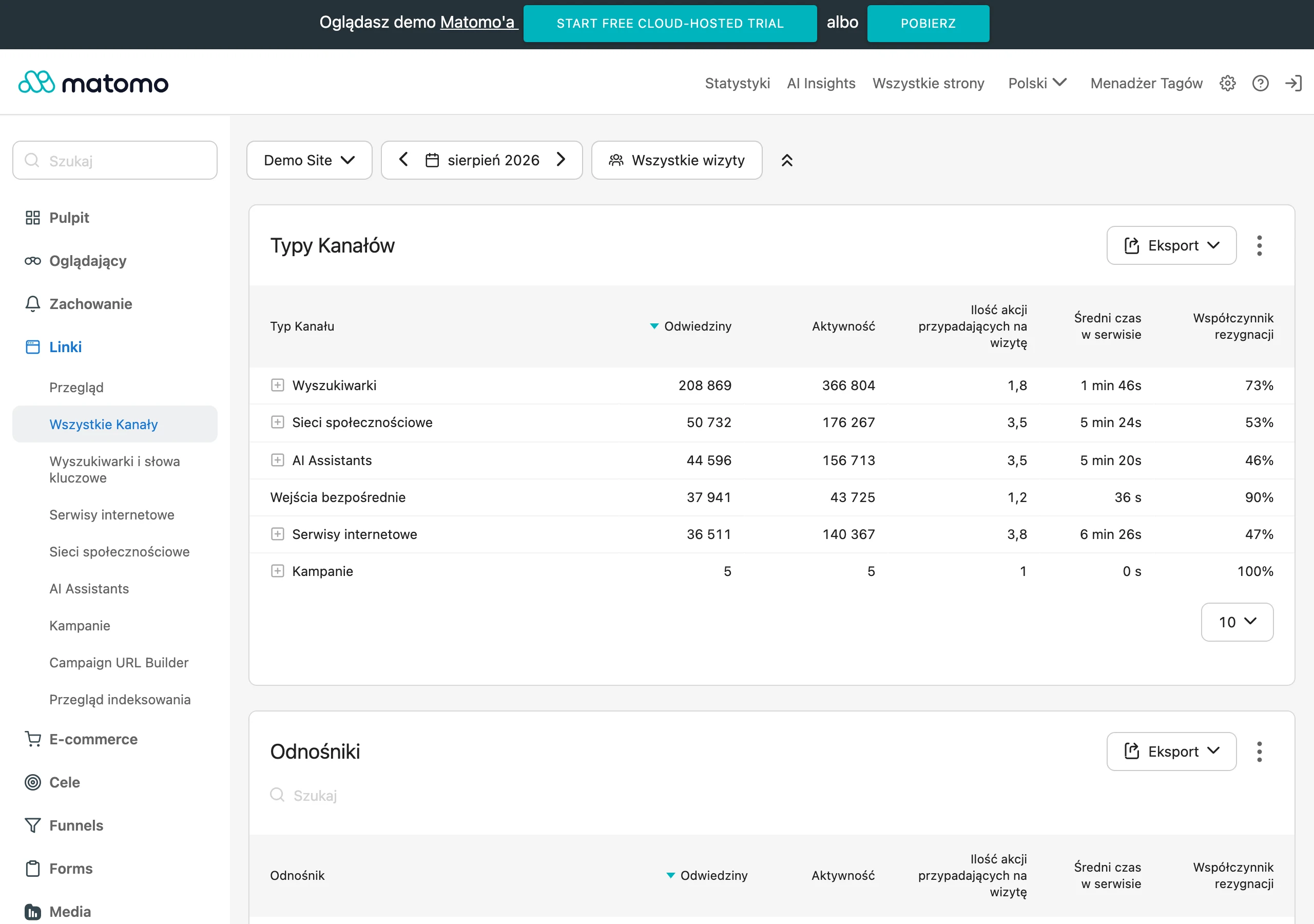
When assessing deliverability, it also makes sense to check whether messages land in Primary/Inbox rather than Promotions/Spam, which can be assessed indirectly with seed tests. In automations, instead of open rate, more useful metrics can be “time to first purchase after welcome”, AOV from cross-sell and 90-day retention, because they show whether the sequences have the right timing and offer. This approach makes operational decisions easier: what to refine in segmentation and what in flow logic, without looking for a “culprit” in the subject line itself. The best KPIs are those that connect behaviour with financial outcome and list quality, not just inbox activity.
- Clicks, conversions, revenue per recipient (RPR) and email share of revenue
- “Engaged recipients” in 30/60/90-day windows as a measure of list quality and freshness
- Indirect assessment of inbox placement (Primary/Inbox vs Promotions/Spam) via seed tests
- For automations: time to first purchase after welcome, AOV from cross-sell, 90-day retention
- 01Clicks and revenue (RPR)Real sales
- 02List activity (30/60/90 days)A live community
- 03Revenue per recipient growthFinancial efficiency
- 04Inbox deliverabilityBypassing spam
Key takeaway: Focus on sales metrics and real engagement, not just views.
The role of subscriptions and paid newsletters in 2026
Paid newsletters and membership models in 2026 are gaining momentum because email is increasingly becoming a product in its own right, rather than just a marketing channel. In practice, this means that a creator or company sells access to content directly in the inbox, building a predictable revenue stream instead of relying solely on sales campaigns. Solutions such as Substack and Ghost are becoming more popular because they simplify running paid publications. If you have specialist knowledge (e.g. finance, law, AI, property), email can generate steady MRR rather than one-off sales “bursts”.
For consumer brands, a content subscription works like a “club” that strengthens the relationship and keeps attention without the need to keep driving sales with discounts. A membership model can be based on benefits communicated by email, such as early access to drops and limited offers, which fits well with product launch cycles and availability. The key is to treat the inbox as a space for regular, useful value for the recipient, rather than merely a vehicle for promotions. In 2026, the subscription that wins is the one with a clearly defined benefit and consistently delivers it over time.
The most common reasons email marketing is ineffective
Most often, email marketing does not work in 2026 not because of “channel fatigue”, but because of poor deliverability and sender reputation issues. Typical sources of problems include a lack of SPF/DKIM/DMARC or incorrect configuration, which means messages are more likely to end up in spam. In practice, such mistakes can wipe out results even when the offer is good, because the recipient simply never sees it. If email is not driving sales, first check the deliverability and reputation fundamentals before you start “fixing” the results with creative.
The second reason for ineffectiveness is a lack of segmentation, where everyone gets the same thing regardless of needs and behaviour. Just as harmful are offers without context: the message does not stem from the user’s intent and arrives at the wrong moment, which increases ignoring it and the risk of complaints. The third common cause is a lack of consistency after the click, when the page shows different prices or terms than the email, which increases drop-offs and dissatisfaction. In 2026, effectiveness more often loses out on “consistency and relevance” than on the attractiveness of the discount itself.
FAQ
Frequently asked questions
How does e-mail marketing work in 2026, given that audience habits have changed?
It still works, but recipients scan content more quickly, read more often on their phones and prefer specifics instead of long newsletters. Utility emails, transactional emails and short campaigns with one clear benefit work best.
Does e-mail marketing still deliver a high return on investment?
Yes, because the cost of sending to your own list remains essentially fixed, and performance scales with a good list and segmentation. However, ROI drops with a dead list and sending the same content to everyone.
Why is open rate no longer the best indicator of email effectiveness?
Open rate is often distorted by privacy mechanisms and prefetch, so it does not show real sales. In 2026, clicks, conversions and revenue per recipient are more important.
What emails do people read best in 2026?
The best-read messages are transactional and utility emails, such as order status, reminders or replenishment. Short emails with a concrete benefit have a better chance than lengthy newsletters without a clear purpose.
When does e-mail marketing work best in e-commerce and SaaS?
In e-commerce, abandoned cart, recommendations, back-in-stock and replenishment are strong, while in SaaS, onboarding, feature activation and trial-related communication perform well. Effectiveness increases when the message stems from specific user behaviour.
What most often causes e-mail marketing not to work?
The most common problems are poor deliverability, missing SPF/DKIM/DMARC or a bad sender reputation. Another major mistake is a lack of segmentation and sending the same content to the entire list.