
A commercial proposal works when it shortens the client’s route from interest to decision. The decision-maker does not read it like a brochure, but scans it for a few specific answers. A good proposal does not mainly talk about the provider, but rather organises the decision on the client’s side. This is especially important in services, where the outcome depends on scope, collaboration and time. In this article I show how to structure a proposal so that the client wants to keep reading instead of coming back with basic questions.
The purpose of a proposal as a decision-making tool
A proposal should be a decision-making tool, not a company description. Its job is to give the client a complete set of information needed to buy with as little uncertainty as possible. If, after reading it, it is still not clear what they are buying, for how much and on what terms, the proposal is not doing its job.
The decision-maker usually looks for answers to a few questions and does so quickly. That is why the content must be aligned with their perspective, not the order that is convenient for the seller.
- Do you understand my problem and current situation?
- What exactly are you proposing?
- How much does it cost and what is its value?
- What is the risk and what does success depend on?
- What should we do next?
In practice, this means a simple rule: first the client context, then the solution, followed by scope, metrics, investment and the next step. That sequence reduces the number of questions after the proposal has been sent. It also increases the chance that the document will be understandable not only to the contact person, but also to their manager or board.
A common mistake is for the first pages to be taken up by the company history, a list of services and general statements about quality. For the client, this is usually secondary material, because it does not answer their current problem. When a proposal starts with the provider instead of the client’s situation, it looks like a template and loses the reader’s attention faster.
Summary for the decision-maker: key elements
The summary for the decision-maker is a short section at the beginning that gives a full picture of the proposal in a minute. It is the most important part of the entire document, because it saves time and organises the evaluation. If the client reads only this element, they should already know whether the proposal makes sense for them.
A good summary contains five things: the diagnosed problem, the business objective, the proposed solution in outline, the key benefit and the cost. This structure makes it possible to quickly connect the spend with the value. Without a price or without a business objective, the summary becomes just a description of an idea, not a basis for a decision.
It is best to write it in the client’s language and refer to earlier agreements. If, in the conversation, the issue of a low number of leads came up, do not turn it into abstract “marketing challenges”. Specificity increases credibility, because it shows that the proposal results from a conversation, analysis or brief, rather than from a ready-made template.
In practice, the summary should answer three questions in the first sentences: what is the problem today, what do you want to change, and how do you intend to do it. Only then do you add the benefit and the investment range. This structure works well in advisory, marketing and SEO services, where the client is buying not only the work, but also the way to achieve the result.
The worst version of a summary sounds broad and safe, but resolves nothing. Sentences such as “we offer comprehensive support” do not help with the decision, because they do not say what the support is meant to solve. A short summary should be concrete, not impressive.
Personalisation and context in commercial proposals
Personalisation in a commercial proposal means showing that the offer results from the client’s specific situation, not from a ready-made template. The client should recognise their own problem, goal and operating realities in the first paragraphs. This shortens the time needed to assess the document, because they do not have to adapt general content to their own company themselves. In services, this is particularly important, because the client is buying a way to solve a problem, not just a list of tasks.
In practice, personalisation starts with the language. If the client talks about a drop in enquiries, do not turn it into a vague “need to develop visibility”. Refer to the earlier conversation, brief, audit or data, because then the proposal reads like a continuation of the sales process, not a new, detached document. It also works well to place the proposal in a decision-making context, for example budget, start date, seasonality or the client team’s constraints.
The easiest way to check the level of personalisation is to ask yourself a few simple questions: does the client’s name appear only in the heading, or also in the problem and solution, does the language fit their industry, and does the proposal take into account priorities agreed earlier. If, after removing the company name, the document would still fit any client, the personalisation is too weak. Such a proposal usually loses not because it is bad, but because it does not feel tailored.
It is also worth being careful with automation. AI can speed up the preparation of a draft, organise notes from the brief and help shorten the text. It will not replace fact-checking, tone and business context, however. Generic phrasing, even if linguistically correct, quickly reveals a lack of real understanding of the client.
Situation diagnosis and value proposition
The situation diagnosis should show what is happening today, where the problem comes from and what the consequences of inaction are. This is not the place for guesswork or an overdeveloped theory. The client should see that you understand the current state and can name its business consequences. That way, the rest of the proposal does not look like a random set of services.
A good diagnosis is based on what has already been established: an audit, data, a brief or a conversation. It is worth describing the current state as concretely as possible, for example by identifying bottlenecks in the process, gaps in marketing activity or a lack of resources needed for implementation. In SEO and marketing services, you often also need to show dependencies such as the client team’s involvement, development availability or the need for regular content creation. This matters, because it affects the pace of work, the order of actions and the realistic time horizon for results.
Equally important is the cost of inaction. This is not about frightening the client, but about showing what will remain unchanged if the company delays the decision. It may be a loss of sales opportunities, lower effectiveness of current activities or further burdening the team with an ineffective process. Such a section organises the urgency of the issue and justifies why it is worth acting now, rather than at some point in the future.
The value proposition combines the diagnosis with the answer to the question of why exactly this solution makes sense for this client at this moment. It should clearly show the link between the problem and the way of working, without vague claims about “comprehensive support”. If the diagnosis points to low-quality traffic and weak conversion, the value proposition cannot end with a promise of greater visibility. It must explain how the proposed actions will translate into a better business or operational result.
The best value proposition is specific and grounded in the client’s reality. It can sound simple: we solve the indicated problem with a defined approach, because that is precisely what addresses the company’s current constraints and goals. The client is not looking for the longest list of activities, but for a convincing connection between problem, solution and value. When that connection is missing, even a well-priced offer feels risky.
Action plan, success metrics and investment
The action plan, success metrics and investment are meant to turn the diagnosis into a concrete buying decision. The client should immediately see what you will do, in what order and what scope they are really buying. This is the moment when the offer stops being a promise and becomes a work plan. The fewer ambiguities there are, the fewer questions there will be after the document is sent.
A good plan describes the stages, priorities, timeline and responsibilities on both sides. You also need to clearly state what is included in the scope and what is outside it. This is especially important in SEO and marketing services, where the result depends on implementation, content and the pace of approvals. An imprecise scope almost always comes back later as a dispute about price, deadlines or expectations.
Success metrics should show both sides how they will know that the cooperation is heading in the right direction. It is best to connect activities with a business or operational outcome, rather than just a list of completed tasks. In practice, you can measure, for example, lead quality, acquisition cost, number of enquiries or implementation speed. It is not worth including guarantees that cannot be honestly controlled, such as a guaranteed ranking in search results.
You need to present the investment as a cost tied to scope, objective and billing model. The client should know whether they are paying for a project, a retainer or a phased option, what the pricing assumptions are and the payment terms. It also works well to show options if they differ in scope or pace of work. A price on its own, without the context of value, encourages comparison of offers solely on the amount.
Social proof and risk management
Social proof and risk management build trust when the client is deciding whether it is worth entering into cooperation with you. A simple statement of competence is not enough, because the decision-maker wants to see signs that you can deliver results. That is why it is worth showing case studies, client reviews, certificates or a briefly described methodology in the offer. Such elements only make sense when they support the proposed solution, rather than acting as decoration.
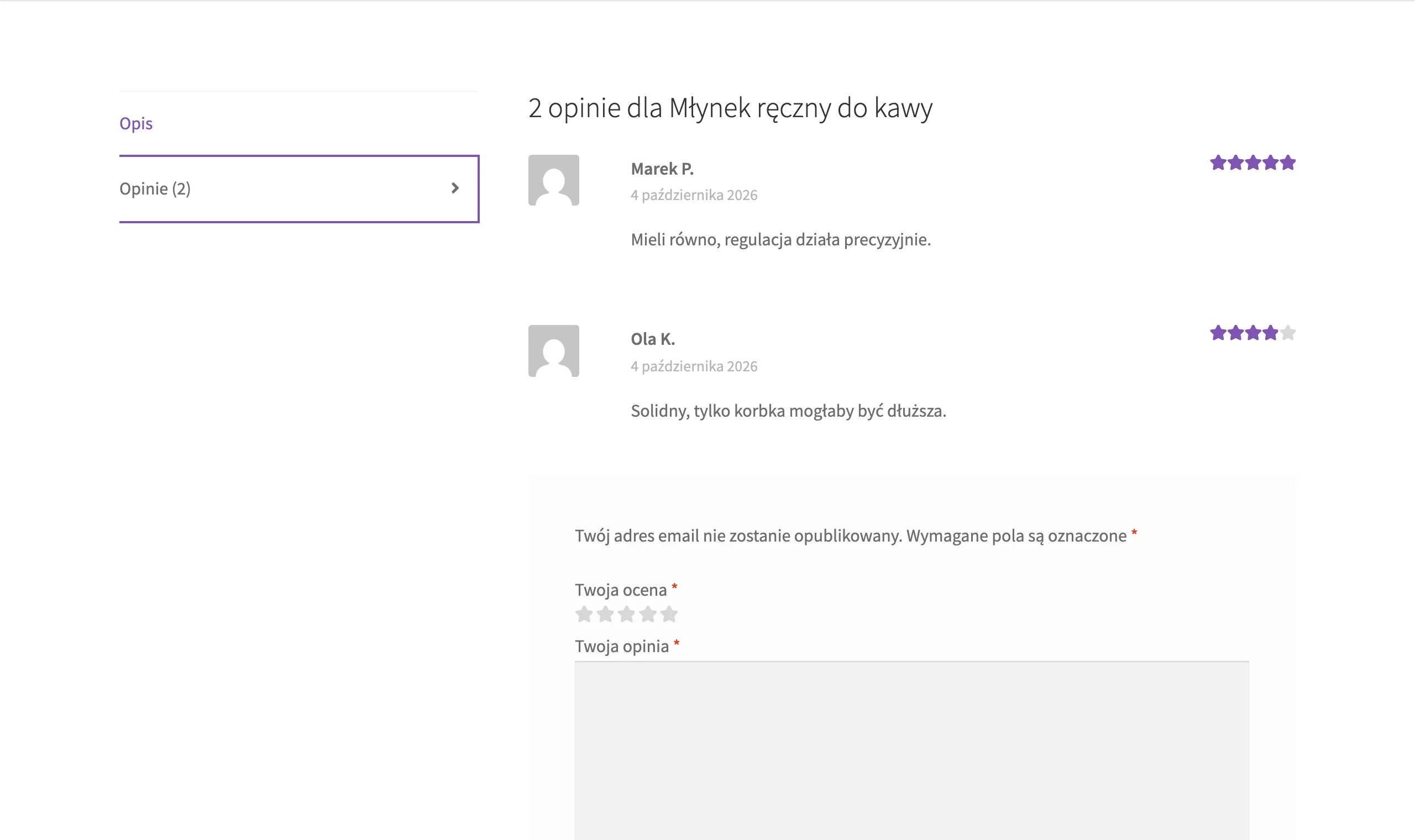
The strongest social proof is similar to the client’s situation. If you sell SEO services, it is better to show an example of a project with similar constraints than a general list of well-known brands. A short description of the starting point, the actions taken and the achieved result is enough more than an extensive cooperation story. The client does not need a gallery of successes, but an argument that you understand similar challenges.
Risk management involves naming assumptions, dependencies and possible obstacles before signing the contract. In marketing services, these are often the availability of the client’s team, development support, the pace of material approvals and a longer return on investment period. In SEO, there are also algorithm changes and technical limitations of the website. Openly describing risks does not weaken the offer, it only shows maturity and makes a realistic decision easier.
It is good when each significant risk is accompanied by a way to reduce it. If implementations on the client’s side are needed, write how a lack of resources will affect the timeline. If results depend on regular content creation, indicate who is responsible for this element and what will happen if there are delays. Such transparency organises expectations and reduces the risk of disappointment after the cooperation starts.
Most common mistakes and optimisation of the proposal process
The most common mistakes are those that force the client to fill in the missing information themselves, and optimisation consists of removing these points of friction. If, after sending the offer, questions come back about scope, price, responsibilities or the next step, the problem usually lies in the structure of the document. From the decision-maker’s perspective, what matters is not how much work went into the offer, but how quickly a decision can be made on its basis. A good offer reduces the number of questions after sending, because it organises the decision before the client asks for clarification.
In practice, the most damaging are the mistakes that were already visible earlier, but only at the final reading stage do they reduce trust. They are easiest to spot on a short checklist:
- lack of personalisation and language that could fit any client,
- too much information about the company instead of an answer to the client’s problem,
- no price or an unclear billing model,
- no concrete next step after acceptance,
- a wall of text, jargon and a layout that is hard to scan,
- promises without backing, especially where the result depends on many factors,
- no short summary for the decision-maker.
Each of these mistakes lengthens the road to a decision for a different reason. A lack of personalisation suggests a template, a missing price blocks comparison of options, and no CTA stops the process even when the client is interested. Meanwhile, overly general promises may sound attractive at first, but later they increase the risk of disappointment and further negotiations. In SEO and marketing services this is particularly dangerous, because the result also depends on implementation, the client’s resources and time.
Optimising the quoting process starts with measuring what happens after the offer is sent. The most useful metrics are win rate, time to decision, the number of questions after sending, and the most common reasons for rejection. If clients regularly ask about the same thing, do not treat it as an exception, but as a signal that the proposal is not closing off an important issue. When decisions drag on despite interest, the problem is often not price, but too much uncertainty.
On this basis, it is worth improving not only the template itself, but the entire way the proposal is prepared. It helps to standardise the structure, add a section with assumptions, refine the way options are presented, and collect better data from the brief and sales conversations. You can use AI to create drafts or organise information, but the content must go through manual review and personalisation. Without this, the proposal will sound correct but generic, and that is usually visible from the first page.
FAQ
Frequently asked questions
How should you structure a sales proposal so the client wants to keep reading?
First show the customer’s context, then the solution, scope, metrics, investment and next step. This order reduces the number of questions after sending the offer and makes the decision easier.
What should be included in the summary for a decision-maker?
At the beginning it is worth including the problem, business goal, outline of the solution, key benefit and cost. This allows the offer to be assessed in a minute and immediately shows whether it makes sense.
Why is personalisation of a sales offer so important?
Because the customer should immediately recognise their own problem, goal and operating reality in it. If the document fits everyone, it looks like a template and loses credibility.
How should you describe the customer’s situation in the offer?
You need to show what is happening today, where the problem comes from and what the consequences of inaction are. The diagnosis should be based on an audit, data, a brief or a conversation, not on guesswork.
What action plan elements are worth showing in a sales proposal?
It is worth describing the stages, priorities, timeline, responsibilities and what is included in scope and what is not. This way the customer knows exactly what they are buying and what the collaboration will look like.
How can you show risk in an offer without putting the customer off?
You need to name the assumptions, dependencies and possible obstacles and immediately indicate how they can be reduced. Such transparency builds trust and helps to make a realistic decision.