
A good offer brings order to marketing. And that is not a cliché. It organises what the company really wants to sell and to whom, so SEO and ads stop firing blindly. Then it becomes easier to match website content to users’ queries, and the ad message to a specific need. Instead of capturing random traffic, you direct the person to a subpage that answers their question precisely and leads them to the next step. In practice, the biggest problem is rarely the marketing channel itself, but rather an offer that is too broad or inconsistent. When the offer is clear, not only visibility and click-through rate improve, but also the conversion rate and lead quality. That is why refining the offer often delivers a bigger effect than juggling the budget, keywords or ad headlines.
What a good offer is in practice and its importance for SEO and ads
A good offer is a concrete package of value. It says plainly: who the service or product is for, what problem it solves, what it includes, on what terms it works and what the user should do next. It is not just the service name or a general company description. The user should be able to tell within a few seconds whether they have landed in the right place and whether this proposition fits their situation. The question is: do they get an answer, or just an empty promise.
In practice, a good offer consists of several elements, and without them marketing starts to drift apart. You need a main promise, the scope of the service, the way it is delivered, the terms of cooperation, the price or pricing logic, limitations and a clear CTA. It sounds technical, but it works like an operating manual for the website and campaigns. If these elements are missing, it is hard to build a website and ads that are both precise and convincing. Instead of clarity, there is fog, and in fog it is easy to lose the user.
For SEO, a good offer is the starting point. Only with clear service variants, customer segments and typical problems can you sensibly match search intent to specific subpages. Then it is possible to split informational, comparative, local and transactional phrases so that each has its place. One page does not try to answer everything at once; instead, each subpage serves a specific user need.
For ads, a good offer ties the entire performance chain together. From keyword or audience selection, through ad copy, to the layout of the landing page and form, everything should speak with one voice. The same service may need several different messages if it reaches people at different stages of decision-making. The problem is that without an organised offer, these messages start to contradict one another. The better the offer organises these differences, the easier it is to maintain consistency between the ad, the landing page and the conversion.
The importance of a good offer is growing because today a click matters less than it used to. Visibility in Google or broad campaign reach are not enough if, once on the site, the user does not see a concrete answer to their question. The facts are clear: the landing page, the logic of the sections, the completeness of the information and a clear next step all have a direct impact on both SEO and paid campaigns. It is not about more noise, but about better content and a better direction.
How a good offer affects SEO and ad campaign results
A good offer does the job in SEO and ads. Through better intent matching, a clearer message and a higher conversion rate, results simply go up. The mechanism is simple: the user searches for something specific, lands on a page that names that specific thing without beating around the bush, and moves to action faster. When the offer is too general, the number of mismatched visits grows and the effectiveness of the traffic drops.
In SEO, everything starts with mapping phrases to the right pages. If a company has a properly described offer, it is possible to prepare service pages, local variants, problem-focused content, FAQ sections and comparison materials separately. This increases the relevance of the subpage to the query and helps the search engine understand which page should answer a given intent. The problem is that with an offer “for everyone”, this mapping becomes a lottery, and SERPs do not like lotteries.
In ads, it works similarly, only the effects of mistakes are visible faster. The ad promises a specific value, and the landing page has to confirm it immediately, without explanations or digressions. If the ad headline talks about a specific service, fast delivery or a quote, and the page serves up a general company description, the user loses trust and does not convert. The question is: why pay for a click if the promise and the content fall apart straight away.
A good offer also organises the site architecture and the message itself. It then becomes easier to build headings, value sections, a description of the process, information about the terms, trust signals and a form that does not place unnecessary obstacles in the way. Instead of a story about the company — a precise answer to a need. It is precisely the consistency ad → landing page → user action that most often determines whether traffic turns into a business result.
Results also grow because a good offer makes data analysis easier. You can sensibly check which phrases, campaigns, messages and audience segments bring not just clicks, but real leads or sales. When everything leads to one general page, guessing begins: is the problem weak traffic, weak content, or simply an offer that has been defined badly. Data speaks clearly, but only when it has something to “stick” to.
This has a purely economic meaning. Even without increasing traffic, it is possible to improve the result if a larger share of users takes the desired action. And that is not a cliché, but arithmetic. A good offer increases the value of every visit because it reduces randomness and better filters out people who are genuinely interested.
Key stages of implementing the offer in an SEO and advertising strategy
Implementing an offer within an SEO and advertising strategy means translating it into specific pages, messages, campaigns and results measurement. First comes diagnosis. The point is to establish exactly who the service is for, what problem it solves, what variants it has and how it genuinely differs from other options. Without this, you cannot sensibly choose keywords, write relevant headings or design a landing page that answers a specific need. Look at it another way: you do not optimise channels until you know what you are actually selling and to whom. First you need to organise the offer itself, and only then optimise the marketing channels.
The second stage is analysing user intent and mapping it to content. It sounds technical, but in practice it comes down to a simple split: informational, comparison, local and transactional queries, because each of these groups wants a different type of answer. This makes it immediately clear which keywords should lead to an article, which to a service page, and which to a separate landing page with a strong call to contact.
The next stage is organising the site architecture. If the offer has several segments, industries, locations or levels of sophistication, one general subpage usually does not deliver the goods. One page for everything most often lowers SEO relevance and worsens ad performance, because it responds too weakly to a specific intent. A well-designed structure includes service pages, local variants, FAQ sections, process descriptions and terms of cooperation. On top of that come elements that remove the handbrake from the client before they make contact.
Next, you put the message together. The point is for the main promise, arguments, terms of cooperation, CTA and trust elements to sound the same in the ad, on the page and in the form. The same essence of the offer should be visible in the title, H1, first section of the page, ad copy and extensions. If the ad promises rapid implementation, but the landing page does not confirm that or hides the details further down, the effectiveness of the entire funnel drops. And then the question is: is the problem in the channel, or in the message.
The final stage is measuring traffic quality and optimisation. It is not enough to count clicks, because clicks do not pay the bills. You also need to measure form submissions, phone-number clicks, leads sent, calls and the later quality of contact in the CRM. Only the combination of data from Google Search Console, the ad platform, GA4 and CRM shows whether it is the channel, the page or the offer itself that works. In practice, the final result of implementation should be not only better content and ads, but also concrete working tools: an intent map, a page plan, a messaging matrix, an analytics event plan and a list of tests.
Practical tips for optimising the offer in the context of SEO and ads
Optimising the offer in the context of SEO and ads means refining variants, cutting out generalities and improving the match between the query, the ad and the landing page. The best place to start is by breaking the offer into smaller, understandable building blocks: by the client’s problem, type of service, industry, location or urgency of need. This division helps both SEO and structuring campaigns with higher relevance. Instead of a “we do everything” message, it is better to show exactly what the user gets, when it makes sense and where the service boundaries lie.
For each variant, prepare the same minimum information package. The point is to show clearly: what is included, who it is for, what the start looks like, how long the process takes, what the terms are and what the user should do. If after landing on the page it is not possible to understand within 5 seconds what you offer and what the next step is, the offer needs refining. The same applies to price or pricing method. You do not always have to publish a price list, but you do need to show clearly what the cost depends on and exactly what happens after the form is submitted.
In SEO, the winner is mapping keywords to the right subpages. Instead of forcing one page to cover many intents, it is better to guide the user along a logical path. Direct informational keywords to educational content, and service keywords to offer pages with a clear CTA. In ads, messages also need to be separated, at least by stage of decision-making. You speak differently to someone who is only recognising the problem, and differently to a user entering a precise service with a location or brand.
On a landing page, the biggest jump usually comes from removing cognitive friction. This is often derailed by too general a heading, a form that is too long, no information about the working process, weak FAQ, or no consistent confirmation of the promise made in the ad. The most common reason for weak results is not low traffic, but the fact that the page does not close the user’s intent. That is why you should test first the elements with the greatest leverage: the heading, the first value section, the CTA, the form layout, the order of arguments and the way trust signals are presented.
When analysing results, do not focus only on rankings, CTR or cost per click. When traffic grows but conversions stay in place, it usually signals a problem with the match between the offer and the query, or with the landing page itself. Optimise for lead quality and profitability, not just traffic volume. This approach more quickly shows whether you need to improve the campaign, rebuild the landing page, or go back to the foundation, namely the offer structure.
Measuring and analysing the effectiveness of the offer in marketing activities
Measuring and analysing the effectiveness of the offer in marketing activities means checking whether the offer attracts the right traffic, turns it into conversions and delivers leads with real business value. So it is not about rankings, clicks or cost of entry alone. What matters is the whole chain: query or ad, landing page, user behaviour, conversion and contact quality. Do not judge the offer by traffic alone, because a high number of visits very often masks poor intent match.
SEO starts with the basics. You check which queries a specific subpage appears for and whether it actually delivers what the user came for. Google Search Console is best for this, because it shows keywords, clicks, CTR and the landing page. If one page captures traffic from many intents but does not generate enquiries or sales, the offer is often simply too broad or poorly mapped onto subpages. If clicks are growing but conversions are not, the problem is often a mismatch between intent and the page.
In paid campaigns, you cannot look only at CPC and the number of conversions in the ads panel. You need to look more broadly, because those two numbers can be tempting and misleading at the same time. Analyse brand, problem-solving, local, remarketing and high-intent campaigns separately, because each works at a different point in the decision process. A strong offer boosts results only when the ad, the landing page headline and the call to action form one coherent message. The ad and the landing page must promise the same thing in almost the same words.
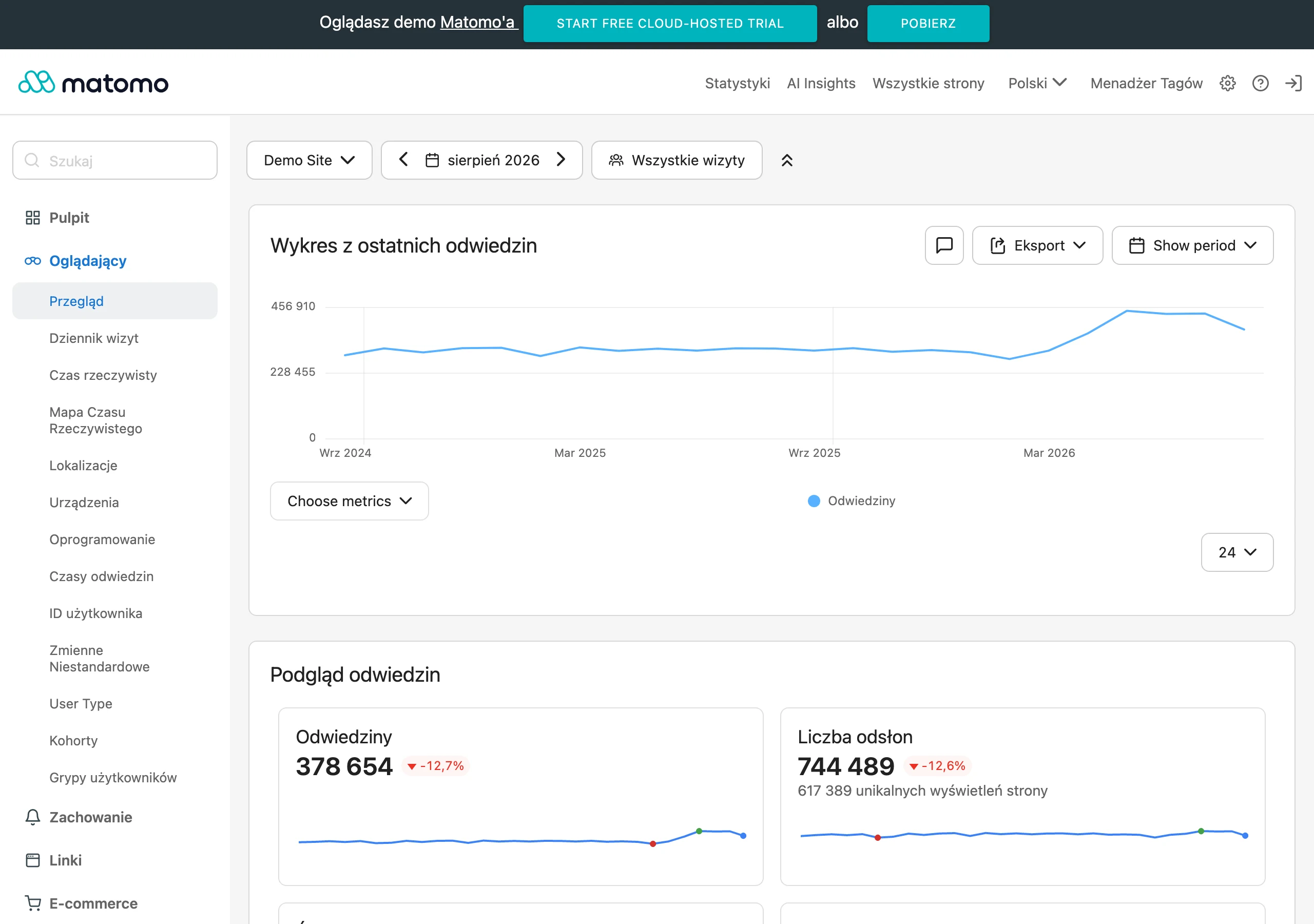
Without behavioural data on the site, you are working in the dark. That is why GA4 and Google Tag Manager are needed, because only they show what the user does after clicking. In practice, measure not only the primary conversion, but also micro-conversions that show whether the visitor understands the offer and moves on. Useful ones include clicks on the phone number, opening the form, starting to fill in the form, sending the form, clicking the CTA, downloading the offer or going to the pricing page.
Web analytics alone is not enough. If you do not know which leads are valuable, you are optimising “for the spreadsheet”, not for the business. That is why integration with CRM and marking whether a contact was suitable, outdated, too small, too expensive or ready for sales is key. The most valuable conversion is not a form, but a lead accepted in CRM. Only then does it become clear which keywords, ads and landing pages are actually driving results.
The picture is completed by qualitative tools such as Microsoft Clarity or Hotjar. They do not guess; they show where users stop, what they do not understand, which sections they skip and at what point they abandon the form. And this is where it gets interesting, because often you uncover a problem that no numerical report will reveal. What might it be. For example, an overly generic headline, hidden cooperation terms or a form that is simply too difficult at that stage of the decision.
Most common mistakes and challenges related to the offer in SEO and ads
The most common mistakes and challenges related to the offer in SEO and ads are fairly repetitive. They include overly generic communication, a lack of intent match and optimisation for traffic rather than business results. In practice, the problems start when one page is supposed to “handle” everyone at once, from the curious to the committed. Such an offer performs poorly both in search and in ads, because it does not give a quick answer to who it is for and what exactly it offers.
The first classic mistake is putting multiple intents onto one subpage. A user who sometimes looks for information, sometimes compares providers and sometimes wants contact “here and now” does not, after all, expect the same content. When all these needs land on one generic service page, the message loses sharpness, it is harder to rank highly for specific keywords and the cost of paid campaigns rises.
The second mistake is a mismatch between the ad and the landing page. The ad promises a quick audit, a free consultation or a specific scope of service, but after clicking the user lands on a generic company page where nobody even confirms that promise. What are they supposed to think then. Such inconsistency eats into conversions even when the traffic itself has been bought well. The best campaigns lose effectiveness when the user does not immediately see what they were looking for after landing on the page.
The third mistake is a lack of information that genuinely shortens the decision. Websites often do not include the scope of service, the working process, the starting terms, pricing or how the price is calculated, limitations or answers to common objections. And then hesitation begins. The user does not know whether the offer fits their situation, so they put off the decision or return to the search results. This is especially costly in ads, because every uncertain click means a specific expense.
The fourth mistake concerns measurement. Companies are happy to report clicks, sessions and cost per lead, but they do not connect that with contact quality and sales outcomes. Optimising for cost per click without data on lead quality often leads to bad decisions. The result is predictable: keywords and campaigns are promoted that deliver cheap traffic, but not customers.
The most common implementation challenges appear when the offer is more complex than a standard “one-page” service. In such situations, you usually need to separate the site structure, messages and measurement for multiple variants, instead of pretending that one template will solve everything.
- multiple customer segments that speak a different language and have different objections,
- different locations or areas of operation that need separate pages and campaigns,
- a long decision-making process in which the user comes back several times before contacting you,
- the need to educate the customer before the sale, so the offer page alone does not close the topic,
- a lack of integration between marketing and CRM, which makes it impossible to assess lead quality honestly,
- operational limitations of the company that change the real attractiveness of the offer despite good marketing.
The best way to reduce these problems is simple. Break the offer down into clear variants and assign them separate pages, keywords, ads and measurement goals. You do not always need to build an extensive system from day one, but it is crucial to know which segments have their own intent and their own CTA. This brings order to SEO, increases consistency between the ad and the page and leads to better optimisation decisions.
FAQ
Frequently asked questions
How does a good offer improve SEO and ads performance?
It makes it easier to match page content and the ad message to a specific user need. As a result, traffic is less random and more often leads to conversion.
Can a too-generic offer reduce campaign effectiveness?
Yes, because then SEO and ads start firing blindly, and the page does not clearly answer the user’s question. The result is more irrelevant visits and weaker performance.
What should a good offer include according to the article?
It should clearly show who the service is for, what problem it solves, what it includes and on what terms it operates. Also important are the main promise, scope, delivery method, price or pricing logic, limitations and CTA.
Why is a good offer important for SEO?
Because it is the starting point for mapping keywords to the right subpages and separating search intents. This allows each page to respond to a specific user need.
When do an ad and landing page work best together?
When they promise the same thing and use consistent messaging from the ad through to the form. If the page does not confirm the promise made in the ad, the user loses trust and does not convert.
How can you check whether an offer really works in marketing?
You need to measure not only clicks, but also form visits, submitted leads, calls and contact quality in the CRM. Only then can you see whether it is the channel, the page or the offer itself that is working.