
Automation of processes between marketing and sales organises the journey from first visit to a real sales opportunity. No more pretending. In practice, it is not about simply sending emails, but about connecting forms, CRM, ads, analytics, calendars and sales reps’ activities into one working process that does not fall apart at the first exception. As a result, data does not circulate in spreadsheets, leads do not wait hours for contact, and marketing can see which campaigns are really delivering pipeline. The greatest value of this automation appears when both sides work with the same definitions of stages, statuses and lead quality. The question is: are you automating the process, or just speeding up the mess. In this article, I explain exactly what such a service is, what is changing the way it is implemented today and what to pay attention to so you do not automate chaos. We will focus on practice: data, rules, integrations and decisions that genuinely affect the result.
What is process automation at the interface between marketing and sales
This is not a “tools project”. Automation of processes at the interface between marketing and sales is an operationally connected flow that takes a contact from acquisition to qualification, assignment to a salesperson, follow-up and returning the result to marketing, without manually patching each step. It usually covers forms, landing pages, event tracking, CRM, marketing automation, meeting calendars, ad systems, call tracking and revenue reporting. The goal is not the number of tools, but a coherent flow of data and actions without manual re-entry.
Specific data objects matter here. In such a model, you work with a lead, contact, company, sales opportunity, activity, marketing consent, acquisition source, campaign, record owner and funnel stage. The key thing is that different teams often use the same terms differently, and then reports and automations start to diverge and nobody knows whom to trust. If a lead means something different in marketing than in sales, the system will work technically, but process-wise it will start generating errors.
The core of the service is simple. When a contact appears, the system automatically performs the next steps according to agreed rules instead of passing responsibility between inboxes and spreadsheets. It can create or update a record, check for duplicates, assign an owner, launch an email sequence, add a task for the salesperson and save the campaign source. Then the outcome of the conversation or the status of the opportunity returns to the analytical layer, so marketing can see not only the number of leads, but also their impact on pipeline and sales.
The most noticeable benefits are usually operational. Manual copy-pasting of data disappears, lead response time shortens, the number of incorrect assignments falls and it becomes easier to catch duplicates — small things, but deadly for performance over weeks and months. It is precisely response speed, assignment accuracy and data quality that most often determine the effect more than the number of automations themselves.
Such a process works only when marketing and sales play by the same rules. Otherwise everyone pulls in their own direction and then wonders about the results. That is why you need to clearly define funnel stages, MQL and SQL criteria, lead statuses, loss reasons and record ownership. Without these agreements, automation does not organise the process — it scales the existing mess.
Current trends and changing requirements in process automation
Trends are quite unforgiving today. If you do not understand your own data, you lose at the starting line. The requirements come down to better use of first-party data, greater quality control and stronger integrations between systems. Marketing consent and correct source tagging are becoming increasingly important, because some user information is no longer available solely through browser tracking. In practice, this means one thing: companies must trust their own CRM, their own forms and their own attribution logic more.
At the same time, the number of entry points into the funnel is growing. And quickly. A lead can come from a form, chat, webinar, lead ad, phone call, newsletter, outbound, event or marketplace. The more such sources there are, the more critical deduplication, field normalisation and consistent identifiers become. Without them, the same contact can circulate through systems several times, each time under a slightly different version of the data.
When it comes to assessing effectiveness, simply counting leads gives less and less value. That is no longer enough. More important are intermediate metrics: time to first response, the percentage of leads handled in line with SLA, MQL to SQL conversion, source quality and the impact of campaigns on pipeline and closed-won. The question is whether the report shows activity or results. If the report ends with the number of forms submitted, marketing and sales still do not see the same picture of performance.
Scoring, enrichment and automatic activity summaries are also being implemented more and more often. It sounds great. But it works only when the input data is clean and the rules are versioned and understandable for the team. Otherwise sales reps get seemingly intelligent automations that they do not trust, so they do not use them consistently. And without trust, even the best model becomes decoration.
The more systems there are, the higher the stakes for the technical quality of the integration. There is no room here for “it will somehow work out”. APIs, webhooks, field mapping, error logs, retry mechanisms and failure monitoring all matter, because even a good business logic stops working when data does not get through or is overwritten in the wrong way. In a mature implementation, it is not only the workflow itself that matters, but also the way integration errors are detected and fixed.
How process automation works in practice
Automation in practice is a chain of rules and integrations. Such a sequence moves a contact from the first enquiry all the way to an assigned sales opportunity, without manually shuttling records between systems. The process starts by capturing a lead from a form, a lead ad, a phone call, a webinar or another source and saving it in the CRM or in a middleware layer. Even then, the system should detect whether the record already exists, fill in the basic details and assign the correct acquisition source. If the source, campaign and marketing consent are not recorded correctly at the start, later reporting will be misleading.
Then comes qualification. This is the decision on whether a contact should go to sales, into further nurturing, or be rejected, and the question is: according to which rules. Qualification rules are usually based on data from the form, company profile, contact role, country, language, product, on-site behaviour and the history of earlier activity. This is the point at which promising leads are separated from random enquiries before they start taking up time and pipeline. The clearer the MQL and SQL criteria, the fewer disputes there are between marketing and sales.
After qualification comes routing. This is the automatic assignment of a record to the right person or queue, rather than manual passing it on “by eye”. Assignment can depend on territory, product, segment, company size, language or an existing account owner. A well-designed routing setup also takes exceptions into account, for example incomplete data or a salesperson being out of office. The biggest losses do not happen when there are too few leads, but when a good lead reaches the wrong person too late.
Operational actions are triggered in parallel. This may be a task for a salesperson, an email sequence, a team notification, a link to book a meeting or a change of funnel stage after a specific action has been completed. Thanks to this, the system not only stores data, but also keeps track of the next steps in the process, especially where it is easy to “lose” a contact. This matters when the response window is short and minutes count, not days. If follow-up depends solely on the salesperson’s memory, automation is not doing its job.
But that is still not enough. The whole thing only works properly when the data flows back into analytics and marketing, rather than ending its life in a salesperson’s note. This means recording the call outcome, reason for loss, opportunity value, pipeline stage and information about the sale being closed. This flow closes the loop between campaign and revenue and makes it possible to assess source quality, not just lead volume. Marketing should see not only the number of contacts acquired, but also their impact on pipeline and sales.
Before you implement anything, you carry out an audit. Without it, you automate guesswork rather than the real workflow, and that usually comes back to bite you after a few weeks. You check lead sources, field completeness, the number of duplicates, first response time, tracking gaps, missing owner and status consistency. Only on that basis do you design the data model, funnel stages and automation scenarios, instead of stitching the process together from random “if this then that” rules. That is the practical difference between a system that “sends something” and a process that genuinely supports sales.
Key elements of implementing process automation
The foundation is prosaic. The key implementation elements are a structured data model, clear business rules, stable integrations and clearly assigned responsibility for maintaining the process. First, you define what a lead, contact, company, sales opportunity, funnel stage and record owner are in a given business. Without a common vocabulary of fields and statuses, even good tools will start saving contradictory information. First you sort out the definitions and required fields, and only then do you launch scoring, routing and automated campaigns.
The second pillar is the technical hygiene of integrations. In practice, what matters are APIs, webhooks, field mapping, deduplication, error logs and retry mechanisms that allow data to be recovered after a failure. The more entry points there are, the more important data normalisation and consistent contact and company identifiers become. And this is where the crux of the matter emerges. The problem is not the number of tools itself, but the lack of control over what flows between them and when.
The third area is the least “technical” and often the most contentious. It is the operational rules that need to be clear to both teams: MQL and SQL criteria, ownership rules, response times in line with the SLA, reasons for loss, how existing records are handled and the logic of lead recycling. It sounds trivial, but the question is: does everyone understand it the same way? This is where implementations most often fall apart: too many statuses, no definitions for exceptions, inconsistent UTM parameters or no information on what to do with a lead that is already in the database. Automation of a poorly defined process only scales the mess faster.
Implementations are not won by the number of workflows. What matters is the impact on critical metrics, because they show whether automation is genuinely helping or just “looking nice” in the dashboard. The biggest gains usually come from shortening response time, reducing duplicates, improving assignment accuracy, consistently recording the contact outcome and capturing fuller acquisition source data. Only then does it pay to add scoring, enrichment or more advanced nurturing scenarios. That sequence usually delivers a faster effect and fewer maintenance headaches.
Finally there is the thing everyone only remembers after the first failure. Acceptance criteria and ongoing oversight of the process are needed, because a workflow without an owner quickly becomes “nobody’s”. Every workflow should have an owner, a description of success and error scenarios, acceptance tests and a clear route for reporting fixes. In organisations with a long sales cycle, you also need to make sure reporting happens at company and sales opportunity level, not just for the individual lead. Good automation is not a one-off implementation, but a process that has monitoring, version control for changes and clearly assigned responsibility.
What to pay attention to when implementing process automation
With process automation, you first need to tidy up. Only then do you build workflows, because without orderly operating principles, data and responsibility, the system will run “green” while operationally it starts to fall apart. In practice, that means agreeing on funnel stages, MQL and SQL definitions, lead statuses, loss reasons and who takes over the record, and when. It sounds simple, but that is exactly where the chaos usually begins. First you organise the process, and only then do you automate its next steps.
The second condition is less romantic, but ruthless. Technical readiness. You need admin access to the systems, the ability to use APIs or webhooks, agreed naming for sources and campaigns, and one specific person responsible for the process on the marketing and sales side. The problem is that when there is no process owner, decisions about changes, exceptions and integration maintenance get blurred between teams. And then automation starts to take on a life of its own.
The data model makes the difference. And that is not a cliché. You need to clearly define what the master record is, how lead, contact, company and sales opportunity relate to each other, and which fields are mandatory at each stage. Otherwise the reports will look correct, but they will be telling the wrong story. If the acquisition source, campaign, marketing consent and owner are not recorded correctly at entry, later reporting will be misleading.
The scope of implementation grows faster than you assume at the start. At first it looks like “a few simple automations”, and then the number of lead sources, the number of pipelines, multiple countries or teams, two-way synchronisation, custom objects in the CRM and the quality of historical data come into play. The key point is that every additional system in the process raises the stakes. The more integrations there are, the more important field mapping, error logs, retry mechanisms and monitoring of integration failures become. Without that, one small change can bring the whole chain down.
In practice, selection wins over scale. Prioritise only the elements that actually deliver results. Most often these will be lead response time, deduplication, correct source attribution, routing to the right person, recording the contact outcome and reporting on lead quality. Instead of multiplying automations — make sure the critical points are covered. The priority is not the number of automations, but whether the lead reaches the right salesperson quickly, correctly and with full context.
If a company has a long sales cycle or operates in an account-based model, designing the process “from the form” misses the point. It has to be built at company and account level, not just around a single entry in the database. Otherwise marketing reports leads, sales reports accounts, and both sides are looking at different objects. And then the classic question comes up: who is ruining lead quality here. The fact is that the problem lies in the data model, not in the teams’ intentions.
At the end, what is usually pushed to the margins remains. Acceptance criteria. A good implementation has an owner described for every workflow, success and error scenario tests, a change log, a data recovery mechanism after a failure and an integration health dashboard. Without a maintenance process, everything works only until the first exception, and those always appear. If there are no exception tests and no maintenance process, the implementation is incomplete even when “everything works on demo”.
Most common mistakes and pitfalls in process automation
The most common automation mistakes come from one sin. People automate an unstructured funnel and feed the system low-quality data, then expect miracles. Companies implement scoring, routing and follow-ups before defining the basic stages, statuses and record ownership. The result is predictable: the system only spreads the chaos between tools faster.
The classic issue is too many statuses without clear definitions. When salespeople understand “contacted”, “qualified” or “lost” differently, the reports stop fitting together, and automations react to data that means something different to each person. And the question then is: how is routing supposed to work if “qualified” is a moving target. The same applies to the lack of loss reasons, because without them marketing does not know whether the problem was the source, the offer, the timing or customer fit.
The second pitfall is more technical, but it hurts just as much. There is no validation and normalisation of data at the point of entry, so uncontrolled forms, inconsistent UTMs, different phone number formats and the lack of deduplication quickly end in duplicates, incorrect assignments and loss of contact history. If the input data is inconsistent, even a well-designed automation will make bad decisions.
Another thing often gets left out of the plan: the logic for existing records. The system can create a new lead correctly, but problems start when the contact already exists in the CRM, has an owner, is part of an active opportunity or belongs to a customer already in the database. What should be “true” in the system then. Without this logic, a new form submission can overwrite fields, change the owner or create an unnecessary duplicate instead of genuinely supporting the existing sales process.
Exceptions and monitoring are a separate issue. Integrations rarely fail in an obvious way; more often data simply stops flowing, field mapping stops working or a webhook fails without a visible alert. The lack of error logs, a retry mechanism and a person responsible for maintenance is one of the costliest pitfalls, because the failure may only be noticed after leads have been lost.
Many companies overestimate scoring and automatic qualification. It is not scoring that fixes poor ICP definitions, it does not improve data quality, and it does not replace discipline on the sales side. If salespeople do not trust the scoring or do not know how to use it, the model remains just another field in the CRM, pretty and useless.
Finally, there is the topic that can ruin even a sensibly built automation. It is the wrong way of measuring results: assessing it only by the number of leads or the number of workflows launched leads to poor optimisation decisions, because we are measuring activity rather than outcome. A better metric is response time, the percentage of leads handled in line with the SLA, conversion between stages, and the impact of campaigns on pipeline and sales.
How to measure automation effectiveness in marketing and sales
Automation effectiveness shows in the result. Specifically, in whether the process turns leads into handled sales opportunities faster and more accurately, and whether that result can be tied to the campaign source. The sheer number of workflows is not a trophy. The most important thing is both operational and business metrics at the same time, because automation is meant to fix the process, not just speed it up. If a lead enters the CRM faster but lands with the wrong person or without a source, the result is still poor.
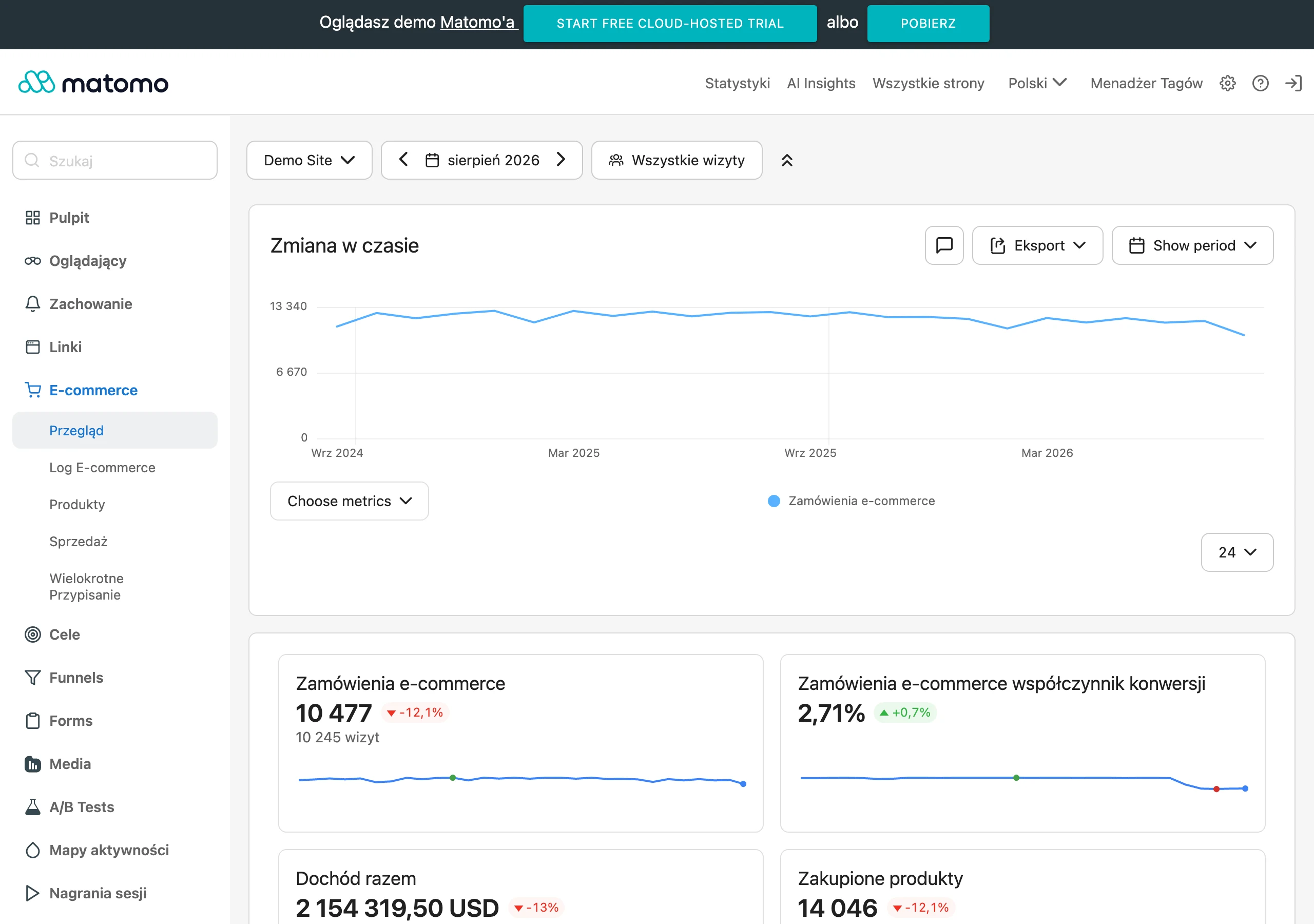
In practice, it makes sense to measure several groups of metrics in parallel:
- time to first response to a lead and the percentage of leads handled in line with the SLA,
- conversions between stages, especially MQL to SQL and SQL to sales opportunity,
- the share of leads without an owner, duplicated or requiring manual correction,
- data completeness: source, campaign, UTM, marketing consent, key qualification fields,
- the impact of sources and campaigns on the pipeline, closed-won and reasons for loss.
Do not assess automation solely by the number of leads. Higher volume without an improvement in quality usually does not deliver results; it only adds work for sales. It is better to check whether the proportion of leads actually handled is rising, whether the number of abandoned records is falling, and whether sales reps are getting to meaningful conversations faster. Only then can you see whether routing, qualification and follow-up are working as they should, instead of merely “generating activity” in the CRM.
The fairest assessment comes from comparing the state before and after implementation. But beware, only with the same stage definitions and the same attribution rules, otherwise the numbers start telling fairy tales. If, in the meantime, the definition of MQL, the ownership model or campaign sources has changed, the comparison may be misleading. With a longer sales cycle, you also need to look at intermediate metrics, because the impact on revenue comes with a delay. In such a setup, improvement in response time, data quality and conversion to the first conversation becomes visible faster than the final closed-won.
It is also worth measuring the health of the integration itself. Automation can look great on a dashboard while losing data along the way like coins from a holey pocket. Error logs, the number of failed synchronisations, repair time, retry effectiveness and the ability to recover a record manually all matter. Lack of integration monitoring means problems only come to light when a sales rep does not receive a lead or marketing loses attribution.
In the end, what matters is closing the loop between sales and marketing. The outcome of the conversation, the stage of the opportunity, pipeline value and the reason for loss must feed back into the analytical layer; otherwise it is impossible to assess the quality of sources honestly or improve qualification rules. Good automation does not only pass leads to sales, but also sends marketing information on which campaigns create real value. The question is: do these data really come back, or are we just pretending that “the system knows”.
FAQ
Frequently asked questions
How does automation of processes between marketing and sales work in practice?
It creates a chain of rules and integrations that guides a contact from acquisition to qualification, sales rep assignment, follow-up and result reporting. The system can also create or update records automatically, assign an owner and trigger tasks.
Is marketing and sales automation just about sending emails?
No, the article emphasises that this is not just about sending emails. It is about linking forms, CRM, ads, analytics, calendars and sales reps’ activities into one coherent process.
Why does automation not work well without shared definitions of MQL and SQL?
Because marketing and sales may understand the same terms differently, and then reports and automations start to diverge. Without clear criteria, automation only scales chaos instead of organising the process.
What needs to be checked before implementing process automation?
First, it is worth auditing lead sources, field completeness, duplicates, response times, tracking gaps and the consistency of statuses. Only then do you design the data model, funnel stages and automation scenarios.
Which technical elements are most important in process automation?
Key elements are API, webhooks, field mapping, deduplication, error logs and retry mechanisms. The more systems there are in the process, the more important failure monitoring and consistent data identifiers become.
When does automation deliver the greatest value for marketing and sales teams?
The biggest impact comes when it shortens lead response time, reduces duplicates and improves assignment accuracy. It is also important that data flows back into analytics so marketing can see the impact of campaigns on the pipeline and sales.