

In many companies a lead comes in from a form, phone call, chat or campaign and for a moment “belongs to nobody”. And that is the gap. That is often the moment that decides whether the contact gets a quick response or gets stuck in an inbox, spreadsheet or a process that nobody can describe in a single sentence. Automatic lead handoff closes that stage and turns it into a predictable workflow based on specific rules. The effect is simple: the salesperson gets the right contact faster, and the company keeps a better grip on data quality and on who is actually responsible for handling it. The most important effect of this solution is shortening the time from lead arrival to the first sales action. In practice, what matters is not only integrations, but also assignment logic, exception handling, deduplication and measuring what actually happens after handoff.
What is automatic lead handoff to salespeople
Automatic lead handoff to salespeople is a process in which the system takes over a new contact from various sources, saves it in the CRM and assigns it to the right person without manual re-entering of data. It sounds technical, but the stakes are business-critical. The source can be a form, landing page, chat, phone call, email message or advertising campaign. The goal is not automation itself, but a faster and more accurate start to sales handling.
In practice, such a solution works like an operational lead routing system. It collects data, standardises it, checks its quality and only then decides who should take over the contact. The question is: where is the “truth” about the customer. Without a single source of truth in the CRM or in a well-designed middleware layer, automation quickly starts multiplying errors instead of removing them.
The lead record itself is key. It carries the meaning. It should contain at least contact details, acquisition source, enquiry context, information about marketing consent or another basis for contact, campaign parameters and handling status. If this data is missing or inconsistent, the system will pass the lead to the wrong team or will not trigger the right path at all.
Modern routing rarely relies on region alone. The world no longer works that way. Product, language, customer segment, potential value, salesperson availability and active SLAs increasingly matter too. Routing should be based on an explicit rules matrix, not on manual exceptions known only to a few people. This is especially important when a lead fits several conditions or the contact concerns an existing customer with an assigned account manager.
How the lead handoff process works in practice
The lead handoff process works in practice in several steps: data capture, organisation, quality checking, owner assignment and outcome control. First, the system receives the lead from a form, chat, phone, email or campaign integration and saves it in the integration layer or directly in the CRM. Then it maps the fields to a common data model so that, regardless of source, the same type of information always lands in the same places. And only then does it sort out responsibility, because in sales what matters is response, not declaration.
The next stage is normalisation and validation. In short: order first. The system standardises the format of the phone number, email address, country, product, source and campaign parameters, and then checks required fields, syntax correctness and data completeness before anything moves on. First the data has to be organised and verified, and only then can you decide where the lead should go. And that is not a cliché, because this is exactly where the classic mistakes come out: typos, missing consent, an incomplete campaign source or a contact from a channel that should not be feeding sales at all.
After validation come deduplication and classification. Without that, things get crowded. The system compares email, phone number, company domain, campaign identifiers and existing customer records to decide whether to create a new lead, update a contact or attach the enquiry to an existing opportunity. It can then enrich the record with region, language, segment, activity history and handling priority, i.e. exactly what later determines response speed. Scoring helps set the work queue, but it should not replace the rules for customer ownership. The question is who owns the customer when the algorithm says one thing and the sales structure says another.
The routing itself is based on business conditions. That is the heart of the puzzle. For example, country can point to a team, product to a specialist and segment to a specific salesperson, and when there are several candidates, the system applies round-robin, an availability queue or assignment to a team pool. But beware: when data is missing, the salesperson is inactive or several rules produce conflicting outcomes, the lead should go to a fallback path rather than disappear from the process. If the process does not handle exceptions, leads do not disappear — they just pile up outside control. And backlog in the CRM has one characteristic: it grows in silence.
At the end the CRM saves the owner, creates a contact task, sets the deadline for the first response and sends a notification. Simple, but only on paper. In parallel, the system should measure handoff time, time to first contact, number of errors, exceptions and assignment accuracy, because without that there is no diagnosis, only guesswork. Only then can you check whether the problem lies in data quality, routing logic, salesperson availability or the team’s way of working.
Current challenges and problems in lead handoff
The biggest problems in lead handoff come from a simple fact: data comes in through many channels, in different formats and with different quality. Chaos at the input means chaos at the output. A form sends different fields than a chat, a helpline records data differently than an advertising campaign, and email often does not carry structured context, so mistakes are easy from the very start. If the company does not have a single place where this data is compared and organised, routing quickly starts to resemble a lottery. In practice, without a single source of truth in the CRM or middleware layer, it is impossible to assign responsibility for a lead reliably. And then everyone is a bit right, and nobody is the owner.
The second problem is time. It matters more than many are willing to admit. When a lead reaches the system with a delay because the data are imported in batches or someone is retyping them manually, the salesperson reacts later than they should, and the difference can be painful. This is especially visible in inbound enquiries, where minutes matter, not the end of the day. That is why, where fast contact matters, webhooks and API are simply more effective than spreadsheets and file imports.
Implementation can turn the input data upside down. Mandatory fields are missing from the system, the phone number has the wrong format, the email contains a typo, and the campaign source is recorded in a way that makes it impossible to analyse sensibly later. Automation does not fix bad data on its own; it simply reveals more quickly where the input process has been poorly designed. When validation is too soft, incomplete or simply incorrect records flow to the salesperson. And when it is overly restrictive, valuable leads land in the exception queue and wait for someone to unblock them manually.
Problems also start when assignment rules are too simple for the real sales process. The region alone often stops being enough, because you need to take account of the product, language, customer segment, size of opportunity, salesperson availability or active SLA. The more sales teams and service models there are, the easier it is to create a rule conflict rather than “smart automation”. The problem is that without a clearly defined hierarchy, the system does not know what matters more: country, product, the existing account owner or the status of the active opportunity. And then routing starts guessing instead of deciding.
Duplicates do their thing. And quickly. The same contact can come back from a new campaign, call the helpline and, at the same time, submit a form on the website. If the company does not have a clear policy on what to do in such a setup, the same lead will go to several people at once or be overwritten in the least appropriate place. Most chaos is created not with new leads, but with those that already have a history in the CRM.
Access and process compliance can also blow the whole thing up. Not every salesperson should see every record, and marketing consents, the basis for contact and the change history must be recorded in a way that can later be properly verified. This is not solely a legal issue, but an operational one. If permissions are set incorrectly, the lead goes to the wrong team or disappears from the sight of those who should be managing it. Who then takes responsibility for that.
Key decisions in lead routing logic
The key decisions in lead routing logic come down to one thing: according to which rules should the system assign the record to the right person, and what should it do in ambiguous situations. First, you need to decide who owns the process: sales, marketing, RevOps or the operations team. Without that, rules multiply like rabbits, but no one is accountable for their consistency. Routing only works well when one side defines the business rules and the other ensures their technical execution. The question is whether there is real agreement on this within the organisation.
The second decision concerns the minimum set of data needed for assignment. In practice, this usually means contact data, acquisition source, product or enquiry topic, country or region, and information about consent or the basis for contact. When these fields are missing, the system should not guess, but send the record to a verification queue. It is simply lower risk. And not at all slower, because a wrong assignment can later cost more time than a quick check at the point of entry.
The structure of the rules themselves is crucial. Rather than multiplying dozens of exceptions, it is better to build an assignment matrix with a clear priority of conditions and a fallback path. Then it is immediately clear what the system should do when a lead fits several teams at once or when the indicated salesperson is unavailable at that moment. In practice, the same clashes keep coming back: new lead versus existing customer, local sales versus central sales, inbound versus partner, or SMB versus enterprise.
- whether the region, product, segment or existing account owner is more important,
- when a lead should go to a specific person and when to a team pool,
- whether round-robin, availability queue or fixed assignment applies when there are multiple candidates,
- what to do when the salesperson does not respond within the agreed time.
Deduplication requires a separate decision. You need to set out in black and white when the system creates a new lead, when it updates a contact, when it adds an activity to an existing opportunity and when it leaves the current owner of the record in place. This must be based on specific identifiers, such as email, phone number, company domain or the relationship with an existing customer, rather than solely on declarations from the form. A good duplicate policy protects not only order in the CRM, but also the relationship with a customer who does not want to be handled in parallel by several people.
You also need to decide what role scoring is to play. Lead scoring can influence the order of handling, but it should not replace responsibility rules. Because what is the point of a lead having a high score if it is going to land with the first available person without the right skills anyway. In other words, a lead with a high score still needs to land in the right team, not in a random place. The score sets the priority, routing is responsible for the correct assignment.
Finally, there is SLA and exception handling. The system should know how long it is allowed to take to pass on the lead, after what time lack of response triggers an escalation, and who takes over the record when the salesperson is inactive. Without that, even a well-assigned lead can get stuck once it is on the sales side. Good routing rules do not end with “assigned”; they also cover no response, integration errors and edge cases.
What needs to be defined and optimised in the process
In this process, you need to define the owner of the rules, the minimum set of data, deduplication rules, SLA and the way exceptions are handled. Without these decisions, automation only works in name, because the system does assign leads, but it does so inconsistently and unpredictably. The most important thing is this: someone in the company must be responsible for the business rules and their changes. If marketing, sales and IT are all responsible for routing at the same time, and no one has the final say, assignment conflicts return with every change to a campaign or team structure.
At the outset, the basics matter. Right away you need to decide which data is mandatory from the first touchpoint, rather than only “along the way”. In practice, the minimum is the lead source, topic or product, country or region, basic contact details, and information about consent or the legal basis for contact. If these fields are missing, the system should not guess the assignment, but route the record to a verification queue. That is a smaller waste of time than later correcting mistakes that can drag on for weeks.
The second front is deduplication and the collision policy. The question is: when should a new form create a new lead, when should it update an existing contact, and when should it be linked to an active opportunity or account manager. This makes a difference especially where one person fits several teams at once, for example by region, product and customer segment.
Order works best, not a bodge job. In practice, a assignment matrix with rule priorities wins, rather than a collection of individual exceptions added over time. Such a matrix should define the condition, the assignment outcome, the fallback rule and the escalation method. This makes it possible to explain why a lead went to a specific person, and to correct the process faster without manually tracing every case.
Without an operational SLA, it will fall apart. This is not only about the salesperson’s first response time, but also about the maximum time for the lead handover itself, the way delays are measured and the automatic takeover rule when the owner does not respond. An SLA without automatic escalation is weak, because it only shows the problem after the fact.
Finally, there are tests, logging and continuous review of operational data. Before launch, you need to catch missing fields, incorrect formats, duplicates, an inactive salesperson, rule conflicts and integration failures. After launch, it is worth monitoring which sources generate the most exceptions, where the process gets blocked and whether the current assignment model still fits the team’s real work.
Most common mistakes and limitations in implementation
The most common mistakes and limitations in implementation are fairly repetitive. They include poor data quality, unclear responsibility rules, lack of testing, and an attempt to automate a process that has not previously been organised. Many rollouts fail not at the technology level, but at the level of business decisions. A system can work correctly technically and still route leads badly, because the company has not established who is actually supposed to handle a given type of enquiry.
- the lack of a single source of truth in the CRM or middleware layer,
- routing based on incomplete form data,
- the lack of clear rules for existing customers and active opportunities,
- too many exceptions added manually instead of a fixed logic,
- the lack of information about salespeople’s availability and cover arrangements,
- go-live without testing error scenarios and integration failures.
One of the most expensive mistakes is routing based solely on declarations from the form user. That is a straightforward path to errors. Someone clicks the wrong country, enters the topic “by feel” or provides a private e-mail address that tells you absolutely nothing about the company. The problem is that the form is not a source of truth, only a source of declarations. Where possible, region, relationship history, the organisation’s domain and earlier records in the CRM should work as a verification filter, instead of blindly trusting what comes in through a single channel.
A frequent limitation is also an inconsistent systems environment. On paper everything works, but each system lives its own life. If leads land in several tools in parallel and the CRM is not updated in near real time, automation starts relying on stale or simply conflicting data. And then it gets funny, just not for the team. Without a coherent data model and stable integrations, routing becomes nothing more than a faster version of chaos.
Problems also appear when the company does not separate responsibility for process maintenance. Who keeps an eye on the rules when changes come in. Marketing adds new fields to the form, sales reshapes the team structure, and the integration stubbornly keeps working according to the old logic, as if nothing had happened. Sounds familiar. If there is no versioning of rules and event logs, it later becomes impossible to explain sensibly why a lead was assigned incorrectly or why it went to nobody.
It is worth remembering that not every limitation can be covered by configuration alone. The system will not guess what the organisation has not defined. If salespeople work outside the CRM, roles are ambiguous, and there is no policy for handling existing customers, the routing algorithm has nothing to base its decision on. And then even the best rules will look like art for art’s sake. First you need to organise the sales process, and only then automate it.
How to measure effectiveness and lead response time
Effectiveness and lead response time are measured through several specific operational and sales metrics, with a clearly defined start and end point for each stage. There is no room here for “I think so”. A CRM read-out alone is not enough if the company has not defined from when a lead is counted as “received”, when it is considered “passed on”, and what exactly “first response” means. The question is: is everyone measuring the same thing, or just using the same words. Without that definition, the data only looks good on paper, because different teams are reporting different things. The most important thing is to measure the process from the moment the lead appears in the system, not from the moment the salesperson notices the notification.
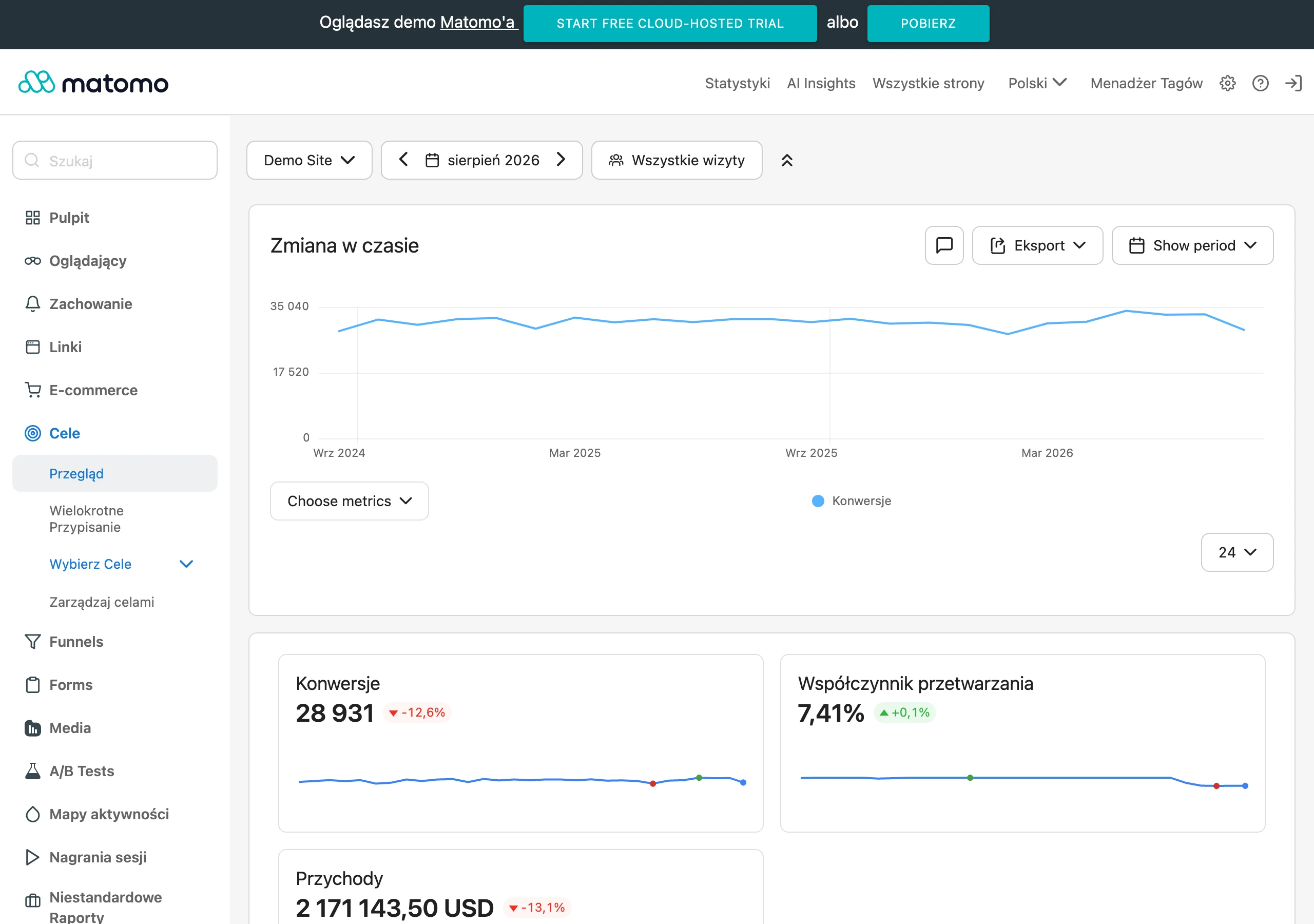
The basic metrics are lead handover time, first sales response time, the percentage of leads assigned without error, the number of records routed to exceptions and progression to the next sales stages. That’s the theory, but this is where it actually works. Handover time shows how long it takes for data to move from ingesting the data to correctly assigning the owner in the CRM. First response time measures the sales team’s work, so it should not be mixed up with integration, validation or deduplication delays. Rather than one bucket of metrics, it is better to have two measures that actually explain something.
For these metrics to make sense, the technical stages need to be separated from the sales stages. If a lead comes in immediately but, because of a field mapping error, waits 20 minutes in the queue, that is not the sales rep’s problem, but a broken integration process. And if a lead was correctly assigned after 15 seconds, but the first contact took place after 6 hours, the fault lies in work organisation, people availability or a missed SLA. Good analytics show exactly where the delay is created, instead of lumping the whole process into one “average handling time”.
The effectiveness of handover should be assessed not only by speed, but also by assignment accuracy. In practice, what matters is what percentage of leads go to the right team the first time, how many records require manual correction, and how often the system bypasses rules because data is missing. Everything can be handed over quickly, but what’s the point if it goes to the wrong people. Then the team wastes time reassigning records, and the customer gets a reply that is late or irrelevant.
In reporting, it is better to look at the median and the distribution of results rather than just the average. The average likes to gloss over reality when some leads are handled straight away and others sit for a very long time. The question is: how many leads received their first response within the agreed SLA, which sources generate the most exceptions, and which segments wait the longest. If one channel or one type of lead regularly falls outside the SLA, the routing rules need to be changed, not just the sales reps monitored more closely.
Analyse the results separately for sources, campaigns, products, customer segments and sales teams. This is not academic nit-picking, but a prerequisite for comparability. A lead from a contact form, a lead from a paid campaign and a lead by phone usually have different data quality and a different expected response time, so putting them into one table produces misleading conclusions. If the input process is not the same, then the “average” metric does not say much either. That is why the dashboard should show the combined result, but also a breakdown by key groups.
An important metric is also the lead progression rate to the next stage, for example to a qualification call, an offer or a created opportunity. This figure clearly shows whether fast handover really drives sales, or merely inflates operational statistics. If the response time is short but the leads do not move on, the problem is that something is not right elsewhere. Then you need to check the quality of the sources, the prioritisation rules, the match between sales reps and the type of enquiry, and the quality of the first contact.
In practice, the best approach is a dashboard based on events recorded in the process log: lead ingestion, validation, deduplication, assignment, task creation, first sales activity and any takeover by escalation. These are hard traces, not opinions. They make it possible to reconstruct the full path of a single record and understand why the result was good or bad, step by step. If there is no event history and no rule versioning, it is impossible to reliably explain where a delay or incorrect assignment came from.
FAQ
Frequently asked questions
How does automatic lead handover to sales reps work in practice?
The system receives a lead from a form, chat, phone, e-mail or campaign, organises the data, checks its quality and assigns an owner. At the end, it saves the contact in the CRM, creates a task and sets a deadline for the first response.
Does automatic lead handover shorten the time to first contact with the customer?
Yes, this is one of the most important effects of such a solution. The aim is to shorten the time from the lead appearing to the first sales action.
Why do lead routing needs a single source of truth?
Without it, automation starts multiplying errors instead of removing them. One place for comparing and organising data makes it possible to assign responsibility for a lead reliably.
What should a lead record contain so it can be handed over correctly?
At minimum, contact details, acquisition source, enquiry context, consent information or the basis for contact, and service status. Missing or inconsistent data can mean the lead is sent to the wrong team or does not trigger the correct path.
What problems most often break automatic lead handover?
Most often these are different data formats from multiple channels, delays in handover, validation errors, duplicates and overly simple assignment rules. Problems can also be caused by incorrectly configured permissions and a lack of exception handling.
When should a lead go to a review queue instead of directly to a sales rep?
When key data is missing, fields are incomplete or the result of the assignment rules is ambiguous. The text emphasised that the system should not guess, but should direct the record to a fallback path.