

Marketing quick wins are rapid improvements. They are meant to improve results, but without overturning the plan for the coming months. In practice, this is not about any “tricks”, but about choosing changes that can be implemented quickly, measured sensibly and safely folded into the team’s ongoing work. The biggest mistake is that many companies chase growth through random actions instead of refining the places where they already have traffic, budget and data. A well-chosen quick win should lift results here and now, but it must not damage lead quality, brand consistency, measurement or future scalability. So what matters is not only what we do, but what effect it has in the funnel, the offer, SEO, paid campaigns and CRM. Put differently: it is a method of selecting and implementing small changes with a high effect-to-effort ratio.
What marketing quick wins are in practice
In practice, quick wins are limited changes to existing channels, pages or processes. They offer a chance of a rapid improvement in results without rebuilding the entire strategy. They usually concern areas where the company already has traffic or budget, but part of the effect leaks away through errors, friction or simply a mismatched message. That could be a CTA tweak, shortening a form, improving the headline on a landing page, fixing conversion tracking or tidying up an advertising campaign.
That matters because a quick result is not always a good business result. If a change increases the number of forms submitted but lowers lead quality, then it is not a safe quick win, but a problem pushed further down the funnel. The question is: are we improving the result, or just the metric. A quick win only makes sense when it aligns with the business goal, brand communication, the structure of the offer and the way the result is measured.
The best quick wins rarely come from adding something entirely new. Instead, they more often involve refining what already works, only below its potential. This applies especially to offer pages, campaigns with spend, articles with visibility in Google, high-volume e-mail sequences and contact forms that play a major role in lead generation. A small fix, then a bigger one, and in the end a clear difference across the whole funnel.
The difference between a sensible quick win and a random experiment starts with a strategic filter. You need to check whether the change will distort attribution, blur the positioning of the offer, worsen UX and add unnecessary technical debt. Not “faster”, but “fast and safe” — and that is not a cliché. The greatest value comes not from the quick implementation itself, but from quick implementation after checking dependencies and risks.
That is why quick wins should not live alongside strategy, but within it. If a given improvement works, it is worth turning it into a new standard: a landing page template, a campaign-building rule, a content publication checklist or a measurement configuration pattern. Then a rapid improvement stops being a one-off shot and starts strengthening the whole marketing system. And that is the point: not fireworks, but a repeatable effect.
The current operational context in marketing
The operational context in marketing today is simple. Faster results more often come from polishing the quality of what you already have than from adding budget or mass-producing new materials. The cost of traffic and leads rises when the page, the message and the data are weak. Scaling without tidying up does not fix the problem; it only makes it bigger. That is why quick wins most often start by fixing the places that are already driving results.
Measurement is key today. Gaps in data are becoming more common because privacy, consent, incorrect tool configuration and inconsistent campaign tagging all take their toll. If conversions are measured badly, the team optimises the wrong things, and conclusions are drawn from a cut-down picture. The question is: what are you actually reporting, and what only seems to you that you can see. Before you assess any quick win, check the correctness of events, traffic sources, UTM parameters and the linking of leads to CRM.
In SEO and content marketing, quick results increasingly come from updating existing content. Not from mass-producing new pieces. If an article already has visibility, but it poorly matches user intent or does not lead clearly to the offer, one sensible edit can deliver more than publishing more texts blindly. The problem is that it is easy to confuse “more” with “better”. In many cases, better alignment of content with intent and the offer wins faster than increasing the number of posts.
The same happens in paid campaigns. Quick results more often come from tidying up account structure, search term reports, exclusions, audience segmentation, creative and landing pages than from simply increasing bids. First you clean up, then you add fuel. Before you increase reach, remove budget waste and the mismatch between the ad and the landing page.
In UX and CRO, the limitation is not always the idea. More often, it is implementation: technical debt, CMS templates, lack of developer resources, CRM dependencies and legal or brand approvals actually set the boundaries of what can be done “now”. Big rebuilds sound great, but beware: they are rarely quick. Operationally, the best quick wins are those with a low implementation threshold, a clear way of measuring them and no need to dig into the system just to boost one metric.
How the quick wins implementation process works
The quick wins implementation process is a structured sequence: goal, audit, backlog of changes, strategic filter, small implementation, measurement and a decision on whether the fix stays permanently. And this is not a cliché, because a rapid change without a framework usually improves one metric and damages something else along the way. First, you need to define clearly what you are fighting for: more qualified leads, a lower acquisition cost, a higher contact rate or better use of existing traffic. At the same time, write down the constraints, because they will come back to the table anyway: budget, team time, access to developers, brand requirements, CRM and seasonality.
The second step is to identify the places where the result gets stuck. In practice, this means examining pages with traffic and low effectiveness, tracking errors, the mismatch between the ad and the landing page, content with visibility but no conversions, and forms where abandonment rises. Add to that data from analytics, Search Console, CRM, campaign reports, heatmaps and session recordings. First you need to see where the user drops off and whether you are measuring it correctly.
On this basis, a backlog is created, in other words a list of specific improvements. In short: an action plan, not a wish list. Each item should include a problem description, a hypothesis, the implementation scope, technical requirements, risk and the measurement method. Only then is it possible to distinguish a change that genuinely helps from an idea that just looks good in a presentation.
- adjusting the CTA or headline on a high-traffic page,
- removing unnecessary fields from the form,
- fixing errors in tags and conversions,
- switching off ineffective keywords, audiences or placements,
- updating content that has organic traffic but supports the offer poorly.
The next stage is the strategic filter and prioritisation. And this is where it gets interesting. Actions that may boost clicks but worsen lead quality, margin, messaging consistency or SEO structure are rejected. The highest priority goes to changes that are easy to implement, concern assets with high traffic or places close to conversion. A quick win only makes sense when it strengthens the growth model, rather than bypassing its weak points.
The implementation itself is meant to be small and under control. Instead of rebuilding the whole website or ad account, it is better to change one page, one campaign, one form template or one email sequence. Before publishing, tags, goals, redirects, mobile version, indexing and data flow to the CRM are checked. It sounds minor, but note: it is exactly these “small things” that determine whether the result is real or just looks good in the report.
After implementation, you do not look solely at growth in clicks or CTR. The question is: what happened next at the same point in the funnel. The effect has to be compared: are there more leads, are they better, has sales not fallen, has the traffic become less relevant and do the data match across tools. If the change works, it is worth standardising it as a new template, campaign rule or publishing checklist. If it does not work, rolling the change back is also a good decision, provided you know why the result did not hold up.
What to do, and what to avoid with quick wins
With quick wins, the key is to choose areas with real potential, instead of pumping up quick traffic at the expense of quality or operational order. The best starting point is areas where there is already demand, budget or traffic: offer pages, landing pages from campaigns, articles with organic visits, email sequences with a large audience, and campaigns that spend money but do not deliver results. There, even a small improvement will quickly show whether the hypothesis was accurate or just sounded convincing. Looking for quick wins on assets with no traffic usually ends in guesswork and chasing a shadow.
First fix measurement, then optimise. It sounds banal, but it saves budgets. The minimum requirements are simple: properly defined conversions, consistent campaign labelling and at least a basic link between the lead and the acquisition source. Without this, it is easy to celebrate a success that in practice only pushed the user into a micro-conversion and did not move the business result. The problem is that some data can disappear because of consent, tool configuration or a poor connection with the CRM, and then assessing actions starts to resemble shooting in the fog.
Good quick wins treat the ad, the page and the user’s intent as one organism. Let’s look at it differently: if a campaign promises an audit, and the landing page generally talks about services, then the budget is not too low – the message has drifted. In SEO, polishing what is already there will work faster than adding more similar texts to the pile. In practice, that means updating titles and headings, strengthening internal linking, adding sections that answer specific questions, and merging content that competes with itself for the same intent. Not more pages, but better answers.
In paid campaigns, you first remove waste. It is a stage many people do not like, because it does not look spectacular, but the data clearly show that it works. Reviewing search terms, exclusions, audiences, schedule, locations, frequency and landing page quality often brings a faster effect than increasing bids. Fast growth very often comes from reducing waste, not adding budget. The same applies to CRO: instead of rolling out large and costly changes straight away, it is better to simplify the first screen, shorten the form or sharpen the value proposition.
The most common mistakes are repetitive. And that is not a cliché. They usually stem from haste or from the goal having been set incorrectly.
- Do not deploy aggressive pop-ups if they increase the number of leads but lower their quality and harm the user experience.
- Do not duplicate content across many similar keywords just to quickly increase the number of pages in the index.
- Do not create many separate landing pages without a plan for information, naming and consistency with the offer.
- Do not judge success solely by CTR, number of forms or time on page.
- Do not scale a change if you do not know whether the result is not the effect of seasonality, a small sample or a measurement error.
To make sure quick wins do not turn into a series of random tasks, they need to be organised operationally. The key is a simple discipline tool: a short priority list with justification, the task owner, the implementation scope and the method of assessing the result. If an effective improvement does not make it into the team’s standard way of working, it was a one-off burst of effort, not a real marketing improvement. But note, this is where the whole truth about “quick” actions comes out. After each implementation, you need to decide whether the change becomes a new rule or goes back to testing.
The most important strategic decisions with quick wins
In quick wins, strategic decisions are key. The point is what exactly you are optimising, at which stage of the funnel, and how you will recognise that the result is genuinely better for the business. If the choice turns out to be off the mark, the team will polish an intermediate metric, while sales, lead quality and profitability will not even notice. That is why the start is simple, though unforgiving: one main decision metric and 2-3 control metrics. In practice, that metric is most often the cost per qualified lead, the conversion rate to contact, or the share of traffic that actually reaches the sales stage.
The second decision is more down to earth: where to implement it. The safest approach is to target assets with high traffic, close to conversion and with few technical dependencies, because there the effect shows up faster and can be assessed fairly. These are usually offer pages, campaign landings, forms, high-spend campaigns or organic content with visibility but weak movement through to the offer. But beware, potential is not enough. Not every area with potential is a good quick win if the change requires rebuilding the CMS, CRM logic or sign-off from multiple departments.
The third decision is the compromise between speed and consistency. And that is not a detail. A quick win should not overturn the brand promise, the positioning of the offer or the information architecture just to boost clicks for a moment. This is especially visible at the intersection of SEO, performance and UX, where it is easy to supercharge one channel at the expense of another. A real-life example: an aggressively written headline may increase ad CTR, but if the landing page and sales team do not deliver on that promise, the final result will simply be worse.
The fourth decision concerns the standard for accepting the result. An improvement in on-page conversion alone guarantees nothing if the number of empty forms grows, lead quality drops or the data in the CRM stops matching analytics. The key is a simple criterion. A good practice is to adopt the rule that a quick win only becomes permanent when it improves the primary result and does not worsen critical secondary metrics. That way, quick actions will not turn into a series of local tricks that need to be frantically rolled back after a quarter.
Typical mistakes and limitations of quick wins
The problem is that quick wins are easy to confuse with random moves that temporarily lift one number. The most common mistake is optimisation without reliable measurement. When conversions are poorly defined, UTM parameters inconsistent and the CRM does not show the lead source, the team has no idea whether the improvement is working or whether only the reporting method has changed. The data is clear: without order in the data, speeding up implementation is a lottery. First you need order in the data, only then is it worth speeding up implementation.
The second common mistake is choosing changes that are easy to tick off but weakly tied to the business. This means minor cosmetic tweaks on pages without traffic, adding campaigns without cleaning up the account structure, or producing new content instead of refining what is already gaining visibility today. Such effort takes up the team and looks good in a report, but it rarely delivers a proportional effect. It is better to start where the losses are visible to the naked eye: high cost per click, a low contact rate, large traffic without movement through to the offer.
The third mistake. Ignoring side effects. Shortening a form can increase the number of leads and at the same time reduce their quality, because more random people enter the funnel. Expanding separate landing pages around many keywords may temporarily increase reach, but then leave behind duplicate content, keyword cannibalisation and an offer patched together from bits and pieces. A quick win stops being a win when it damages margin, data quality, user experience or SEO structure.
The limitation is often not the idea itself. It is the implementation conditions. Technical debt, a rigid CMS, no developer support, dependencies on the consent system, a legal process or strict brand rules can instantly recalculate the profitability. And then the question is: is this really a quick win, or are we just pretending it is. In such a situation, there is no point forcing a big change as a quick win. It is better to break it down into smaller elements or move it to a separate project if it requires systemic restructuring.
The fourth mistake is the lack of a decision after implementation. The team launches a change, sees some movement in the data, but does not decide whether the solution stays, reverts to the previous version or requires another test. The result is predictable: chaos and a growing number of exceptions in campaigns, content and landing pages. Every quick win should end with a clear operational decision: we standardise it, roll it back or continue testing with a clearly described reason.
How to measure the effectiveness of implemented quick wins
The effectiveness of quick wins is checked by comparing the result before and after the change, in the same part of the funnel, on the same type of traffic and with the same definition of conversion. Clicks, CTR or time on page alone are not enough if there is no visible impact on the business result. What matters most is whether the change improved the main decision-making metric, not just an intermediate indicator. In practice, this means the impact on a lead, sales, acquisition cost or contact quality.
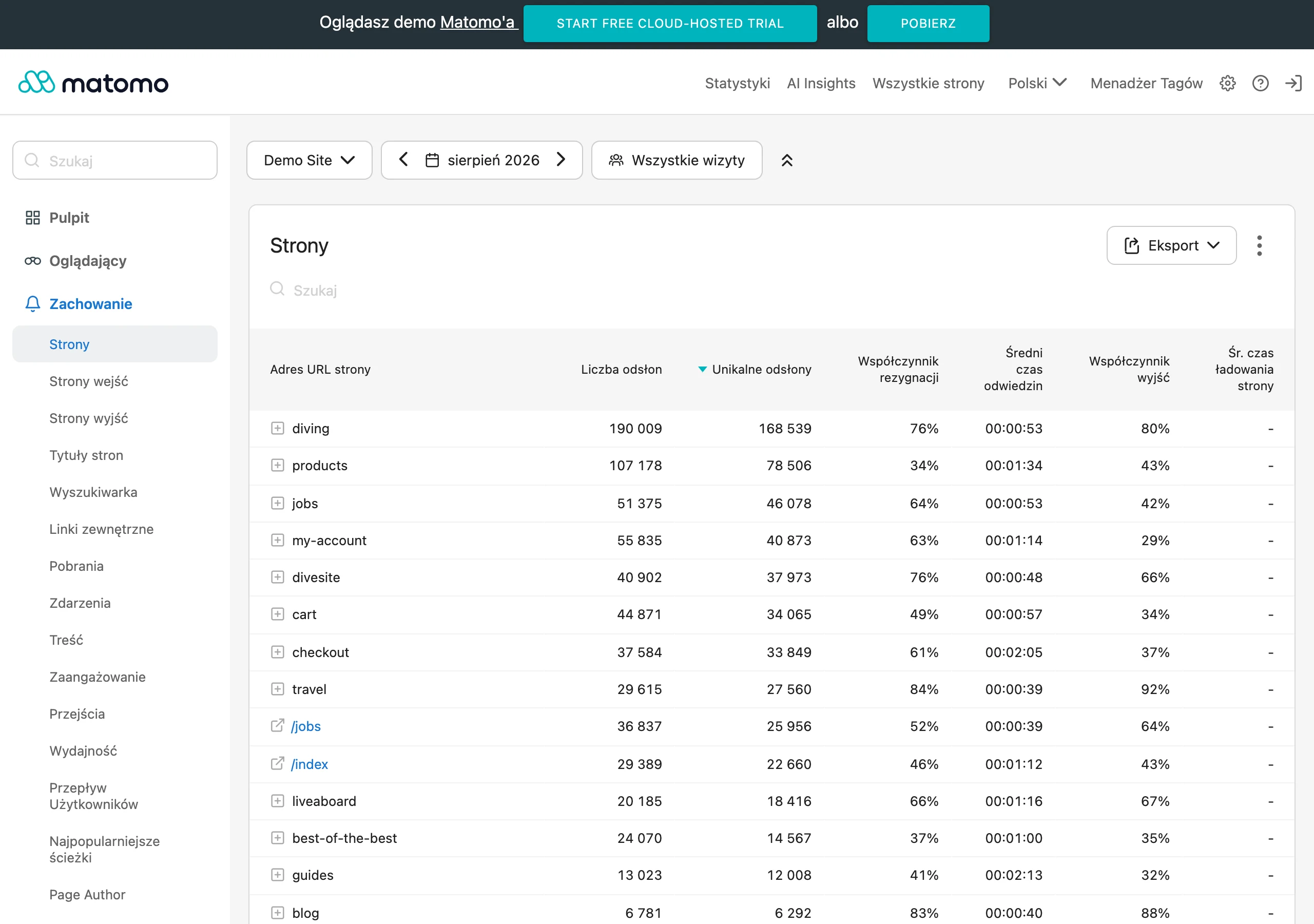
The starting point must be recorded before implementation. Decide which period you are taking as the baseline, which asset you are changing and which traffic segments will be compared. If you are improving a landing page for a Google Ads campaign, do not assess the effect across the whole site, only on that specific landing page, in that traffic source, ideally broken down by device. Without such narrowing down, it is easy to attribute the result to the change, even though it really came from seasonality, a bigger budget or another campaign.
One compass is enough. The best measurement model is based on one primary metric and several control indicators that ensure the result is not “pretty” only on paper. The main metric can be the cost of a valid lead, the conversion rate to a sales conversation, the number of transactions or revenue from a specific source. Control indicators show whether the improvement was bought at too high a price, for example through lower lead quality, a higher bounce rate, worse ROAS or more incorrect forms. Good validation always combines a marketing metric with CRM data or at least with information about the quality of the captured contact.
Start with the foundations. Before you assess the result, check whether measurement actually works properly, because without that every “optimisation” is just guesswork. This applies to events, goals, UTM tags, traffic sources, analytics consent and sending data to the CRM. If the form reports a conversion in analytics but the lead does not reach the sales system correctly, the result will look falsely good. It sounds simple, yet this is where the truth most often slips away. First confirm data consistency, only then draw conclusions about the effectiveness of the change.
Comparison is not a detail. The safest approach is to analyse the same stage of the funnel before and after implementation, and with higher traffic also compare control groups or A/B tests. When traffic is low, it is better to extend the observation period and interpret the results cautiously, because individual transactions or leads can distort the picture significantly. The question is whether two days of good numbers really prove anything. A quick win is not confirmed after the first two days of good results, but only when the effect holds after filtering out chance and noise.
In the end, what matters is the decision, not the chart description. If the change improved the main metric and did not worsen the control metrics, make it a new standard in campaigns, content or page templates. If the effect is inconclusive, instead of building a narrative around it, go back to the hypothesis and check whether the problem was the sample, faulty measurement, the wrong segment or too narrow an implementation scope. This way of working means quick wins do not end with a one-off success, but genuinely strengthen the entire marketing system.
FAQ
Frequently asked questions
How do you recognise a marketing quick win that does not harm long-term strategy?
It is a change that can be implemented quickly, measured sensibly and safely built into the team’s ongoing work. It should not worsen lead quality, brand consistency, measurement or future scalability.
Which areas in marketing are best suited to quick improvements?
These are most often offer pages, landing pages, paid campaigns, articles with visibility in Google, email sequences and contact forms. The point is to focus on places where the company already has traffic or budget, but the result is leaking away through errors or friction.
Is it worth doing quick wins without proper conversion tracking?
No, because then the team may optimise the wrong thing. Before assessing a change, check events, traffic sources, UTM parameters and the link between the lead and the CRM.
Why is a rapid increase in the number of leads not always a good result?
Because it may lower lead quality and push the problem further down the funnel. A quick win only makes sense if it improves the business outcome, not just the statistic.
When does updating existing content deliver a better effect than publishing new content?
When an article already has visibility, but does not match user intent well or does not clearly lead to the offer. In that case, one sensible correction can deliver more than adding more texts.
What should you check before implementing a quick win in paid campaigns?
It is worth reviewing the account structure, search term reports, exclusions, audience segmentation, creatives and landing pages. Often, cutting waste works faster than increasing bids.