

High traffic in itself does not determine whether marketing is delivering. You can have thousands of visits and, at the same time, a handful of enquiries, poor leads or sales below expectations. The problem usually does not lie in the number of users alone, but in where they came from, what they were looking for and whether the site managed to guide them to the next step. The key thing is whether traffic translates into a real business goal, not whether it looks good in a report. In practice, you look at the entire user journey instead of focusing on a single metric. Only then does it become clear which activities are driving results and which are simply inflating volume.
What is a practical model for assessing marketing effectiveness?
A practical model for assessing marketing effectiveness places traffic at the start of the funnel, not at the finish. A session alone is not the star of the analysis here. What matters is the full journey: the entry source, the landing page, the user’s interaction, the conversion and whether that conversion produced real business value. Without that, all you are left with is statistics to admire.
This approach shifts the focus to results. An SEO campaign, Google ads or social media activities can increase the number of visits, but if they attract users with no purchase intent, the business result may not move at all. In practice, effective marketing is not the one that attracts the most people, but the one that attracts the right people. The question, then, is not “how many were there”, but “why did they come and what did they do next”.
That is why analysis must combine quantitative and qualitative data. On the one hand, you look at acquisition channels, landing pages, engagement and movement to the next stages. On the other hand, you assess content fit with user intent, UX barriers, form quality and whether tracking is working properly at all. Because if tracking does not work, the whole “result” is just a nice story.
This model is most useful when a company has a lot of traffic but does not see a proportional increase in sales. Then simply checking the number of users or the bounce rate will not explain anything. You need to compare the share of qualified traffic, movement to the next stages of the funnel, acquisition cost, lead quality and final revenue. Only this puzzle shows where money is really leaking away and where there is merely more noise.
What is the significance of the current context of traffic measurement?
The current context of traffic measurement matters a great deal, because the number of users on its own is less reliable today than it was a few years ago. Data is reduced by cookie consent, script blocking, shortened attribution windows and the growing share of traffic that cannot be accurately assigned to a source. The effect is simple: an increase in sessions does not always mean a real increase in marketing effectiveness. And sometimes it only means a better “bounce” in the tool.
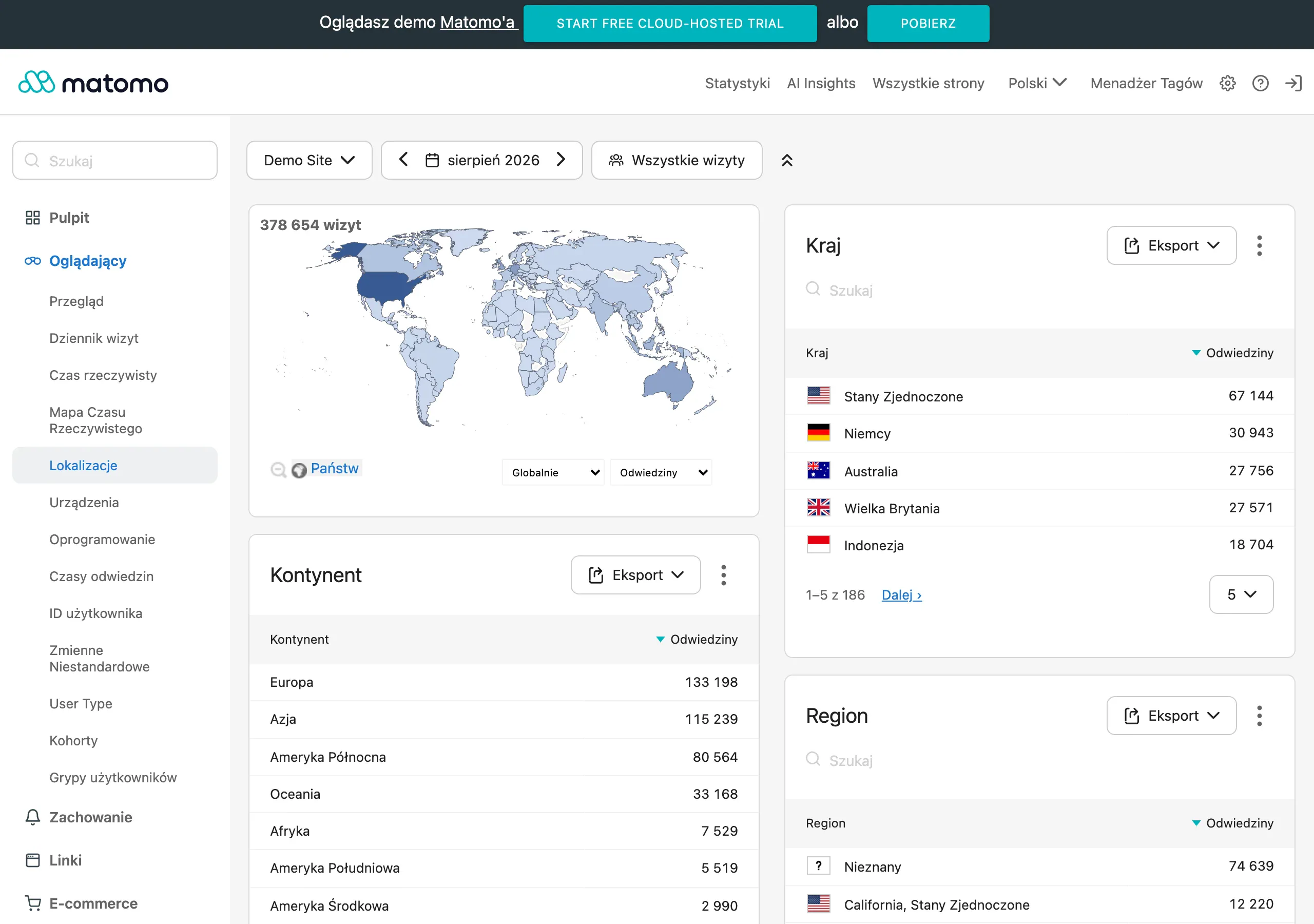
An additional problem is putting different entry intents into one report. Some traffic comes from informational content that builds reach and awareness, but does not carry direct transactional intent. If such visits are measured against the same KPI as offer pages or sales campaigns, the conclusions will be misleading. And then, instead of a diagnosis, you get the illusion that things are “growing”, even though the business is standing still.
More and more often, high volume is delivered by automated campaigns and broad targeting. In the ads dashboard everything adds up, because the lines go up and the charts look like a dream, but on the business side the story can be empty. High traffic without quality control often means more clicks, not more customers.
You need to be able to filter traffic out. Not the one from the report, but the one from real life. Bots, referral spam, internal traffic, accidental mobile taps, misconfigured events and duplicate conversions can distort the picture so much that optimisation becomes a lottery. Without cleaning the data, it is easy to pump budget into places where the signal is simply false.
And that is where a simple truth emerges. One analytics tool increasingly rarely is enough, because each system sees only a piece of the puzzle, not the whole board. A fuller picture comes only from combining data from GA4, GTM, Search Console, ad systems, CRM, call tracking and UX tools. If marketing is to be assessed properly, you need to measure not only traffic, but also the quality of the journey from visit to sale.
How does the process of assessing marketing effectiveness work in practice?
It is not magic, just verification. The process of assessing marketing effectiveness comes down to checking whether specific traffic sources deliver valuable user actions and, ultimately, a business result, rather than just statistics in a report. It starts with defining what success really means in a given model: sales, a lead accepted by the sales team, a call, a demo, a registration or another goal with real value. If the goal is not defined precisely, traffic will only look good in the report, not in the business.
Then you map out the entire user journey. From the entry source, through the landing page and interactions, to the micro conversion, macro conversion and handover of data to the CRM or sales. Only then can you see where the user drops off and whether the problem lies in traffic quality, the landing page, the form or the offer itself. Such a funnel map organises the analysis instead of reducing it to one metric that happens to be green.
The next stage is not very glamorous, but it is crucial. You need to check whether the measurement is even grounded in facts, because even the best campaign will lose out to a faulty setup. In practice, this covers GA4 settings, GTM, analytics consent, events, UTM tags, CRM integrations, call tracking, and filtering internal traffic and bots. Faulty measurement can create a false picture of effectiveness just as easily as a weak campaign.
At the end comes the time for segmentation. Because the total number of visits on its own says very little, and sometimes is actively misleading. You analyse channels, campaigns, queries, ad groups, devices, locations, new and returning users, as well as intent type: informational, comparative or transactional. The question is what is actually growing: users ready to act, or only those who came for general information and disappear straight away.
An important stage is comparing the promise of the traffic source with what the user actually encounters after clicking. If an ad promises a specific service, but the landing page is generic, slow or has unclear CTA, conversion will drop even with high volume. It sounds banal. And yet it is precisely here that the main failings most often emerge: mismatched messaging, a form that is too long, a weak mobile version or a lack of trust-building elements.
The number of conversions alone also does not give a fair assessment. Quality matters. How many leads are valid, how many progress to an offer, how many calls meet the criteria, and what revenue individual sources generate, and that is no longer just decorative in a report. Marketing that delivers a pile of forms from random people does not become effective just because the ad platform shows a nicely falling conversion cost.
Finally, attribution and the role of channels across the whole journey come into play. Some sources initiate demand, others close the decision, and still others simply maintain prior contact with the brand. And this raises the question: what is actually growing, traffic or meaningful activity. If traffic is growing, but the share of valuable actions is not, the problem usually lies in traffic intent, message match, UX or data quality.
What are the key optimisation decisions in marketing?
The key optimisation decisions in marketing concern which traffic sources to scale, which to dial back and what to improve between the click and the sale. This is not a game of driving reach at any cost, but of increasing the share of traffic that makes business sense. The best optimisation often consists not in gaining more visits, but in cutting out the wrong ones.
- Separating objectives by funnel stage, rather than evaluating everything with one metric.
- Segmenting traffic by intent, not just by channel or number of sessions.
- Reducing campaigns and content that generate cheap but low-quality traffic.
- Improving landing pages, forms, CTA and the mobile version.
- Connecting marketing data with CRM and importing quality conversions.
- Removing distortions from analyses, such as bots, spam, duplicate events and internal traffic.
The first important decision is separating awareness-building activities from sales activities. Traffic from blog content, broad social media campaigns or informational queries can be useful, but it should not be counted by the same measure as visits to offer pages or campaigns with purchase intent. Without this, it is easy to mistake reach growth for sales success. And then the till is still empty.
The second decision concerns targeting quality and message selection. If campaigns are too broad, keywords too generic, and the ads promise too much, the system will deliver volume, but not necessarily the right users. Let us look at it differently: instead of chasing click volume, it is better to narrow audiences, separate brand from non-brand campaigns and match the ad copy to the specific stage of decision-making.
The third decision is optimisation of the page for the next step, not for the user’s mere presence. Less friction, more action. That means shorter forms, a simpler layout, a stronger heading, fewer distractions and a quick test of whether the mobile version is quietly suppressing conversions. A large part of the problems with “ineffective traffic” turns out in practice to be a page problem, not an acquisition channel problem.
The fourth decision concerns data. The fact is: if the advertising platform is optimising for every form submission, and the company does not pass on information about which leads are valuable, the algorithm will go after the easiest conversions, not the best customers. Quantity instead of quality. That is why it is essential to connect marketing with sales and import into ad systems data on lead quality, sales or revenue, not just on the mere “form submission”.
The fifth decision is order in analysis and reporting. Without it, the report becomes fog. Brand and non-brand traffic need to be treated separately, informational content separated from offer-led content, and the data cleaned of everything that artificially inflates the results. If the data is mixed together, even good optimisation will lead to bad decisions.
Why is segmenting traffic by intent important?
Segmenting traffic by intent is important because it shows whether the user is looking for information, comparing options, or ready to buy. Without this, it is easy to mistake a rise in visits for success, even though in reality only informational traffic is growing. That kind of traffic can be valuable for brand visibility, but it should not be measured in the same way as visits to offer or product pages.
In practice, the same channel can deliver traffic of completely different quality. SEO can bring users from the blog who are only just naming the problem, and at the same time users from transactional phrases who want to buy or send an enquiry. When you throw both types of visits into one report, the result becomes misleading, because average metrics will obscure the real differences.
The simplest split is informational, comparative, transactional, brand and remarketing traffic. Such a model makes it possible to see which content builds reach, which prepares the decision, and which genuinely closes the conversion. Only after making that separation can you see whether the problem lies in traffic quality, or in the landing page and the offer.
Segmentation is also needed for an honest assessment of landing pages. A user searching for “what to choose” expects different content from someone typing the service name with “price” or “contact” added. The question is: does the page answer that intent, or does it talk around the subject? When the entry intent does not match the page message, exits increase, engagement falls and even high traffic fails to deliver valuable leads.
From the point of view of marketing decisions, segmentation protects against bad optimisation. Without it, it is easy to pour budget into campaigns that generate cheap traffic and lots of forms, but few leads accepted by sales. And this is not a platitude. A smaller number of entries with high intent is better than high volume that stalls at the top of the funnel.
What pitfalls should be avoided when analysing traffic?
In traffic analysis, it is easiest to fall into traps that inflate volume or cleverly obscure the real quality of users and conversions. This hurts. The most common sin is assessing marketing solely through the prism of sessions, users, CTR or the number of completed forms. If the report does not show what happened to the lead afterwards, it only shows part of the truth.
A classic mistake is mixing brand and non-brand traffic. It is not the same thing. Brand traffic usually converts better because the user already knows the brand and has a higher readiness to act, so it delivers “easier” results. When it is lumped together with cold-acquisition traffic, campaigns start to look better than they really are.
The second problem is more subtle: assessing all pages against the same KPI. It just does not work. A blog article, a comparison of solutions and a sales page operate at different stages of the funnel, with different user intent. Informational content should not be judged in the same way as a landing page focused on sales, because then you either cut content that genuinely supports demand, or наоборот—you inflate the importance of traffic that has no chance of converting quickly.
- Do not ignore internal traffic, bots, referral spam and accidental mobile clicks, because they can distort the data on entry quality and turn the report into a self-congratulatory piece.
- Do not trust every conversion in GA4 or the advertising platform without checking it. Duplicate events, faulty events and poorly configured forms can artificially improve results, and then it is hard to work out what really worked.
- Do not optimise campaigns for the easiest conversion if it has no sales value, for example a cheap contact form without qualification. Volume goes up, the business stays silent.
- Do not analyse results only in the ad platform, because the platform sees only its own slice of the journey and usually rewards volume, not quality.
Another pitfall is the lack of integration between analytics and CRM, call tracking or sales data. And that is where the real theatre of numbers begins. Marketing sees a lead, but not whether it was genuine, whether the salesperson accepted it and whether it ended in a sale or in silence. As a result, the advertising system learns to deliver what is easy to count, not what has business value.
You also need to be careful with conclusions that come not from the market, but from measurement limitations. Lack of cookie consent, script blocking, shortened attribution windows and the share of direct traffic mean that part of the journey simply disappears from view. Does that mean the data is useless. No. The problem is that it requires careful interpretation and comparison with other sources, instead of treating one report as the full picture.
In the end, it is often not the campaign that loses, but the user experience after the click. This happens faster than many want to admit. A poor mobile version, slow loading, an unclear CTA, a form that is too long or a lack of trust on the page can destroy the effect of even well-targeted traffic. If the user lands in the right place but cannot conveniently take the next step, high traffic will not be effective marketing.
How do you connect marketing data with sales systems?
Marketing data is connected with sales systems so that you can finally see which traffic sources deliver real leads and sales, and not just “nice” forms. A report in GA4 or the ad platform usually shows the beginning of the journey, but it does not answer the question of whether the contact was useful to sales at all. Only linking it with the CRM makes it possible to check whether the lead was accepted, went through the next funnel stages and closed with revenue. This is the moment when marketing stops optimising for the number of conversions and starts optimising for business results.
In practice, at least four elements need to be connected. The source of the visit, data about the user or lead, the sales stage in the CRM and the final result. Most often this means passing into the form or directly into the CRM data such as UTMs, the ad click ID, the landing page, the acquisition date and the type of conversion. And if phone calls, meetings or offline sales are involved, call tracking and offline conversion import come into play. Without this, some valuable contacts disappear from the analysis as if they had never existed.
One thing is key: a common identifier between marketing and sales. It can be a lead ID, transaction ID, enquiry number or a technical parameter passed from the form to the CRM. When it is missing, it is possible to compare data “roughly”, but it is not possible to reliably attribute sales to a campaign, keyword or a specific landing page. The lack of a consistent identifier is one of the most common causes of incorrect conclusions about campaign effectiveness.
A good integration model does not end at the “lead created” status. And rightly so, because “created” is not the same as “valuable”. In the CRM, it is worth having stages that describe the real quality of the contact, for example: new lead, lead accepted, unsuitable lead, proposal sent, sale won, sale lost. This split immediately shows whether the campaign is generating only lots of forms or is actually delivering enquiries that can be worked with. This is particularly important in services, B2B and anywhere sales take longer than a single visit to the site.
From an implementation perspective, the best way to start is simply. The form should record the source and campaign parameters, the CRM should accept those fields without manual overwriting, and the ad system should receive feedback about a quality conversion in return. This allows campaigns to be “trained” not on a submitted form, but on a lead that has been accepted or on a sale. If the ad platform does not receive feedback on quality, it will look for the easiest, not the best, conversions.
You also need to watch out for typical operational mistakes, because they can eat up the entire point of the integration. Often the lead source disappears after a few days, because the CRM overwrites it to “direct”, the salesperson creates the contact manually without marketing data, or the system saves duplicates and muddles the history. The problem is that later the reports look “clean”, while the decisions are dirty. On top of that, there is no single definition of a qualified lead between marketing and sales. Then everyone sees what they want: the numbers add up, but the criteria do not.
In practice, it does not pay to report only the number of leads. It is better to show the full chain: the number of qualified visits, the number of leads, the percentage of leads accepted, the cost per accepted lead, and finally sales and revenue. The fact is that this setup reveals within minutes where the mechanism really grinds: in traffic quality, on the landing page, in the form, or already on the sales side. And the question is not “are there leads?”, but “at which stage are they breaking down”. The longer the sales cycle, the more important it is to look at intermediate stages, not just the final transaction.
FAQ
Frequently asked questions
How do you assess whether high traffic is actually helping marketing?
You need to check whether visits lead to specific actions and ultimately to a business result. The number of sessions alone, without lead quality and sales, tells you very little.
Does growth in user numbers alone mean more effective marketing?
No, because session growth can result from low-quality traffic or measurement errors. What matters is whether the share of valuable actions and revenue is increasing.
Why do you need to analyse user intent, not just the traffic channel?
Because the same channel can bring in both people looking for information and those ready to buy. If everything is lumped into one report, the results become misleading.
When might high traffic not translate into sales?
When users arrive from informational content, poorly matched campaigns or a landing page that does not lead to the next step. The problem may also be the form, UX or offer.
What distorts traffic effectiveness assessment the most?
Bots, referral spam, internal traffic, duplicate conversions and poorly configured events. Without cleaning the data, it is easy to draw the wrong conclusions.
What data is worth combining to assess marketing reliably?
It is best to combine data from GA4, GTM, Search Console, ad platforms, CRM, call tracking and UX tools. Only then can you see the full journey from visit to sale.