

A referral programme enables an online store to acquire new customers through recommendations from existing buyers, without large advertising spend. The biggest advantage of this model is that a new customer arrives at the store with built-in trust. In practice, this means a lower acquisition cost, a greater chance of a first purchase and an extra impulse to place repeat orders. For such a programme to work, you need to define its goal clearly and check whether the store has the conditions for a sensible implementation.
The aim of a referral programme and its significance in e-commerce
The aim of a referral programme is to increase sales by acquiring customers through recommendations from existing buyers. For a store, this means an acquisition channel in which trust appears before the first click. This usually lowers customer acquisition cost compared with channels that require an ongoing advertising budget. At the same time, the programme activates the customer base, because it gives people a simple reason to return and stay in touch with the brand.
In e-commerce, the significance of a referral programme does not end with a new sale. Every successful referral also builds social proof, because a recommendation from a friend works more strongly than standard sales communication. This is especially important where a customer is comparing many similar offers and needs extra confirmation before deciding. If a store already has satisfied buyers, a programme can turn them from passive recipients into a real source of growth.
Conditions for referral programme effectiveness
A referral programme is effective when customers genuinely want to recommend the product and the store can safely fund the reward. It works best with products that have natural word-of-mouth potential, that is, things people are happy to talk about. Repeat demand also helps, because the customer already knows the value of the offer and is more likely to return to the store. Without customer satisfaction and an appropriate margin, even a simple referral mechanism will perform poorly.
In practice, before implementation you need to assess three things: customer satisfaction, purchase frequency and the margin available for the reward. If customers buy once and do not return, the pool of referrers grows slowly. If the offer receives mixed reviews, referrals will feel forced and be less credible. When the margin is too low, the reward will either be unattractive or unprofitable for the store.
How to choose the right reward model for a referral programme
The right reward model is chosen based on the programme’s goal, the margin and who should be most strongly motivated to act. If the priority is to acquire new customers quickly, a two-sided reward usually works better. The referrer gets a benefit for the recommendation, and the new customer has an extra reason to make the first purchase. With a limited budget, a one-sided reward may be more sensible, because it is easier to control the cost.
The type of reward should be easy to understand and simple to settle. A fixed-amount discount makes the cost of the programme easier to predict, while a percentage discount adapts better to different basket values. Free delivery works well where it is a genuine purchase barrier. Loyalty points or a free gift make sense if the store already uses similar mechanisms and the customer understands their value.
The safest approach is to award the reward only after the referred customer has completed their purchase, rather than for simply sharing a link or code. This timing reduces abuse and protects the budget from paying for traffic without sales. It is also worth setting an activation threshold, for example a minimum order value. That way, the programme does not reduce profitability on the smallest transactions.
Implementing a referral programme in an online store on a low budget
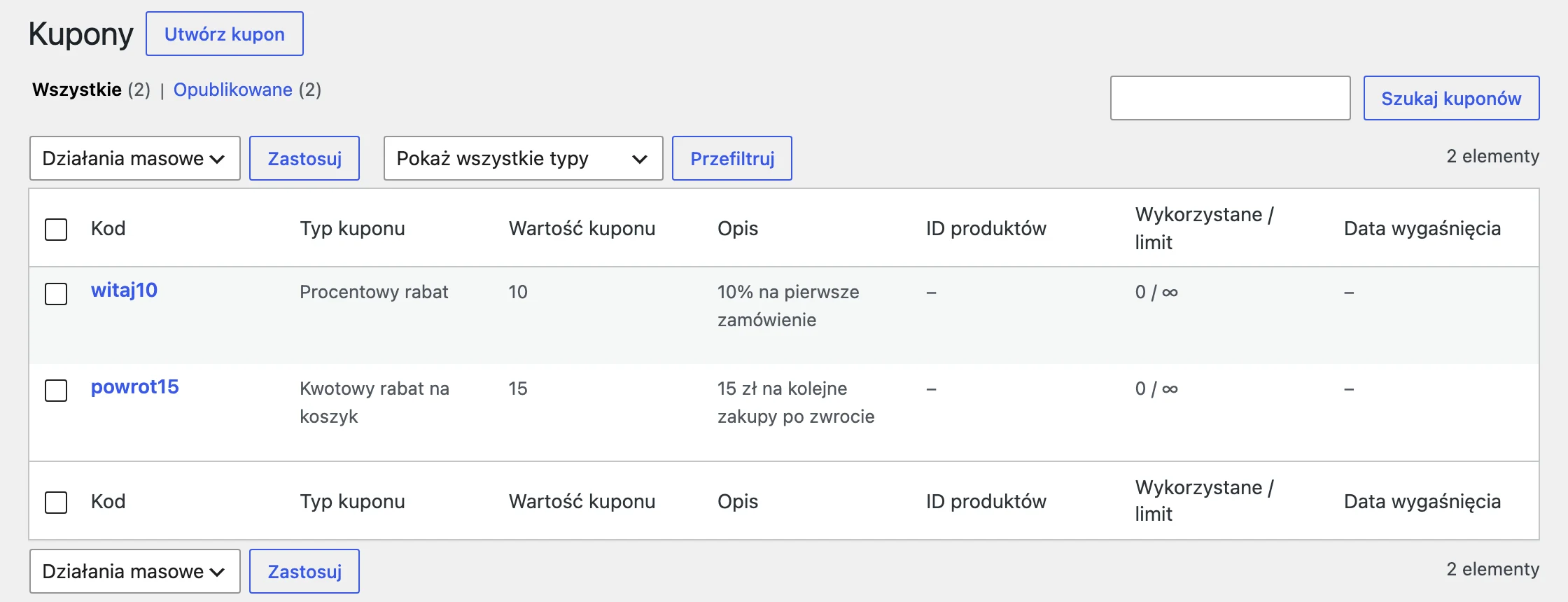
A referral programme on a low budget is best implemented using tools the store already has. The simplest version is based on a coupon system, a single programme page and automated e-mail messages. Such a start does not require a separate app or an extensive integration right away. More important than technology is the clarity of the mechanism and the ability to check whether the programme is actually generating sales.
The implementation minimum should include a few elements:
- a unique referral code or link for the customer,
- a public programme page at a single URL,
- simple information about the reward and the conditions for receiving it,
- an automatic e-mail after purchase inviting people to take part.
The programme page should immediately answer three questions: what do I gain, how does it work and when will I receive the reward. It is also good if it includes an FAQ and the most important points of the terms and conditions. This reduces the number of queries to customer support and lowers the risk of misunderstandings. The shorter the path from landing on the page to copying the code, the greater the chance the programme will be used.
At the start, it is worth accepting a partly manual referral handling process. A spreadsheet is enough to record codes, order statuses and paid rewards. Google Analytics will help track visits to the programme page and conversions, while UTM parameters make it easier to attribute sales to referrals. Manual verification of the first referrals is cheaper than buying an expensive system too early, and at the same time it allows you to spot errors and abuse quickly.
You can also launch programme promotion without large costs. The best place to start is with post-purchase messages, transactional e-mails, the customer account area and an insert in the parcel. These are places where you reach people who already know the store and are more inclined to recommend it. If the programme remains hidden, even a good reward will not start working.
Key tools for managing a referral programme
To manage a referral programme on a small budget, a coupon system, simple mailing, Google Analytics and a spreadsheet are enough. This set-up lets you launch the programme, keep costs under control and check whether referrals end in purchases. You do not need a separate app straight away if the number of referrals is still small. What matters more is that each stage can be assigned to a specific customer and order.
In practice, it is best to rely on tools that the store already has or can implement quickly.
- A coupon system in the store platform for creating unique codes and controlling the conditions of their use.
- Email autoresponders for sending invitations after purchase and messages about the reward being granted.
- Google Analytics for tracking visits to the programme page and conversions from referrals.
- A spreadsheet for manually monitoring codes, order statuses and paid-out benefits.
A coupon system in WooCommerce or Shoper gives you basic control without an expensive integration. Mailing automates repetitive communication, so the programme does not burden the team’s day-to-day work. A spreadsheet organises settlements and helps you spot duplicates or suspicious code usage. At the start, simplicity of tools is an advantage, because it is easier to notice flaws in the mechanics before you start scaling the programme.
Analysis and tracking of referral programme performance
Referral programme performance is assessed by tracking the full path from generating a link or code to redeeming the reward. This lets you see not just traffic, but above all sales and the cost of acquiring them. An increase in visits to the programme page alone does not yet mean the mechanism is working. A referral programme should be accounted for by purchases, not clicks alone.
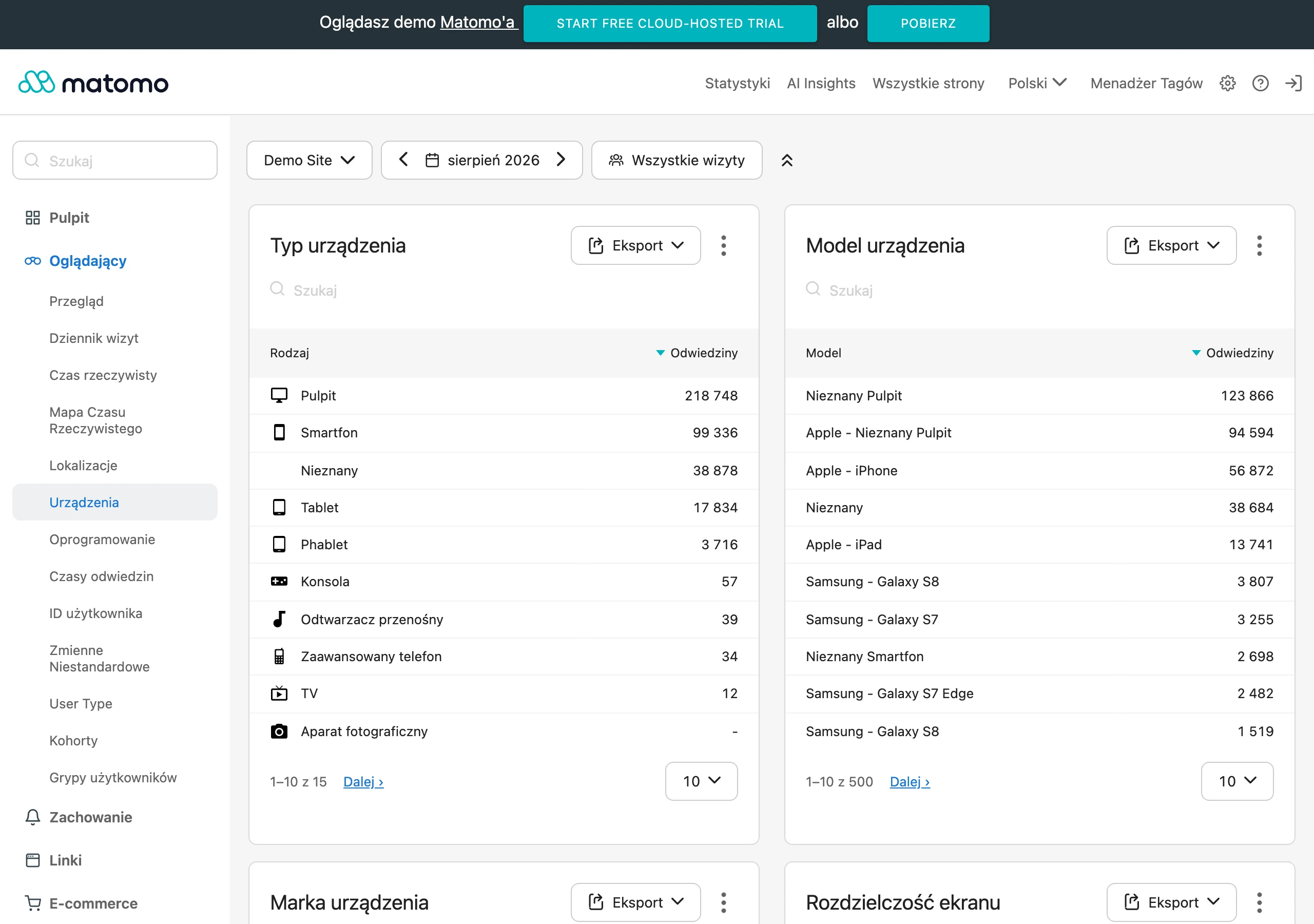
For the data to be useful, monitor the key events in one sequence.
- generating a referral link or code,
- clicking the referral link,
- registering the referred customer,
- the referred customer’s first purchase,
- the referrer redeeming the reward.
It is worth adding UTM parameters to referral links so that you can distinguish this traffic from other visits and simplify attribution. At the metric level, look at the share of customers in the programme, the number of successful referrals, referred customer conversion, CAC, AOV and revenue. This set shows whether the programme delivers sales more cheaply than other sources and whether it is not eating into margin. If there are many visits but few purchases, the problem is usually the communication, the activation threshold or the attractiveness of the reward itself.
Common mistakes and pitfalls when implementing referral programmes
The most common mistakes are overly complicated rules, a weak reward and mechanics that the customer only understands after a long read. If the customer does not know straight away what they gain, who to send the code to and when they will receive the benefit, they usually give up. The same applies to a reward that looks good in the message but in practice gives too little savings. The programme should be easy to explain in one sentence, because then it is easier to recommend it further.
Another common trap is hiding the programme and assuming that customers will find it on their own. Even a good mechanism will not work if it does not appear after purchase, in the customer account, in transactional emails and on the thank-you page. The second problem is poor attribution, which means the store does not know which orders actually come from referrals. Without labels, codes and consistent tracking, it is easy to assess effectiveness incorrectly or count the reward twice.
The most expensive mistakes happen when the store rewards lead generation alone or does not protect itself against abuse. Self-referrals, multiple account sign-ups and code swapping between the same people quickly undermine the programme’s profitability. That is why the reward should be granted after a paid order, with a clearly described threshold, a refund settlement rule and a grant date. This kind of structure reduces disputes with customers, lightens customer support’s workload and protects the budget from costs that do not create real sales.
FAQ
Frequently asked questions
how to implement a referral programme in an online store on a tight budget?
The simplest approach is to base it on a voucher system, a single programme page and automated emails. To begin with, you can also verify referrals manually in a spreadsheet.
does a referral programme only work if customers really want to recommend products?
Yes, effectiveness depends on customer satisfaction, purchase frequency and the margin for the reward. If the offer attracts poor reviews or customers do not return, results will be low.
which reward should you choose for a referral programme with a limited budget?
With a small budget, a one-sided reward usually works better because it is easier to control the cost. If the goal is to acquire new customers quickly, a two-sided reward may be more beneficial.
when is the best time to award a referral bonus?
The safest option is only after the referred customer has completed and paid for the purchase. This timing limits abuse and protects the store’s budget.
what should be included on a referral programme page?
The page should explain straight away what the customer gets, how the programme works and when they will receive the reward. It is also worth adding an FAQ and the most important points from the terms and conditions.
how do you measure the effectiveness of a referral programme?
You need to track the whole journey: from generating the link or code, through the click and registration, all the way to the first purchase and reward redemption. UTM parameters, Google Analytics and a spreadsheet for monitoring orders help with this.