
The terms and conditions of an online store must work in practice: they must explain the rules of purchase, reduce misunderstandings and support the customer’s decision before payment. A well-written document cannot be just a formal attachment that nobody reads. The best terms and conditions answer the buyer’s real questions quickly and at the same time protect the seller where disputes most often arise. This requires not only correct content, but also simple language, a logical structure and full consistency with what the store shows in the basket and checkout.
What is the role of the terms and conditions of an online store?
The terms and conditions of an online store organise the rules of purchase, reduce the risk of disputes and lower the buyer’s uncertainty. In practice, they explain what the customer is buying, on what terms, how much they will pay and what will happen after the order is placed. This is especially important when there is a problem with delivery, a return or a complaint. The fewer ambiguities before purchase, the lower the risk of complaints after purchase.
For the seller, the terms and conditions are a tool for structuring communication, not a magic shield against every conflict. If the rules are clear and consistent with the store interface, it is easier to defend the transaction flow. If they are unclear or hidden, the customer is more likely to feel misled. Such a mismatch weakens trust and increases the number of support enquiries.
The terms and conditions are not in themselves a direct ranking factor in the search engine. However, they influence business results indirectly because they support credibility, consistency of information and conversion. A customer who can easily find the delivery and returns rules is less likely to abandon the basket because of uncertainty. That is why the terms and conditions should be readable and easy to access, not just formally published.
What elements should be included in the terms and conditions?
The terms and conditions should include all the rules that affect the purchasing decision and the order fulfilment process. The customer must understand, without searching, who is selling, how they pay, how much delivery costs and what rights they have after purchase. The seller, in turn, needs clear provisions where questions and complaints most often arise. Omitting an important area usually comes back later as an operational problem.
The most important elements should be stated directly:
- seller details and contact method,
- prices and all additional costs,
- available payment methods,
- delivery methods and order fulfilment time,
- rules on withdrawal from the contract,
- complaints procedure,
- exceptions and limitations, if applicable,
- rules for using the customer account,
- terms for digital products or subscriptions, if the store offers them,
- rules for changing the terms and conditions.
Each of these points should answer a specific customer question, rather than sound like a general legal formula. A simple statement about delivery is of little use if it does not say which methods are available and when the order will be fulfilled. The same applies to returns and complaints. Ambiguity in these areas usually increases the number of support questions and post-purchase disputes.
Particularly important are exceptions and sales of digital content or subscriptions, as these areas are often overlooked. If the store has a customer account, the terms and conditions should describe how it works and the related rules. If the terms may change, it is necessary to describe clearly how such changes are communicated. This way, the terms and conditions do not just look complete, but genuinely help in the day-to-day handling of sales.
How do you ensure the terms and conditions are readable and understandable?
Readability of the terms and conditions is ensured by simple language, a logical structure and quick access to key answers. The customer should not have to analyse legal formulas to check the delivery cost or the return period. If they have to infer the meaning of the provisions, the terms and conditions stop helping and start increasing uncertainty. In practice, a document that guides the user through specific purchasing situations works better.
A well-written set of terms and conditions should be divided into short paragraphs and clearly named sections. A table of contents and links to specific parts of the document also help, because the customer usually looks for one answer rather than reading the whole thing. The most important rules are worth highlighting at the beginning or in the relevant sections. The aim of the terms and conditions is not to impress with formal style, but to explain the rules quickly before purchase.
The best effect comes from a layered structure: a short summary of the most important rules and the full text below. Such a model makes the purchasing decision easier while also allowing the document to remain complete. The seller does not have to choose between simplicity and scope if the content is organised around the customer’s questions. An overly heavy legal style often protects less effectively, because the buyer does not understand the rules at the moment the order is placed.
Why is consistency between the terms and conditions and the purchasing process crucial?
Consistency between the terms and conditions and the purchasing process is crucial because the customer compares the provisions with what they see on the product page, in the basket and at payment. If the messages differ, trust drops immediately. Such a mismatch easily leads to complaints, disputes and questions that could have been avoided. A correct set of terms and conditions alone is not enough when the store interface promises something else.
In practice, prices, delivery costs, available payment methods, fulfilment times and return rules must above all be consistent. If the terms and conditions state a specific dispatch time, the checkout cannot suggest a shorter period without a clear explanation. The same applies to information about returns: the customer should see the same conditions in the terms and conditions and when placing the order. Any difference looks like an error or an attempt to hide inconvenient rules.
Consistency also applies to the names and definitions used in the store. If one place uses “fulfilment time” and another “delivery time”, the customer may interpret these terms as the same thing. This later complicates support handling, because each side understands the order process differently. That is why the terms and conditions should be checked together with the messages in the basket, checkout and on product pages, rather than in isolation from the whole process.
What technical aspects of publishing the terms and conditions should be taken into account?
You should take into account the publication format, page accessibility, correct indexing and version consistency across markets. The most practical option is to publish the terms and conditions as a standard HTML page with a 200 status, rather than as a PDF or scan. This format is easier to read, link to, index and update.
The terms and conditions should be linked from the footer, basket and checkout, because that is where the customer looks for confirmation of the terms. If the document is only available after purchase or hidden in a file that is difficult to open, it loses its practical value. Clear headings and section links help both the user and systems analysing the page content.
Indexation usually makes sense when the terms and conditions are unique and genuinely answer the customer’s questions. It is worth considering noindex only for duplicates, draft versions or technical copies. With several language versions or markets, canonical and hreflang need to be set up correctly, otherwise it is easy to confuse variants. It is also a good idea to connect the terms and conditions with the privacy policy, delivery, returns and complaints pages, using the same definitions and terms.
What are the most common mistakes when creating terms and conditions?
The most common mistakes are copying someone else’s template, clauses that are non-compliant, hidden costs, poor publication format and a lack of consistency with the store. Each of these problems lowers trust and makes it harder to defend the seller’s position in a dispute. The terms and conditions must work within the real purchasing process, so a content error quickly becomes an operational error.
The biggest problems tend to come back later in these areas:
- copying terms and conditions from another store without adapting them to your own payments, delivery and offer,
- provisions that conflict with consumer rights or try to limit statutory entitlements,
- omitting rules for digital products, subscriptions or the customer account,
- publishing only as a PDF or scan instead of on a readable HTML page,
- different terms in the terms and conditions than on the product page, in the basket or in returns.
Another common mistake is language that is too legalistic, which sounds serious in formal terms but does not give the customer a quick answer. In that case, the buyer accepts the document without understanding it, and the problem only emerges after the transaction. It is a myth that the terms and conditions alone will improve rankings in Google. They have more of an indirect effect, because they organise information, reduce uncertainty and lower the number of disputes arising from incorrect expectations.
How do you measure the effectiveness and currency of the terms and conditions?
The effectiveness and currency of the terms and conditions are measured through a technical audit, a check of consistency with the purchasing process, and monitoring signals from customer service and sales. The mere fact that the document has been published proves nothing yet. You need to check whether the customer can reach it easily, whether the content reflects the real purchasing terms, and whether the number of misunderstandings falls after reading it. That shows whether the terms and conditions work in practice, not just formally.
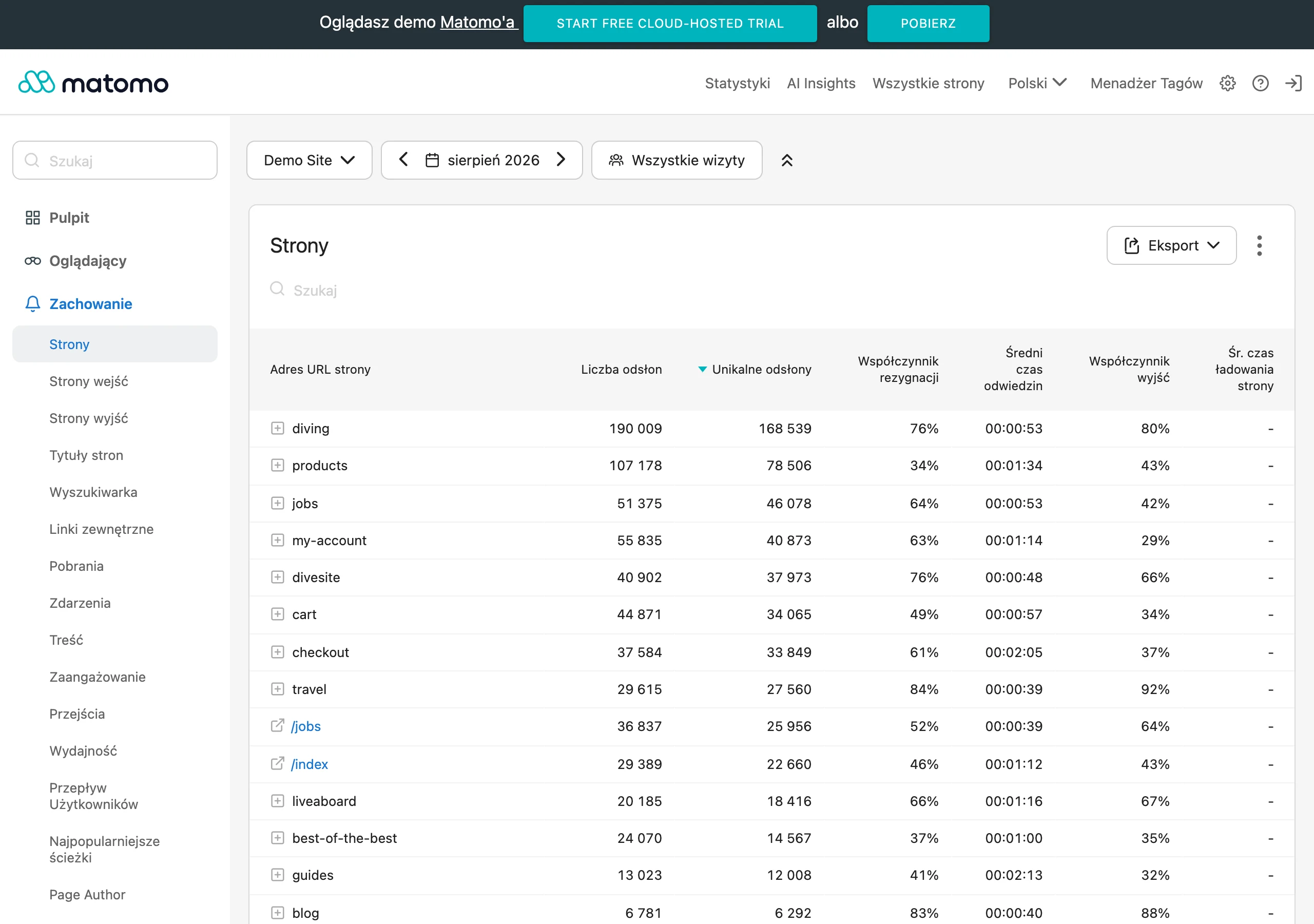
First, it is worth checking the page from a technical perspective. The terms and conditions should return status 200, be available in HTML and have correct links from the footer, basket and checkout. It is also worth checking crawl, indexation, the functioning of section links and the correctness of canonical and hreflang with multiple language versions. The second stage is comparing the content with the product page, delivery costs, payment methods, fulfilment times and returns messages.
The most useful metrics can be seen where the customer makes a decision or reports a problem. If the terms and conditions are clear and consistent with the store, some questions and disputes should appear less often. In practice, it is worth monitoring especially:
- basket abandonment at the point of accepting the terms and conditions,
- the number of questions about delivery, returns and complaints,
- complaints resulting from incorrect expectations,
- payment disputes,
- returns linked to an unclear description of the purchasing terms.
The currency of the terms and conditions is assessed by their consistency with the current offer and the version of the store. If new delivery methods, subscriptions, digital content are added or fulfilment times change, the document needs to be checked immediately. The same review should cover the returns, complaints, delivery and FAQ pages, as well as messages in the checkout. When the terms differ between these places, the customer can easily draw the wrong conclusion, and then even a correct provision in the terms and conditions will not solve the problem.
FAQ
Frequently asked questions
What elements should online store terms and conditions include to be complete?
They should include, among other things, the seller’s details, prices and additional costs, payment methods, delivery and fulfilment time, withdrawal from the contract and complaints. If the store offers a customer account, digital products or subscriptions, those rules also need to be described.
Do online store terms and conditions need to be written in simple language?
Yes, because the customer should be able to find the answer quickly rather than analyse legal formulas. A clear set of terms reduces uncertainty and makes the purchase decision easier.
Why do the store terms have to be consistent with the cart and checkout?
Because the customer compares its content with what they see on the product page, in the cart and at payment. If the information differs, trust drops and the risk of complaints and disputes increases.
What is the best way to publish online store terms and conditions?
Most practically, as a standard HTML page with a 200 status. This format is easier to read, link to, index and update than a PDF or scan.
Do online store terms and conditions affect sales and customer trust?
Yes, but indirectly, because they organise information and reduce uncertainty before purchase. As a result, the customer abandons the basket less often and raises disputes after the transaction less often.
What mistakes most often appear when creating online store terms and conditions?
The most common are copying other people’s templates, hidden costs, clauses that conflict with consumer rights and a lack of consistency with the store interface. Another problem is publishing only in PDF and using overly legalistic language that does not explain the rules to the customer.