
Returning goods does not close the relationship with the customer; it opens a stage in which the brand can recover sales and trust. If the process is fast, clear and leads to the next step, the customer is more likely to stay rather than move to a competitor. The biggest mistake is treating a return solely as a cost, because then the company loses revenue, loyalty and insight into the reasons for abandoning the purchase. In practice, you need to combine return handling with communication, the offer and the customer’s further journey so that this moment works in the brand’s favour.
Strategic objectives of the returns process and their impact on customer loyalty
The strategic objective of the returns process is to recover value from the transaction while strengthening customer loyalty. That means a return should not end the contact, but lead to an exchange, another purchase or at least the preservation of trust. A store that looks only at logistics costs will easily miss the bigger loss, namely the customer leaving after one unsuccessful attempt. That is why objectives need to be set more broadly than simply reducing the number of returns.
Recovering revenue in practice means ensuring that after a return the customer can see a sensible path forward. If the issue was size, colour or unmet expectations, the brand should help the customer move to a better-matched option. This increases the chance of retaining part of the revenue and shortens the path to the next order. From the customer’s perspective, it is important that this proposal is helpful rather than pushy.
Loyalty grows when the returns process reduces stress instead of increasing it. The customer remembers not the purchase mistake itself, but whether the store resolved the problem quickly, fairly and without hidden conditions. There is also a cost aspect to this, because clear rules and good service reduce the number of support queries and unnecessary contacts. Success is therefore not only a smooth refund, but also maintaining a relationship that still has value for both sides.
The business and psychological context of the returns process
The business and psychological context of the returns process is that the customer goes through a moment of uncertainty, and the brand is put to the test on credibility. After a failed purchase, frustration appears, sometimes a sense of loss, and often the question of what happens next. At this point, the customer does not expect creative selling, but a simple, fast and transparent solution. It is precisely then that trust in the brand is either built or lost.
From a business perspective, this is a moment of truth for loyalty, because the customer judges the whole company by the way the problem is handled. A lack of information about the return status or refund date quickly turns a single return into a reason to leave. Clear messages and a predictable process, on the other hand, can restore the customer’s sense of control. This has a direct impact on retention and the future value of the relationship.
The psychology of returns suggests that the customer is looking for answers to very specific questions and does not want to extract them from the terms and conditions alone. The most important things are the case status, the refund date, the parcel posting method and the possibility of resolving an unusual issue. If the brand responds to these needs with empathy and without chaos, the return stops being the end of the relationship. It becomes a situation in which the company shows how it operates under pressure and whether it truly respects the customer.
Understanding the customer’s informational and transactional intent
Understanding the customer’s intent after a return means recognising whether they are looking for an answer or want to take the next step straight away. This distinction determines the message content, page layout and type of CTA. An informational customer wants to know what is happening with the case and when they will get their money back. A transactional customer is looking for an exchange, a similar product or a simpler alternative.
The most common informational questions are very specific: return status, refund date, terms, packing method and where to send the parcel. If the answers are scattered across the terms and conditions, FAQ and email, uncertainty grows and so does the number of support contacts. That is why the content must answer these questions precisely, in simple language and without mental shortcuts. This shortens the path to a resolution and reduces frustration after an unsuccessful purchase.
Transactional intent appears when the customer still wants to buy, but needs a better fit. In the case of a return due to size, it is worth leading them to other variants and a size guide. When the product has not met expectations, it is better to show comparisons, filters and sensible alternatives. This logic only works if it follows the reason for the return, rather than being random cross-selling.
In practice, every page and every message after a return should respond to one dominant intent and suggest the next natural step. If the customer is checking status, they should not be bombarded with offers. If they are choosing an exchange, they should not be sent back to the general category without being shown the right options. A well-designed journey saves the customer time and increases the chance of their return.
Key touchpoints on the return journey
Key touchpoints are the places where the customer checks return status, looks for rules or decides on an exchange and another purchase. Each of these channels serves a different function and should provide consistent information. The most important ones are transactional emails, the customer panel, the returns policy page, the Help Centre and contact via chat. In addition, the internal search engine and the product or category pages that the customer returns to after a return are also important.
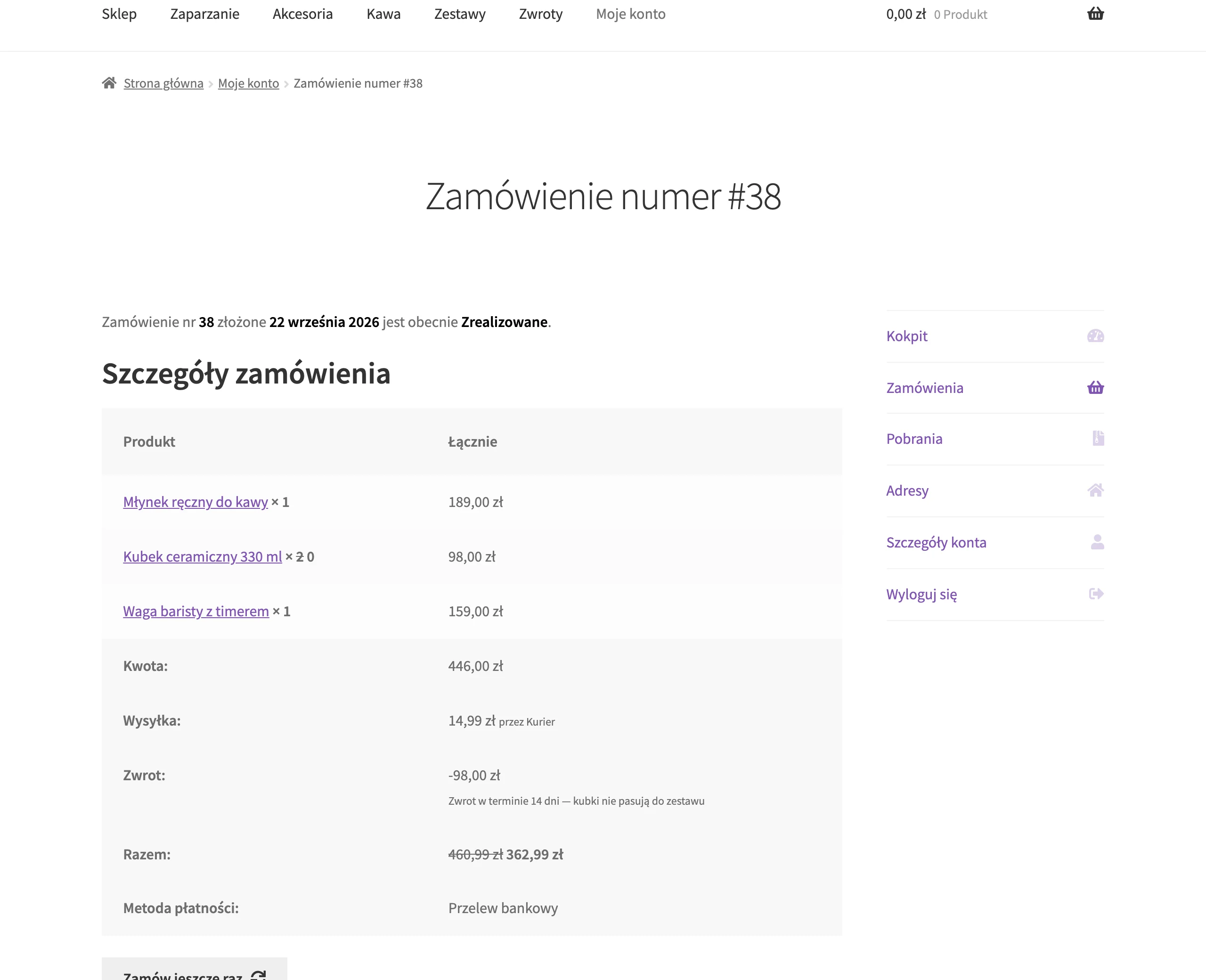
Emails and status notifications are responsible for the sense of control, so they must clearly say what has already happened and what will happen next. The customer panel should show the order history, the return stage and the possible actions without having to search for information across the whole site. If these two touchpoints are unclear, the customer starts repeating questions on chat or by phone. This increases service costs and worsens the brand perception.
The public returns and exchanges policy page, as well as the FAQ, serve as the main source of rules. They must be easy to find from the menu, search results and product pages. Inconsistency is especially damaging here, because different terms or conditions undermine the credibility of the entire process. Good help pages not only explain the rules, but also lead to the right action.
Chatbot and live chat are needed where the issue does not fit into the standard scenario. However, they should not replace clear content on statuses, deadlines and procedures. Meanwhile, the internal search and abandoned product pages help capture the intent to return to purchase. If, after a return, the customer lands on sensible categories, similar models or other variants, the journey does not end at the form, but opens up further choice.
Segmentation and personalisation for an effective return strategy
Segmentation and personalisation involve tailoring the further journey after a return to the customer’s value, purchase history and reason for opting out. One identical service for everyone usually lowers recovery effectiveness. A loyal customer needs different support from someone after their first order. Different CTA also works for the wrong size than for a faulty product.
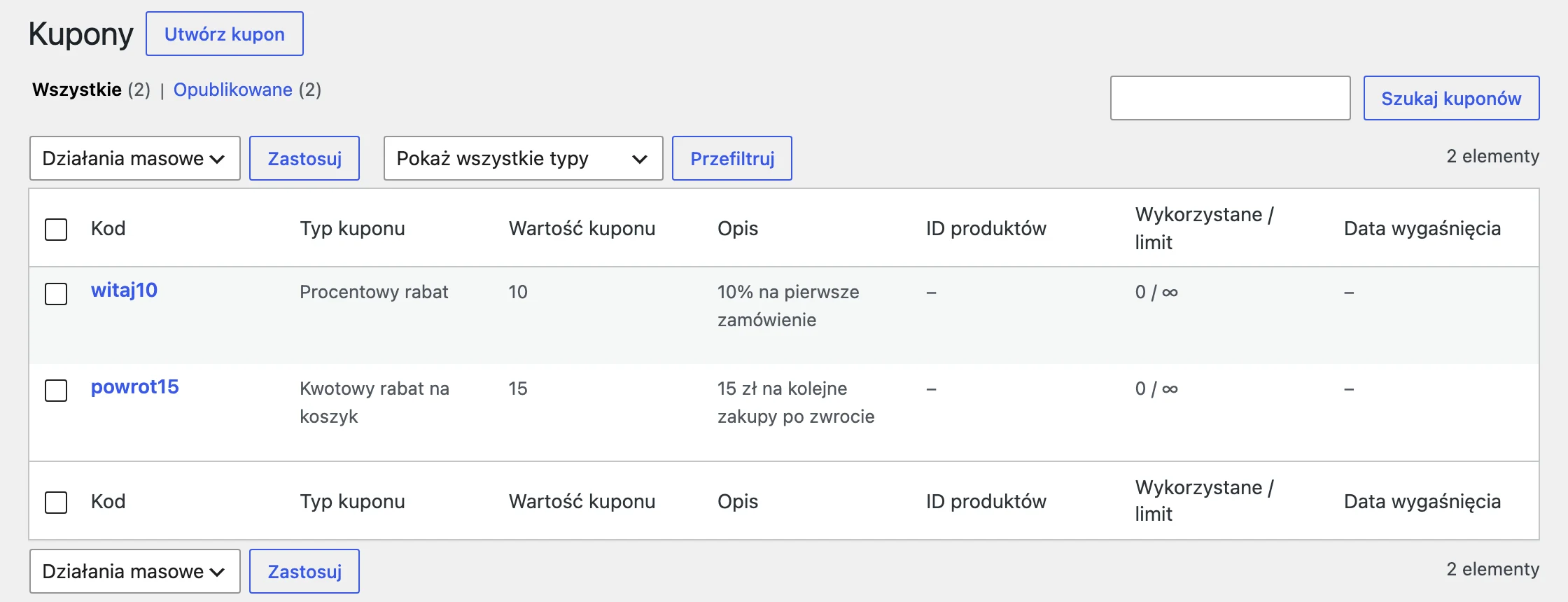
In practice, it is worth segmenting by at least three criteria:
- customer value over time, i.e. LTV and purchase frequency
- return frequency and reasons for returns
- current intent: exchange, refund or looking for an alternative
Such segmentation changes the offer and the tone of communication. A loyal customer may receive an easier or free exchange, because for the brand they have higher future value. A new customer primarily needs simple rules and quick confirmation that the process is safe. Analysing the reasons for returns in these groups shows whether descriptions, sizing or recommendation selection need to be improved.
The most effective personalisation concerns the next step after a return, not the discount itself. When the reason is the wrong size, show the size chart, other variants and an exchange button. When the product did not meet expectations, it is better to provide a comparison, filters and similar models. For a faulty product, the priority should be quick contact with support, without aggressive upselling.
Content optimisation and On-Page SEO in the context of returns
Content optimisation and On-Page SEO in the context of returns involve building help pages that answer the customer’s questions precisely and are easy to find. The most important pages are the returns and exchanges policy, the FAQ and short process guides. Each of them should have a precise title and headings aligned with the user’s real intent. The rules need to be described simply, not in legalistic language.
Good supporting content for returns uses empathetic microcopy and a clear “What’s next?” section. This reduces uncertainty and the number of questions to support. The question-and-answer layout works best, because the customer scans the page for one specific piece of information. Consistent terminology also helps in search and AI-generated answers.
On-Page SEO also improves navigation for the next step. Semantic headings, lists and breadcrumbs make the content easier to understand for both the user and the search engine. On returns pages, it is worth placing logical links to exchanges, similar products, categories, bestsellers or new arrivals. A help page should not end the conversation with the customer, but lead to the best next action.
Analytics and key performance indicators in the returns process
Analytics in the returns process involve measuring the entire journey from a return request to a repeat purchase, an exchange or customer loss. This shows whether the post-return journey recovers value or merely closes the operational case efficiently. The return rate alone says too little, because it does not show how many customers come back and how quickly. What matters most is what happens after the return, not the fact that it happened.
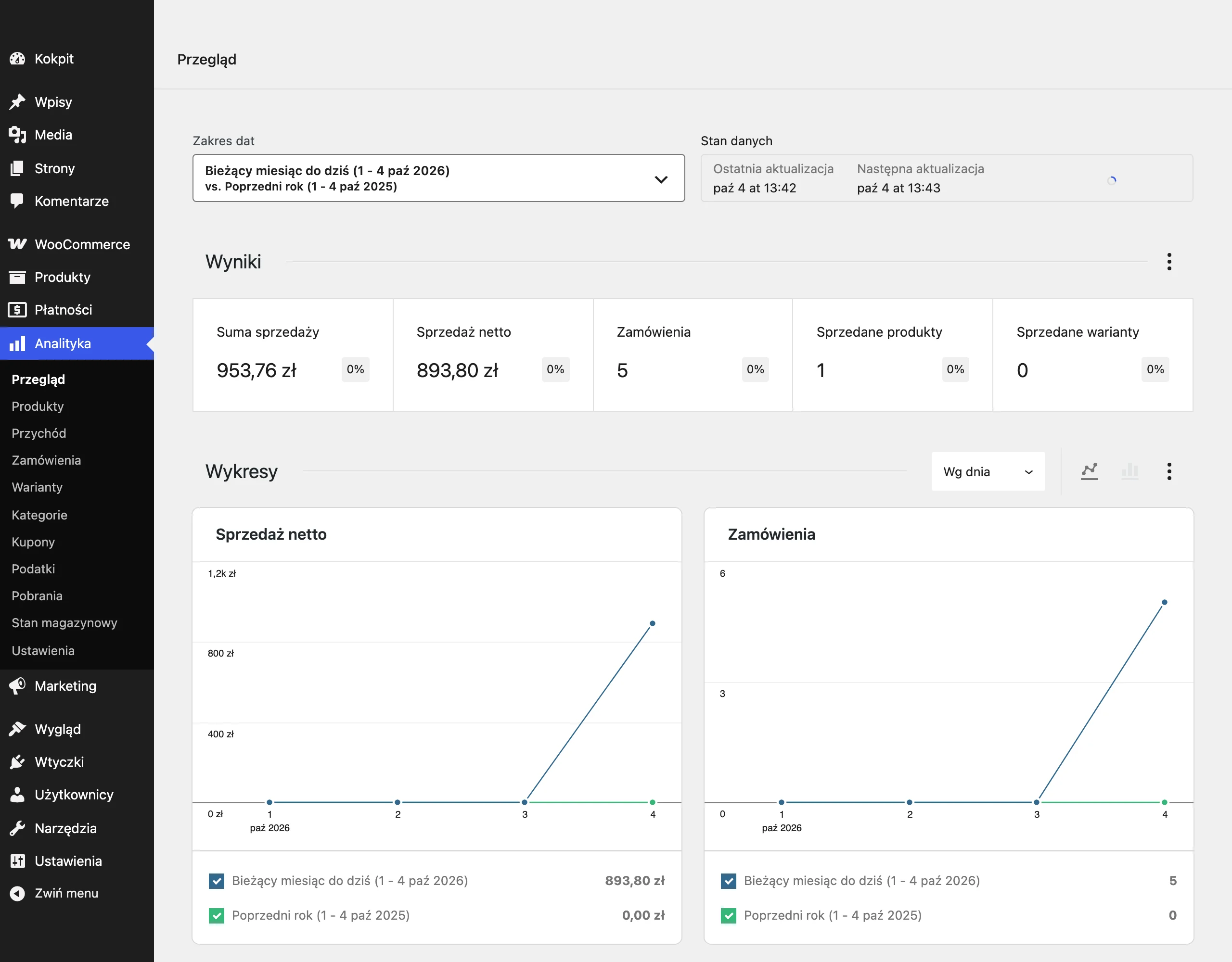
In practice, the basic KPIs should combine sales performance, customer behaviour and journey effectiveness. It is best to start with a few metrics that genuinely support decision-making:
- repeat purchase rate after a return,
- time to the next order,
- share of exchanges versus cash refunds,
- exit rate from the returns policy page,
- traffic sources on returns pages,
- queries in the internal search related to returns.
Each of these indicators answers a different business question. A high share of exchanges usually means that the customer received a sensible alternative instead of ending the relationship. A long time to the next order may indicate that the communication is too passive or that the post-return offer is poorly matched. A high Exit Rate on the returns policy page often means that the user did not get a clear answer or did not see the next step.
The greatest value comes from a cohort analysis of customers who return goods, because it shows retention and the change in LTV over time. It is also worth comparing segments by reason for return, frequency of returns and customer value. If loyal customers continue buying after a return, and new customers drop off, the problem is often trust and the first experience, not the policy itself. Repeated queries in the internal search engine, in turn, reveal gaps in content, navigation or transactional messaging.
FAQ
Frequently asked questions
How to optimise the customer return path after a product return?
You need to combine return handling with communication, the offer and the next step, instead of treating the return as the end of contact. A fast, clear process and tailoring content to what the customer is looking for after the return are important.
Should a product return end contact with the customer?
No, because a return can be a moment to recover sales and trust. If the brand guides the customer towards an exchange, an alternative or another purchase, the relationship still has value.
Why does a lack of information about return status damage the customer relationship?
Because at that point the customer needs predictability and a sense of control. If they do not know what is happening with the return and when they will get their money back, they can easily lose trust in the brand.
How can you recognise what the customer needs after a product return?
You need to distinguish informational intent from transactional intent. Some people want to check the status and refund timeline, while others are immediately looking for an exchange, an alternative or a similar product.
Which touchpoints are most important in the return process?
The most important are transactional emails, the customer panel, the returns policy page, FAQ, Help Centre and chat. Also important are the internal search and product pages that the customer may return to after the return.
Which metrics are worth measuring after a product return?
It is worth tracking repeat purchases after a return, time to the next order, the share of exchanges versus cash refunds and exit rate from the returns page. Traffic sources, internal search queries and cohort analysis of customers are also helpful.