

Reducing the number of returns starts not with making the process more difficult, but with better aligning the offer to the buyer’s real expectations. The shop then wins twice: it loses less on logistics and customer service, and the customer is more likely to stay longer. The best actions reduce returns even before the “buy now” click, because they remove the reasons for disappointment rather than the return itself. In practice, this means consistent communication, accurate product data, good post-purchase support and ongoing analysis of return reasons.
Protecting margin and customer lifetime value (LTV)
Reducing the number of returns without hurting sales protects margin and increases LTV, because the customer is more likely to keep the purchase and come back for another one. Every return costs more than the transport itself. There is customer service, receiving the goods back again, possible loss of product value and stock being tied up. When there are many returns, gross sales look good, but net revenue and margin start to drift apart.
In the long term, the most valuable customer is the one who buys correctly the first time. Such a customer contacts you with complaints less often, is less frustrated and is more likely to trust you with the next purchase. That is why the goal is not to restrict the right to return. The goal is to reduce the number of purchases that were poorly matched from the outset.
In practice, it is worth assessing not only gross conversion, but also the return rate, net revenue and margin after returns. This changes marketing and product decisions. A campaign with high sales can be weak if it attracts people for whom the product ultimately does not work. A good result is not the highest number of orders, but the highest number of relevant orders.
Main reasons for returns and how to prevent them
The most common returns result from a mismatch between the product and expectations, damage, order errors, purchases made with the intention of returning, and impulsive decisions. This matters because each of these reasons requires a different action. A return due to the wrong size will not be reduced by better packaging, and damage will not be fixed by a longer description. Effective shops therefore do not fight returns in general, but remove specific sources of the problem.
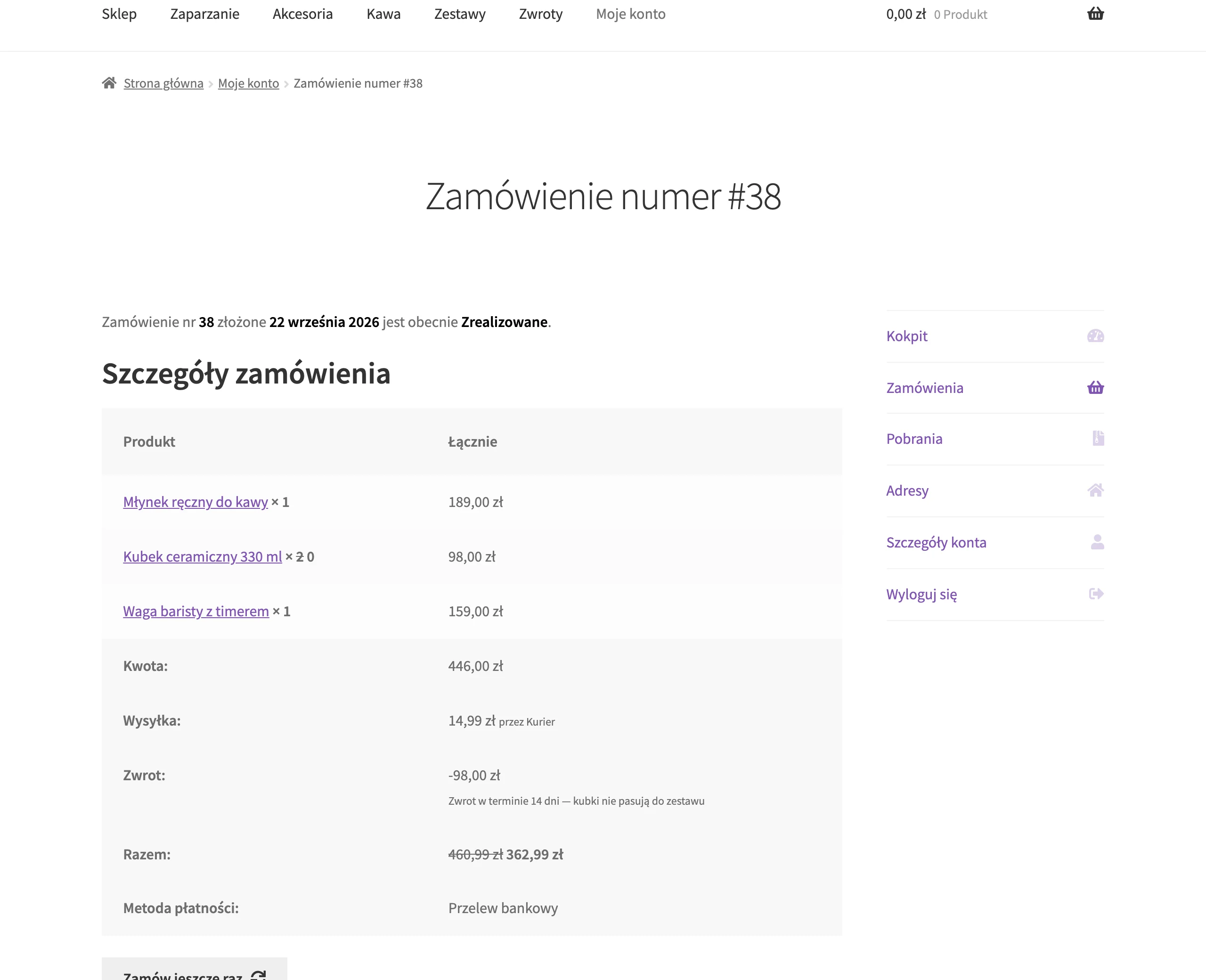
The simplest breakdown of causes and ways to prevent them looks like this:
- Mismatch with expectations: provide exact dimensions, materials, composition, weight and the product’s real appearance.
- Problems with size or compatibility: use size charts, fitting tools and clear technical data.
- Damage in transit: strengthen product protection and control packing quality before dispatch.
- Order errors: simplify picking and check SKU consistency and parcel contents.
- Wardrobing and buyer’s remorse: communicate honestly, show the product’s limitations and support the customer after purchase as well.
Particularly costly are returns caused by a misleading sales promise. If an advert or search result suggests something different from the product page, the customer will buy faster, but will more often send it back. The same applies to hiding poor reviews or product limitations. Such a tactic may temporarily increase conversion, but later it raises disappointment and service costs.
To prevent effectively, you need to collect the return reason in connection with a specific SKU, traffic source and campaign. This makes it clear whether the problem is the product itself, the way it is presented, or the type of customer. This data should go to marketing, the product team and procurement. Only then can the description, photos, sizing or packaging be improved where they are actually harming performance.
The importance of consistent communication and precise product specifications
Consistent communication and precise product specifications reduce returns because the customer gets exactly what they expected before purchase. The most problems arise when the advert promises more than the product page confirms. If search results, ads and the website use different messages, the number of misfitting orders increases. Better conversion from mismatched traffic usually ends in worse net revenue.
In practice, you need to ensure full consistency between what the customer sees before clicking and what they find on the product page. This applies to price, variant, features, use case and product limitations. Clickbait, shortcuts and overly broad promises increase curiosity, but reduce purchase relevance. This is especially damaging where the customer cannot touch or try on the product.
Technically, this consistency is supported by good structured data and well-organised product feeds. When product information is correct in Merchant Center, ads and on the site, the risk of discrepancies between platforms decreases. The customer is less likely to land on a different price, an unavailable variant or an outdated description. This reduces disappointment already at the store entry stage.
A precise specification should answer the questions that genuinely determine whether a product is kept. The most important are dimensions, materials, composition, weight, technical parameters, care instructions and country of origin, if it affects how the product is perceived. This data must be complete and easy to scan visually. A long marketing description will not replace specifics.
The most returns are generated by gaps in information about fit and compatibility. That is why it is worth providing not only the size, but also the fit profile, for example an oversized cut, and comparisons with other models. For technical products, equally important is clear information about what the product works with, and what it does not. A customer makes a better decision when they also know the limitations, not just the benefits.
Supporting content also works well if it adds what the specification alone does not cover. FAQs, short guides and sections such as “who this product is not for” help filter out unsuitable purchases without damaging trust. This does not put off a good customer. It protects them from a mistake that would have ended in a return anyway.
Product visualisation and social proof as elements of reducing returns
Product visualisation and credible social proof reduce returns because they show the real look, scale and way of use before purchase. The customer is less likely to fill in the gaps in their head, and more often assesses the product on the basis of facts. This limits the gap between expectation and reality. It is precisely this gap that is a common reason for returning an order.
The best results come from high-quality images that show the product from different angles and in a normal usage context. 360° shots, close-ups of details and video help assess texture, colour, proportions and how it works. This is especially important when the shade, finish or size can be difficult to describe in words. Stock photos or overly retouched images usually increase the risk of disappointment after delivery.
Practical visualisation should answer the question of how the product looks and behaves outside the studio. In clothing, this means showing the fit on the body and clearly indicating the cut. In utility products, what matters is showing the scale, how it is assembled or everyday use. The less the customer has to guess, the lower the chance of a return.
Social proof works best when it is detailed and genuine. Reviews describing size, quality, colour, durability or compatibility help other buyers predict their own experience. Customer photos are equally valuable, because they show the product in ordinary conditions. Even critical reviews can reduce the number of returns if they honestly show the product’s limitations.
Hiding lower ratings usually has the opposite effect to the intended one. The customer may buy faster, but they will more often return the product when they discover a fault the website failed to mention. It is better to keep a range of opinions and make them easier to filter by features important to the decision. That way, the buyer can judge for themselves whether a given flaw matters to them.
The greatest value comes from combining good visual materials with reviews that address specific purchase questions. If a customer sees the product in a photo, in a video and in the opinion of someone similar to themselves, they are less likely to buy blind. This improves the accuracy of decisions without artificially lowering the attractiveness of the offer. The store gains fewer returns, and the customer gains a greater sense of control over the choice.
The role of a transparent returns policy in building customer trust
A transparent returns policy builds trust because it reduces the risk perceived before purchase and does not force the customer to guess the rules. The buyer wants to know how much time they have, who covers the cost of the return and what the procedure looks like. When this information is clear, it is easier to decide to buy. This usually supports conversion rather than harming it.
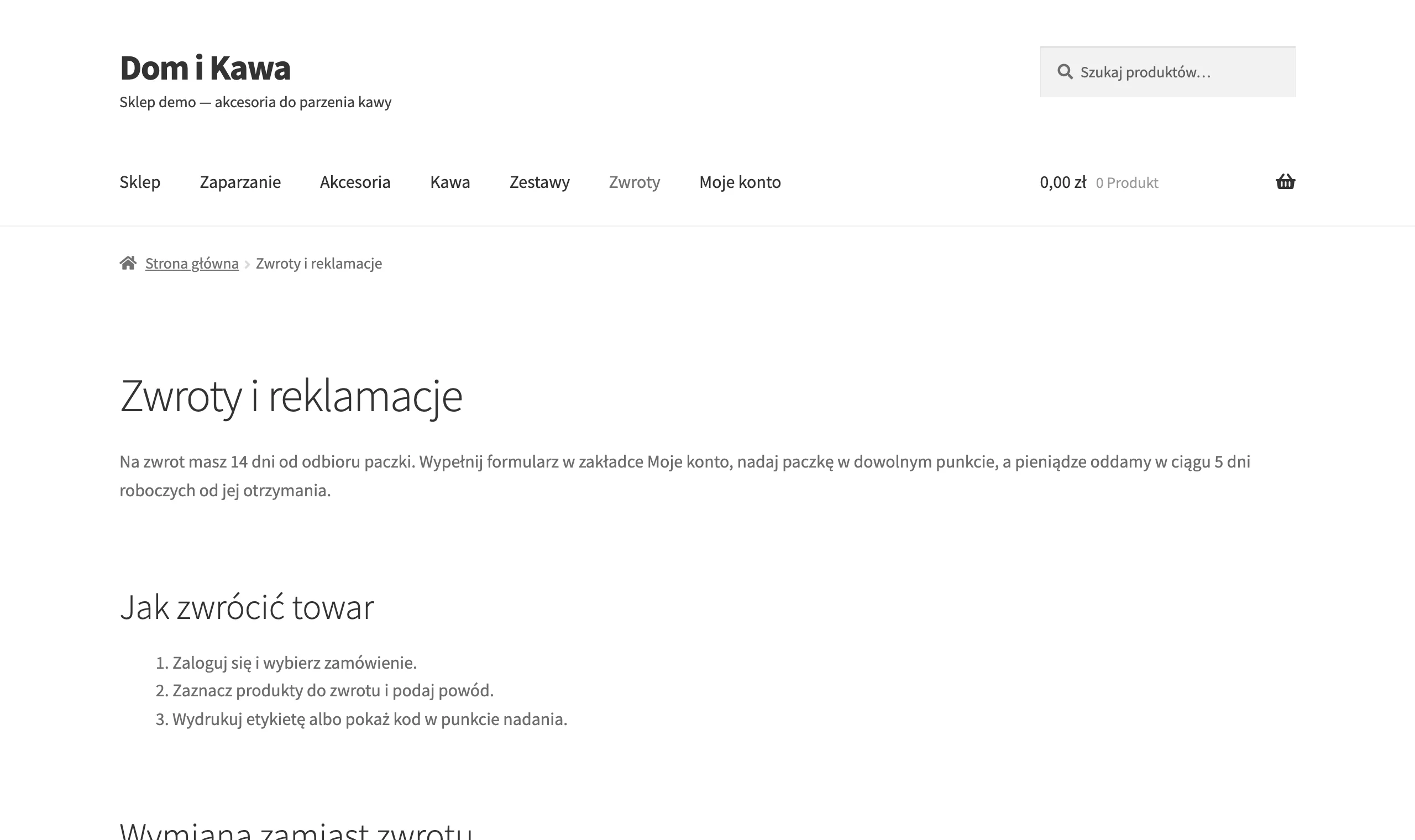
A good returns policy must be easy to find and written in plain language. The key things are the exact conditions, the next steps and any limitations. If the rules are hidden or full of exceptions, the customer starts to assume the worst-case scenario. Such uncertainty lowers trust even before the order is completed.
In practice, it is worth clearly communicating whether a return is possible by courier, at a drop-off point or in a physical store, if the brand has such a network. Additional options increase the sense of control and convenience. Making returns difficult does not remove the cause of the problem, it only damages the relationship with the customer. The store may temporarily keep some products, but more often it loses future purchases and recommendations.
Transparency does not mean excessive generosity or encouraging abuse. Much more important than loud slogans is whether the customer understands the rules without contacting support. If the policy is fair and consistent with the rest of the communication, it acts as a safety feature. This is especially important on the first purchase, when trust is only just being built.
Analysing the causes of returns and implementing improvements
Analysing the causes of returns reduces their number when it links the reason for the return with a specific product, traffic source and campaign. An overall figure for the whole store says too little. You need to know exactly what is being returned, where the customer came from and what they expected before purchase. Only then does it become clear whether the problem lies in the product, the description, the advert or order fulfilment.
The best approach is to collect return reasons in consistent categories that can be compared across SKUs and channels. In practice, the following groups are especially useful:
- incorrect size or fit,
- different colour, quality or appearance than expected,
- technical incompatibility,
- damage in transit,
- order error,
- unconsidered purchase or a purchase made with the intention of returning it.
Such categorisation only makes sense when the data is linked to context. A high return rate may concern one model, one traffic source or a specific customer group. That changes the decision. A size issue requires a different response than delivery damage or too broad a promise in an advert.
Implementing improvements should work like a constant feedback loop between e-commerce, marketing, product and procurement. If returns point to gaps in the specification, the product page needs improving. If the problem is a mismatch between the advert and the landing page, the messages and feeds need correcting. If damaged parcels keep coming back, packaging and logistics become the priority.
Analysis alone will not reduce returns if the insights do not lead to concrete changes. That is why it is worth testing new images, descriptions, size charts and the layout of information on the page. The effect should be assessed not only by gross conversion. Return rate, net revenue and margin after returns also matter, because only they show the real business result.
Key performance indicators and A/B tests in the context of returns
Key performance indicators and A/B tests show whether changes really reduce returns without harming sales. Three perspectives matter most: return rate, net revenue and margin after returns. Only their combined analysis reveals whether an improvement on the site helps the business, or merely boosts gross sales. A store may have a higher conversion rate and yet make less money if customers return products more often.
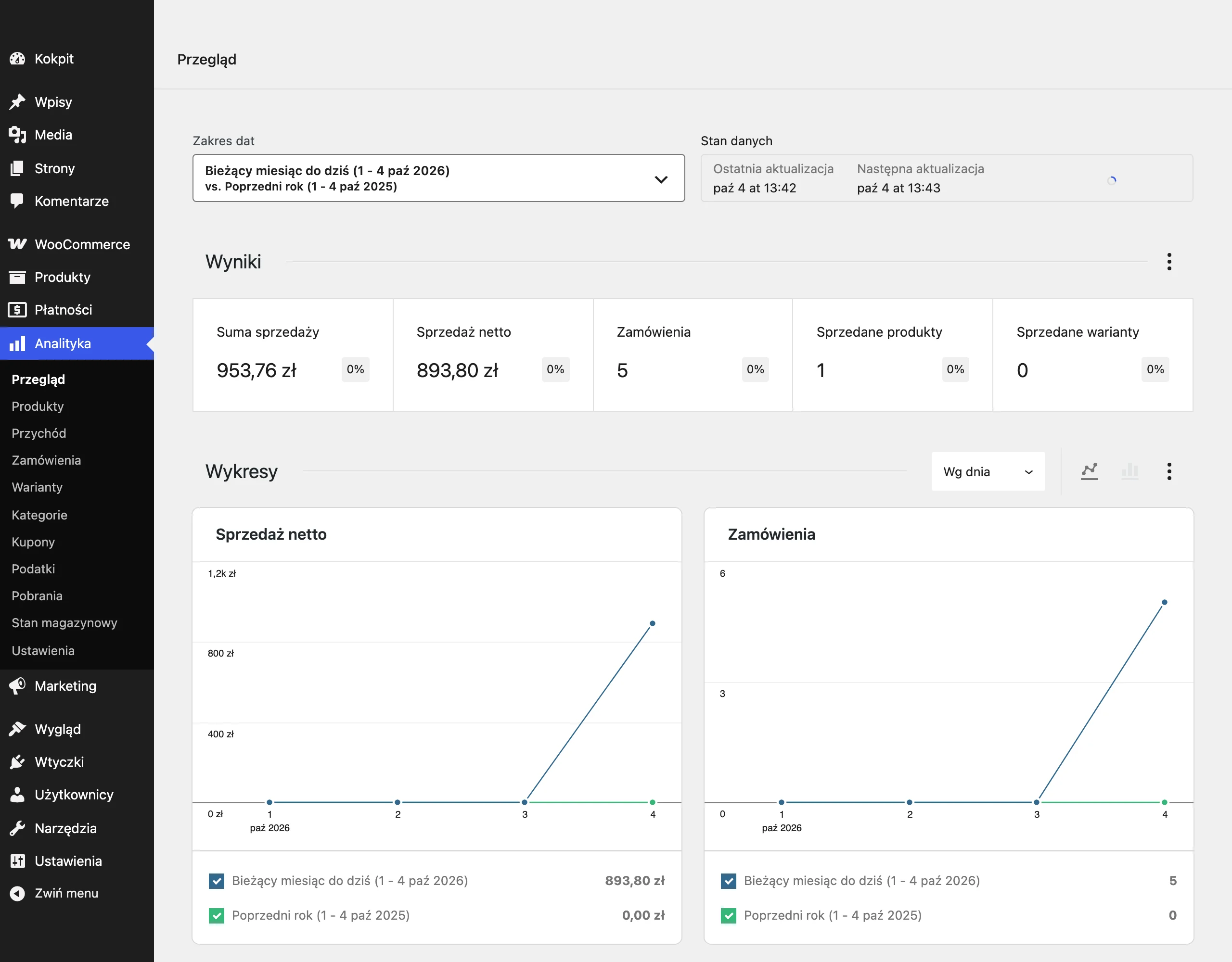
In practice, it is worth comparing KPIs at category, SKU, traffic source and campaign level. This breakdown quickly shows where the problem is the description, where it is fit, and where it is traffic quality. It is also worth checking whether a drop in returns is not the result of actions that reduce trust or make buying harder. What matters is the end result, namely fewer returns without worsening the net outcome.
A/B tests make it possible to assess the impact of changes on the site before full implementation. Most often, images, descriptions, the order of information, size charts, fit messages and FAQ sections are tested. Such a test only makes sense when the purchase outcome can later be linked to the return. If a variant increases conversion but also increases returns, it only appears to win.
FAQ
Frequently asked questions
How to reduce returns without putting customers off buying?
The most effective approach is matching the offer to real expectations before purchase. This is helped by coherent communication, accurate product information, good visuals and analysing the reasons for returns.
Does coherent communication in advertising and on the product page really reduce returns?
Yes, because the customer then sees the same message before clicking and after landing on the site. When an advert promises more than the product page confirms, the number of unsuitable orders and later returns rises.
What product information helps most to reduce returns?
The most important are dimensions, materials, composition, weight, technical parameters and product limitations. For fit-dependent products, size charts and clear compatibility information are also very important.
Why do product photos and videos affect the number of returns?
Because they show the real look, scale and use of the product before the customer buys. As a result, they fill in fewer gaps in the customer’s mind and disappointment after delivery is less common.
How can you use customer reviews to reduce returns?
It is worth showing detailed reviews that refer to size, quality, colour, durability or compatibility. Even critical reviews can help if they honestly show the product’s limitations.
How should you analyse the reasons for returns to actually improve things?
You need to connect the return reason with a specific SKU, traffic source and campaign. Only then can you see whether the problem lies with the product, description, advert, packaging or order fulfilment.