
Brand in online customer acquisition is not an embellishment to advertising, but an element that genuinely sets the cost per click, the effectiveness of the website and the number of sales enquiries. A user rarely buys after one contact. Most often they compare offers, return to the search results and along the way check whether the company looks trustworthy. And that is precisely when the brand starts delivering results, even if the last click report still shows “nothing”. A strong brand does not replace SEO, paid campaigns or UX, but makes each of these channels work more effectively. This is especially important in sectors where offers are similar to each other and the purchase decision needs time and trust. That is why today the question is not whether to invest in brand, but how to connect it with day-to-day customer acquisition.
What is a brand in the context of online customer acquisition?
In this sense, a brand is the layer that supports SEO, paid advertising, content, UX, reviews and retention, rather than a separate “image project” kept in a drawer. Its role is simple. It is meant to make it easier for the user to recognise the company and shorten the moment of hesitation when they see it in different places: in Google, adverts, social media, maps, comparison sites or newsletters.
In practice, a brand shortens the path from the first contact to an enquiry or a purchase. When a user comes across a familiar name, a consistent message and the same arguments at subsequent stages, they more quickly regard the company as trustworthy. That is why a brand affects not only how the company is perceived, but also CTR, conversion rate and the effectiveness of remarketing. The problem is that this cannot be reduced to a single screenshot from a campaign.
The importance of a brand grows especially where the customer does not make a decision immediately. This applies to more expensive, more complex services or those that, by definition, require comparing several providers. When an offer starts to look “like everyone else’s”, the brand organises the advantage. It does not promise miracles, only shows specialism, way of working, experience and level of trust.
From an operational point of view, work on an online brand does not end with the logo and the website’s aesthetics. It also includes analysis of brand visibility, naming consistency, the quality of service descriptions, presence in search results, content that supports decision-making, trust signals and proper measurement of the brand’s impact on conversions. The key thing is that the brand works in the background. If a brand is strong, the company is usually less dependent on one traffic source and better able to recover users who did not buy on their first visit. Instead of nervously “turning up” one channel, it has more room to manoeuvre.
The current context of brand influence on online purchasing decisions
A brand is becoming more important today because users make decisions after many contacts with a company, not after one visit to a website. The journey is often fragmented: first an advert, then an organic result, later a review, a map profile, a video and only at the end a direct return to the website. In such an environment, mere presence in one channel is increasingly no longer enough. And that is not a cliché, but everyday reality in campaign data.
Algorithms have no sentiment. Search engines and advertising systems increasingly assess quality through the lens of relevance, trust and user experience, rather than declarations alone. A recognisable brand usually monetises existing demand better, because it more often wins the click and less often “loses” the user immediately after they land on the website. That makes a difference especially when competitors bid on the same keywords and are effectively selling similar products or services.
The SERPs have become crowded. Search results are more congested today than they used to be, because alongside classic links there are maps, video, answer boxes, marketplaces, reviews and external content, and the user gets more stimuli and more reasons to compare. Who is supposed to stay in memory in all of this, if not the brand. A strong brand helps hold attention even when the number of classic clicks from Google falls.
Privacy also complicates the numbers. Tracking limitations make it harder to attribute sales to a single click, so instead of the simple “click and buy”, indirect signals matter more and more often. In practice, the importance of elements such as branded traffic, direct visits, returning users, assisted conversions or the number of enquiries about the brand is growing. And the problem here is that the brand usually works before the moment of purchase, influencing the decision before the user is properly “captured” in attribution.
There is one more criterion, increasingly important. The way a brand is understood by search engines and AI tools matters, because they arrange the context and suggestions before a person clicks on anything. A consistent name, clearly described offer, expert content, external profiles and confirmation of presence across multiple sources help systems identify the company more easily as a specific entity. For the user, that means simpler perception, and for the company, a genuinely greater chance of appearing credible against the competition.
In the end, the last metre matters. Just before getting in touch, the customer checks reviews, the wording of the offer, website quality, process clarity, FAQ, contact details and terms of cooperation, and then makes a decision within seconds. A brand therefore affects not only recognisability, but also UX and trust at the moment when the user is meant to make a real decision.
How does a brand influence the effectiveness of digital channels?
A brand works like a mental shortcut. It increases the effectiveness of digital channels because it makes it easier for the user to recognise the company and shortens the path from first contact to decision, instead of forcing them to laboriously “work out who is who”. In practice, the same traffic can deliver a better result when the audience sees a consistent message, recognises the company name or quickly finds confirmation of credibility. That is why the problem is often not too few visits, but too little brand strength at the comparison and selection stage.
In SEO, a brand does more than just brand keywords. It improves not only visibility for searches including the name, but also click-through rate for non-brand searches, because users are more likely to choose a result they have already “seen” somewhere rather than an anonymous competitor. This matters especially when the results are wrapped with maps, video, reviews and automatically generated answers, meaning classic links are fighting for the scraps of attention. In such an environment, a recognisable brand does not win by shouting, but by certainty.
In paid campaigns, the brand sets the game. It influences what happens before the click and after the click, because an ad from a well-known or credibly looking company more often gets a response, and once the user lands, they are less likely to bounce if the landing page delivers on the ad’s promise. A strong brand does not automatically lower advertising costs, but it often improves traffic quality and reduces wasted budget on users who would have backed out after a quick check anyway.
In social media, remarketing and email marketing, the brand works like memory and a trust credit. Users rarely respond immediately, but they come back when the name, offer and communication style sound familiar. And this raises a key question: should remarketing look like a stranger’s advert, or like the next part of the conversation. That is why it works better when it does not pretend to be a new discovery, but continues a previous contact with a company the audience already knows how to place.
A brand also has a strong influence on UX and conversion rate. UX does not like chaos. If the homepage, offer, about section, reviews and contact page form a coherent whole, the user understands more quickly what the company does, who it works for and what they can expect after getting in touch. In many sectors, it is precisely the lack of clarity, trust signals and consistency that lowers performance more than the traffic level itself.
It is also becoming increasingly important how a brand functions as a recognisable entity in search and AI tools. Algorithms do not read between the lines; they build you from signals. A consistent name, a clearly described service scope, presence across multiple sources and matching company information help systems interpret better who you are and in what context it is worth showing you. This does not replace a good website or offer, but it strengthens their effect.
The most important thing is that a brand improves the predictability of results. Instead of relying on one traffic source, the company more easily recovers users who dropped off after the first visit, closes assisted conversions more often and loses less to growing competition for the same demand. The problem is that reports do not always show this immediately in the last click model, so the effect is easy to overlook. That is why it is better to also look at brand traffic, direct traffic, returning users and lead quality.
Strategies for building a brand in the online ecosystem
An effective online brand-building strategy involves organising all touchpoints so that the user receives the same sensible signal everywhere: who you are, who you work for and why they should trust you. One thing has to hold true. It is not about image alone, but about making sure the brand genuinely strengthens SEO, ads, content, sales and the on-site experience. The best strategies do not start with a new advertising slogan, but with diagnosing where and why the user loses trust or does not understand the offer.
The first step is simple, but ruthless. Separate the impact of brand and non-brand traffic, because only then can you see what is really driving sales. Check how many queries are about the brand itself, what the CTR looks like in search results, where returning users come from and which channels initiate interest versus those that merely close the conversion. Without that separation, it is easy to reach the false conclusion that the brand “does not work”, even though in reality it often supports most sales indirectly.
The second step is an audit of brand visibility across the entire ecosystem. Not in one channel, but everywhere at once. Review search results for the company name, website descriptions, social profiles, the Google Business Profile, industry directories, reviews, external mentions and video content. The problem is that if the name, offer, specialism and communication style diverge between channels, the user receives conflicting signals and starts comparing more cautiously. And caution in B2B rarely helps conversion.
The third element is designing a clear communication architecture. It is crucial that the company has a defined core value proposition, service scope, audience groups, trust arguments and answers to the most common objections. This means one coherent logic then flows into ads, service pages, FAQ sections, sales offers and sales conversations. Instead of A — chaos of slogans, you get B — a message that does not fall apart into random communications at the first point of contact with the customer.
The fourth area is content that supports the decision, not just traffic. That is the difference between “someone visited” and “someone understood and bought”. Before getting in touch, users usually want to understand the differences between solutions, the risk, the cooperation process, the approximate scope of work, the level of specialism and what happens after purchase. If the content does not answer these questions, the brand may be visible, but it still will not sell well enough. The question is: are your content pieces a guide, or just decoration.
The fifth step is aligning the brand with UX and trust signals. Because a promise is one thing, and proof of that promise is another. The pages that most often decide whether a contact is made should clearly show the process, responsibilities, specialisms, case studies, reviews, company details and the next steps after submitting the form. A brand becomes real sales support only when the promise is immediately confirmed by the page structure, the content and a simple process of action. Not “prettier”, but clearer, faster and without the user having to guess.
The sixth element is full integration with performance. Google Ads campaigns, SEO activity, remarketing, email and social media should run on the same core arguments and similar audience segments, otherwise everyone is playing for a different goal. Otherwise, the ad promises one thing, the landing page shows another, and the salesperson says a third. The result is predictable: conversion drops even when the traffic looks “good” in the reports.
In the end, measurement is what remains, but not the convenient kind. The sensible kind. Alongside last-click sales, monitor growth in branded queries, the share of direct traffic, the number of returning users, assisted conversions, time to decision and lead quality assessed in the CRM. The data speaks clearly: only this set of metrics gives a fairer picture of whether the brand is genuinely strengthening customer acquisition, or merely looking good at the communications level. And that is not a cliché.
Optimisation of brand assets for better conversion
Optimising brand assets for better conversion is, in essence, about organising all touchpoints with the user so that they build credibility faster and shorten the path to decision. It sounds technical. But it is not only about the look of the website, but about the whole set of signals the user sees before getting in touch or buying. This includes search results, the homepage, service pages, business profiles, reviews, expert content, case studies and messaging in ads. If these elements speak different languages, the brand does not support sales; it slows them down.
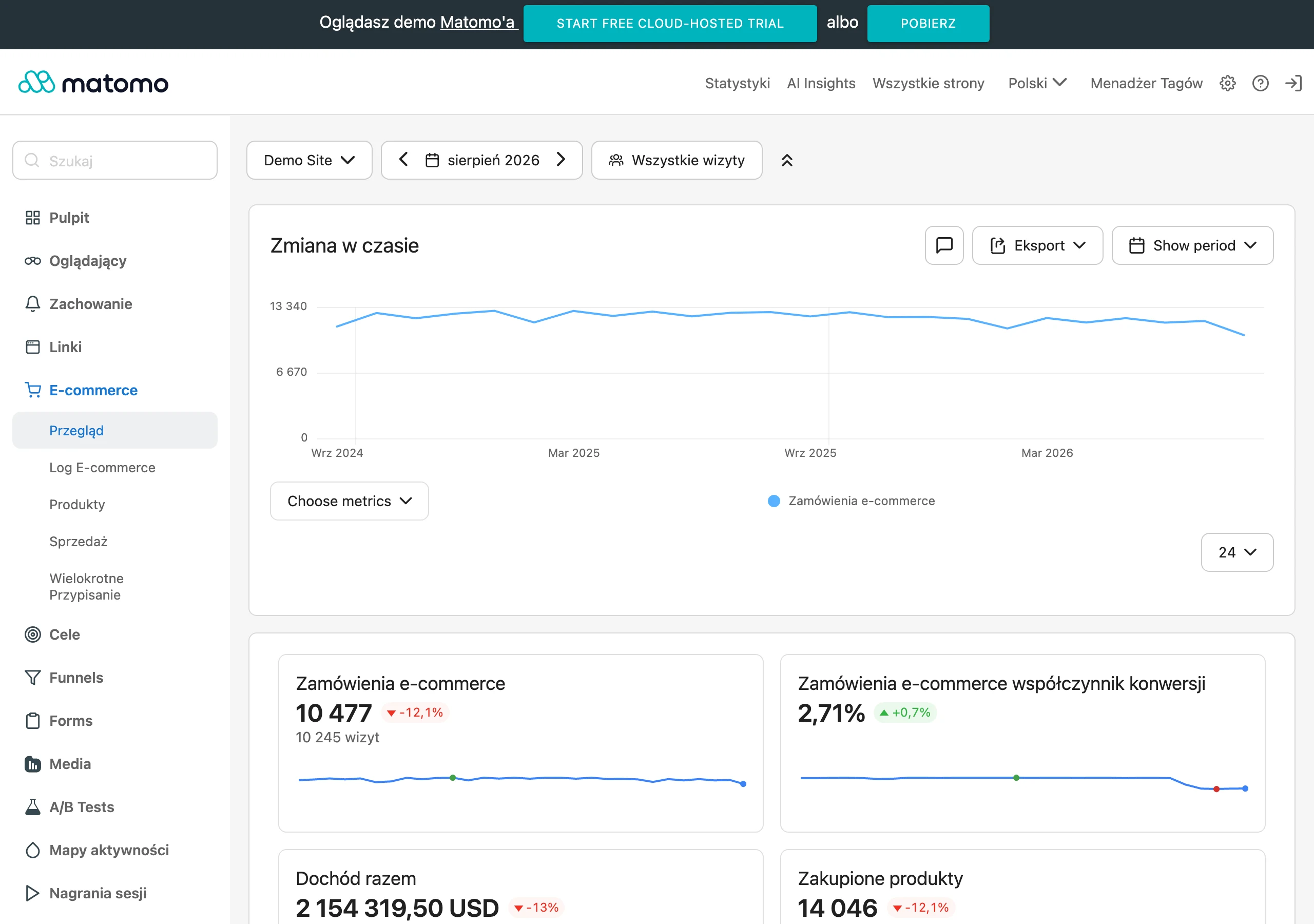
The first area to improve is disarmingly simple. And that is exactly why it often gets neglected. These are the assets visible before someone even enters the website, that is, what appears after typing in the company name and key services: page titles, descriptions, sitelinks, the business profile, reviews, external mentions and social profiles. The user can form an initial opinion right there, before they even click. Good conversion starts in the SERP, not only on the landing page.
The second area is the pages that close the decision. There is no room for guesswork here. The biggest impact usually comes from the homepage, service pages, the “about the company” section, FAQ, case studies, pricing or scope of cooperation, and contact. On these pages, the user should quickly understand who the offer is for, what problem it solves, what the process looks like and why it is worth trusting this company in particular. If they have to piece this information together from several places themselves, the bounce rate rises, sometimes directly in proportion to the number of clicks.
Brand-supporting content should answer real objections. Not the wishful thinking of the marketing department. Instead of describing the offer endlessly, it is better to add specifics: the course of cooperation, scope of responsibility, specialisms, starting conditions, answers to typical risks, examples of implementation and clear contact rules. Why pretend the client has no doubts. A brand converts better when it reduces uncertainty, not when it sounds more impressive.
The third area is consistency across channels. And this is usually where the problems begin. The ad, organic result, email and landing page should not so much “be similar” as repeat the same value proposition, the same arguments and the same level of specificity. When the user clicks on a message about one benefit and then sees something different on the page, the sense of risk increases and trust drops. This is a common issue in paid campaigns, where the media performs correctly, but the page does not confirm the promise.
It is also impossible to separate the brand from UX. These are interconnected vessels. Even a recognisable company loses conversions if the page loads too slowly, the form is too long, the CTA does not explain the next step, and the mobile version makes contact difficult. Recognition attracts attention, but usability and trust signals turn it into a lead or a sale. That is why optimisation of brand assets should end with measurement, not a statement: branded search, CTR, assisted conversions, user returns, lead quality and behaviour on decision pages.
The most common mistakes in online brand management
The most common mistakes in online brand management are predictable. Inconsistent messaging, lack of measurement of the brand’s impact and reducing it to a visual layer come back like a boomerang. Many companies invest in ads, content and the website, but each of these elements tells a different story. The user sees the company name, but is not given a simple reason to trust it or remember the offer.
A very common sin is evaluating the brand solely through the prism of design. Aesthetics matter, but on their own they do not explain the specialism, show the process or disarm objections before purchase. A website may look great, and still say nothing concrete. The result is simple: the user goes back to mental comparison tools or chooses a company that communicates more briefly and clearly. A strong online brand is not a prettier layout, but greater decision clarity.
The second serious mistake is not separating branded and non-branded traffic in analysis. It is a detail that later costs real money. Without such a split, it is difficult to assess whether the brand is actually generating demand or merely intercepting conversions from other channels at the end of the path. In practice, this leads to poor budget decisions, because awareness-building activities are often seen as ineffective, even though they support sales indirectly.
Another problem is less spectacular, but more toxic in the long run: inconsistency in naming, USP and the language of the offer across different places. The website says one thing, the ads another, the business profile a third, and the salesperson uses yet another set of arguments. For algorithms, this means weaker readability of the brand entity, and for the user, growing uncertainty. Instead of reinforcing associations — you blur them. Such a brand is harder to remember and makes worse use of the traffic it has already earned.
Content needed at the comparison and selection stage is also often neglected. The company publishes articles or runs campaigns, but lacks proper service pages, FAQ, case studies, a section on the process, answers to risks or a clear description of implementation. And then what can look misleading in reports happens: the user lands on the site with interest and then bounces because they cannot find material that would help them move on to contact. This is not a traffic problem, but a gap in the decision-making process.
A separate category of mistakes is ignoring trust signals. They may seem minor, but they can kill conversion. The lack of reviews, outdated company details, a thin contact page, anonymous content with no authors and no proof that the service has been delivered weaken performance even when visibility is good. In categories where offers are similar to one another, such details often decide who gets the enquiry.
Many companies add measurement error to this and look only at last click sales. It is convenient, but it distorts the picture. This reporting approach underplays the role of the brand because it omits brand searches, direct visits, assisted conversions and returning users. If analytics does not show these signals, the brand looks less important than it really is. As a result, the organisation strengthens closing channels and neglects those that build trust earlier.
The most costly mistake starts when brand, performance, UX and sales all go their own separate ways. Ads promise one thing, the landing page delivers something else, the salesperson tells the offer in their own way, and customer service does not keep to the communication standard. The effect is predictable. Conversion drops, and lead quality falls as the user keeps receiving a different meaning of the same promise. Brand only starts to help in a real way when the user hears the same, sensible message from the first click right through to the conversation with the company.
How do you measure the impact of a brand on sales results?
The impact of a brand on sales is measured when you combine hard data on revenue and leads with signals that show whether the user more often recognises the company, returns to it and makes a decision faster. This is where the problem starts. The most common mistake is assessing a brand only through last click conversions, because then a large part of its work simply disappears from the report. A brand rarely works like one click; more often it works like a layer of friction that improves the effectiveness of many touchpoints along the way. That is why measurement must cover both the final outcome and the stages leading to purchase, not just the last step.
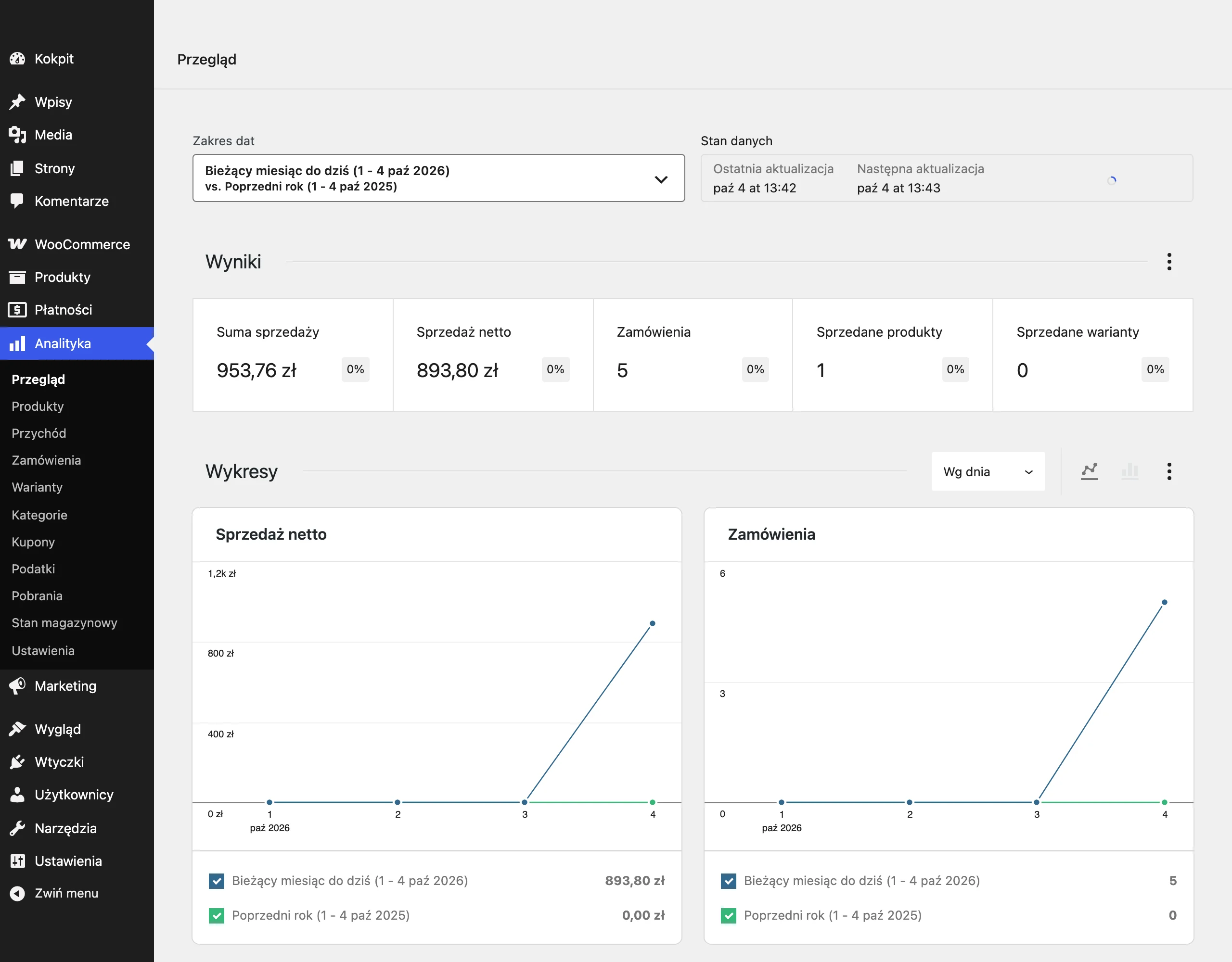
The first step is simple: split traffic and sales into brand and non-brand. Analyse queries with the company name, brand campaigns, direct visits and returning users separately, and general keyword traffic and new audiences separately. Without a brand/non-brand split it is hard to assess whether the brand is genuinely strengthening demand or merely “collecting” demand that already exists. And that makes a difference, because conclusions drawn from one bucket can completely distort budget decisions.
In practice, monitor several metrics at the same time, not just one in isolation. The number of brand searches, CTR for brand queries, the share of direct traffic, the share of returning users and the conversion rate after brand visits. If these metrics grow together, the brand usually becomes easier to recall and more credible. Traffic growth alone is not enough if it is not followed by better visit quality and genuinely better sales.
Search Console can clearly show whether the brand is capturing attention in search. Check not only the pure company name, but also queries such as brand + service, brand + reviews, brand + pricing, brand + contact. What does that usually mean. That the user is no longer hunting for any random offer, but is consciously returning to a specific provider and finalising the details.
GA4 and path reports help you check whether the brand really supports the decision in a multichannel model. Look at assisted conversions, number of sessions to purchase, time to conversion and the share of returning users in sales. If, after tightening up brand communication, the share of assisted conversions and returns increases, that is usually a sign that users are maturing towards a decision precisely thanks to the brand. The key point is that this is not about a “prettier image”, but about less resistance at the subsequent stages of the journey.
CRM matters here too. A lot. Because the impact of the brand is visible not only in the number of leads, but above all in their quality. The key is to measure which sources deliver better matched enquiries, a higher proportion of sales conversations, fewer random contacts and a faster move to the next stage. A stronger brand often not only increases volume, but also cuts the share of low-quality leads.
Add user behaviour on key sales pages to the measurement. If brand visits land on the homepage, offer, case studies or contact page, analyse scrolling, CTA clicks, moves between subpages, form abandonment and interactions with trust elements. But be careful, this can be deceptive. When the user knows the brand but still drops off just before making contact, the problem may not be recognition, but a lack of confirmation of the offer, process or credibility.
The best way to measure brand impact is in monthly or quarterly trends. Not on single days. Compare “before” and “after” periods, take seasonality into account and mark in reports the moments when changes were implemented on the website, in ads and in content. The question is: are you looking at a process or at a coincidence. A brand rarely produces a clear immediate effect, but it should fairly quickly improve intermediate metrics that later translate into sales.
The most sensible measurement model therefore combines four layers: brand demand, user behaviour, impact on the conversion path and sales quality in CRM. Only such a set shows whether the brand really reduces friction on the way to purchase, instead of merely looking good in a presentation. If you analyse only revenue from the last click, you see a fragment of the picture. You do not see the mechanism that builds that revenue, and that is not a cliché.
FAQ
Frequently asked questions
How does branding affect online customer acquisition performance?
It helps the user recognise the company more quickly and shortens the path from first contact to decision. As a result, the same traffic is more likely to end in a click, enquiry or purchase.
Can a strong brand improve SEO and paid ads results?
Yes, because it increases click-through on branded and non-branded queries and improves how ads are perceived before and after the click. It does not replace SEO or paid campaigns, but it makes them work more effectively.
Why is branding especially important in industries with similar offers?
Because when products or services look similar, the brand organises the advantage and shows specialisation, experience and the level of trust. It then becomes easier to choose a company that is already familiar and looks credible.
What makes up a brand in the context of online customer acquisition?
It is not just the logo and website, but also SEO, advertising, content, UX, reviews, retention, and consistent naming and offer descriptions. Presence in search results, social media, maps and the newsletter also matters.
When does a brand start to influence a user’s purchase decision in practice?
Most strongly when the customer is comparing several offers and does not make a decision straight away. Then a familiar name, a consistent message and proof of credibility shorten the moment of hesitation.
How can you check whether a brand really supports online sales?
You need to look not only at last click, but also at branded traffic, direct visits, returning users, assisted conversions and lead quality in the CRM. Only that set shows the brand’s fuller impact on customer acquisition.