
reach and targeting precision in online advertising
Online advertising makes it possible to combine broad reach with very precise targeting, because within one system you can operate both locally and globally. In Google Ads, you can set a radius around an address (e.g. 2 km), and in Meta Ads you can direct the message to people in specific locations or interested in an event in a city. This is a significant advantage over many offline channels, because the same channel can handle both “drive-to-store” and sales across multiple countries. The limitation is that some local effects (e.g. store visits) are statistically modelled and depend, among other things, on location being enabled on the phone, so not everything will be visible in reports.
Intent targeting in search can be particularly effective because it captures a user who is already actively looking for a product (e.g. “ubezpieczenie OC online”). The downside is that in niches with high competition, CPC rates rise, which can price smaller businesses out of top positions. In turn, demographic and interest-based targeting in social media (Meta Ads, TikTok Ads, LinkedIn Ads) makes it easier to build demand and awareness, but declared interests do not always translate into real purchase intent. As a result, a campaign can generate clicks without sales if the creative and landing page do not “close” the offer.
- Remarketing often increases conversions (e.g. reminds users of the offer after a site visit or cart abandonment), but with poorly chosen frequency settings it can annoy users, and its effectiveness falls in a world of cookie limitations and marketing consent.
- Lookalike/similar audiences can accelerate scaling, but they depend on data quality — too small or “contaminated” seed data can result in repeating mistakes and poor traffic.
- LinkedIn Ads in B2B gives precision by job title, industry or company, but usually means higher click costs and less scale, so it more often requires webinar- or report-style content rather than a “buy now” message.
- Contextual targeting (site topics, YouTube channels, apps) is gaining importance as personal data restrictions tighten, although it is often less precise than remarketing and requires constant placement quality control.
Scaling a campaign can reduce targeting effectiveness, because in a narrow audience frequency increases and “ad fatigue” appears, which usually lowers CTR and raises acquisition cost. Creative rotation, frequency cap limits (e.g. in DV360) and broadening audiences help, but this comes with higher production costs and requires consistent testing discipline. It is also worth remembering the dependence on platform algorithms: automation (e.g. Performance Max, Advantage+ Shopping, Smart in TikTok) makes it easier to get started, but it can limit reporting transparency and cause performance swings after algorithm changes. For this reason, targeting in online advertising is at once “convenient” and sensitive to configuration and data quality.
- 01Broad reach, precise targetingGlobally and locally
- 02Local activityRadius around an address
- 03Intent targetingEffective in search
- 04Measuring local effectsStatistically modelled
Online advertising combines broad reach with precise delivery to intent and location.
measurability and analytics as an advantage of online advertising
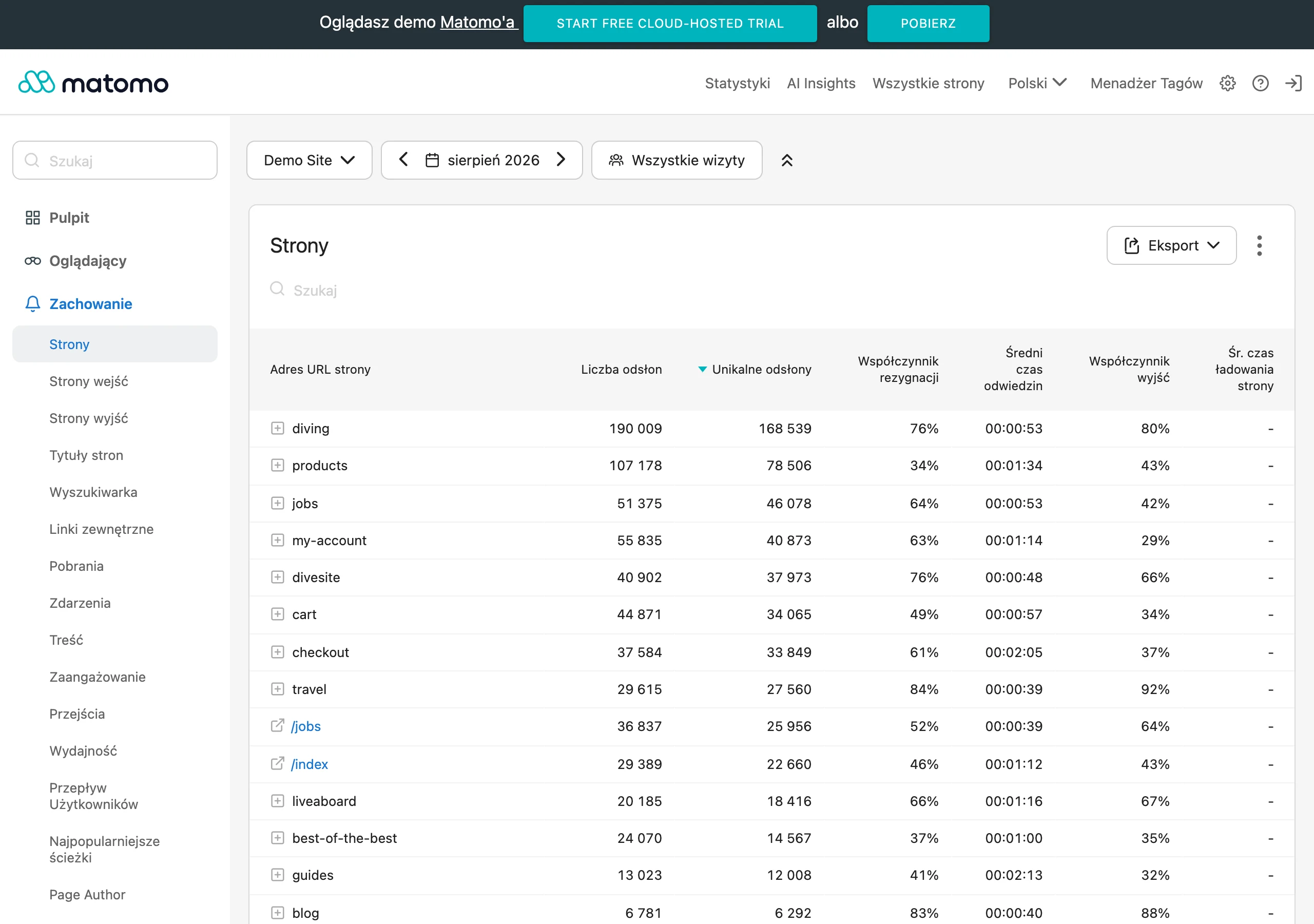
Measurability and analytics are a key advantage of online advertising, because campaign results can be tracked almost in real time and actions adjusted even on the same day. In practice, this uses, among other things, Google Analytics 4, ad dashboards (Google Ads, Meta Ads) and Looker Studio dashboards to react quickly to drops in ROAS or increases in CPA. This means the internet makes it easier to optimise budgets than many offline channels, where feedback arrives with a delay. At the same time, it is easy to fall into the trap of “optimising for numbers” when, for example, cheap CPC comes from a low-intent campaign and does not translate into profit for the business.
- CPC indicates the cost per click and helps assess the cost of acquiring traffic.
- CPM shows the cost per thousand impressions and can be useful in reach campaigns.
- CPA refers to the cost per acquisition, but its meaning depends on a correct definition and conversion tracking.
- ROAS defines return on ad spend and is useful for budget decisions, provided measurement remains consistent.
Multi-channel attribution is an advantage because the purchase path often includes several touchpoints (e.g. TikTok, then remarketing on Meta, and finally search on Google), but interpreting it can be demanding. Attribution models (e.g. data-driven in Google Ads/GA4) help allocate credit, but upper-funnel channels can be underestimated if you analyse only the “last click”. It is also possible to import offline conversions from CRM into Google Ads/Meta (Offline Conversions), which brings optimisation closer to the real value of the customer. The downside remains complexity: you need consistent identifiers (e.g. GCLID/gbraid) and good data hygiene, otherwise algorithms learn from faulty signals.
Privacy restrictions (ATT on iOS, third-party cookie blocking) increasingly reduce measurement precision and complicate remarketing, which is a tangible drawback of online advertising. Solutions such as Google Consent Mode v2, Meta Conversions API or server-side tagging (e.g. GTM Server-Side) can improve data quality, but they involve technical work and an additional budget. It is also worth taking typical measurement errors into account, e.g. discrepancies between GA4 and Google Ads reports or between the store panel and Meta Ads, resulting from different attribution windows and the view-through vs click-through approach. If events (e.g. purchase) are not set up consistently and you do not control tags in GTM, reports may overstate results and lead to wasted spend.
Costs and billing models in online advertising
The costs of online advertising are flexible because in many systems you can start with a small amount and increase the budget only once you can see messages that work and real demand. In practice, a campaign in Google Ads or Meta Ads can be launched with a daily budget of a few dozen zlotys, which supports testing and limits risk at the start. At the same time, most of the ecosystem operates on an auction model, so when demand is higher (e.g. Black Friday, Christmas) CPM and CPC can rise noticeably. This means that cost predictability can be limited, and it is worth planning your budget with an appropriate buffer.
Billing models (CPC, CPM, CPA) make it easier to align payment with the objective, but they do not always translate directly into a business outcome. CPC works well when traffic is the priority, CPM when building reach, while “CPA” often functions as an optimisation goal rather than a guarantee of charging only for results. If the conversion is poorly defined or tracked incorrectly, the algorithm will optimise for apparent actions, which may look good in the dashboard but not drive sales. Therefore, in practice, the meaning of “CPA” and “ROAS” depends on the quality of tracking and the consistency of data.
Cost control usually comes down to choosing between manual bids and automated strategies, which in a changing environment often win on efficiency, but they need data. Manual CPC gives greater control, while strategies such as Target CPA or Target ROAS may require a few days of “learning”, which can be cost-intensive with small budgets. There are also hidden costs: video production, banner design, copywriting, hosting and analytics implementation (GA4/GTM, Meta Conversions API, Consent Mode). It is worth assuming from the outset that a “cheap start” can turn into a larger project if you want to scale results properly.
Scaling the budget usually pushes up the cost of acquisition because over time you reach less “hot” audiences, and exposure frequency increases. The advantage of the internet is the ability to add budget cautiously (e.g. +10–20% every few days), but maintaining the same efficiency at a larger scale is not guaranteed. In niche markets there is also the need for minimum data volumes for optimisation: when there are few conversions (e.g. 5–10 per month), optimisation for purchase can be unstable, and switching to micro-goals can be a shortcut, because it delivers “easy” actions without real sales. If you sell through marketplaces and comparison sites (e.g. Amazon Ads, Allegro Ads, Ceneo Ads), you will get transactions faster thanks to high intent, but fees and price pressure appear, so profitability depends largely on margin and logistics.
- 01Flexible budgetStart with small amounts, test, scale successes.
- 02Auction modelVariable costs, rising when demand is high.
- 03Match the model to the objectiveCPC, CPM, CPA — pay for a defined outcome.
Strategic budget planning and model selection are key to cost optimisation.
Ad formats and their impact on the user experience
Advertising formats on the internet make it possible to match the message to the goal and stage of the funnel, but they often require greater production discipline and more polished UX than many traditional channels. You can combine text in Search, video on YouTube/TikTok, product carousels in Meta or in-app ads, choosing the format to support awareness or sales. The downside remains the need to prepare many creative variants, e.g. 9:16 for TikTok/Reels, 16:9 for YouTube and static assets for remarketing. This increases the complexity of the work and the cost of iteration, especially when campaigns are running in parallel across several platforms.
Personalisation of the message (e.g. dynamic product ads in Meta DPA or via Google Merchant Center with remarketing) often increases conversion, because it shows the user a specific product they viewed earlier. On the other side is the risk of errors in the feed and consents: ads may display out-of-date prices or unavailable variants, and an overly “personal” tone can be received critically. The speed of testing messages is a strong point online, because in a short time you can compare value propositions and evaluate them by CTR, CPA or session quality. At the same time, frequent changes without a test plan can destabilise results, because they reset the learning phase of the systems.
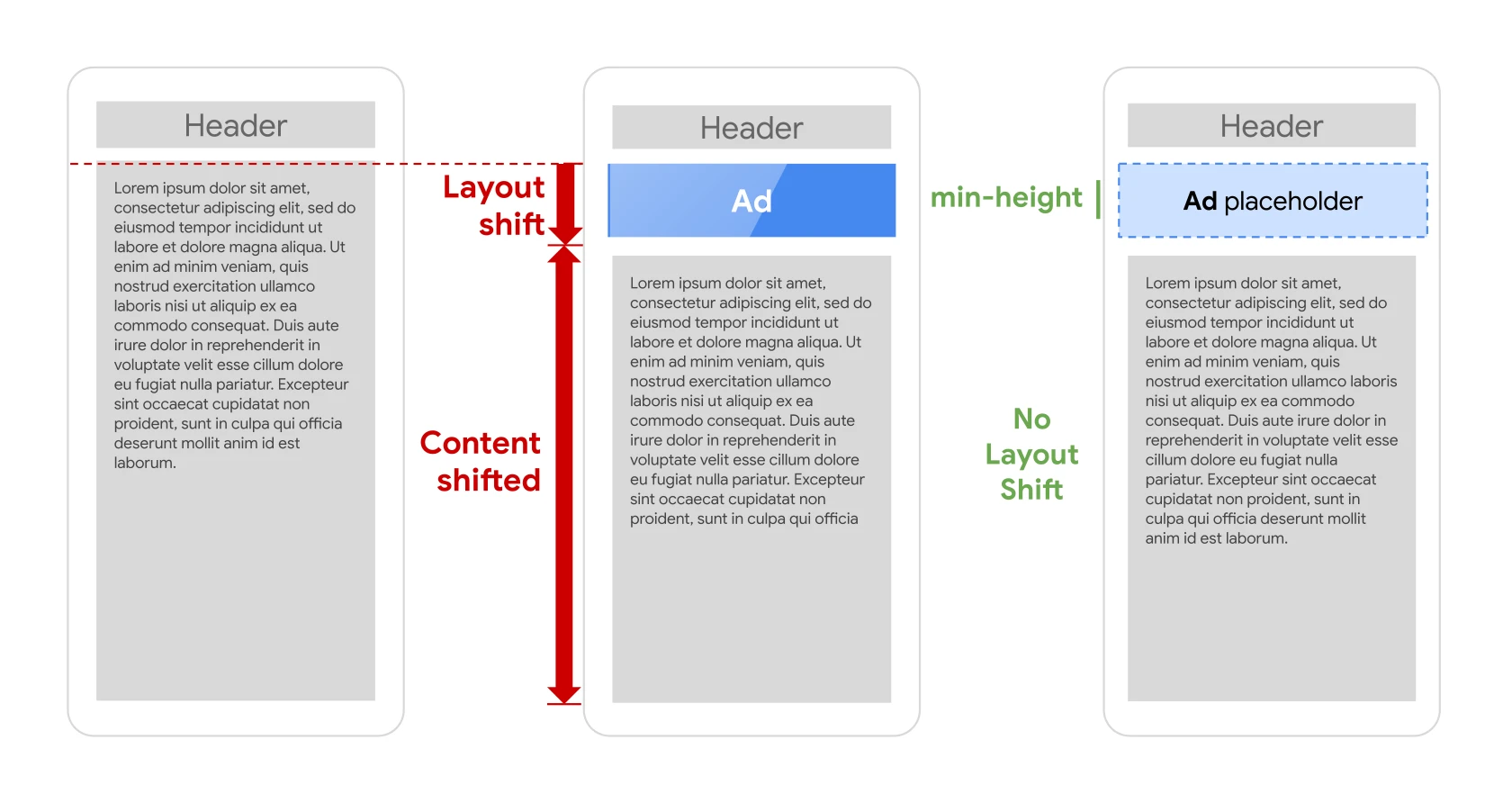
User experience after the click translates directly into performance, because even a good ad will lose if the landing page is unclear, slow on mobile or lacks a clear CTA. The internet makes it possible to send traffic to dedicated pages for a specific offer (instead of the homepage), which usually improves the conversion rate, but in practice it is often the place where budget “leaks” the fastest. It is worth remembering that a large share of contact happens on a phone, so page speed (Core Web Vitals), forms and mobile payments matter. UX fixes often require time from the technical team and testing, which needs to be factored into the campaign plan.
Video and UGC formats (user-generated style) often catch the eye more strongly than static graphics, but they “wear out” faster and require a regular supply of new variants. Native ads and content (e.g. Taboola, Outbrain) can support educational materials and strengthen credibility, but they usually carry lower purchase intent than Search and require careful monitoring of placement quality. An additional limitation is the policies and moderation of platforms, which can block ads or narrow targeting, forcing the preparation of alternative creatives and carrying the risk of a sudden drop in results after key ads are rejected. If you want to reduce dependence on paid clicks, advertising can feed your own database (e.g. newsletter sign-ups), and e-mail/SMS automations in tools such as Klaviyo, Mailchimp or Customer.io can close the sale — provided the forms and sequences are not intrusive.
risks and limitations associated with internet advertising
Internet advertising comes with risks that can reduce campaign effectiveness or affect brand reputation if they are not consciously managed. Reach is in practice limited by adblock and the so-called “banner blindness”, because of which some users ignore or do not see display ads at all. As a result, the cost of reaching people may rise, and planning the format mix requires taking into account that not every contact can be “delivered” by banner. In addition, programmatic can involve bots and fake clicks, which inflate CPM/CPC and distort conversion data.
Brand safety is a real limitation, because an ad may be shown alongside controversial content or on low-quality sites. The risk is reduced, among other things, by content exclusions in Google Ads, tools such as DV360 and control of placement lists and sensitive categories, but it cannot be eliminated 100%. If your creative lands in an undesirable context, the reputational consequences can last longer than the campaign itself, even if you switch it off quickly. In practice, this means the need to monitor continuously where the ads are actually being shown.
Privacy and GDPR are another limitation, because online advertising often relies on data, and mistakes in consents can end in complaints and costly implementation fixes. You need proper cookie/marketing consents, a privacy policy and processing agreements with suppliers in order to carry out profiling-based activities legally. An additional risk is dependence on platforms: an account restriction after payment issues, unusual activity or policy breaches can reduce sales overnight. It is also worth remembering the knowledge asymmetry when working with an agency or freelancer, because without reporting standards it is easy to mistake real growth for attribution “games”.
- 01Banner blindness & adblockUsers ignore adverts.
- 02Bots and fake clicksInflate costs, distort data.
- 03Brand safety riskAd next to unsuitable content.
Conscious management is key to protecting the budget and the brand’s reputation.
impact of technological changes on advertising effectiveness
Technological changes can reduce the effectiveness of internet advertising because what worked before (e.g. remarketing based on third-party cookies) may start working noticeably worse after browser updates or tighter consent requirements. As a result, measurement becomes less predictable, and scaling user-tracking-based activity can be more difficult. The market adapts quickly to the new reality, but businesses must keep up both in terms of skills and operations. This translates into the need to update implementations and organise analytical processes.
The effects of changes in the privacy area are most often visible in data and optimisation, because limitations on identifiers reduce the accuracy of conversion attribution and make user-behaviour-dependent activities more difficult. The response is often to implement solutions such as Meta Conversions API, server-side tagging (e.g. GTM Server-Side) and Google Consent Mode v2, which help improve signal quality. Technologically, a lot can be recovered, but at the cost of greater implementation complexity and an additional budget for maintaining accurate measurement. Without these changes, algorithms may learn from incomplete or distorted data.
In an environment of growing data limitations, the importance of methods less dependent on user information, such as contextual targeting (the subject matter of websites, YouTube channels, apps), is also increasing. This approach can reduce reliance on personal data, but it is usually less precise than remarketing-based activity and requires tighter control over placement quality. In the long term, technologies and policies will keep changing, so effectiveness does not come solely from “campaign settings”, but from readiness to update tools, consents and processes. In practice, companies that treat measurement, privacy and delivery quality as a permanent part of advertising management, rather than a one-off configuration, build the advantage.
Ethical aspects of targeting and their consequences
Ethical aspects of targeting matter because advanced campaign settings can lead to the unintentional exclusion of part of the audience. This side effect can be particularly risky in regulated topics, such as job offers or finance, where the choice of criteria may be perceived as discriminatory. The consequences are not only a loss of trust in the brand, but also legal and reputational risk when segmentation “cuts off” specific groups. That is why ethics in targeting is not just about the advertiser’s intent, but about the real effects of settings and algorithms.
The safest approach is based on limiting sensitive criteria, regularly auditing audience groups, and matching the reach method to the specifics of the offer. In practice, this comes down to checking who the campaign actually reaches and whether the exclusions do not narrow it in a way that is hard to justify. If the area is regulated, it is often better to use more contextual reach methods rather than relying solely on the user profile. Such a solution reduces the risk of unwanted side effects, even if it is sometimes less “aggressive” in optimisation than the narrowest possible segmentation.
FAQ
Frequently asked questions
What are the biggest advantages of internet advertising compared with offline?
The biggest advantage is combining reach with precise targeting, as well as the ability to optimise quickly based on data. In many online channels, you can also operate locally and globally at the same time.
Does internet advertising allow you to measure campaign results accurately?
Yes, results can be tracked almost in real time in tools such as GA4, Google Ads, Meta Ads or Looker Studio. However, tracking must be set up correctly, because attribution and tagging errors distort the data.
Why can internet advertising generate high costs in some industries?
In competitive niches, CPC and CPM rates rise, so smaller companies may find it harder to maintain visibility. Costs also increase when scaling, as the campaign reaches less “hot” audiences.
What limits the effectiveness of online ads after someone clicks on an advert?
The ad alone is not enough if the creative, landing page and data quality are poor. Unclear CTAs, a slow page or a mismatched offer can ruin even a good campaign’s results.
What are the most important risks associated with internet advertising?
The main risks include ad blockers, banner blindness, bots, fake clicks and brand safety issues. There are also privacy limitations and dependence on platform algorithms, which can change results after updates.
Are remarketing and lookalike always effective in online advertising?
Not always, because their effectiveness depends on data quality and correct configuration. Remarketing can become irritating if the frequency is too high, and a lookalike audience built on weak data can replicate mistakes instead of improving results.