
Digital advertising is the foundation of modern marketing strategies, offering a wide range of tools – from display ads and SEO/SEM campaigns to social media, video and e-mail marketing. The key to effectiveness lies in precise targeting, flexible budgeting and matching promotional methods to the company’s goals and the specifics of the target audience. Find out which types of online advertising best meet your business needs and how to use them effectively!
What are the types of digital advertising?
Digital advertising is a dynamic promotional tool that uses modern technologies to reach selected audiences with precision. Its main forms include:
- display advertising,
- search engine activities (SEO and SEM),
- social media campaigns,
- video advertising,
- native formats,
- e-mail marketing,
- content marketing.
Each of these methods has its own unique advantages and applications, which allows the strategy to be flexibly tailored to specific business needs.
Display advertising is based on banners and graphics visible on websites. In turn, search engine activities combine content optimisation for SEO with paid SEM campaigns. Social media, such as Facebook or Instagram, offer excellent opportunities to promote products through personalised campaigns. Video advertising includes short pieces presented, for example, on platforms such as YouTube. A native format blends naturally into the page content, without disrupting the user experience. E-mail marketing reaches recipients directly in their inboxes, while content marketing focuses on creating valuable materials that attract customers’ attention. Each of these methods has its strengths and can be used effectively depending on the brand’s goals and the preferences of the target audience.
- 01Display advertisingBanners on websites
- 02Search engines (SEO/SEM)Optimisation and paid campaigns
- 03Social mediaPersonalised campaigns (e.g. FB, Instagram)
- 04Video advertisingShort pieces (e.g. YouTube)
Each method flexibly supports specific business needs.
Types of digital advertising
Digital advertising is a broad term that encompasses many forms of online promotion. One of the most recognisable types is display advertising, which uses banners and graphics placed on websites. Another important tool is search engine advertising, combining SEO techniques with paid SEM campaigns. Social media, such as Facebook or Instagram, make it possible to run personalised advertising activities targeted at specific audiences.
We should not forget the growing popularity of video advertising, which includes short pieces presented on platforms such as YouTube. Native advertising, on the other hand, blends into the page content without disrupting the user experience. E-mail marketing enables direct reach to recipients via their inboxes, while content marketing focuses on creating valuable content that attracts customers’ attention.
Each of these forms has its own unique advantages and applications, which allows the strategy to be flexibly adapted to the needs of a given business. The choice of the right promotional method depends on the brand’s goals and the preferences of the target audience. Thanks to the variety of tools available, it is possible to reach audiences effectively in a way tailored to their expectations and online behaviour.
Display advertising
Display advertising is one of the most popular forms of promotion in the digital world. It uses a range of visual elements, such as banners, animations or short videos, which effectively attract the audience’s attention. This type of advertising can be found on websites, blogs, online stores and social media platforms. Its visual appeal not only catches the eye, but also helps build brand recognition.
One of the key advantages of this form of advertising is the ability to reach a wide audience at the same time. Campaigns can be precisely tailored to specific target groups, taking into account factors such as age, gender, location or users’ interests. This means the message reaches exactly where it is needed.
Display advertising offers many formats:
- static banners,
- animated GIFs,
- interactive elements.
On video platforms such as YouTube, it often takes the form of short spots displayed before or during the viewing of content. This gives brands a chance to reach users at moments of their highest online activity.
Another advantage is the ability to measure campaign results. Thanks to analytics tools, you can track key metrics such as the number of clicks, impressions or conversions. This allows businesses to optimise strategies on an ongoing basis and achieve ever better results.
This form of advertising works perfectly both for building brand awareness and promoting new products or services. Its flexibility and variety of formats make it possible to adapt to different marketing objectives and target groups. It is a universal tool for every type of online business.
- 01Visually attractiveBanners, animations and videos catch the eye.
- 02Strategic presenceWebsites, blogs, social media, online stores.
- 03Builds recognitionStrengthens brand awareness and image.
- 04Wide reachReaches many audiences at once.
- 05Precise targetingAge, gender, location, interests.
Key to effective promotion and brand building in the digital world, combining wide reach with precision.
Advertising in search engines (SEO and SEM)
Advertising in search engines is one of the most effective online promotion methods, based on two key pillars: SEO (Search Engine Optimization) and SEM (Search Engine Marketing). The first focuses on optimising content and the technical aspects of a website to improve its position in organic search results. The second, meanwhile, covers paid ad campaigns that appear at the top or bottom of the results page.
These ads, often text-based, appear in response to specific user queries, which means they reach only people interested in a given offer. This makes them extremely precise in targeting and impressive in conversion metrics. Users see exactly what they are looking for, which prompts quick purchasing decisions.
SEO is a long-term strategy, requiring continuous work on content, site technical performance and acquiring valuable backlinks. Although the results are not immediate, they are lasting and generate organic traffic without additional costs. By contrast, SEM offers immediate visibility thanks to paid text or display ads. These campaigns can be easily adjusted to current business needs by modifying the budget or keywords.
Combining both approaches delivers the best results. SEO builds trust in the brand and improves the site’s position in search results in the long term. SEM, meanwhile, provides quick exposure and supports short-term marketing objectives. Data analysis from both strategies makes it possible to continuously refine activities and achieve better and better results.
Advertising in search engines is particularly effective for online businesses. It allows you to reach customers ready to buy precisely and measure campaign effectiveness using tools such as Google Analytics or Google Ads. It is a universal solution for any business aiming to increase sales and brand recognition online.
Advertising on social media
Advertising on social media is one of the most effective forms of online promotion. By using popular platforms such as Facebook, Instagram, LinkedIn or TikTok, brands can present their products and services in a creative way. Static graphics, videos or short reels make it possible to attract audiences’ attention and convey key information in an attractive form. The key advantage of this method is precise targeting – the ability to reach specific audience groups based on their age, location, interests or behaviour online.
These platforms also offer advanced analytics tools that make it possible to monitor campaign performance. Metrics such as the number of impressions, clicks or conversions allow businesses to optimise their advertising activities on an ongoing basis. This form of promotion works both for building brand awareness and for promoting new products or services. Its flexibility and variety of formats mean it can be adapted to different marketing objectives and target groups.
Importantly, advertising on social media is available to businesses with different budgets. This means that even smaller companies have a chance to compete effectively in the market and reach their customers without having to incur huge costs.
- 01Creative promotionEngaging graphics & video
- 02Precise targetingAge, location, interests
- 03Advanced analyticsMonitoring campaign performance
- 04Ongoing optimisationAdjusting for better results
An effective online promotional method, combining creativity with data for precise and measurable success.
Video advertising
Video advertising is one of the most dynamic and effective forms of digital promotion. It combines visual and audio content, which makes it possible to present products, services or brands creatively. Thanks to its interactive nature, it attracts audience attention and increases message memorability. Although YouTube remains the main platform for running such ads, Facebook, Instagram and TikTok are also becoming increasingly popular.
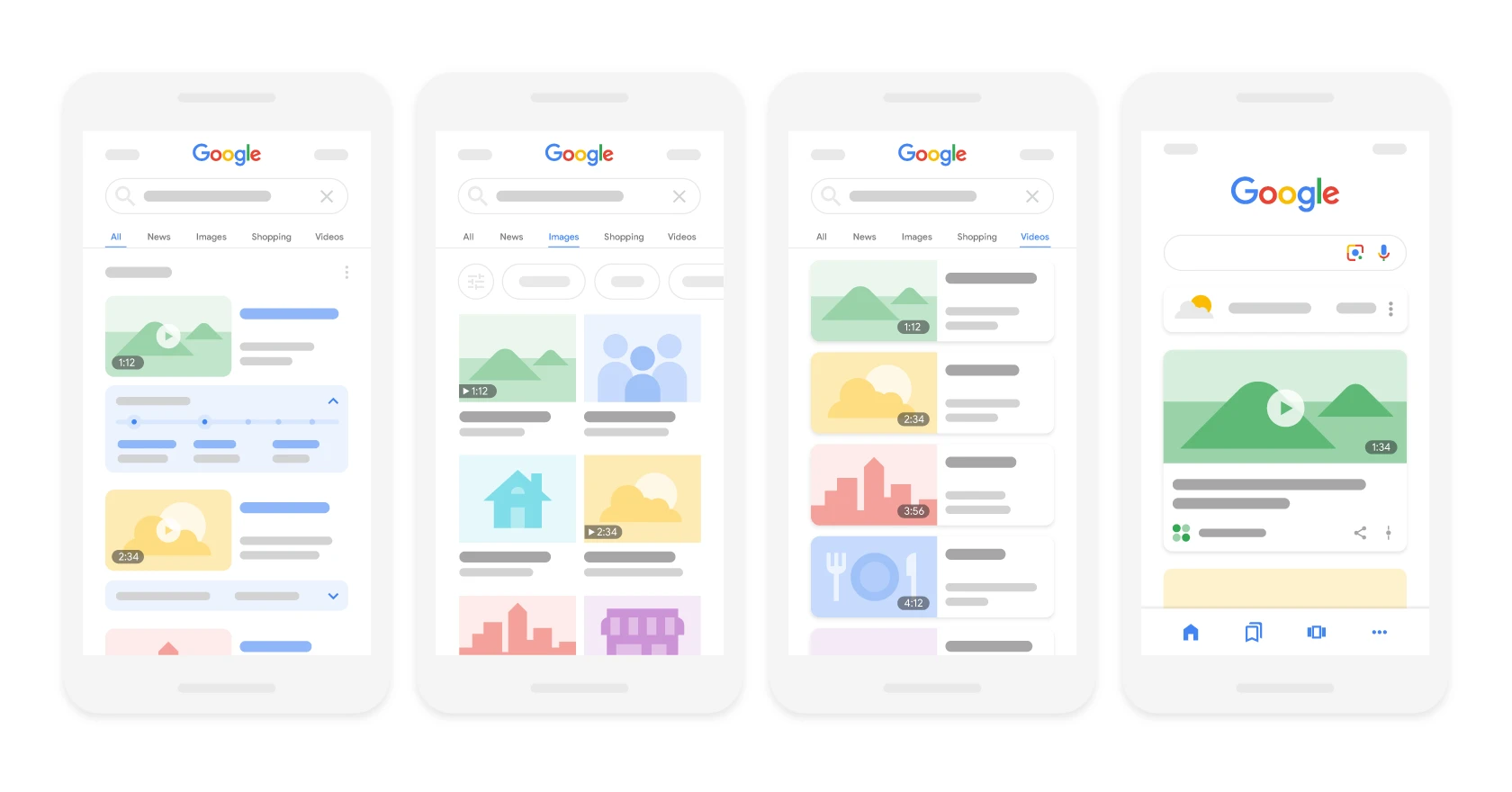
One of the key advantages of video advertising is its ability to tell stories. Brands can show their products in action, demonstrating their benefits or use in everyday life. Consumers watching engaging content become ad viewers almost involuntarily, which significantly increases its effectiveness. Research shows that this type of format generates as much as 120% more engagement than traditional text ads.
There are two main formats of video ads: In-Stream and Out-Stream. The first type appears before, during or after the main content on platforms such as YouTube. They can be skipped after a few seconds (so-called skippable ads) or are mandatory (non-skippable ads). By contrast, Out-Stream ads are displayed outside a video context, e.g. on websites or mobile apps.
This form of promotion also offers precise targeting tools. By analysing demographic data and user behaviour, it is possible to reach specific audience groups with the right message. In addition, platforms provide detailed reports on impressions, clicks or time spent watching the material, which allows for continuous campaign optimisation.
Video advertising works both for building brand awareness and for supporting direct sales. Its versatility and the growing popularity of video content make it an essential element of modern marketing strategies.
Video ad formats
Video ads come in two basic variants: In-Stream and Out-Stream. The former appears before, during or after the main video content, e.g. on platforms such as YouTube. These can be ads that can be skipped after a few seconds (skippable ads) or those that must be watched to the end (non-skippable ads). This type of format is particularly effective because it reaches audiences who are already engaged in consuming content.
By contrast, Out-Stream ads are displayed outside a video context – e.g. in articles on websites or in mobile apps. They are less intrusive because they do not interrupt the main content, but thanks to their dynamic form they effectively attract users’ attention.
Each of these formats has its own unique advantages and can be tailored to specific campaign goals. In-Stream ads work perfectly well for increasing brand awareness, while Out-Stream effectively reaches audiences while they are browsing other content. The decision to choose the right format should be based on the marketing strategy and the preferences of the target group.
In-Stream ads
In-Stream ads are a dynamic video format that appears before, during or after the main content on platforms such as YouTube. They can be skipped after a few seconds (skippable ads) or require watching to the end (non-skippable). Their strength lies in reaching audiences who are already engaged in consuming content, which increases the effectiveness of the message.
One of the greatest advantages of this format is its ability to capture attention. Ads displayed in the context of watched videos have a greater chance of engaging viewers. However, it is crucial that the message is interesting from the very first seconds – especially in the case of skippable ads, which can be skipped after a short time.
In addition, In-Stream ads offer advanced targeting tools. By analysing demographic data and user behaviour, it is possible to precisely reach selected audience groups with the right message. Platforms provide detailed reports, such as:
- number of impressions,
- clicks,
- time spent watching.
This enables continuous campaign optimisation.
This format works perfectly both for building brand awareness and supporting direct sales. Its versatility and the growing importance of video content make it an essential element of modern marketing strategies.
Out-Stream ads
Out-Stream ads are a video format that appears outside the traditional film context. They can be seen, for example, within article content on websites or in mobile apps. Unlike In-Stream ads, they are not tied to the material being watched, which makes them less intrusive for audiences. They often take the form of autoplay clips that appear while browsing other content.
Their main advantage is their ability to attract attention in a natural browsing environment. Users are more likely to engage with such ads because they do not interrupt their main activity. What is more, research shows that this format generates 30% higher engagement than standard banners.
Out-Stream works perfectly for building brand awareness and reaching new audiences. Thanks to precise targeting, the message can be tailored to specific target groups, taking into account their interests or online behaviour. In addition, platforms offer detailed campaign performance analyses, such as the number of impressions or click-through rate (CTR), which makes it possible to continuously improve marketing strategies.
This advertising format is versatile – it works well both in branding campaigns and those focused on direct sales activities. Its flexibility and ability to adapt to a variety of business goals make it a valuable element of modern digital strategies.
Interactive ads
Interactive ads are an innovative online promotion tool that not only attracts attention but also actively engages audiences. Instead of passive viewing, users interact with the message, which makes the brand more memorable and helps build deeper relationships with audiences. This type of advertising can take many forms – from quizzes and games to surveys or creative presentations.
One of their key advantages is their ability to hold attention for longer than traditional formats. As a result, users spend more time interacting with the content, which directly affects campaign effectiveness. According to research, interactive ads generate even 40% higher engagement compared with standard banners.
Among the most popular formats are:
- quizzes and tests, which allow users to check their knowledge or match a product to their individual needs,
- games and competitions, engaging users through fun and an element of rivalry,
- surveys and polls, encouraging users to express an opinion on a given topic,
- interactive presentations, enabling creative discovery of the brand’s offer.
This form of advertising works perfectly both for building brand awareness and increasing conversions. Thanks to precise targeting, it can be tailored to specific target groups, taking into account their preferences and online behaviour. In addition, platforms offer detailed campaign performance analyses, such as time spent interacting or the number of actions completed by users.
Interactive ads are a versatile tool that works brilliantly both in branding campaigns and those focused on sales. Their flexibility and ability to adapt to different business goals make them an integral part of modern marketing strategies.
Native advertising
Native advertising is one of the most subtle, yet effective forms of promotion in the digital world. Its key feature is the skilful integration of the advertising message into the natural content context, which does not disrupt the user experience, while at the same time effectively attracting attention. It can take various forms – from sponsored articles and product recommendations to video materials – that blend seamlessly with the environment of a website or social media platform.
One of the biggest advantages of this form of promotion is its flexibility. It can be adapted to different environments, such as blogs, websites or social media, which makes it a versatile tool. Because it does not resemble traditional advertising, it inspires greater trust among audiences. Research shows that native formats generate up to 60% more engagement than standard banners.
Another advantage is its natural integration into the content. Users often do not perceive such messages as pushy or intrusive, which positively affects brand perception and supports building long-term relationships with customers. Native advertising works well both in branding campaigns and those focused on direct sales.
In addition, this type of promotion offers precise targeting tools. By analysing demographic data and user behaviour, you can reach specific target groups with the right message. Platforms also provide detailed campaign performance reports – such as the number of impressions or click-through rate (CTR) – which makes it possible to continuously improve marketing strategies.
Native advertising is a versatile tool that works perfectly in a range of digital environments. Its ability to fit seamlessly into content and its flexibility make it an indispensable element of modern marketing strategies.
E-mail advertising
E-mail advertising is one of the most effective direct marketing methods. Its essence lies in sending personalised messages to customers that inform them about new products, promotions or special offers. This allows brands to build loyalty and increase audience engagement. This form of communication stands out for its high effectiveness, because messages go straight to inboxes, which significantly increases the chance of getting the message across.
One of the biggest advantages of this method is the ability to personalise content. Messages can be tailored to individual preferences and audience behaviour, which makes them more engaging and ensures they reach the right target group. According to research, personalised emails achieve up to 29% more opens and 41% more clicks than standard campaigns.
Another advantage is how easy it is to measure campaign results. With analytics tools, you can monitor key metrics, such as:
- open rate,
- click-through rate (CTR),
- conversions.
This allows companies to continually optimise their strategy and adapt content to audience expectations.
This form of promotion works perfectly both for building long-term relationships with customers and for promoting new products or services. Regular sends help brands maintain ongoing contact with their audiences, reminding them of their offer and encouraging them to visit the website or online store.
What is more, e-mail advertising is extremely cost-effective – it generates an impressive return on investment (ROI). Research shows that the average ROI for this form of marketing is 42:1, which means that for every złoty spent, you can generate as much as 42 złoty in revenue.
However, it is worth remembering that the success of e-mail campaigns depends on the quality of the mailing list and compliance with GDPR regulations. It is crucial to obtain consent for sending marketing materials and to ensure recipients can easily unsubscribe.
Content marketing
Content marketing is a strategy based on creating and distributing valuable materials that attract attention and engage audiences. Unlike traditional forms of advertising, it does not involve directly promoting products or services. Instead, it focuses on providing useful information, solutions to problems or inspiration, which helps a brand build trust and an expert position in its field.
The key to success in this area is a variety of content formats. These can include:
- blog articles,
- infographics,
- e-books,
- how-to videos,
- webinars.
Each of them can be tailored both to the preferences of the target group and to the stage of its buying journey. For example, educational materials work brilliantly at the initial awareness stage, while case study or product comparisons are more effective in the decision-making phase.
One of the greatest advantages of content marketing is its long-term nature. Valuable content remains available online for years, generating organic traffic and supporting SEO efforts. Research shows that companies using this strategy generate on average 67% more leads than those relying solely on traditional promotional methods.
This form of marketing also works brilliantly for building community engagement. Thanks to interactive materials such as quizzes or competitions on social media, brands can establish closer contact with audiences and better understand their needs. This, in turn, allows for a more precise match between the offer and customer expectations.
We cannot forget the role of analytics in this strategy. Tools such as Google Analytics make it possible to track the effectiveness of individual pieces of content – from the number of views to time spent on the page or the conversion rate. This makes it possible to continually improve activities and adapt them to changing trends and audience preferences.
Content marketing is a universal tool for every type of business – both small local firms and global corporations. Its flexibility and ability to integrate with other forms of digital advertising make it an indispensable element of modern marketing strategies.
Remarketing and affiliate marketing
Remarketing and affiliate marketing are two powerful advertising strategies that can significantly boost conversion growth and campaign effectiveness. Remarketing focuses on reaching people who have already visited a site or shown interest in a product, but have not yet decided to buy. By using cookies or data from advertising platforms, brands can show these users personalised messages, reminding them about the offer. As studies show, this method can increase the conversion rate by as much as 150%, because it works on a group already familiar with the product.
In turn, affiliate marketing is based on working with partners (affiliates) who promote products or services in return for a commission on sales. Affiliates are often bloggers, influencers or website owners who reach their audience with authentic recommendations. This form of marketing is beneficial for companies because they pay only for sales actually generated. According to reports, the affiliate marketing market is growing by an average of 10% a year, which shows its growing popularity and effectiveness.
Both strategies have their own unique advantages. Remarketing works excellently in recovering potential customers who have already shown interest in the offer. On the other hand, affiliate marketing makes it possible to reach new audiences thanks to the authority and trust enjoyed by affiliates among their audiences. Interestingly, both methods can be combined within one campaign, which can deliver even better results and increase sales.
Benefits of digital advertising
Digital advertising is now one of the most powerful tools in the marketing arsenal. It allows companies to reach selected audiences precisely, monitor results on an ongoing basis and quickly adapt strategies. But what exactly makes it so effective?
One of its biggest strengths is precise targeting. Thanks to the ability to tailor campaigns to users’ age, location, interests or online behaviour, the message reaches exactly where it has the greatest chance of success. This is the key to increasing conversions and campaign effectiveness.
Another advantage is instant data analysis. Modern tools provide detailed reports on impressions, clicks or conversion rates. As a result, companies can respond quickly and optimise their activities without wasting time unnecessarily.
It is also worth highlighting the cost-effectiveness of digital advertising. Compared with traditional forms of promotion, such as television or print, the costs are much lower while the reach is greater. What is more, the budget can be flexibly adjusted to needs – it is a solution available both to global corporations and local businesses.
Flexibility is another strength of this form of promotion. Campaigns can be launched within a few hours and modified while they are running. This is extremely important in the dynamic online world, where trends change from day to day.
Nor can we overlook the global reach. Thanks to the internet, brands can reach audiences all over the world without having to incur additional costs related to distributing promotional materials.
Digital advertising combines targeting precision, measurable results and unlimited possibilities for adapting strategies. Thanks to these features, companies can effectively build brand awareness and increase sales while keeping spending under control.
Targeting precision and data analysis
Precise targeting and data analysis form the basis of effective advertising campaigns in the digital era. Thanks to advanced tools, the message can be tailored to specific audience groups, taking into account their age, location, interests or online behaviour. This not only increases ad relevance, but also significantly improves conversion rates.
Monitoring results in real time makes it possible to track key metrics such as the number of impressions, clicks or the conversion rate. As a result, companies can adjust their strategies on an ongoing basis, introducing the necessary modifications. Analytics tools such as Google Analytics or advertising platforms (e.g. Facebook Ads) provide detailed reports that form a solid basis for data-driven decisions.
Precise targeting also makes it possible to minimise budget losses by eliminating less effective communication channels. The funds allocated to advertising are used in a more considered way, which directly translates into better financial results for the entire campaign.
It is worth emphasising that data analysis is not only about tracking current results. It is also an opportunity to identify consumer trends and preferences. This information is invaluable when creating future marketing strategies, allowing brands to respond better to customer needs and build lasting relationships with audiences.
As a result, precise targeting and in-depth data analysis become the key to achieving better results while keeping costs under control – the foundation of modern digital marketing.
Cost-effectiveness and measurability of advertising campaigns
Digital advertising is one of the most effective forms of promotion, distinguished not only by cost-effectiveness, but also by the ability to measure results precisely. Thanks to advanced analytics tools, marketers can track campaign progress on an ongoing basis, analysing key indicators such as impressions, clicks or conversion rate. This allows strategies to be adjusted continuously and resources allocated where they bring the greatest benefit.
One of the greatest advantages of this form of promotion is the ability to reach specific audience groups with precision. Thanks to the analysis of demographic data and users’ behaviour online, the message reaches exactly those people who are most interested in the offer. This not only increases the effectiveness of advertising activity, but also minimises the risk of wasting budget on less effective channels.
Another advantage is flexibility in managing spend. Unlike traditional media such as television or press, digital campaigns are more affordable and offer a much wider reach. Companies can easily adjust their investment to current needs, which makes this form of promotion accessible both to large corporations and smaller businesses.
What is more, analytical tools provide detailed reports on campaign performance. Platforms such as Google Analytics or Facebook Ads make it possible to monitor key metrics and identify consumer trends. This information is extremely valuable when planning future marketing strategies and building lasting relationships with customers.
Thanks to its cost-effectiveness and measurability, digital advertising has become an indispensable element of modern marketing. It allows companies to achieve better results while keeping costs under control and respond quickly to dynamic market changes.
How to choose the right type of digital advertising?
Choosing the right type of digital advertising is a key element of an effective marketing strategy. To make the right decision, it is worth taking three main factors into account: budget, goals and target audience. Each of them influences which form of online promotion will prove to be the most effective.
Budget plays a key role here. Some channels, such as SEM campaigns or video ads on YouTube, may require greater financial outlay. In turn, SEO or content marketing activities are more cost-effective in the long term, although their results take time. For companies with limited funds, it is worth considering social media advertising, which offers flexible pricing options and precise targeting.
Marketing goals also matter when choosing a form of promotion. If the priority is to increase brand awareness, display or native ads will work well, as they blend naturally into website content. If the aim is to increase direct sales, remarketing or affiliate campaigns, targeted at people already interested in the offer, may be a better solution. For building long-term relationships with customers, content marketing or e-mail marketing are ideal.
The target audience is no less important. Knowing the preferences and behaviour of the audience makes it possible to choose the most effective communication channel. Younger users more often use platforms such as TikTok or Instagram, so video advertising or interactive formats may deliver the best results here. By contrast, for professionals, LinkedIn will be a more suitable place to run B2B campaigns.
It is also worth taking account of the specifics of the market and the preferences of audiences in a given geographic region. For example, in countries with a high level of digitalisation, more advanced forms of digital advertising may be more effective, while in less developed regions simple banner formats or e-mail marketing will work better.
Choosing the right type of digital advertising therefore requires analysis of the available budget, clearly defined goals and a thorough understanding of the target audience. This makes it possible to create a personalised promotional strategy that will deliver maximum benefits at minimal cost.
Advertising budget and marketing goals
Planning an advertising budget and clearly defining marketing goals are key elements of an effective digital strategy. Appropriate allocation of financial resources and precise setting of priorities make it possible to manage the campaign effectively and achieve the intended results. It is important that the budget is matched to the scale of the activity and also takes into account the costs associated with the selected promotional channels, such as display advertising, search advertising (SEM) or social media.
Goals may vary – from increasing brand awareness to lead generation or direct sales. Each of them requires an individual approach and the right tools. For example, if the aim is to build recognition, it is worth focusing on video ads or native formats. By contrast, if the goal is to increase sales, remarketing campaigns or cooperation with affiliate partners will work better.
A key aspect is regular monitoring of spend and analysis of effectiveness of activities. Thanks to analytical tools, it is possible to track important indicators such as customer acquisition cost (CPA) or return on investment (ROI). This allows you to optimise the strategy on an ongoing basis and adapt it to dynamic market conditions.
One of the biggest advantages of digital advertising is its flexibility. Companies can easily modify their investment depending on current needs and results. This makes this form of promotion accessible both to large corporations and smaller businesses that want to make effective use of their financial resources.
Target audience and campaign reach
Effective digital advertising is based on two pillars: precisely defining the target group and strategically managing campaign reach. Understanding audience needs and tailoring the message accordingly significantly increases the chances of engagement and conversion. Modern targeting tools make it possible to reach specific groups, taking into account their age, gender, location, interests or online behaviour. For example, younger users respond better to dynamic video content on TikTok or Instagram, while professionals are more likely to engage with ads on LinkedIn.
Campaign reach is not only the number of people who can see an ad, but also the ability to track its effectiveness in real time. Thanks to analytics, it is possible to quickly adapt the strategy to changing conditions. It is also important to take into account the stage of the audience’s buying journey – people at the beginning of the decision-making process respond better to educational or branding content, while those closer to purchase are more susceptible to remarketing or special offers. Research confirms that personalised campaigns generate even 29% more opens and 41% more clicks than standard messages.
To increase campaign reach, it is worth choosing the right communication channels and optimising the budget. Platforms such as Google Ads or Facebook Ads offer flexible pricing options and precise targeting tools. Thanks to them, companies can manage their financial resources effectively and reach a wide audience without excessive costs. The key is continuous monitoring of results and adapting activities to the current needs of the market and consumer preferences.
FAQ
Frequently asked questions
What are the main types of digital advertising described in the article?
The article lists display advertising, search engine SEO and SEM, social media campaigns, video advertising, native formats, e-mail marketing and content marketing. Each of these channels has different uses and advantages.
Does search engine advertising combine SEO and SEM?
Yes, search engine advertising is based on two pillars: SEO and SEM. SEO builds organic visibility, while SEM provides immediate exposure through paid campaigns.
Why is display advertising often used in online marketing?
Because it uses banners, animations and short videos that easily attract users’ attention. In addition, it allows you to reach broad audiences and measure campaign results.
How do social media ads work?
They use platforms such as Facebook, Instagram, LinkedIn or TikTok and can take the form of graphics, videos or reels. Their strength is precise targeting by age, location, interests and behaviour.
When is it worth choosing video advertising instead of other formats?
When you want to attract attention and improve message recall, because video combines image and sound. It is a good choice both for building brand awareness and supporting sales.
What distinguishes In-Stream ads from Out-Stream ads?
In-Stream appear before, during or after video content, e.g. on YouTube, while Out-Stream are displayed outside a video context, e.g. in articles or apps. In-Stream reach people who are already watching content, while Out-Stream are less intrusive.