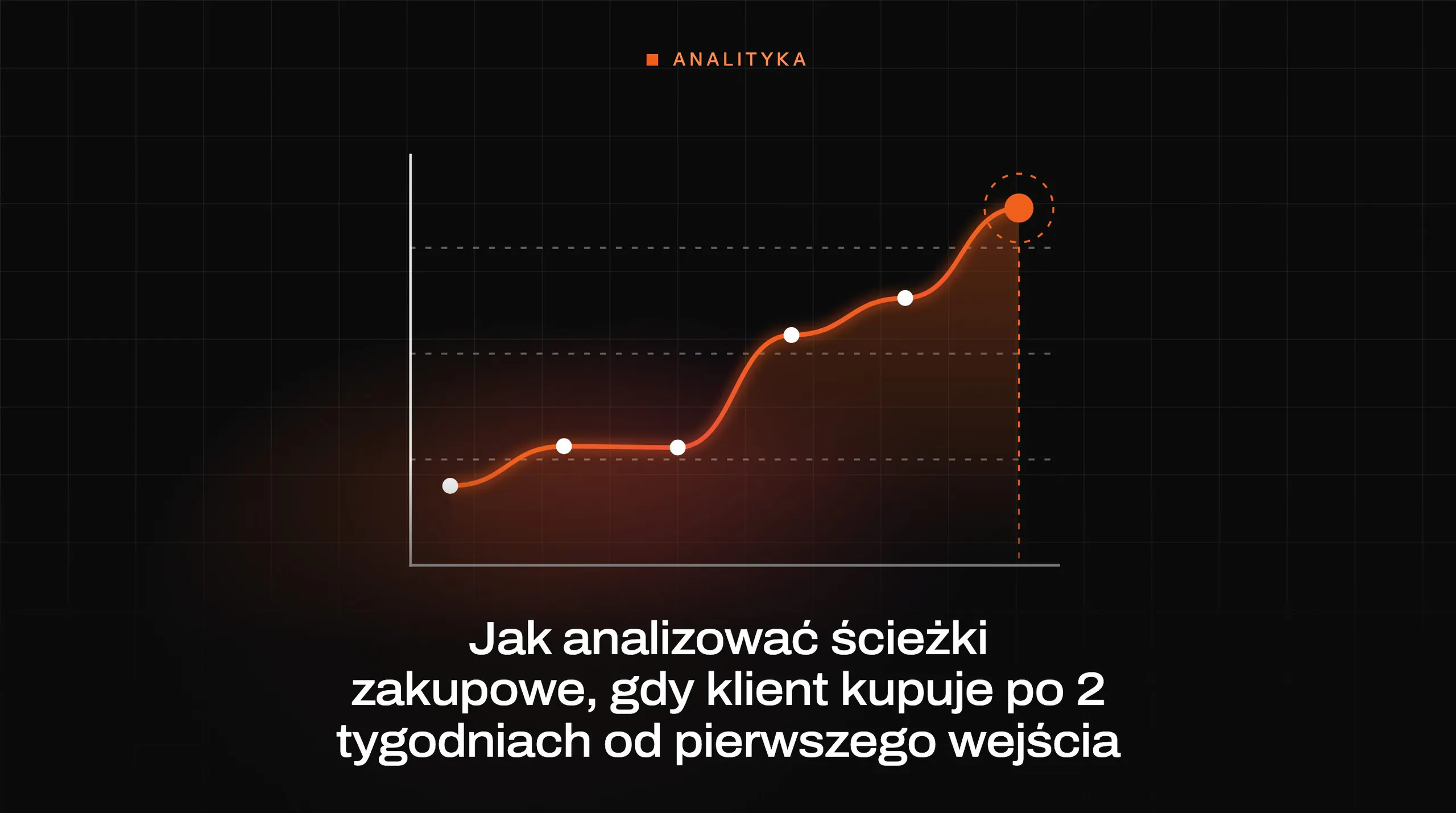

A client who buys after two weeks rarely makes the decision during the first session. They first read, compare, return from another device and only then complete the purchase. If you measure only the last click, SEO will look weaker than it actually performs. In practice, you need to analyse the full path, time to conversion and assisting channels. This makes it possible to assess which content really starts the sale, even when the purchase is closed through Direct or a brand keyword.
Analysis of delayed conversions and multi-channel attribution
Analysis of delayed conversions and multi-channel attribution involves examining all user touchpoints before purchase, not just the final visit. This is necessary when the decision takes many days and spans several sessions. In such paths, the first visit often comes from organic results, and the purchase is completed later through Direct or a brand keyword. Without connecting these stages, you see the end result, but lose the picture of what triggered the process.
In practice, start with delay and channel sequence metrics. The most telling are Time Lag, Path Length and the number of assisted conversions for Organic Search. These indicators show how many days pass until purchase, how many touchpoints appear along the way and whether SEO is actually assisting sales. A good complement is micro-conversions, because newsletter sign-ups, calculator use or adding to basket show progress before the transaction.
For such analysis to be reliable, you need to get the measurement setup right. The key elements are accurate path reports in GA4, an appropriately long attribution window and user identification across devices. If the typical cycle lasts around two weeks, the window cannot end after just a few days. For cross-device traffic, User-ID, CRM integration and proper consent management help, because without them the path easily falls apart.
The last-click attribution problem and its impact on SEO
The problem with last-click attribution is that the entire value of the conversion goes to the last interaction before purchase. For SEO, this means a frequent underestimation of its role at the research stage. A user may first land from a how-to article, return a week later from another channel and buy directly. In the last-click report, the whole sale will be assigned to the final touchpoint, even though without the first visit the path might never have started.
This is most visible with informational and comparison content. Such pages answer questions from the TOFU and MOFU phases, so they build awareness and narrow down the choice. If you assess them only by sales from the last session, you may wrongly consider them unprofitable. This leads to poor decisions: cutting budget, removing content and overvaluing channels that close the purchase.
To see the real impact of SEO, compare last-click with other attribution models. The linear model splits value between touchpoints, time decay gives more weight to later visits, and data-driven shows channel contribution based on data. In addition, segment traffic into brand and non-brand, because brand return visits often finalise research that started earlier. This set of reports better supports decisions about content and budget than a single result from the last click.
The role of SEO in the early stages of the buying journey
SEO most often starts the buying journey when the user is only recognising the problem, comparing options and looking for answers without being ready to buy. That is why organic visits from informational content rarely close a sale in the same session. Their job is to trigger the process and move the user to the next stage. With a cycle lasting around two weeks, this influence becomes visible only after analysing the entire sequence of contacts.
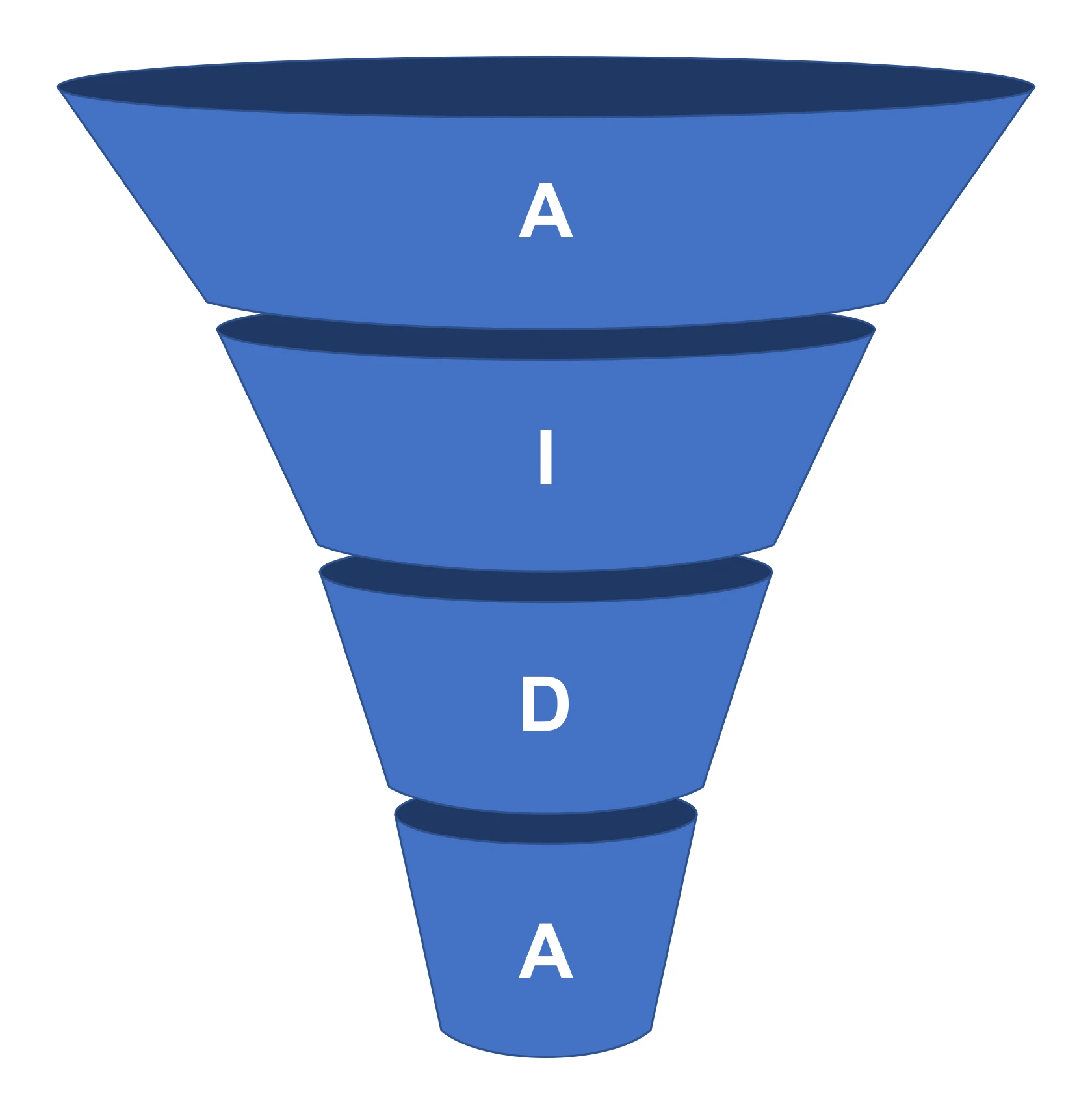
In practice, the greatest value here comes from how-to articles, comparisons, reports and content answering questions from the research phase. Such content attracts non-brand traffic that does not yet know the brand or is not ready to make a decision. If the later purchase appears through Direct or a brand query, that does not mean SEO was unimportant. It means rather that organic was the first touchpoint and the final conversion happened later.
Assessing SEO solely on transactions from the last session underestimates the value of TOFU and MOFU content that genuinely builds future sales. That is why, alongside revenue, you should analyse micro-conversions linked to user progress. Newsletter sign-ups, calculator use or adding a product to basket show that content not only generates visits, but moves the audience closer to purchase. This matters when making decisions about content development and protecting pages that do not close the sale directly.
Cross-device user identification as a key element of analysis
Cross-device user identification is crucial, because without it one buying journey breaks down into several seemingly independent visits. A user may start with an article on a phone, return from a laptop and buy after a few days. If the system does not connect these sessions, SEO will get only part of the credit, or none at all. As a result, reports show a simplified picture that distorts channel evaluation.
The most important thing is technically linking sessions of the same user where it is possible and consent-compliant. In practice, this means using User-ID in GA4, integrating with CRM and making sure the CMP works properly. This lets you connect earlier online visits with a later conversion and better read the true length of the path. Without these elements, reports more often assign the final result to Direct or brand, because earlier contacts remain anonymous.
This changes business decisions more than is usually assumed. When paths are connected, it is easier to distinguish the initiating channel from the closing channel and correctly assess SEO’s contribution. When they are not connected, the risk of drawing false conclusions about the effectiveness of content, campaigns and traffic sources increases. For deferred purchases, correctly identifying the user is a condition for reliable attribution, not just a technical add-on.
The importance of integrating data from GA4 and CRM
Integrating GA4 and CRM gives a full picture of the customer journey from the first visit to the sale and the customer’s later value. GA4 shows sessions, traffic sources and micro-conversions, while CRM stores the lead, sales stage, offline transaction and customer value. For a purchase delayed by two weeks, only connecting this data shows which entry started the real sale.
In practice, this integration makes it possible to check whether a user acquired from organic traffic not only filled in a form, but ultimately became a customer. This is particularly important where the decision is completed off-site, for example after contact with a salesperson. Without CRM, you can see marketing activity, but not always the business outcome.
The most important thing is consistently linking data about the same user or lead across systems. This makes it possible to attribute earlier visits from articles, comparisons and other informational content to the sale. Integration only makes sense when the source of the first contact, subsequent interactions and the sales outcome can be combined into one path.
A common mistake is analysing GA4 and CRM separately, without a shared identifier and without comparing channels against the sales outcome. In that case, SEO is often assessed only through web transactions or leads alone, which distorts the picture. If you also look at customer value over time, it becomes easier to assess the profitability of the channel, rather than just the number of closed transactions.
Optimising informational content to strengthen SEO efforts
Optimising informational content strengthens SEO because it attracts the user during the research phase, before they are ready to buy. It is these materials that most often open the path that ends only after a dozen or so days. If you do not have such content, you lose the chance to enter the decision-making process early enough.
The biggest role is played by content that answers specific questions and helps compare options. In practice, these are guides, blog articles, reports and comparisons tailored to the consideration stage. Such content attracts non-brand traffic, meaning users who are not yet returning for the brand, but are already building a preference.
Well-optimised informational content does not have to sell immediately to be valuable. However, it should lead to clear progress, for example a newsletter sign-up, downloading a resource, using a calculator or adding a product to the basket. These signals show that the content is moving the user further along, even if the purchase happens later through a different channel.
Assess such pages by their role in multi-channel paths, not just by revenue from the last session. If a given guide regularly starts paths that end via Direct or a brand query, its role is real. Informational content should be protected when it initiates valuable paths, even if the sale is closed later by the closing channel.
Typical analytical mistakes and their impact on strategic decisions
Typical analytical mistakes distort channel assessment and lead to poor decisions about budget, content and SEO priorities. Most often, the problem starts with looking only at last-click and setting too short an attribution window. In that case, the conversion is assigned to the closing channel, and earlier visits from organic search disappear from view. The practical effect is simple: SEO looks weaker than it really is.
The second common mistake is failing to track micro-conversions and incorrect channel configuration. Without signals such as sign-up, downloading a resource or using a calculator, you cannot see the user’s progress between the first visit and the purchase. If traffic is additionally misclassified, the analysis of multi-channel paths loses credibility. In such a situation, it is easy to treat informational content as unprofitable, even though it actually starts valuable paths.
Ignoring segmentation, especially the split between brand and non-brand traffic, also does a lot of damage. Without it, you cannot distinguish between visits driven by purchase readiness and visits that build awareness and consideration. This changes the interpretation of SEO’s contribution to sales, because finalisation via the brand often happens after earlier non-brand research. As a result, it is possible to wrongly move budget from TOFU and MOFU content to channels that only close the process.
Strategic decisions should therefore result from comparing attribution models, analysing assisted conversions, delay metrics and traffic segments. Only such a set shows which pages initiate paths, which channels assist and where value is really created. On this basis, you can sensibly assess what to develop, what not to remove and where to increase investment. This is especially important when the purchase is completed after some time via Direct or a brand query.
FAQ
Frequently asked questions
How do you analyse a purchase path when a customer buys only after two weeks?
You need to look at the whole sequence of touchpoints, not just the last visit before the purchase. Time to conversion, assisting channels and microconversions are important too.
Does last-click show SEO’s role well with delayed conversions?
No, because it assigns all the value to the last click before the purchase. As a result, SEO may look weaker than it really is.
Which metrics are worth checking when analysing delayed purchases?
The most useful are Time Lag, Path Length and the number of assisted conversions for Organic Search. They show how many days pass before the purchase and how many touchpoints appear along the way.
Why are microconversions important when assessing SEO?
Because they show user progress before the transaction. A newsletter sign-up, using a calculator or adding to basket help assess whether the content is genuinely moving the audience closer to purchase.
How do you combine data from different devices in purchase path analysis?
User-ID in GA4, CRM integration and proper consent management help with this. Without them, one path can break into several separate visits.
When does informational content have the greatest value in SEO?
When it starts purchase paths at the research and option-comparison stage. Its effectiveness is easiest to see when the purchase is later completed via Direct or a branded query.