

Assessing an SEO or marketing agency requires looking beyond Google rankings alone. The number of articles, links or tasks ticked off in a month is not enough either. A proper assessment combines what the agency did, how SEO metrics changed and whether this translated into business goals. This approach makes it easier to spot both real progress and actions that only look good in the report.
The three-layer model for assessing an SEO agency
An SEO agency is assessed in three layers: quality of work, changes in SEO metrics and business impact. This model shows not only whether something grew, but also what drove that growth and whether it matters to the company. Focusing on just one metric usually leads to incorrect conclusions.
The first layer concerns the quality of delivery. Here you check whether the audit was accurate, the recommendations technically sound, the content useful and the links contextually relevant. Prioritisation also matters, because a good agency does not put everything in one basket, but identifies the actions with the biggest impact.
The second and third layers show the effects of that work. In the second, you look at visibility and organic traffic, and in the third, at leads, sales or SEO’s share of conversions. If only visibility grows, but business value does not, the agency may be working on the wrong keywords or attracting the wrong traffic.
In practice, these layers need to be read together. Excellent quality of work without improved metrics usually means a problem with implementation, prioritisation or simply too short an evaluation period. Conversely, growth in traffic without quality and without a business result may indicate a random effect that cannot be sustained.
Precise definition of goals and scope of cooperation
Agency results can only be assessed fairly when the business goals and scope of work are set before the project starts. The goal should state what effect is to be achieved and in which area. A practical goal is, for example, growth in leads from organic traffic, rather than a vague promise of more visits.
The metrics need to match the goal. If sales are the priority, conversions and revenue from the organic channel matter most, not visibility alone. If the project is mainly about technical foundations, correct implementations and changes in SEO metrics will be more important in the short term than an immediate jump in sales.
The scope of cooperation must be described just as precisely as the goal. An agency is measured differently for technical SEO, differently for content marketing, and differently for activities combined with link building. This matters because the agency is assessed against the agreed scope, not against general expectations that nobody wrote down.
Good agreements also cover dependencies and blockers on the client side. CMS limitations, long development timelines or a lack of resources for implementation all have a real impact on the pace of results. A fair assessment therefore distinguishes between poor agency work and a situation in which the recommendations were correct but not implemented.
The importance of the baseline and isolating confounding factors
The baseline determines whether growth after the collaboration truly results from the agency’s work. Without a point of reference, it is easy to confuse an SEO effect with seasonality, a paid campaign or simply changing demand. That is why you need to record baseline data for visibility, traffic, conversions and the site’s technical health before the project starts. The more precise the baseline, the fairer the later assessment.
It is best to compare not only month on month, but also the same period year on year. This is particularly important in seasonal industries, where natural fluctuations are significant. It is worth separating branded traffic from non-brand traffic, because brand awareness often grows for reasons other than SEO. If an agency shows traffic growth without such a split, the report may look better than the actual organic work justifies.
Other confounding factors that change the data independently of the quality of the work also need to be taken into account. These are most often site migrations, changes in the offer, outages, previous technical issues and paid campaigns supporting demand. In practice, this means a traffic chart alone is not enough to assess performance. You need to know what was happening on the site and in marketing at the same time.
It is also necessary to assess implementations, because correct recommendations do not work without execution. If the client implements changes with a delay or only partially, the SEO effect shifts over time. The same applies to CMS constraints and the availability of the development team. A fair assessment therefore separates poor strategy from a situation in which good actions were operationally blocked.
Analysis of business KPIs and their impact on agency assessment
Business KPIs show whether the agency’s work is delivering real value to the company. The most important are conversions from organic traffic, their quality and the revenue linked to that channel. In lead-generation projects, this will be the number and value of leads, and in e-commerce, sales and their share of the organic result. These are the data that decide whether SEO growth has business significance.
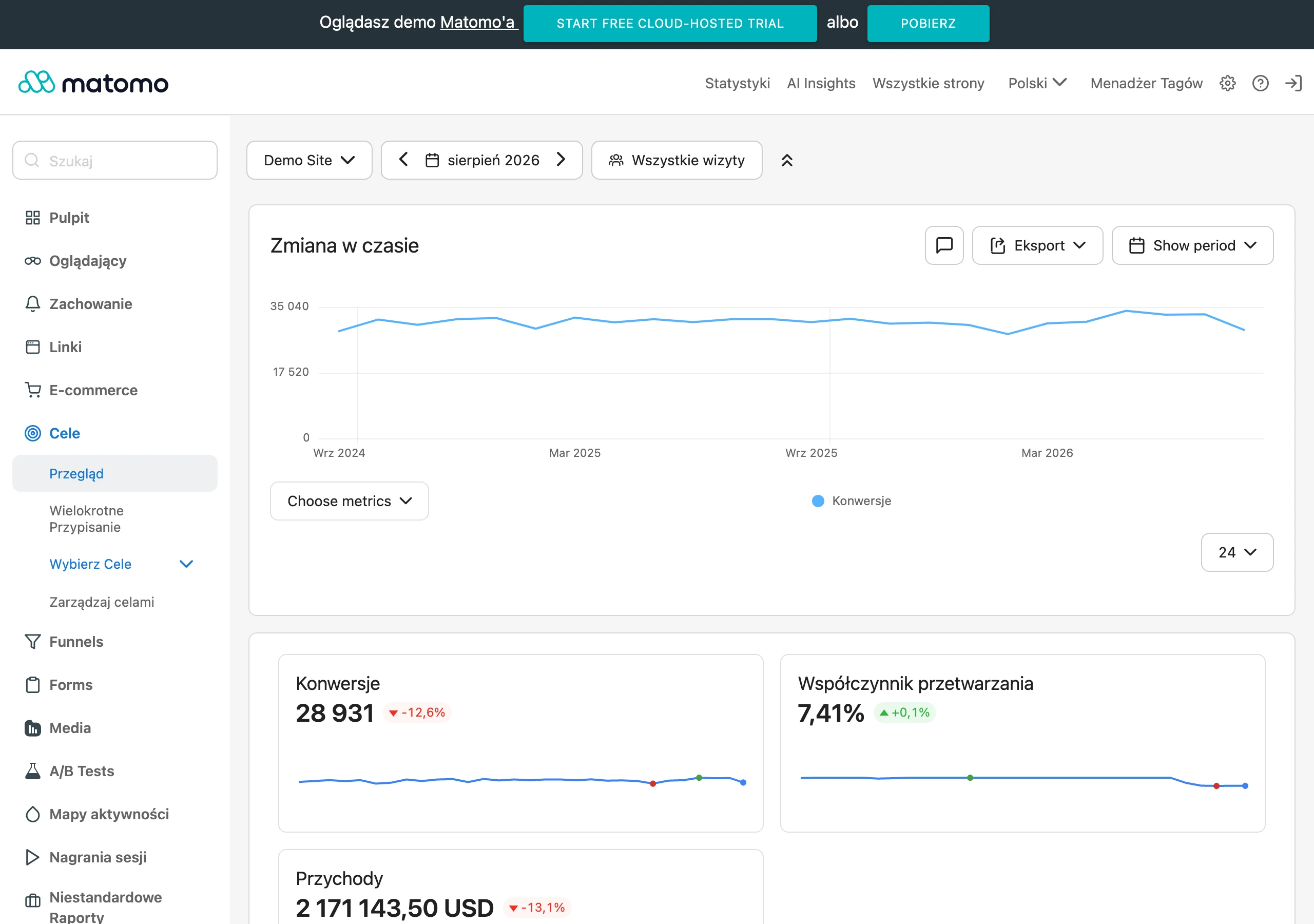
The number of users alone is not enough if it does not translate into audience action. Traffic can grow thanks to easy informational keywords that do not support sales or enquiries. That is why it is worth analysing non-brand traffic separately and checking which groups of pages generate valuable visits. This kind of segmentation quickly shows whether the agency is working on the right user intent.
Evaluation should also include SEO’s share in assisted conversions. In many industries, a user does not buy on the first visit, but returns later through another channel. If you look only at last click conversions, you can understate the role of organic activities. Attribution model therefore matters, because it changes how you interpret the agency’s contribution to the result.
In practice, you need to match business KPIs against the scope of work and the time horizon. A technical project may first improve indexing and traffic quality, and only later sales. Content marketing and link building usually mature more slowly than technical fixes. A sensible assessment therefore asks not only whether revenue has already grown, but also whether the earlier indicators are moving in a direction that supports that growth.
Additional value comes from analysing the quality of acquired customers, if the company has such data. Not every lead has the same value, and not every sale carries the same potential. If SEO attracts users who are a better fit for the offer, the business result may be better despite a similar number of conversions. This is especially important when the agency is optimising for specific segments or higher margins.
Verification of reports and independent data sources
Reports need to be verified in independent sources, because material from the agency alone is not enough for a fair assessment of results. A good presentation can hide poor-quality work or a mistaken interpretation of growth. That is why the report should be a starting point for discussion, not the final proof of effectiveness. If you cannot check the data outside the agency’s report, you are not really in control of the collaboration.
A good report separates the actions carried out from their effects. It should clearly show what was done, why it was done, what the situation was before the change and what happened after implementation. Equally important are blockers, delays and elements dependent on the client. Without this, it is easy to confuse a lack of effect with a lack of work, or vice versa.
The most important data should be checked in Google Search Console and Google Analytics 4, and visibility should also be compared in external tools. In technical projects, proprietary crawlers are also useful, because they show indexing, errors and implementation status. The number of clicks or positions alone is not enough without segmentation. You need to separate brand from non-brand, break down results by page groups and check where the improvement really comes from.
Practical verification means looking for consistency between sources, not exactly the same numbers. Search Console will show clicks, impressions and CTR, GA4 behaviour and conversions, and external tools the visibility trend. If the agency report claims success, but the source data does not confirm it, you need to ask about the calculation method. The same applies when growth is based mainly on brand traffic or a handful of keywords without business value.
Partnership and communication as the key to success
Partnership and communication are key, because effective SEO requires joint decisions, quick reactions and full transparency. Even a good strategy loses value when the client does not understand priorities or the agency does not signal risks. In practice, you therefore assess not only the results, but also the way the collaboration is managed. This often determines whether sensible recommendations are implemented on time.
A good agency acts proactively and explains what has the biggest impact on the result. It does not drown you in a list of tasks, but helps you choose between a quick win and building foundations. It should also speak clearly about trade-offs, for example between the scale of content and its quality. Such communication makes it easier to assess whether decisions were conscious rather than accidental.
The quality of the partnership is especially visible when client-side blockers appear. CMS limitations, a development queue or lack of resources are normal, but they need to be managed. A good agency does not hide behind these problems. Instead, it proposes workarounds, changes priorities and shows what the delay changes in terms of the time to results.
In day-to-day collaboration, access to tools, data sources and working methods also matters. If the agency avoids specifics, does not show the basis of the report, or hides how links are acquired, that is a serious warning sign. Transparency is not about sending lots of slides, but about the client understanding the decisions and being able to verify them. That standard distinguishes a strategic partner from an executor who merely delivers activities that only appear effective.
Risk management and identifying red flags
Risk management shows whether the agency can protect results and respond before a problem translates into a drop in traffic or sales. In practice, this means monitoring algorithm updates, competitor changes and technical signals that may weaken visibility. A good agency does not limit itself to reporting growth. It should also warn where risk is emerging and which decisions reduce its impact.
This matters a great deal in activities that carry a side cost. Rapid content scaling can reduce quality, and aggressive link building can increase the risk of problems with the link profile. That is why you should assess not only the pace of growth, but also the way it is built. A safe collaboration is one in which the agency can justify the risk, not just promise the result.
Red flags are easiest to recognise by a lack of transparency and by metrics detached from the business goal. The most common warning signs are:
- guarantees of specific positions in Google,
- hiding how links are acquired,
- reports without source data and without context,
- mixing brand traffic with non-brand,
- billing only for the number of texts or links,
- lack of access to tools and analytics accounts.
Each of these signals makes it harder to assess whether the growth is sustainable and whether it really results from sensible actions. If the agency does not show the data sources, the client does not know what is really working. If it focuses only on the quantity of delivered materials, it is easy to miss a drop in quality. By contrast, position guarantees usually ignore the volatility of algorithms, competition and limitations on the site side.
The best practice is to regularly ask about risks, contingency scenarios and the conditions that could change the assessment of results. It is also worth checking whether the agency raises issues itself before you spot them in the data. This attitude usually indicates a mature process and an honest approach to responsibility. When red flags recur over several months, the problem is no longer communication, but the credibility of the whole collaboration.
FAQ
Frequently asked questions
How should you assess an SEO agency’s results beyond Google rankings alone?
You need to look at the quality of the work delivered, changes in visibility and traffic, and the business outcome, such as leads, sales or revenue. Rankings alone do not show whether the activity is really creating value for the business.
Does an increase in visibility mean an SEO agency is doing a good job?
Not necessarily, because visibility can rise without any increase in business value. If conversions or revenue are not growing, the agency may be working on the wrong keywords or attracting the wrong traffic.
Why do you need to set goals and the scope of work before assessing an agency?
Without clearly written goals, it is hard to judge whether the agency delivered what was agreed. Technical SEO, content marketing and link building combined with other activities are all measured differently.
How should SEO results be compared so they are not confused with seasonality?
It is worth recording the baseline and comparing data not only month on month, but also year on year. It also helps to separate branded from non-branded traffic and account for changes to the website and marketing activity.
Is an agency report enough to assess SEO results?
No, the report should be checked in independent sources such as Google Search Console and Google Analytics 4. A good report should show not only the results, but also what was done, why, and what the blockers were.
What warning signs show that an SEO agency may be working poorly?
Warning signs include guarantees of specific rankings, hiding how links are acquired, reports without source data and billing based only on the number of texts or links. Another problem is mixing branded traffic with non-branded traffic and lacking access to analytics tools.