

Building a brand in search with a low volume of phrases requires a different approach than classic SEO based on a few popular queries. In such industries, demand usually does not disappear; it simply disperses across many detailed questions, problems and use cases. A low volume of core phrases does not mean that the market is too small for SEO. In practice, the brands that win are those that cover the topic properly, communicate their specialism clearly and are present wherever the user is looking for answers at subsequent decision stages.
Context: low search volume and its significance
Low search volume most often means that demand is hidden or dispersed, not that it does not exist. This is a typical situation in B2B niches, new product categories and specialist services. Users do not type one obvious phrase, but many precise queries related to a problem, implementation or solution selection. That is why assessing SEO potential solely through a few core phrases leads to incorrect decisions.
In practice, you need to look more broadly than at a single keyword. What matters more is understanding what questions the client asks, what objections they have and how they describe their problem at different stages of the journey. These micro-queries are what make up real organic demand. When a brand consistently answers such a set of intents, it starts to build topical authority, which reduces dependence on a single phrase.
The strategic goal of SEO in building a brand
The strategic goal of SEO in such a situation is to build topical authority and brand recognition within its category. It is not only about ranking for one phrase, but about ensuring that the search engine and the user associate the brand with a given area of knowledge. Such an effect allows you to capture category demand and, over time, also brand demand. The brand then becomes a natural choice in many small decision moments, not just at one search point.
In practical terms, this means being present throughout the customer journey, from education through comparison to decision. A well-run strategy increases the number of branded searches, brand plus category searches and the brand’s share in assisted conversions. This matters because in niches the user rarely converts after a single visit from search. So a sensible goal is not just ranking, but gradually building trust, associations and visibility around the topic.
The logic of semantic search engines
Semantic search engines now primarily assess how well content matches the topic, intent and entities, rather than the mere use of one phrase. This means that a page can gain visibility even if it does not target a popular keyword. What matters is whether the content clearly answers a specific problem and fits into the broader topic context. In niches with low volume, that is precisely what gives you an advantage.
In practice, the algorithm tries to understand who the brand is, what the subpage is about and what relationships it has with other topics. If you publish consistent content about the same category, the search engine can more easily assign you a specialism. When the content is scattered or inconsistently named, that picture becomes weaker. That is why you no longer optimise a single page for one phrase, but the whole area of knowledge for a set of intents.
The second important element is trust signals, that is experience, expertise, authority and credibility. Semantic accuracy alone is not enough if the content looks generic and adds nothing concrete. Search engines are increasingly able to recognise whether material was created from practice or merely repeats commonly circulated definitions. For a brand, this means the need to publish content that helps people make decisions, rather than just occupy space in the index.
Topic cluster strategy as the key to success
A topic cluster strategy organises content around one main area and, as a result, strengthens the brand’s authority in the niche. Instead of creating random articles, you build a knowledge hub around an important topic. Such a structure responds better to dispersed demand and makes it easier for the search engine to understand that the domain covers the topic comprehensively. This is particularly important when each individual phrase has low volume.
Most often, the core of the cluster is a pillar page that organises the broad topic and leads to more detailed materials. Around it, you create content answering specific questions, use cases, objections and comparisons. In this way, the user can enter the site from many different queries and then move on to content closer to the decision. The brand gains not only traffic, but also greater control over the whole information journey.
The key is logical internal linking between the pillar page and the cluster articles. Internal links should show relationships between topics, not just move the user further on. This strengthens context and reduces the chaos that often appears when publishing many similar texts. It is better to create a few strong assets than to break a topic into dozens of thin pages for every query variation.
In practice, a well-functioning cluster usually covers content from different stages of decision-making. Some materials educate, others help compare options, and others answer questions before purchase or contact. Such a layout increases the chance that the brand will be visible not in one, but in many micro-moments. That is what real search advantage with a low volume of phrases is made of.
The importance of content building E-E-A-T authority
Content that builds E-E-A-T shows that a brand has real experience, expertise, authority and trustworthiness in its category. With low query volume, this is often more important than the number of publications alone. The search engine and the user need to get a signal that the content is backed by practice, not a compilation of other people’s definitions. That is why it is better to publish fewer assets, but ones that help people make a decision and provide concrete proof of competence.
The most effective are pieces that are hard to copy. These can be case studies with a clearly described problem and implementation process, original analyses, reports and comments signed by experts. Such content increases trust because it shows the brand’s way of thinking, not just the final conclusions. In practice, it is precisely these elements that distinguish a specialist from a site publishing generic guides.
A well-planned set of authoritative content usually includes several types of material:
- case studies showing context, decisions and outcomes,
- practical guides and frameworks for implementation,
- analyses signed by specific authors,
- unique data, research or industry round-ups.
A common mistake is publishing anonymous texts with no sources, no author and no evidence of practical experience. Such content may answer a question, but it rarely builds a brand advantage. In a niche, it pays to show your own perspective, process and experience. This strengthens both user trust and the authority signals visible to search engines.
Semantic On-Page SEO: key practices
Semantic On-Page SEO is about arranging a page so that it clearly communicates the topic, intent and place of that content across the whole site. With low query volume, this matters a great deal, because visibility grows from strong context, not from repeating the keyword alone. The page should immediately show what it is about and who it helps. If the message is unclear, the search engine links it less effectively to the right topical area.
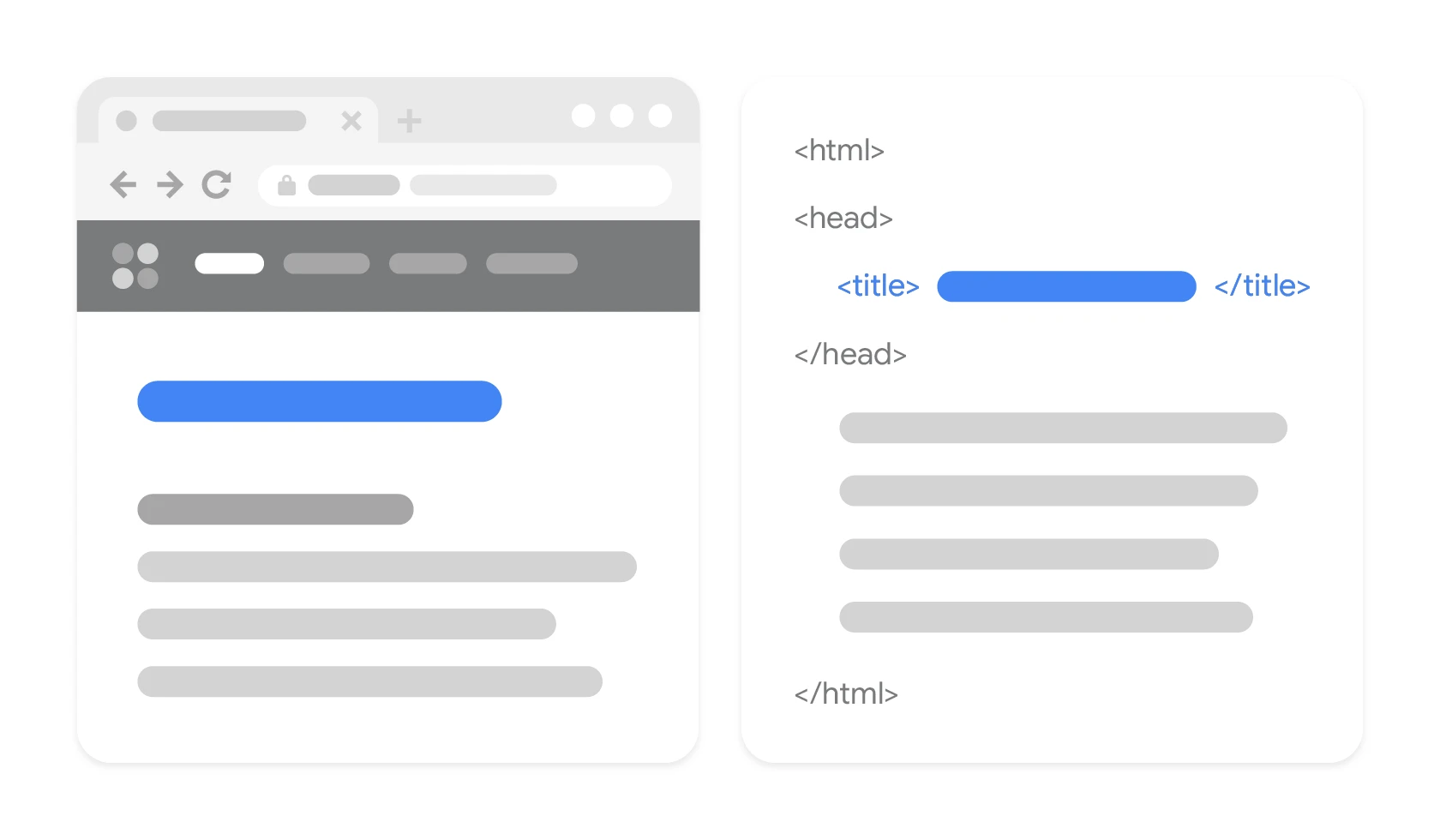
The foundation is a logical structure of headings and content. Headings must reflect the hierarchy of information, not serve solely to stuff query variants. This makes it easier to understand the page’s main topic and its subtopics. It improves usability for the reader and strengthens semantic relevance.
The second practice is consistent naming of entities, meaning the brand, service, product and experts. If the same things are called differently in different parts of the site, unnecessary noise is created. Consistency makes it easier to build recognition and relationships between pieces of content. In practice, it is worth establishing one naming system and using it consistently in descriptions, headings and links.
Internal linking also matters greatly. Links should lead between pieces of content that genuinely complement each other, especially between a pillar page and detailed materials. This structure strengthens the topic cluster and helps the user move to the next stage of the decision. Internal linking should work like a knowledge map, not a random web of links.
Supplementing this are Schema structured data.org, which help define entities and their relationships precisely. In practice, it is worth marking up the organisation, author, article and relationships such as about and mentions, if they fit the page. This will not replace good content, but it makes it easier for the search engine to read the context correctly. With a brand-building strategy, this matters because it reinforces a coherent picture of the domain as a source of knowledge in a specific category.
Priorities and resource allocation in an SEO strategy
Priorities in such a strategy need to be set around a few key topics and pieces of content, not around the maximum number of publications. With low query volume, the winner is not the site with the largest number of pages, but the one that best covers the areas that really matter to the client. That is why you first choose the topics closest to the purchase decision, and only then expand the educational layer. It is better to create 10 strong assets that build trust and support sales than 100 average texts with minimal value.
In practice, the first budget is best allocated to MOFU and BOFU content, i.e. materials for people comparing solutions, assessing risk and looking for confirmation of the provider’s competence. These are usually service pages, category pages, case studies, implementation guides and content that addresses specific objections. Such materials have less reach than broad educational content, but they more often influence lead quality and assisted conversions. Only when this layer is solid does it make sense to systematically develop TOFU content that builds earlier contact with the brand.
The second decision is to consolidate content rather than create a separate page for every query variation. If several keywords describe the same intent, it is usually better to build one strong asset than to fragment authority across many similar subpages. This reduces keyword cannibalisation and makes internal linking easier. In niches with low volume, such dispersion quickly weakens the whole cluster.
Resource allocation should also balance capturing existing demand and creating it. Part of the work goes into content that answers questions people are already asking, and part into materials that increase recognition of the category and the brand itself. If you focus only on demand capture, growth will be limited by current demand. If you focus only on demand generation, it will be harder to demonstrate a rapid business impact.
The most sensible plan is usually this:
- first secure the key service pages and supporting content for decision-making,
- then expand clusters of questions, use cases and customer problems,
- finally scale broader educational content, if the earlier layers are coherent and polished.
This order protects the budget from the typical mistake of publishing a large number of texts with no real role in the customer journey. In a brand strategy, every piece of content should have a clear job: capture demand, strengthen authority or prepare the user for the next step. If you cannot name that job, the content usually should not be created. This is especially important where SEO returns are built over a longer period and require more discipline than in high-volume topics.
FAQ
Frequently asked questions
How to build a brand in search when keywords have low volume?
You need to focus on full topic coverage, not one phrase. The best approach is to be present at multiple stages of the decision journey: from education to comparison and selection.
Does low search volume mean SEO in a given niche makes no sense?
No, because demand is often simply spread across many detailed queries. In that situation, it is worth looking beyond a few main keywords.
Why is topical authority more important than one Google ranking in niches with low volume?
Because the goal is to associate the brand with the whole category, not just one query. That authority increases the chance of category traffic and branded queries.
What content best builds trust and E-E-A-T with low keyword volume?
The strongest assets are hard-to-copy materials such as case studies, original analyses, reports or expert commentary. It is important that they show real experience and concrete proof of competence.
How should SEO content be structured to better cover dispersed demand?
The best approach is to create a topic cluster with one pillar page and linked detailed assets. Such a structure helps cover different questions, objections and decision stages.
Which content should be created first when the SEO budget is limited?
First, it is worth focusing on MOFU and BOFU materials, i.e. service pages, case studies, implementation guides and comparative content. Only then does it pay to develop TOFU content more broadly.