
Distinguishing a lead ready to buy from someone doing research requires looking at intent, not just the fact of contact. In practice, this split determines whether the lead goes straight to sales or first enters further marketing communication. The most expensive mistake is treating educational interest as purchase readiness. When companies mix these two stages, sales receives contacts that are too cold, and marketing misjudges the effectiveness of its activities. That is why clear definitions and a set of signals that can be assessed consistently are needed.
How to define and identify MQL and SQL leads?
An MQL lead is a contact that matches the ideal customer profile, but is still at the knowledge-gathering stage, whereas an SQL already shows clear purchase readiness. An MQL is interested in the problem, the solutions and how the product works. An SQL is closer to a decision because they are comparing options, checking cooperation terms and meeting the agreed criteria for passing to sales. In B2B, this difference matters operationally because it changes how the lead is handled.
In practice, you can recognise an MQL by the fact that they consume educational content and fit the target group, but do not yet give strong buying signals. They may read guides, download TOFU or MOFU materials, and come back to the site with questions such as “how does it work”. You can recognise an SQL by the combination of ICP fit and purchase intent. This is most often visible in interest in pricing, implementation, alternatives or direct contact.
It is best not to assess a lead on the basis of a single event, but rather on a set of characteristics and behaviours. Lead scoring is used to identify MQL and SQL, combining company and role fit with user activity. If a lead has the right profile and also shows strong intent signals, it can be qualified as an SQL. If it matches the segment but is only just learning, it should remain in the MQL category and enter nurturing.
For this split to work, marketing and sales must use the same definitions. Together, they determine which characteristics indicate fit with the ideal customer and which behaviours indicate readiness for a sales conversation. The BANT criteria, i.e. budget, authority, need and implementation timeframe, are often used as a reference point. Without such agreements, the same lead will be “hot” for marketing, and still too early for sales.
Key signals qualifying leads for purchase
Purchase-ready leads are primarily qualified by intent signals visible in queries, on-site behaviour and form data. Each of these areas shows a different part of the picture. Keywords show what the lead is looking for. Behaviour and declarations show whether mere interest is turning into a real buying process.
Signals in keywords help distinguish research from a buying decision right from the outset. Informational phrases such as “what is”, “how does it work” or “guide” are more likely to indicate an MQL. Transactional phrases such as “pricing”, “provider”, “implementation” or “alternative to” much more often indicate an SQL. For marketing, this matters because traffic from different queries should be directed to content matching the correct stage of the funnel.
Behavioural signals show whether the user is moving from curiosity to evaluating the offer. Visits to the pricing, case studies and contact pages are stronger than reading the blog alone. The same applies to downloading BOFU material, frequent returns to the site and longer sessions. The closer the lead is to comparison, cost and implementation content, the greater the chance that they are not just reading, but actively assessing a purchase.
Declarative signals from forms are especially valuable because they speak not only to interest, but also to the quality of the sales opportunity. Role, company size and industry show fit with the ICP. Budget and planned implementation date help assess whether a sales conversation makes sense now or later. If the lead declares a specific need and a short timeframe for action, their priority usually increases.
In more mature processes, it is also worth taking into account intent data from outside your own website. Such data shows that the company is actively researching the solutions category elsewhere on the internet as well. This is especially useful in an ABM model, where not only a single contact matters, but the entire account. Such a signal does not replace your own data, but it usefully enriches the assessment when the company wants to detect the buying moment earlier.
The most useful signals qualifying leads for purchase are:
- transactional phrases related to price, provider and implementation,
- visits to the pricing, case studies and contact page,
- downloads of BOFU materials,
- frequent returns and clearly engaged sessions,
- form data on role, budget and implementation timeframe.
In practice, the most important thing is combining signals rather than basing the decision on one click or one form. A lead that downloaded a guide does not have to be ready for a conversation. A lead that visits the pricing page, comes back several times and provides a specific implementation date is much closer to SQL. This assessment makes it possible to set priorities sensibly and avoid overloading sales with contacts that are too early.
Lead scoring process: how it works and what it takes into account?
Lead scoring works by assigning points for how well a lead matches the ideal customer and for purchase intent signals. As a result, we do not assess the contact on the basis of one form alone, but on the basis of the full set of data. In practice, scoring organises the lead queue and shows who should go to sales now and who requires further nurturing. Well-set scoring separates “fits our audience” from “is ready for a sales conversation”.
The first part of the scoring concerns fit with the ICP. This takes into account information such as industry, company size and the contact person’s role. If the lead works in the wrong segment or has no influence on the purchase, a high level of activity should not automatically turn them into an SQL. Conversely, a contact from a company that is an ideal fit for the offer may receive a higher priority even with moderate activity.
The second part of scoring covers behaviours and declarations that show intent. Visits to the pricing, case studies and contact page, as well as downloads of BOFU materials, score higher than simply reading the blog. Form data is also highly important, especially budget, implementation timeframe and the stated need. If the company additionally shows external signals of category research, the scoring can be enriched with intent data from outside its own website.
The most important thing is to set the threshold at which a lead becomes an SQL, and the situations that lower that score. This should be a joint decision by marketing and sales, not one side deciding alone. It is a mistake to assess a lead solely on the last interaction or to ignore negative signals. In practice, scoring works best when it is automated in a marketing automation tool and regularly adjusted based on lead quality visible in the CRM.
Strategies for mapping content to stages of the sales funnel
Mapping content to the sales funnel means delivering to the lead content that matches their current intent. At the top of the funnel, the user wants to understand the problem; in the middle, they compare approaches; at the bottom, they evaluate a specific offer. This has a direct impact on qualification, because different content generates MQLs, while different content helps them move on to SQL. When the content does not match the stage, the lead either drops out or reaches sales too early.
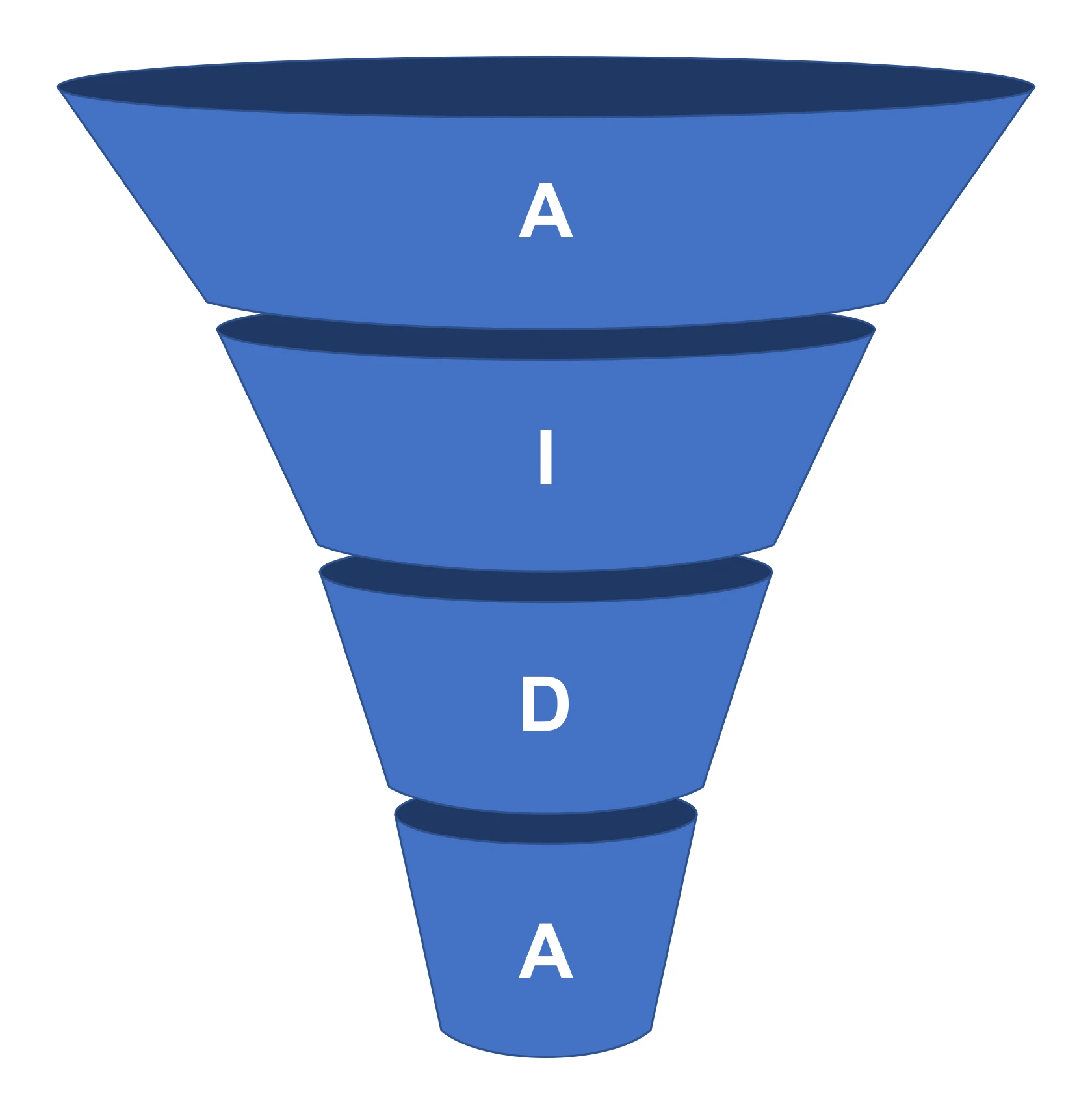
TOFU content is mainly for education and most often attracts MQLs. Blog posts, guides and ebooks answering questions such as “how it works” or “what to choose” work well here. MOFU content helps narrow the choice and assess the usefulness of a solution. Webinars and case studies play a bigger role at this stage, because they show how something works in a specific business context.
BOFU content should make the purchase decision easier and identify people close to a sales conversation. Demo, consultations, pricing and implementation materials work strongest here. If a lead is consuming this kind of content, their behaviour should usually increase the scoring. Not every form submission means purchase readiness, but contact after BOFU content is usually much more valuable than contact after a guide.
In practice, the strategy is about building transitions between stages, rather than publishing random formats. A lead arriving from an informational keyword should be given a chance to move on to comparison content and then to an offer or consultation. That is how nurturing based on funnel logic works, rather than mass sending the same materials to everyone. This is especially important today, when AI increasingly takes over answers to simple informational questions and raises the importance of comparison and transactional content.
The importance of cooperation between marketing and sales departments
Cooperation between marketing and sales determines whether MQL and SQL have one practical meaning in the company. If both departments understand purchase readiness differently, leads will be passed at the wrong moment. Then marketing reports success, while sales sees poor-quality contacts. This damages priorities, response time and trust in the entire process.
The most important decisions concern shared qualification criteria. You need to define together which company and contact person characteristics indicate fit with the ICP, and which behaviours show purchase intent. In practice, this includes scoring thresholds, the importance of visits to BOFU pages and the weight of form data such as budget or implementation timeline. Without a shared definition of SQL, automation will only pass the wrong leads faster.
Just as important is the feedback loop from CRM back to marketing. Salespeople should mark which leads were genuinely ready for a conversation and which turned out to be too early or a poor fit. This makes it possible to adjust scoring, forms and nurturing sequences instead of guessing. The effectiveness of such cooperation is best seen in MQL-to-SQL conversion, SQL response time and sales quality from the delivered leads.
When the rules are consistent, lead routing works without friction. An SQL goes straight to the right salesperson in the CRM, while an MQL goes to marketing automation, where it receives further content matched to the decision stage. This shortens the path to contact with people ready to buy and protects sales from working on leads that are too cold. As a result, both sides work towards the same goal, rather than two different definitions of quality.
The most common mistakes in lead qualification and how to avoid them
The most common mistakes are passing leads to sales too quickly, assessing them on a single interaction, and failing to adjust the model based on CRM data. Each of these problems distorts the picture of purchase intent. In practice, this leads to salespeople being overloaded with contacts that are not yet ready for a conversation. At the same time, genuinely valuable leads may be delayed or handled badly.
The first mistake is treating every form submission as a purchase signal. Downloading an ebook, signing up for a webinar or arriving from an informational keyword usually means interest in the topic, not a decision to implement. Such a lead should usually remain in nurturing until stronger BOFU signals or declarative data confirming readiness appear. You will avoid this mistake if you separate educational activity from typical transactional behaviour.
The second mistake is assessing a lead solely on the last interaction. Visiting the pricing page may look promising, but on its own it does not have to mean purchase intent. If that same contact works in a company outside the ICP, has no influence on the decision, or declares a distant implementation date, the score should be lower. That is why scoring must combine behavioural history with fit to the ideal customer and data from forms.
The third problem is ignoring negative signals. A lead should not only collect points for activity if, at the same time, you can see a lack of budget, low project priority or poor organisational fit. Without such adjustments, the system overstates the number of SQLs and lowers their quality. The solution is to introduce negative points and regularly check which combinations of signals actually end in a sales conversation.
The fourth mistake stems from a lack of continuous feedback between teams. When sales rejects leads, but marketing does not know the reasons, scoring remains theoretical. The same mistakes then recur, and campaigns are optimised for volume, not for real value. The simplest defence is a cyclical review of the reasons leads were rejected and a comparison with data on source, content and on-site behaviour.
The best practice is not about looking for one perfect signal, but about building a coherent decision-making system. A lead should be assessed using a set of data: fit to ICP, on-site activity, form declarations and the subsequent journey in the CRM. If these elements are connected, it is easier to distinguish a person who is just educating themselves from one who is genuinely moving closer to purchase. This is what reduces the number of false SQLs and improves sales prioritisation.
Key performance indicators in the lead management process
The most important metrics in lead management show whether the system really distinguishes leads ready to buy from those that require further nurturing. Without them, it is easy to confuse a large number of contacts with the real quality of the pipeline. In practice, you need to measure not just lead inflow, but what happens to them after qualification and handover. Only the combination of quality, response speed and sales outcome shows whether the MQL and SQL definitions are working properly.
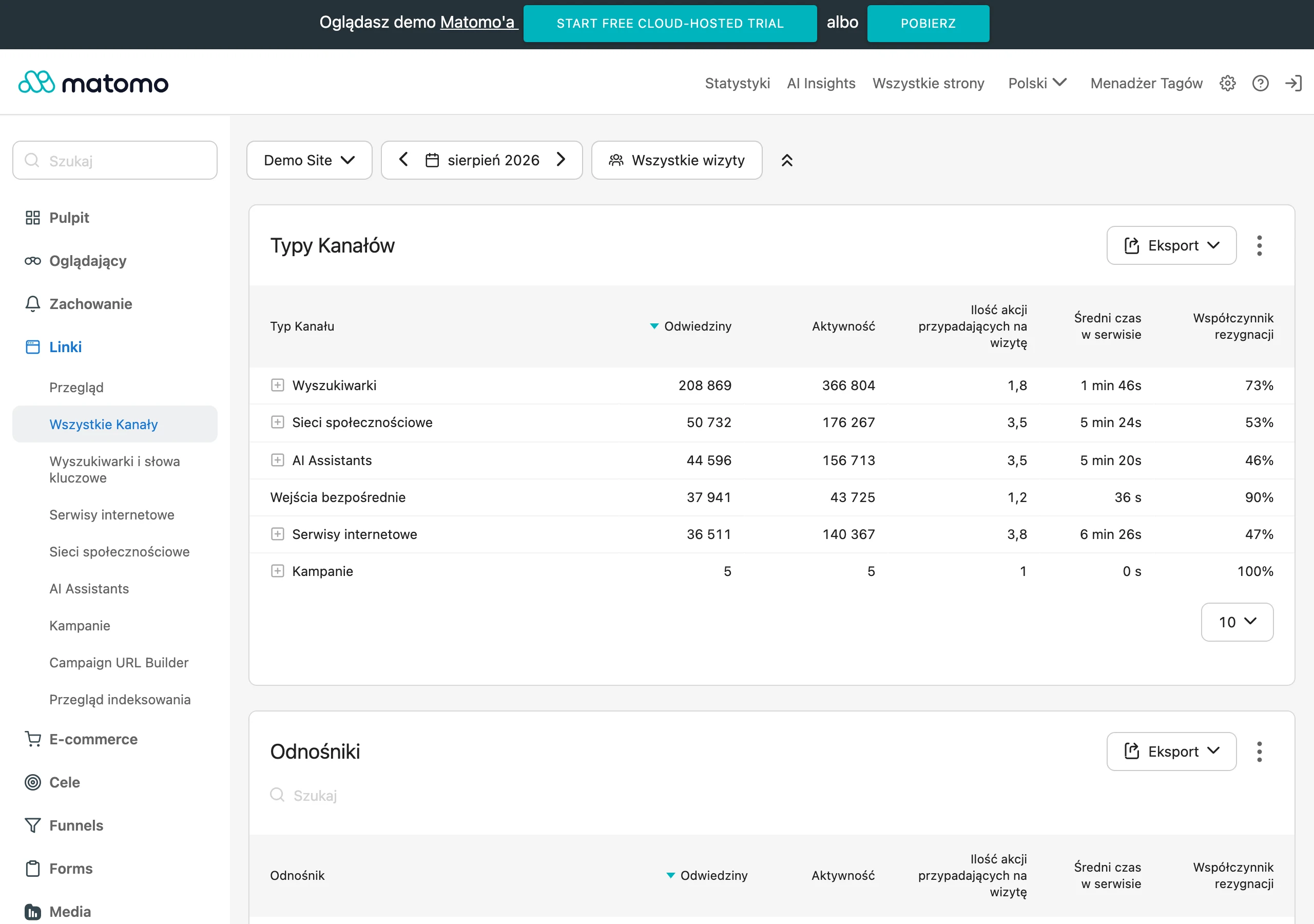
The most useful KPIs in this process are:
- MQL to SQL conversion rate,
- SQL response time,
- SQL acquisition cost,
- sales close rate from delivered leads.
MQL to SQL conversion shows whether marketing qualifies leads accurately enough. If the result is low, the problem is often an overly broad MQL definition or weak intent scoring. If it is high, but sales are not closing deals, it often means the SQL looks good in the system, but quality is not confirmed in the conversation. This metric is best analysed together with feedback from the CRM, rather than in isolation from the next stage.
SQL response time shows whether routing and team collaboration are working operationally, not just on paper. Even a well-scored lead loses value when it reaches the sales rep late or without the context of its previous behaviour. Meanwhile, SQL acquisition cost helps you assess which sources, content and campaigns deliver contacts with real buying intent, rather than just cheap traffic. This is especially important when many leads are generated from educational content, but only a few move on to the sales stage.
Sales close rate from delivered leads is the final test of the quality of the entire model. It shows whether scoring, forms, nurturing and handover to sales lead to conversations with companies that are actually close to a decision. If this metric falls, you do not always need to increase the number of leads. Often the better decision is to improve qualification thresholds, the weighting of behavioural signals or the way declarative data is collected.
These KPIs should be used to regularly adjust the process, not just for reporting. Marketing can then see which content and sources generate valuable MQLs, and sales can assess whether the SQLs being passed over are really ready to act. Such a measurement loop closes the entire lead management system and makes it possible to spot more quickly when the model starts rewarding activity instead of buying intent.
FAQ
Frequently asked questions
How do you tell an MQL from an SQL in practice?
MQL matches the ideal customer profile, but is still mainly in the education phase. An SQL already shows clear buying readiness, e.g. comparing options, checking terms of cooperation and engaging with content closer to the decision stage.
Does downloading an ebook alone mean the lead is ready to buy?
No, downloading an ebook usually indicates interest in the topic, not a decision to implement. Such a contact should usually remain in nurturing until stronger BOFU signals or declared data appear.
What signals show that a lead is closer to buying?
Strong signals include visits to the pricing page, case studies and the contact page, as well as downloads of BOFU materials. Also important are frequent returns to the site, longer sessions and form data about budget and implementation timeline.
Why is lead scoring needed for lead qualification?
Because it allows you to assess a contact based on the whole set of data, not one interaction. It combines ICP fit with behaviours and declarations, making it easier to separate research from real buying intent.
When should a lead go to sales, and when to marketing?
It goes to sales when it has the right profile and strong buying-intent signals. If it fits the segment but is still in the education phase, it should stay in marketing automation and receive further content.
What mistakes most often ruin lead qualification?
The most common mistakes are passing leads to sales too quickly, judging them on a single interaction and failing to adjust the model based on CRM data. Ignoring negative signals, such as no budget, low priority or poor fit, is also a problem.