
Content matched to the customer’s buying process is a way of thinking about content so that it answers the audience’s questions exactly when those questions really arise. It is a simple idea. In practice, it is not just about “writing articles”, but about designing a path that leads from recognising a problem all the way to contacting the company or making a purchase. This approach brings together SEO, sales, UX and analytics, because good content should not only drive visits, but also make decisions easier. The most common mistake companies make is publishing lots of informational content, but not creating materials that support comparison, risk assessment and the final choice. The effect is often predictable. Traffic grows, but leads and sales do not keep up. In this article, you will see how to build content that works for the customer’s real buying process, not just for Google visibility.
What is content matched to the customer’s buying process?
Content matched to the customer’s buying process is material planned around the audience’s specific questions, objections and decisions at subsequent stages of the purchase. It is not content built around a “general topic” or a single keyword. Its purpose is one: to guide the user from understanding the problem, through comparing options, to choosing a solution.
In practice, the starting point should not be SEO research alone, but real buying signals. It sounds grand. But it is about down-to-earth things: questions from sales conversations, CRM data, form enquiries, search queries, notes from salespeople and user behaviour on the website. If content does not address the customer’s actual barriers, it may generate traffic, but it does not have to support the decision.
Such content works like a connected system, rather than a collection of random publications. First comes awareness. Here, educational content works well, helping to name the problem and its consequences before the user starts looking for a “specific offer”. Then comes consideration, that is, comparisons, use cases, explanations of differences and selection criteria. Finally comes the decision, and therefore content that reduces risk: information about implementation, costs, scope of service, terms of cooperation and responses to objections. The question is whether you are giving the customer tools to choose, or just background reading.
The most important effect of this approach is not one “great article”, but a content architecture. And that is not a cliché. It includes a topic map, assignment to intent, funnel stages, formats, channels and CTA, that is, what actually moves the user forward. It is precisely the logical transitions between pieces of content that determine whether the user will go further or end the visit after reading one piece.
The importance of this model grows where the customer buys more slowly and cautiously. Less impulse, more calculation. This is especially true for services, higher-priced products, solutions that need explanation, or offers that the user compares independently before contacting the company. In such cases, content is not just information. Instead, it becomes a real part of the sales process.
What are the key stages of creating purchase content?
Creating content for purchase has its stages. The key ones are: diagnosing the customer decision-making process, mapping intent, auditing existing materials, designing the content architecture, production, implementation and later measurement of results. The whole process starts with collecting data, not with choosing topics for the publishing calendar. You need to understand how the customer buys, where they hesitate, what they compare and at what point they are ready for the next step.
The first stage is input and diagnosis. This is where information is gathered about the offer, target groups, length of the buying cycle, lead sources, typical objections and the points where users drop out of the path. Then the buying process itself is mapped out: what questions the customer asks at the beginning, what criteria they use to choose, what they fear and what triggers contact with the company. Who sees this better than sales. Without the involvement of sales, this stage is usually incomplete, because marketing rarely sees all the real reasons why the customer postpones a decision.
The next step is mapping intent and topics. For each stage, queries, subtopics, content formats, reach channels and suitable CTA are assigned, not the other way round. In practice, this creates a matrix that links the stage of the process, the customer’s question, the business goal and a specific piece of content, for example an educational article, a comparison page, FAQ, a checklist, a service page or e-mail content. This immediately shows where the company has an excess of informational content and where it lacks materials that support choice. And this is the moment of truth, because the number of publications will not replace relevance.
Then an audit of the current assets is carried out and priorities are set. You check not only the substantive quality and SEO, but also whether a given piece of content really moves the user forward, instead of sending them round in circles. Often the problem is not a lack of content, but a lack of alignment with the decision stage, weak internal linking, unclear CTA or inconsistency between the promise in the article and what the user sees on the offer page. What is the point of a text that “proves” something if it does not lead anywhere? This is when decisions are made about what needs improving, what needs expanding and what needs writing from scratch.
After the audit, the content architecture is designed and specific materials are briefed. Each asset should have a clearly defined business goal, audience, stage of the buying process, main questions, sources of evidence, section structure and the next step for the user. Then comes implementation, that is, publication combined with refining headings, answer sections, linking, trust elements, forms and CTA modules. This is not cosmetics, but decision mechanics. At the end, you measure not only page views, but also transitions to subsequent pages, CTA clicks, assisted conversions, lead quality and the impact of content on stages in CRM.
Why is analysing intent and touchpoints important?
Intent and touchpoints are not an academic game. They show what the client is looking for at a given stage and in which places they actually make the next small decisions. As a result, content does not merely “describe the topic”, but addresses a specific need: understanding the problem, comparing options, assessing risk or readiness to make contact. This determines whether the user moves on or closes the topic after a single visit. Traffic without alignment to intent often looks good in reports, but performs poorly for leads and sales.
One keyword, several completely different stories. The same topic can indicate different intents: someone wants to learn the basics, someone else wants to compare providers, and another person wants to check the cost and what implementation looks like. And now the question is: can one piece of content handle all of that. When you try to cover all needs at once, the material becomes blurred, too broad and, as a result, does not help anyone well enough. The best results come from mapping the client’s questions stage by stage, and only then selecting topics and formats.
Touchpoints are the places where the user encounters the brand and content before purchase. It is not only about an article from Google, but also a service page, FAQ, form, email, case study, conversation with a salesperson or material sent after a meeting. The key is for these elements to speak with one voice, because when they are not consistent, the user receives conflicting signals and simply loses trust. In practice, this is exactly where the gap most often yawns: the content promises simplicity, but the landing page does not explain the process, costs or next steps.
This analysis also reveals the places where users drop out of the funnel. A common scenario is simple: an educational article generates visits, but does not lead to a comparison, an offer page or a consultation. The user has read the material, but has not been given sensible “what next”, only a dead end. Content should always lead to the next action appropriate to the client’s level of readiness, rather than ending informationally.
To make it work properly, you need to go beyond SEO tools. The data clearly shows that, more than volume itself, questions from sales calls, CRM data, quote request content, the most visited pages before conversion and objections appearing just before the decision can matter more. The problem is that without these sources you mainly see traffic, not friction. It is precisely from them that you can see what clients are really missing and which information can speed up the decision.
In practice, analysing intent and touchpoints brings order to priorities. Instead of writing yet another text on a broad topic, you can immediately see whether you need a comparison page, a refined FAQ, a section about implementation or material for the sales team. Look at it differently: not more content, but better sequencing and alignment. This usually shortens the path from content to sales more than publishing additional informational articles.
Which content formats best support the buying process?
The buying process does not like a “one-size-fits-all” format. Content tailored to the decision stage works best, because what reaches the client when they are just naming the problem is different from what they need when they are comparing offers and trying to reduce the risk before purchase. That is why an effective content system is not a single hit, but several connected formats that consistently lead the user further. The best format is the one that answers the client’s specific question and makes the next step easier.
- At the awareness stage, educational articles, guides, checklists and FAQs work well, as they break down the problem, show the effects of inaction and organise the basic terms.
- At the consideration stage, comparisons, “how to choose” pages, use-case scenarios, materials showing differences between options and content about selection criteria work well.
- At the decision stage, the most important elements are service pages, content about costs, implementation, scope of cooperation, terms, security, answers to objections and a strong FAQ.
- After purchase, onboarding materials, instructions, knowledge bases and email communication are worth having, as they make implementation easier and increase customer satisfaction.
Formats alone will not deliver results if they do not form a logical journey. An educational article should lead to a comparison or a service page, and a service page further on to FAQ, a demo, a consultation or contact. Users rarely move linearly through the whole funnel, so they need several sensible entry points to the next stage. Most often it is not a single piece of content that wins, but a set of texts linked with internal links, CTAs and a consistent narrative.
In practice, mixed formats work brilliantly. One topic can be broken down into an article, an offer page, a Q&A section, sales material and a short email sequence, so that the user can return to the thread whenever they have time for it. The problem is that today we consume content in a fragmented way and across different channels, often in stages. If in each of these places they encounter the same, consistent answer, the chance of closing the decision increases.
The most common mistake. Overproduction of top-of-funnel content. A company publishes guides and definitions, but lacks good comparison pages, risk-reducing materials and content explaining the course of cooperation. The effect is predictable: the content collects visits, but does not help close the decision. From a business perspective, one well-prepared decision-making page can be far more valuable than several more articles targeting broad keywords.
The choice of formats should result from how your clients actually buy. If the product is simple and the decision is quick, a shorter path with a strong service page and FAQ is enough. If the offer is more expensive, more complex or requires implementation, you need more content: comparisons, case-based explanations, materials about costs, the process and responsibility on both sides. And that is where the essence lies, because that is when content really starts to support sales, not just visibility.
How to avoid mistakes in producing buying-stage content?
Mistakes only disappear when content grows out of the client’s real decision path, rather than from a table of topics and keywords. The problem is that companies easily fall into overproducing informational materials while simultaneously lacking content that allows them to compare options, estimate risk and close the choice. If content has no assigned stage of the process, goal and next step, it usually ends at a view.
The second classic mistake. Content created without sales input. It is the sales team that hears first-hand which questions keep coming back like a boomerang, what triggers resistance and what most often pushes a decision to “later”. Without that, you end up with texts that are technically correct but weak from a sales perspective, because they sidestep the customer’s real objections rather than address them.
Another pitfall is assuming one path for everyone. It sounds convenient, but it rarely works. Someone who has only just identified the problem looks for information differently from someone comparing suppliers or asking about implementation costs. One content path is rarely enough when the selection criteria, level of knowledge and decision risk differ.
In practice, this can be simplified to three questions that quickly expose gaps: who is it for, at what stage is it meant to work, and where does it lead next. The question is whether, after reading it, the user has a logical next step or just a nice piece of copy to close the tab. An article should not end abruptly without a sensible transition to a comparison, FAQ, service page, demo or consultation. And just as important, though often ignored, is ensuring consistency with what the user will later see in the form, the offer and in a conversation with sales.
There is also a mistake that works like a quiet act of sabotage. Failing to maintain and update content. The offer changes, new questions come in from customers, and old materials start attracting the wrong traffic or promising something the company no longer communicates. Sales content needs an owner, regular review and a decision on when to expand the cluster and when to improve the CTA or landing page.
How do you measure the effectiveness of content aligned with the buying process?
Page views are tempting, but that is not enough. The effectiveness of this kind of content is measured by its impact on transitions between stages, lead quality and sales, not just the number of visits. Organic traffic on its own means very little if users do not click through, do not return to decision-stage pages and do not end up in the CRM as meaningful contacts. The best measurement combines data from analytics, Search Console and CRM.
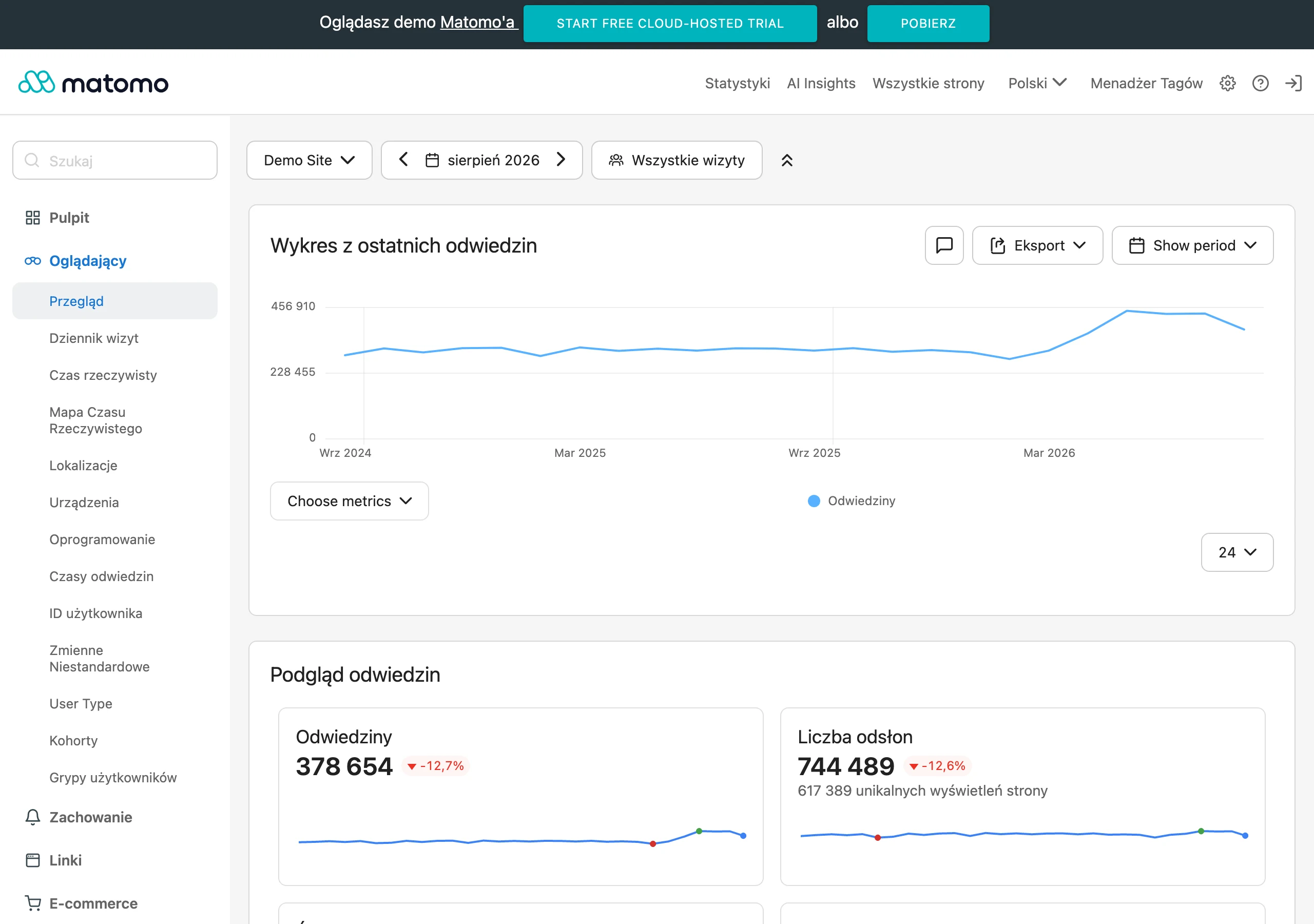
At the earlier stage, what matters is whether the content attracts the right queries and leads the user to further materials. The data is clear: good signals are transitions to comparisons, FAQs, service pages, a calculator, a checklist or a contact form. If the user reads and disappears, the topic may be interesting, but it is not working towards a decision.
- For educational content: query alignment, traffic quality, clicks to further pages and micro-conversions such as sign-ups or material downloads.
- For consideration-stage content: transitions to comparisons and offer pages, CTA clicks, use of support tools and time to contact.
- For decision-stage content: forms, booked calls, assisted conversions, presence in sales paths, lead quality and stage in the CRM.
The greatest value comes from tying content to the real sales process. Only then can you clearly see which materials appear before an enquiry, which shorten the route to a conversation, and which more often accompany leads closed by sales. This is not about assigning the entire result to one article, but about a sober assessment of whether a given asset actually moves the user one step further.
You also need to spot warning signs. Lots of entries without further clicks, poor lead quality, traffic from mismatched queries or a low share of content in assisted conversions usually mean one thing: the topic, stage or CTA is wrong. If content generates sessions but does not improve traffic quality and does not support the next step, the problem is most often alignment, not visibility itself.
Measurement only makes sense when it ends in a decision. After the analysis, you need to decide whether to improve internal linking, add sections on costs and implementation, change the CTA, or create the missing material for the next stage. That is when content becomes part of the sales process rather than a separate “asset” to tick off in reports.
How should you maintain and optimise sales content?
Sales content is maintained not through a one-off burst of effort, but through a steady process of updating, measuring and adapting to changes in the offer, customer questions and data on transitions between decision stages. After a single publication, such content quickly loses touch with reality, because it simply drifts out of step with the real sales process. Customer objections, terms of cooperation, implementation methods and competing alternatives all change. The key thing is that every piece of content has an owner, a review date and a clear reason for existing in the funnel.
In practice, everything starts with a simple accountability model. Someone has to keep the substance in check, someone has to watch SEO and UX, and someone has to bring sales signals. Without that, articles, service pages and FAQs start to live their own lives, which means the user receives inconsistent information at the successive stages of contact with the company.
Optimisation should be based on data, not on the impression that a text is “good” or “too long”. It is worth checking not only traffic, but also transitions to further materials, CTA clicks, assisted conversions, lead quality and whether a given piece of content appears on paths that end in contact or a sale. If a piece attracts page views but does not move the user forward, the problem is usually the intent, the content structure or the lack of the right next step.
A very important source of optimisation is sales and customer service. That is where it becomes clear fastest which questions keep coming back like a boomerang, what blocks the decision and which concerns have not been addressed by the content. If salespeople regularly explain the same issues during calls, it usually means there is no material, or not enough of it, at the consideration or decision stage.
Buying content needs to be updated after every significant change to the offer. And this applies not only to pricing, but also to the implementation process, target audience or cooperation model, because these are what set customer expectations. You can see this most clearly on service pages, comparisons, case-based explanations, FAQ and decision-making materials. The content that ages fastest is not educational content, but the content that promises specific terms, scope of work, results of cooperation or the delivery method.
A lot is also gained by improving the connections between materials. One link can do more than three paragraphs, because it leads the reader exactly where they should end up. An article from the awareness stage should lead to a comparison or checklist, content from the consideration stage to the service page, and the decision page to a consultation, demo or a form matched to the level of readiness. The key is for these transitions not to be random, but logical and consistent. Optimising buying content often depends less on adding more paragraphs and more on improving the path through, the CTA and the consistency of the promise with the next page.
From time to time, you also need to review the whole content matrix. Because what’s the point if a single URL looks good, if the rest of the puzzle does not fit together. Such an audit quickly shows whether the company has too much material at the awareness stage, while at the same time gaps in the areas of comparisons, risks, implementation and decision. The question is whether the client has somewhere to go next when they stop just “reading” and start choosing. Only full coverage of the buying process gives content a sales function, not just an informational one.
FAQ
Frequently asked questions
How does content matched to the customer's buying journey help with sales?
It helps guide the user through the next stages of the decision: from understanding the problem, through comparing options, to choosing a solution. As a result, the content not only attracts traffic, but also supports the decision and contact with the company.
Are informational content pieces alone enough to generate leads?
No, because informational content often generates visits, but does not help with comparison, risk assessment and the final choice. Without materials that support the decision, traffic grows faster than leads and sales.
Which stages of creating buying content are the most important?
First you need to diagnose the customer’s decision-making process and map the intent, and only then design the content architecture. Then comes audit, production, implementation and results measurement.
Why is analysing user intent so important when creating content?
Because it shows what the customer is looking for at a given stage and what questions or objections they have. This means the content meets a specific need instead of describing the topic too broadly.
Which content formats work best at the purchase decision stage?
Service pages, content about costs, implementation, terms of cooperation, security and answers to objections work best. It’s also worth having strong FAQ that reduces risk before purchase.
How do you measure the effectiveness of content matched to the buying journey?
It is not enough to look at pageviews, because more important are transitions between stages, CTA clicks, lead quality and the impact of content on sales. Assisted conversions and stages in the CRM are also important.