
Content that educates and at the same time supports sales is writing content with not only traffic in mind, but with a real impact on the customer’s decision. A customer rarely makes a decision in five minutes. Usually they compare solutions for a long time before sending an enquiry or booking a call, so a purely informational article most often does not carry the topic all the way through. Such content is meant to explain, structure the choice, overcome objections and push the audience to the next step. Traffic numbers alone still do not say whether the content really helps sales. In practice, it also matters whether the reader goes further, understands the offer better and comes to the company with a more specific need. In this article I will show how this kind of content works and what an effective process consists of.
What is educational content that supports sales?
Educational content that supports sales is content that answers the audience’s real questions and at the same time leads them to the next buying step. It does not end at “explaining the topic”, but helps them make a decision: contact the company, download a resource, sign up for a demo, compare options or visit the service page. The key is that it works at the intersection of marketing, UX and sales, where good wording has to meet usefulness and results.
In practice, it is not about simply writing blog articles, but about mapping content to the stages of the buying process. Different materials are needed for someone who is only discovering the problem, and different ones for someone comparing suppliers, assessing risk or wanting to understand implementation costs. The core is not publishing a single text, but building a content system linked to the customer decision process. Instead of “we publish a post and wait” — we design a path that makes sense.
That is why such content usually builds the whole structure, not one format. It includes educational articles, service pages, FAQ, checklists, approach comparisons, “who is it for” sections, lead magnets and logical internal linking. It sounds like a lot. And it is a lot, but each element has a different job: some capture attention, others set the decision criteria, and still others prepare the ground for contact with sales.
Content supporting sales also has to be linked to the offer in a specific way. Not “somewhere in the menu”, but here and now, at the right moment. Micro- and macro-conversions are used for this, for example a CTA, contact form, a block with a use case, a section on the solution’s limitations or a comparison of variants. If after reading the user does not know what to do next, the content educates but does not complete its business role.
The best materials of this type are created on the basis of data, not just editorial intuition. The data makes it clear: it is worth combining information from Google Search Console, GA4, CRM, forms, discovery calls, sales notes, support tickets and the on-site search. Only then can you see which questions are merely “SEO” and which genuinely block the purchasing decision. The problem is that without this input, content can be correct but miss the real objections and cost the company valuable leads.
What are the key elements of effective content marketing?
Effective content marketing has several pillars: alignment with user intent, a sensible connection with the offer, a clear structure, CTAs that actually lead further, and hard measurement. In an educational-sales model these elements have to work together, because organic traffic on its own still does not turn into results. Value only appears when the audience gets the right answer at the right moment, and then has a simple, logical path for the next step.
- a topic based on real questions and customer objections,
- one dominant search intent and one main content goal,
- linking the material to the stage of the buying decision,
- specific argumentation: selection criteria, limitations, usage scenarios,
- good SEO and UX layers,
- measuring transitions, leads and impact on sales, not just views.
The first foundation is topic selection. The best topics rarely come solely from a list of keywords, because the most valuable ones are often the questions that keep coming back like a boomerang in sales conversations. If a topic keeps recurring in sales, it usually deserves a separate piece of content.
The second element is intent. One piece of content should primarily target one type of need: educational, comparative or already close to a decision. When you try to cram everything into one text, you usually get a result that is “neither here nor there”: the article does not rank, does not persuade and does not drive action. For each piece of content, it is worth defining one main intent and one main user action.
Another issue is content that genuinely helps people choose, rather than just “telling a story”. The user is no longer hunting for definitions. They are looking for selection criteria, differences between options, risks, implementation conditions and factors affecting cost. A piece that avoids these topics can deliver visits, but it qualifies leads less effectively and leaves the salesperson without ammunition. Content that also shows the solution’s limitations usually builds trust better than purely promotional copy.
Just as important is the implementation layer, namely SEO and UX. The text has to be easy to scan: logical headings, short paragraphs, clear answer sections, links to service pages or materials that go deeper into the topic. Visibility today depends not only on keywords, but on alignment with intent, completeness of the answer, source quality and the plain usefulness of the page.
At the end, measurement and iteration remain. Rankings and clicks in Search Console are not enough if you do not know what happens next. You need to track engagement, transitions to the offer, forms and the impact on leads in CRM. Only this set of data shows whether the content genuinely helps sales or just collects informational traffic with no follow-up.
How do you integrate SEO, UX and sales in content creation?
This can be joined up. SEO, UX and sales integrate when you design content around one user intent and one specific next step. SEO tells you which questions there is actually demand for and how people phrase them in the search engine. UX determines whether the answer can be found quickly and without guesswork. Sales adds what is not visible in the keywords alone: objections, selection criteria, risks and terms of cooperation.
In practice, you start by stitching together three data sources: Search Console results and SERP analysis, user behaviour on the site, and insights from sales conversations and support. The best topics often arise not from the search volume of the keywords alone, but from the questions that genuinely block the customer’s decision. That is where the money lies, not in pretty charts. If a topic has high traffic but does not align with the offer or the decision stage, it usually ends up as views with no sales value.
A good integration is also about sequence. First the user wants to understand the problem, then see the available options, then compare solutions, and only at the end assess whether it is even worth getting in touch. Content should lead to the next step, not to everything at once. That is why an educational article is better off linking to a service page, FAQ, comparison of variants, a consultation or material that genuinely deepens the topic, instead of scattering attention across ten directions.
UX has a very clear job here. Shorten the path to the answer and remove friction. Short paragraphs, clear headings, sections answering the most important questions, boxes with key takeaways and CTAs placed where the user is already ready for the next move all help. One main intent and one main action in the content usually deliver a better result than mixing several goals on one page. The question is whether your page leads, or merely shows.
Sales should be present in the content, but not loudly. Not through aggressive slogans, but through useful specifics. The point is to show who the solution makes sense for, what its limitations are, what affects the cost, what implementation looks like and when a given option will not be the best choice. This qualifies the audience before contact and improves lead quality, not just the number of enquiries.
In the end, it has to be measured as one process, not three separate activities. Traffic without clicks through to the offer, micro-conversions and impact on leads is not yet a business result. The fact is: visibility and CTR are only the beginning. In practice, track not only those metrics, but also clicks through to offer pages, clicks on CTAs, form submissions and whether a given topic later appears in the CRM in real enquiries.
What are the stages of creating sales-oriented content?
The process is simpler than it seems, but more demanding than the word “writing” suggests. Content creation oriented towards sales runs from understanding the business and user intent through to publication, measurement and regular improvements. This is not just a text-writing process. It is about building material that has a clearly defined role in the purchase decision and can be assessed in terms of impact, not impressions.
- 1. Business understanding. It starts with the basics. You need to understand the offer, personas, lead sources, funnel stages and the most common customer objections, because without that the content may be linguistically correct, but commercially it simply does not deliver.
- 2. Demand and intent analysis. This is where facts, not hunches, come in. You check keywords, user questions, SERP results, seasonality, and whether the query is educational, comparative or transactional. This ensures the topic and format are matched to a real need, not to whimsy.
- 3. Mapping the topic to the decision process. The material needs a job to do. You assign it a function: building awareness of the problem, explaining the solution, reducing risk, comparing options or preparing for contact. The key is that then you know what the content is supposed to “do” beyond just getting traffic from Google.
- 4. Choosing the format. Not every topic deserves a blog article. Instead of a blog, sometimes a service page, FAQ, landing page, checklist, downloadable resource or a section that directly strengthens the offer works better.
- 5. Preparing the brief. The brief cannot be a decorative extra. It should include intent, persona, questions to address, objections, required proof, heading structure, CTA and internal linking. A good brief with intent, objections and the next step reduces the number of revisions and increases the usefulness of the content.
- 6. Content creation. Readability matters. But even more important is concrete detail in the decision-making layer, because that is where “yes” or “no” is decided. In practice, you describe usage scenarios, solution limitations, factors affecting cost and the real course of cooperation, with no gaps and no filler.
- 7. Designing the UX and conversion layer. This is where the content gets the steering wheel. You define the order of sections, CTA placements, contact modules, answer blocks and transitions to the next subpages so the user does not wander between paragraphs. The goal is simple: shorten the path from answer to action.
- 8. SEO optimisation. Only at this stage do you tighten the screws. You refine titles, meta data, H1-H3, semantics, anchors, internal linking and indexing. SEO should support the intent of the content, not force the text into an unnatural structure, and that is not a cliché.
- 9. Publishing and distribution. Publishing is not the finish-line meta, but the start of the work. The content goes into the CMS, is linked to the topic cluster and is reinforced by the newsletter, social media, sales activities or retargeting. This means the material does not operate in isolation, but within a system of connected vessels.
- 10. Measurement and iteration. Without measurement, all you have is opinion. After publication, you check visibility, CTR, engagement, transitions to the offer, micro-conversions and the impact on leads in the CRM, and then you update the structure, CTA, linking and the content itself. The data clearly shows what works and what is just nice text.
In practice, the biggest problem starts where these stages land in different silos and nobody passes the knowledge on. SEO delivers traffic, the copywriter writes in general terms, and sales sees no support from it. The question is: why invest in a process if, in the end, everyone pulls in their own direction anyway. The best results come from a process in which the topic, arguments and measurement are planned together from the start.
Assume from the outset that this kind of content will need improving. The offer changes, implementation conditions change, pricing logic changes, customer questions change, and the competition in search results changes too. Sales content that nobody checks regularly quickly loses operational relevance, even if it is still delivering traffic.
What should you pay attention to when optimising content for conversion?
In conversion optimisation, one thing is key: after reading, does the user know what to do next and why that step makes sense right now. Every piece of content should lead to one main action, such as contact, sign-up, downloading a resource, moving to the offer or making an enquiry. When you try to sell everything at once in one text, both readability and effectiveness usually fall apart. Content converts better when it leads to one logical next step, not several competing actions.
CTA timing matters too. Too early sounds pushy, too late reaches only those who have already made it to the end. The question is: at what point has the reader already answered the key doubt and naturally shifted into decision mode. In practice, CTAs work best when placed after sections on selection criteria, risks, cost drivers or the implementation process.
Conversion is increased not only by the content, but also by its structure. The user should be able to scan once and pick out the answers that genuinely influence the decision: who it is for, when it is not worth choosing a given solution, what the price depends on, what the process looks like and how much involvement it requires. Most often it is not the weaker offer that loses, but the content that does not structure the decision and does not reduce uncertainty. Instead of generic promises, it is better to bring comparison sections, working conditions, limitations and typical usage scenarios to the fore.
You cannot separate conversion optimisation from data. In Search Console you can see whether the topic and title attract the right visits, in GA4 you can check transitions to offer pages and user behaviour, and in CRM you can assess lead quality. High traffic without transitions to the offer or without meaningful leads does not mean effective content. It is better to improve content iteratively, step by step: change the CTA, the order of sections, internal linking and the way the offer is explained, instead of judging it solely by the number of page views.
What mistakes should you avoid when creating sales content?
The most common trap is extremes. Either the material is purely educational, or purely promotional. The first builds attention, but does not close the decision. The second puts people off, because instead of answers to real questions it serves up marketing fog. The worst effect comes from content that promises a lot, but does not help assess whether the solution really fits the recipient’s situation.
The simplest road to failure. Writing “for keywords” without data from sales, support and customer conversations ends with a topic that looks great in SEO, but means nothing in business. The second classic mistake is a lack of clear intent for the material: the user reads it, but it is not clear whether the text was meant to build awareness, compare options, qualify a lead, or close objections before contact. Without that decision you will not align the structure, arguments or CTA.
Companies can also separate content from the offer as if they were two different worlds. The blog lives its own life, the service pages live their own life, and the sales team still uses a different set of arguments. The result is predictable: inconsistent messaging, weak internal linking and the loss of that one moment when the user was already ready to move on. If educational content does not point to a specific service, FAQ, comparison or consultation, it most often stops the user halfway.
Generalisations are tempting. But beware, they cost. A user standing before a decision does not need another definition, but information about costs, risks, implementation conditions, time, requirements and fit for a specific case. And there is a third pitfall: publishing without expert approval and without an update plan. When the offer, process or pricing logic changes, outdated material starts doing damage faster than it managed to help.
How should you measure the effectiveness of content that supports sales?
What matters is the right traffic, not just any traffic. You can tell how effective sales-supporting content is by whether the content attracts the right people and moves them to the next buying step. The number of page views alone is not enough, because high traffic can fail to deliver any business value. The key is matching intent and whether the user moves on: to the offer, form, consultation, downloadable material or contact. The most important question is not “how many people read it?”, but “how many recipients took the next sensible step?”.
Good measurement starts with discipline. You assign one main role and one main action to each piece of content, instead of cramming everything in at once. An educational article can build awareness of a problem, a comparison piece can reduce risk, and an service page can close the decision, so naturally different KPIs will matter for a top-of-funnel text and different ones for content closer to sales. In practice, you look at visibility and CTR in Google Search Console, engagement and transitions in GA4, and the impact on leads and pipeline in CRM.
The most useful metrics are the intermediate and final ones measured together, not separately, but in one picture. Intermediate metrics show whether the content works as a transition stage: CTA clicks, transitions to offer pages, scroll depth, engagement time, form starts, material downloads, sign-ups and clicks on internal links. Final metrics close the business question: number of leads, lead quality, content’s share in conversion paths, number of sales conversations and whether the contact concerned the right service. If content generates traffic but does not lead to any micro- or macro-conversions, the problem is usually not only SEO, but also intent, structure or a lack of connection with the offer.
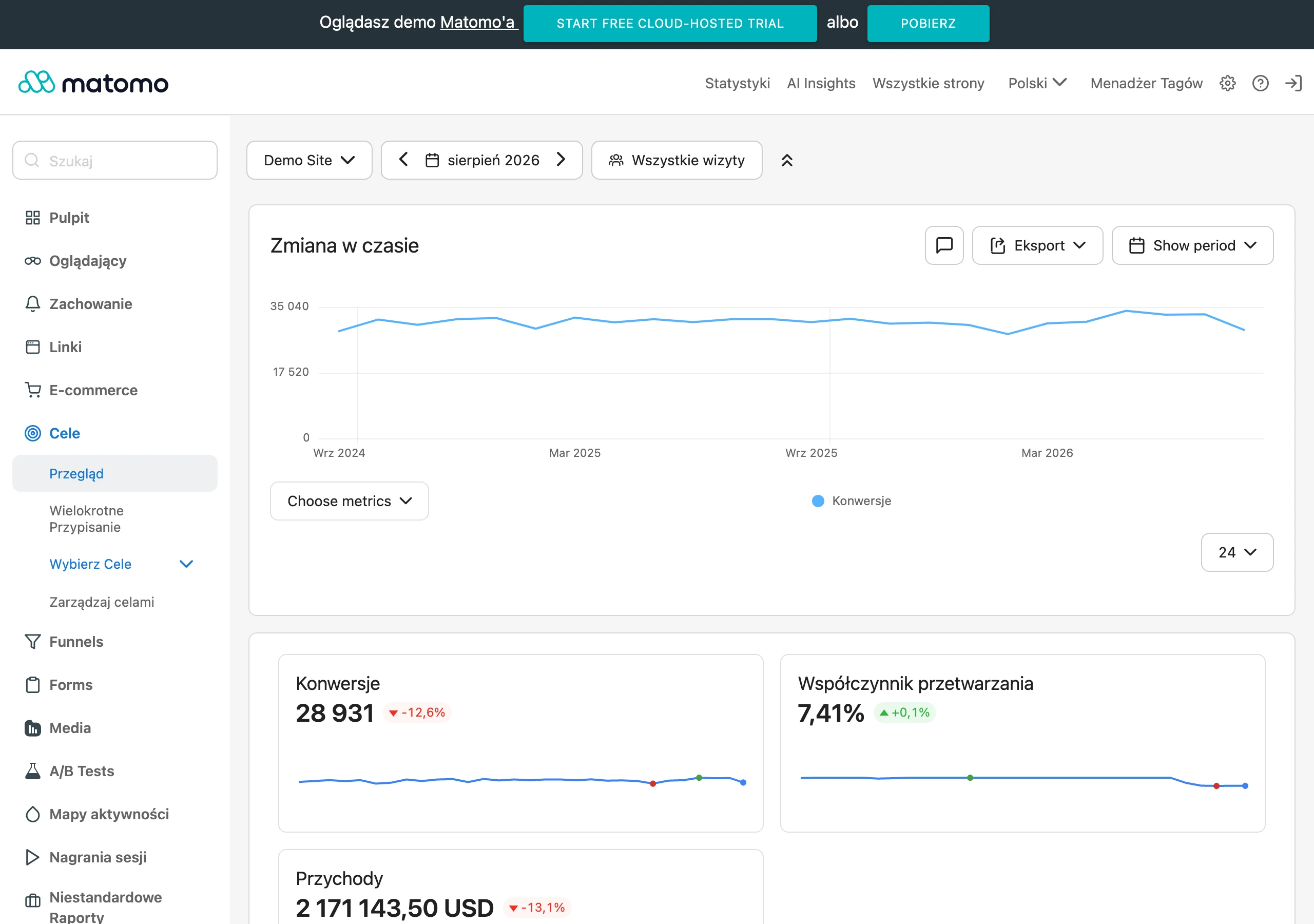
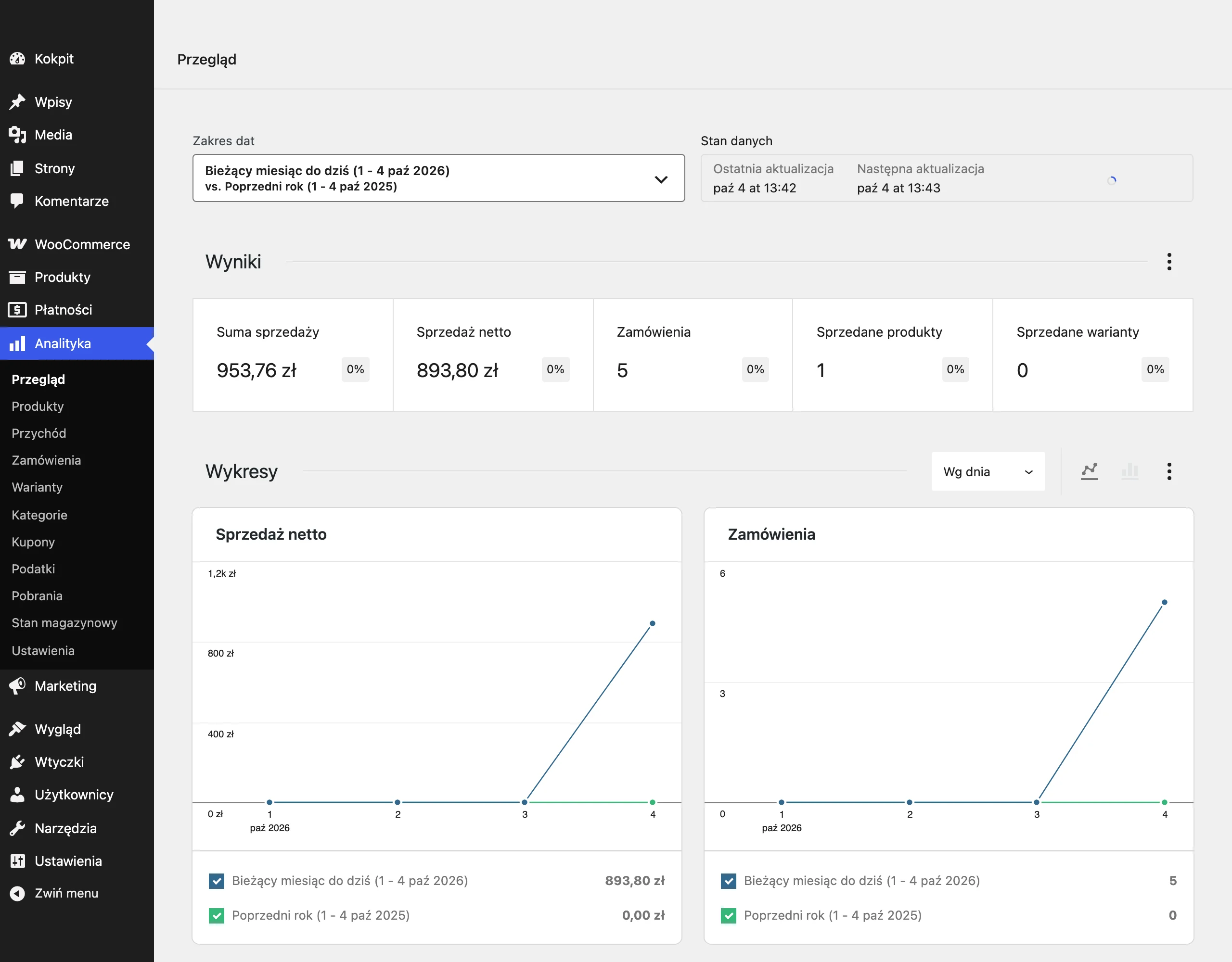
Numbers alone are not enough. For this data to make sense, you need to connect the tools and the way events are tagged properly, otherwise the report looks nice but the conclusions are empty. In GA4 it makes sense to measure CTA clicks, transitions to key pages, form opens and file downloads, and to group content by type or funnel stage. In Search Console you analyse which queries the material appears for, what CTR it has and whether it answers the right intent. In CRM it is good practice to tag the contact source and check which pieces of content appeared on the user journey before the lead.
Be careful with attribution. Educational content rarely “sells” in the last click, but it often prepares the user for a later decision and that is its real job. That is why it is better to look not only at direct conversions, but also at assisted paths and repeating patterns of movement between articles, service pages and the form. The question is whether you are analysing only the finish line, or also the route. Sales content often works as lead qualification, so its success is not only a higher number of leads, but also better matched enquiries.
Beyond hard data, it is worth gathering signals from sales and customer support. If, after content is published, salespeople hear fewer of the same questions, calls are shorter, and leads understand the offer better, that is a real business effect, not cosmetic work in Excel. The same applies to analysing forms, onsite search and questions asked during discovery calls. This information helps assess whether the content really reduces objections, or merely generates visits.
The best results come from regular content reviews and iteration, not a one-off report after publication. And this is not a cliché. If a piece has a lot of views but a low CTR, you need to improve the title and match it to the SERP. If it has good traffic but weak movement to the offer, you usually need to change the CTA, the section layout, internal linking, or explain more clearly who the solution is right for. Measuring content only makes sense when it leads to specific changes in the content, rather than ending with watching charts.
FAQ
Frequently asked questions
How can educational content support a customer's sales process?
Such content answers the audience’s questions and at the same time leads them to the next step, for example contacting you, downloading a resource or going to the offer. That way it not only explains the topic, but also helps them make a decision.
Is an informational article on its own enough to deliver a sales result?
Not always, because a customer usually compares solutions for a long time and does not finish the decision after one read. The article must be part of a broader content system that leads them further.
Why should content take objections and limitations of the solution into account?
Because it helps the audience assess the offer in a realistic way and reduces uncertainty before getting in touch. Text that also shows limitations usually builds more trust than a description of benefits alone.
What elements should effective sales-focused content marketing have?
It should be aligned with user intent, have a sensible link to the offer, a clear structure and one main CTA. It is also important to measure not only pageviews, but also clicks through, leads and impact on sales.
When is the best time to place a CTA in content to increase conversion?
The best time is when the reader already has an answer to the key concern and naturally moves towards a decision. In an article, CTA works well after sections about selection criteria, risks, costs or implementation.
How can SEO, UX and sales be combined in one article?
You need to design the content around one user intent and one next step, then make sure it is readable, linked properly and supported by concrete sales arguments. SEO should attract the right traffic, UX should shorten the path to the answer, and sales should structure objections and the decision.