

Content marketing stopped being merely an option a long time ago – today it is an essential element of an effective business strategy. Creating valuable content enables companies to build trust, customer loyalty and increase sales, while at the same time improving their visibility in search engines. Find out why investing in content marketing has become the key to long-term success and which strategies and tools are worth using to achieve maximum effectiveness.
Why is it worth investing in content marketing?
Investing in content marketing is a key strategy for companies that want to build lasting relationships with customers and achieve long-term success. Valuable content attracts the attention of audiences who are increasingly bypassing traditional advertising and looking online for practical information. As a result, a brand can gain customers’ trust and loyalty, which translates into greater engagement and sales growth.
Content marketing also enables consistent brand communication, which makes it easier to build recognition. Regularly publishing engaging materials attracts new audiences and keeps current ones interested. What is more, high-quality articles, guides or case studies position the brand as an expert in its field, building its authority.
Another benefit is its impact on SEO. Valuable content increases organic traffic, improves site visibility in search results and generates higher profits. Content marketing is also a tool for building relationships with audiences by responding to their needs and providing solutions to problems.
Investing in content marketing is not only a way to increase sales, but also to build long-term brand value through customer trust, loyalty and engagement.
- 01Building lasting relationshipsAttracts engaged audiences
- 02Gaining trustStrengthens loyalty and authority
- 03Consistent brand communicationMakes the company easier to recognise
- 04Long-term growthPositions the brand and increases sales
Valuable content is the foundation of building authority, trust and long-term brand success, crucial for effective SEO and engaging customers.
What are the key elements of effective content marketing?
Effective content marketing requires combining several key elements that affect its success. The foundation is high content quality – publications should be reliable, substantive and error-free. This helps the brand gain audience trust. Valuable materials, such as guides, analyses or case studies, not only respond to audience needs but also provide concrete solutions.
Publication consistency is no less important. Systematically sharing new content keeps the audience interested and strengthens the brand’s position in search results. It is also worth opting for a variety of formats – blog articles, infographics, videos or podcasts make it possible to reach different target groups and increase engagement levels.
The key to success is also a deep understanding of the audience. Analysing their needs, preferences and behaviours makes it possible to create personalised content that resonates better with the audience. Adding humorous elements or multimedia can attract attention and make the message easier to remember.
You cannot forget about SEO optimisation. Content tailored to keywords and effective link building increase organic traffic and improve the site’s position in search engines. Regularly monitoring campaign results allows the strategy to be flexibly adapted to changing market conditions.
Which content marketing strategies are most effective?
Effective strategies for content marketing are based on creating content that not only meets audience needs, but also builds trust in the brand. One of the key tools is running a blog. Regularly publishing valuable articles not only solves users’ problems, but also positions the company as an authority in its sector. It is a simple way to increase organic traffic and improve visibility in search engine results.
Another effective approach is creating e-books. They are a comprehensive source of knowledge and often act as a lead magnet, attracting new clients and growing the contact base. It is also worth focusing on interactive content, such as quizzes, surveys or calculators. Such solutions not only engage audiences, but also increase their interest in the brand.
Case study is another form of content that works excellently for building authority. Presenting real examples of the company’s or its clients’ successes shows the competence and effectiveness of the solutions offered. In addition, it is worth using webinars or podcasts – these formats allow direct interaction with audiences and deliver knowledge in an accessible way.
A key element is also SEO optimisation. Content should be aligned with keywords, which increases its visibility in search results. Regular analysis of campaign results allows the strategy to be adjusted to the changing needs of the market and audience preferences.
You cannot forget about phttps://kubadzikowski.com/blog/personalizacja-tresci-czy-warto-uwzglednic-ja-w-strategii-seo/personalised content, which is tailored to specific target groups. This makes the message more appealing and better matched to the audience. Using analytics tools makes it possible to monitor the effectiveness of activities and introduce the necessary changes.
A well-planned content marketing strategy combines valuable content, regular publishing and SEO optimisation. As a result, a brand can build lasting relationships with clients, increase engagement and achieve long-term success.
- 01Expert blogBuilds authority and trust
- 02E-books (lead magnet)Generates quality contacts
- 03Interactive contentEngages and increases visibility
The key to success is delivering value and building trust.
Which content formats deliver the best results?
To achieve the best results in content marketing, it is worth focusing on a variety of formats that meet audience needs and encourage interaction. Blogs are one of the most effective ways, because they provide valuable information, solve users’ problems and build the brand image of an expert. Regularly publishing posts also improves website visibility in search results.
E-books are another format that attracts audience attention. They often act as so-called lead magnets, meaning tools for generating new contacts. Thanks to the comprehensive knowledge contained in e-books, the brand gains trust and authority.
Instructional videos are becoming increasingly popular. Visual messages are easier to absorb and keep users engaged for longer. These can be tutorials, guides or product presentations.
Infographics are another effective visual content format. They combine text with graphics, which makes it easier to understand complex topics and attracts audience attention. They are particularly useful when presenting statistical data or processes.
User-generated content (UGC) builds community engagement. Examples include reviews, opinions or photos of customers using the brand’s products or services. This type of content increases trust in the brand and influences purchase decisions made by other users.
The choice of appropriate content formats depends on marketing goals and the preferences of the target group. Combining different forms of communication makes it possible to reach a wider audience and increase the effectiveness of content marketing activities.
How to create valuable and engaging content?
Creating valuable and engaging materials requires, above all, understanding what audiences really need. The key is to provide practical information that not only answers specific questions, but also offers real help. Educational content, such as guides, analyses or case studies, not only solves users’ problems, but also builds their trust in the brand.
It is worth investing in interactive solutions – quizzes, polls or calculators can significantly increase engagement. Thanks to them, audiences become active participants in the process of discovering content, which leads to better retention of information. Multimedia also play an important role – how-to videos or podcasts are easier to consume and attract attention more effectively.
Regularly updating publications is another important aspect. In the fast-changing world of technology, content must be in line with the latest trends and data. This not only strengthens brand credibility, but also has a positive impact on SEO in search engine results.
Personalisation is another step towards success. Analysing behaviour and audience preferences makes it possible to create materials perfectly tailored to their expectations. Personalised messages go straight to the hearts of the audience, increasing the chance of interaction and building deeper relationships.
You cannot forget about SEO optimisation – it is the foundation of creating valuable content. Tailoring articles to the right keywords and effective link building affect the site’s visibility in search results. As a result, the brand can reach more people and increase organic traffic without having to invest in paid advertising.
By combining substantive value with interactivity, regular updates and adaptation to audience needs and SEO requirements, you can achieve real success in building engagement and trust.
- 01Understand needsUnderstand the real problems.
- 02Deliver practical helpSolve real challenges.
- 03Create interactions and multimediaIncrease engagement actively.
Valuable content is content that educates and engages the user in the discovery process, building trust.
What tools support effective content marketing?
Effective content marketing requires the right tools that streamline content creation, publishing and analysis. One of the key elements are content management platforms (CMS), such as WordPress or HubSpot. They make it possible not only to easily plan and edit materials, but also to integrate with other marketing tools, which significantly increases their functionality.
To monitor the effects of activities, analytics tools are essential – for example Google Analytics or SEMrush. Thanks to them, you can track traffic on the site, the level of user engagement and conversions, which allows you to better tailor the strategy to audience expectations.
No less important are graphic and video creation apps, such as Canva or Adobe Spark. They make it easier to prepare attractive visual materials that draw attention and increase audience engagement.
Social media are a key content distribution channel. Tools such as Hootsuite or Buffer enable scheduling publications across different platforms and analysing their effectiveness, which greatly facilitates managing a brand’s presence on social media.
It is also worth using email marketing tools, such as Mailchimp or GetResponse. They automate sending newsletters and allow message personalisation, which translates into greater effectiveness of email campaigns.
The last important element is SEO tools, e.g. Ahrefs or Yoast SEO. They help optimise content for search engines, which improves site visibility and increases organic traffic.
By combining these solutions, a brand can effectively manage content marketing, deliver valuable content and achieve better business results. The key is the consistent use of all available tools and their strategic integration.
How do you measure the effectiveness of content marketing?
The effectiveness of content marketing activities can be assessed by analysing key metrics that show whether the content is actually influencing business goals. One of the most important measures is traffic on the site, which includes the number of visits, time spent on the site and the bounce rate. High user engagement indicates that the published materials are valuable and attract attention.
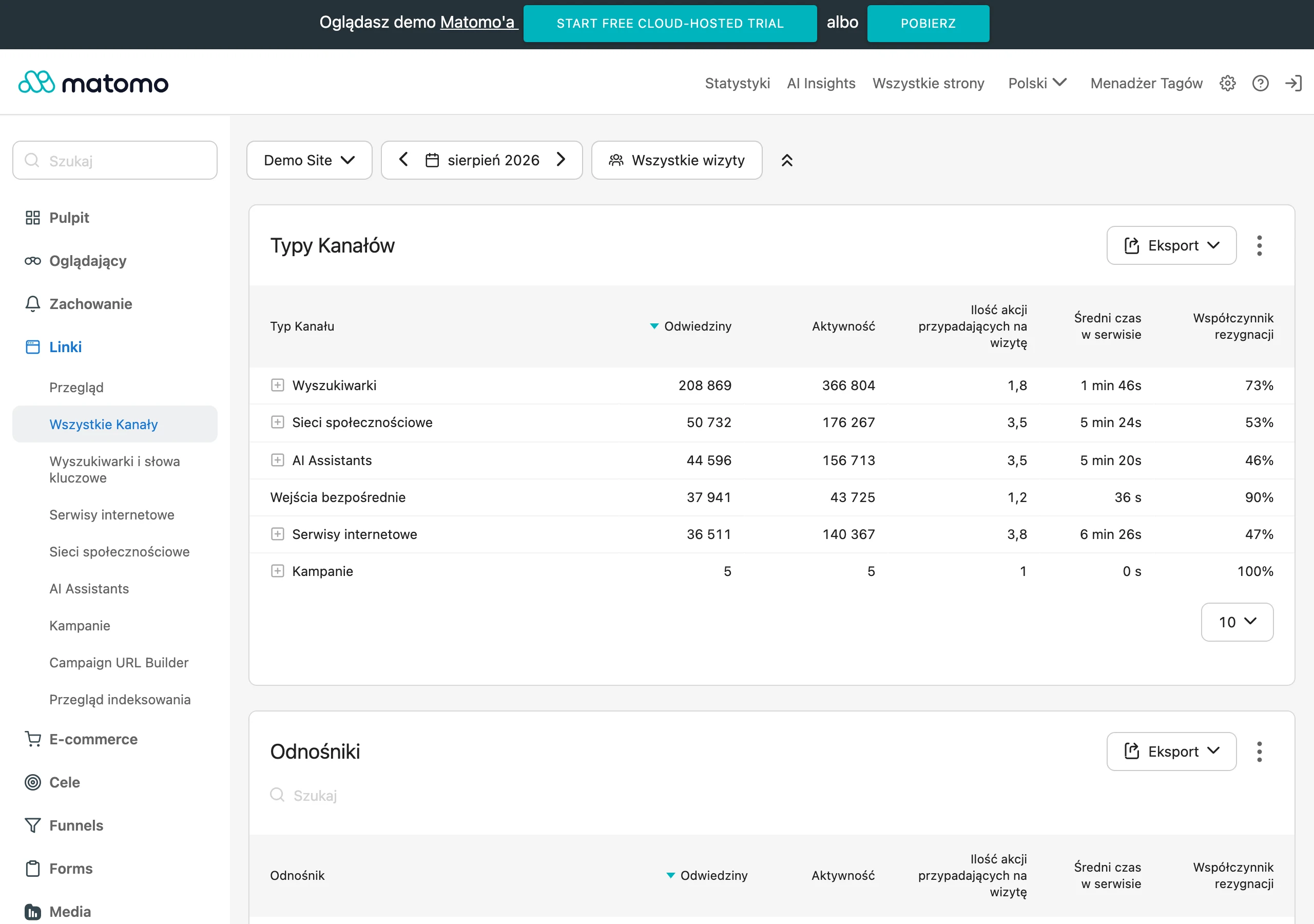
Another important metric is social media engagement. The number of likes, shares, comments or clicks makes it possible to assess how well the content resonates with the audience. This makes it easy to identify the formats and topics that generate the greatest interest.
No less important are generated leads, which can be tracked through completed contact forms or newsletter sign-ups. This metric shows whether the content effectively encourages the audience to get in touch with the brand and continue engaging.
It is also worth paying attention to the conversion rate, which measures the percentage of users who take the desired action after engaging with the content – for example, making a purchase or downloading a free resource. A high result in this area suggests that content marketing has a direct impact on sales.
The final key element is ROI (return on investment), which makes it possible to assess the profitability of marketing activities. By comparing campaign costs with the revenue generated, it is possible to determine its financial effectiveness and decide on next steps.
To monitor this data, it is worth using analytics tools such as Google Analytics, SEMrush or Hotjar. They make it possible to track how users interact with the content and provide detailed insights into their behaviour. Regular analysis of results allows for continuous optimisation of the strategy and adapting it to the changing needs of the market and audience preferences.
Best examples of effective content marketing
Effective content marketing is the art of combining creativity with value to build lasting relationships with the audience and achieve concrete results. One of the most popular tools in this field is a company blog, which has become the foundation of many brands’ strategies. A good example is HubSpot, which regularly publishes guides, case studies and industry analyses. This not only attracts new customers, but also consolidates its position as an expert in marketing.
Another great example is instructional videos. Blendtec gained huge popularity thanks to the “Will It Blend?” series, where it presented the capabilities of its blenders in an unconventional way. This campaign not only increased brand awareness, but also translated into a significant increase in sales.
It is also worth looking at educational campaigns, which engage the audience and build trust. Adobe made excellent use of this by creating the Adobe Creative Cloud Tutorials platform. Free guides and courses for content creators not only support users, but also promote the brand’s products in a natural way.
An interesting approach is also the use of user-generated content (UGC). GoPro encourages its customers to share photos and videos taken with its cameras. These authentic materials not only bring the community around the brand together, but also become a powerful marketing tool.
These examples show that effective content marketing is based on diversity – from blogging and educational videos to community engagement. The key is to tailor content to the needs of the audience and consistently build relationships based on trust and valuable information.
FAQ
Frequently asked questions
What benefits does investing in content marketing bring?
Content marketing helps build lasting relationships with customers, strengthens trust and loyalty, and increases sales. It also improves your site’s visibility in search engines and supports brand positioning as an expert.
Which elements are most important in effective content marketing?
The most important are high-quality content, publishing consistency, a variety of formats and a strong understanding of the audience. SEO optimisation and monitoring the results of your actions are also important.
Which content marketing strategies are the most effective?
Effective strategies include running a blog, creating e-books, interactive content, case studies and webinars or podcasts. All these forms help build trust, authority and audience engagement.
Which content formats deliver the best results in content marketing?
Blogs, e-books, how-to videos, infographics and user-generated content work well. The choice of format should depend on marketing goals and the preferences of the target audience.
How do you create valuable and engaging content?
Content should respond to the real needs of the audience and provide practical information, guides, analysis or case studies. It is also worth using interactive elements, multimedia, personalisation and regular updates.
How do you measure the effectiveness of content marketing?
Effectiveness is assessed, among other things, by website traffic, social media engagement, the number of leads, conversion rate and ROI. Tools such as Google Analytics, SEMrush or Hotjar can be used for analysis.