

SEO reporting tools are the key to effective optimisation of websites and achieving higher positions in search results. These advanced programmes help monitor website visibility, analyse organic traffic and detect technical errors, enabling actions that improve site performance. Find out what functions popular tools such as Google Analytics or Senuto offer, and how to choose the ones best suited to your business needs.
What are SEO reporting tools?
SEO reporting tools are specialist programmes and applications that make it easier to analyse and optimise websites for search engines. Their main purpose is to provide information on website visibility, organic traffic and positions in search results. They allow you to monitor key performance indicators (KPI), such as:
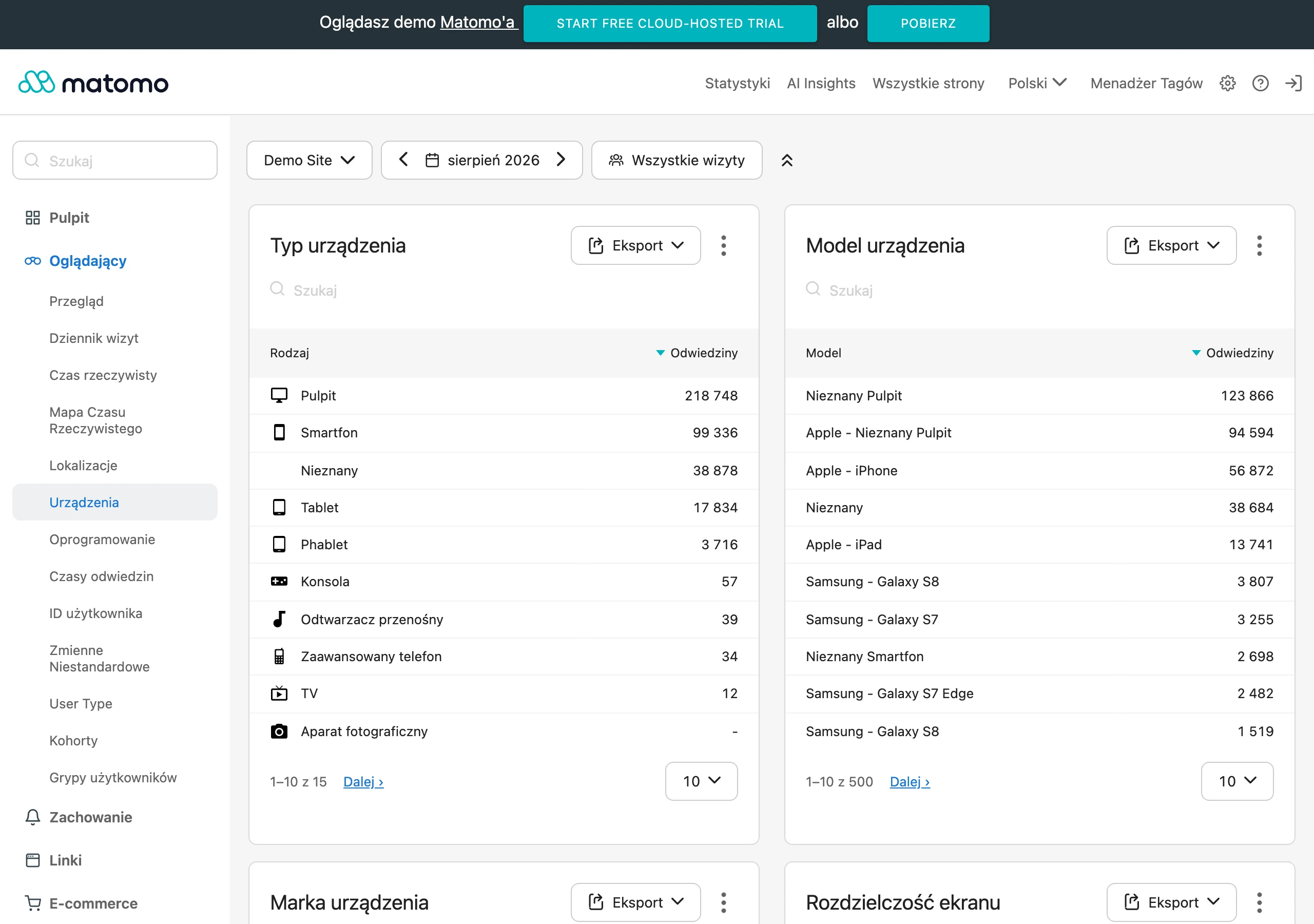
- number of visits,
- bounce rate,
- time spent on the page.
In addition, these tools make it possible to carry out detailed SEO audits. Thanks to them, you can detect:
- technical errors,
- indexation issues,
- content requiring improvement.
Among the popular solutions are:
- Google Search Console,
- Google Analytics,
- Senuto.
Each of them offers unique functions, such as keyword analysis, backlink tracking or creating reports in various formats.
Using SEO reporting tools is key to effective SEO. They make it possible to continuously monitor the effects of optimisation activities and adapt them to changing search engine algorithms. As a result, you can significantly improve site visibility in search results and attract more valuable organic traffic. It is an essential element for anyone striving for online success.
- 01Analysis and visibilityMonitoring traffic and positions.
- 02KPI trackingVisibility, traffic, conversions.
- 03SEO auditsDetecting technical errors.
Key for effective SEO and optimisation.
Why use SEO reporting tools?
SEO reporting tools are essential for anyone aiming to improve their site’s visibility in search results. They allow you to track key metrics such as:
- organic traffic,
- bounce rate,
- time spent on the page,
- keyword analysis generating the most visits.
This makes it possible to adapt the SEO strategy to current trends and user needs.
One of the biggest advantages of these tools is the ability to detect technical errors, such as indexation issues or broken links. Rapid identification of such problems allows immediate fixes to be implemented, which translates into better site performance. In addition, these tools make it possible to monitor competitors’ activities, which helps you better understand the market and adapt your own strategy.
Another advantage is the ability to create detailed reports in various formats. Such documents are invaluable when presenting results to clients or the management team. They provide clear data that makes it easier to make decisions about the next steps in website optimisation.
Regular site audits are another area where reporting tools play a key role. They make it possible to assess the technical health of the website and its compliance with search engine guidelines. This helps avoid algorithmic penalties and maintain a high position in search results.
In short, using SEO reporting tools is essential for every SEO specialist. They enable constant monitoring of the results of optimisation efforts and adapting the strategy to changing search engine algorithms. As a result, this leads to increased visibility of the site and attracting more organic traffic.
The most important functions of SEO reporting tools
SEO reporting tools provide key functions that make it easier to monitor and optimise websites. One of the most important is visibility analysis of the site, which shows how the page performs in search results for selected keywords. This makes it possible to quickly identify areas requiring improvement and adapt the SEO strategy to current trends.
Another important feature is rank monitoring in search results. These tools track changes in a site’s position for specific keywords, which allows you to assess the effectiveness of optimisation efforts. In the event of drops, you can immediately make the necessary adjustments to maintain competitiveness.
Data export is another useful feature. Reports can be generated in formats such as PDF, Excel or CSV, which makes it easier to present results to clients or the management team. Such documents contain detailed information on organic traffic, bounce rate or time spent on the site.
These tools also make it possible to carry out a technical audit, which helps detect errors such as broken links, indexing issues or unoptimised content. Regular audits are key to maintaining high site performance and avoiding penalties from search engines.
It is also worth paying attention to integration with other tools, such as Google Analytics or Google Search Console. This makes it possible to carry out a comprehensive analysis of data from various sources, which translates into a better understanding of user behaviour and the effectiveness of SEO efforts.
It is also worth mentioning competitor monitoring. https://kubadzikowski.com/blog/narzedzia-do-monitorowania-konkurencji-w-seo/itor monitoring. These tools make it possible to track competitors’ activities in terms of keywords, backlinks or content strategy. This makes it easier to adapt your own strategy to dynamic market conditions.
- 01Visibility analysisResults for keywords
- 02Rank monitoringTracking phrase changes
- 03Data exportPDF, Excel reports
It makes it easier to monitor and optimise websites.
Visibility analysis of the site
Website visibility analysis is the foundation of effective SEO. Thanks to it, you can assess how the site appears in search results, identify the key phrases for which it is visible, and monitor its rankings. It is an invaluable source of information that helps optimise content and build a strategy to improve the site’s online presence.
Visibility analysis tools provide detailed data such as:
- organic traffic generated by specific keywords,
- changes in the site’s position over time.
This information is key to assessing the effectiveness of optimisation efforts. If you notice a drop in rankings for important phrases, you can react quickly and make the necessary adjustments.
What is more, this analysis makes it easier to understand user behaviour and their content preferences. This allows you to adapt the content strategy to the current needs of the audience. Tools such as Google Search Console or Senuto offer detailed reports that make it easier to make sound decisions.
It is also worth comparing your visibility with the competition. SEO tools make it possible to track other companies’ positions for the same keywords, which helps you better understand the market and adapt your own strategy to prevailing trends.
Regular visibility analysis is the key to maintaining a high position in search results and attracting more organic traffic. Without it, it is difficult to achieve long-term success in website SEO – it is the foundation of effective SEO.
Rank monitoring in search results
Tracking rankings in search results is one of the key SEO tool functions, which makes it possible to monitor how a site performs in the rankings for selected keywords. This allows you to assess the effectiveness of efforts optimisation efforts and adjust the strategy on an ongoing basis.
These tools offer the ability to analyse not only the main keywords, but also long-tail keywords, which often attract valuable organic traffic. Regularly checking rankings enables you to react quickly to ranking drops and make the necessary adjustments to remain competitive.
It is also crucial to compare your results with those of your competitors. This helps you better understand the market and adapt your activities to current trends. Tools such as Google Search Console or Senuto provide detailed reports that make it easier to make informed decisions.
Position monitoring also provides valuable information about which keywords generate the most organic traffic. This makes it possible to focus on optimising those areas that bring the greatest benefits. Systematic data analysis helps maintain high website visibility in search engines and attract more valuable traffic.
In short, position monitoring is not just about tracking rankings – it is also a way to better understand user needs and competitors’ actions. Thanks to it, you can manage your SEO strategy more effectively and achieve better results in the long term.
- 01Define goals and needsTailored to the project
- 02Choose key featuresE.g. ranking, competition
- 03Consider free optionsGoogle Search Console, GA
- 04Evaluate paid platformsSenuto, SEMSTORM (advanced)
Adapt tools to the specifics of the project, balancing essential features with the available budget and level of sophistication.
Data export in different formats
Exporting data in different formats is a key feature of SEO reporting tools, enabling you to download reports and analyses in CSV, PDF or Excel format. This option not only makes it easier to share results with the team or clients, but also allows you to archive information for later use.
The CSV format is ideal when we plan further processing of data in spreadsheets such as Excel. PDF, on the other hand, is an excellent choice for presenting results, ensuring readability and a professional look for the document.
Popular tools such as Google Search Console or Senuto offer the ability to export data in these formats. As a result, managing information becomes easier, and making decisions based on up-to-date analyses becomes more effective.
Carrying out an SEO audit
SEO audit is a comprehensive process of assessing a website in terms of its alignment with search engine requirements. It allows you to analyse both technical and content-related aspects in detail, which makes it possible to detect errors and identify areas requiring improvement. Such an analysis translates into increased visibility of the site in search results and attracting more valuable organic traffic.
During the audit, particular attention is paid to key elements such as:
- on-site optimisation, meaning adapting content, meta tags, headings and site structure to search engine standards,
- off-site optimisation, which includes assessing the quality and quantity of links leading to the site,
- the technical condition of the website, including loading speed, responsiveness or HTML code correctness.
To carry out an audit, reporting tools such as Google Search Console or Senuto are essential. They enable you to detect indexing errors, track positions for selected keywords and analyse organic traffic. Thanks to them, problems can be identified quickly and appropriate changes implemented.
Regular SEO audits are essential for maintaining high site efficiency. This allows you to adapt the strategy to current search engine algorithms and avoid penalties for non-compliance with their guidelines. As a result, the site gains better visibility and attracts more potential customers.
Popular SEO reporting tools
SEO reporting tools are indispensable support in monitoring and optimising websites. On the market, there are both free and paid solutions that every specialist in SEO should know. Here are some of the most popular options:
- Google Search Console – a free tool from Google that enables you to track your site’s visibility in search results. It allows you to analyse keywords, identify indexing issues and monitor your website’s performance,
- Google Analytics – another free platform from Google, providing detailed information on organic traffic, bounce rate and the time users spend on the site. It is an indispensable tool for analysing visitor behaviour,
- Senuto – a paid solution from a Polish developer that offers comprehensive SEO analysis. It allows you to track rankings, analyse competitors and carry out technical audits. Thanks to its local database, it enjoys huge popularity in Poland,
- SEMSTORM – another Polish tool distinguished by advanced features for keyword analysis, backlink monitoring and generating detailed SEO reports,
- SurferSEO – a platform focused on optimising content for search engines. It enables you to create articles aligned with SEO requirements and analyse the competitiveness of pages for selected keywords.
Each of these solutions has its own unique advantages and can be used depending on the specifics of the project and individual business needs. It is worth tailoring the choice of the right tool to the company’s goals and the available budget for SEO activities.
Google Search Console
Google Search Console is a free tool offered by Google that helps monitor and improve a site’s visibility in search results. One of its key functions is organic traffic analysis, which lets you check how many clicks and impressions the site generates and what positions it ranks for for particular keywords. This valuable source of information allows you to identify the keywords attracting the most visitors and adapt your SEO strategy to current trends.
The tool also offers the ability to detect indexing errors. It allows you to verify whether the site is accessible to Google bots and whether there are any broken links. Quickly resolving such issues has a significant impact on website performance.
Another useful option is backlink analysis, which allows you to assess the quality of the site’s link profile. This makes it possible to monitor which websites are linking to our service and whether they are valuable sources.
Google Search Console also enables you to submit a sitemap, which speeds up the indexing of new content by Google. This is particularly important for frequently updated or dynamic sites.
It is also worth mentioning the mobile usability monitoring feature. The tool provides detailed information on how the site appears on mobile devices. In the era of smartphone dominance, this is a key element of optimisation.
Google Search Console is an indispensable tool for every SEO specialist. It allows you to track the effects of optimisation activities on an ongoing basis and react quickly to changes in search results.
Google Analytics
Google Analytics is one of the most popular analytics tools, enabling precise monitoring of traffic on a website. It allows you to collect data on traffic sources such as organic search results, ad campaigns or social media. For SEO specialists, it is an indispensable tool, as it provides valuable information about user behaviour and the effectiveness of optimisation activities.
One of the most important functions is tracking organic traffic, meaning visits coming directly from search engines. This allows you to determine which keywords attract the most users and adapt your SEO strategy to current trends. The tool also offers detailed data on bounce rate, time spent on the site and visitors’ navigation paths.
Integration with other platforms, such as Google Search Console, is another advantage of this solution. Combining data from different sources makes it possible to carry out a more comprehensive analysis of SEO performance. This allows you to react quickly to ranking changes and make the necessary adjustments.
Google Analytics also stands out for its ability to create custom reports and dashboards. These make it easier to present results to clients or the management team. Reports can include information on conversions, traffic sources or the performance of individual subpages.
Another extremely useful feature is user behaviour analysis. It allows you to track visitors’ interactions with the site, which helps you better understand their needs and tailor content to their expectations. This is particularly important in the context of optimising user experience (UX), which has a direct impact on a site’s position in search results.
In short, Google Analytics is an indispensable tool for every SEO specialist. It enables in-depth analysis of data on organic traffic and user behaviour, which translates into more effective optimisation activities and better search engine rankings.
Looker Studio
Looker Studio is a powerful data visualisation tool that enables the creation of interactive reports and dashboards. Thanks to its integration with popular platforms such as Google Search Console and Google Analytics, it allows for detailed analysis of SEO performance. One of its key features is report customisation and automatic data updates, which makes it much easier to track campaign progress in real time.
Creating visualisations in Looker Studio is extremely simple and intuitive. You can easily generate a variety of charts, tables or heat maps that help you quickly assess key performance indicators (KPI). This tool works brilliantly both for SEO consultants and marketing teams that want to present their activities and results effectively.
One of the biggest advantages of Looker Studio is the ability to combine data from different sources in one place. This makes it possible to create a coherent picture of SEO performance and better manage the optimisation strategy. In addition, the tool offers export of reports to PDF or CSV formats, which makes it easier to share results with clients or the management team.
With Looker Studio you can not only monitor the results of your SEO activities on an ongoing basis, but also make decisions based on current and reliable data. It is an ideal solution for anyone who wants to increase the effectiveness of their marketing campaigns.
Senuto
Senuto is an advanced SEO tool that works exceptionally well on the Polish market. It offers a wide range of features, such as site visibility analysis, tracking rankings in search results and detailed technical audits. Thanks to its local database, the tool effectively identifies key phrases and analyses the competition, allowing you to tailor your strategy better to current trends.
One of the key features is website visibility analysis, which enables you to monitor search results for selected keywords. This means you can not only assess your site’s effectiveness, but also compare it with the competition, giving you valuable guidance for further optimisation efforts.
Another useful element is position monitoring. Senuto allows you to track the ranking of up to five phrases at once, enabling you to react quickly to changes and make the necessary adjustments. This is particularly important for companies that want to maintain a high position in search results and continuously improve their visibility.
The tool also offers a keyword database, which helps you discover popular phrases and gaps in your SEO strategy. This allows you to tailor content better to users’ needs and increase organic traffic to the site without having to guess which keywords might deliver the best results.
In addition, Senuto enables data export in various formats, such as CSV or PDF, which makes it easier to present results to both clients and the management team. Integration with analytics platforms such as Google Analytics or Google Search Console allows for comprehensive analysis of data from different sources, which translates into more effective management of the SEO strategy.
In short, Senuto is an indispensable solution for SEO specialists operating on the Polish market. Its advanced features and local database make it an ideal tool for monitoring and optimising websites for search engines.
SEMSTORM
SEMSTORM is an advanced SEO analysis tool that offers a wide range of features supporting website optimisation. One of its most important advantages is keyword analysis, which allows you to choose the most valuable phrases for a given project. As a result, content can be better tailored to the needs of the audience, which translates into greater visibility in search results.
Another important element is an SEO audit, which enables a detailed assessment of both the technical and content side. The tool detects issues such as broken links, indexing errors or suboptimal content, allowing you to quickly make the necessary fixes. Such an audit is crucial for maintaining high site performance and avoiding penalties from search engines.
In addition, SEMSTORM offers competitor monitoring, which enables you to track the activities of other companies in the field of SEO. Thanks to this feature, you can better understand the market and adapt your own strategy to current trends. The tool generates detailed reports, making it easier to make informed decisions regarding optimisation.
Integration with popular platforms such as Google Analytics and Google Search Console is another strong point of SEMSTORM. It allows for comprehensive analysis of data from different sources, which translates into more effective management of the SEO strategy.
In short, SEMSTORM is a versatile solution for SEO specialists, combining advanced analytical features with an intuitive interface. It enables you to effectively monitor and optimise online activities, increasing site visibility and attracting more organic traffic.
SurferSEO
SurferSEO is a modern content optimisation tool for SEO that stands out for its intuitive interface and advanced features. One of its biggest advantages is the Keyword Research module, which enables you to compare keywords with those used by competitors, as well as generate lists of related keywords. This makes it possible to match content more precisely to user expectations and improve a page’s position in search results.
The tool also offers detailed SERP analysis, providing information about the pages ranking for selected queries. This allows you to discover which factors drive competitors’ success – whether it is optimal text length, keyword density, or the right heading structure. What is more, SurferSEO suggests optimisations on an ongoing basis, which significantly makes content creation that meets search engine algorithm requirements easier.
Integration with Google Docs and WordPress is another advantage of this solution. It allows you to edit and optimise content directly in familiar working environments, which speeds up the entire content creation process. In addition, the tool enables exporting reports in various formats, which is invaluable when working with a team or presenting results to clients.
It is not without drawbacks, however. High pricing may be a barrier for smaller businesses or freelancers. Moreover, the number of analysed results is limited in relation to the subscription cost, which may affect effectiveness in more complex projects.
Despite these limitations, SurferSEO remains one of the most effective SEO optimisation tools. Its advanced analytical features and ease of integration with popular platforms make it an ideal choice for SEO specialists and companies looking to increase their websites’ visibility.
How to choose the right SEO reporting tools?
The choice of SEO reporting tools should be tailored to a company’s specific needs and goals. At the outset, it is worth defining which functions are essential for a given project. If the key element is tracking rankings in search results, it is best to go for solutions that offer detailed analyses of ranking changes for selected keywords. For those focusing on competitor analysis, tools that make it possible to monitor rivals’ actions, such as their keywords, backlinks or content creation strategies, will be important.
It is worth considering whether free options, such as Google Search Console or Google Analytics, will meet our requirements. If the needs are more complex, paid platforms such as Senuto or SEMSTORM can be considered, as they offer advanced features, including technical audits and comprehensive competitor monitoring.
Another important aspect is integration with other systems. Tools such as Looker Studio allow data from different sources to be combined, which makes it easier to create consistent reports and make decisions based on up-to-date information. It is also worth checking whether data can be exported to formats such as CSV or PDF – this makes presenting results to clients or the management team much easier.
Ultimately, the decision should take into account both the specifics of the project and the available budget. Regularly assessing the effectiveness of the tools used makes it possible to adapt them to changing business needs and optimise SEO activities.
Criteria for choosing SEO tools
When choosing SEO reporting tools, it is worth taking into account several key elements that have a direct impact on the effectiveness of optimisation activities. One of the most important is functionality. A well-chosen tool should offer a range of options, such as website visibility analysis, tracking rankings in search results, or the ability to carry out detailed technical audits. This allows you to accurately assess the state of the website and make the necessary improvements.
Another important criterion is ease of use. The platform should be user-friendly so that even people without specialist knowledge can use it with ease. It is worth checking whether the tool offers support in the form of training, tutorials or technical assistance – this significantly speeds up the learning process and makes everyday work easier.
Quality of analytical data also plays a key role. A well-designed tool provides detailed information on organic traffic, bounce rate or time spent on the site. In addition, it is worth checking whether data can be exported in different formats (e.g. CSV, PDF), which makes presenting results to clients or the management team easier.
The issue of integration with other platforms, such as Google Analytics or Google Search Console, should not be overlooked. This makes it possible to combine data from different sources and carry out more comprehensive SEO analyses.
The last, but equally important, factor is cost. It is worth comparing the available solutions – both free (e.g. Google Search Console) and paid (e.g. Senuto, SEMSTORM). The choice should be tailored to the company’s needs and budget.
Comparison of free and paid tools
Free SEO tools, such as Google Search Console or Google Analytics, are a great solution for beginners and companies operating on a limited budget. They allow for basic analysis of organic traffic, monitoring of rankings in search results and detecting indexing issues. Their intuitive operation and integration with other Google services make comprehensive data analysis simpler and more effective.
On the other hand, paid SEO tools such as Senuto, SEMSTORM or SurferSEO are aimed at more experienced users and companies that require detailed reports and advanced functionality. They offer, among other things:
- in-depth technical audits,
- competitor activity monitoring,
- analysis of a site’s visibility at both local and global level,
- data export in various formats (e.g. CSV or PDF), which makes it easier to present results to clients or the management team.
The key difference between free and paid solutions lies in the scope of the information provided and its level of detail. Paid tools often offer greater analysis accuracy, faster data updates and access to exclusive features such as extensive keyword databases or advanced competitor reports.
The decision to choose the right tool should be driven by the company’s individual needs and the available budget. For smaller projects, free options may be sufficient. However, for larger businesses it is worth considering investing in paid platforms that offer additional analytical capabilities and functionality tailored to more complex requirements.
Practical tips for using SEO tools
To use SEO tools effectively, it is worth following a few key principles that have a significant impact on the effectiveness of optimisation activities. One of the most important steps is regular SEO audit, which helps keep the site in good shape. Thanks to platforms such as Google Search Console or Senuto, it is possible to quickly detect technical errors, indexing issues or content that requires improvement. This allows for a rapid response to changes in search engine algorithms and helps avoid penalties for non-compliance with their requirements.
Another important element is monitoring indexing and organic traffic. Reporting tools provide detailed information on which subpages are indexed by robots and which keywords generate the most visits. This makes it possible to adjust the strategy on an ongoing basis to current trends and user preferences.
It is also extremely important to analyse the backlink profile. Platforms such as SEMSTORM or Ahrefs make it possible to track the quality and quantity of links leading to the site, which has a direct impact on its position in search results. This not only helps identify valuable linking sources, but also eliminate those that could damage the site’s reputation.
It is also worth ensuring integration of SEO tools with other analytical platforms such as Google Analytics or Looker Studio. This makes it possible to carry out a comprehensive analysis of data from different sources, which translates into more effective management of the optimisation strategy.
One should not forget about data export in various formats (e.g. CSV, PDF). This function makes it easier to present results to clients or the management team and to archive information for later use.
Using these practical tips not only improves the site’s visibility in search results, but also attracts more valuable organic traffic, which translates into long-term success in SEO.
Regular SEO audit
Regular SEO audits play a key role in maintaining high website performance. They make it possible to identify technical issues on an ongoing basis, such as indexing errors, broken links or content requiring optimisation. Using analytical tools such as Google Search Console or Senuto, it is possible to analyse the state of the site in detail and quickly make the necessary fixes.
Audits also make it possible to track changes in search engine algorithms, which allows the SEO strategy to be adjusted to current trends. As a result, the site maintains high visibility in search results and attracts more valuable organic traffic. Failing to carry out regular checks, however, can lead to a drop in the site’s rankings and a loss of potential customers.
Reporting tools additionally offer the ability to monitor progress in optimisation. They allow you to assess the effectiveness of the actions taken and make adjustments based on current data. Regular SEO audits are not only a way to improve website performance, but also a tool for building a lasting competitive advantage in search results.
Monitoring indexing and organic traffic
Tracking indexing and organic traffic forms the foundation of an effective SEO strategy. This makes it possible to observe on an ongoing basis which subpages are being crawled by search engine robots and which keywords are attracting the most users. Tools such as Google Search Console or Senuto provide detailed information on a site’s visibility in search results and the keywords generating traffic.
Analysing this data helps identify areas requiring optimisation, such as poor visibility for important keywords or indexing issues. This makes it possible to react quickly to changes in search engine algorithms and adapt the strategy to current requirements. Regular monitoring also makes it possible to assess whether the actions taken are delivering the expected results.
It is worth using tools that allow data to be exported into formats such as CSV or PDF, which makes it easier to present results to clients or the management team. Integration with analytical platforms such as Google Analytics allows for a comprehensive analysis of information from various sources, which translates into better management of the SEO strategy.
Thanks to systematic monitoring of indexing and organic traffic, it is possible not only to increase a website’s visibility in search results, but also to attract more valuable traffic. This directly affects the success of SEO activities.
Analysis of link profile and backlinks
Analysis of link profile and backlinks is a key element of an SEO strategy, enabling an assessment of the quality and value of links leading to the site. This makes it possible to identify both valuable link sources and those that may negatively affect the website’s position in search results. Tools such as Google Search Console, Ahrefs or SEMSTORM allow for detailed analysis of the link profile, including monitoring the number and quality of backlinks.
When analysing, it is worth focusing on several important aspects:
- link quality: links from authoritative websites carry more SEO weight than those from low-quality sources,
- text anchors: keyword research of the words used in anchors helps to understand how the site is perceived by other websites,
- topical relevance: links from websites on similar topics are more valuable than those from unrelated industries.
Regular monitoring of the link profile allows you to detect potential issues, such as spammy or toxic links. This makes it possible to take appropriate steps to remove or disavow them, which improves the website’s overall reputation in the eyes of search engines.
Link analysis tools also offer the ability to monitor competitors. This allows you to compare your link profile with that of your rivals and adjust your link-building strategy to current market trends.
Analysis of link profile and backlinks is an essential element of effective SEO. It not only helps to increase a website’s visibility in search results, but also prevents penalties from algorithms for low-quality links.
FAQ
Frequently asked questions
What information do SEO reporting tools show?
They show, among other things, website visibility, organic traffic and search result rankings. They also let you track KPIs such as visits, bounce rate and time spent on site.
Do SEO tools help detect technical errors on a website?
Yes, they make it possible to detect indexing issues, broken links and content that needs improvement. This means you can quickly put the necessary fixes in place.
Why is it worth monitoring keyword rankings in SEO?
Because it lets you assess the effectiveness of optimisation efforts and react quickly to ranking drops. It also provides information about keywords that generate the most organic traffic.
When is it worth carrying out an SEO audit using reporting tools?
Regularly, to assess the technical condition of the website and its compliance with search engine guidelines. Such an audit helps avoid algorithmic penalties and maintain strong visibility.
Which SEO reporting tools are mentioned most often in the article?
The article mentions Google Search Console, Google Analytics, Senuto, SEMSTORM and SurferSEO. Each offers different features related to SEO analysis and optimisation.
Can SEO reports be exported to files?
Yes, the tools allow data to be exported to CSV, PDF and Excel, among others. This makes it easier to share results, archive data and carry out further analysis.