
In the dynamic and competitive technology sector, understanding the importance of SEO is the key to success. Optimising visibility in search results not only increases website traffic, but also builds brand authority and customer trust. For IT companies, SEO is a long-term investment, offering an advantage over the competition through precise targeting, keyword analysis and valuable content. Find out how to use SEO effectively to grow your business in this demanding sector!
Why SEO is crucial for technology companies
SEO is a key element of the marketing strategy for technology companies, forming the foundation of an effective online presence. Thanks to high visibility in organic search results, IT businesses can reach customers actively looking for technological solutions. In an industry characterised by enormous competition, SEO optimisation becomes essential in order to stand out from other players.
Companies in the technology sector often offer specialised services or products that require a precise approach to targeting. By analysing keywords and tailoring content to audience needs, SEO makes it possible to reach the right target group effectively. This, in turn, translates into increased website traffic and the generation of valuable potential customers.
What is more, a high position in Google helps build an expert image in a given field. Customers have greater trust in companies that regularly appear on the first pages of search results. This not only helps to build long-term business relationships, but also affects the increase in sales of IT services.
It is also worth noting that SEO is a long-term investment. Unlike paid advertising campaigns, the effects of optimisation last for a longer time. That is why it is a cost-effective tool for technology companies aiming for steady growth and strengthening their market position.
- 01Organic visibilityReaches active customers.
- 02Market advantageStand out in a competitive industry.
- 03Precise targetingReach the right target group.
SEO builds the foundation of an effective online presence, leading to increased traffic and the generation of valuable, specialised leads.
The role of SEO in increasing organic visibility
SEO plays a key role in increasing organic visibility, which is particularly important for technology companies. By properly optimising websites for search engines, better positions in search results can be achieved, which directly translates into increased organic traffic. High visibility allows IT businesses to reach a wider range of potential customers while minimising the need to invest in paid advertising campaigns.
One of the biggest advantages of SEO is its long-lasting and stable nature, which makes this strategy extremely cost-effective. By skilfully using keywords and creating valuable, engaging content, companies can not only attract new users, but also maintain their interest for longer. In the technology sector, where competition is enormous, high organic visibility becomes an important differentiating factor from other players.
What is more, SEO influences the building of authority of a website. Companies that regularly appear in top search result positions are perceived as more credible and professional. This, in turn, translates into greater trust from customers and an increase in the conversion rate.
An effective SEO strategy is not just a tool for increasing organic visibility – it is also a way to build lasting relationships with customers and strengthen the market position of a technology company.
The importance of keyword analysis for effective SEO
Keyword analysis is the foundation of an effective SEO strategy, especially in the dynamic technology sector. Thanks to it, companies can better understand which queries users enter most often, which makes it possible to create content perfectly tailored to their needs. A well-conducted study not only reveals popular phrases, but also uncovers niche terms that attract valuable organic traffic.
For IT companies, this analysis is even more important because of the specialised nature of their offering. It makes it possible to reach the target audience precisely, thereby increasing the conversion rate. Particular attention should be paid to long tail keywords – more specific and less competitive queries that help reach customers at later stages of the buying process.
To carry out such an analysis, it is worth using tools such as Google Keyword Planner or SEMrush. They make it possible not only to identify keywords with high conversion potential, but also to track search trends and monitor competitors’ actions. These are key elements that make it possible to develop an effective SEO strategy and create content that is optimal for both users and search engine algorithms.
In the technology sector, regularly updating the keyword base is essential due to rapidly changing market needs and the dynamic development of technology. By adapting content to new trends, companies can maintain high organic visibility and build an expert position in their field. This is not only a way to attract traffic, but also to achieve long-term success online.
- 01SEO auditTechnical analysis, content, links
- 02Google Search ConsoleMonitor, analyse, correct
- 03Internal linkingIntuitive site navigation
Regular optimisation and analysis are the key to better positions in search results.
Key elements of SEO in the IT sector
In the IT sector, effective SEO is based on three pillars: technical optimisation, creating valuable content and link building strategy. These elements are crucial to increase visibility in search engines and attract potential customers.
Technical optimisation is the foundation of any good SEO strategy. For IT companies, it is particularly important that pages load lightning fast, are adapted to different devices and have a clear URL structure. It is also essential not to forget code optimisation, improving indexing by search engine robots and eliminating errors such as duplicate content or incorrect redirects.
Another important aspect is creating valuable content. In the world of technology, materials must be up to date, substantive and respond to the real needs of the audience. It is worth investing in how-to articles, case studies or educational materials that will help the company build a reputation as an expert. Particularly important are long tail keywords – more specific queries that make it possible to reach a precisely defined target audience.
Link building is another key element that builds site authority. For IT companies, it is worth acquiring links from reputable industry portals, expert blogs or technology platforms. Nor should you neglect internal linking – it improves on-site navigation and makes it easier for users to move around the website.
By implementing these activities, technology companies can not only increase their organic visibility, but also build long-term relationships with customers and strengthen their market position.
Technical optimisation as the foundation of the strategy
Technical optimisation of a website plays a key role in SEO strategy, especially in the dynamic IT sector. It consists of a range of activities that directly affect loading speed, responsiveness and the overall user experience. In the technology sector, where competition is fierce and customers expect immediate access to information, optimisation becomes indispensable.
One of the most important elements is loading speed. Research indicates that more than half of users leave a website if it takes longer than 3 seconds to load. That is why it is worth paying attention to:
- image compression,
- simplifying CSS and JavaScript code,
- using browser caching.
Another key aspect is responsiveness, that is, adapting the site to different devices – from computers to smartphones. More than 60% of traffic now comes from mobile devices, which means that the site must work smoothly on every screen.
URL structure also matters. It should be clear and contain keywords related to the site’s subject matter. Avoiding long and complicated addresses improves both indexing by search engine robots and user experience.
It is important not to forget about optimising meta tags (title, description) and headings (H1-H6). Titles should be short (up to 60 characters), and meta descriptions should encourage clicks (up to 160 characters). Headings must be logically structured and contain keywords.
It is also worth taking care of indexing by search engine robots. The robots.txt file and the sitemap (sitemap.xml) help Google algorithms better understand the site structure. Eliminating errors such as duplicate content or incorrect redirects also affects SEO.
For IT companies, site security is particularly important – the SSL certificate has become standard not only because of user data protection, but also as a Google ranking factor.
Technical optimisation is not just about better visibility in search results – it is also a way to increase engagement and reduce bounce rate. Thanks to it, technology companies can build their position as an expert in the industry and attract valuable organic traffic.
- 01Monitoring the competitionDiscover effective strategies, avoid mistakes
- 02Dynamic adaptationRespond to rapid technological changes.
- 03Keyword researchFind new niches to target.
- 04Implementing SEO trendsMaintain high site visibility.
Analysis and adaptation are the foundations of market advantage in the IT industry.
The importance of link building for SEO
Link building plays a significant role in SEO, especially in the IT sector, where competition is exceptionally strong. Acquiring valuable links from reputable technology websites strengthens domain authority, which translates into higher positions in search results. High-quality backlinks signal to search engines that the site is trustworthy and offers content of real value.
For companies in the technology sector, it is crucial to gain links from recognised industry portals, expert blogs or specialist platforms. Such links not only improve organic visibility, but also attract traffic from other sources. However, it is worth remembering that quality matters – a few strong links will bring more benefits than hundreds of weak ones.
Link building is not just an SEO tool – it is also a way to build relationships with other players in the industry and increase brand recognition. This allows companies to establish their position as experts in technology. An effective strategy includes creating content worth sharing, such as market research, guides or case studies, which encourage other sites to link.
In the context of SEO for companies in IT, it is important to regularly monitor the link profile and avoid harmful practices such as spam or buying links. Backlink analysis makes it possible to quickly identify potential threats and adapt the strategy to current needs.
Link building is not only a way to improve visibility in search results – it is also a tool for building brand authority and attracting valuable organic traffic. For technology companies, a well-planned strategy can become the key to long-term online success.
How to improve search results for IT companies
To achieve better results in search engines, IT companies should implement several key strategies. To start with, it is worth carrying out an SEO audit, which will help identify both strengths and areas for improvement. The audit includes a technical analysis of the website, content optimisation and an assessment of link quality.
An essential tool is also Google Search Console. It allows you to monitor site performance in search results, analyse click-through rates and detect potential technical errors. Regular use of this platform enables quick adaptation to changes in Google’s algorithms and optimisation of the strategy in line with current requirements.
Another important aspect is internal linking. Thanks to it, site navigation becomes more intuitive, which makes it easier for users to move around the website. Additionally, it improves search engine robots’ understanding of the site structure. It is worth paying particular attention to properly linking subpages, especially those containing important keywords.
Do not forget about external linking. Acquiring valuable links from reputable industry sources increases domain authority and leads to higher positions in search results. For IT companies, links from technology portals, expert blogs or specialist platforms are particularly valuable.
A regular content update on the website is also an important element. Creating how-to articles, case studies or educational materials not only attracts organic traffic, but also builds a reputation as an industry expert. Content should be adapted to the latest trends and users’ needs.
Implementing these actions allows IT companies not only to increase visibility in search results, but also to engage users and generate valuable leads.
Carrying out an SEO audit for better optimisation
Carrying out an SEO audit is an essential step in website optimisation, especially for companies in the technology sector. It allows you to analyse the website in detail, identify technical errors and assess the effectiveness of previous actions. It is the foundation for introducing changes that will significantly improve site visibility in search results.
The first step is technical analysis. As part of it, you check page loading speed, its responsiveness on different devices and the correctness of the URL structure. Detecting issues such as duplicate content or incorrect redirects has a direct impact on SEO. Eliminating them is the key to success.
Another important element is the assessment of content quality. An audit makes it possible to verify whether texts are properly optimised for keywords and whether they meet users’ expectations. For IT companies, how-to materials and case studies are particularly important – they attract valuable organic traffic and build audience trust.
You cannot overlook link analysis – both internal and external. Checking the quality of backlinks and their impact on domain authority allows you to adapt the link building strategy to the current requirements of search engine algorithms. This is a key element of maintaining a high position in the results.
Regular SEO audits make it possible to monitor progress and introduce ongoing improvements. For technology companies, this is particularly important due to the rapid development of the industry and changing user needs. An effective audit is not only a tool for improving visibility – it is also a way to build a lasting competitive advantage online.
Using Google Search Console to monitor performance
Internal and external linking strategies
Internal and external linking strategies play a key role in effective website SEO, especially in the IT industry. Internal linking involves creating connections between different subpages of a website, which not only makes navigation easier for users, but also helps search engine bots better understand the site structure and index its content more effectively. An example could be linking how-to articles to service offers or directing visitors to case studies.
In turn, external linking is based on acquiring links from other websites that strengthen domain authority. In the case of IT companies, links from reputable technology portals, expert blogs or industry platforms are particularly valuable. Such backlinks signal to search engines that the site is reliable and offers valuable content. However, it is worth remembering that quality matters, not quantity – a few solid links will bring more benefits than hundreds of weak ones.
For a link building strategy to be effective, it is necessary to combine regular content updates on the site with collaboration with other players in the industry. Creating valuable materials such as market research or technical guides encourages other sites to link to your website. It is also worth monitoring the link profile using tools such as Ahrefs or SEMrush. This makes it possible to avoid harmful practices and adapt the strategy to the current requirements of Google algorithms.
In the context of SEO for companies in IT, well-planned linking is not only a way to improve organic visibility – it is also a tool for building brand authority and attracting valuable organic traffic.
Creating content optimised for technology companies
Creating content for technology companies requires not only knowledge of the industry, but also an understanding of the needs of its audience. In the world of IT, where competition is huge and clients expect precise solutions, materials must be both valuable in substance and adapted to user searches. How-to content and long-tail keywords play a key role here, making it possible to reach specific queries and attract valuable organic traffic.
For technology companies, educational materials are particularly important – guides, tutorials or case studies. These kinds of content not only answer specific audience questions, but also build an expert image. For example, a step-by-step article explaining the implementation of a new technology can interest both beginner developers and experienced specialists.
Long tail keywords are an essential tool in content optimisation. These are more specific and less competitive queries, often related to niche topics. An example might be the keyword “how to optimise a MySQL database for large datasets”. Thanks to them, companies can reach users at later stages of the buying process – people already ready to use a service or product.
In the fast-growing IT industry, regularly updating content is crucial. Articles should take into account the latest technology trends and changing market needs. This means the website will be perceived as a reliable source of information.
Creating optimised content also requires attention to its structure and readability. Headings (H1-H6), short paragraphs and bullet points make information easier to absorb. It is also worth ensuring appropriate text formatting – bolding key phrases or adding internal links to related articles improves both the user experience and the website’s SEO.
An effective content strategy for technology companies is based on combining substantive value with precise keyword targeting. This is not only a way to increase visibility organically, but also to build long-term relationships with clients and strengthen the brand’s position in the IT industry.
The importance of guide content and long tail keywords
Guide content and long tail keywords play an important role in SEO strategy for technology companies. They help reach people looking for specific solutions, which translates into more organic traffic and better website visibility in search results. In the IT industry, where competition is huge and clients expect precise information, such materials are practically essential.
Educational materials are above all answers to users’ detailed questions. They can take the form of:
- tutorials,
- step-by-step guides,
- case studies.
For example, an article explaining how to optimise server performance for web applications attracts both beginner administrators and experienced specialists. These kinds of content not only build trust in the brand as an expert in technology, but also generate valuable organic traffic.
Long tail keywords are more specific user queries that are characterised by lower competition. An example might be the keyword “how to protect an application from SQL injection attacks”. Thanks to them, companies reach people at later stages of the buying process – those who are already ready to use a service or product. SEO for such keywords is easier because of the lower competition.
In the dynamic IT industry, regularly updating content is crucial. Articles should take into account:
- the latest technology trends,
- changing market needs.
This means the website will be perceived as a reliable source of information. It is also worth ensuring an appropriate text structure – headings (H1-H6), short paragraphs and bullet points make it easier for users to absorb information.
Creating optimised content requires care over its formatting. Bolding key phrases or adding internal links to related articles improves the user experience and the website’s SEO. An effective strategy is based on combining substantive value with precise keyword targeting. This is not only a way to increase organic visibility, but also to build long-term relationships with clients and strengthen the brand’s position in the IT industry.
Competitor analysis and SEO trends in the IT industry
In the dynamic world of IT, competitor analysis and tracking SEO trends are key elements that allow companies to maintain an advantage in the market. By observing what other players are doing, you can not only discover effective strategies, but also avoid their mistakes. In an industry where technologies and user expectations change at lightning speed, adapting to the current requirements of search engine algorithms is essential.
One of the foundations of competitor analysis is keyword research. Tools such as SEMrush or Ahrefs make it possible to track the keywords used by other companies and their positions in search results. This is a great way to find new niches to target and avoid pitfalls that can affect a website’s visibility.
Among the most important SEO trends in IT is the growing importance of expert content, such as technical guides or case studies. Companies that regularly publish valuable materials build brand authority and attract organic traffic. It is also worth remembering mobile optimisation, especially as more than 60% of traffic comes from smartphones.
Another important direction is content personalisation and the use of artificial intelligence (AI) to better tailor the offer to users’ needs. Google algorithms increasingly reward sites that offer personalised experiences, which is becoming the key to success.
Competitor analysis also makes it possible to identify gaps in their SEO strategy. If other players are not using long-tail keywords or are neglecting link building, this can be treated as an opportunity to stand out from the crowd.
In the context of SEO trends for the IT sector, it is also extremely important to monitor changes to Google’s algorithms and adapt the strategy to new requirements. Regular content updates and technical website optimisation are essential to maintaining strong organic visibility.
Effective competitor analysis and tracking SEO trends is not only a way to improve rankings in search results – it is also a tool for building a lasting competitive advantage and attracting valuable organic traffic.
How competitor analysis can improve SEO strategy
Competitor analysis is an essential element of an effective SEO strategy, especially in the dynamic IT sector. It helps you understand which activities deliver the best results for rivals, which in turn makes it possible to adapt your own methods to current market requirements. Researching keywords used by competitors not only helps identify gaps in their strategy, but also uncover new targeting opportunities.
Tools such as SEMrush and Ahrefs are often used to carry out this kind of analysis. They make it possible to track keywords used by other companies and monitor their rankings in search results. This is a great way to find niche phrases with lower competition that attract valuable organic traffic. For example, if the competition overlooks long-tail keywords, it is worth using this as an opportunity to stand out and acquire new audiences.
Another important element is SERP analysis (search results pages). It allows you to assess competitors’ strengths and weaknesses and spot trends in content presentation. If most companies publish short guides, it is worth focusing on more detailed expert content. This approach not only attracts users’ attention, but also builds the site’s authority.
Regular monitoring of competitors’ activities also brings benefits in the context of link building. Analysing other companies’ backlink profiles makes it possible to discover valuable link sources and avoid harmful practices. In the IT sector, links from reputable technology portals or expert blogs are particularly valuable – acquiring them can significantly affect a site’s position in search results.
In the dynamic IT environment, competitor analysis is more than just a tool for improving organic visibility – it is the key to building a lasting market advantage. Thanks to regular monitoring of other players’ activities, companies can respond quickly to changing trends and adapt their SEO strategy to users’ current needs and Google algorithm requirements.
Current SEO trends and their impact on strategy success
Current SEO trends have a huge impact on the effectiveness of SEO strategy, especially in the dynamic IT sector. One of the key elements is optimising websites for mobile devices. Since more than 60% of online traffic comes from smartphones, website responsiveness and loading speed on smaller screens have become essential. Companies that invest in these aspects see a significant improvement in search rankings.
No less important is local SEO, which allows technology companies to reach audiences in specific regions. Introducing location-related keywords, optimising the Google Business Profile and collecting positive customer reviews are actions that can significantly increase visibility in local results.
It is also worth highlighting the growing importance of expert content, such as technical guides or case studies. Google algorithms increasingly reward sites that offer valuable and up-to-date materials, which translates into higher rankings. In addition, the use of artificial intelligence (AI) to personalise content and analyse user behaviour is becoming increasingly common.
Another important trend is optimisation for voice search. As voice assistants grow in popularity, it is worth including natural question phrases in content.
Technology companies should also keep track of Google algorithm changes and adapt their SEO strategies to new requirements. Regular content updates and technical website optimisation are the key to maintaining strong organic visibility.
Implementing these trends not only improves rankings in search results, but also builds a lasting competitive advantage and attracts valuable organic traffic.
The role of local SEO and site authority
Local SEO plays a key role in the growth of technology companies, especially those operating in a specific market. By optimising for local searches, businesses can effectively reach customers in their region. This is particularly important for software houses and IT companies offering on-site services. Tools such as Google Business Profile and the right location-related keywords significantly improve visibility in search results for users in a given area.
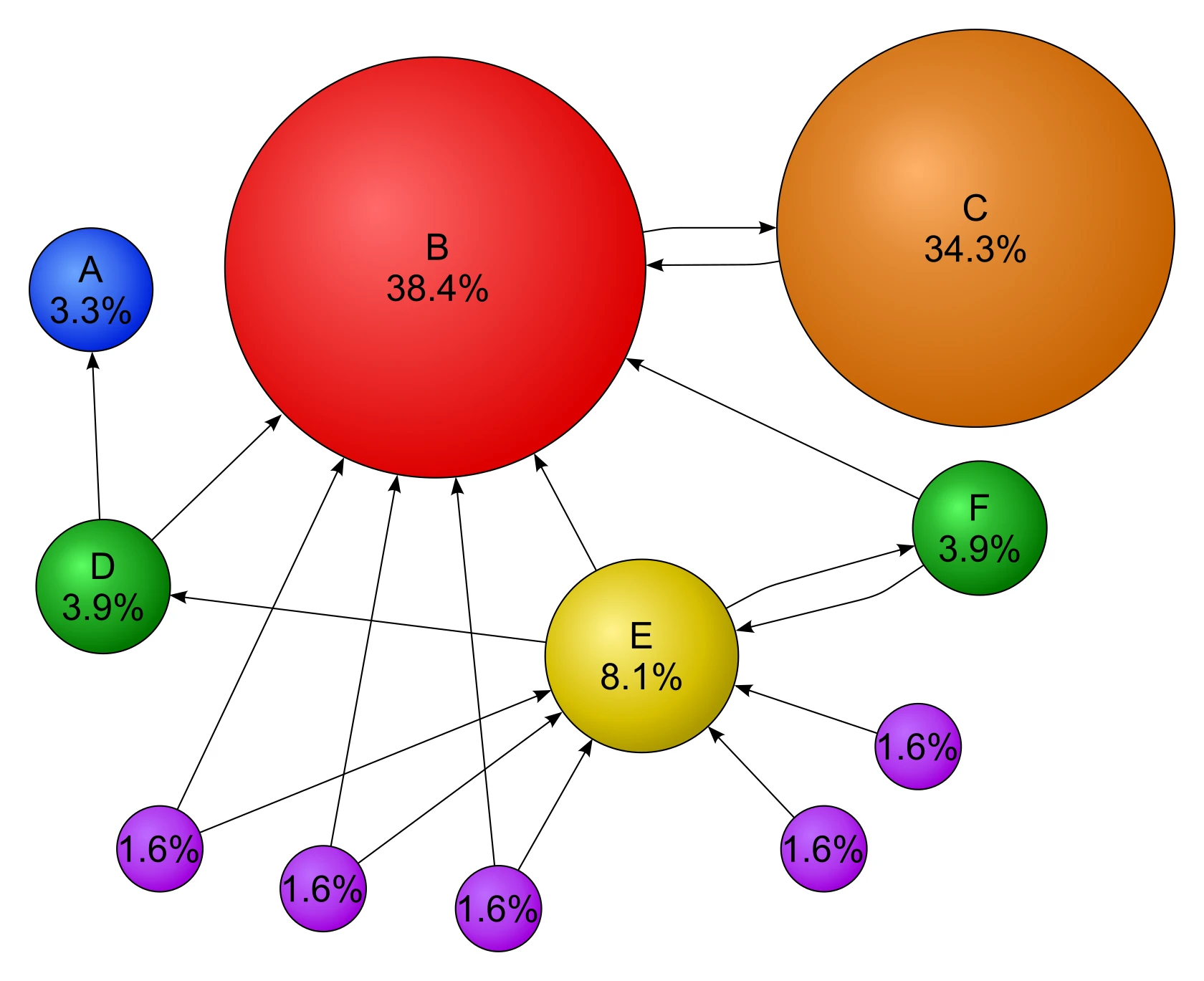
Site authority is another important factor affecting SEO. In the IT industry, where competition is enormous, building high-quality backlinks and creating valuable expert content increases trust both from Google’s algorithms and from users. Technology companies can strengthen their authority through:
- publishing case studies,
- technical guides,
- collaborating with reputable industry portals.
These actions not only improve organic visibility, but also attract valuable traffic that can translate into higher sales of IT services. Local SEO and building site authority are key elements of a strategy that allow technology companies to compete effectively both in the local market and globally.
How local SEO affects an IT company’s reach
Local SEO is a key element of the marketing strategy for IT companies, especially those operating in specific regions. With the right optimisation for local searches, businesses can effectively reach customers in their area. One of the most effective tools is Google Business Profile, which makes it possible to present the company both in search results and on Google Maps. Using location-related keywords such as “IT company in Warsaw” or “software house Kraków” significantly increases visibility among people looking for technology services in a given region.
For IT companies offering on-site services, local SEO is hugely important. It not only attracts new clients, but also helps build relationships with the local business community. Regularly updating company information (for example opening hours or contact details) and collecting positive customer reviews lead to higher rankings in local results.
In the technology sector, local SEO gives you an advantage over global competitors. It allows you to target audiences from a specific area with precision, which increases the effectiveness of marketing activities and improves the conversion rate. It is a simple, yet extremely effective tool for anyone who wants to grow their business locally.
Building site authority for better results
Building site authority is one of the most important aspects of an SEO strategy, especially for companies operating in the technology industry. The higher the domain authority, the better the positions in search results, which translates into greater customer trust and attracts valuable organic traffic. In the IT sector, where competition is extremely strong, acquiring high-quality backlinks and creating unique expert content becomes crucial.
One of the most effective ways to increase a website’s authority is link building. Links from reputable industry portals, expert blogs or technology platforms signal to search engines that the site offers valuable content. For IT companies, links from recognised sources, such as portals devoted to modern technologies or specialist discussion forums, are particularly important. However, it is worth remembering that quality matters – a few solid links can bring more benefits than hundreds of poor ones.
Equally important is creating unique content that addresses users’ needs and stands out from the competition. For technology companies, educational materials are particularly valuable – technical guides, case studies or market analyses. Such content not only attracts organic traffic, but also encourages other websites to link to your site. For example, an article explaining the implementation of a new technology can become a source of valuable backlinks from other experts in the industry.
You cannot forget about regular content updates and adapting them to the latest technology trends. Google’s algorithms increasingly reward sites offering current and valuable materials. This allows the company to maintain a high position in search results and build a reputation as an expert in its field.
Building website authority is a long-term process that requires consistent action. For technology companies, an effective strategy is based on combining high-quality link building with the creation of unique expert content. This is not only a way to improve organic visibility – it is also a tool for building a lasting competitive advantage and attracting valuable clients.
FAQ
Frequently asked questions
Why is SEO important for technology companies?
It helps reach customers actively searching for technology solutions in the search engine. It also builds brand authority and trust, which supports IT service sales.
Which SEO elements are most important in the IT industry?
The most important are technical optimisation, creating valuable content and a link building strategy. Together, these three areas increase visibility and attract potential customers.
How does keyword analysis help IT companies?
It allows you to understand which queries users are entering and create content tailored to their needs. It also makes it easier to reach niche keywords that can bring valuable traffic.
Does technical optimisation affect an IT site’s ranking in Google?
Yes, because it affects page loading speed, responsiveness, indexing and site security. Improving these elements can increase visibility in search results.
How does link building support SEO for technology companies?
Acquiring valuable links from reputable sites strengthens domain authority. As a result, the site can achieve higher rankings and attract traffic from trustworthy sources.
When is it worth carrying out an SEO audit in an IT company?
It is worth doing when you need to identify technical issues, assess content and check the effectiveness of SEO activities. An audit provides a basis for changes that can improve site visibility.