
Facet navigation is a powerful tool for improving user experience, but poor management can negatively affect SEO. The key is balance – optimising URL parameters, eliminating duplicate content and effectively managing crawl budget help avoid problems. Find out how to use canonical links, noindex tags and other techniques to improve your site’s visibility in search results and ensure better SEO performance.
How does facet navigation affect SEO?
Facet navigation plays an important role in SEO, as it can both help and harm. On the one hand, it makes it easier for users to filter products or content, which improves their experience on the site. This can lead to longer time spent on the website and a lower bounce rate. On the other hand, poorly managed facet navigation can generate duplicate content issues and waste crawl budget (crawl budget), which negatively affects the site’s position in search results.
One of the main challenges is the impact of this navigation on the indexing process. When a site creates too many similar subpages through different filter combinations, search engine robots may struggle to determine which pages are key. As a result, valuable indexing resources can be wasted on low-value subpages.
Another important issue is link equity dilution (PageRank). Facet navigation often generates many paths leading to the same content, which can weaken the value of internal linking. As a result, the home page or important subpages may receive less SEO “power”, which translates into lower positions in search results.
To avoid these problems, it is worth applying the right optimisation techniques:
- using canonical tags or URL parameters helps indicate the main version of the page to search engines, minimising the risk of duplicate content,
- controlling crawl budget and limiting the number of subpages generated by filters to those most useful for users.
Facet navigation is a powerful tool that can significantly improve user experience and site visibility. However, its effectiveness depends on careful SEO management – the key is striking a balance between user convenience and the site’s technical optimisation.
- 01Better user experienceeasier filtering, longer visit duration
- 02Risk of duplicate contentmany similar subpages, uniqueness issues
- 03Wasting crawl budgetdifficulty identifying key pages
Facet navigation, although it improves UX, requires careful management to avoid a negative impact on SEO through duplicate content and wasted crawl budget.
Impact on indexing and site visibility
Facet navigation plays a key role in indexing and the site’s visibility in search results. When configured properly, it generates unique subpages with valuable content, rich in relevant keywords. This gives the site a better chance of appearing in results for a wide range of user queries. On the other hand, poor management of this functionality can lead to a large number of low-quality subpages that may be ignored by search engine robots.
To avoid indexing-related problems, it is worth applying several proven solutions:
- using the noindex tag for less important subpages,
- appropriate changes in the robots.txt file,
- ensuring unique metadata, such as titles and descriptions, for each page generated by filters.
Regular auditing of facet navigation is an essential element of maintaining high site performance. It allows you to detect potential indexing errors and identify low-value subpages. Implementing the necessary fixes translates into better site visibility and higher positions in SERPs. Systematic analysis and optimisation are the key to maintaining the site’s long-term effectiveness.
Impact on PageRank and link equity
Facet navigation can have a significant impact on the distribution of PageRank and link equity on a site. Generating many URLs through different filter combinations leads to the dispersion of internal linking value. Every new subpage created by filters starts competing for the same SEO “power”, which weakens both the homepage and key subpages. As a result, instead of strengthening the most important pages, link equity is spread across many similar URLs.
To prevent this problem, it is worth using techniques such as canonical links. Thanks to them, search engines can identify the preferred version of a page, which allows link equity to be concentrated on one URL. This effectively minimises the risk of value dispersion. In addition, it is worth limiting the generation of subpages to those that are most useful for users. This approach helps maintain high-quality indexing and the effectiveness of SEO activities.
Inappropriate management of facet navigation can result in a loss of the site’s ranking potential. That is why it is so important to regularly monitor the internal linking structure and introduce the necessary optimisations. This makes it possible to maintain high PageRank value for key pages and ensure better visibility in search results.
- 01Use canonical tagsAvoid content duplication
- 02Manage URL parametersLimit unnecessary subpages
- 03Concentrate the crawl budgetFocus on what matters most
Effective optimisation improves indexing and visibility in search results while minimising content issues.
Problems related to duplicate content
Problems related to content duplication in facet navigation often stem from the fact that different filter combinations create many subpages with similar or even identical content. Although each of them has a unique URL, their content may be practically the same. As a result, search engines such as Google treat them as duplicates, which negatively affects their value in indexing and lowers rankings in search results.
To avoid such situations, it is worth using techniques such as noindex tags and canonical links. A noindex tag tells search engine robots not to index a given page – this is particularly useful for subpages with low value. Canonical links, on the other hand, indicate the preferred version of a page, which helps concentrate SEO value on one source and minimises the risk of dispersion across duplicates.
In addition, it is worth limiting the number of generated subpages to those most relevant to users. Regular audits and structural optimisation of facet navigation help maintain high-quality indexing and the effectiveness of SEO efforts. This is a key element of the long-term success of any website.
Facet navigation and SEO – potential problems and challenges
Facet navigation, although beneficial for users, can cause quite a lot of trouble in an SEO context. One of the biggest challenges is content duplication, which appears when different filter combinations generate subpages with almost identical content. Search engines often treat them as copies, which lowers their value in the index and has a negative impact on rankings. To avoid this, it is worth using solutions such as noindex tags or canonical links, which indicate the priority version of a page for robots.
Another problem is wasting crawl budget. Robots may spend too much time analysing less important subpages created by filters instead of focusing on those that are key to the site. Limiting the number of such pages and configuring the robots.txt file correctly allows crawlers to focus on the most important elements of the page.
Another threat is weakening internal linking. Generating many URLs disperses link equity (PageRank), which can reduce the SEO value of key subpages. To prevent this, it is worth using canonical links and regularly carrying out audits of the navigation structure. This helps maintain high SEO effectiveness and avoid unnecessary drops in rankings.
Nor should information architecture be forgotten. Improper management of facet navigation can lead to subpages with so-called thin content – content of low value both for users and for robots. Optimising dynamic filtering and carefully planning the site structure are key to maintaining high-quality indexing and the site’s visibility in search results.
Although facet navigation offers many benefits, poor management can do more harm than good. The key to success is proper technical optimisation and regular audits, which will help avoid negative effects and keep the site in good SEO shape.
Problems with content duplication and their solutions
Problems with duplicate content in faceted navigation often arise when different combinations of filters generate many subpages with very similar content. Search engines such as Google may treat them as duplicates, which negatively affects their positions in search results. Fortunately, there are proven methods that help solve this problem.
One of the most effective solutions is to use noindex tags, which allow low-priority subpages to be excluded from indexing. This means search engine bots do not waste time analysing pages of low value. Another important tool is canonical links, which indicate the preferred version of a page, minimising the risk of dispersing SEO power across duplicates.
It is also worth making sure that only those subpages which are most useful to users are generated. An excessive number of pages with similar content not only burdens the crawl budget, but may also affect the quality of indexing across the entire site. Regular audits of the faceted navigation structure help to detect and eliminate duplication-related issues.
It is also crucial to create unique metadata for each page generated by filters. Unique titles and descriptions increase the chances of better visibility in search results and help avoid issues related to duplicate content.
Implementing these techniques allows you to maintain high-quality indexing and the effectiveness of SEO activities. As a result, the website can achieve better positions in SERPs and increase its visibility to users.
Challenges related to information architecture
Information architecture in faceted navigation plays a key role in effective SEO. One of the main challenges is avoiding overly complex category structures that can lead to the creation of low-value subpages (so-called thin content). Such pages often contain very little unique content, which negatively affects their indexing and visibility in search results.
To counter this, it is worth focusing on intuitive category organisation. The key here is analysing the phrases users search for most often. Using long-tail phrases makes it possible to adapt the site structure better to the real needs of the audience. In addition, it is worth limiting the number of subpages generated by filters, leaving only the most valuable ones. This helps maintain high-quality indexing.
Another important element is aligning information architecture with SEO goals. You should avoid creating unnecessary navigation paths that can lead to duplicate content or the dilution of internal linking power. Regular site structure audits and optimisation of dynamic filtering are essential to maintain the effectiveness of SEO efforts. As a result, users gain easy access to the information they are looking for, and the site maintains a high position in search results.
Optimisation of faceted navigation for SEO
Optimisation of faceted navigation for SEO is a process that requires the use of several key techniques to minimise the risk of a negative impact on site visibility in search results. One of the most important steps is to use canonical tags, which tell search engines the preferred version of a page, preventing duplicate content issues. This means indexing bots focus on the most important subpages, avoiding wasting the crawl budget on low-priority URLs.
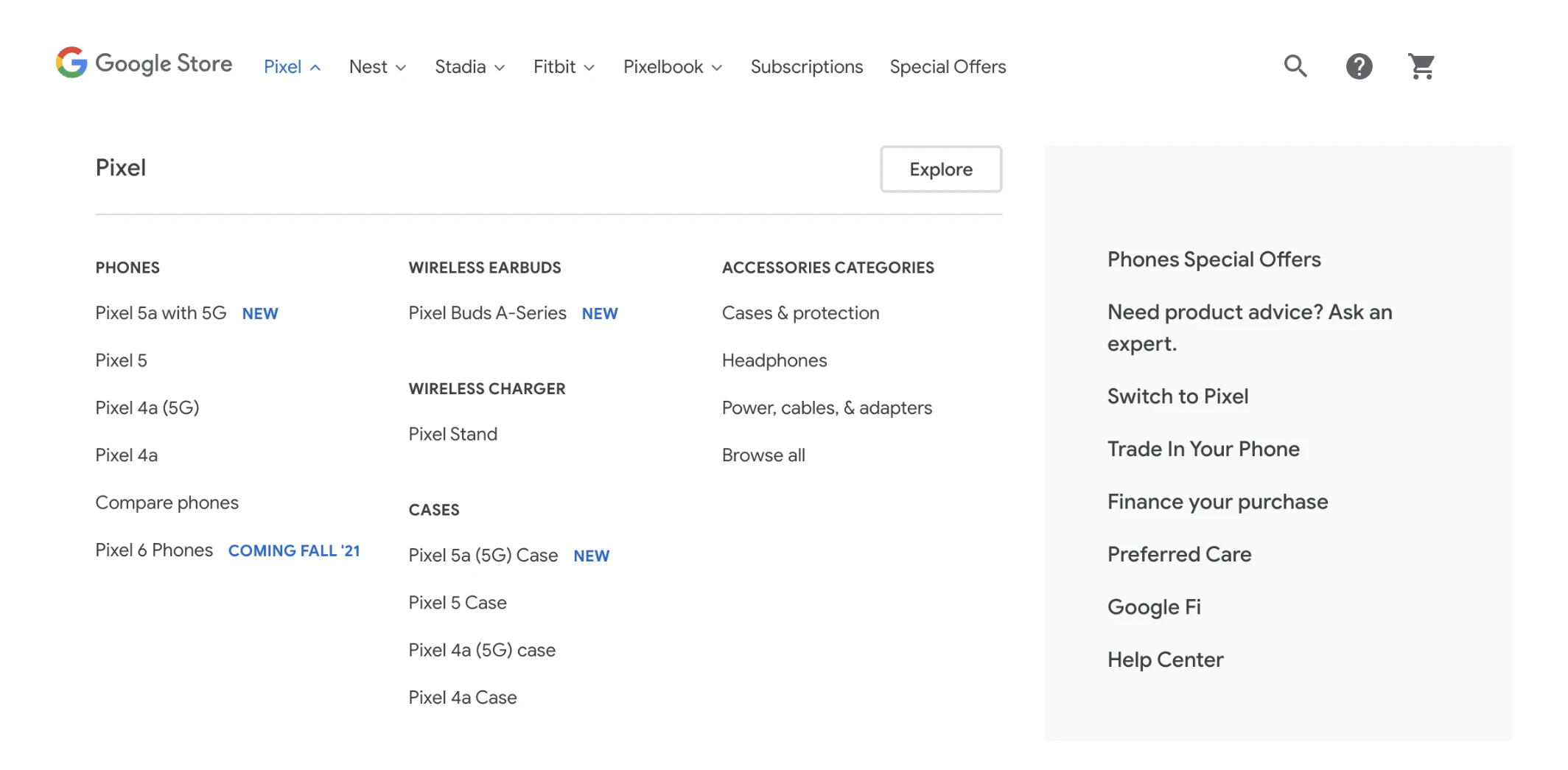
Another important element is managing parameters in URLs. Many faceted navigation systems generate long and complex URLs, which can make indexing more difficult. By configuring parameters appropriately, you can reduce the number of unnecessary subpages. It is also worth using tools such as Google Search Console to monitor and control how parameters are indexed.
Limiting the indexing of irrelevant pages is another key aspect of optimisation. Pages generated by filters that bring no value either to users or for SEO should be excluded from indexing. This can be achieved using the noindex tag or appropriate rules in the robots.txt file. This allows you to direct bots’ attention to the most important parts of the site.
Consistent internal linking structure also plays an important role. Faceted navigation often generates many paths leading to the same content, which can weaken internal link power (PageRank). To prevent this, it is worth using canonical links and regularly auditing the linking structure. This helps ensure SEO power is distributed evenly across the key pages.
Adapting faceted navigation for mobile devices is another important element of optimisation. With the growth in mobile traffic responsive design and page loading speed become crucial for rankings in search results. Navigation should be intuitive and easy to use on smaller screens, while at the same time not placing too much strain on the device’s resources.
Implementing dynamic filtering and planning a faceted structure is a process that requires regular audits and adjustments. Analysing user behaviour and traffic data makes it possible to identify the most effective filter combinations. Those that generate unnecessary low-value subpages are eliminated.
The key to success is balancing user convenience with the site’s technical performance. This translates into better visibility of the website in search results.
Implementing the noindex tag and other SEO techniques
Implementing the `noindex` tag in faceted navigation is an important step in SEO optimisation. Thanks to it, search engine robots skip indexing low-value subpages, such as those generated by filters. This helps save the crawl budget and focus on pages that genuinely affect the website’s visibility.
Another technique worth noting is the use of canonical links. They help point search engines to the main version of a page, which minimises the problem of duplicate content. In the context of faceted navigation, where different filter combinations can create many similar subpages, this method concentrates SEO power on one key page instead of dispersing it across duplicates.
No less important is managing URL parameters and regularly using tools such as Google Search Console to monitor the indexing process. Auditing the faceted navigation structure makes it possible to detect and remove low-value subpages, which affects the overall performance of the website.
Faceted navigation optimisation should also take mobile devices into account. Responsive design and page loading speed are crucial for achieving high rankings in search results, especially with growing mobile traffic. Navigation must be intuitive and easy to use on smaller screens, while not placing a strain on the device’s resources.
Implementing these practices not only improves indexing quality, but also increases the effectiveness of SEO efforts. As a result, the website achieves better positions in search results (SERP) and greater visibility for users.
Managing crawl budget
Managing crawl budget in the context of faceted navigation plays a key role in SEO effectiveness. This budget determines how many pages search engine robots can analyse in a given time. In the case of faceted navigation, which generates numerous subpages through different filter combinations, there is a risk of wasting that budget on low-value pages. To avoid this problem, it is worth focusing on URLs that are most relevant both for users and for search engine algorithms.
One practical solution is to apply the `noindex` tag to subpages generated by filters that do not offer valuable content. This way, robots skip those pages, saving the budget for key parts of the site. It is also worth configuring the `robots.txt` file to exclude indexing of unnecessary paths.
Using canonical links is another important step. They indicate the preferred version of a page, which minimises the risk of spreading SEO power across duplicates and allows you to focus on the most important subpages. Regular audits of the faceted navigation structure help identify and eliminate unnecessary URLs, which translates into better crawl efficiency.
Limiting the number of generated subpages to those that are most valuable is crucial for effective crawl budget management. This allows the website to achieve better positions in search results (SERP) and increase its visibility for users. These are simple steps that can have a significant impact on the SEO success of your website.
Planning dynamic filtering and facets
Dynamic filtering and faceting are key elements affecting both user experience and SEO optimisation. To achieve the best results, it is worth focusing on the most important product attributes, such as size, colour, price or brand. Allowing customers to easily apply multiple filters at once significantly improves the online shopping experience.
In an SEO context, dynamic filtering should be designed in a way that minimises the risk of duplicate content. It is best to limit filter combinations to those that are most valuable for users. This helps avoid creating low-quality subpages that can negatively affect indexing and page visibility in search results.
It is also worth using techniques such as canonical tags or noindex for subpages generated by less important filters. This allows SEO power to be concentrated on key pages and avoids wasting crawl budget. Regular audits of the faceted navigation structure help identify unnecessary filter combinations and optimise their performance.
Additionally, intuitive organisation of filters and their responsiveness on mobile devices is important. Page loading speed and ease of navigation are hugely important both for users and for search engine algorithms. When planning dynamic filtering, it is worth analysing user behaviour and website traffic data. This makes it possible to tailor the structure to the real needs of the audience.
Effective planning of dynamic filtering translates into a better user experience and higher SEO performance of the website. This is a key element of success in e-commerce and other areas requiring advanced product navigation.
FAQ
Frequently asked questions
How does faceted navigation affect a website’s SEO?
It can both help and hurt: it improves user experience, but with poor configuration it generates duplicate content and indexing issues. This can reduce the site’s visibility in search results.
Can faceted navigation cause duplicate content?
Yes, when different filter combinations create many pages with similar or identical content. Search engines may then treat them as duplicates and lower their value in the index.
Why does faceted navigation waste crawl budget?
Because bots can spend time analysing many low-value pages created by filters. As a result, the most important pages of the site get less attention.
How can PageRank dilution be reduced in faceted navigation?
Canonical links help by indicating the preferred version of a page. It is also worth limiting the number of filter-generated pages to those that are genuinely useful.
When is it worth using the noindex tag in faceted navigation?
When a given page has low value and should not be indexed by search engines. This allows bots to focus on more important pages of the site.
How should URL parameters be optimised in faceted navigation?
You need to configure them properly so they do not create too many unnecessary pages. Monitoring indexing in Google Search Console is also helpful.