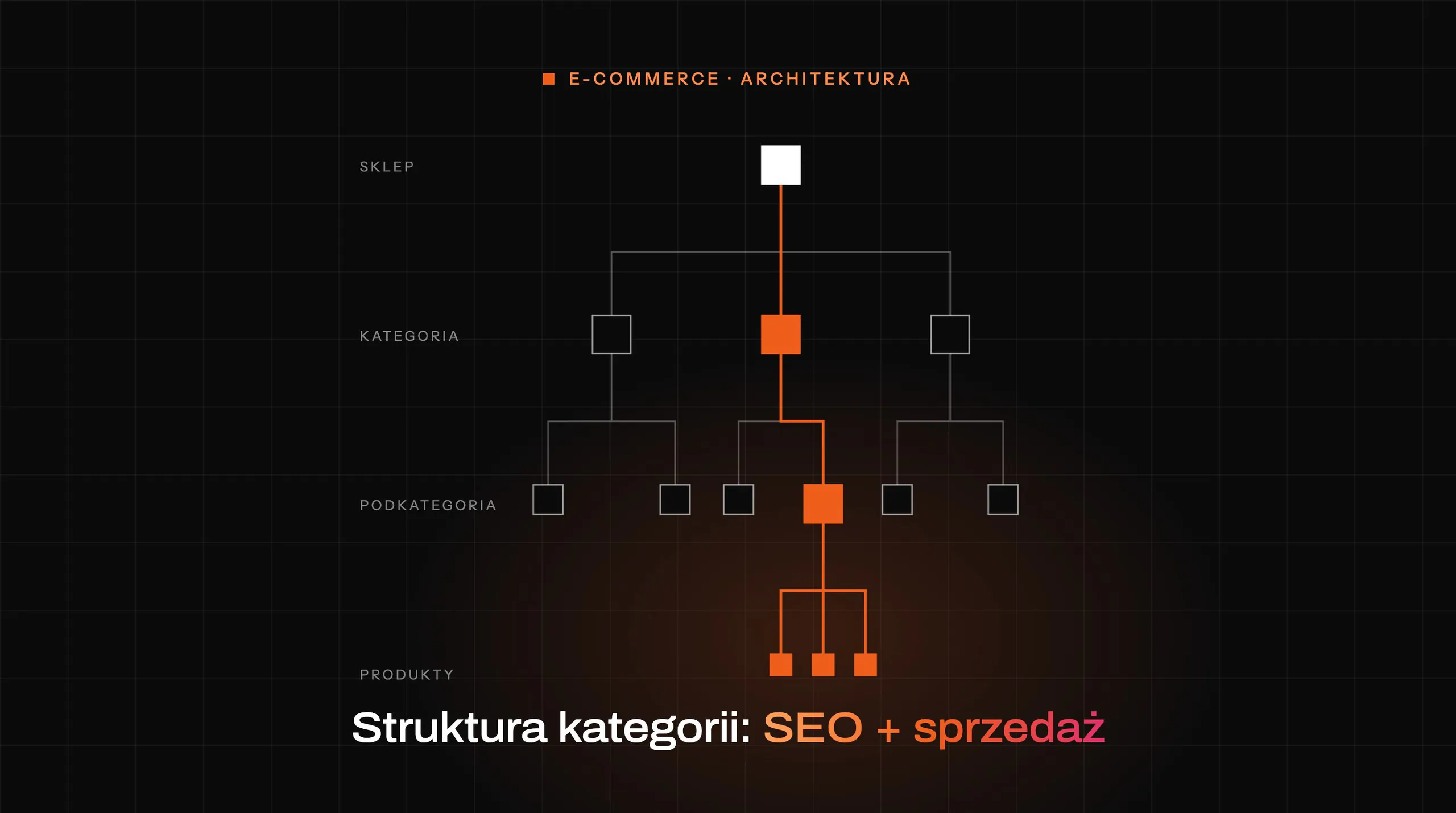

A category page can capture traffic from many extended queries if it serves one coherent user need. The problem arises when a separate URL, filter or near-identical description is created for every variant of a phrase. Effective long-tail optimisation is about assigning the whole query cluster to one valuable page, rather than multiplying similar subpages. In practice, you need to combine keyword analysis, intent, product range and indexation control to gain visibility without content duplication.
Analysis and clustering of long-tail queries as the foundation of SEO strategy
Analysis and clustering of long-tail queries is the starting point, because it shows which phrases one category page can serve. It is not about collecting the longest keyword variants. It is about finding groups of queries that describe a similar purchasing problem. Only such a cluster makes business and SEO sense.
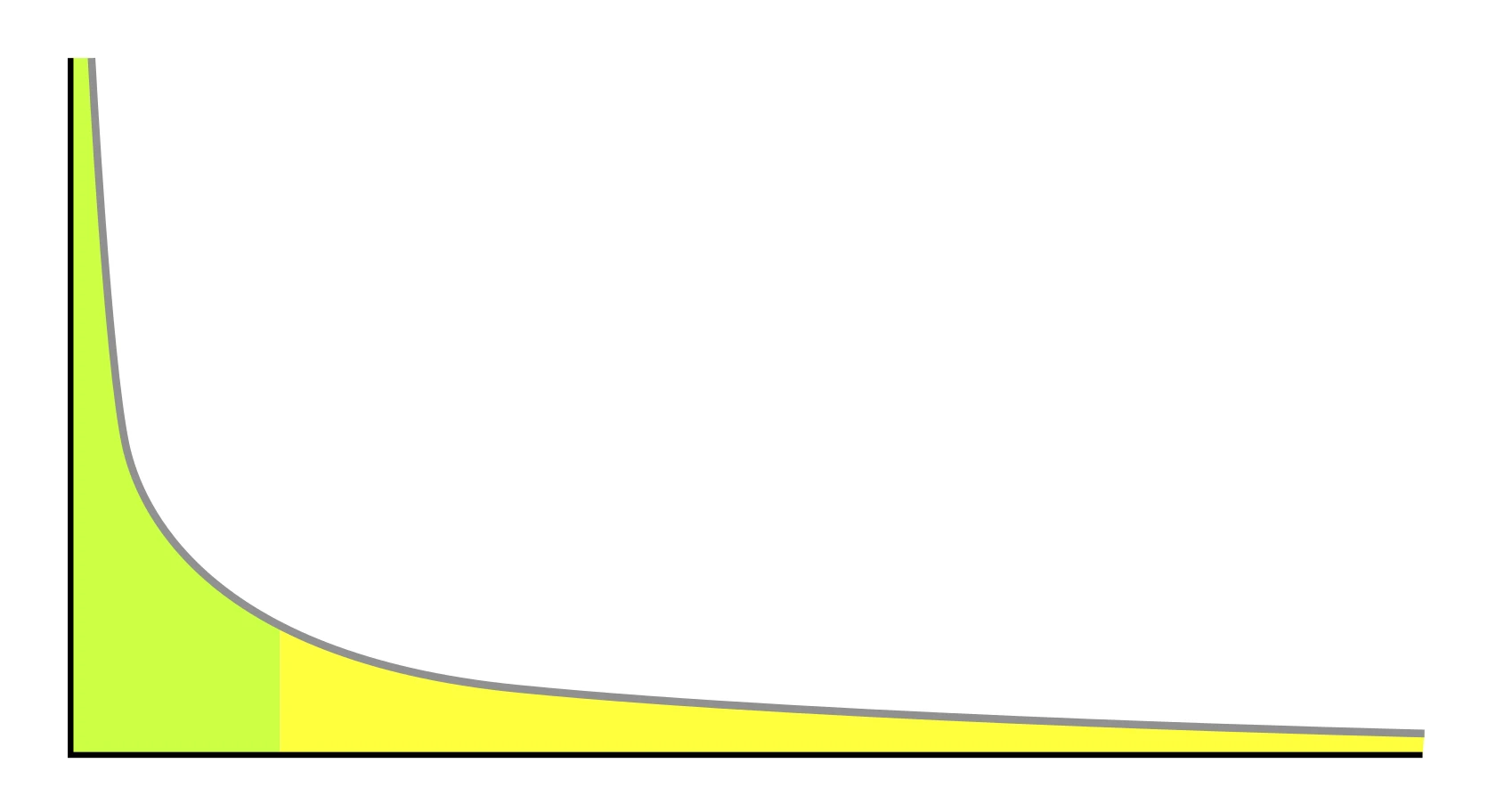
In practice, group phrases by shared topic, product attributes and the expected outcome. If a user wants to see the same type of range for different queries, you usually do not need a separate URL. If a modifier changes only a product feature, a well-described category or a controlled filter is often enough. If it changes the whole scope of the offer, that is a signal for a separate structure.
The most common mistake appears when the analysis ends with a list of phrases rather than a map of intent. Then the team creates many similar descriptions that differ by one word. This practice weakens the page’s thematic signal and increases the risk of keyword cannibalisation. Good analysis immediately organises which phrases are primary, which are supporting, and which do not deserve an indexed subpage.
Defining an intent cluster for effective SEO
Defining an intent cluster means checking whether a group of phrases answers one need and can lead to one URL. The key question is: would the same product range genuinely satisfy each of these queries. If so, it is better to strengthen one category rather than spread signals across several similar pages. This is exactly the stage that protects against keyword cannibalisation.
A coherent intent cluster usually combines phrases that are close in meaning, but not necessarily identical in language. You can serve them with one address if they differ mainly in how a feature, use case or parameter is named. It is not worth creating a new page just because users use several wording variants. A separate URL only makes sense when the expected product selection or purchasing context changes.
In practice, it is worth comparing the intent cluster with the current offer. If the category does not have a broad and stable range for a given group of queries, you should not artificially add content to target phrases. The text on the page should support the selection of genuinely available products, not pretend to be a separate subcategory. This keeps the content unique, useful and aligned with the offer.
Optimal information architecture and URL structure for category pages
Optimal information architecture and URL assign one intent cluster to one, strongest category page. In practice, you choose between expanding the existing category, creating a subcategory or indexing a selected filter combination. The decision depends on whether the user expects the same product range or genuinely a different selection.
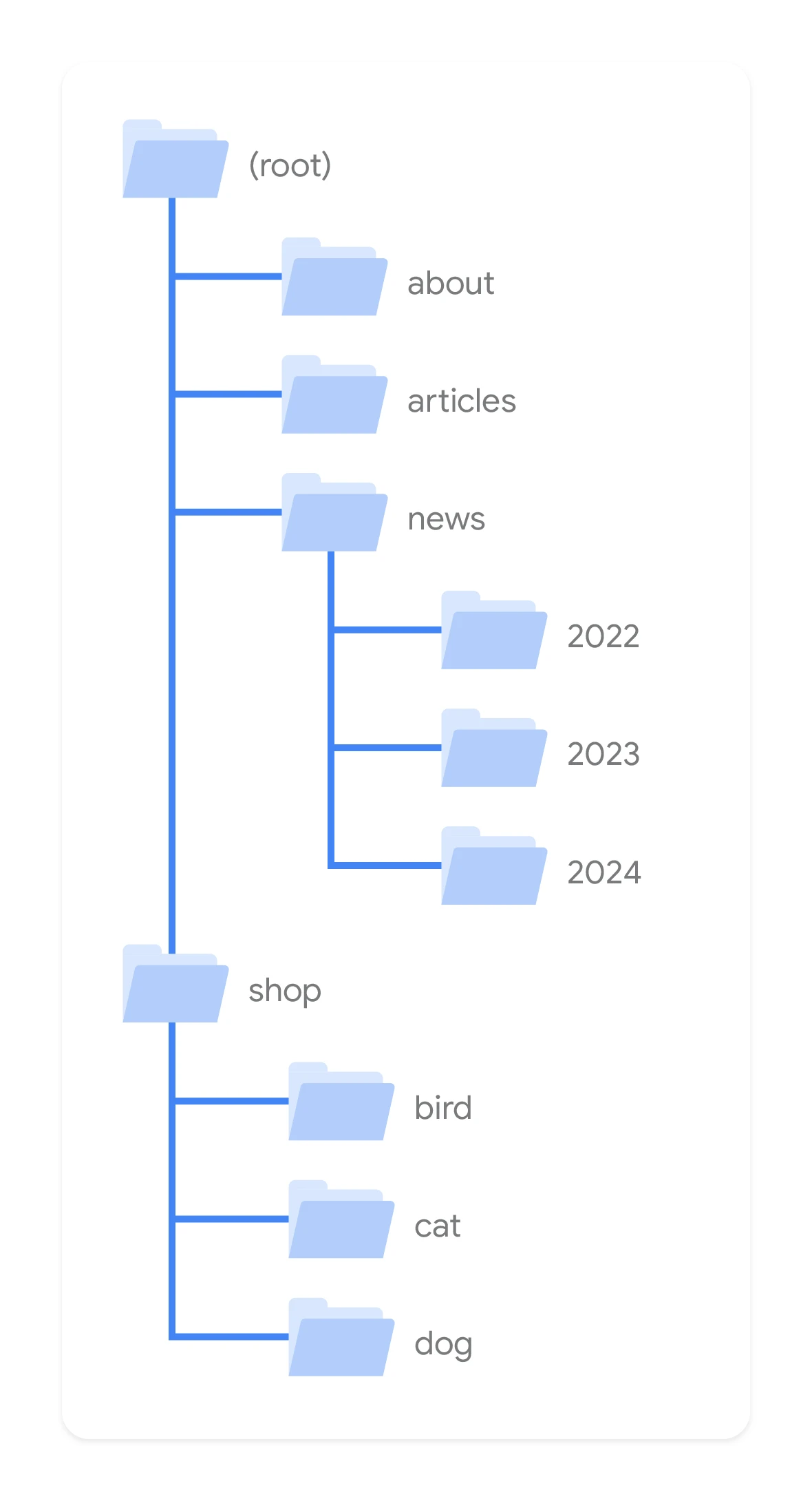
The simplest way to make the decision is by following three scenarios.
- Expand an existing category when the phrases describe the same products and differ mainly in naming or a single attribute.
- Create a subcategory when the range of the offer changes, a filter is not enough, and the assortment is broad and stable.
- Index a filtered page only when the combination has real demand, a sensible number of products and its own value for the user.
Assign one canonical URL to one intent cluster. If the same need is served by a category, a subcategory and several indexed filters, they start competing with one another. A common mistake is also publishing pages with a small number of products and an almost identical description. Such an architecture creates thin content and makes it harder for crawlers to identify the right page.
Creating modular and scalable content without duplication
Modular and scalable content is about building a page from blocks describing the features of the offering, rather than from variants of the same keyword. This way, one category can answer many long-tail questions without copying paragraphs. Each module should stem from real product parameters, use cases or differences between options.
On a category page, short sections about product selection, feature comparisons and the most common questions work well. This layout helps the user narrow down the choice and helps search engines better understand the page topic. If the offer changes, you update a single module instead of rewriting the entire description.
The most important thing is a close connection between the content and the current assortment. FAQ, buying tips and comparisons should refer to the filters, parameters and products available on that page. The category description should help sell what the user can see, not just expand the set of keywords. Generic blocks that fit every category quickly lead to duplication and reduced usefulness.
Strategic on-page optimisation for long-tail keywords
Strategic on-page optimisation is about making one category page clearly communicate the main topic and the most important long-tail modifiers. The most important elements here are the title, H1, meta description, section headings and breadcrumbs. Each of these elements should reinforce the same intent cluster, rather than create separate interpretations of the page. On-page should organise the topical signal of one category, not force every variant of the keyword into every place.
The title should name the category precisely and include only those clarifications that genuinely describe the offer. It is usually worth keeping the H1 broader, because it should cover the full assortment visible on the page. The meta description does not replace the content, but it helps specify the range of products and use cases in the search results. If each element says something different, search engines receive a fragmented signal.
H2 and H3 headings should stem from the user’s purchasing decisions, not from mechanically multiplying keyword variants. Sections about feature selection, differences between options and answers to questions related to filtering work well. Breadcrumbs reinforce the category context within the site structure and help connect it with broader topics. This way, long-tail is handled by a logical structure, not by duplicated text.
Effective filtering strategy and indexation management
An effective filtering strategy is about offering many ways to narrow the offer, but indexing only those combinations that have real value. Such value means shared intent, a stable assortment and a sensible number of products. Filters primarily improve usability, and only selected ones can become SEO landing pages. If you index everything, you quickly create an excess of very similar URLs.
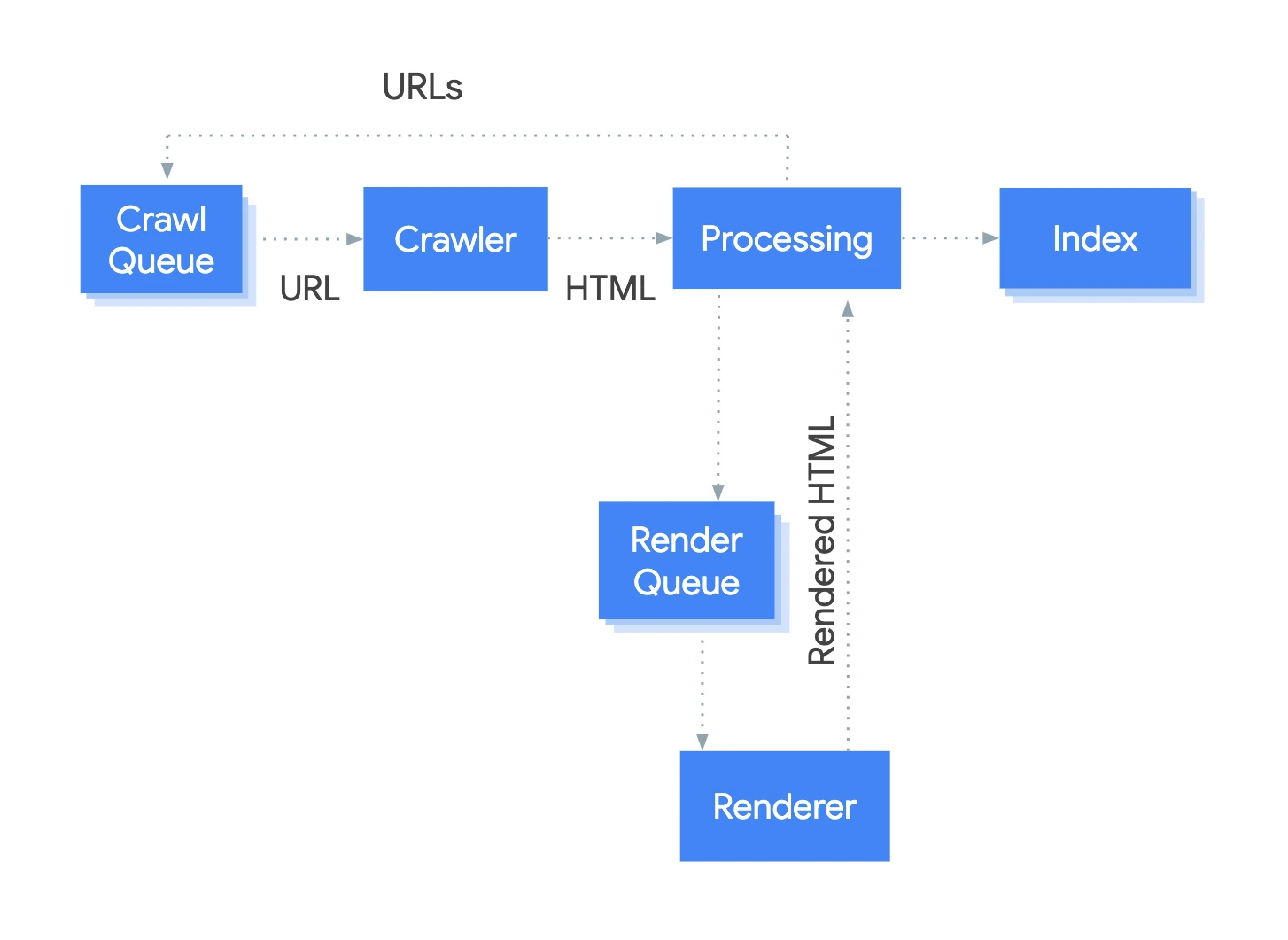
It is worth allowing only those filtered pages into the index that answer recurring queries and show a clearly differentiated product selection. Temporary combinations, empty ones or those based solely on minor technical differences usually do not deserve a separate URL. The same applies to filters with a small number of products, because it is hard to build unique value on them. In practice, it is better to have a few strong filtered pages than hundreds of weak URLs.
Indexation management is used to ensure that crawlers see the right version of the page, not every variant with a parameter. The main tools are meta robots noindex, rel=canonical, robots.txt rules and parameter handling. Canonical helps indicate the preferred version for similar URLs, and noindex limits the presence of low-value pages in the index. Robots.txt can restrict crawling of unnecessary sections, but it does not replace proper canonicalisation where URLs have already been discovered.
Good control of filters and indexation directly reduces the risk of keyword cannibalisation. When the main category, a subcategory and several filtered versions target the same cluster, none of them sends a strong enough signal. That is why you should assign one canonical URL to each group of queries and make the remaining variants subordinate to that decision. After implementation, regularly check in the crawler and GSC which URLs are actually ranking, because this quickly reveals incorrect settings.
Preventing keyword cannibalisation and common mistakes
Preventing cannibalisation means assigning one intent cluster to one canonical URL and making the remaining variants subordinate to it. When a category, subcategory and indexed filter answer the same need, they start competing for similar queries. As a result, topical signals, internal links and visibility are spread across several URLs. If one cluster has more than one landing page, you usually need to simplify the structure first and only then strengthen the content.
The most common mistakes are repetitive and usually result from the desire to handle every keyword variation with a separate URL. This leads to doorway pages, thin pages and descriptions that differ by only a single word. Mass indexing of filter combinations without checking demand, product count and unique value is equally problematic. The search engine then sees many similar versions instead of one strong page.
Most often, it is worth eliminating the following patterns:
- separate URLs for close variants of the same intent,
- copying descriptions between the category, subcategory and filters,
- indexing sorting, pagination and random parameters,
- stuffing phrase modifiers instead of describing the real features of the offer,
- creating pages with a small number of products and no unique value.
Keyword cannibalisation is best identified on the basis of data, not instinct. In the crawler, server logs and GSC, check which URLs are indexed, which are gaining impressions, and whether several URLs rank for the same cluster. A good signal of a problem is a situation in which different pages appear alternately for similar queries. This pattern usually means that the architecture or indexing does not support one clear answer to the intent.
The fix usually involves merging content, correcting internal linking and limiting the indexing of weaker variants. If the main category is to be the landing page, then filters and similar subpages should strengthen it, rather than taking over the same topic. When a separate URL makes business sense and has its own assortment, its scope needs to be clearly distinguished from the parent page. After the changes, monitor the number of ranking URLs in the cluster, non-brand visibility and conversions from category visits, because these metrics show whether order in the structure is working in practice.
FAQ
Frequently asked questions
How do you assign long-tail keywords to one category page without creating duplicates?
You need to group queries by shared intent, not just similar wording. If the same products can satisfy the needs of a given cluster, it is better to strengthen one category than to multiply similar subpages.
When is one category enough instead of a separate subpage for each keyword variation?
One page is enough when users searching with different queries want to see the same type of range. A separate URL only makes sense once the scope of the offer or the expected product selection changes.
Is it worth indexing all filter combinations on a category page?
No, only combinations with real demand, a sensible number of products and their own value for the user should be indexed. The rest of the filters should mainly be used to narrow the offer, not to create more SEO URLs.
How do you create category content for long-tail without copying the same paragraphs?
The best approach is to build it from modules describing real offer features, use cases and product differences. Short sections about product selection, feature comparisons and the most common questions work well.
Why should one category, subcategory and filter not target the same query cluster?
Because then they start competing with each other and spread topical signals across several URLs. This leads to keyword cannibalisation, which means none of the pages sends a strong enough signal.
Which on-page elements support long-tail keywords on a category page most strongly?
The most important are the title, H1, meta description, section headings and breadcrumbs. Each of these elements should reinforce the same intent cluster and describe the real offer, not a separate keyword variation.