The wishlist and favourite products help win back customers when they are part of a broader process, not just a convenient add-on on the product page. A well-implemented list captures real purchase-intent signals that can later be used in communication, analytics and content planning. As a result, organic traffic does not end with a single visit, but can return to the store at later decision points. The greatest value of a wishlist does not lie in saving the product itself, but in what the store does with that signal afterwards.
The strategic role of wishlists in SEO and business
The strategic role of wishlists in SEO and business is to increase the value of traffic and collect 1st-party data about purchase intent. The function itself does not improve Google rankings directly. In practice, however, it gives the store data on which products, brands and categories attract interest before purchase. This is particularly important where the user returns to the decision after a few days or weeks.
For SEO, this means better use of organic traffic, because a user acquired from search does not disappear after one session. If they save a product, the store can come back to them with a relevant message when the price or availability changes. This mechanism increases the chance of recovering the visit and redirecting the user back to the specific product page. From a business perspective, this increases not only the number of returns, but also potential retention and customer lifetime value.
The wishlist also acts as a common point for several areas at once. SEO delivers traffic, CRO makes it easier to save products, CRM activates communication, and analytics measures the impact on revenue and repeat purchases. This makes it easier to identify demand, spot product trends and notice faster which elements of the offer are viewed often but bought only later. This is a practical reason why a wishlist should be treated as a strategic tool, not just an interface element.
The business and product context of a wishlist
The wishlist works best in sectors and buying models where the decision is not made immediately. It makes the most sense for deferred purchases, such as furniture, fashion or consumer electronics and home appliances, because the user compares options and returns to them later. The feature is also particularly useful for products with multiple variants, for example size or colour. In such categories, saving a specific version of a product genuinely shortens the path back to purchase.
High effectiveness is also seen where the purchase has an aspirational, gift or seasonal component. The user often saves products they want to show someone else, buy during a promotion or return to before a specific time of year. The same applies to limited availability, where quick notification of a product being back in stock matters. In such situations, the favourites list is not just the user’s memory, but part of the sales recovery process.
The business value of a wishlist is different for repeat and subscription products, such as cosmetics or FMCG. Here, a save can signal not only interest, but also a future need to renew a purchase. This allows you to distinguish between users who are just browsing the offer and those who are building their own product set for a later order. First, you need to assess whether customers in a given category actually delay decisions or return to the same products, because that determines whether implementing a wishlist will be worthwhile.
Mechanisms and triggers for winning back customers
Customer recovery mechanisms work when saving to a wishlist triggers a specific, relevant message at the right moment. Adding a product to favourites on its own does not recover anything yet. The store has to link that signal to automation that brings the user back to exactly that product. The best-performing messages are those about price changes, availability and limited stock.
A price-drop notification makes sense where the user is delaying a purchase or waiting for a better moment. An alert about a product being back in stock is key for seasonal and limited-quantity products. A low-stock signal works only if it is based on the real stock level, not artificial pressure. The most effective trigger responds to a specific purchase obstacle: price, lack of availability or a postponed decision.
In practice, it is worth combining these triggers with a reminder about an abandoned wishlist and recommendations of similar products. If the saved model has disappeared, the user should receive a sensible alternative from the same category or brand. Such communication shortens the path back and reduces leakage to competitors. Every message should lead via a deep link directly to the product page, not to the general category page.
The contact channel should be matched to the type of purchase decision and the frequency of changes in the offer. Email works well for a larger number of products and a more complex decision. Push and SMS are better for urgent signals, such as a quick return of stock. Too frequent communication reduces effectiveness, because the user stops distinguishing an important alert from a standard promotion.
Segmentation and personalisation based on the wishlist
Segmentation and personalisation based on the wishlist involve dividing users according to the value of saved products, the category of interest and the stage of the decision. As a result, communication is not generic. The store can guide a user saving expensive equipment differently from someone setting aside cosmetics for the next order. This directly affects the relevance of the message and the quality of traffic recovery.
The most useful split concerns the value and margin of products on the list. More expensive products or those strategic from a margin perspective require a different scenario than fast-moving items. In the first case, communication that supports the decision and comparison of options works better. In the second, reminders, bundle completion and a convenient move to the basket are often more important.
The second practical dimension of segmentation is category, brand and time since the product was added. A user who added a product yesterday usually needs a different trigger from someone returning after three weeks. A fresh save more often calls for a simple reminder. An older save is better combined with a price change, availability or a recommendation of a similar model.
It is also necessary to distinguish between a session wishlist and a persistent one. An anonymous user provides less data, so communication is more limited and depends on saving the list in the current session or on the device. A logged-in user makes it possible to connect saved products with purchase history and previous visits. Without recognising whether the list is temporary or tied to an account, it is easy to lose data continuity and send a poorly matched message.
The biggest gain comes from combining the wishlist with purchase history and the entry source. If the user landed from organic results on a specific category, saving a product says more than the pageview alone. You can then assess intent more accurately and tailor the message content to the stage of the journey. Such personalisation does not require guessing, because it is based on genuine interest saved by the user themself.
Technical implementation and SEO hygiene of the wishlist
Technical implementation and SEO hygiene of the wishlist involve building the feature in such a way that it collects data and recovers users without harming indexing. The key is to separate private user lists from the index, usually via a meta tag noindex and crawler access control. Such URLs do not add unique value for the search engine and often create thin content or duplication. A private wishlist is meant to support sales and CRM, not compete for indexing with product pages.
The second critical element is the way list and product variant URLs are built. If the wishlist creates many parameter combinations, crawl budget traps and unnecessary paths for the bot can easily arise. That is why list parameters need to be limited, and product pages with variants should be tied with a canonical to the proper version. This organises the index, reduces the risk of duplication and helps the search engine identify the main offer page.
From a data perspective, stable product and variant identifiers and correct events sent to the dataLayer are key. Without this, it is difficult to connect a save, return, add to basket and purchase of the same item. It is worth keeping Schema.org on product and offer pages, not on wishlist pages. You also need to make sure that the scripts handling favourites do not worsen LCP and INP, because recovery must not damage the page experience.
Analytics and key performance indicators (KPI)
Analytics and the key performance indicators of the wishlist should measure its impact on customer recovery, revenue and order value. First, you need to register the full sequence of behaviours, not just the moment a product is added to favourites. The number of saves without a link to the basket and purchase says very little about the effectiveness of this feature. Measurement must distinguish ordinary interest from genuinely recovered sales.
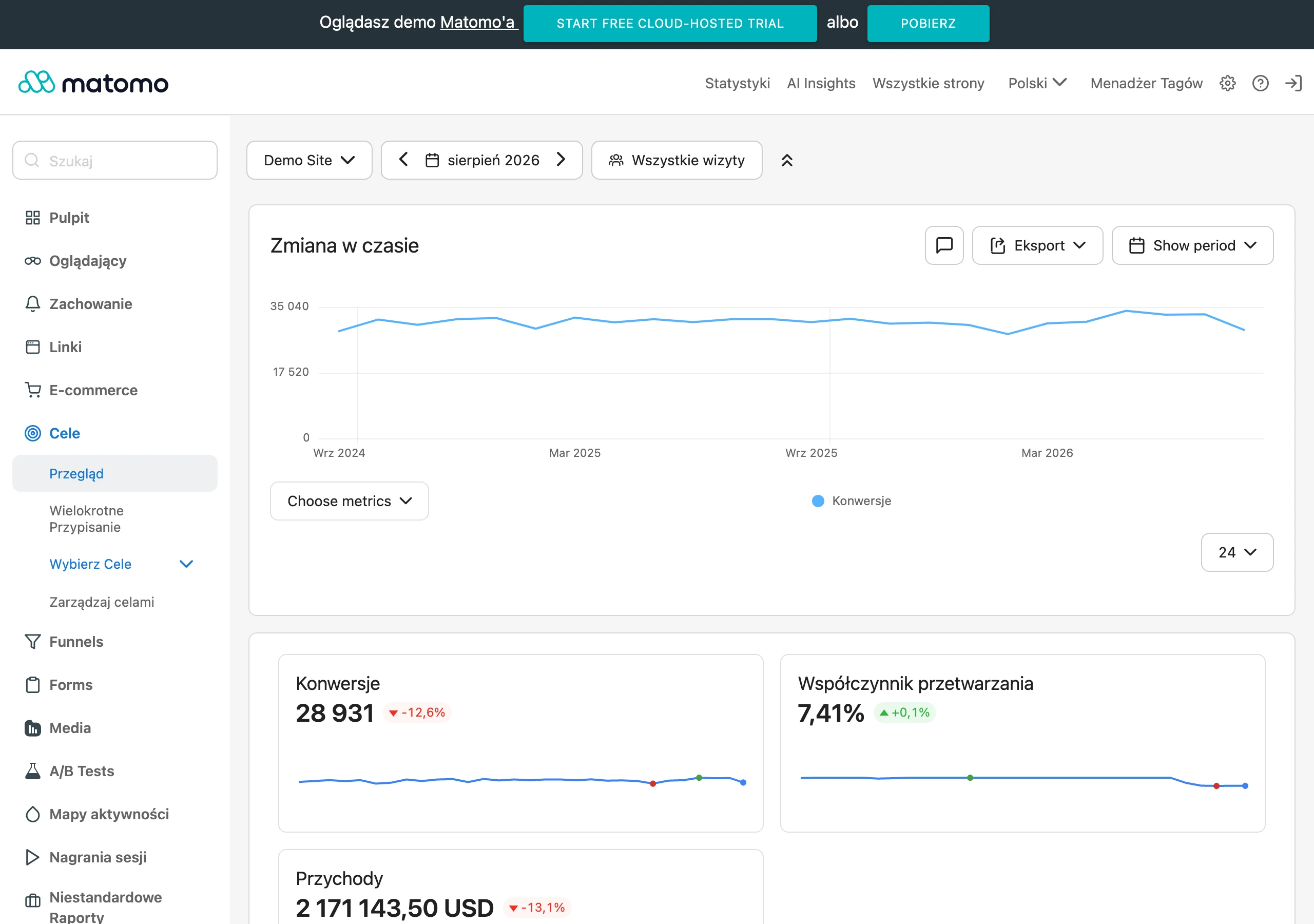
The minimum set of events includes:
- add_to_wishlist — saving a product to the list
- add_to_cart_from_wishlist — moving from the list to the basket
- purchase_from_wishlist — purchase of a previously saved product
At KPI level, the most important metric is the recovery rate, that is, the share of users or products returning from the wishlist to purchase. Alongside it, it is worth measuring revenue from campaigns based on the wishlist and assisted conversions. This shows whether communication closes the sale on its own or only speeds up the decision within a broader journey. In practice, it is also important to compare channel effectiveness, because email, push and SMS do not play the same role.
A fuller picture is provided only by business metrics such as AOV, LTV and a cohort analysis of users using the wishlist. If this group buys more often, returns faster or builds larger baskets, the feature genuinely strengthens retention. It is worth separating logged-in, anonymous and organic-acquired users, because their journeys have different dynamics. Only such measurement makes it possible to assess whether to develop the wishlist more broadly or limit it to selected categories and scenarios.
Common mistakes and pitfalls related to the wishlist
Common mistakes and pitfalls related to the wishlist are the lack of recovery actions, indexing errors, loss of data between sessions and poorly handled communication. The most common business mistake is treating it as a convenient storage box, without return scenarios, segmentation and campaigns based on signals from the list. Then the store collects clicks, but does not turn them into recovered visits, baskets or purchases. If the wishlist does not connect with CRM, automation and revenue measurement, its value quickly becomes illusory.
The second group of mistakes concerns SEO and data. Indexing public or shared lists usually creates thin content and duplication, which distracts the crawler from product pages. Another problem is the lack of connection between an anonymous list and an account after login. The user loses saved products, and the store loses the data continuity needed for reminders and attribution.
The third pitfall appears in communication and performance. Too frequent, generic messages about all products reduce relevance and may lead to consent opt-outs. Equally costly is adding heavy scripts that worsen LCP and INP on product pages. In practice, it is better to send fewer messages, but ones based on a real price change, availability or a tailored recommendation.
FAQ
Frequently asked questions
How can a wishlist be used to win back customers in an online store?
A list on its own does not recover anything if it does not later trigger relevant communication. It works best as an intent signal that the shop uses in automations, analytics and message personalisation.
Does a wishlist improve Google rankings directly?
No, the feature itself does not directly improve Google rankings. However, it provides data about purchase intent and helps you make better use of organic traffic in later decision stages.
When does a wishlist work best and in which industries does it make the most sense?
It makes the most sense for deferred purchases, when the user compares options and returns to the decision later. It works well, among others, in furniture, fashion, and consumer electronics and home appliances.
Why is saving a product to a favourites list important for SEO and business?
Because it shows genuine interest in a product, brand or category before purchase. This allows the shop to plan communication, content and sales recovery activities more effectively.
Which notifications are best at recovering customers from a wishlist?
The most effective messages are about price changes, the product coming back in stock, and low availability. Reminders about the saved list and recommendations of similar products also work well.
What needs to be measured to assess wishlist effectiveness?
You need to track the full sequence of events, from adding to the list through to purchase. Key metrics include recovery rate, revenue from campaigns based on the wishlist, assisted conversions, as well as AOV and LTV.