
Keywords with commercial intent are one of the key areas of SEO, where the aim is not only traffic, but enquiries, leads and sales. A user entering such phrases is usually no longer looking for general information, but checking who is worth paying, what the cost will be, and how to compare offers sensibly. That is why it is not enough simply to “rank high” for any industry-related terms. The biggest factor is matching the type of page to the user’s intent, because that is what determines whether a visit from Google has a chance of turning into contact or a purchase. In practice, you need to analyse the keyword, the layout of the search results and the quality of the landing page itself in parallel. This approach is simpler than it seems if you break it down into a few sound decisions.
What commercial-intent keywords are and how to recognise them
Keywords with commercial intent are queries entered by people who are comparing offers, checking purchase conditions, or are one step away from contacting a company and making a decision. These are not strictly educational phrases such as “what is” or “how does it work”, but terms closer to the supplier-selection stage. In practice, they more often lead to service pages, category pages, landing pages, local pages, price lists or comparisons, rather than a standard blog post.
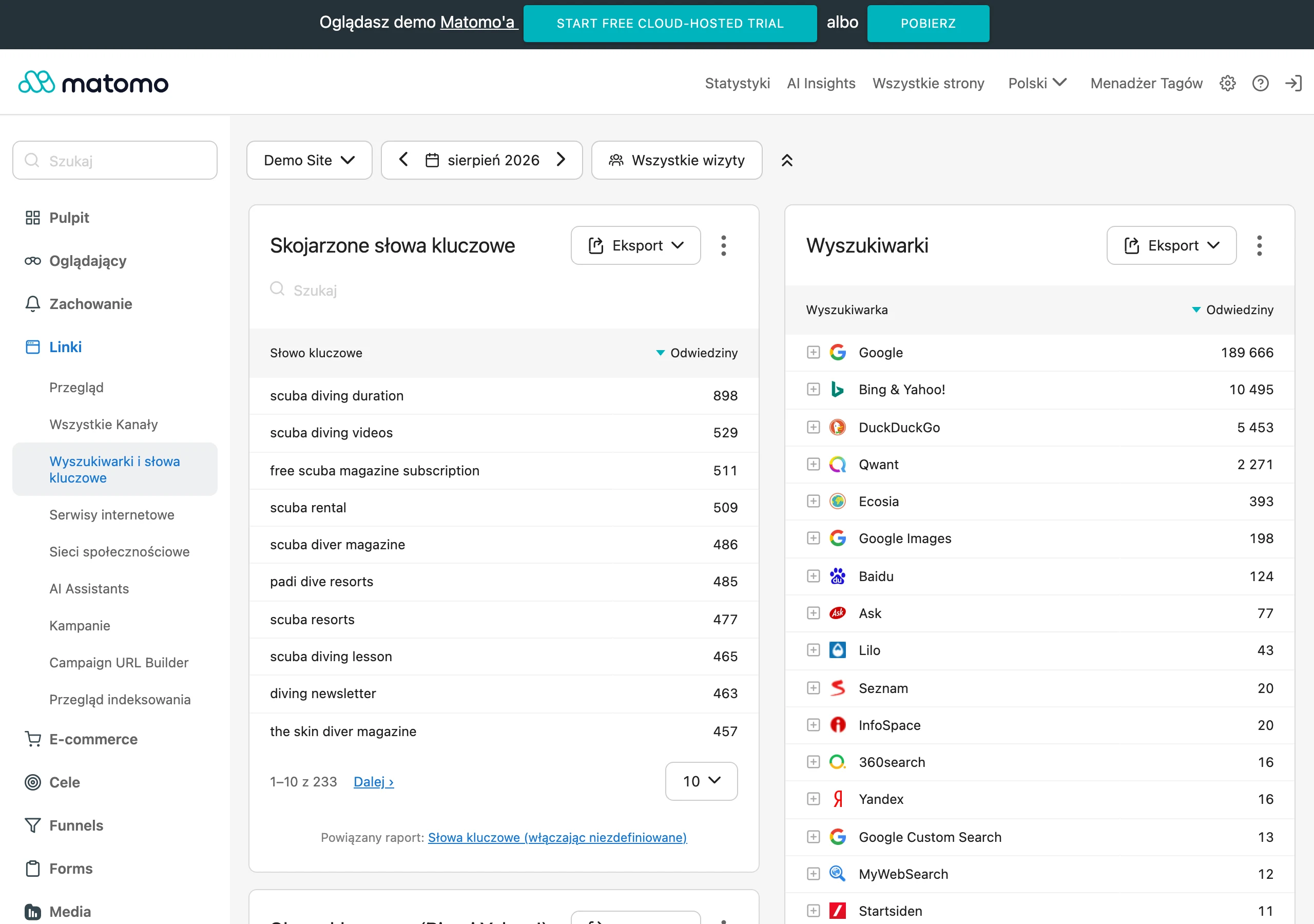
The easiest way to spot them is by the language the user uses and by what Google surfaces in the SERPs. Typical modifiers include:
- price, cost, price list, offer, quote,
- best, ranking, comparison, reviews,
- service + city, near me, nearby,
- buy, order, booking, manufacturer, shop.
The wording of the phrase alone does not always give a clear answer, because the composition of the search results also co-determines the actual intent. If Google shows mainly service pages, category pages or local results, that is a sign that the user expects an offer, not a guide. When comparisons and reviews dominate, a comparison page or an expanded “why choose this service” section may be the better format.
In practice, you do not work on a single phrase, but on a cluster of very similar queries with the same goal. A user may type “online accounting price”, “accounting firm price list” and “accounting for business cost”, yet all these terms can lead to one well-prepared offer page. It is wiser to build one strong subpage for the entire cluster than several weak URLs that start competing with one another.
The most common mistake is trying to rank a commercial phrase with educational content that lacks an offer, a price list, a clear next step and trust-building elements. Such a page may even attract visits, but it often does not answer the questions the user is actually asking: how much does it cost, what exactly will I get and how do I get in touch? With commercial intent, specifics matter, not just a description of the topic.
- 01Comparison and decisionComparing offers, readiness to get in touch.
- 02Supplier selection stageCloser to purchase than education.
- 03Landing pagesServices, price lists, landing pages.
- 04Language and search resultsAnalysing queries and SERPs.
Key to attracting customers ready to buy, not just looking for information.
Why ranking commercial-intent keywords is crucial for business
SEO for commercial-intent phrases is particularly important for a business because it brings traffic that is closer to the purchase decision than standard informational queries. Such a user is more likely to compare several providers, check the terms of cooperation, or send an enquiry straight away. From a company’s perspective, this is usually a more valuable visit than high-volume but indecisive traffic to general content.
It is also worth remembering that the number of searches alone does not yet determine a keyword’s real business value. A lower-volume query can deliver better results than a popular blog topic if it is closely tied to the offer and leads to a page that effectively closes the decision. Keywords should be assessed not only through the lens of popularity, but above all in terms of conversion potential, fit with the offer and the ability to prepare a better page than the competition.
High commercial intent usually also goes hand in hand with greater competition. Rivalry concerns not only the content, but also the site architecture, clarity of the offer, speed, mobile version, internal linking and the quality of the whole contact journey. The page should guide the user from search to action with as little friction as possible.
Therefore, ranking such keywords is not just a matter of inserting keywords in the heading and meta title. You need to clearly show the scope of the service, area of operation, pricing method, answers to typical objections, contact details and a clear CTA. If a page gains visibility but does not generate enquiries, the reason most often lies in a mismatched offer, weak CTA or too cumbersome a contact process, not in the ranking position in Google itself.
For a business, this translates into a simple conclusion: commercial keywords should be a priority wherever the company genuinely wants to acquire customers. They are most often what connects SEO with financial performance, because they drive to pages that can immediately trigger a phone call, form submission, booking or sale. Informational traffic is still needed, but it usually plays a supporting, rather than closing, role.
How to match the page type to the user’s commercial intent
The page type should be matched to the format of results that Google is rewarding for a given keyword. If service pages dominate the TOP10, a guide will not be a suitable target URL. If product categories dominate the results, a single service subpage will also usually lose out, even with polished content.
In practice, you first analyse the SERP and only then decide what to create or what to optimise. This can be more important than the wording of the keyword itself, because a keyword that looks “sales-oriented” may in fact trigger local results, comparison lists or a marketplace. The most common mistake is preparing content for your own idea of the intent, rather than for the actual layout of the search results.
The best approach is to assign one main URL to a cluster of keywords with the same intent. That way, signals do not spread sideways and several subpages do not end up competing for the same query. This is particularly important for variants such as “price”, “cost”, “offer”, “pricing”, which in many cases should strengthen one service page instead of splitting potential across several similar addresses.
Most often, the right page type for commercial intent will be one of the following options:
- service page — when the user is looking for a provider or a specific service,
- category — when the query concerns a group of products or multiple offer variants,
- landing page — when the keyword is very specific and requires a strongly focused presentation,
- local page — when the query clearly includes a city, district or region,
- comparison page or pricing page — when the user wants to compare options, scope and costs.
Local keywords require extra caution. Separate city pages only make sense if you genuinely serve that area and can show something more than a mechanical replacement of the location name. Mass-producing near-identical local pages usually ends in poor quality, keyword cannibalisation and low usability.
You also should not mix two different intents on one page if Google treats them separately. When the user is looking for information, a guide works better. When they are comparing offers or want to buy, a service page or a category with a clear CTA will be more effective. This separation helps both rankings and conversion.
Good page-type alignment means that as soon as the user arrives, they immediately see what they need at the decision stage. They should find the scope of the offer, terms, indicative pricing or pricing method, trust signals and a simple next step. If too many clicks are needed to move from a Google visit to contact or purchase, the intent has only been partially matched.
- 01SERP analysisCheck the search results
- 02Dominant formatServices, Products, Guides?
- 03Match the page typeCreate what Google rewards
- 04One intent clusterOptimise one subpage
Most important: do not create for your own idea, but for the actual layout of Google results, assigning one cluster of keywords with the same intent to one subpage.
Key stages of optimising offer content
Optimising offer content is about arranging the page so that the user quickly understands the offer, gains trust in it and knows what to do next. It is not about writing “for SEO” in isolation from sales. Good offer content simultaneously answers the query, supports rankings and removes barriers to contact or purchase.
The first stage is to establish which cluster of keywords the page is targeting and what questions the user asks before making a decision. On this basis, the title, main heading and first section of the page are prepared. Instead of a general company description, it is better to show straight away what the service is, who it is for and what area it covers.
The second stage is to set out the specifics of the offer. The user should be able to see, without effort, the scope of the service, the course of cooperation, available variants, lead times, area of operation and factors affecting the price. For commercial keywords, content that is too general reduces effectiveness more often than content that is too short.
The third stage involves working with objections that appear immediately before contact is made. In practice, this is done through an expanded FAQ, explaining what the price depends on, what the delivery conditions are, and what sets the offer apart from the competition. If the SERP shows pages with reviews, comparisons or case studies, it is worth supplementing your own page with similar elements.
The fourth stage is strengthening trust signals. These can include customer reviews, case studies, certificates, precise company details, team photos, service parameters or a clearly outlined process. These additions do not replace the offer itself, but they make it easier to close the decision when the user is comparing several similar results.
The fifth stage is a clear and easy-to-notice CTA. The form, phone number and quote or booking button should be available straight away, without the need to search. If the user has to scroll through the whole page to find a contact option, even good SEO visibility may not translate into business results. The landing page is meant to drive action, not just inform.
The sixth stage involves refining the links between the offer content and the other sections of the site. Guides, articles and FAQ should link to the commercial page with descriptive anchors that strengthen the topic. This way, informational traffic can support sales rather than replace it.
Finally, it is worth checking whether the content “proves itself” in the data. Pay attention not only to rankings, but also to CTR, page visits, submitted forms, calls and user behaviour on mobile. If a page ranks but does not convert, the most common cause is a lack of specifics, weak CTA, an unclear price list or a mismatch with the real intent of the query.
The most common mistakes in ranking commercial keywords
Among the most common mistakes are a mismatch between the page type and the intent, combining different user goals within one URL, and judging success solely through the lens of rankings. A commercial keyword usually does not require a general guide, but a page that helps the user make a decision and take the next step. When a user is looking for an offer, a price list, a comparison or a local service, educational content without specifics will perform poorly even with decent visibility. First you need to win intent match, and only then expand the content.
A very common problem is creating many similar subpages for slight variants of the same keyword. As a result, several URLs compete for the same cluster, and Google does not get a clear signal as to which page is key. This is classic keyword cannibalisation, which reduces visibility and complicates optimisation. One strong page for one keyword cluster usually works better than several thin subpages.
The second mistake is focusing on search volume alone instead of real business value. A keyword may generate lots of views, but if it does not align with the offer or leads the user to the wrong stage of the funnel, the traffic will not turn into enquiries or sales. In practice, it is better to focus on topics where the company can show a concrete proposition, terms of cooperation and a clear way to get in touch.
Many sites also lose out not because of content gaps, but because of an underdeveloped conversion path. The user lands from Google but does not find an indicative price, service area, delivery time, proof of quality or a simple CTA. With commercial keywords, these are the elements that determine the decision, not extras. If a page ranks but does not bring in leads, the source of the problem is often not SEO, but an offer presented too generally.
A separate group of mistakes concerns technical and local issues. Mass creation of almost identical city pages, inconsistent contact details, a weak mobile version, slow loading and an unclear form can wipe out the effect even with good rankings. With keywords close to conversion, the user acts quickly and compares several options, so any friction works against the page.
- 01Incorrect intentPoor content-to-goal match
- 02Mixing goalsDifferent intents on one URL
- 03URL cannibalisationMany similar subpages compete
- 04Wrong metricAssessing success only by position
First intent match, then content expansion.
How to measure the effectiveness of SEO for commercial keywords
SEO effectiveness for commercial keywords should be assessed primarily by the quality of traffic and the number of conversions from the right landing pages, not solely by ranking growth. Visibility matters, but it is only an intermediate stage. If a page appears higher in Google, yet still does not generate forms, calls or sales, the business result remains weak. With commercial keywords, what happens after the visit to the page is what matters most.
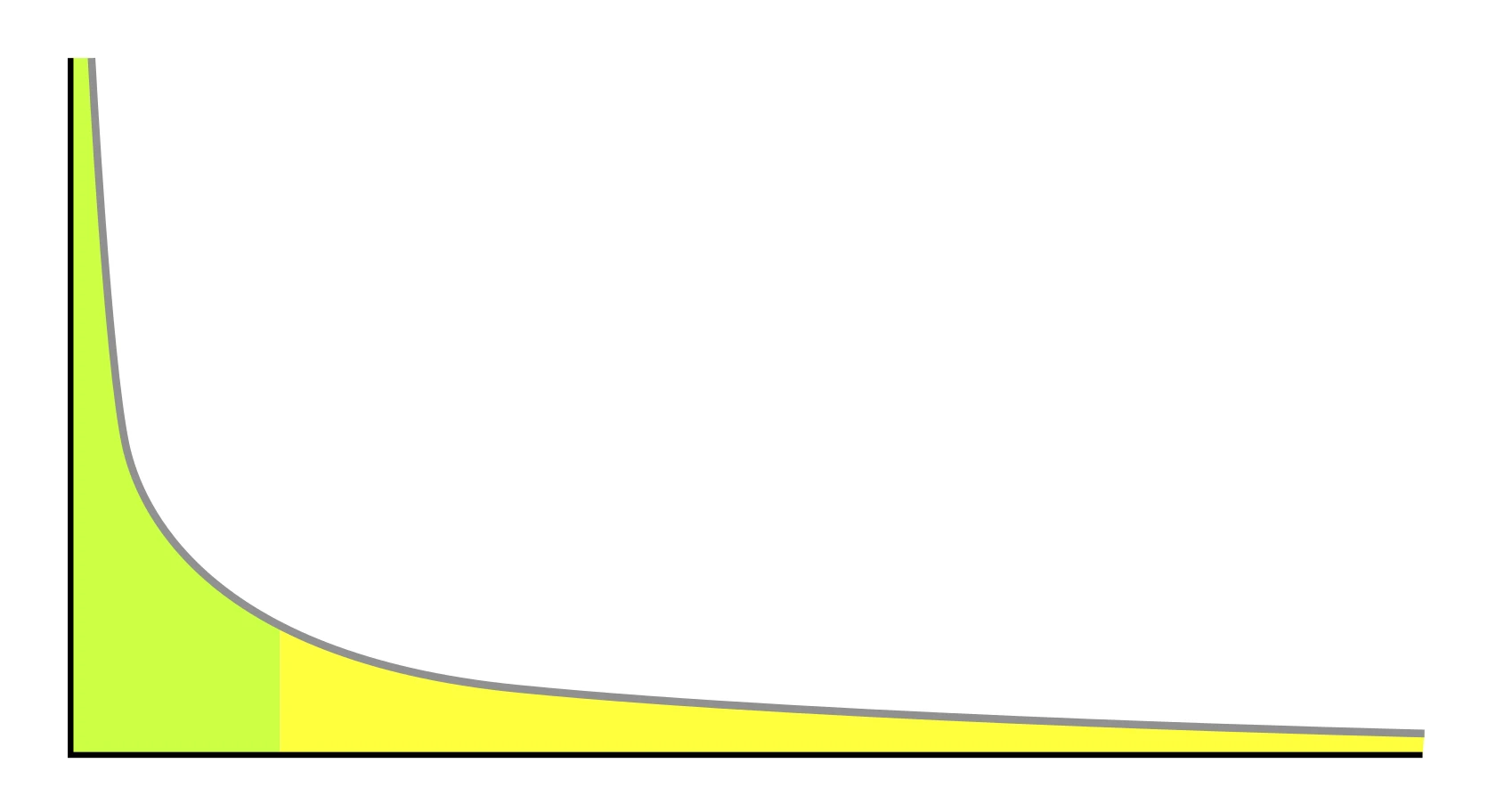
The simplest measurement model can be arranged in three layers. The first is visibility: impressions, clicks, CTR and average position for keyword clusters and specific URLs in Search Console. The second concerns on-site behaviour: visits to offer pages, share of mobile traffic, moves to the form, clicks on the phone number, started baskets or other micro-actions. The third is the end result: enquiries, leads, bookings, sales, revenue or lead value, if the company works in an offer-based model.
In practice, it is best to measure performance at landing page level, rather than for the whole domain. This makes it possible to quickly check whether a specific landing page, service page or category really matches its intent. When one URL records rising clicks but a low contact rate, it is worth refining the offer, decision-making sections or CTA. When conversion is good but traffic is low, it is more often a matter of keyword reach, title, internal linking or the strength of competition in the SERP.
Reliable measurement is based on combining several data sources. Search Console shows which queries and URLs the site is visible for, analytics describes user behaviour, and a CRM or lead management system makes it possible to verify the quality of contacts. When a company receives a lot of calls, call tracking or at least separate marking of the contact source is a major help. Without connecting SEO to real leads, it is easy to optimise traffic that has no sales value.
The way results from changes are assessed also matters. Simply comparing week on week can be misleading, because commercial keywords are often subject to seasonal and local fluctuations. It is better to compare longer periods, document implementations and check what changed after modifying a specific page, for example: title, pricing section, FAQ, linking or form. The most useful report shows the relationship: keyword cluster → URL → traffic → conversions.
Finally, it is worth separating two scenarios. If positions rise but conversions remain unchanged, it usually means that the page is not closing the user’s decision stage. If conversions from SEO traffic are good but the scale is small, it makes sense to keep investing in expanding the cluster and strengthening the page. Such an analysis model makes it easier to make decisions based on data, rather than solely on a visibility chart.
The importance of SERP analysis in ranking commercial keywords
SERP analysis makes it possible to check what type of page Google considers appropriate for a given commercial keyword. This is the fastest way to assess whether it is better to rank a service page, category page, local landing page, comparison page or some other subpage. The query itself is often not enough, because the same keyword may be understood differently depending on the industry and location. If you ignore the SERP, it is easy to prepare valuable content in a format that does not match the intent.
In practice, it is worth checking what dominates in the results: service pages, shops, directories, comparison sites, a local map pack or informational content. Such a review suggests what stage of the decision process the user is at and what they expect after entering the site. If offer pages with a form and pricing dominate the top results, a blog article will usually not be truly competitive. Alignment with the intent visible in the SERP is often more important than keyword density itself.
Analysing search results also helps to estimate competitiveness and the realism of breaking into the top positions. It is worth looking not only at brands, but also at page structure, offer length and the sections covering the scope of the service, reviews, FAQ, service area and pricing method. This shows what Google and users expect today as standard. This approach is practical, because instead of guessing, you design the page based on real results.
SERP also makes it possible to quickly spot the local component, which appears particularly often with commercial keywords. If Google displays maps, business listings and pages with a city name, that is a sign that a general subpage alone may not be enough. In such a situation, it is worth refining local elements: service area, contact details, headings referring to the location and an appropriately chosen URL. Without these adjustments, even a strong offer can lose out to better targeted local pages.
SERP analysis is also the simplest way to prioritise keywords sensibly. High volume does not always mean the best direction if the results are dominated by a marketplace, aggregators or a format that cannot be prepared in a reasonable way. It is often better to choose a cluster with lower traffic, but one that is clearly closer to the offer and has a real chance of conversion. A keyword only has value when you are able to create a page better than the ones that are already ranking and lead the user to contact or purchase.
Finally, it is worth remembering that SERP analysis is not a one-off task, but a cyclical one. The layout of results changes with competition, Google updates and seasonal demand. A keyword that today favours service pages may, after some time, more clearly promote comparisons or local results. Regular checks make it possible to establish more quickly whether the problem lies in the content, the page format or the shift in intent visible in the results.
FAQ
Frequently asked questions
How do you identify commercial-intent keywords?
These are queries from people comparing offers, checking purchase terms or getting close to contacting a business. They often include words such as price, cost, pricing, offer, comparison, reviews, buy, or service + city.
Is a high-search-volume phrase always the best for commercial SEO?
No, because search volume alone does not determine business value. Sometimes a phrase with lower volume delivers better results if it is strongly aligned with the offer and leads to conversions.
Why is the landing page type important when ranking commercial phrases?
Because Google promotes different formats for different intents, such as service pages, categories, landing pages or local pages. If the format does not match the SERP, the page has a lower chance of strong performance and conversion.
Which page should you choose for a commercial-intent phrase?
A service page, category, landing page, local page or pricing/comparison page usually works best. The choice depends on whether the user is looking for a provider, product, price or comparison of options.
How should you optimise offer content for commercial keywords?
You need to show the offer, scope of service, pricing method, terms of cooperation and next steps straight away. Trust elements, FAQs and a clear CTA visible without searching are also important.
What most often harms ranking for commercial-intent phrases?
The most common mistakes are a mismatch between the page and the intent, mixing several goals on one URL, and judging success only by rankings. Other problems include a lack of specifics, weak CTAs, unclear pricing and keyword cannibalisation across similar subpages.