

Finding keywords with traffic potential is not about downloading a list from a tool and sorting it by volume. It is about spotting topics that are genuinely in demand, that fit the offer and that can be covered with the right page or content. In practice, what matters is not only how many people type a given query, but also what they actually expect after clicking. The biggest mistake is choosing keywords that look good in a table, but diverge from the user’s intent or the company’s business model. That is why sensible analysis combines data from tools, manual review of search results and knowledge of the client. Only then do keywords become the foundation for traffic, sales enquiries and a sensible content plan.
What does it mean to find keywords with traffic potential?
Finding keywords with traffic potential means selecting queries that are linked to your offer, actually appear in searches and can win clicks thanks to the right page. So it is not about “popular words”, but about phrases that make sense both commercially and in SEO. Such analysis ends with identifying topics assigned to specific URL addresses, rather than just a list of phrases.
In practice, you work on several levels: the main topic, the primary keyword, long tail variants and the semantic cluster. This means you do not create a separate subpage for every minor variation, but instead build one strong answer to a given intent. A good keyword with traffic potential is one that the user enters with a specific need, and your page is able to serve it better than the current results.
This matters because one keyword will be suitable for a guide, another for a service page, and yet another for a product category or a local landing page. Similar words alone do not determine that they carry the same intent. If a keyword does not fit the type of page, even a high ranking often does not translate into valuable traffic or conversion.
Which factors affect the assessment of keyword traffic potential?
The assessment of traffic potential is influenced primarily by: real demand, search intent, the SERP layout, entry difficulty and the fit of the keyword to the business. These elements should be considered together, because a high search volume on its own often leads you astray. Volume is only a clue, not a ready-made answer to whether a given keyword has value.
- Real demand, meaning whether users are actually searching for this topic and how stable interest is over time.
- Search intent, meaning whether the user wants to learn, compare, buy, find a local business or go to a specific page.
- The SERP layout, meaning what takes up space in the results: ads, maps, video, question sections, zero-click answers.
- Entry difficulty, meaning the strength of the current results, content quality of competitors and the match between page types in the TOP.
- Fit with the business, meaning whether traffic from this keyword can translate into an enquiry, lead, sale or another valuable goal.
Real demand should be interpreted cautiously, because tools provide averaged data and do not always accurately reflect a niche, seasonality or long tail. A keyword with lower volume can be more profitable than a broad phrase if it is closer to the point of purchase decision. Good supplementary sources are data from Search Console, internal search, questions from customers and information from the sales team.
Intent is best checked manually in the search results. If Google shows mainly guides for a given keyword, it will be difficult to rank with a service page, even with solid optimisation. The SERP quickly suggests whether to prepare an article, a category page, a service landing page or an extensive FAQ.
Traffic potential is also affected by whether the organic result has any room to win a click at all. For some queries, the user gets the answer directly in Google, while in others a large share of attention is taken by ads, maps or shopping modules. As a result, two keywords with similar volume can in practice deliver completely different traffic.
The final filter is business sense and the capabilities of your site. If the topic is not connected to the offer or requires a type of page you do not have and do not intend to create, such a keyword should not rank highly on the priority list. Current domain strength, content level, information architecture and internal linking also matter, because they determine how realistic visibility will be after implementation.
What does the keyword identification process look like in practice?
In practice, the keyword identification process comes down to moving from business topics to a list of priorities assigned to specific pages and SEO actions. The starting point is the offer, customer questions, service names, product categories, user problems and data from Search Console. At this stage, you do not yet choose the “winning” keywords, but instead build the broadest possible input material. A good starting base results from combining sales knowledge, data from the site and observation of real user questions.
Next, the list is expanded with variants from autocomplete, related searches, Google question sections and longer long-tail keywords. Then comes the sorting stage: duplicates, phrases unrelated to the offer, overly broad queries and variants that do not require a separate subpage are removed. This is an important stage, because the number of keywords alone does not yet determine the quality of the strategy.
- gathering seed topics related to the offer and customers’ problems,
- expanding the list with variants, synonyms and users’ questions,
- cleaning up keywords and rejecting queries with no business value,
- checking intent and manual analysis of search results,
- grouping similar queries into semantic clusters,
- assigning clusters to existing URLs or recommending new pages.
Once the list has been organised, you check whether a given keyword can be sensibly served by the right type of subpage. For some topics, a guide will work best; for others, a service page, category page, local landing page or FAQ section. The most important stage is mapping keywords to specific URL addresses, because without this it is easy to create content that competes with itself or misses the real need.
At the final stage, prioritisation comes into play. You consider not only demand, but also fit with the offer, entry difficulty, the team’s capacity, the site’s current visibility and the chance of quick results. In practice, the best outcome of this work is not a spreadsheet filled with words, but an organised topic map, a list of quick wins and a plan for what to refine first.
Why is search intent crucial when choosing keywords?
Search intent is crucial when selecting keywords because it shows what kind of answer the user expects after entering a query. Two keywords may have similar volume, yet completely different value if one signals an intent to buy and the other only a need to learn the basics. That is why, before choosing a keyword, it is worth checking what Google already considers the best answer. If your page type does not match the dominant intent, reaching the results and earning clicks will be difficult even with good optimisation.
In practice, intent determines whether you prepare an article, service page, product category page, comparison, FAQ or local landing page. An informational keyword usually requires clear explanation and education. A commercial or transactional keyword needs specifics: the offer, parameters, price, advantages and a clear call to action. For this reason, not every keyword is suitable for a blog and not every one should lead to a sales page.
Intent also helps avoid two common mistakes. The first is lumping many different user needs into one page, which makes the content too generic. The second is creating several subpages for the same need, which ends up in keyword cannibalisation. Keywords should be grouped into one cluster only when a user entering different variants expects the same answer.
The simplest way to assess intent is manual: enter the keyword in Google and review the first page of results. Check which types of pages dominate, which headings repeat and whether there are modules above the organic results that limit the number of clicks. Manual SERP analysis is the fastest way to filter out keywords with only apparent potential and choose those that can genuinely be served with better content or a better page.
How do you analyse the difficulty of entering search results?
The difficulty of entering search results is assessed by comparing your own realistic ability to prepare a better answer than the one already in the TOP10. Search volume alone does not determine whether you can build visibility. You need to check who is already there, which content format wins and whether Google shows results aligned with what you can reasonably deliver. The key question is not “is the keyword popular”, but “do we have a chance of getting in with the right page for this intent”.
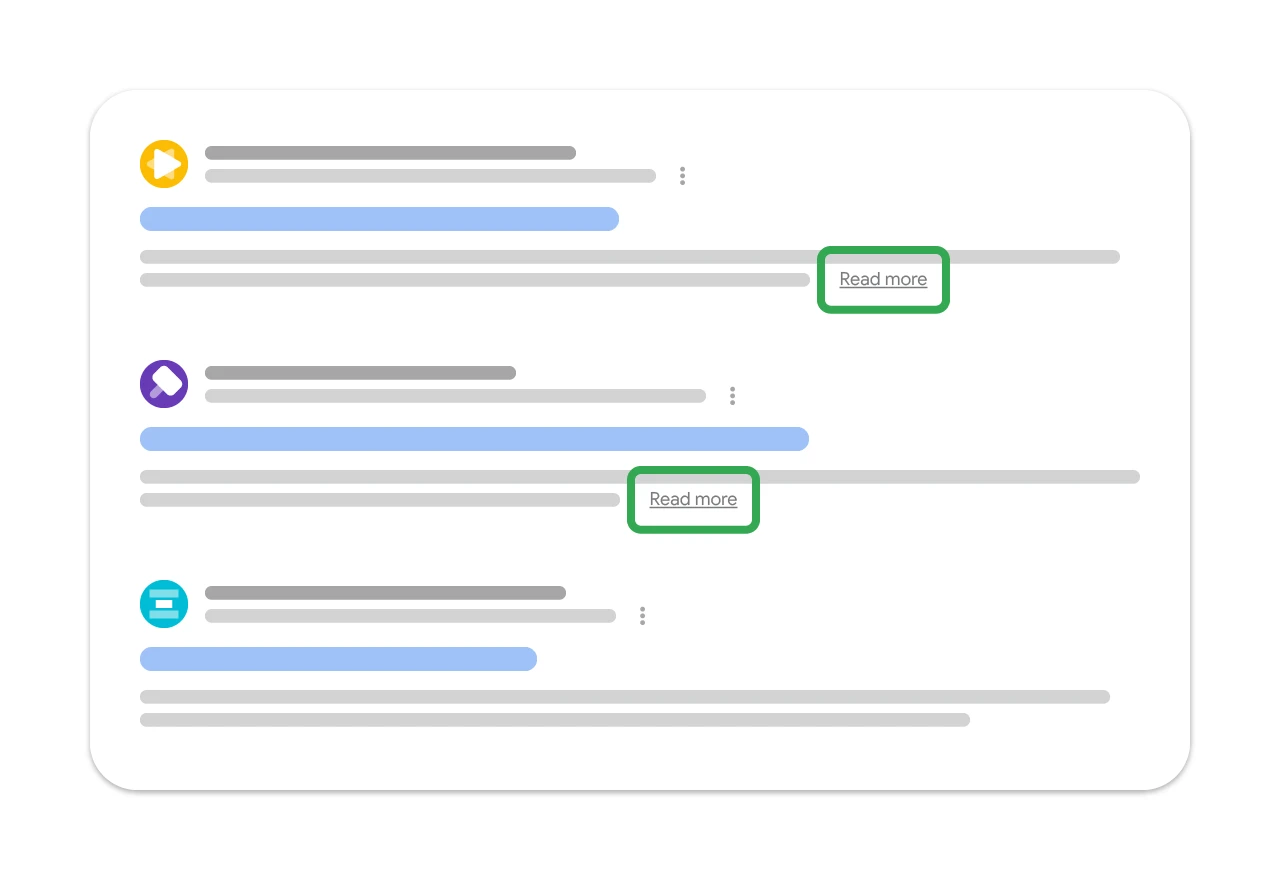
The first step is to manually review the results for the key keywords. If the TOP is dominated by guides, a service page is unlikely to break through there. When the results are local, map-based or product-based, you need a different type of subpage than a blog post. This is the fastest way to assess whether a given keyword can be sensibly accommodated on your site at all.
The second step is to assess the strength of the competition, but not only through the prism of big brands. Pay attention to how well the current pages answer the query: whether the content is complete, up to date, clear and logically structured. A keyword can be “easier” than the tool suggests if the current results are poorly matched to the intent or put together carelessly. On the other hand, a low difficulty score offers little if the TOP is occupied by pages with perfect intent match and a strong content structure.
The layout of the SERP also matters a great deal. If ads, maps, a questions section, comparison tools or expanded Google answers appear above the organic results, the actual number of clicks to classic results drops. In that case, even a high position may translate into less traffic than the volume suggests. That is why you analyse not only “whether you can get in”, but also “whether there will be clicks to collect once you do”.
The next element is matching the site’s resources to the scale of the competition. If competitors have extensive content clusters, strong internal linking and many supporting pages around the topic, a single new text will usually not be enough. Keyword difficulty should be assessed in the context of your own domain, not in a vacuum. For a strong site, the same keyword may be a reasonable target, while for a new site it may be too ambitious a start.
In practice, it is worth distinguishing between keywords that require a full dive into a topic and those that can be gained step by step. Often the better move is to start with narrower long-tail variants, build visibility, and only later go after the broader head term. This reduces the risk of wasting time on a topic the site is not ready for yet.
How to avoid common mistakes when choosing keywords?
The easiest way to avoid typical mistakes when selecting keywords is to assess them in parallel for intent, fit with the offer, and the real implementation potential on a specific subpage. Problems usually start when someone looks only at volume or blindly takes a list from a tool. A sound selection is based on filtering, grouping and assigning keywords to the right URLs. If a keyword does not lead to a sensible page or support a business goal, it is not a good keyword — even with high demand.
One of the most common mistakes is choosing topics that are popular but only loosely related to the offer. Such traffic can look good in a report, yet it does not translate into sales, leads or valuable interest. This usually concerns broad educational topics that attract users at a very early stage, with no real purchase intent. In practice, it is better to have less traffic from relevant queries than lots of visits from random ones.
The second mistake is splitting many near-identical keywords across separate subpages, even though the user expects the same answer. This is a straightforward route to keyword cannibalisation, where several pages compete with each other for the same intent. The result is diluted SEO signals and no single strong page on the topic. If the search results for several keywords are very similar, you usually need to build one cluster and one main page, not several near-identical pieces of content.
A mistake that is often overlooked is not checking whether the site already has a page that can handle the query in question. Instead of creating a new URL, it is sometimes more sensible to expand an existing subpage, refine the information structure, headings and internal linking. This is a faster and safer solution than adding more content without a plan. It is especially important in online stores and service sites, where it is easy to multiply pages with practically the same function.
The problem can also be making decisions based on a single metric from a single tool. Volume is averaged, difficulty is estimated, and some niche keywords can have more value than the data suggests. That is why it is worth combining several sources: Search Console, customer questions, sales data, the internal search and a manual SERP review. The most useful keywords often only become visible when you combine tool data with knowledge of what customers are actually asking.
Finally, it is a good idea to keep keyword mapping to specific pages under control and regularly adjust assumptions after implementation. If, after publication, a page starts gathering impressions for unplanned variants, that is a valuable clue to expand the content. If it gathers nothing, the cause is often the wrong page type, the wrong intent or a keyword chosen that is too ambitious. Good keyword research does not end in a spreadsheet — it only really begins when you observe how users and Google react to the published content.
What monitoring and optimisation methods should be used after implementation?
After implementation, it is worth continuously tracking impressions, clicks, CTR, rankings, conversions and whether queries are landing on the right URLs, and then adjusting the content, site structure and linking accordingly. In practice, the best setup is: Search Console for analysing queries and subpages, an analytics tool for assessing traffic quality, and simple rank tracking for key clusters. The most important thing is not just “is the page growing”, but “which keywords is it growing for, and are they the right business keywords”.
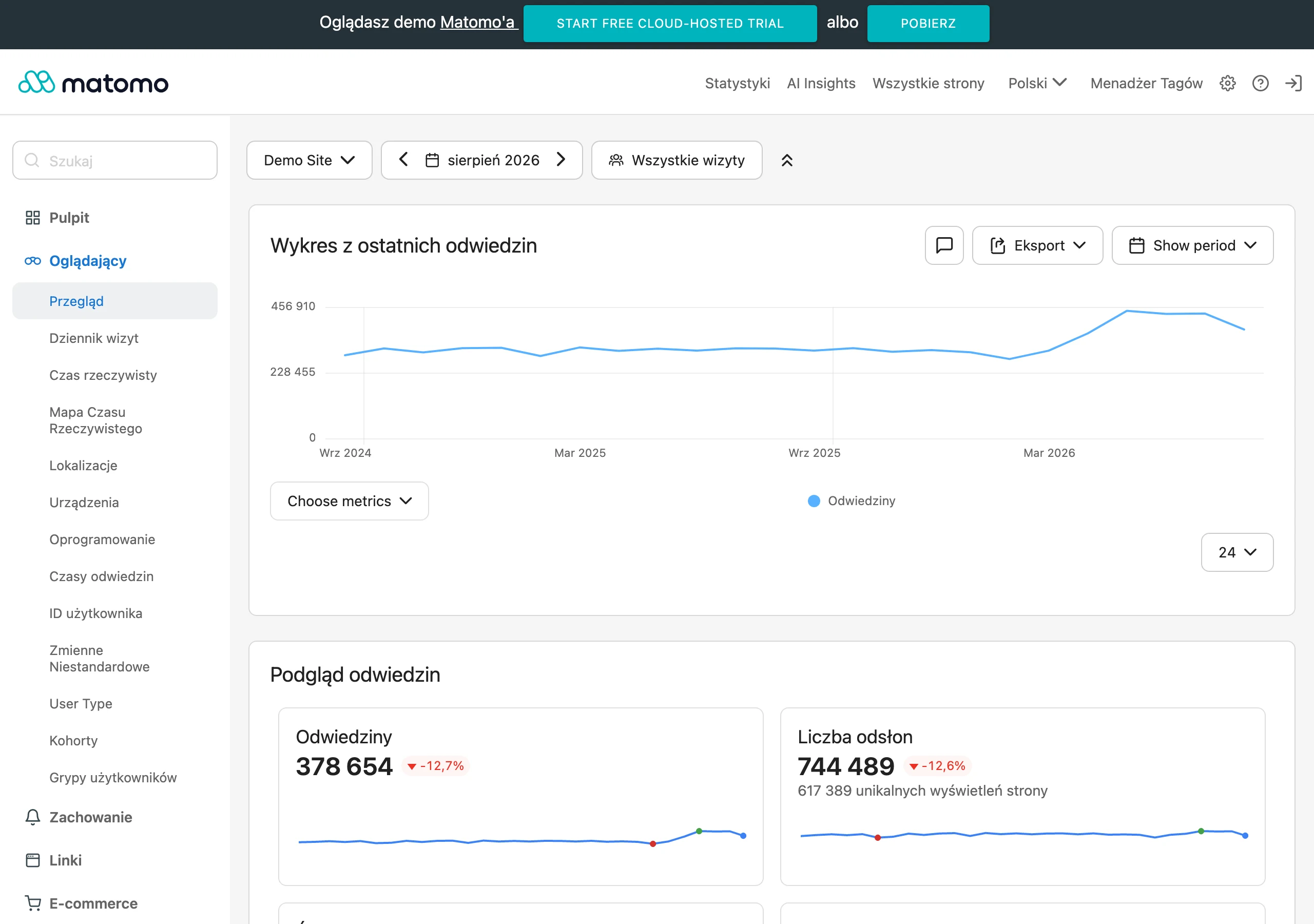
In Search Console, it is a good idea to regularly look at three data views: queries for a specific URL, URLs for a specific keyword, and period-over-period comparisons. This quickly shows whether a new or refined subpage is starting to gather impressions for the right topics, whether Google is testing it on side variants, and whether cannibalisation with other pages is occurring. If one query starts showing several subpages from the same domain, it is worth checking whether a single intent has not been artificially split across several addresses.
The quickest optimisations are usually for keywords for which the page already has impressions, but poor performance. When a URL is roughly in positions 5–20, it is often possible to improve the result with a better-structured title, a stronger opening section, more precise headings and filling in missing sections that answer real query variants. This is usually a better direction than writing more texts from scratch on a very similar topic.
CTR should be read in the context of the whole search result, not in isolation from the SERP. A low CTR does not always mean a weak title or description, because some clicks are taken by maps, ads, product modules or zero-click answers. If the position is good and clicks are missing, first check manually what the result looks like and what exactly you are competing with on the user’s screen.
Traffic quality is assessed by user behaviour and business impact, not solely by growth in clicks. In practice, you need to observe which clusters deliver supportive traffic and which translate into enquiries, leads, sales or other valuable actions. A keyword with less traffic may be more important than a popular blog topic if it drives contact or sales more effectively.
After a few weeks or months, it is worth expanding the content based on the data the page has already collected. If new queries with impressions appear, you can add FAQ sections, include examples, comparisons, local information or refine the offer for a specific intent variant. Good clusters are developed iteratively: first publication, then observing queries, and then expanding precisely where Google and users show real demand.
Separately, it is worth keeping an eye on internal linking and on how keywords are assigned to types of subpages. Informational content should support commercial pages, not compete with them for the same queries. If an article starts taking traffic that should go to a service landing page or category page, you need to adjust the scope of the material, anchor texts and the signals that clearly indicate which URL should be the main answer to a given intent.
Monitoring should be regular, but without unnecessary complexity. In most websites, a consistent weekly review for quick wins and a monthly review for bigger decisions is enough: content updates, creating new URLs, merging similar pages and changing priorities. The most common mistake after implementation is failing to react to the first data — and that is what shows fastest which keywords really have potential and which simply looked good in the tool.
FAQ
Frequently asked questions
How to find keywords with traffic potential in practice?
Start with topics related to the offer, customer questions and data from Search Console, then expand the list with long-tail variants, synonyms and questions from Google. Next, clean it up, check the intent in the SERP and assign the keywords to specific pages.
Why is search volume alone not enough to assess a keyword?
Because volume does not tell you what the user expects after clicking or whether the keyword fits your business. A keyword with lower volume may be more valuable if it is closer to the purchase decision.
How can you check search intent before choosing a keyword?
The simplest way is to type the keyword into Google manually and see which types of pages dominate the results. If Google shows mainly guides, it will be hard to beat them with a service page.
What affects whether a keyword has real traffic potential?
What matters is real demand, search intent, the SERP layout, entry difficulty and fit with the business. It is also important whether there is any room to win clicks in the organic results at all.
How can you assess the difficulty of entering a given keyword?
You need to check who is already in the top 10, which content format wins and whether your site can provide a better answer for the same intent. If competitors have strong content clusters and a better structure, entry will be harder.
What mistakes are most often made when choosing keywords?
The most common mistake is choosing keywords based only on volume, without checking intent and alignment with the offer. Another mistake is splitting one need into several similar subpages, which leads to keyword cannibalisation.