
organic traffic is the foundation of an effective SEO strategy, providing websites with visibility in free search results and attracting users with clearly defined intents. It is a cost-effective and long-term solution for every website. Find out why content optimisation, improving UX, proper linking or using long-tail keywords play a key role in increasing it and how to implement these strategies effectively.
What is organic traffic and why is it important?
Organic traffic is the natural way users land on a website through free search results. Unlike paid traffic, which is generated by ads, it is a key element of any SEO strategy. Why? Because it allows you to gain visits without incurring additional costs associated with marketing campaigns. In the long term, this is not only more cost-effective, but also a more sustainable solution.
The strength of organic traffic lies in its intent. Users who reach a website this way often have clearly defined search intents. This makes them more likely to take action – whether that is buying a product, signing up to a newsletter or downloading materials. In addition, organic traffic is an excellent indicator of content quality and website optimisation for SEO. The better a website meets search engine requirements, the higher it ranks in the results, which translates into greater visibility and trust from users.
Monitoring organic traffic allows you to assess the effectiveness of SEO activities and identify areas requiring improvement – e.g. keyword optimisation or improving the user experience (UX). However, it is worth remembering that traffic alone should not be the only measure of success. It is also crucial whether the visitors are valuable and match the intents behind their searches.
In summary, organic traffic is the foundation of every effective SEO strategy. It not only increases the visibility of a website in search results, but also builds lasting relationships with users through valuable content and optimal online experiences.
- 01Natural acquisitionFree search results
- 02Long-term and sustainableMore cost-effective over time
- 03Users with intentSpecific search goals
- 04High conversionReadiness to act
The key value is building engagement and sustainable growth
Proven SEO strategies for increasing organic traffic
To increase organic traffic, it is worth focusing on proven SEO methods that cover both technical aspects of the website and content and promotion activities. A key element is tailoring content to keywords that users enter into search engines. Analysing these phrases allows you to respond better to their needs, especially when we focus on long-tail keywords – more specific expressions with lower competition.
No less important is internal linking, which not only makes navigation easier for visitors, but also helps search engine robots understand the structure of the website. It is also worth ensuring quality backlinks, i.e. links leading to the site from other sources. For Google, they are a signal that the site deserves trust and offers valuable information.
Content marketing plays a huge role here – regularly publishing valuable articles on the blog attracts new audiences and encourages them to come back. Creating topic clusters, i.e. groups of related content that link to each other, is another effective tactic. Such a strategy not only improves SEO, but also builds user engagement.
You cannot overlook technical website optimisation. Loading speed, mobile responsiveness and the correct use of meta tags have a direct impact on rankings in search results. It is also worth using structured data (schema markup), which helps search engines better interpret the website content and display it in attractive formats such as featured snippets or carousels.
Collaborating with influencers and being active on forums and blogs are further ways to increase brand visibility. This helps reach new audience groups and gain additional sources of organic traffic. Regularly monitoring results using analytics tools such as Google Analytics or Search Console allows you to keep adapting your SEO strategy to changing needs.
An effective SEO strategy therefore requires a comprehensive approach – from technical optimisation through to creating valuable content and building relationships with other websites.
How does website optimisation affect organic traffic?
Website optimisation plays a key role in increasing organic traffic because it improves visibility in search results. Elements such as loading speed, responsiveness and intuitive navigation have a direct impact on user experience. For example, websites that load in under 3 seconds have a 32% higher chance of retaining visitors.
Loading speed is one of the most important factors taken into account by Google algorithms. Slow pages not only frustrate users, but also increase the bounce rate, which negatively affects SEO. To speed up a website, it is worth optimising the HTML and CSS code and compressing image files.
Another important aspect is responsiveness, meaning adapting the website for mobile devices. More than 60% of organic traffic comes from phones and tablets, so a lack of a responsive design can significantly reduce a website’s visibility. Good adaptation to different screen sizes ensures convenient browsing regardless of the device.
You should also not forget about clear navigation, which has a huge impact on the user experience (UX). An intuitive menu and a logical site structure make it easier to move around the website, which translates into longer time spent on the page and fewer bounces.
It is also worth taking care of SEO on-site optimised content. H1-H6 headings, meta descriptions and alt texts for images help search engine robots better understand the page content. As a result, the website has a better chance of higher positions in search results for relevant keywords.
Implementing these changes not only increases organic traffic, but also builds user trust and improves the effectiveness of your SEO strategy. These are simple steps that can have a significant impact on the success of your website.
- 01Loading speedImproves Google SEO • More retained users (~32%)
- 02ResponsivenessBetter mobile experience • Availability on every device
- 03Intuitive navigationMakes browsing content easier • Lower bounce rate
Optimising key website elements directly translates into growth in organic traffic and user engagement.
Improving website UX as an element of SEO strategy
Improving user experience (UX) is one of the key elements of an SEO strategy that significantly affects organic traffic. Users appreciate intuitive navigation, fast website loading and responsiveness across different devices. Good experiences translate into longer time spent on the page, which positively affects how search engine algorithms evaluate the site.
One of the most important factors affecting UX is page loading speed. Research shows that websites loading in under 3 seconds have a 32% higher chance of retaining visitors. Slow site performance increases the bounce rate, which harms SEO. To speed up a site, it is worth optimising the HTML and CSS code and reducing the size of image files.
Another key aspect is responsiveness. More than half of organic traffic comes from mobile devices, so failing to adapt the site for smartphones or tablets can significantly reduce its visibility. Responsive design guarantees convenient browsing regardless of screen size.
Intuitive navigation also plays an important role in building positive user experiences. Clear menus and a logical site structure make it easier to move around the website, which translates into a lower bounce rate and longer time spent on the page. It is also worth ensuring clear headings (H1-H6) and meta descriptions, which help both visitors and search engine bots better understand the page content.
Investing in UX improvements not only increases organic traffic, but also reduces the bounce rate and boosts conversions. Good user experiences build trust in the brand and encourage return visits to the site, which has a long-term impact on the effectiveness of an SEO strategy.
How do you search for long-tail keywords for better SEO?
To effectively search for long-tail keywords, it is worth using keyword analysis tools such as Google Keyword Planner. They make it possible to assess the popularity and competitiveness of individual phrases, which helps in choosing those best matched to the site content. You should also not overlook Google search suggestions that appear while typing queries – they often include long phrases that are less competitive but more precise.
Another valuable source of inspiration is the questions asked by users on online forums or social media. Analysing such discussions makes it possible to better understand audience needs and tailor content to their real intent. It is worth remembering that long-tail keywords are not single keywords, but full sentences or phrases that more accurately reflect the user’s goal.
Competitor monitoring is also significant. Tools such as SEMrush or Ahrefs make it possible to analyse the keywords used by other websites in a given industry and their positions in search results. This is an excellent way to uncover new opportunities and focus on niche topics.
Long-tail keywords stand out with lower competitiveness than short keywords, which makes them much easier to rank. In addition, they attract more engaged users with clearly defined intents – whether transactional or informational. That is why it is so important to regularly update the list of such phrases and adapt content to the changing needs of the audience.
Effective searching for long-tail keywords requires combining data analysis from SEO tools with close observation of user behaviour online. This makes it possible not only to increase site visibility in search results, but also to attract valuable organic traffic.
- 01Analysis toolsPopularity and competitiveness
- 02Search engine suggestionsMore precise phrases
- 03User questionsUnderstanding audience needs
- 04Real intentAdapting content to the goal
The key is to choose long, less competitive phrases that precisely address a specific user need.
The role of content marketing and blogging in increasing organic traffic
Content marketing, including blogging, plays a key role in attracting organic traffic. Regularly publishing valuable content not only attracts new audiences, but also builds trust in the brand and improves its visibility in search results. Blogs are an excellent platform for sharing expert knowledge, solving user problems and answering their needs, which directly affects higher positions in Google.
A blog should include a variety of content, such as:
- guides,
- case studies,
- market analyses,
- answers to popular questions.
This type of content not only engages readers, but also encourages them to share it on social media or link to it from other websites. This, in turn, generates additional traffic and strengthens domain authority.
One of the key elements is using long-tail keywords (long-tail keywords). Although they are less competitive, they allow you to reach users with very specific intent. For example, an article titled “How do you choose the best blender for smoothies?” will attract people looking for exactly that information.
An important aspect is also the organisation of content into topic clusters. Creating groups of related articles that internally link to one another helps search engine bots better understand the site’s structure and subject matter. This not only supports better SEO, but also increases user engagement, as they can easily browse related materials.
Regularly updating the blog signals to Google that the site is active and provides fresh information. Algorithms prefer websites regularly updated with new content, which translates into higher positions in search results.
Content marketing and running a blog are effective tools for increasing organic traffic. Creating valuable content tailored to the needs of the audience, and optimising it for SEO, brings measurable benefits for the brand.
Why is regular content updating crucial?
Regularly updating content is the key to effective SEO and increasing organic traffic. Search engines, such as Google, value websites that provide fresh and useful information. Algorithms interpret frequent updates as a signal that the website is credible and worth attention. By contrast, a lack of new content can lead to a drop in visibility in search results.

Fresh information not only attracts new visitors, but also encourages them to return to the site. This translates into greater engagement and longer time spent on the website, which in turn has a positive effect on SEO rankings.
Publishing new articles regularly or modifying existing materials makes it easier to adapt to changing user needs and current industry trends. It is worth paying attention to optimising for long-tail keywords – they are the key to attracting more precise organic traffic.
Content updating is also an excellent opportunity to fix technical issues, such as outdated links or incorrect structured data (schema markup). As a result, the site becomes more user-friendly both for search engine robots and for end users.
As a result, regular content refresh is not only a way to maintain a high position in search results, but also a strategy for building trust and audience engagement.
Organising content into topic clusters as an SEO strategy
Organising content into topic clusters is one of the most effective SEO strategies. It involves grouping related articles and materials into logical structures, which not only makes it easier for users to navigate the site, but also helps search engines better understand the site’s subject matter. This in turn can translate into higher positions in search results.
Clusters consist of a main article (the so-called pillar content) and many subpages that discuss different aspects of a given topic in detail. For example, if the main article is about “Healthy eating”, the subpages may focus on topics such as “The Mediterranean diet”, “Superfoods” or “Principles of healthy cooking”. All these elements are connected with internal links, creating a coherent information network.
Such a structure brings many benefits for SEO. Above all, it increases user engagement – visitors can easily move between related materials, which extends the time spent on the site. In addition, search engine robots index the site better when they see a clear content hierarchy. Clusters also attract more precise organic traffic by responding to specific user queries.
The key is to ensure the optimisation of every element of the cluster for SEO. H1-H6 headings should be formatted appropriately, and meta descriptions and alt texts for images must include relevant keywords. It is also worth using structured data (schema markup) to make the relationships between individual parts of the cluster even clearer.
Creating clusters requires careful planning and regular content updates. Monitoring results using analytics tools such as Google Analytics or Search Console makes it possible to assess the effectiveness of the strategy and introduce the necessary adjustments. In this way, not only is organic traffic increased, but site authority in a given field is also built.
How does internal linking affect SEO?
Internal linking plays a key role in SEO strategy, affecting both the site structure and the passing of value between subpages. Thanks to it, users can navigate the website more easily, which translates into longer time spent on the site and a lower bounce rate. This in turn has a positive impact on user experience (UX), which is an important factor in search engine rankings.
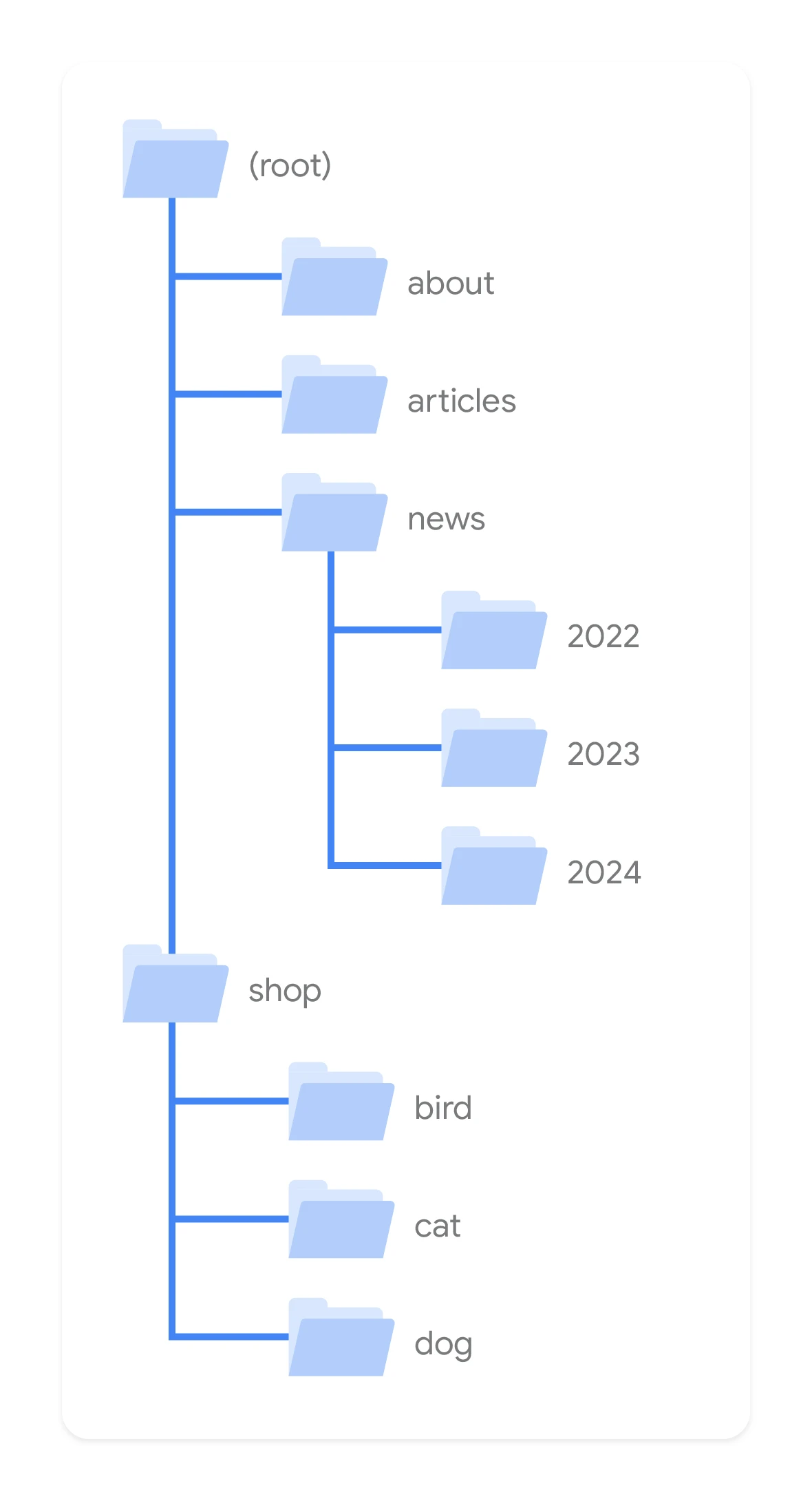
What is more, well-organised linking helps search engine bots index content more efficiently. By creating logical connections between related pages – e.g. within topic clusters – bots better understand the hierarchy and subject matter of the site. For example, an article about “Healthy diet” can include links to subpages dedicated to “Superfoods” or “Healthy cooking principles”, which strengthens the coherence of the entire content.
Well-planned linking also allows you to distribute the so-called “link juice” more evenly between pages, so less important subpages can benefit from the authority of the site’s main sections. This directly affects their visibility in search results. It is crucial here to use descriptive anchor texts containing keywords related to the topic of the target page.
To implement internal linking effectively, it is necessary to regularly analyse the site structure and adapt it to the changing needs of users and search engine algorithm requirements. Such practice not only improves the site’s SEO, but also increases organic traffic and engages visitors, which ultimately translates into better results for the whole site.
How do you gain valuable backlinks?
To acquire valuable backlinks, it is crucial to create content of high quality that attracts the attention of other sites. One of the most effective methods is guest blogging, i.e. publishing articles on industry sites. This is not only a source of backlinks, but also an excellent way to increase brand awareness.
It is also worth building relationships with influencers and experts in a given field. Their recommendations or shares can help you gain links from reputable sources. Taking part in industry events such as conferences or webinars is another opportunity to make valuable contacts and acquire worthwhile links.
Analysing competitors’ strategies is another important step. With tools such as Ahrefs or SEMrush, you can track the sources of their links and identify potential opportunities for collaboration.
Creating infographics or other visual materials is also an effective method. Such content is often shared by other sites, which leads to natural linking.
The importance of local SEO should not be overlooked. Working with local businesses or taking part in regional initiatives can bring additional backlinks from high-authority sites.
Activity on social media also plays an important role. Platforms such as LinkedIn or Twitter can become a source of content shares by users, which increases the chances of gaining links.
Acquiring valuable backlinks requires a combination of different strategies – from creating appealing content to building relationships with other sites and monitoring the competition. This makes it possible to effectively improve the site’s visibility in search results and increase organic traffic.
Competitor analysis and content inspiration as a way to increase traffic
Competitor analysis is a key element of SEO strategy, helping you understand how other players attract organic traffic. By observing their actions, you can not only spot gaps in the informational offering, but also find inspiration for creating your own, more valuable content. This is not just a way to fill gaps, but also an opportunity to develop innovative solutions.
The first step is to track competitors’ publications. Tools such as Ahrefs, SEMrush or Google Search Console make it possible to analyse the keywords generating traffic on rivals’ sites. This helps you discover new long-tail phrases and topics that are of interest to users.
It is also worth looking at the content formats used by competitors. Do they focus on guide articles, infographics, or perhaps short videos? Such analysis allows you to adapt your own content marketing strategy to audience preferences. For example, if a rival focuses on instructional video materials, it is worth considering introducing similar formats on your own site.
A key element is identifying gaps in competitors’ content. If certain topics are omitted or treated superficially, you can create more detailed and valuable materials. This approach not only attracts new users, but also builds the site’s authority in the eyes of search engines.
Taking inspiration from competitors’ content does not mean copying their ideas. Rather, it is about using them as a starting point for creating unique and better materials. For example, if a competitor publishes an article about “5 ways to save energy”, it is worth developing the topic further and preparing a comprehensive guide containing 10 or more tips.
The analysis should also cover competitors’ activity on social media and their linking strategy. It is worth checking which websites they work with and which backlinks they acquire. This can be an inspiration to build similar relationships or find new link sources for your own site.
By analysing competitors, you can better understand users’ needs and tailor your SEO strategy to current industry trends. This is an effective way to improve a site’s visibility in search results and gain an advantage over rivals.
The importance of social proof signals in SEO
Social proof signals are crucial for effective SEO strategies, influencing both a site’s reputation and its visibility in search results. They build trust among both users and algorithms, which directly translates into better search rankings. The most important elements of this process include:
- reviews,
- recommendations,
- social media activity.
User reviews and opinions are one of the strongest trust-building factors. Positive ratings on platforms such as Google Business Profile or industry review websites significantly increase brand credibility. Research indicates that sites with higher ratings have a 31% greater chance of appearing in local search results. That is why it is worth actively encouraging customers to share their experiences and regularly monitoring the content of their reviews.
Recommendations from other websites also play an important role. Backlinks from reputable sources are a clear signal to Google that the site offers valuable content. Working with influencers or taking part in industry events can help secure such recommendations.
Activity on social media is another important aspect of building trust. Regular publishing of content on platforms such as Facebook, Instagram or LinkedIn attracts new audiences and increases engagement among existing ones. Shares, likes and comments provide algorithms with additional confirmation that the site contains valuable content.
It is also important not to forget about users’ interactions with the site. Time spent on the site, the number of pages visited and a low bounce rate indicate a positive user experience (UX). Google’s algorithms take these factors into account when assessing a site’s quality.
Social proof signals are an inseparable part of an effective SEO strategy. Using them properly can significantly improve a site’s visibility in search results and increase organic traffic by building lasting trust both from users and from algorithms.
Enhancing content with visual elements and their impact on engagement
Introducing visual elements such as photos, infographics or videos plays a key role in increasing audience engagement and improving a site’s visibility in search results. According to research, content enriched with appropriately selected graphics is as much as 80% more engaging than text-only content. It not only attracts attention, but also makes complex topics easier to understand, which translates into longer time spent on the site.
Infographics are particularly effective – sharing them on social media can increase organic traffic by as much as 12%. It is also crucial to prepare images properly for SEO: adding descriptive alt text and compressing files affects page loading speed. Videos, in turn, can increase conversions by as much as 80%, and their presence has a positive impact on SEO thanks to the longer time users spend on the site.
Visual elements also encourage sharing content on social media, generating additional organic traffic. For example, posts containing images have as much as a 650% greater chance of engagement than those without them. That is why it is worth regularly supplementing content with new graphic and multimedia materials tailored to audience needs and current industry trends.
Adding an FAQ section as a way to improve SEO
Adding an FAQ section to a website is an effective method of improving visibility in search engines and attracting more organic traffic. Such a section answers specific user questions, making the content more valuable and useful. Search engines such as Google appreciate sites that provide precise answers, which can translate into higher positions in search results.
One of the key benefits is the possibility of appearing in featured snippets. These special information blocks are displayed above traditional results, drawing users’ attention. To increase the chances of such exposure, it is worth phrasing questions and answers clearly and concisely, and also using phrases related to the site’s subject matter.
The FAQ section also helps to better understand user intent. By analysing the most frequently asked questions, you can tailor content to their needs, which has an impact on increased engagement and time spent on the page. This, in turn, lowers the bounce rate and has a positive effect on how the page is assessed by search engine algorithms.
You cannot forget about technical optimisation. Using structural tags (schema markup) for questions and answers helps search engine robots better understand the content of the page. As a result, they can display featured snippets or other attractive result formats.
It is worth emphasising that the FAQ section is not only a tool for improving SEO. It is also a way to build user trust. Clear answers to their questions increase visitor satisfaction and encourage them to return to the page.
Using e-mail marketing to increase organic traffic
E-mail marketing is a powerful tool that can significantly affect the growth of organic traffic on a website. Sending regular newsletters with valuable content, such as new articles, promotions or updates, effectively brings users back to the website. What is more, studies indicate that personalised e-mails can increase the open rate by as much as 26%, which directly translates into greater engagement and traffic.
The key to success is building a subscriber base. Thanks to it, you can deliver content tailored to the audience’s interests, which significantly increases the chance of clicks and website visits. For example, a newsletter containing links to the latest blog posts can encourage users to come back and read new materials.
Personalisation plays a huge role here. Messages containing the recipient’s name or tailored to their preferences are more engaging and more effective at attracting attention. This not only builds relationships with recipients, but also drives growth in organic traffic – users are more likely to return to the page after receiving personalised recommendations.
It is also worth focusing on subscriber list segmentation. Dividing audiences by their interests or behaviour allows you to send more precise messages. For example, people interested in a specific product category may receive updates about new arrivals in that very area, which increases the chance of clicks and website visits.
E-mail marketing is also a great tool for promoting SEO content. By sending links to new articles or guides optimised for keywords, you can attract more users looking for specific information. This not only increases organic traffic, but also improves the site’s visibility in search results.
E-mail marketing is an integral part of an SEO strategy. Regular delivery of valuable content and message personalisation influence user engagement growth and encourage them to return to the page. This translates into both higher organic traffic and better search results.
FAQ
Frequently asked questions
How does organic traffic affect the effectiveness of an SEO strategy?
Organic traffic increases a site’s visibility in free search results and attracts users with a clearly defined intent. As a result, it is an important, long-term part of SEO.
Can website optimisation increase organic traffic?
Yes, because it improves a site’s visibility in search results. Loading speed, responsiveness, intuitive navigation and on-site SEO elements such as headings and meta descriptions all matter greatly.
Why does improving UX matter for SEO?
Better UX means that users stay on the site longer and leave it less often. This has a positive effect on how search engines assess the site and can support organic traffic growth.
How can you find long-tail keywords for SEO content?
It is worth using keyword analysis tools, Google suggestions and questions asked on forums and social media. Competitor analysis in tools such as SEMrush or Ahrefs is also helpful.
Does running a blog help increase organic traffic?
Yes, if the content published is valuable, consistent and matched to the audience’s needs. A blog can attract new users, build trust and support better SEO.
When is it worth updating content on a site?
Regularly, because search engines value fresh and up-to-date information. Refreshing content helps maintain visibility, adapt to changing user needs and improve SEO results.