

For small businesses fighting for visibility online, an effective SEO strategy is the key to success. It helps attract local customers, build trust in the brand, and compete with bigger players without huge advertising spend. In this article, you will discover how local SEO, keyword analysis and valuable content can become the foundation for your company’s growth – all on a sensible budget!
What is SEO for small businesses?
SEO for small businesses is the process of optimising websites with the aim of increasing their visibility in search results. For businesses with limited financial resources, an effective SEO strategy is extremely important. It not only allows them to gain an advantage over the competition, but also to attract more customers. Thanks to proper SEO, smaller companies can compete with larger market players without having to spend huge amounts on advertising.
For small businesses, SEO often focuses on local visibility. This is especially important for those operating in a specific region. Optimising for local keywords and using tools such as Google My Business helps reach customers nearby. Effective SEO not only increases traffic to the website, but also builds its credibility and trust among users.
An SEO strategy for small businesses includes:
- competitive analysis,
- selection of the right keywords,
- creating valuable content.
These activities are key to achieving long-term visibility in search results. It is worth remembering that SEO is an ongoing process, requiring regular monitoring and adjusting the strategy to changing search engine algorithms.
- 01Increase local visibilityEasier reach in the region
- 02Compete with leadersWithout huge advertising budgets
- 03Affordable reach (cost-effectiveness)Effectiveness with limited resources
- 04Gain customersIncrease the number of local contacts
An effective SEO strategy allows you to grow your business and build a competitive advantage without large investments
Why is SEO an indispensable tool for small businesses?
SEO is an indispensable tool for small businesses that want to succeed in the digital world. In today’s world, an online presence often determines business success, and thanks to well-executed SEO, smaller companies can reach their target audience without having to spend a fortune on advertising. For local businesses, SEO is absolutely crucial, because it helps increase brand awareness among residents of a given region.
One of the most important aspects of SEO is its impact on online visibility. Studies show that as many as three-quarters of users do not look beyond the first page of search results. That is why website optimisation for the right keywords and local queries allows small businesses to secure top positions in Google. This directly translates into higher organic traffic and increases the chances of acquiring new customers.
Another huge advantage of SEO is its cost-effectiveness. Unlike paid advertising campaigns, SEO brings long-term benefits at relatively low cost. Small businesses can use techniques such as creating valuable content, link building or optimising for the local market to strengthen their online presence without constantly investing in advertising.
What is more, SEO helps build trust in the brand. Pages that rank highly in search results are perceived as more reliable and professional. For smaller businesses, this means an advantage over the competition and the opportunity to build lasting relationships with customers.
Particularly important is local SEO, which helps attract customers from the immediate area. Optimising for local keywords and using tools such as Google My Business are effective ways to increase visibility among the local community.
It is worth remembering that SEO is not just a passing marketing trend – it is a long-term growth strategy for small businesses. With the right SEO, they can increase their online visibility, attract more customers and achieve better financial results even with a limited budget.
How does SEO affect the visibility and success of small businesses online?
SEO is a key element of small business success in the online world, especially at a local level. Thanks to well-chosen SEO strategies, such as content optimisation or building valuable links, businesses can significantly improve their position in search results. This, in turn, translates into greater traffic to their websites and increases the chances of acquiring new customers.
It is worth remembering that as many as 75% of users do not scroll beyond the first page of Google results. That is why securing top positions is extremely important for small businesses. Focusing on local keywords and using tools such as Google My Business allows you to effectively reach audiences in the immediate area. This is especially important for businesses offering services or products at a regional level.
Effective SEO also affects brand perception. Sites that rank highly in search results are often considered more trustworthy and professional. For small businesses, this means not only an advantage over the competition, but also the ability to build lasting relationships with customers.
What is more, SEO is an investment that delivers long-lasting benefits at relatively low cost – ideal for businesses with a limited budget. Unlike paid advertising campaigns, which require ongoing funding, SEO is based on creating valuable content and tailoring the strategy to the local market. This allows businesses to strengthen their online presence without having to keep spending money on ads.
Nor can we overlook the role of data analysis and monitoring the results of SEO activities. Tools such as Google Analytics or Google Search Console allow you to track organic traffic and adapt the strategy to the changing needs of users and search engine algorithms.
An effective SEO strategy is an essential tool for small businesses aiming to increase their online visibility and achieve business success. It not only helps attract more customers, but also build lasting relationships with audiences and develop the brand both locally and globally.
- 01Precise matchingConnects customers from the region
- 02Social loyaltyStronger local ties
- 03Effective online profileVisibility in search results and maps
- 04Layered competitionAct effectively with limited capital
Focusing on local optimisation is the key to lasting success and relationship-building, even with a limited budget.
Key elements of an SEO strategy for small businesses
An effective SEO strategy for small businesses is based on several key activities that have a significant impact on visibility in search results. At the very beginning, it is worth focusing on keyword analysis. This is the process of identifying the phrases potential customers use when looking for services or products. For local businesses, phrases related to a given region are particularly important, e.g. “flower shop Wrocław” or “car mechanic Poznań”. For this purpose, tools such as Google Keyword Planner or SEMrush are useful, as they help choose the most valuable phrases.
The next step is on-page optimisation, that is adapting the website to the requirements of search engines. This is not just about the right meta tags and headings, but also the site’s responsiveness and loading speed. These factors have a direct impact on user experience and search ranking.
Link building is another important element of an SEO strategy. Building valuable links from other websites increases domain authority and improves its ranking. For small businesses, acquiring links from local industry directories and establishing cooperation with other businesses operating in the region can be particularly beneficial.
No less important is competitor analysis. Regular monitoring of other companies’ activities makes it possible to identify their strengths and weaknesses, which allows your own strategy to be adapted. Tools such as Ahrefs or Moz can help analyse competitors’ link profiles and their positions in search results.
For small businesses operating in a specific area, local SEO is also key. Optimising your Google My Business profile, earning positive customer reviews and creating content aimed at the local community can significantly increase the company’s visibility among potential customers from the immediate area.
The final, but equally important, element is monitoring performance. Regular data analysis using tools such as Google Analytics or Google Search Console makes it possible to assess the effectiveness of the actions taken and make any necessary adjustments. This enables the company to continually refine its SEO strategy and achieve increasingly better results.
All of these elements – keyword analysis, on-page optimisation, link building, competitor analysis and monitoring performance – form a solid foundation for effective SEO for small businesses. Using them properly not only increases online visibility, but also attracts new customers and builds lasting relationships with audiences.
The importance of keyword selection
Choosing the right keywords is the foundation of an effective SEO strategy, especially for small businesses. Well-chosen phrases drive traffic to the website, which can lead to more potential customers. For businesses with limited financial resources, it is particularly worthwhile to focus on long tail keywords (long tail). These are more precise and less competitive phrases that better match users’ real needs. Examples of such phrases include “laptop repair Warsaw” or “plumbing services Kraków”.
To find the most valuable keywords for a given industry and location, it is worth using tools such as Google Keyword Planner or SEMrush. They make it possible to choose phrases with the right search volume while maintaining a low level of competition. For small businesses, it is also crucial to take local queries into account, for example “hairdresser Rzeszów” or “grocery shop Gdańsk”.
Effective keyword selection not only improves site visibility, but also affects conversions. It is important that the phrases are matched to the needs of the target audience and the products or services on offer. This makes the site more attractive both to users and to search engine algorithms.
For small businesses, it is important to regularly track the performance of selected keywords. Data analysis makes it possible to adapt the strategy to changing trends and market demands. This is a key element of building long-term online visibility with limited financial resources.
- 01Tracking resultsIdentifying effective actions.
- 02Data analysisChecking traffic, conversions, phrases.
- 03Strategy optimisationMaking the necessary adjustments.
The key to continuous improvement and adapting content to users’ expectations.
On-page optimisation and its importance
On-page optimisation is a key element of SEO strategy, especially important for small businesses that want to improve their site’s visibility in search results. This process involves adapting content, headings, meta tags and URL structure to the requirements of search engine algorithms. For small businesses, a well-optimised website is the foundation of effective SEO, making it easier for robots to index and attracting more visitors.
One of the most important aspects is the correct site structure. This means a logical division of content into sections, the proper use of headings (H1, H2, H3) and ensuring intuitive navigation. As a result, both users and search engine algorithms can quickly understand the content of the website. For example, it is worth placing key information at the top of the page and making sure the internal links are clear.
Another important element is metadata, meaning page titles (title tags) and meta descriptions. They should contain appropriately chosen keywords and encourage users to click. For small businesses, it is particularly important to include local keywords in metadata, such as “renovation services Kraków” or “grocery shop Wrocław”.
Page loading speed also plays a huge role in SEO. Research shows that websites taking longer than 3 seconds to load lose up to 40% of visitors. That is why it is worth optimising images, using cache and minimising CSS and JavaScript code.
In the era of mobile internet, website responsiveness is another key factor. More than 60% of traffic comes from mobile devices, so the site must be adapted to different screen resolutions. This means smartphone and tablet users can browse its content conveniently.
You also cannot forget about avoiding technical errors, such as broken links or duplicate content. Tools such as Google Search Console help detect these problems and fix them quickly. Regular monitoring of the technical health of the website is essential for maintaining a high position in search results.
On-page optimisation is an ongoing process, requiring regular updates and adaptation to changing search engine algorithms. For small businesses, well-executed optimisation can significantly increase online visibility at a relatively low cost.
The role of link building in SEO
Acquiring backlinks, known as link building, is one of the key elements of a SEO strategy for small businesses. Off-page activities, such as building a valuable link profile, have a direct impact on site authority in the eyes of search engines, which translates into better positions in search results. For smaller businesses, effective link acquisition can be particularly beneficial – it not only increases brand visibility, but also attracts new customers.
The quality of the links acquired plays a key role. Links from reputable industry websites or local directories are far more valuable than those coming from low-quality sites. In the case of small businesses, it is worth focusing on cooperation with local sources, such as partner sites or regional social media portals. Building relationships with other businesses in the area can result in valuable links.
The diversity of the link profile is also hugely important. It is worth aiming to acquire links from different types of websites – blogs, industry forums or social media. This approach makes search engine algorithms perceive the site as more credible and valuable to users.
Monitoring the effects of link building activities is extremely important for small businesses. Tools such as Ahrefs or Moz allow you not only to analyse competitors’ link profile, but also to track the effectiveness of your own activities. Regular data analysis makes it possible to adjust the strategy to changing algorithm requirements.
It is worth remembering that effective link building is a long-term process, requiring consistency and regularity. For small businesses, properly executed off-page activities can significantly improve online visibility and contribute to business success at relatively low financial outlay.
The importance of competitor and keyword analysis
Competitor analysis and keyword analysis form the foundation of an effective SEO strategy, especially for small businesses. It helps uncover which keywords deliver the best results for rivals, making it possible to tailor your own efforts to market demands and avoid mistakes made by others.
Tools such as Ahrefs, SEMrush or Moz make it possible to analyse competitors’ link profiles and their positions in search results in detail. This not only helps identify rivals’ strengths, but also their weaknesses. If, for example, the competition is achieving high positions thanks to specific keywords, it is worth considering including them in your own strategy.
Researching the keywords used by the competition can also reveal niche opportunities. It often turns out that some queries are overlooked by bigger players, giving smaller businesses a chance to gain visibility in less competitive areas. Examples include local long-tail keywords such as “usługi remontowe Kraków” or “sklep spożywczy Wrocław”.
Regularly tracking changes in competitors’ strategies is equally important. This makes it possible to respond quickly to new trends and adapt activities to dynamic market conditions. For small businesses, this means the ability to compete with larger players without having to incur high advertising costs.
In short, competitor and keyword analysis is an inseparable element of effective SEO. It helps you understand the market better and find unique paths for development even with limited financial resources.
Local SEO as an opportunity for small businesses
Local SEO is an extremely important strategy for small businesses that want to gain greater recognition among customers in their region. Thanks to proper adaptation to local searches, businesses can compete effectively in the market, even with a limited budget. Focusing on this form of optimisation not only attracts more local customers, but also helps build lasting relationships with the local community.
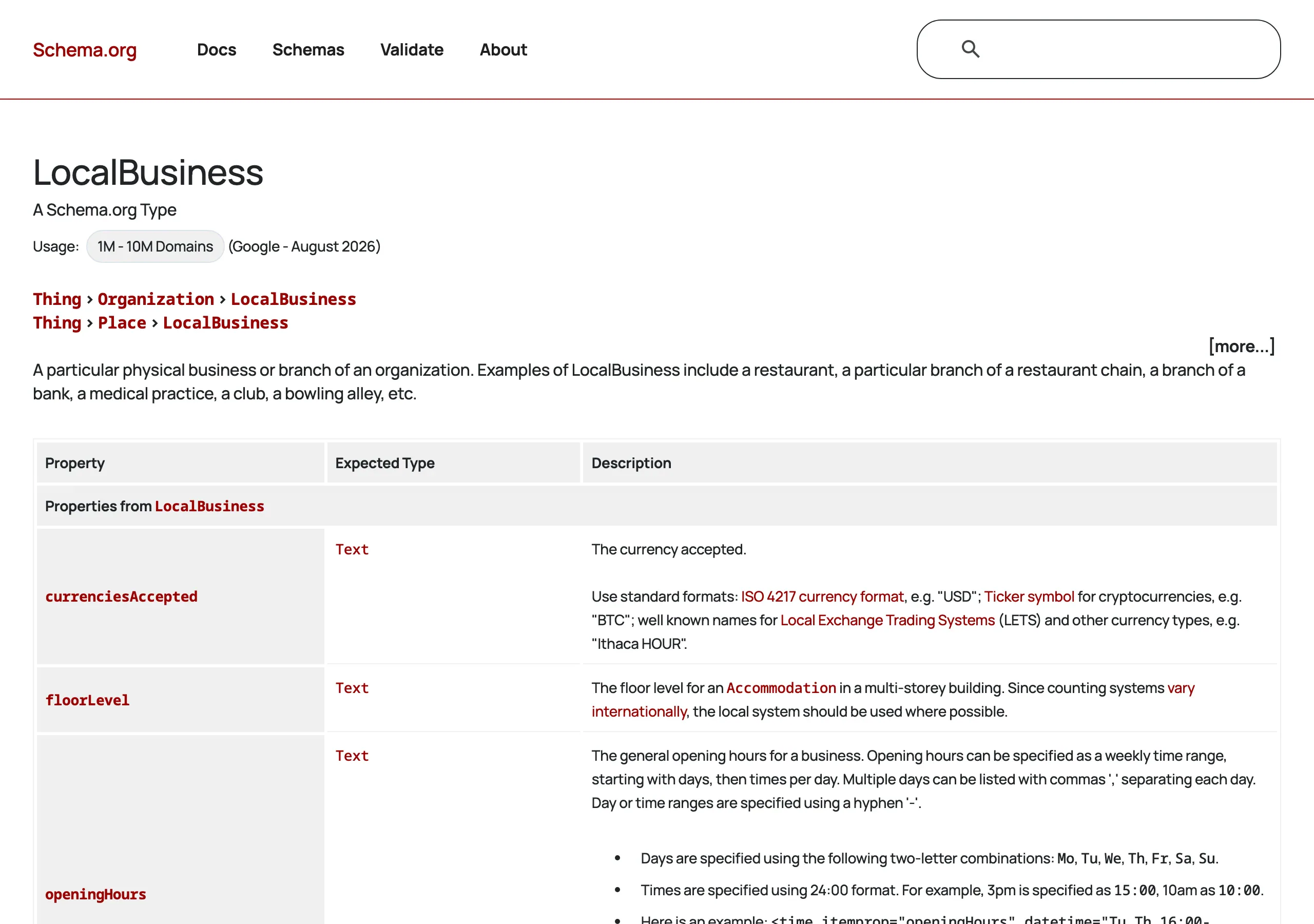
One of the key tools in this area is Google My Business. Properly setting up your company profile in this service significantly increases the chances of appearing in search results and on Google Maps. It is worth making sure that details such as address, opening hours or service categories are filled in precisely. Regularly updating the profile, adding photos and posts can also affect how attractive the offer is to potential customers.
Another important aspect is adapting the website to local keywords. Including the names of towns or districts (e.g. “fryzjer Kraków” or “mechanik samochodowy Warszawa”) helps Google’s algorithms better understand which region the offer is aimed at. This is particularly important for businesses operating at regional level.
Positive customer reviews are also hugely important in local SEO. Reviews not only influence the buying decisions of potential customers, but are also one of the factors taken into account by Google’s algorithms. Encouraging customers to leave reviews and responding quickly to feedback builds trust and improves brand reputation.
It is also worth remembering to register in local industry directories. Having a company listed in such sources increases its visibility and supports the building of a valuable backlink profile. For small businesses, cooperation with other companies operating in the region can be particularly beneficial, as it may result in valuable links to the website.
Local SEO is not just a short-term marketing tactic – it is a long-term investment in business growth. With the right SEO, small businesses can increase their online visibility, attract more customers and achieve better financial results without having to incur high advertising costs.
Why is local SEO particularly important?
Local SEO is a key pillar of the marketing strategy for small businesses, enabling them to compete effectively in the market even with limited financial resources. By optimising for local searches, businesses can reach customers in their region, which is particularly important for businesses offering services or products at regional level, such as grocery shops, hair salons or car repair workshops.
One of the most effective tools is Google My Business. A professionally set up company profile increases the chances of appearing in search results and on Google Maps. It is crucial to complete details accurately, such as address, opening hours or service categories. Regular updates and adding photos make the offer more attractive to potential customers.
Another important step is optimising the website for local keywords. Including the names of towns or districts (e.g. “fryzjer Kraków” or “mechanik samochodowy Warszawa”) helps Google’s algorithms better understand which region the offer is aimed at. This is particularly important for businesses operating at regional level.
Positive customer reviews play a huge role in local SEO. Reviews not only influence the buying decisions of potential customers, but are also one of the factors taken into account by Google’s algorithms. Encouraging customers to leave reviews and responding quickly to feedback builds trust and improves brand reputation.
It is also worth ensuring registration in local industry directories. Having a company listed in such sources increases its visibility and supports the building of a valuable backlink profile. For small businesses, cooperation with other companies operating in the region can be particularly beneficial, as it may result in valuable links to the website.
Local SEO is not just a short-term marketing tactic – it is a long-term investment in business growth. With the right SEO, small businesses can increase their online visibility, attract more customers and achieve better financial results without having to incur high advertising costs.
How do local SEO techniques support small businesses?
Local SEO techniques are the key to increasing the visibility of small businesses among customers in the immediate area. By optimising the site for phrases such as “fryzjer Kraków” or “mechanik samochodowy Warszawa”, businesses can climb higher in Google search results, which attracts more local customers and generates more organic traffic.
One of the most important tools is Google My Business. A professionally configured profile, containing accurate details such as address, opening hours or service categories, increases the chances of appearing in local results and on Google Maps. Regular updates and adding photos make the offer more attractive to potential customers.
Creating content aimed at the local community is another important step. Blog articles, guides or service descriptions containing place names or district names help Google’s algorithms better understand who the offer is aimed at. For example, a post about “The best plumbing services in Poznań” can effectively attract the attention of the city’s residents.
One should not forget about positive customer reviews. Reviews not only influence purchasing decisions, but are also taken into account by Google’s algorithms. Encouraging people to leave reviews and responding quickly to feedback builds trust and strengthens brand reputation.
It is also worth ensuring the company’s presence in local industry directories. Listing in such sources increases visibility and supports the building of a valuable link profile. Working with other businesses operating in the region can bring additional benefits, such as valuable links to the website.
Promotion on social media aimed at the local community is another way to strengthen the effects of SEO efforts. Regularly publishing posts about the company’s offer or events organised nearby attracts residents’ attention and encourages them to visit the website or the business’s physical premises.
Local SEO techniques are not just a short-term marketing tactic – they are a long-term investment in business growth. With the right SEO, small businesses can increase their online visibility, attract more customers and achieve better financial results without incurring high advertising costs.
The importance of online reviews and local link building strategies
Online reviews play a key role in local SEO, influencing not only brand reputation but also attracting potential customers. Positive reviews are an important factor for Google’s algorithms, which can significantly improve rankings in search results. What is more, as many as 93% of consumers admit that they check reviews before making a purchase decision. That is why review management should be an integral part of every small business’s marketing strategy.
Local link building activities are equally important. Working with other businesses in the region – such as local portals or industry directories – makes it possible to gain valuable links that increase domain authority and improve search visibility. For example, placing a link to a company’s website on the website of a local chamber of commerce can bring tangible benefits.
To encourage customers to share their experiences, it is worth:
- sending them emails asking for service reviews,
- placing clear calls to action on the website,
- responding quickly to reviews – both positive and negative.
This approach builds trust and shows the company’s commitment to customer relationships.
One should also not forget about registering the business in local industry directories and on platforms such as Google My Business or Facebook. Being present there not only increases brand visibility, but also provides additional opportunities to gain valuable backlinks and positive reviews.
By combining effective online review management with local link building activities, small businesses can significantly increase their visibility and competitiveness in the regional market.
Creating content as the foundation of an SEO strategy
Creating valuable content is a key element of an effective SEO strategy, especially for small businesses. Good content not only attracts the audience’s attention, but also influences a website’s rankings in search results. For businesses with limited budgets, investing in quality articles, guides or service descriptions can bring tangible benefits, such as increased organic traffic and better visibility online.
The quality of the published material is of huge importance here. Google’s algorithms increasingly value unique, insightful content that responds to users’ real needs. For small businesses, it is worth focusing on creating texts aimed at local audiences. For example, including place names or district names – such as “renovation services Kraków” or “grocery shop Wrocław” – not only improves search visibility, but also builds customer trust.
Another important factor is the right keyword density. Although their presence is important, excessive repetition can be considered spam by Google’s algorithms, which will negatively affect the page’s ranking. Instead, it is worth focusing on naturally weaving in keywords and their synonyms, which will make the text both friendly to crawlers and appealing to readers.
SEO copywriting is another important aspect of creating content. It involves writing with both users and search engine algorithms in mind. Well-prepared articles should not only be interesting for the audience, but also include appropriate headings (H1, H2), meta tags and internal links. For small businesses, creating content aimed at the local community is particularly important – this can significantly increase their recognition and engagement.
Regularly publishing new materials is another way to improve online visibility. A company blog or advice section can become a source of valuable information for potential clients and help attract new links from other websites.
High-quality content is the foundation of an effective SEO strategy for small businesses. Well-prepared materials not only attract more visitors, but also build brand authority and contribute to long-term business success.
How do quality content pieces build visibility?
Good-quality content is essential for increasing online visibility. It provides valuable information that draws users’ attention and encourages them to interact. Regularly publishing high-quality materials such as articles, infographics or videos can significantly affect a site’s position in search results. For smaller businesses, this is a key element of SEO strategy, allowing them to compete with larger rivals without having to incur high advertising costs.
It is important for content to be unique and answer the real needs of the audience. Google’s algorithms increasingly value materials that are substantive and useful for users. For example, how-to articles or service descriptions containing local keywords (e.g. „fryzjer Kraków” or „mechanik samochodowy Warszawa”) attract the attention of local customers and improve the site’s ranking.
It is also crucial to ensure the right density of keywords in the content. They should appear naturally and fit the context. Excessive repetition of keywords may be treated as spam by Google’s algorithms, which will negatively affect the site’s visibility. Instead, it is worth focusing on synonyms and linguistic variety. This will make the text friendly both for search engine crawlers and appealing to readers.
Regularly publishing new materials is another way to improve online visibility. A company blog or advice section can become a source of valuable information for potential clients and help attract new links from other websites. For small businesses, it is particularly important to create content aimed at the local community – this can significantly increase their recognition and engagement.
High-quality content is the foundation of an effective SEO strategy for small businesses. Well-prepared materials not only attract more visitors, but also build brand authority and contribute to long-term business success.
The role of keyword density
Content optimisation for SEO requires skilful use of keywords. Their proper placement in the text, headings (H1, H2, H3) and meta tags is crucial for a site’s position in search results. For small businesses, it is particularly important to naturally weave in phrases matching potential customers’ queries, such as „usługi remontowe Kraków” or „sklep spożywczy Wrocław”.
A well-balanced keyword density attracts organic traffic and increases the chances of conversions. However, excessive repetition of the same phrases may be treated as spam by Google’s algorithms. Instead, it is worth focusing on synonyms and linguistic variety, which will make the text friendly both for search engine crawlers and for readers.
For smaller businesses, it is particularly worthwhile to focus on long tail keywords. These are more specific phrases that better match users’ real needs and are characterised by lower competition. Examples include „naprawa laptopów Warszawa” or „usługi hydrauliczne Kraków”.
Regular analysis of the effectiveness of selected keywords allows you to adapt your strategy to changing market trends. Tools such as Google Keyword Planner or SEMrush help monitor results and introduce the necessary adjustments.
Properly optimised content not only increases a site’s visibility, but also builds brand authority. For small businesses, well-prepared materials can become the foundation of an effective SEO strategy that contributes to long-term business success.
The importance of SEO copywriting
SEO copywriting is a key element of SEO strategy for small businesses, directly affecting a site’s visibility in search results and increasing organic traffic. Creating unique, valuable content optimised for keywords helps reach potential clients. For small businesses, long tail phrases are particularly important – they are less competitive and better match users’ real queries.
Well-prepared materials not only attract the audience’s attention, but also significantly improve a site’s ranking. Google’s algorithms increasingly value content that is substantive and useful for users. That is why it is worth investing in articles, guides or service descriptions that address the needs of local customers. For example, a post about “the best plumbing services in Poznań” can effectively attract the attention of residents of that region.
The key to success is the natural integration of keywords into the content. Excessive repetition of the same expressions may be regarded as spam by Google’s algorithms, which will negatively affect the page’s ranking. Instead, it is worth focusing on synonyms and linguistic variety so that the text is friendly both for indexing robots and for readers.
For small businesses, SEO copywriting is also an opportunity to build brand authority. Regularly publishing valuable content aimed at the local community increases brand recognition and contributes to long-term business success. High-quality materials not only attract more visitors, but also build trust in the brand and influence the purchasing decisions of potential customers.
Monitoring and analysing the effectiveness of SEO activities
Tracking and analysing the effectiveness of SEO activities is the foundation of success in continually improving the SEO strategy. Thanks to regular monitoring of results, smaller businesses can identify the most effective actions and make the necessary adjustments. Tools such as Google Analytics or Google Search Console provide detailed data on traffic to the site, conversions and the positions of key keywords.
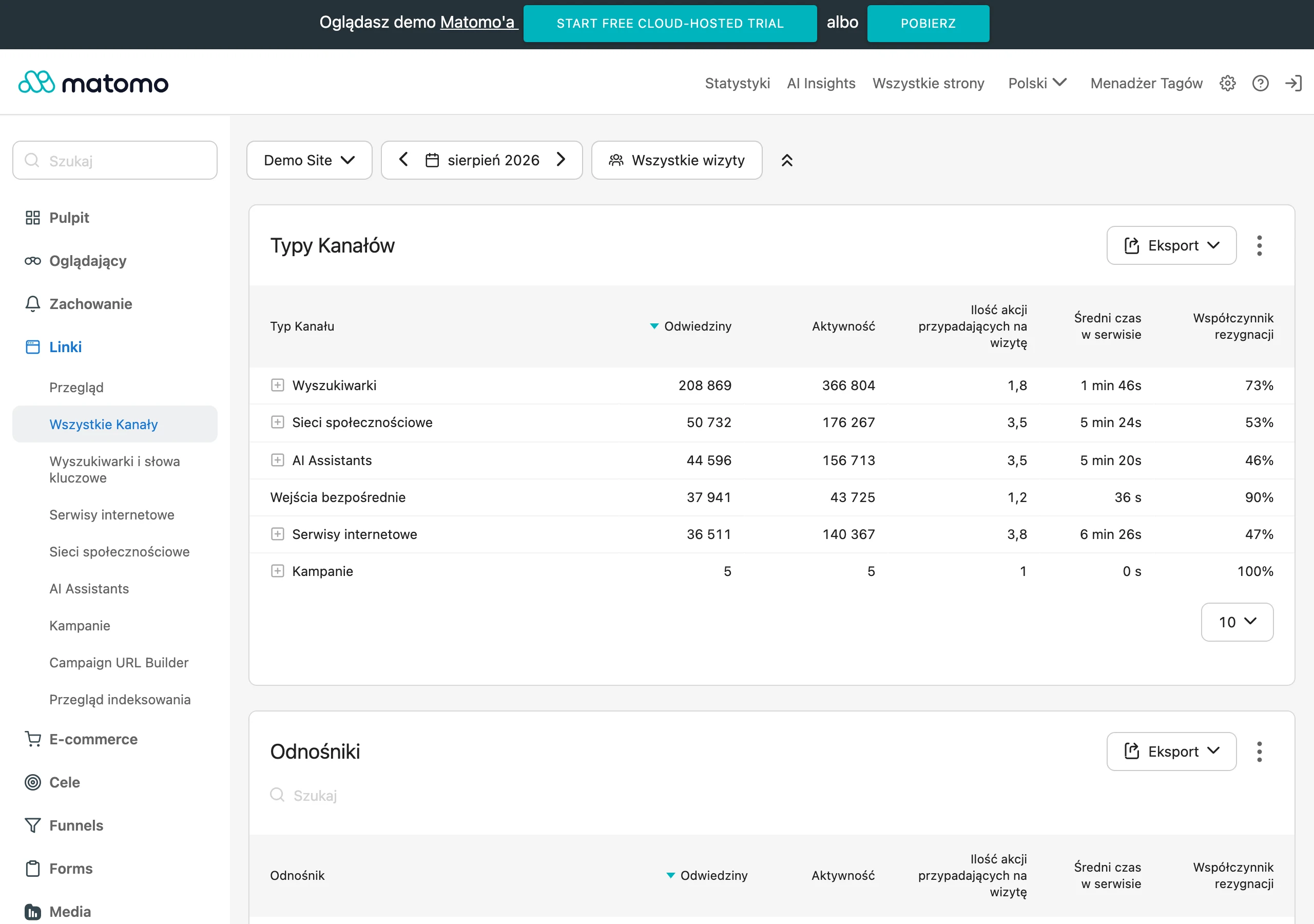
A key element is organic traffic analysis, which makes it possible to check which pages attract the most visitors and which keywords generate interest. This is a valuable source of information about user behaviour, helping to adapt content to their expectations. For example, if a page offering plumbing services in Kraków enjoys strong interest thanks to the phrase “hydraulik Kraków”, it is worth considering expanding the topic with additional materials.
Equally important is monitoring keyword positions. Regularly checking changes in a page’s ranking makes it possible to assess the effectiveness of the actions taken. A drop in the positions of some keywords may signal the need to optimise the content or improve the site’s technical performance.
Another important area is conversion analysis. Thanks to tools such as Google Analytics, it is possible to track how many users make purchases or contact the company after visiting the website. This makes it possible to assess whether SEO efforts are translating into real business benefits.
One must not forget about technical audits, which help detect errors affecting SEO. Tools such as Google Search Console report problems with indexing or broken links. A quick response to these issues can significantly improve the site’s visibility in search results.
For small businesses, monitoring the competition is also crucial. Analysing the actions of other businesses in the same industry makes it possible to discover new opportunities and avoid mistakes made by rivals. Tools such as SEMrush or Ahrefs enable you to track competitors’ backlink profiles and their positions in search results.
Regular reporting of SEO results is essential to maintaining high effectiveness of optimisation activities. Analysing the data makes it possible to adapt the strategy to changing search engine algorithms and user needs. For small businesses, well-executed monitoring can significantly increase online visibility at relatively low cost.
What SEO tools are essential?
Working on website optimisation requires the use of both free and paid SEO tools. They support different areas of activity, from keyword analysis to technical audits and monitoring visibility in search results.
One of the key tools is Google Search Console. It allows you to track organic traffic, detect indexing problems and monitor site performance in the search engine. Thanks to it, you can easily check which phrases attract the most visitors and which subpages are the most popular.
Another essential element is Google Analytics, which provides detailed information about user behaviour. There you can find data on time spent on the site, bounce rate or traffic sources. This tool is indispensable when analysing conversions and assessing the effectiveness of an SEO strategy.
When it comes to selecting keywords, it is worth using Google Keyword Planner. It helps find phrases with high search volume and low competition. For more advanced needs, paid platforms such as SEMrush or Ahrefs are recommended, as they offer comprehensive reports on keyword positions, backlink profiles and competitor activity.
For technical audits, Screaming Frog SEO Spider comes in handy. This tool makes it possible to detect errors on the site, such as broken links or indexing issues. Using it regularly helps keep the site in excellent technical condition, which translates into its position in search results.
For locally operating businesses, using Google My Business is also important. This solution makes it possible to manage a company profile in Google Maps, monitor customer reviews and analyse local queries.
The choice of the right tools should be tailored to the company’s needs and budget. Even basic solutions can significantly affect the site’s visibility and the effectiveness of optimisation activities, so it is worth using the available resources regularly.
The role of Google Analytics and Google Search Console
Google Analytics and Google Search Console are indispensable tools for small businesses that want to track the effectiveness of their SEO activities. They make it possible to analyse traffic on the site, identify key keywords and assess progress in SEO. They also allow you to check which keywords attract the most visitors and which subpages are the most popular.
Google Search Console provides essential information about indexing errors, broken links or site performance in search results. This tool is invaluable for quickly detecting technical issues that may affect a website’s visibility. It also makes it possible to monitor the rankings of important keywords, which helps assess the effectiveness of the optimisation activities undertaken.
On the other hand, Google Analytics offers detailed data on user behaviour. You can find information there about time spent on the site, bounce rate or traffic sources. This tool is crucial when analysing conversions and assessing an SEO strategy. It makes it easy to determine which actions deliver the best results and make the necessary adjustments.
For small businesses, using these solutions is particularly important due to limited budgets. Regularly monitoring results makes it possible to adapt the strategy to changing search engine algorithms and user needs. Analysing data from both platforms makes it possible to identify areas that need improvement and optimise content for local keywords.
It is also worth paying attention to integrating both tools. Combining data from Google Analytics and Google Search Console gives a fuller picture of the effectiveness of SEO activities. This makes it possible to better understand user behaviour and adapt the strategy to their expectations.
Google Analytics and Google Search Console are essential for small businesses looking to increase their online visibility. Using them regularly makes it possible to monitor the effectiveness of optimisation activities and make the necessary adjustments. This translates into better search engine results and more organic traffic to the site.
Why is data analysis crucial?
Data analysis is crucial for the growth of small businesses, especially in the context of SEO activities. It makes it possible to track the effectiveness of strategies and make changes based on concrete information. Businesses gain insight into user behaviour, uncover weak points and optimise their activities to improve their position in search results.
Tools such as Google Analytics or Google Search Console provide detailed data on organic traffic, conversions and the rankings of key keywords. They make it possible to identify pages attracting the most visitors and keywords generating the greatest interest. It is an invaluable source of knowledge about audience preferences, helping to tailor content to their expectations.
Monitoring keyword rankings is the basis for assessing the effectiveness of SEO activities. A drop in ranking may signal the need to update content or improve the site technically. Equally important is conversion analysis – it shows how many users make purchases or get in contact after visiting the website.
Technical audits play a key role in SEO optimisation. Tools such as Google Search Console report indexing issues or broken links. A quick response to these errors can significantly affect the site’s visibility in search results.
For small businesses, keeping an eye on the competition is also important. Analysing the strategies of other companies in the same industry makes it possible to discover new opportunities and avoid mistakes made by rivals. Tools such as SEMrush and Ahrefs make it possible to monitor competitors’ backlink profiles and their positions in search results.
Regular SEO reporting is essential to maintaining a high level of effectiveness in optimisation activities. Analysing data makes it possible to adapt the strategy to changing search engine algorithms and user needs. For small businesses, well-executed monitoring can significantly increase online visibility at a relatively low cost.
Investing in SEO for small businesses – long-term benefits
Investing in SEO is a key step for small businesses that brings benefits for years to come. It can significantly improve visibility in search results and attract more potential customers. Effective strategies, such as content optimisation or acquiring valuable links, allow even businesses with a limited budget to stand out from the competition.
One of the biggest advantages of SEO is growth in organic traffic. Research shows that pages appearing on the first search results page attract as much as 75% of clicks. This is a huge opportunity for small businesses, which can reach a wider audience without incurring high advertising costs.
Another important benefit is building trust in the brand. High positions in search results are associated with professionalism and reliability. For smaller businesses, this is an opportunity to gain an advantage over the competition and build long-term relationships with customers.
The long-term effects of SEO also include better cost-effectiveness compared with paid advertising campaigns. SEO continues to work long after optimisation work has been completed. Unlike ads, which require ongoing funding, well-executed SEO delivers lasting growth in visibility and traffic to the site.
For small businesses, local SEO is particularly important. It allows them to reach customers in the immediate area. Optimisation for local keywords and the use of tools such as Google My Business increase the chances of appearing in search results for a given region. This translates into a greater number of visits both to the company’s physical premises and to the online store.
Investing in SEO is also a way to gain a competitive advantage. Thanks to better search engine rankings, smaller businesses can effectively compete with larger market players. Regular data analysis and monitoring of results make it possible to adapt the strategy to changing search engine algorithms and user expectations.
Investing in SEO is a long-term growth strategy for small businesses. It increases online visibility, attracts new customers and builds lasting relationships with audiences – all at relatively low cost, which translates into better financial results.
How does SEO bring a competitive advantage?
SEO is a powerful tool that helps small businesses gain an advantage in the market by increasing their visibility in search results. Thanks to effective strategies such as content optimisation or acquiring valuable links, businesses can stand out from the competition. High positions in Google not only attract more organic traffic, but also strengthen trust in the brand, which is crucial for long-term growth.
For small businesses, local SEO is particularly important. Focusing on phrases related to a given region (e.g. “fryzjer Kraków” or “mechanik samochodowy Warszawa”) allows you to reach customers in the immediate area. In addition, using tools such as Google My Business significantly improves the company’s visibility both in local search results and on Google Maps.
Investing in SEO is also an opportunity to compete with larger players. Regular data analysis and monitoring of results make it possible to adapt the strategy to changing algorithms and user needs. As a result, businesses can achieve sustained growth in their online presence and attract new customers with relatively low financial outlay.
Why is it worth developing content marketing?
Developing content marketing is a key element of an SEO strategy for small businesses, bringing benefits in the long run. Systematic publishing of valuable materials attracts the attention of potential customers and builds the brand image as an authority in the industry. Thanks to this, a business can gain a reputation as an expert, which translates into greater trust from audiences.
It is also worth noting that content marketing has a significant impact on a site’s visibility in search results. Google’s algorithms prefer unique and substantive content that responds to the real needs of users. For small businesses, it is particularly important to create materials aimed at the local community – examples could include guides or service descriptions containing keywords related to a given region, such as “usługi remontowe Kraków” or “sklep spożywczy Wrocław”.
Another benefit is growth in organic traffic to the website. Research shows that websites offering high-quality content are visited more often and viewed for longer by users. This directly translates into a better position in search results and increases interest in the company’s offer.
Regularly publishing new materials is also a way to build lasting relationships with customers. Valuable content encourages interaction – comments or shares on social media – which strengthens audience engagement and supports brand development.
What’s important is that content marketing turns out to be more cost-effective than traditional advertising campaigns. The long-term effects of publishing valuable content translate into steady growth in online visibility at relatively low costs.
Investing in content marketing is an effective way to increase the competitiveness of small businesses. It attracts new customers, builds trust in the brand and contributes to long-term business success through better visibility in search results and higher organic traffic.
The importance of consistent work on an SEO strategy
Consistent SEO activities are the foundation of long-term success. For small businesses, it is crucial to regularly monitor and adapt the strategy to dynamic changes in search engine algorithms and market trends. Only in this way can they maintain their market position and increase online visibility.
Tracking SEO performance makes it possible to respond quickly to changes. Using tools such as Google Analytics or Google Search Console, you can monitor organic traffic, analyse conversions and identify areas that need improvement. For smaller businesses, it is also important to adapt the strategy to the local context, for example by optimising for keywords related to a given region.
An integral part of an effective strategy is also the regular update of content on the website and attention to the quality of backlinks. Publishing new materials, such as blog articles or guides, not only attracts the audience’s attention, but also affects the site’s SEO. It is also worth investing in building a valuable link profile through cooperation with local partners or registration in industry directories.
The long-term benefits of consistent SEO work are invaluable for small businesses. Increased visibility in search results translates into greater organic traffic, which directly impacts sales growth and building lasting relationships with customers. Regular analysis and adjustment of the strategy to current algorithm requirements make it possible to maintain a high position in Google even with limited financial resources.
As a result, systematic SEO work is an investment that brings tangible benefits both in the local and global markets. Thanks to continuous content optimisation and a flexible approach to changing market conditions, small businesses can achieve lasting results and strengthen their competitiveness.
FAQ
Frequently asked questions
How does SEO help small businesses with a limited budget win customers?
It helps increase visibility in search results and reach people who are actively looking for services or products. As a result, a small business can compete with bigger players without large advertising spend.
Is local SEO important for businesses operating in one region?
Yes, because it helps you reach customers in the immediate area. The article also highlights the importance of tools such as Google My Business and local keywords.
Which elements are most important in an SEO strategy for a small business?
The article mentions competitor analysis, keyword selection and creating valuable content. Local SEO, on-page optimisation, link building and performance monitoring are also important.
Why is keyword selection so important in SEO?
Because the phrases entered by potential customers determine whether the site appears in search results. For small businesses, long-tail phrases and local queries are particularly worthwhile.
How does on-page optimisation affect a website’s visibility?
It helps search engines understand the page content better and makes it easier to crawl and index. The article points out that headings, meta tags, URL structure, loading speed and responsiveness all matter.
Is link building still important for small businesses?
Yes, because valuable backlinks increase domain authority and improve rankings in search results. The most valuable links are from reputable industry sites and local directories.