


Company blog supports sales only when it is not a collection of random posts, but an element of the customer acquisition process. It is a simple rule. It can bring traffic from Google, answer pre-purchase questions, shorten sales conversations and lead the user to contact or a specific offer. Publishing articles on its own does not sell if the content is not tied to user intent, the offer and measurement of results. In practice, what matters is not the number of posts, but whether each one serves a specific business function. A well-designed blog not only builds trust, but also qualifies leads and improves the quality of enquiries. And that is where the difference lies. This is what distinguishes an image-led blog from one that genuinely delivers results.
Company blog as a sales tool: definition and role
Company blog as a sales tool is not a “section with articles”. It is a content system that helps attract, educate and convert potential customers. So it is not about the mere presence of texts on the site, but about ensuring that each post has a clearly assigned role. Sometimes it will be about attracting valuable traffic from the search engine, at other times supporting the decision to buy, overcoming objections or directing the user to a service, form or consultation. In short: guiding them by the hand. Just without being pushy.
The sales role of a blog begins where the content genuinely connects with the offer. Without that, a post can be like a leaflet left on a bench. If an article answers a customer’s question but does not lead to the next logical step, its business value often ends at the page view. A good post does not break off the relationship with the user at the point of information alone, but makes it easier to move on to action. That action may be contact, downloading a resource, visiting a service page, viewing a case study or comparing solutions. And that is exactly the point. Not “readership”, but movement through the funnel.
In practice, a blog works best as part of a bigger puzzle. It cannot carry the result on its own. SEO, UX, the offer, CTA, analytics and CRM should be stitched together; otherwise each element plays on its own and loses its meaning. That makes it possible not only to attract traffic, but also to see which content genuinely supports sales. Visibility in Google alone does not yet tell you whether the blog is working for leads, revenue or enquiry quality. And those are the hard criteria. The rest is just pretty charts.
The importance of a blog also changes with the business model. There is no single template. In service companies, it most often supports lead generation and the building of expert trust. In e-commerce, it additionally directs traffic to categories and products and closes purchase decisions with guides. In both cases, the key remains matching the content to the customer’s stage in the decision process: from understanding the problem, through comparing options, to choosing a provider. That is the axis. Everything else is an add-on.
Sales content does not mean aggressive promotion. Instead of a megaphone — precision. It is simply a specific answer to the customer’s real questions and a clear suggestion of what to do next if the topic is relevant to them. The articles that sell best are the ones that grow out of genuine questions from sales conversations, quote requests and customer service, rather than solely from broad search trends. Because trends pass. Customer problems remain.
Designing blog content to support sales
Designing blog content that is meant to support sales is not about writing “on the subject”. It is about structuring articles around a specific business goal, user intent and the stage of the buying journey at which they are actually making decisions. The starting point should not be: “what should I write about”, but: “what decision should the user find easier to make after reading this text”. And that is not a cliché. That change immediately brings order to the topic, the article structure and how sensibly it can be tied to the offer.
The first step is straightforward. Analysing the goal and the offer. You need to know whether the blog is meant to support service sales, lead acquisition, market education, the work of salespeople or upselling to existing customers, because these are different games with different stakes. Then the key is to map out the services or products, the most common objections, the selection criteria and the places the user should land after reading the article. Without this map, posts can easily be correct in terms of substance but simply fail to deliver commercially.
The next stage is the audience. And their intentions. Different content is needed by someone who is only just recognising the problem, and different content by someone who is comparing providers or asking about implementation costs, because they are already one foot into the decision. That is why topics close to “here and now” usually have greater sales value, such as comparisons of methods, selection criteria, implementation stages, scope of service, limitations of the solution or factors affecting price. A topic with less traffic can be more valuable than a broad informational article if it answers a question asked just before contacting the company. So the question is not “how many visits will it get”, but “how many of them make sense”.
Once the topics have been chosen, the content architecture needs to be built. And this is where the work starts that many blogs never do. It is about topic clusters, logical internal linking, pillar pages and clear transitions between the article and the offer, instead of randomly wandering around the site. This way, the blog does not operate as a collection of separate posts, but as a content network that strengthens visibility and leads the user deeper towards a decision. That matters not only for SEO, but also for user convenience, because people do not have time to piece together a process from scraps.
The article itself has to work towards conversion. Without being pushy. The CTA has to match the reader’s intent: one person needs a consultation, another a checklist, and yet another a case study or an explanation of the cooperation process, because at different stages we need different “proofs”. The most common mistake is that every post gets the same call to action, regardless of the user’s decision stage. As a result, there is traffic, but the move to the offer performs poorly or looks unnatural. Let’s look at it differently: the CTA should be the next step, not a leap into the void.
In the end, there is measurement. Without it, you are groping in the dark. You need to measure not only page views, but also CTA clicks, visits to service pages, forms, calls, downloads of materials and assisted conversions, because they show the real impact on sales. Only then can you see which pieces of content genuinely support sales and which only pump up traffic. This is also the foundation for later optimisation of titles, introductions, sales sections, linking and trust elements. The data clearly shows where the blog makes money and where it only looks nice.
Linking the blog with the offer and the buying journey
The blog should lead the reader further. From the article to a specific service, category, consultation or form — exactly at the stage their decision is at. If a post ends solely with an answer to a question and does not show the next step, its sales role usually ends there. Every article should have a defined business function, not just a topic. In practice, it is simple: the content needs to be tied to what the company actually sells.
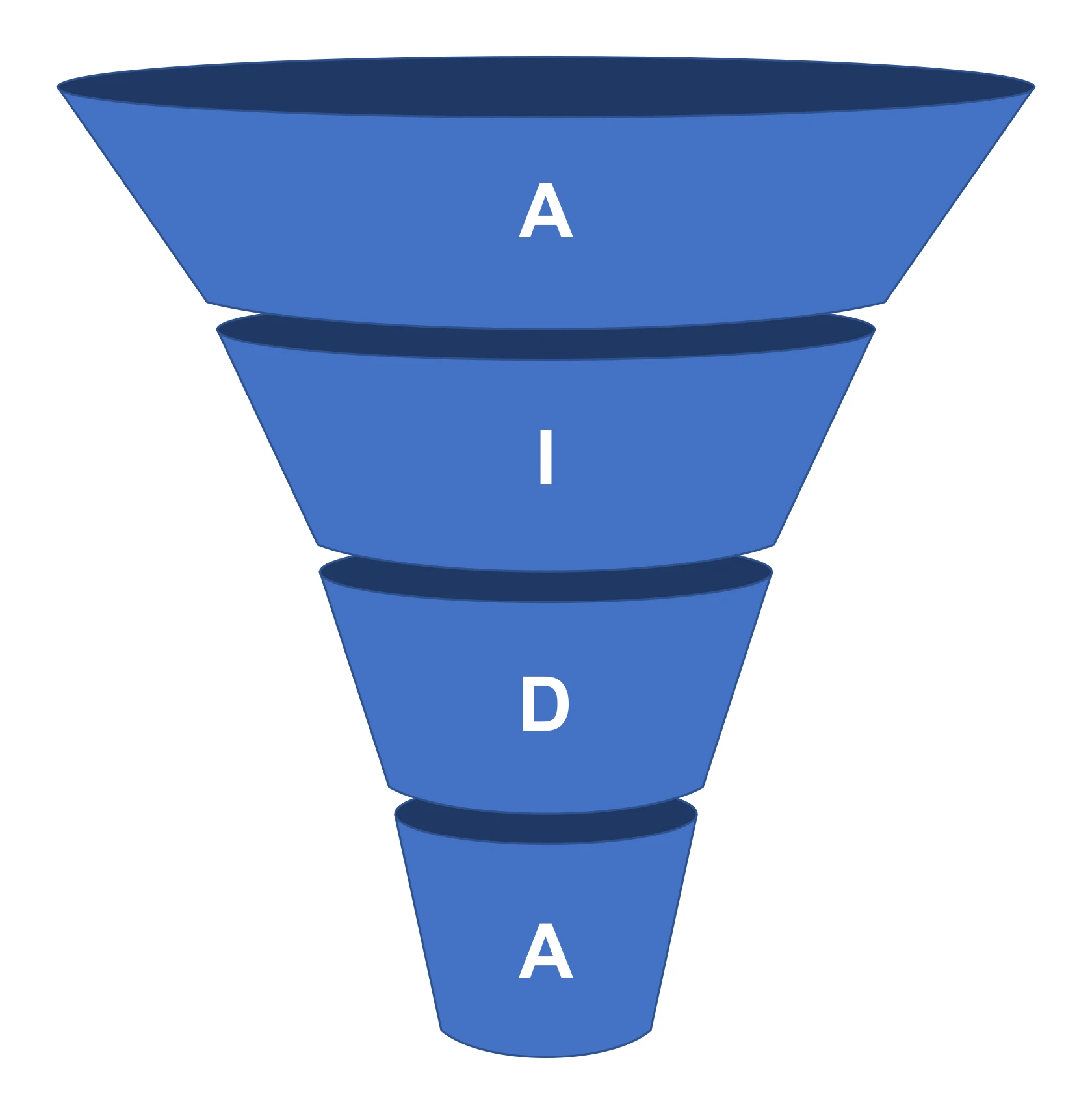
The best approach is to map content to the buying journey. At the beginning, the user is looking for language to name the problem, then they compare solutions, check costs, assess risk and only at the end consider getting in touch. And this is where the difference begins. A different CTA makes sense in an educational guide, and another in a text about implementation, price or choosing a provider.
Linking to the offer does not mean pushy selling. The article should naturally lead to the service when the user has already received an answer and has a real reason to move on. Sales content is not about promoting the company in every paragraph, but about making the decision easier. Not “buy now”, but “the next step is here”.
In practice, it is worth building topic clusters around services and revenue-generating categories. An article about a problem should link to an implementation guide, a comparison of options and the offer page. This way the user does not end up at a dead end, and the search engine picks up the relationships between the content better. A coherent network of links does the job instead of pretending to be a strategy.
A well-designed blog also supports salespeople. Articles can dismantle typical objections, explain the scope of cooperation, show when a solution will not be a good fit, and organise the client’s expectations before the conversation even starts. That has a concrete effect. It often shortens the stage of explaining the basics and improves the quality of enquiries.
The most common mistake is banal, but costly. Publishing content that gets traffic but does not lead to the offer. Then the blog gathers visits from broad queries, but does not support the purchase decision. If, after reading, the user does not know what to do next, the blog works mainly for image, not for sales.
Data analysis and optimisation of a sales blog
The data clearly shows which pieces of content genuinely bring in contact, an enquiry or a sale, and which only pump up visits. The number of page views alone will not answer the question of whether the blog helps the company make money. Traffic without quality measurement is very easy to confuse with a business result. That is why you measure not only visits, but also what the user does after reading the article.
In practice, it is worth looking at several levels of data at once:
- search engine visits and queries from Google Search Console,
- click-throughs from articles to service pages, categories or pricing,
- clicks on CTAs, forms, phone numbers and downloadable materials,
- direct and assisted conversions,
- returning sessions and user paths between pieces of content,
- CRM data, meaning whether a lead from a given article was valuable for sales.
You see the most when the data is combined. Search Console shows what questions the article is visible for, analytics reveals behaviour on the site, and the CRM tells you directly whether these visits generate meaningful sales conversations. Without this connection, it is easy to inflate results with clicks that look good in a report, but do not deliver sales.
Optimisation of a sales blog rarely starts with rewriting everything from scratch. Often, surgery on an existing post works faster: a stronger introduction, better alignment with intent, a more precise section on costs or implementation, more sensible linking to the offer and a more relevant CTA. An article that already has traffic or plays a part in conversion paths is usually worth improving before publishing further topics. This is the kind of work that does not make noise, but it does make results.
It is also crucial to regularly compare what users are searching for with what clients ask about in sales conversations and customer service. If, in sales, the topics of price, implementation time, integrations, risks or scope of work keep coming back, and the blog does not explain them, a gap appears. And that is not a minor issue. It is precisely this kind of content that most often improves lead quality, because it answers questions asked just before contact.
A good optimisation process is iterative. First, after publication, you check whether the article is attracting the right traffic, whether the user moves on to the offer, and whether the leads are a good fit. Then you refine the title, structure, objection-handling sections, trust elements and points of contact. This turns the blog into a system that learns from data, not just a noticeboard for publishing posts.
The most important decisions and strategies for an effective blog
The most important decisions revolve around the business goal. It is about selecting topics by user intent, connecting content with the offer, and the way impact on leads and sales is measured. In practice, you first decide whether the blog is meant primarily to generate enquiries, support service sales, drive traffic to product categories, or help salespeople in conversations with customers. That decision determines the content format, language, type of CTA and which data will really matter. A blog is effective when it works as part of the sales process, not as a separate publishing channel.
The second decision is just as uncompromising, because it concerns topics. The best topics do not have to have the largest search volume; often they have the highest sales value because they answer questions asked just before contacting the company. In services, content about costs, implementation process, provider selection criteria, differences between options and common risks usually performs well. If a topic helps the customer make a decision, its business value can be greater than the value of the traffic itself. The data clearly shows that this is where you most often win over random traffic.
The next decision concerns how to connect articles with the offer. Simply put. Every post should lead to the next step, but that step must be synchronised with the user’s stage of decision-making, not pasted in from a template. For one reader, a consultation will make sense; for another, a comparison of solutions, a downloadable resource, a case study or a service page with the scope of cooperation described precisely. Usually, a CTA matched to intent works better than one universal form in every article.
Strategically, the content architecture is also crucial. It is the foundation. A blog should not consist of random posts, but of topic clusters linked to services, revenue-generating categories and real customer questions. Then internal linking strengthens not only visibility in the search engine, but also real journeys from articles to offer pages. Its importance grows where the offer is complex and the purchase decision drags on for weeks.
The last decision, which often determines the outcome, concerns measurement and maintenance. Without this, everything falls apart. From the start, you need to establish who is responsible for the content, what counts as success for a given article, and how the journey from blog visit to enquiry or sale will be measured. Page views alone are not enough, because they do not show traffic quality or impact on the customer’s decision. Without connecting the blog to analytics, forms and, ideally, the CRM, the company can see publications, but not the real outcome.
A good operational strategy is to develop what is already delivering. And that works faster. Instead of constantly publishing new texts, it is often better first to refine articles that already have traffic, appear in conversion paths or are regularly sent by salespeople. Updating the price section, clarifying the terms of cooperation, adding an FAQ or a stronger CTA usually delivers a quicker result than another generic post. This approach is easier to maintain and easier to justify commercially.
Typical mistakes in managing a company blog
The most common missteps are publishing without a sales goal, choosing overly broad topics, and failing to connect posts with the offer, analytics and the user’s next step. As a result, a blog can generate traffic, but it does not help either the customer or the sales team. The problem is that it is usually not about writing itself, but about the lack of a design for the whole content system.
- Publishing without an assigned business function. An article is created because “it’s worth putting something out there”, but it’s not clear whether it should attract traffic, address objections, direct people to a service or support the buying decision. Such a post is difficult to assess honestly, and then even harder to improve in a meaningful way.
- Choosing topics solely on the basis of keyword volume. High traffic from broad topics often attracts people at a very early stage who are not close to getting in touch. The result is lots of visits, but hardly any valuable conversations.
- Lack of a real connection to the offer. The text answers a question. The problem is that it does not lead anywhere else: to a service, consultation, price list, form or material that would help close the decision. In practice, the user finishes reading and disappears.
- Overly general content instead of answers to specific buying questions. Posts based on broad definitions and basic advice rarely help someone choose a solution, because they avoid the core of the decision. Instead of “what is it”, content about the process, costs, limitations, requirements and differences between options works better.
- Poor internal linking and no content architecture. Without links to related topics and service pages, the user is not given a natural path to move on, so they drop off after the first click. SEO visibility also suffers.
- No measurement of microconversions and assisted conversions. The company sees page views. But it does not know which articles actually generate service page visits, CTA clicks, forms, phone calls or return sessions. Without this data, optimisation turns into guesswork.
- Inconsistency between the article and the service page. When the blog promises a specific explanation of a process or scope, but the offer after the click is generic and sparse, trust breaks in a second. This is a common moment of losing the lead.
- No content updates. Even a good article eventually stops answering current questions, because market conditions, the offer and customer language change. The result is predictable: outdated posts lose visibility and convert worse.
- Writing for the algorithm instead of the customer’s buying process. Too many phrases, artificial headings and text created solely “for rankings” usually kill readability rather than improve it. The user should get a clear answer and a sensible next step, not an optimisation showcase.
Many companies add an organisational mistake on top of this. One person is responsible for the blog, but without a steady flow of questions from sales, customer service and data from the CRM and analytics. As a result, the content becomes detached from real conversations with customers, so it poorly supports sales decisions.
The most common thread running through these mistakes is simple: the blog is often treated as an editorial project, not as a sales tool. If every post has a goal, an owner, a place in the content architecture, tailored CTAs and a way of measuring it, most problems disappear at the planning stage. And that is not a cliché. Usually you do not need more texts, just better decisions before publication.
Methods of measuring the effectiveness of blog content
The effectiveness of a blog is finally measured properly. The point is to bring together visibility data, user behaviour and real conversions from the CRM or forms, because only then can you see whether the content is contributing to results. Page views alone are not enough. High traffic can come from topics with low purchase intent and then it looks good only in the report. The key thing is to check whether the article leads the user to the next step: moving to the offer, downloading a resource, submitting a form or making contact. Only this kind of data set allows you to calculate the business value of a post honestly.
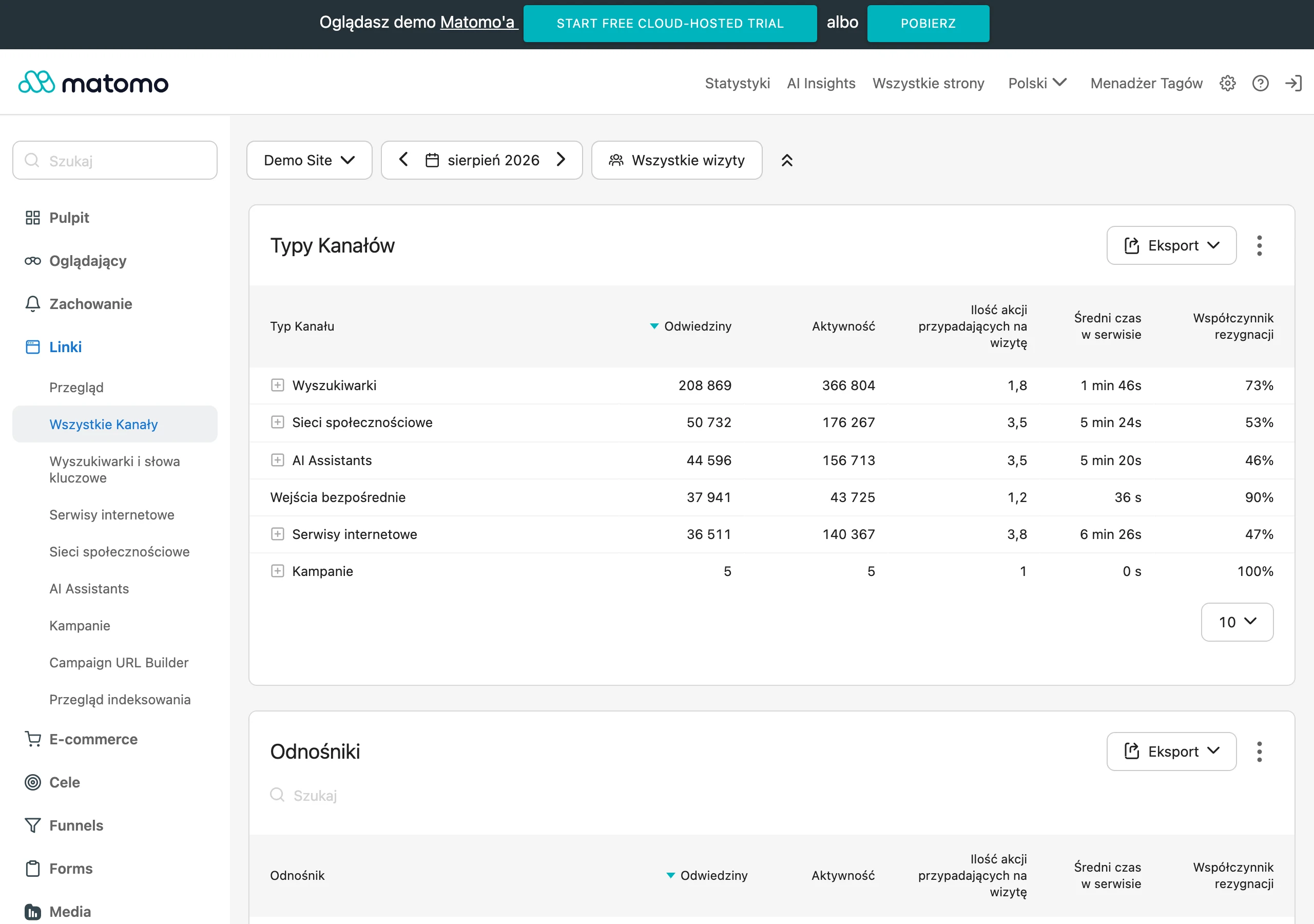
In practice, the issue plays out on three levels. You measure traffic acquisition, visit quality and impact on sales, because these are three different stories, even though they happen on the same page. At the acquisition stage, you look at search clicks, CTR, queries and visibility for intent-aligned keywords. Then comes visit quality. You analyse whether the user reads the content, moves on and returns, rather than bouncing after a few seconds. In the end, there is the hard test. You check whether the article generates microconversions, assisted conversions and final leads.
- Visibility: impressions, clicks, CTR, positions, queries from Search Console.
- Engagement: visits to the service page, internal link clicks, session depth, repeat visits.
- Microconversions: CTA clicks, resource downloads, form opens, visits to the price list, demo sign-ups.
- True conversions: forms, phone calls, quote requests, registrations, sales.
- Lead quality: fit with the offer, funnel stage, sales opportunity value, closed deals.
Google Search Console quickly brings you back down to earth. It shows whether the article is capturing the right queries, rather than just any traffic that then has nothing to “give back” in sales. Lots of impressions and a low CTR are a warning sign. The problem may be the title, the meta description or simply a mismatch with user intent. And if the clicks are coming from overly broad phrases, the post generates reach but does not support sales. A good sales article does not need the biggest traffic, but it should attract users with questions close to the buying decision.
In website analytics, the metrics that matter are not the ones that “look nice”, but those that show movement towards the offer. It sounds blunt, but that is the reality. Time on page or scroll depth can hint at something, but on their own they are not proof of value, let alone purchase intent. What matters is what the user does after reading. Do they move on to services, a comparison, pricing, a form, or lead-qualifying content. If they do not, the content may answer the informational query very well, but it simply does not close the journey.
Micro-conversions are the day-to-day analytical work when the decision-making process takes time and contact does not happen immediately. And that is not a cliché. It is worth tracking as events clicks on CTAs, checklist downloads, visits to case studies, calculator starts, form opens or clicks on the phone number, because that is when you can see which articles are genuinely pushing the user further down the funnel. The question is what you consider “progress”. For some it will be pricing, for others a demo, and for others only the form. Without measuring micro-conversions, a blog often looks ineffective, even though in reality it is working towards a later contact.
Assisted conversions tell the truth. Many blog pieces do not close the sale on the last click, because the user first lands on a guide, then returns via a brand ad or comes in directly and only then sends an enquiry. If you measure the blog on last click only, you are cutting off its real impact yourself. The key is therefore to look at user paths, landing pages, the share of articles in sessions preceding conversion and the number of returning visits.
The most useful measurement starts when analytics is linked with the CRM. Every lead should have an assigned source, landing page, supporting article or at least the first touchpoint with the brand, because then you stop wandering around charts and start seeing a chain of cause and effect. The question is: how many of those enquiries have sales value, rather than just “looking good” in the report. In this setup, you assess not only volume, but also lead quality: fit with the offer, the speed of progression to the next stage and whether a sale ultimately happens. This is the point at which the blog stops being a content cost and becomes a measurable acquisition channel.
In services, there is another underappreciated metric. It is the qualitative feedback from sales: do salespeople regularly use specific articles in conversations, and do clients return to them just before contact. That is not anecdotal; it is a signal that the content is working towards the decision, not just towards traffic. A traffic report alone cannot replace that. Quantitative data shows scale, but sales data tells you straight whether the content genuinely makes the decision easier and shortens the process of explaining the offer.
Effectiveness assessment should lead to a decision, not another PDF. An article with high traffic and poor transitions to the offer usually calls for better CTA, internal linking or a stronger embedding of the service in the content, because the problem is that the reader gets the knowledge, but not the next step. By contrast, an article with low traffic but high assisted conversion is often worth expanding, strengthening with links and promoting better internally. What usually brings the most gain is not publishing more posts, but improving the ones that are already part of conversion paths.
FAQ
Frequently asked questions
How can a company blog support sales, not just image?
It must be part of the customer acquisition process, not a collection of random posts. Every article should lead the user to contact, a service, a category or another next step.
Is simply publishing articles on a blog enough to sell?
No, publishing alone does not sell if the content is not aligned with user intent, the offer and performance measurement. Without that, a blog may generate traffic, but it does not have to influence leads or revenue.
Which topics on a company blog have the greatest sales value?
Usually those closest to the buying decision, such as method comparisons, selection criteria, implementation stages, service scope, solution limitations or factors affecting price. A topic with less traffic can be more valuable if it answers a question asked just before contacting the company.
How do you connect a blog post with the company offer?
The article should naturally lead to the next step, for example to the service page, a consultation, a case study, a comparison of solutions or a form. What matters is that this transition matches the user’s decision stage, rather than being pasted in from a template.
Why should the CTA in blog articles be matched to the reader’s intent?
Because different users need different next steps: some need a consultation, others a checklist, a case study or a description of the collaboration process. One universal form in every post often looks unnatural and does a poor job of leading to the offer.
How do you measure whether a company blog really helps sales?
It is not enough to count page views — you need to check CTA clicks, visits to service pages, forms, phone calls, material downloads and assisted conversions. It is also worth combining data from analytics, Search Console and CRM to see whether valuable leads are being generated from the traffic.