

Company blog rarely sells directly from a single visit, but very often starts or accelerates the path to purchase. That is why its effectiveness cannot be assessed by page views alone or by positions in Google. If you do not connect traffic data, user behaviour and CRM outcomes, the real impact of the blog on sales will usually be understated. In practice, you need to see which content attracts the right people, how it leads them to the offer, and whether they later turn into leads or customers.
Mechanisms by which the blog affects sales
A company blog affects sales mainly indirectly: it attracts people with questions, educates them and leads them to the next step. It most often works at the early stage of decision-making, when the user is not yet looking for a specific company, only for a solution to a problem. That is why informational posts often do not close the transaction, but they initiate contact with the brand. When assessing effectiveness, you therefore need to look not only at direct sales, but also at the supporting role.
In practice, this means four main mechanisms. First, the blog captures traffic with informational intent that a standard offer page will not take over. Second, it builds authority and trust through a thorough explanation of the problem and by showing experience. Third, it increases the chance of the user returning later via a direct visit, brand search or remarketing.
The fourth mechanism is guiding the reader from knowledge to the offer through internal linking and well-placed calls to action. If an article answers a question and then directs the reader to a service, consultation or form, the blog starts to work towards a business result. When this transition is missing, the content can generate traffic without sales value. This is a common reason why companies see readers, but not the impact on the pipeline.
Key analytics setup
The key analytics setup is a measurement implementation that allows you to connect a visit to the blog with a specific lead and sale. The foundation is event tracking in GA4 for actions that matter to the business. This is mainly about clicks on CTAs, visits to offer pages and form submissions. Without this, you can see traffic, but you cannot see whether the content moves the user further down the funnel.
The second foundation is separating the blog from the rest of the site, ideally by grouping the content. This allows you to compare the “blog” segment with other parts of the site and check its share of micro-conversions and visits to the offer. Analysing all traffic together blurs the picture, because it mixes educational posts with service pages and brand visits. In practice, this makes it harder to assess which content is really driving sales.
The most important step is integrating analytics with CRM, because only then do you see whether a blog session ended in a lead and a transaction. If a user first reads an article and only later returns and gets in touch with the company, the CRM allows you to assign that contact to the earlier path. It is also worth implementing User ID to better connect the behaviour of one user across sessions and devices. In industries where part of the sales is closed by phone or offline, offline conversion tracking is also needed, otherwise the blog’s contribution will be underestimated.
Segmentation in analysis
Segmentation in analysis consists of separating traffic and content according to their role in the buying process, instead of assessing the blog as one whole. This is necessary because averaged data hides which posts attract potential customers and which only generate reach. If you combine everything in one report, it is easy to consider the blog ineffective or, conversely, overestimate its value. Only segments show whether the blog helps sales or only produces traffic.
First, separate brand and non-brand traffic. Brand visits often appear only after contact with the brand, so they show the blog’s role in generating new demand less clearly. Analyse new and returning users separately, because the blog often does not convert on the first visit. If returning readers are more likely to move to the offer or the form, the content is probably genuinely supporting the purchase decision.
The second important cut concerns the content itself. Divide posts by intent, i.e. TOFU, MOFU and BOFU, as well as by type, for example a guide, case study or report. In practice, it is better to look at topic clusters rather than individual URLs, because sales are usually supported by the whole group of related materials. Such analysis then makes it easier to decide which topics to develop and which to limit.
Key performance indicators (KPI)
The blog’s key performance indicators are a set of metrics that connect visibility, user behaviour and sales outcome. Page views or positions alone are not enough, because they do not show traffic quality or impact on revenue. A good KPI set should answer three questions: does the blog attract the right people, does it move them further on, and does this end in business value? Without this order, it is easy to measure activity, but not effect.
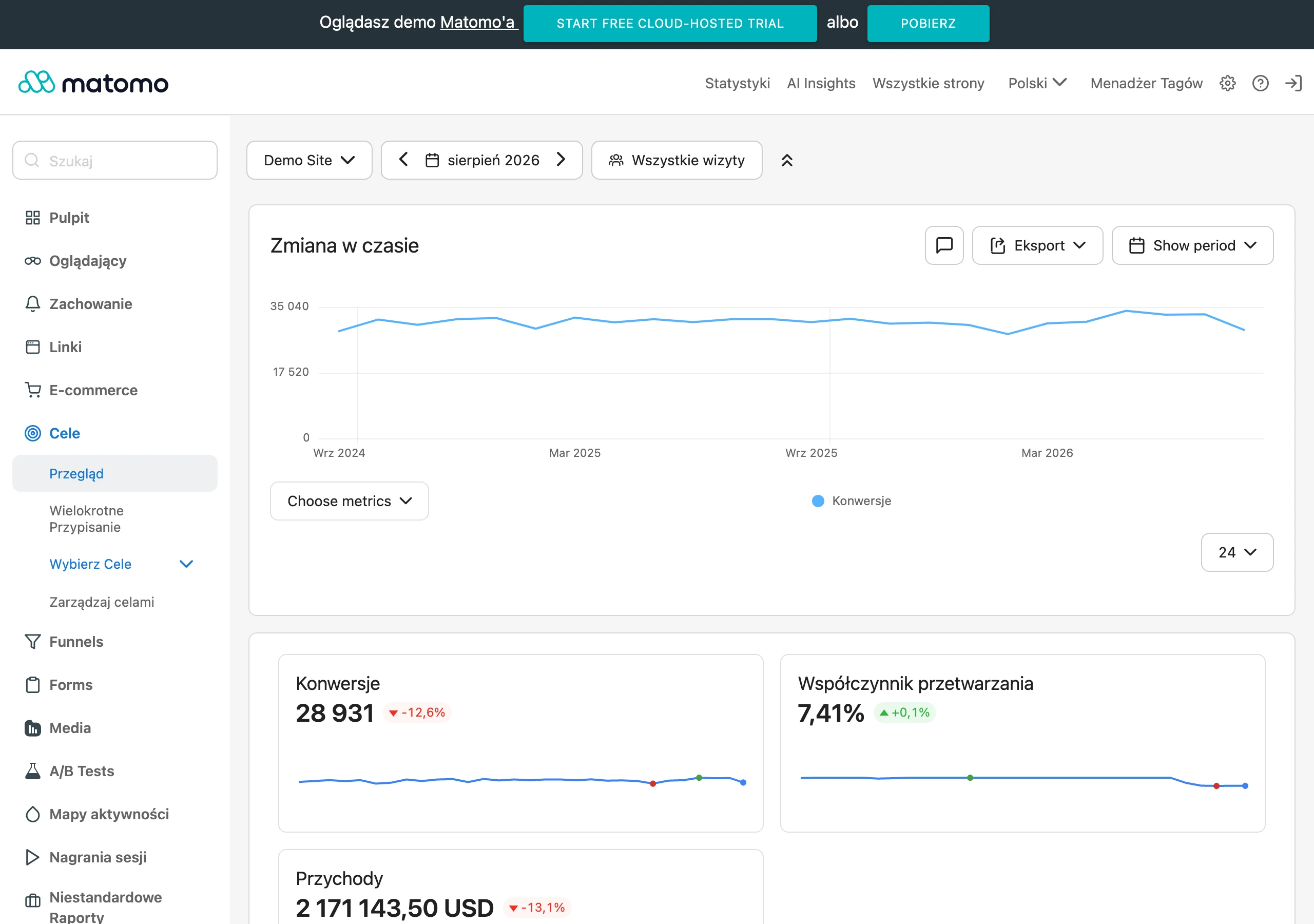
In practice, it is worth monitoring KPI in four groups:
- SEO: organic non-brand visits and visibility for keywords with purchase intent.
- Engagement: scroll depth, the share of visits from the blog to the offer, and the proportion of sessions with a micro-conversion.
- Business: the number and value of assisted conversions, leads with the first interaction on the blog, and the blog → lead → customer ratio.
- Finance: revenue from assisted transactions, cost per lead from the blog, and Content ROI.
These metrics need to be interpreted together, not separately. High organic traffic without visits to the offer usually means poor topic fit or a lack of strong CTAs. Conversely, low traffic can be very valuable if the posts generate leads or often appear on paths that end in a sale. The most useful KPIs show not the popularity of the content, but its contribution to the pipeline and revenue.
It is also worth comparing KPIs between the segments mentioned earlier. TOFU posts should have different goals from content closer to the offer. For educational materials, a micro-conversion or a returning user may be more meaningful, while for MOFU and BOFU content a visit to the offer or a lead makes more sense. This way you do not assess all posts by the same measure and avoid drawing wrong conclusions.
Attribution models and conversion paths
Attribution models and conversion paths show what share of sales value should be assigned to the blog at different stages of the customer journey. If you look only at last click, educational posts usually lose out to direct, ads or branded traffic. This underestimates the role of content that was the first touchpoint with the brand or an important step before an enquiry about the offer.
In practice, compare at least three views: First Click, Data-Driven and position-based. First Click shows which articles open sales paths. The position-based model better reflects the contribution of content when the blog initiates contact and the offer closes the sale. Data-Driven is often closest to reality, but only with correctly collected data and a sufficient number of conversions.
At the same time, analyse the conversion paths report and look for recurring sequences involving the blog. The most valuable are posts that often start the journey or regularly appear before a lead and a sale. Also set a conversion window aligned with the buying cycle, usually from 30 to 90 days. A window that is too short cuts off the blog’s impact, because it does not cover the time needed to return, compare offers and make a decision.
Lead nurturing and marketing automation
Lead nurturing and marketing automation are the process of turning a blog reader into a contact ready for a sales conversation. It makes sense when posts attract people at an early stage, but they are not ready to buy straight away. Without this bridge, part of the blog’s value disappears between the first visit and the later sale.
The simplest model is to offer a lead magnet linked to the topic of the post, for example an e-book, webinar or checklist. This turns an anonymous user into a contact you can continue to measure in your CRM. It is crucial to tag the source and the first piece of content, because then you know which blog clusters are actually feeding the lead database.
Automation then lets you segment contacts by the content they have read and assess their purchase readiness through lead scoring. In practice, check which email sequences and which topic groups most often lead to SQL. If many leads from the blog stop before this stage, the problem may be poor topic selection, a poorly matched lead magnet or a lack of a logical transition to the offer.
ROI and cost analysis
ROI and cost analysis shows whether the blog delivers more value to the business than it costs to produce and maintain. For the result to be credible, calculate the full cost, not just the writing of the text. Costs include specialist time, editing, graphics, updates, content promotion, and analytics tools, CRM and marketing automation. If you leave out some of these elements, ROI will come out artificially inflated.
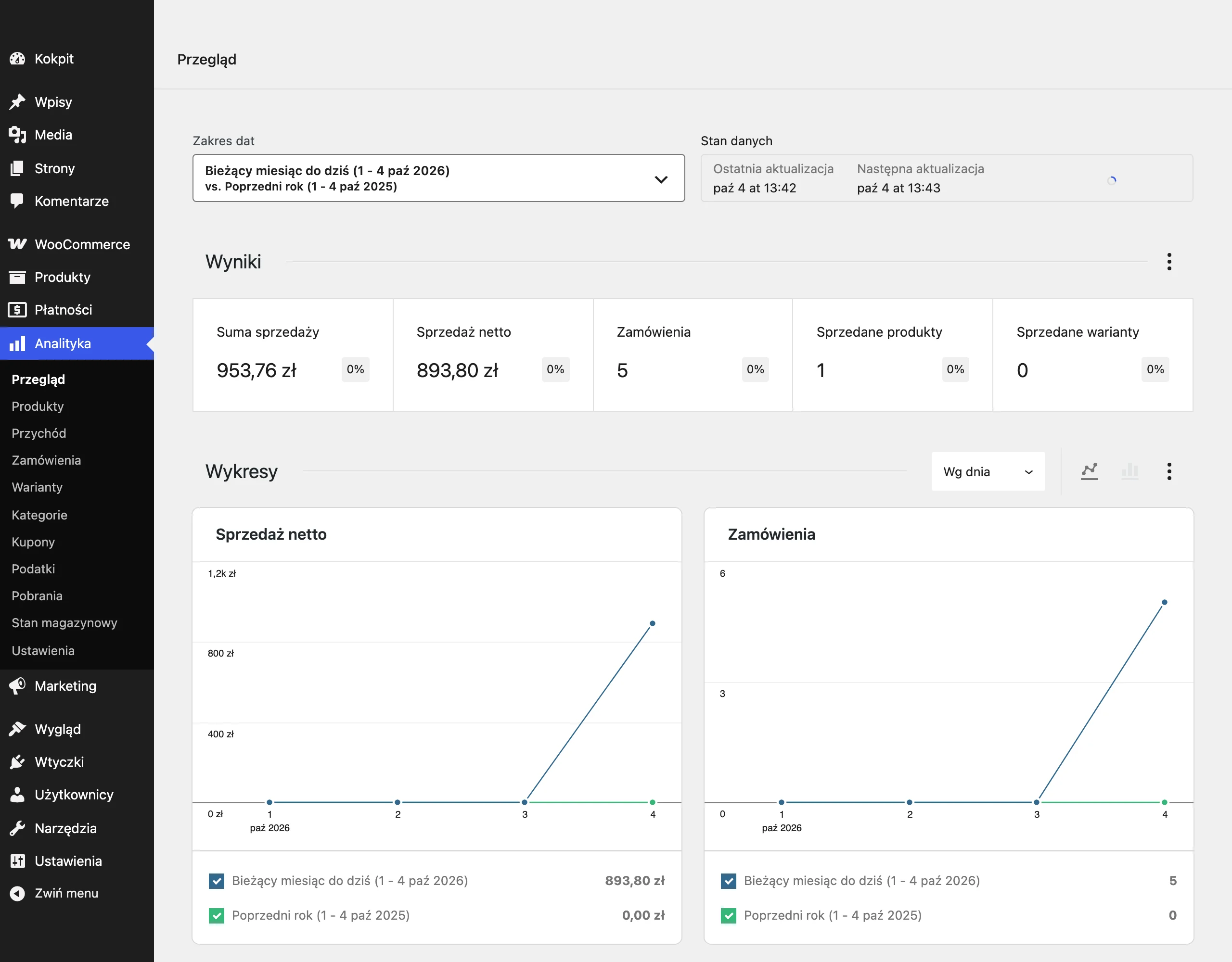
On the revenue side, include both direct sales and transactions assisted by the blog. In practice, this means summing the value of orders whose path started on the blog or included the blog before the lead or sale. The data for this breakdown must come from analytics, attribution models and CRM, because the web system alone will usually not show the full picture. If the blog initiates contact and the sale closes later via direct, a salesperson or a phone call, it can still have a real share in the revenue.
You calculate Content ROI as: (Revenue – Cost) / Cost. Such a result only makes sense if you calculate revenue within a window aligned with the buying cycle, rather than only for the current month. In addition, it is worth comparing the CLV of customers acquired through the blog with other sources. If the blog cohort buys for longer, returns more often or delivers higher value over time, the blog can be profitable even with lower sales at the start.
FAQ
Frequently asked questions
How can you measure whether a company blog really affects sales?
You need to combine data on traffic, user behaviour and CRM outcomes. Page views and Google rankings alone do not show whether content leads to a lead, a transaction or supports the buying journey.
Are blog page views enough to assess effectiveness?
No, because they only show the popularity of the content, not its impact on the pipeline and revenue. Clicks on CTAs, visits to the offer, forms and assisted conversions matter more.
Why does a blog more often affect sales indirectly than directly?
Because it usually works at an early stage of decision-making, when the user is looking for a solution to a problem rather than a specific company. It first educates and builds trust, and only then leads to the offer.
What data do you need to combine to assess a blog properly from a sales perspective?
You need data from GA4, CRM and attribution models, and for some sales also offline tracking. This makes it possible to check whether a visit to the blog ended in a lead and a transaction.
Which metrics are worth analysing for a company blog?
It is worth looking at non-brand organic visits, visits to the offer, micro-conversions, assisted conversions, leads with the first interaction on the blog and Content ROI. Only this set of metrics shows the blog’s fuller impact on sales.
When might a company blog fail to show its impact on results?
When there is no good transition from content to the offer or when CRM and attribution are not integrated. Then you can see traffic, but you cannot assign it to a lead, a sale or revenue.