

How does a company blog support a marketing strategy?
A company blog supports a marketing strategy because it serves as a part of the marketing funnel: it attracts traffic, educates and leads to the next step. At the top of the funnel it attracts people looking for informational answers (e.g. “what is CRM”), in the middle it helps compare options (e.g. “CRM for a small business: 7 criteria”), and at the bottom it makes decision-making easier with content close to purchase intent (e.g. case study, cost calculator). As a result, marketing does not rely solely on ads, but builds a stable stream of audiences with a specific intent. The greatest value of a blog is that it turns customer questions and objections into planned content that does the work even before the sales conversation.
A blog also strengthens distribution across other channels, because from one article you can create shorter formats for LinkedIn, a newsletter, a webinar or an onboarding sequence. Such a “library” of materials organises communication and saves the team time, because instead of creating messaging from scratch, you draw on a proven knowledge base. In addition, a blog helps close doubts that hold back decisions, related to pricing, risks, comparisons or technical requirements, which means the customer “grasps” the language of the problem faster. For a blog to genuinely support marketing, it should lead the reader to a relevant CTA, e.g. a consultation, demo or newsletter sign-up.
- 01Generates trafficAttracts with informational queries
- 02Educates the customerHelps compare options
- 03Leads to a decisionMakes choosing easier (case study)
- 04Answers questions in advanceAddresses objections before sales
A blog builds a stable stream of audiences with a specific intent, doing the work before the sales conversation.
Business benefits of running a company blog
The business benefits of running a company blog come from the fact that organic content can lower the cost of acquiring a lead, because a single article can draw traffic for years without a constant media budget. For example, a guide like “accounting services pricing” can regularly generate enquiries, whereas a Google Ads campaign stops working the moment it is paused. In addition, well-chosen informational-to-decisional keywords usually deliver better traffic quality than broad reach campaigns, because the user is closer to purchase. In practice, a blog most often improves not only the number of visits, but also the match between the audience and the offer.
A blog builds trust and authority because customers expect tangible proof of competence: methods, process and specifics, not just promises. Articles like “How we price ERP implementation – 6 cost components” increase credibility because they show transparency and real experience. At the same time, a blog supports sales enablement by giving salespeople ready-made materials to send after a conversation, such as solution comparisons or implementation checklists, which shortens the sales cycle because part of the education happens asynchronously. When a customer can independently understand costs, risks and selection criteria, sales conversations become more concrete and shorter.
A blog also helps generate leads and build a contact base when articles collect sign-ups through lead magnets (e.g. “ROI calculator”, “brief template”) and forms in tools such as HubSpot, Mailchimp or GetResponse. At the same time, content in series such as “most common mistakes” or “what to watch out for” works through objections and reduces the sense of risk, answering buyers’ concerns (e.g. about hidden costs). Additional value can come from employer branding and recruitment, because posts showing work standards (e.g. the code review process or onboarding junior staff) answer many candidates’ questions without another round of emails. In niche markets or new service categories, a blog can also educate the market and build demand before the customer starts comparing providers.
SEO as a key element of a company blog’s success
SEO is a key element of a company blog’s success because it determines whether your articles will be regularly found in Google by people with a specific intent. Topic selection is best started by matching them to search intent: informational (“what is”), comparative (“X vs Y”) and transactional (“price”, “offer”). To assess keyword potential and subtopics important for Google, you can use tools such as Senuto, Ahrefs or SEMrush. This means the content plan is not created “by feel”, but instead responds to real queries and the user’s stage of decision-making.
SEO works best when a blog is organised into topic clusters, rather than as a collection of random, unrelated posts. In practice, this means a pillar page (e.g. “CRM dla firm”) and a set of supporting articles (e.g. implementation, costs, integrations, mistakes), tied together with internal linking. On-page SEO makes it easier for the reader to scan the content and helps Google understand the structure of the material, so it is worth sticking to tried and tested principles:
- one H1 and a logical H2/H3 hierarchy, short paragraphs and FAQ sections with direct answers,
- 3–5 internal links to services and related articles,
- optimisation of the title/meta description for clicks, rather than for the phrase alone.
SEO is not just about keywords, but also credibility and the technical health of the site, which shape how content is perceived and how visible it is. In sensitive areas (finance, health, law), strengthen E-E-A-T by showing the author, their experience, sources and update date, as well as adding case studies and links to regulations or research. It can also be useful to implement schema structured data.org (e.g. Article, FAQPage, HowTo, Product), which can improve how the result is presented in the SERP, and plugins such as Rank Math, Yoast SEO or Schema Pro make it easier to add schema without writing code by hand. On the technical side, make sure you take care of speed (PageSpeed Insights, Lighthouse; WebP/AVIF compression, cache, a CDN such as Cloudflare) and indexing and errors in Google Search Console, and refresh content every 6–12 months when tools, prices or regulations become out of date.
- 01Match to intentInformational, Comparative, Transactional
- 02Analyse phrase potentialSEO tools, Real queries
- 03Create topic clustersRelated posts, Not random content
- 04Pillar page + ArticlesBuild authority, Supporting topics
SEO translates into regular traffic from Google when the content answers real user needs and is logically connected.
Planning and creating high-value content
Planning and creating content of high value starts with a clearly defined goal for the blog and the metrics that will show whether the content is delivering business results. Set 3–5 KPIs matched to the goal (e.g. SEO sessions, CTR from the SERP, lead conversions, share of revenue), so that you do not assess the blog solely by “the number of views”. This reference point also makes decision-making easier when it comes to which topics to develop and which to give a lower priority. As a result, the blog works like a structured process, rather than a one-off campaign.
High-value content grows out of real customer questions, which is why the best fuel for a topic list is sales conversations and customer support. Gather 30–50 questions from emails, calls and chat, then arrange them into a content map according to funnel stage: problem awareness, consideration, decision and retention. Such a map helps you maintain a balance between educational content and “close to purchase” topics, e.g. the sequence: “symptoms of chaos in sales” → “CRM for services: criteria” → “Pipedrive vs HubSpot comparison” → “14-day CRM implementation checklist”. To find additional opportunities, check in Ahrefs/SEMrush which phrases your competitors rank for and where they have gaps (e.g. no comparisons, no pricing, no instructions).
It is easier to maintain content value if you plan from the outset the publishing rhythm, resources and rules for selecting topics. For most companies, a realistic start is 2–4 articles a month for 6 months, managed in an editorial calendar (Notion, Trello or Asana) with information about keywords, funnel stage, owner, deadlines, status and sources. At the same time, keep an eye on topic policy: avoid content that generates large traffic but has no connection to the offer (vanity traffic), because it dilutes the quality of the whole blog. As for resources, estimate the time for each stage (research, outline, writing, graphics, editing, publishing and SEO, distribution) and consider a hybrid model: the expert provides notes, and the editor/ghostwriter assembles the text and finalises the optimisation.
Content distribution and increasing reach
Content distribution expands the reach of a company blog because it turns a one-off visit from Google into regular contact with the brand and more touchpoints. The most predictable channel is often the newsletter, which makes it possible to build your own audience base and segment sends in tools such as Mailchimp, ConvertKit or GetResponse. In B2B, LinkedIn also works well, where instead of publishing only a link, it is better to extract 1–2 strong points and add the link in a comment or directly in the post, depending on the chosen strategy. You can use Buffer or Hootsuite to plan posts and test the hook.
The fastest way to get “more content without writing from scratch” is repurposing, i.e. reusing the material: you turn one article into several formats tailored to different channels. From a long guide, you can prepare a carousel, a short 60–90-second video, a PDF checklist or a thread in an industry community, so the same substantive work keeps working for longer. An article can also serve as a webinar script, and the webinar recording can then be reused in the post as video material, giving the user a choice between a quick skim of the text and a deeper dive into the topic.
Distribution should also be strengthened through collaborations and guest publications, provided the partner has a similar target audience and the topic is specific (e.g. “Shopify store integration with ERP – the most common mistakes”), rather than a generic brand-awareness piece. Content syndication on external sites (e.g. Medium or LinkedIn Articles) can deliver additional reach, but it requires a link to the canonical version on your site or publishing a summary instead of a 1:1 copy. To accelerate results, remarketing to guide readers works well: in Google Ads/Meta you create audiences based on visits to specific blog categories and show tailored offers (e.g. demo, consultation). In niche sectors, valuable traffic can also be driven by communities and forums, provided you first give a concrete piece of advice and treat the link as a source for expanding the thread.
- 01NewsletterOwn audience base, segmentation
- 02LinkedIn B2BStrong claims, link in the comments
- 03Scheduling toolsBuffer, Hootsuite, testing the hook
- 04RepurposingOne article, many formats
Regular brand contact and more touchpoints through strategic distribution and content repurposing.
Measuring results and optimising blog activities for a company
Measuring results and optimising activities on the blog comes down to tracking not only traffic, but also whether readers complete key actions and ultimately make it into the sales pipeline. In Google Analytics 4, set up events for actions such as clicking a CTA, submitting a form, signing up to the newsletter or downloading a file, because this answers the question “does the blog sell”. Google Search Console shows queries, positions and CTR, so you can easily assess which titles and descriptions (title/meta description) are worth refining for clicks. When you see high impressions and low CTR, a more precise heading often helps, for example with the year or price ranges.
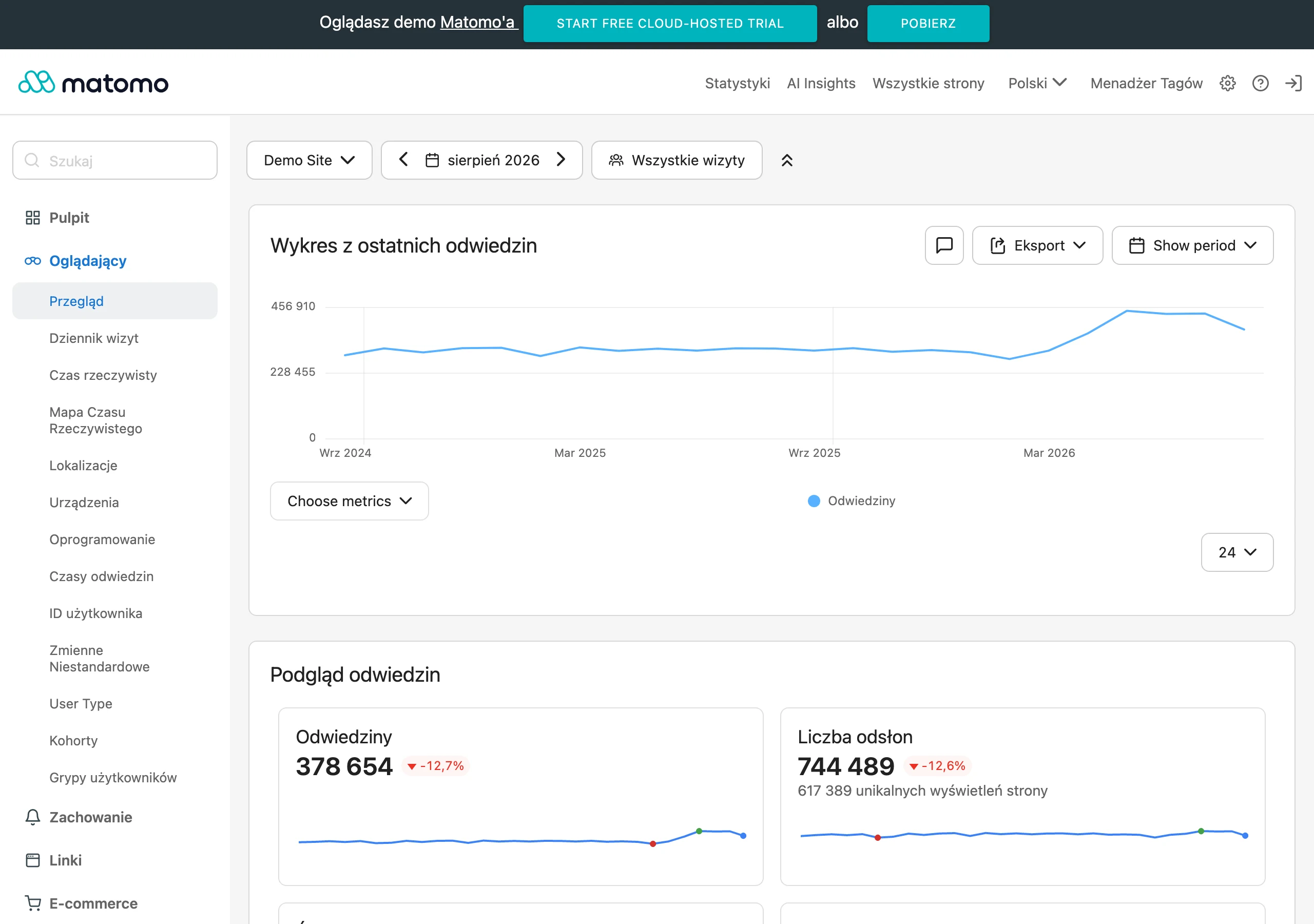
- GA4: events (CTAs, forms, sign-ups, downloads) to measure conversions from content.
- GSC: queries, positions and CTR to spot topics that need refining and header improvements.
- Attribution: paths in GA4 and reports in CRM (HubSpot, Pipedrive, Salesforce) to estimate impact on the pipeline and revenue over a 3–6 month horizon.
- Traffic quality: engagement metrics (time, scroll depth, pages per session, returns) plus recordings and heatmaps in Hotjar or Microsoft Clarity.
Conversion optimisation starts with diagnosis. If an article generates traffic but converts poorly, test CTA variants (text, colour, placement) and lead magnets using tools such as VWO or Optimizely. At the same time, monitor the visibility of entire clusters in Senuto, Ahrefs or Semstorm so you can see the trend for the category, not just individual posts. Every quarter, carry out a content audit: top 10 articles by traffic, top 10 by leads, the fastest declines and texts with no traffic, and merge, rewrite or remove materials that do not fit the offer.
For Google results, it is also worth refining the answer format, because a short summary at the beginning (2–3 sentences) and step-by-step lists increase the chance of featured snippets and citations in AI sections. In practice, adding a “In short” section and clear, simple excerpts ready to be quoted helps, rather than lengthy introductions. If you refresh your best posts, it is often easier to lift traffic by 20–40% by refreshing top articles than by creating dozens of new ones. Report to the board without “vanity metrics”: show how much traffic there was, how many leads, of what quality, and what impact the content had on the pipeline, supplementing the data with 2–3 examples of articles actually used in sales.
Work organisation and tools for running a corporate blog
Organising work on a corporate blog comes down to building a repeatable process in which everyone knows their scope and the moment when they “enter” the task. The minimum team consists of the topic owner (marketing), the subject-matter expert (product/sales), the editor and the SEO specialist. If one person does everything, limit the number of formats and stick to a fixed template to maintain consistency without chaos. The most important thing is to define roles and responsibilities, because that stabilises quality and publishing speed.
The publishing process works best when it has clearly described stages: outline → draft → editing → expert review → SEO → publication → distribution. This sequence makes it easier to control facts, keep brand consistency and finalise links and CTAs before the text goes live. In practice, it is also a simple answer to the problem of “texts drifting apart”, because the expert review and SEO layer are not left until the end and are not done arbitrarily. A consistent workflow reduces the number of revisions, because errors are caught earlier rather than after publication.
It is worth matching tools to the stages of work: CMS, planning, research and optimisation. For CMS, WordPress usually works best (SEO plugins such as Yoast/Rank Math), Ghost or Webflow CMS, while Notion and Asana are a good fit for planning and documentation. For SEO research, Ahrefs, SEMrush, Senuto and SurferSEO are useful, because they make it easier to analyse topics and search intent. If the blog runs on WordPress, also factor in maintenance: plugin and theme updates, backups and security measures (e.g. Wordfence). With good hygiene (2FA, backup, updates), the risk remains under control.
Beyond organisation itself, it is worth taking legal requirements and a structured approach to content updates into account from the outset. If you collect leads, make sure you comply with GDPR: legal bases, checkboxes, a privacy policy and a consent register in your email marketing/CRM tool. Also pay attention to copyright for images and quotes. Use your own graphics or licensed assets (e.g. Shutterstock, Adobe Stock) and consistently cite your data sources. To stop content from becoming “stale” in Google, assign an owner to each topic cluster who refreshes key articles every 6–12 months (dates, tools, screenshots).
How can you avoid the most common mistakes in corporate blogging?
It is easiest to avoid typical mistakes when you treat the blog as a process and keep publication regularity, topic selection and distribution under control. The most common problem is lack of continuity (publishing “on and off”), choosing topics detached from the offer and overlooking distribution. Another frequent misstep is writing “for robots”, i.e. stuffing keywords instead of giving a concrete answer backed up with examples. If a topic is not related to the offer, it may generate traffic, but it usually will not deliver leads or sales.
You will reduce quality issues if you implement control through approval and subject-matter verification. Clearly described stages (outline, draft, editing, expert review, SEO, publication, distribution) help ensure facts, consistency with the brand and completeness of the material (links, CTA). This setup also reduces the risk that a post will feel “unfinished” from the user’s perspective because someone overlooked refining elements after editing. The easiest blog to defend is one where quality is checked before publication, not rescued after performance drops.
You will avoid pushy selling if you connect the blog to the offer through the “next step”, rather than an aggressive sales message. In educational content, the CTA should genuinely help with action (consultation, audit, demo or tool), e.g. “See how to implement it in your business – 30-minute consultation”, instead of “Buy now”. This approach allows you to preserve the value of the guide while also leading the reader towards a sensible decision. As a result, the blog supports the business without harming the experience of the person who came for an answer.
You will limit scaling problems if you bring in external authors only once you have your strategy, personas and clearly defined quality standard in place. Outsourcing makes sense when you lack the capacity, but the process is already organised, documented and can be repeated consistently. The safest setup is an external author or editor plus expert verification on the company side, so you maintain the level of substance and do not let go of key knowledge. This protects you from the scenario in which publications appear quickly, but stop answering real customer questions.
FAQ
Frequently asked questions
How does a company blog support a company’s marketing strategy?
It works as part of a marketing funnel: it attracts traffic, educates and guides the audience to the next step. As a result, marketing does not rely solely on ads, but builds a steady flow of people with a specific intent.
Why can a company blog lower the cost of acquiring a lead?
Because a single article can attract traffic for years without a permanent media budget. Organic content also often delivers better-matched audiences than broad reach campaigns.
What business benefits does running a company blog provide?
A blog increases traffic, improves traffic quality and builds trust in the brand. It also supports sales, lead generation, employer branding and market education.
How does SEO affect the effectiveness of a company blog?
SEO determines whether articles will be found by people with a specific search intent. A blog structured into topic clusters, with content matched to the user’s decision stage, works best.
How should you plan topics for a company blog so they have business value?
The best approach is to start with customer questions from sales and support conversations, then arrange them according to funnel stages. It also helps to define a few KPIs so you can assess the blog by more than just page views.
How do you measure the results of a company blog?
It is worth tracking not only traffic, but also CTA clicks, form submissions, newsletter sign-ups and file downloads. Data from Google Search Console, GA4 and CRM reports are also useful, as they show the impact of content on the pipeline and revenue.