
Effective organic traffic analysis is the foundation of every SEO and digital marketing strategy. The right tools, such as Google Analytics, Ahrefs or Semstorm, provide key insights into user behaviour, campaign effectiveness and competitor activity. Find out how to use these solutions to optimise content, increase visibility in search engines and achieve your business goals. Discover the techniques and metrics that really make a difference!
The best tools for analysing organic traffic
Organic traffic analysis is a key element of effective SEO and internet marketing. To track the effectiveness of your activities, it is worth using professional tools such as:
- Google Analytics,
- Google Looker Studio,
- Google Trends,
- Ahrefs,
- Semstorm.
Each of them offers unique features that help you gain a deep understanding of user behaviour and optimise your site.
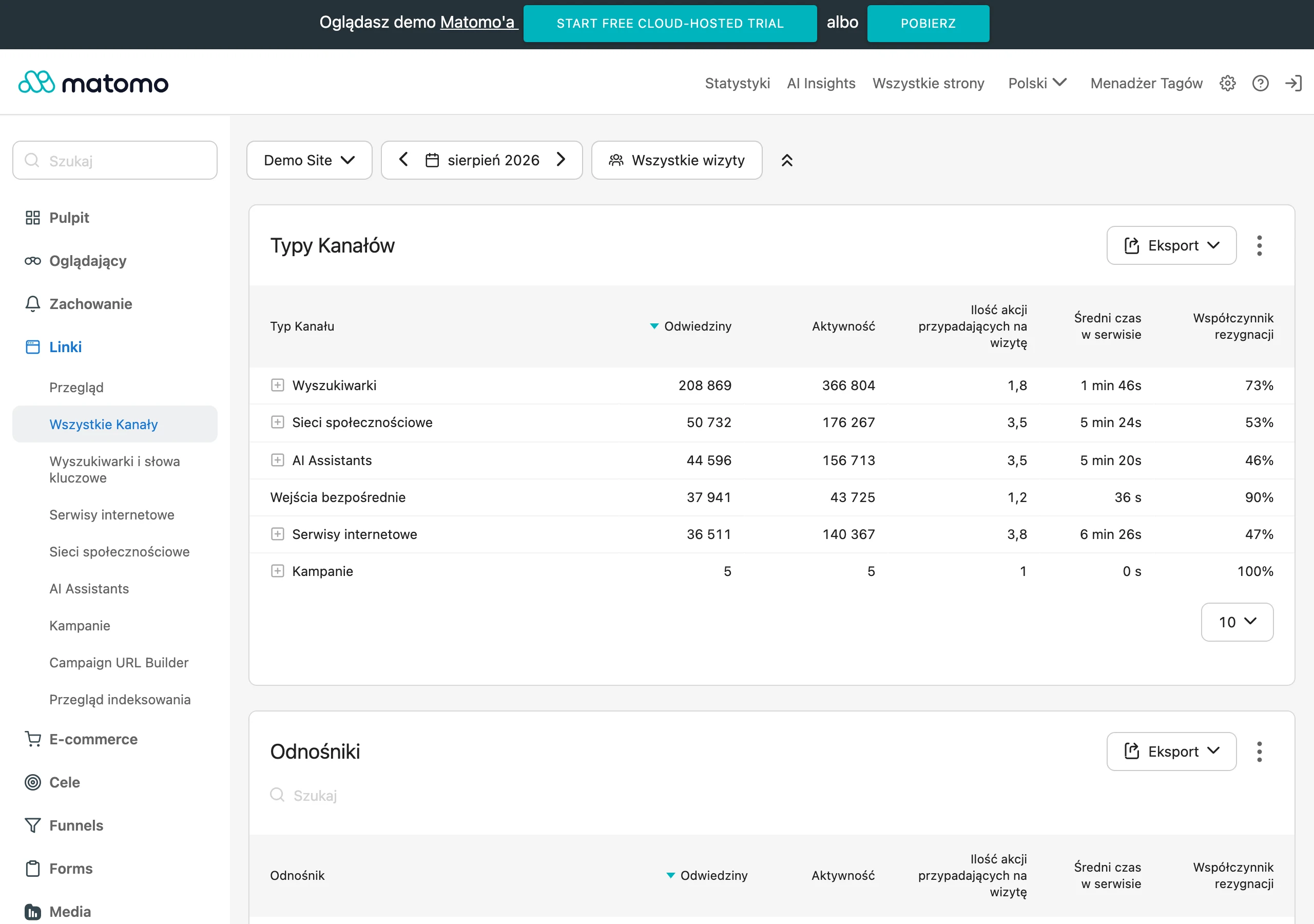
Google Analytics is a basic tool for monitoring traffic on a website. It allows you not only to check the number of visits, but also to analyse time spent on the site or the bounce rate. It also lets you trace traffic sources and better understand visitor preferences.
When it comes to presenting data, Google Looker Studio (formerly Data Studio) is indispensable. This tool allows you to create detailed reports and attractive visualisations based on information from various sources, including Google Analytics. It is ideal for marketing teams that want to present data in a clear and aesthetically pleasing way.
For those who want to stay up to date with current trends, Google Trends is a must-have. It allows you to research the popularity of keywords in real time and identify seasonal changes in interest in different phrases. It is a great solution for people planning advertising campaigns or content.
Ahrefs is an advanced SEO tool that stands out for its precise backlink analysis and monitoring of a site’s position in search results. Its broad range of functionality also includes keyword research and competitor analysis, making it invaluable support for digital marketing specialists.
For companies operating in the Polish market, it is worth considering Semstorm – a Polish solution for SEO and internet marketing analysis. It allows you to monitor website visibility in search engines, research keywords and track competitor activity. It is an excellent choice for those who want to focus on the local market.
Choosing the right tool should be tailored to individual business goals and data analysis needs. Often the best solution is to integrate several platforms – this makes it possible to get a full picture of the effectiveness of marketing activities and better adapt the SEO strategy to your site’s requirements.
- 01Visit analysisMonitoring traffic and sources (e.g. Google Analytics)
- 02Understanding behaviourTracking user engagement and preferences
- 03Data visualisationCreating reports and attractive visualisations (e.g. Looker Studio)
Key for effective SEO and site optimisation through a deep understanding of user interactions.
SEO tools and their functions
SEO tools are true treasure troves of features that make it easier to optimise websites and analyse their visibility in search results. One of the most important elements is keyword analysis, which helps uncover valuable phrases to focus on in order to increase organic traffic.
The next essential tool is a SEO audit. This is a comprehensive assessment of a website from a technical, content and structural perspective. It allows you to detect issues such as slow site loading, incorrect redirects or missing meta tags – all of which can negatively affect a site’s ranking.
Position monitoring is another useful option. It lets you track how a website performs for selected keywords and observe changes over time. It is a great way to assess the effectiveness of optimisation efforts and make the necessary adjustments.
It is also worth paying attention to competitor analysis, which plays a key role in building a marketing strategy. It allows you to check which phrases are driving traffic to rivals, which backlinks they have, and what their strengths and weaknesses are.
You cannot forget about building backlinks, one of the main factors affecting rankings. SEO tools help you find opportunities to acquire valuable links from other websites, which translates into greater site visibility.
In addition, tools offer demographic data analysis, which makes it easier to understand the target audience and tailor content to its needs. You can also monitor traffic sources – organic, paid or social – to assess the effectiveness of different promotional channels.
Equally important is technical site optimisation. It focuses on improving loading speed, mobile responsiveness and organising the URL structure. These elements have a direct impact both on user experience and on rankings in search results.
For those who do not want to invest in paid solutions, free tools such as Google Analytics and Google Search Console are available. They allow you to monitor website traffic, identify indexing errors and analyse visitor behaviour at no extra cost.
Monitoring traffic and its importance
Tracking website traffic is the foundation of effective site management. It provides not only information about where visitors come from – whether from search engines, social media or advertising campaigns – but also allows you to assess the effectiveness of individual marketing activities. This makes it easier to understand which strategies deliver the best results.
User data analysis also helps assess their experience on the site. Metrics such as time spent on the site and bounce rate can indicate technical issues or poorly matched content that affects conversions. For example, a high bounce rate often suggests the need to make changes to the site structure or content.
In addition, this data is key to SEO optimisation. It allows you to adapt content to audience preferences and increase the site’s visibility in search results. Analysing the keywords generating the most traffic can become the basis for creating more effective content campaigns.
To monitor user behaviour, it is worth using tools such as Google Analytics or Ahrefs. Their detailed reports make it possible to track trends and react quickly to changes in a dynamic online environment, where user preferences evolve from day to day.
Integrating data from different sources is another important step. Combining information from analytics tools with data from advertising platforms gives a fuller picture of marketing effectiveness. This makes it easier to allocate budget and focus on the most profitable promotional channels.
Monitoring traffic is more than just counting visits – it is a comprehensive analysis of user behaviour and marketing effectiveness, which forms the foundation of building an effective SEO strategy and adapting a website to audience needs.
- 01Tracking sourcesPrecise visit analysis
- 02Keyword researchIdentifying phrases with potential
- 03Assessing competitors’ actionsUnderstanding market activity
- 04Content optimisationAdapting to expectations
They allow you to adapt activities to expectations and improve organic results.
Data analysis and interpretation of results
Data analysis and interpretation of results play a key role in website optimisation. They make it possible to better understand visitor behaviour and assess the effectiveness of marketing activities. Tools such as Google Analytics, Ahrefs and Semstorm provide detailed information about organic traffic, which makes it possible to make informed decisions regarding content and SEO strategy.
The first step is gathering data about traffic on the site. Metrics such as:
- number of visits,
- unique users,
- average time spent on the site,
help assess the site’s popularity and the engagement of its visitors. The bounce rate, in turn, indicates whether the content meets audience expectations.
Interpreting results requires taking marketing context into account. For example, a high bounce rate on a specific subpage may suggest the need to improve its content or structure. Analysing keywords generating the most traffic makes it possible to adapt the content strategy to the real needs of users.
Monitoring traffic sources is no less important. This makes it possible to determine which promotional channels deliver the best results – whether organic search results, social media or advertising campaigns. Integrating data from different analytics tools gives a fuller picture of the effectiveness of marketing activities.
The key to effective interpretation of results is regular reporting and comparing data over time. This makes it possible to track progress in site optimisation and quickly react to changing trends and user preferences. In this way, data analysis becomes the foundation for building an effective SEO strategy and increasing the site’s visibility in search results.
Key metrics for organic traffic analysis
Organic traffic analysis is based on key indicators that help assess the effectiveness of SEO and marketing activities. They make it possible to better understand visitor behaviour and identify elements that require improvement. The most important metrics include:
- number of visits,
- unique users,
- average time spent on the site,
- bounce rate,
- conversion rate,
- CTR (Click-Through Rate).
Number of visits is a basic metric showing how many times the site was viewed in a given period. A high figure may indicate effective promotion and a strong position of the site in search results.
Unique users is the number of people who visited the site at least once. This metric makes it possible to assess the site’s reach and its popularity among the audience.
Average time spent on the site shows how long users engage with the content. A longer time may suggest that the materials are appealing and that navigation is intuitive.
Bounce rate shows the percentage of people who left the site after viewing only one page. A high result may signal problems with content quality or technical aspects of the site.
Conversion rate measures how effectively a site achieves business goals, such as purchases or newsletter sign-ups. It is key to assessing the effectiveness of marketing campaigns.
CTR (Click-Through Rate) is the ratio of the number of clicks to the number of impressions of a search result. A high CTR means that the meta description and page title are attracting users’ attention.
These metrics are essential for monitoring the effectiveness of the SEO strategy and adapting activities to audience needs. Regular analysis makes it possible to identify areas requiring improvement and optimise the site for better results.
- 01Behaviour analysisCollecting information about traffic
- 02Campaign personalisationAdapting content to the audience
- 03Analytics toolsDetailed insight from Google Analytics
- 04Optimising activitiesIncreasing marketing effectiveness
- 05Individual communicationMessaging aligned with preferences
Data makes it possible to create content precisely and personalise messaging to optimise results.
Number of visits and unique users
Number of visits and unique users are two key indicators that help assess a site’s popularity and the reach of its content. Number of visits reflects how many times the site was viewed in a given period. A high result may indicate the effectiveness of promotional activities or a strong position of the site in search results. Unique users, on the other hand, is the number of people who visited the site at least once, which makes it possible to measure the actual reach and engagement of the audience.
Analysing this data is key to assessing the effectiveness of SEO and marketing strategies. For example, if the number of visits is rising but unique users remain at a similar level, it may mean that the same group of people is regularly returning to the site. On the other hand, an increase in unique users with a stable number of visits may indicate greater brand recognition or better visibility in search engines.
To monitor these metrics, it is worth using tools such as Google Analytics and Ahrefs. They allow you not only to track trends over time, but also to identify traffic sources and adapt your strategy to audience needs. Regular analysis of this data also helps to detect potential issues, such as a decline in interest in content or changes in user behaviour.
It is worth paying attention to the interrelationships between these metrics. A high number of visits with a low number of unique users may indicate the loyalty of regular visitors, but at the same time suggest a limited reach among new people. That is why it is so important to combine the analysis of this data with other indicators, such as average time spent on the site or bounce rate. This gives a fuller picture of the effectiveness of marketing activities and makes it easier to adapt the strategy to audience needs.
Average time spent on the site and bounce rate
Average time spent on the site and bounce rate are two key elements of organic traffic analysis that help assess visitor engagement and the quality of their experience. The first shows how long users browse the content, and a high value often indicates that the material is attractive and engaging, which can translate into better conversion results. Bounce rate, in turn, measures the percentage of people who left the site after viewing only one page. A high level may be a sign of issues related to content quality, complicated navigation or a mismatch with user expectations.
Analysing both of these indicators is key to optimising the site for SEO and user experience. For example, a low average time spent on the site combined with a high bounce rate may suggest the need to improve content quality or the site structure. Tools such as Google Analytics and Ahrefs allow you to monitor these parameters closely and identify areas requiring intervention.
It is also worth taking the context of the data into account. For instance, a high bounce rate on a landing page for an advertising campaign may indicate a mismatch between the advert and the page content. Regular tracking of these metrics makes it possible to react quickly to changes and adapt the marketing strategy to audience needs. This not only improves the site’s performance, but also increases user satisfaction.
Conversion rate and CTR (Click-Through Rate)
Conversion rate and CTR (Click-Through Rate) are two key metrics that allow you to assess the effectiveness of marketing and SEO activities. Conversion rate measures what percentage of users take a desired action, such as making a purchase, signing up to a newsletter or completing a form. A high value shows that the marketing strategy is well aligned with audience needs.
On the other hand, CTR determines the ratio of clicks to impressions in search results. A high rate indicates that the page title and meta description are attractive, which directly translates into a greater number of visits. Optimising these elements is crucial to improving a site’s visibility in search engines.
To analyse this data, it is worth using tools such as Google Analytics, which provide detailed insights into user behaviour. This makes it possible not only to assess the effectiveness of advertising campaigns, but also to check how the site performs in terms of selected keywords.
Systematic monitoring of both metrics makes it possible to identify weak points and introduce the necessary fixes. This makes the marketing strategy more precise and better aligned with audience expectations. In turn, this translates into greater effectiveness of SEO activities and better business results.
How traffic analysis tools support SEO strategy
Traffic analysis tools are indispensable in an effective SEO strategy, providing valuable insights into user behaviour and the effectiveness of optimisation activities. They allow you to track traffic sources precisely, analyse the key phrases driving the most traffic and assess competitors’ actions. As a result, both the content and the site structure can be adapted to audience expectations and the requirements of search engine algorithms.
One of the key uses of these tools is keyword research. Platforms such as Ahrefs and Semstorm make it possible to identify phrases generating the highest organic traffic, as well as those with potential for further optimisation. The analysis covers not only keyword popularity, but also ranking difficulty, which helps to choose the most cost-effective strategies.
Another important aspect is competitor analysis. Tools such as Ahrefs and SEMrush make it possible to track rivals’ actions – from their positions in search results to the structure of their backlinks. This makes it easier to understand their strategies and adapt your own SEO activities to changing market conditions.
Monitoring traffic sources is another important function. It makes it possible to determine where visitors come from – whether from organic search results, social media or advertising campaigns. This allows you to assess the effectiveness of individual promotional channels and manage the marketing budget efficiently.
These tools also offer the ability to monitor a website’s visibility in search engines. This makes it possible to track changes in a site’s positions for selected keywords and react quickly to ranking drops. Regular reporting of this data enables continuous optimisation of the site in line with Google’s algorithm requirements.
Integrating data from different analytical tools gives a fuller picture of SEO performance. For example, combining information from Google Analytics and Ahrefs makes it possible not only to monitor traffic on the site, but also to assess the quality of acquired backlinks and their impact on the site’s position.
Thanks to these functionalities, traffic analysis tools become an essential element of an effective SEO strategy. They make it possible not only to monitor current results, but also to forecast trends and plan long-term optimisation activities.
Keyword research and competitor analysis
Keyword research and competitor analysis are the foundation of an effective SEO strategy. They make it possible to identify phrases that attract the most organic traffic and to learn how rivals operate. Tools such as Ahrefs, SEMrush or Semstorm make it possible to analyse in detail which keywords perform best for competitors. This, in turn, allows you to create content that meets users’ needs and increase the site’s visibility in search results.
Competitor analysis also includes examining the backlink profile and content published by rivals. This makes it possible to spot their strengths and find gaps where you can stand out. For example, if the competition achieves high positions for specific phrases, it is worth looking at their content from the perspective of SEO optimisation and adapting your own strategy.
It is also extremely important to monitor keyword difficulty. The tools mentioned help assess how difficult it will be to achieve a high position for a given phrase. This makes it possible to choose less competitive, but potentially valuable, keywords that can generate traffic.
Regular analysis of data concerning rivals makes it possible to react quickly to changing trends and user preferences. As a result, the site can achieve better ranking results and increase organic traffic.
Monitoring traffic sources and visibility in search engines
Tracking traffic sources and visibility in search engines is the foundation of an effective SEO strategy. Analysing this data helps identify which promotional channels – whether organic search results, social media or paid campaigns – bring the most visits. For this purpose, it is worth using tools such as Google Analytics, Ahrefs or Semstorm, which provide precise information and make it easier to assess the effectiveness of individual activities.
A site’s visibility in search results depends on its position for key phrases. Regularly checking rankings makes it possible to react quickly to drops and implement the necessary fixes. Thanks to detailed reports from SEO tools, you can adjust your strategy on an ongoing basis to the changing requirements of algorithms.
Traffic analysis also includes identifying the most engaging content and key phrases. This makes it possible to focus on creating materials that attract the attention of potential customers and generate valuable organic traffic. This, in turn, makes it easier to understand audience preferences and tailor the content strategy to their expectations.
Integrating data from different analytical platforms, such as Google Analytics and Ahrefs, gives a fuller picture of SEO performance. It not only makes it possible to monitor traffic on the site, but also to assess the quality of backlinks and their impact on the site’s position. This makes it easier to manage the marketing budget and focus on the most cost-effective promotional channels.
Systematic monitoring of a site’s visibility and traffic sources is essential for long-term success in SEO. It makes it possible not only to assess current results, but also to predict trends and plan future optimisation activities, which translates into better results in the long term.
Interpretation of analytical data in a marketing context
Analysis of marketing data is a key element that makes it possible to assess the effectiveness of SEO activities and advertising campaigns. By examining metrics such as the number of visits, conversion rate or CTR, it is possible to determine which strategies deliver the best results. Tools such as Google Analytics, Ahrefs or Semstorm provide detailed reports, making it easier to identify trends and areas that require improvement.
One of the most important aspects of analysis is reporting. Creating reports regularly makes it possible to track progress in site optimisation and react quickly to changes in user behaviour. This makes it possible to adapt the marketing strategy to the current needs of the audience and the requirements of search engine algorithms.
Another important element is SEO forecasting. Based on historical data and current trends, it is possible to predict future changes in organic traffic. For example, analysing traffic seasonality helps you plan advertising and content campaigns better for periods of increased interest.
No less important is identifying traffic sources. Analytics tools make it possible to determine which promotional channels – organic search results, social media or paid ads – generate the most visits. This makes it possible to manage the marketing budget effectively and focus on the most profitable activities.
Data analysis should also include analysing user behaviour. Metrics such as average time spent on the page or bounce rate help assess content quality and user experience. A high bounce rate may suggest the need to improve navigation or the page content.
Analytical data are also essential for assessing keyword performance. Analysing phrases that attract the most organic traffic makes it possible to tailor the content strategy to users’ real needs. As a result, you can create content that better meets audience expectations and increase the site’s visibility in search results.
Integrating data from different analytics tools gives a fuller picture of marketing performance. For example, combining information from Google Analytics and Ahrefs makes it possible not only to monitor traffic on the site, but also to assess the quality of acquired backlinks and their impact on the website’s ranking.
Interpreting data is an ongoing process, requiring regular monitoring of key metrics and flexible adjustment of the strategy to changing market conditions. This makes it possible to achieve long-term success in both SEO and digital marketing.
Reporting and SEO forecasting
SEO reporting and forecasting are the foundation of an effective marketing strategy, enabling you to assess current results and predict future trends. Thanks to them, activities can be precisely tailored both to the requirements of search engine algorithms and to users’ expectations.
SEO reporting is the systematic collection and analysis of data relating to organic traffic. Key metrics include:
- number of visits,
- conversion rate,
- CTR (click-through rate).
Tools such as Google Analytics, Ahrefs or Semstorm provide detailed reports that help track the effectiveness of optimisation activities. With regular monitoring, you can react quickly to changes in audience behaviour and adapt the strategy to current needs.
On the other hand, SEO forecasting is based on analysing historical data and current trends. This makes it possible to predict future changes in organic traffic. For example, analysing seasonality helps you plan advertising and content campaigns better for periods of increased interest. These forecasts are invaluable when planning long-term marketing activities.
It is also extremely important to identify traffic sources. Analytics tools make it possible to determine which channels – organic search results, social media or paid ads – generate the most visits. This, in turn, allows you to manage the marketing budget effectively and focus on the most profitable activities.
Data from reporting and forecasting are key to assessing keyword performance. Analysing phrases that attract the most organic traffic makes it possible to tailor the content strategy to users’ real needs. As a result, the content created better meets audience expectations, which translates into greater visibility of the site in search results.
Integrating data from different analytics tools gives a fuller picture of marketing performance. For example, combining information from Google Analytics and Ahrefs makes it possible not only to monitor traffic on the site, but also to assess the quality of acquired backlinks and their impact on the website’s ranking.
Regular SEO reporting and forecasting is an ongoing process, requiring flexible adjustment of the strategy to changing market conditions. This makes it possible to achieve long-term success in both SEO and digital marketing.
Using data in marketing strategy
Using data in a marketing strategy starts with analysing user behaviour, which makes it possible to create personalised campaigns and adapt content to audience needs. Tools such as Google Analytics, Ahrefs or Semstorm make it possible to collect detailed information about traffic on the site, traffic sources and user preferences. This data is essential for optimising content and increasing the effectiveness of marketing activities.
One of the key uses of data is communication personalisation. Thanks to behaviour analysis, the message can be tailored to the individual needs of the audience. For example, if most visitors are interested in specific products, it is worth preparing dedicated advertising campaigns or blog articles aimed precisely at that group.
Another important element is audience segmentation. Thanks to data, users can be divided into groups according to criteria such as age, location or on-site behaviour. This makes it possible to target ads and content precisely to specific segments, which translates into a higher conversion rate.
Data are also indispensable in monitoring campaign effectiveness. Analytical tools provide information on which activities deliver the best results – whether organic search results, social media or paid ads. This makes it possible to manage the marketing budget effectively and focus on the most profitable promotional channels.
An important aspect of a data-driven strategy is also trend forecasting. Analysing historical data makes it possible to predict future changes in user behaviour and adapt the strategy to upcoming challenges. For example, if the data indicates a seasonal increase in interest in a given product, it is worth preparing an advertising campaign well in advance.
Integrating data from different sources is another step in building an effective marketing strategy. Combining information from analytical tools with data from advertising platforms provides a fuller picture of the effectiveness of activities. This helps to adapt them better to the requirements of search engine algorithms and audience expectations.
Using data in a marketing strategy is an ongoing process. It requires regular monitoring of key metrics and flexible adjustment of activities to changing market conditions. This makes it possible to achieve long-term success in both SEO and digital marketing.
Data-driven marketing strategies
Today data-driven marketing strategies play a key role in the world of digital marketing. They allow activities to be tailored precisely to the current needs of the market, trends to be identified and campaigns optimised, as well as user behaviour to be better understood. Tools such as Google Analytics, Ahrefs or Semstorm provide detailed information on website traffic, traffic sources and audience preferences, which translates into creating more effective strategies.
One of the most important uses of data is communication personalisation. By analysing user behaviour, the message can be tailored to their individual needs. For example, if most visitors show interest in specific products, it is worth preparing dedicated advertising campaigns or blog posts aimed precisely at that group. Such an approach increases engagement and improves the conversion rate.
Another important element is audience segmentation. Data analysis allows users to be divided into groups according to criteria such as age, location or on-site behaviour. This makes it possible to target ads and content precisely to specific segments, which has a significant impact on the effectiveness of marketing activities.
Data are also essential in monitoring campaign effectiveness. Analytical tools show which activities deliver the best results – whether organic search results, social media or paid ads. This allows marketing budgets to be managed effectively and the focus to be placed on the most profitable promotional channels.
An important aspect of a data-driven strategy is also trend forecasting. Analysing historical information makes it possible to predict future changes in user behaviour and to adapt the strategy accordingly. For example, if the data indicates a seasonal increase in interest in a given product, it is worth preparing an advertising campaign well in advance.
Integrating data from different sources is another step in building an effective marketing strategy. Combining information from analytical tools with data from advertising platforms makes it possible to obtain a fuller picture of the effectiveness of activities. This, in turn, helps to adapt them better both to the requirements of search engine algorithms and to audience expectations.
Using data in marketing is an ongoing process. It requires regular monitoring of key metrics and flexible adjustment of activities to changing market conditions. This makes it possible to achieve long-term success in both SEO and other areas of digital marketing.
SEO estimates and organic traffic growth
SEO estimates and performance analysis allow you to predict organic traffic growth and continually adjust your marketing strategy. This makes it possible to react quickly to changes in user behaviour, which results in better website positions in search results.
Tools such as Google Analytics, Ahrefs or Semstorm make it possible to monitor key indicators such as:
- number of visits,
- conversion rate,
- CTR (Click-Through Rate).
On the basis of this information, forecasts can be created for future organic traffic and long-term optimisation activities planned.
SEO estimates are based on analysing both historical trends and current results. For example, if the data indicates a seasonal increase in interest in specific keywords, it is worth preparing the relevant content or advertising campaigns in advance. This allows the website to gain greater visibility during periods of increased interest.
Regular monitoring and data analysis also allow a quick response in the event of changes to search engine algorithms. If the website’s positions drop for important keywords, SEO estimates help identify the reasons and introduce the necessary corrections. This, in turn, translates into steady organic traffic growth and better business results.
Using SEO estimates in a marketing strategy requires continuously adapting activities to dynamic market conditions. This makes it possible to achieve long-term success both in terms of website visibility and increased conversions.
FAQ
Frequently asked questions
What tools for organic traffic analysis are mentioned in the article?
The article mentions Google Analytics, Google Looker Studio, Google Trends, Ahrefs and Semstorm. Each supports traffic analysis, SEO or data presentation.
How does Google Analytics help analyse website traffic?
It lets you check the number of visits, time spent on the site and bounce rate. It also enables source-of-traffic analysis and a better understanding of visitor preferences.
When is it worth using Google Trends?
It is worth using when you want to check the popularity of keywords in real time. The tool also helps detect seasonal changes in interest in phrases.
Why is Ahrefs useful in SEO?
Ahrefs stands out for backlink analysis and monitoring a site’s rankings in search results. It also supports keyword research and competitor analysis.
Which metrics are most important when analysing organic traffic?
The article mentions, among others, the number of visits, unique users, average time spent on the site, bounce rate, conversion rate and CTR. These are the basic indicators for assessing the effectiveness of SEO activities.
Is it worth combining several tools for SEO data analysis?
Yes, the article emphasises that integrating several platforms gives a fuller picture of marketing performance. This makes it easier to tailor the SEO strategy to the needs of the site.