
Artificial intelligence (AI) has revolutionised SEO and marketing, offering advanced tools for process automation, data analysis and content personalisation. Thanks to technologies such as natural language processing (NLP) or machine learning, it is possible to create optimised content, track trends in real time and increase customer engagement. Dive into the world of AI to discover how it can improve your marketing strategies and contribute to online success!
What is AI in SEO optimisation and marketing automation?
Artificial intelligence in SEO and marketing automation is a modern solution that uses advanced algorithms to streamline processes related to website optimisation and campaign management. Thanks to AI-powered tools such as generative artificial intelligence or natural language processing (NLP), it is possible to automate repetitive tasks, analyse huge amounts of data and adapt content to search engine requirements.
AI plays a key role in SEO activities on many levels. It helps not only with identifying relevant keywords or analysing the competition, but also monitors performance in real time. Thanks to machine learning, these tools can spot trends and dynamically adapt strategies to changing user preferences. In addition, AI can create optimised meta descriptions and titles that increase page visibility in search results.
In the area of marketing automation, artificial intelligence enables communication personalisation at scale. By analysing user behaviour – such as their purchasing preferences or how they interact with content – AI systems deliver personalised recommendations and offers. This leads to greater customer engagement and higher conversion rates.
In 2024, the best AI tools offer features such as:
- automated creation of SEO-friendly content,
- carrying out technical website audits,
- integration with popular marketing platforms.
This allows specialists to focus on the strategic aspects of campaigns while AI takes over routine tasks.
Artificial intelligence is revolutionising the marketing industry, providing greater precision in data analysis and efficiency in achieving business goals. Using this technology allows companies to respond faster to market changes and better adapt their strategies to customer needs.
- 01Intelligent automationStreamlines task processes
- 02Data analysis & NLPProcesses huge amounts
- 03Dynamic strategyAdapts to trends
AI streamlines SEO and campaign management thanks to advanced adaptive algorithms.
What are the benefits of using AI in SEO and marketing?
Using artificial intelligence (AI) in SEO and marketing brings significant benefits, affecting various areas of activity. One of the key advantages is automation of repetitive processes, such as keyword analysis, generating meta descriptions or a technical audit of a website. This allows teams to spend more time on strategic decisions while saving valuable resources.
AI also significantly improves data analysis, enabling more accurate forecasts and more informed marketing decisions. Machine learning-based tools process huge amounts of information in real time, detecting trends and changing audience preferences. This allows strategies to be adjusted instantly to current market conditions.
Another advantage is content personalisation and communication with customers. AI analyses user behaviour, such as purchase history or interactions with the website, to deliver personalised recommendations and offers. This not only increases audience engagement, but also leads to higher conversion rates.
In the context of SEO, AI tools support keyword research and content optimisation to meet search engine requirements. This enables websites to achieve better positions in search results, which translates into greater organic traffic.
AI also helps with identifying market gaps and competitive opportunities. By analysing competitor data and user behaviour, these systems provide valuable insights for developing marketing strategies.
With the use of AI, campaign effectiveness increases and content quality improves. What is more, these tools enable faster responses to market changes, which translates into better business results with less manual effort.
How does AI support marketing automation?
Artificial intelligence plays a key role in marketing automation, streamlining processes that once consumed a great deal of time and resources. Thanks to AI-based solutions, repetitive tasks – such as data analysis, report creation or managing advertising campaigns – can be carried out automatically. What is more, this technology processes huge amounts of information in real time, enabling rapid decision-making and adapting strategies to current trends.
One of AI’s most important applications is communication personalisation. Algorithms analyse user behaviour – from purchase history to preferences and interactions with content – to deliver personalised recommendations and offers. This not only increases customer engagement, but also significantly boosts conversion rates.
AI is also used in managing advertising campaigns. These tools optimise budgets, select the most effective distribution channels and adapt content to the preferences of the target audience. As a result, companies achieve better results with less manual effort.
Another important area is marketing data analysis. Artificial intelligence processes information from various sources – social media, websites or CRM systems – providing detailed reports and forecasts. This makes it possible to better understand customer needs and identify market gaps.
In 2024, AI tools offer advanced features such as automatic generation of marketing content, campaign optimisation for email marketing, or integration with popular marketing platforms. As a result, specialists can focus on the strategic aspects of marketing activities, while AI takes over routine tasks.
AI is also revolutionising SEO by automating technical website audits and optimising content to meet search engine requirements. The tools can generate SEO-friendly meta descriptions and titles, which significantly improves site visibility in search results.
Thanks to artificial intelligence, marketing activities become more effective through automating repetitive processes and delivering precise data analysis. Companies can respond more quickly to market changes and better adapt their strategies to customer needs.
- 01Process automationFast, repetitive tasks
- 02Real-time analysisRapid decision-making
- 03Communication personalisationIndividual offers and content
The key role of AI in streamlining processes and increasing engagement.
How does AI integrate with existing marketing platforms?
The integration of artificial intelligence with marketing platforms is based mainly on the use of API interfaces and plugins, which ensure smooth data synchronisation and process automation. Thanks to this, AI tools can work seamlessly with popular content management systems such as WordPress or Shopify, as well as with e-commerce platforms such as Magento or WooCommerce. Such integration enables automatic transfer of information between systems, which significantly streamlines everyday marketing activities.
One of the key aspects is the ability to connect SEO data analysis tools with marketing platforms. For example, Google Analytics or SEMrush can be integrated with AI systems, providing detailed reports on website traffic, conversions or the effectiveness of advertising campaigns. This gives marketing specialists access to up-to-date data and enables them to make more informed decisions.
Artificial intelligence is also used in marketing automation tools such as HubSpot or Marketo. These platforms use AI algorithms to personalise communication, optimise e-mail campaigns and manage customer relationships (CRM). By analysing user behaviour in real time, AI delivers personalised recommendations, which translates into higher conversion rates.
In the case of e-commerce platforms, AI integration enables the automation of processes such as:
- inventory management,
- offer personalisation,
- price optimisation.
These tools analyse sales data and customer preferences in order to adapt marketing strategies to current market trends.
Integrating AI with existing marketing platforms not only streamlines business processes, but also helps companies compete more effectively in the market. Thanks to it, businesses can react faster to changing customer needs and dynamically adapt their marketing strategies to new challenges.
How can AI improve digital marketing strategy?
Artificial intelligence (AI) has become an indispensable element in the development of digital marketing, enabling companies to analyse data, personalise content and optimise campaigns in real time. Thanks to predictive algorithms, businesses can forecast market trends and better understand customer behaviour, which translates into more precise ad targeting. Examples include tools such as Google Ads, which automatically adjust bids to user preferences, significantly increasing the effectiveness of marketing activities.
AI processes huge amounts of information from various sources – social media, websites or CRM systems – which makes it possible to create personalised messages and recommendations that attract audiences’ attention. Research shows that this approach can increase conversion rates by up to 20%.
In SEO, artificial intelligence supports content optimisation by generating meta descriptions and search engine-friendly titles. Tools such as Surfer SEO or Clearscope use machine learning to analyse competitors and suggest the best keywords, helping websites achieve higher positions in search results.
In addition, AI automates repetitive tasks such as campaign management or analysing their performance. Marketing platforms such as HubSpot or Marketo integrate AI algorithms to optimise advertising budgets and select the most effective distribution channels.
In 2024, companies are increasingly turning to artificial intelligence to identify market gaps and forecast consumer trends. This allows them to respond more quickly to changing market needs and adapt marketing strategies to new challenges.
- 01Real-time data analysisFrom media, websites, CRM
- 02Personalisation of content and recommendationsAttracting audience attention
- 03Predictive algorithmsForecasting trends and behaviours
- 04Campaign optimisationPrecise ad targeting
Artificial intelligence drives growth, turning data into accurate, automated marketing actions.
How does AI analyse customer behaviour and personalise communication?
Artificial intelligence analyses customer behaviour by processing data from various sources, such as interactions on a website, activity on social media or e-mail correspondence. Thanks to advanced machine learning algorithms, these systems identify behaviour patterns, shopping preferences and stages of the customer’s decision-making journey. On this basis, it is possible to group people with similar characteristics, which makes it easier to tailor the offer to their needs.
One of the key functions of AI in marketing is communication personalisation. Algorithms analyse purchase history, website visit frequency or responses to ads in order to deliver personalised content and offers. For example, if a customer regularly browses products from a specific category, the system can automatically send them recommendations or discount codes related to those items. Such actions not only increase engagement, but also build loyalty.
AI also has a significant impact on the effectiveness of marketing campaigns. These systems can predict which messages will be most effective for specific audience groups. By analysing demographic and behavioural data, they can tailor ad copy to the preferences of individual customer segments. Research indicates that personalised campaigns can increase conversion rates by as much as 30%.
In the case of online stores, artificial intelligence uses data on user behaviour to optimise the shopping process. When a customer abandons their basket without completing a transaction, the system can automatically send a reminder or a special offer. Such solutions effectively reduce basket abandonment rates and contribute to sales growth.
AI also supports the automation of communication through chatbots and voice assistants. These tools answer customer questions in real time, offering personalised solutions based on the history of interactions with the brand. As a result, companies can provide a high standard of service without the need to involve additional staff.
Artificial intelligence not only helps to better understand customer needs through the analysis of their behaviour, but also has a significant impact on the effectiveness of activities and audience satisfaction thanks to a personalised approach.
How does AI identify market gaps and support the development of marketing strategies?
Artificial intelligence has become an invaluable tool in uncovering untapped market opportunities. By analysing data on competitors, trends and consumer behaviour, AI algorithms can identify areas where there are no suitable offers or where there is room for development. This allows marketers to develop precise strategies tailored to current needs.
AI processes information from a variety of sources – from social media and websites to CRM systems. If, for example, the competition ignores specific price segments or does not take into account particular customer preferences, artificial intelligence quickly detects this and suggests appropriate solutions.
What is more, advanced predictive algorithms make it possible to forecast future consumer trends. As a result, companies can stay ahead of the competition by introducing new products or services before they go mainstream. Research confirms that businesses using AI to identify market gaps achieve on average 15% higher revenue than those relying solely on traditional analysis methods.
AI also supports the optimisation of advertising campaigns. It provides detailed reports on the effectiveness of marketing activities and suggests changes aimed at increasing engagement and improving conversion rates.
Integration with popular marketing platforms such as Google Ads and HubSpot allows campaign management to be automated and personalised recommendations to be delivered for different target groups. As a result, marketing activities become more effective, which translates into better business outcomes.
Which AI tools are the best for SEO optimisation?
The best AI tools for SEO optimisation combine advanced artificial intelligence technologies with marketing-support features. These include platforms such as SurferSEO, Ahrefs, Senuto and Scalenut. They offer comprehensive solutions, including keyword analysis, technical audits and the generation of search engine-friendly content.
SurferSEO uses machine learning algorithms to analyse the competition and suggest optimal keywords, helping websites achieve higher positions in search results. Ahrefs, in turn, provides detailed data on organic traffic, backlinks and the effectiveness of SEO activities.
It is worth noting ChatGPT, which enables the creation of high-quality content, keyword analysis and the generation of SEO-friendly meta descriptions and titles. This tool integrates with platforms such as WordPress and Shopify, automatically optimising website content.
In 2024, tools such as NeuronWriter and OutRanking are also gaining popularity. They use natural language processing (NLP) to create personalised content tailored to user preferences. This allows SEO specialists to focus on the strategic aspects of campaigns, while AI handles routine optimisation tasks.
We should not overlook tools that offer automation, such as technical website audits or analysis of the effectiveness of advertising campaigns. One example is SEMrush, which integrates with AI systems, providing detailed reports on website traffic and conversions.
Thanks to these solutions, companies can increase the visibility of their websites in search results and better tailor marketing strategies to changing market trends. This combination of technology and practice makes AI tools indispensable in modern SEO.
How does AI use machine learning to analyse SEO data?
Artificial intelligence, using machine learning, turns SEO data analysis into a precise optimisation tool. By processing vast amounts of information from various sources – such as website traffic, user behaviour or competitor results – it identifies key patterns and trends. As a result, it delivers valuable recommendations that help specialists focus on areas requiring improvement.
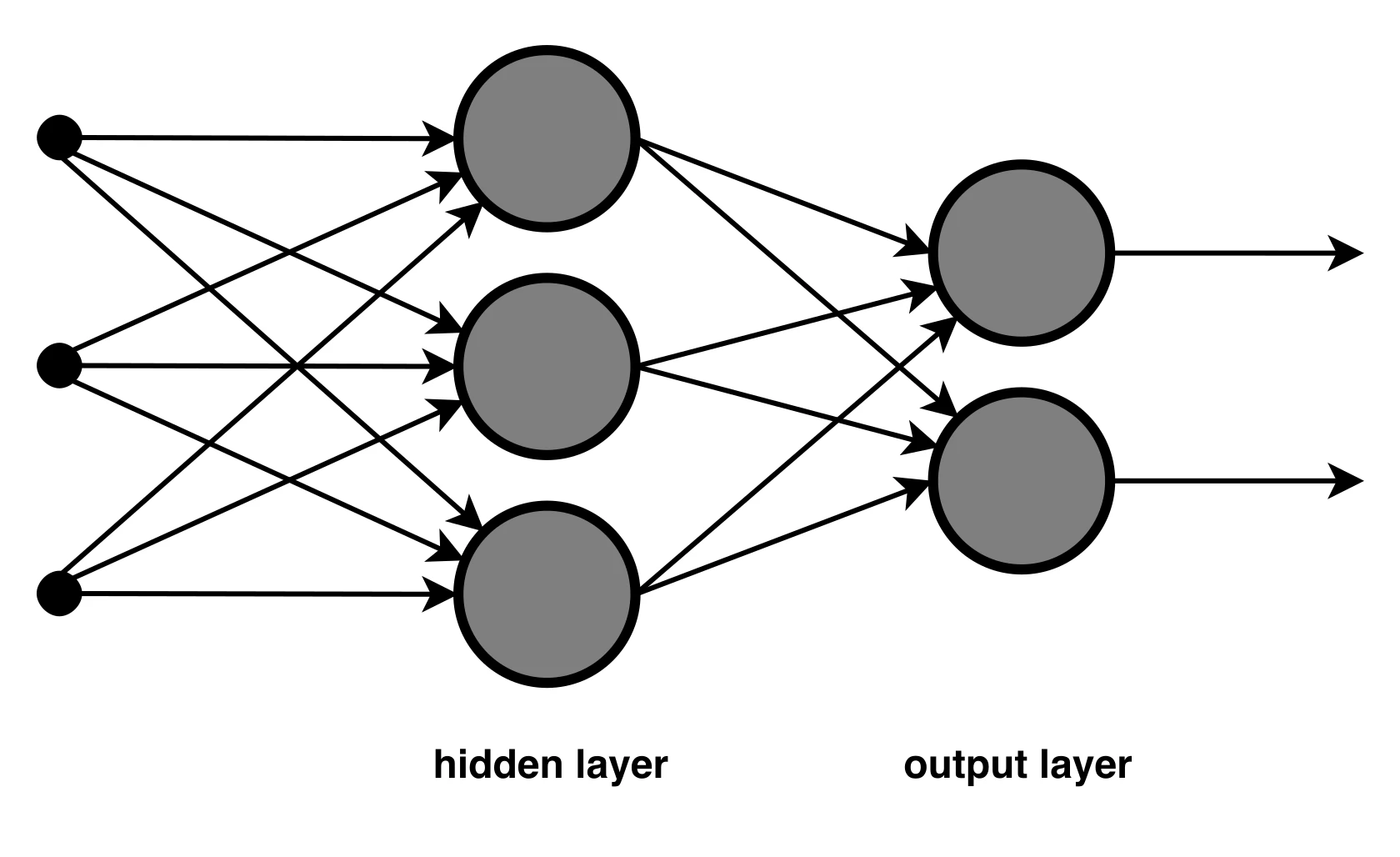
One of the most important applications of AI is keyword analysis. Systems process millions of search queries to identify the most effective phrases for a given website. This makes it possible to better align content with the current requirements of search engine algorithms, which directly translates into higher rankings in search results.
Machine-learning-based technologies are also invaluable during technical website audits. Tools such as SurferSEO or Ahrefs detect errors affecting website performance – from page speed issues to incorrect redirects or HTML code errors. This makes it possible to quickly remove obstacles that stand in the way of better results.
Content personalisation is another area in which AI plays a key role. By analysing user behaviour – such as time spent on the page or navigation paths – systems deliver personalised recommendations for content optimisation. This makes it possible to tailor communication more closely to audience needs, increasing their engagement and satisfaction.
What is more, AI automates processes related to monitoring SEO results. Tools generate detailed real-time reports, making it possible to respond quickly to changes in rankings or organic traffic. As a result, businesses can flexibly adapt their strategies to current market trends and user preferences.
Using machine learning not only increases the efficiency of marketing activities, but also saves time and resources by automating repetitive processes. This makes SEO data analysis more precise and accessible to anyone who wants to achieve better online results.
How does AI-based keyword research help with SEO strategy?
AI-supported keyword research is now a key element of modern SEO. Thanks to advanced machine-learning algorithms, it is possible to precisely identify phrases that generate the most organic traffic and deliver real benefits. These systems analyse huge data sets in real time, which makes it possible to quickly detect trends and changes in user behaviour. For example, by processing millions of queries, AI can identify niche keywords with low competition but high conversion potential.
One of the most important advantages of AI in this area is the ability to carry out a precise analysis of competitiveness. Tools such as SurferSEO or Ahrefs use intelligent algorithms to assess how difficult it is to secure a high position for a given phrase. They take into account not only the number of backlinks, but also the quality of content published by competitors. As a result, SEO specialists can focus on optimising pages for phrases that are realistically achievable and have a chance of success.
AI also plays a key role in personalising SEO strategies. By analysing users’ navigation paths, time spent on the page or bounce rates, systems deliver valuable recommendations for content optimisation. For example, if a given phrase generates high traffic alongside a low conversion rate, AI may suggest content modifications or the addition of more valuable information.
What is more, artificial-intelligence-based tools automate the process of monitoring SEO results. They generate detailed reports on keyword positions, organic traffic and the effectiveness of optimisation activities. This makes it possible for businesses to respond quickly to changes in rankings and adapt their strategies to the current requirements of search engine algorithms.
In 2024, solutions combining keyword research with automatic generation of SEO-friendly content are becoming increasingly popular. Tools such as ChatGPT or NeuronWriter use natural language processing (NLP) to create personalised blog articles or product descriptions based on selected keywords. This combination of technology and practice means that AI-supported keyword research is becoming an integral part of an effective SEO strategy.
How does AI generate search-engine-friendly content?
Artificial intelligence creates search-engine-friendly content by using advanced algorithms to analyse data. As a result, it generates texts optimised for SEO, taking into account key elements such as keywords, headings or the appropriate length of the material. The result? Better positions in search results.
One of the most important aspects is keyword analysis. AI processes millions of queries to identify the most effective phrases. This allows content to be better tailored to search engine algorithm requirements, which translates into greater site visibility.
Another tool in AI’s arsenal is natural language processing (NLP). Thanks to it, the materials created are friendly not only to robots, but also to readers. Algorithms suggest the optimal placement of keywords and the right length of paragraphs and sentences, which makes the texts more accessible and engaging.
Content personalisation is another important element. AI analyses user behaviour, such as time spent on the site or navigation paths. On this basis, it provides personalised recommendations for text optimisation, which increases audience engagement and satisfaction.
AI also automates the creation of meta descriptions and titles. Tools such as SurferSEO or Clearscope use machine learning to generate SEO-friendly meta tags. As a result, pages achieve greater visibility without the need for manual adjustments.
In 2024, tools combining keyword research with automatic generation of SEO content are becoming increasingly popular. Examples include ChatGPT and NeuronWriter, which use NLP to create personalised blog articles or product descriptions based on selected keywords.
Thanks to these solutions, companies can increase the visibility of their websites and better adapt marketing strategies to changing market trends. AI is becoming an integral part of modern digital marketing, offering the tools needed to compete effectively online.
How does AI automate repetitive SEO tasks?
Artificial intelligence is revolutionising SEO, taking over repetitive tasks and using advanced algorithms to analyse data and optimise processes. This allows specialists to devote more time to strategic activities while AI handles routine duties. Artificial intelligence-based tools can carry out technical site audits, track ranking changes or analyse the competition in real time.
One of the most important areas of AI use is position monitoring in search results. These systems track ranking changes for selected keywords, providing detailed reports. This means you can respond immediately to drops or identify new opportunities to improve your site’s visibility.
Another important task is analysis of competitors’ activities. Artificial intelligence processes information about keyword strategies, backlink structure or content quality among other market players. This makes it possible to better understand the competitive environment and adapt your own SEO strategy to current trends.
AI also significantly streamlines SEO reporting. Instead of manually collecting data from various platforms, systems integrate information from tools such as Google Analytics or SEMrush, generating comprehensive summaries. This not only saves time, but also speeds up the decision-making process.
In the area of technical audits, artificial intelligence-based tools detect errors affecting site performance – from loading speed issues to incorrect redirects. This makes it possible to quickly remove obstacles that make it harder to achieve better results.
In addition, AI supports content optimisation, suggesting best practices regarding text length, keyword placement or heading structure. This makes published materials more user-friendly for both users and search engine algorithms.
In 2024, more and more companies are using solutions such as SurferSEO or Ahrefs, which offer advanced automation features. Thanks to them, SEO processes become more effective, and results – easier to predict and achieve.
How does natural language processing (NLP) affect content optimisation?
Natural language processing (NLP) plays a key role in content optimisation, helping to better understand context and user intent. Advanced algorithms analyse texts, identify main topics and suggest changes that improve the quality of the materials. This directly affects better visibility of pages in search results.
One of the most important applications of NLP is semantic analysis. These systems recognise the meaning of words and phrases in the context of the whole text. For example, if a page is about “healthy eating”, NLP can suggest adding related topics such as “plant-based diet” or “vitamin supplementation”. This makes content more responsive to users’ needs.
Another important area is content personalisation. NLP algorithms analyse user behaviour – time spent on the page, clicks or browsing history – to deliver personalised recommendations. This makes materials more engaging and better targeted at specific audience groups.
NLP is also used in creating meta descriptions and titles. Tools such as SurferSEO or Clearscope use this technology to generate short but effective SEO-friendly text snippets. They automatically select keywords and optimise the length of meta tags, which translates into higher positions in search results.
In 2024, more and more companies are using NLP-based solutions to create SEO-friendly content. Tools such as ChatGPT or NeuronWriter generate blog articles or product descriptions that are not only optimised for search engine algorithms, but also readable for users.
Thanks to natural language processing, the content optimisation process becomes more precise and effective. Companies can respond faster to changing market trends and better adapt their strategies to audience needs.
How does AI generate optimised meta descriptions and titles?
Artificial intelligence is revolutionising the creation of meta descriptions and titles, using advanced algorithms to analyse data. By processing information on effective keywords, user preferences and search trends, AI generates content that is friendly for both search engines and audiences. The result? Meta tags not only attract attention, but also meet the highest SEO standards.
One of the key elements is semantic analysis. AI understands the meaning of keywords in the context of the whole text, which makes it possible to better match meta descriptions and titles to users’ intent. For example, if a page is about “healthy eating”, the tool may suggest adding related phrases such as “plant-based diet” or “vitamin supplementation” to increase their relevance.
Another important tool is natural language processing (NLP). It enables AI to adapt the length and structure of meta tags to search engine requirements. The algorithms optimise keyword placement and text length, which translates into better visibility of the page in search results.
Personalisation is another important aspect. AI tools analyse user behaviour – time spent on the page or navigation paths – to deliver personalised recommendations for meta descriptions and titles. This makes content more engaging and better targeted at specific audience groups.
In 2024, tools such as SurferSEO and Clearscope are gaining popularity, using machine learning to automatically generate SEO-friendly meta tags. They make it possible to achieve better visibility without the need for manual modifications.
AI not only creates content, but also monitors its effectiveness. The systems generate detailed reports on click-through rate and positions in search results, enabling quick responses to changes and adaptation of strategies to current market trends.
Thanks to these solutions, companies can increase the visibility of their sites and better adapt marketing strategies to changing user needs. Artificial intelligence is becoming an integral part of modern digital marketing, offering the tools needed to compete effectively online.
How does AI turn audio recordings into text?
AI turns audio recordings into text by using advanced speech recognition technologies (ASR – Automatic Speech Recognition). The process begins with the analysis of sounds, which are then converted into words and sentences. The algorithms identify phonemes, the smallest sound units in a language, and then combine them into full expressions. Thanks to machine learning, these systems can recognise different accents, dialects and linguistic subtleties, which significantly increases transcription accuracy.
A key role here is played by natural language processing (NLP), which allows AI not only to recognise words, but also to understand the context of an utterance. As a result, transcriptions become more coherent and easier to read. For example, when a speaker uses shortcuts in thought or changes the topic of conversation, AI can adapt the text to these changes.
This technology has wide applications in digital marketing. Audio transcriptions can be used to create SEO-friendly content, such as blog posts or product descriptions. In addition, converting audio to text increases content accessibility for people with hearing impairments and makes it easier for search engines to index materials.
In 2024, tools such as Google Speech-to-Text and IBM Watson Speech to Text offer high transcription accuracy even for low-quality audio recordings. Companies can also use solutions that integrate with marketing platforms, which makes it possible to automatically generate content based on audio recordings.
Thanks to AI, the process of converting audio to text has become faster and more efficient. This translates not only into time savings, but also into better optimisation of marketing activities.
FAQ
Frequently asked questions
How does artificial intelligence support SEO and marketing optimisation?
AI automates repetitive tasks, analyses data and helps adapt content to search engine requirements. This makes it possible to act faster and better align strategies with the market.
Can AI automatically create SEO-friendly content?
Yes, the article points out that AI tools can generate optimised content, meta descriptions and titles. This supports a website’s visibility in search results.
Why is it worth using AI for analysing marketing data?
AI processes large amounts of information in real time and picks up on trends and changing audience preferences. This makes it easier to make more informed marketing decisions.
How does AI personalise communication with customers?
AI systems analyse user behaviour, purchase history and interactions with content. On this basis, they deliver personalised recommendations and offers.
Which marketing platforms can be integrated with AI?
The article mentions, among others, WordPress, Shopify, Magento, WooCommerce, Google Analytics, SEMrush, HubSpot and Marketo. Integration takes place mainly via API and plugins.
What does AI bring to advertising campaigns and e-mail marketing?
AI helps optimise budgets, choose more effective distribution channels and tailor content to audiences. It also supports e-mail campaign optimisation and campaign management automation.