

SEO process automation is a revolutionary approach that significantly increases the effectiveness of optimisation activities. By using advanced tools, we gain precise keyword analysis, instant performance monitoring and the generation of detailed reports in real time. This not only saves time, but also improves the quality of the strategy and adapts content to users’ changing needs. Find out why automation is the future of SEO!
Why automate SEO optimisation processes?
Automation of SEO processes offers numerous benefits that significantly affect the effectiveness of activities and time savings. First and foremost, it eliminates errors resulting from manual data entry or analysis, which translates into greater precision and consistency throughout the process.
One of the key advantages is increased efficiency. Thanks to automation, repetitive tasks are carried out faster, allowing teams to focus on the strategic aspects of optimisation. Tools can analyse keywords, track page rankings or generate reports in real time, which significantly speeds up work.
Creating detailed reports is another important benefit. Automation makes it possible to generate comprehensive analyses that make it easier to monitor results and assess the effectiveness of SEO activities. This means you can quickly respond to changes in search engine algorithms and adapt your strategy to current market trends.
What’s more, automation improves better alignment of content with audience needs. Data analysis in real time makes it possible to tailor materials to users’ preferences, which translates into a higher conversion rate. In a dynamic online environment, where competition is intense, automation is becoming an indispensable tool for maintaining a market advantage.
It is worth emphasising that SEO process automation is an investment in the efficiency and quality of optimisation activities. It not only saves time, but also increases precision and makes it easier to adapt strategy to user requirements and changing market conditions.
- 01Increased precisionEliminates manual errors, improves consistency.
- 02Faster deliveryAutomates repetitive tasks in real time.
- 03Strategic focusFrees up time for key activities.
- 04Detailed analysisGenerates comprehensive, up-to-date reports.
SEO automation is the key to efficiency, time savings and consistent, well-informed strategic decisions.
What SEO tasks can be automated?
SEO automation is a process that significantly streamlines many tasks related to website optimisation. One of the most important areas is keyword analysis. With tools such as Google Keyword Planner and SEMrush, specialists can automatically receive keyword suggestions, assess their competitiveness and get guidance on optimal strategies. This allows them to focus on the more creative and strategic aspects of the campaign.
Another key element is monitoring page rankings in search results. Ranking-tracking tools such as Ahrefs and SE Ranking regularly check a site’s positions for selected keywords and provide up-to-date reports. This makes it possible to respond quickly to changes in search engine algorithms, which is essential for maintaining competitiveness.
Content creation can also be supported by automation. Artificial-intelligence-based tools such as Jasper and Surfer SEO help generate SEO-optimised texts. They use competitor analysis and suggest the optimal structure for articles, which speeds up the process of creating valuable content.
In the case of link building, automation plays an equally important role. Tools such as BuzzStream and Pitchbox make it easier to identify potential backlink sources and automate outreach for collaboration. As a result, the process of acquiring backlinks becomes more efficient and less time-consuming.
We cannot forget about technical audits, which are crucial for the proper functioning of a website. Tools such as Screaming Frog and Sitebulb automatically scan sites for technical errors such as broken links or indexing issues. The reports generated make it possible to quickly implement the necessary fixes.
The final important element is SEO reporting. Automating this process makes it possible to deliver detailed analyses of website traffic, keyword rankings and the effectiveness of optimisation activities on a regular basis. Tools such as Data Studio integrate data from various sources and create clear reports in real time.
Thanks to automating repetitive tasks, SEO specialists can devote more time to strategic decisions and creative solutions. This translates into greater efficiency and better results in the long term.
Tools supporting SEO automation
SEO automation tools have become indispensable in streamlining website optimisation processes. Thanks to them, specialists can manage campaigns more efficiently, saving time and increasing the precision of their actions. Among the most popular solutions are tools for keyword analysis, rank tracking, content creation and technical audits.
One of the best-known tools is Google Keyword Planner, which enables the generation of keyword ideas and the analysis of their competitiveness. Similar functions are offered by SEMrush, which additionally provides detailed reports on competitors’ strategies. Thanks to these solutions, it is possible to quickly identify the optimal keywords and adapt content to current trends.
For tracking website positions in search results, tools such as Ahrefs or SE Ranking come in handy. They automatically monitor rankings for selected phrases, providing up-to-date data and alerts when changes occur. This allows for a quick response to search engine algorithm updates.
In content creation, AI-based tools such as Jasper or Surfer SEO are becoming increasingly popular. They generate SEO-optimised texts, suggesting the optimal structure of articles and the use of keywords. As a result, the process of creating valuable materials becomes faster and more efficient.
When it comes to technical audits, tools such as Screaming Frog or Sitebulb are essential. They automatically crawl websites for technical errors such as broken links or indexing issues. The reports generated make it easier to introduce the necessary fixes, which improves the site’s performance.
To automate the link building process, tools such as BuzzStream or Pitchbox are used. They make it easier to identify potential backlink sources and automate the sending of outreach enquiries. This makes the process of acquiring backlinks less time-consuming and more efficient.
The final important element is generating SEO reports. Tools such as Data Studio integrate data from various sources, creating clear reports in real time. Automating this process allows for regular monitoring of campaign results and quick responses to changes in competitors’ strategies.
Thanks to modern tools SEO automation is becoming an inseparable part of an effective website optimisation strategy. They not only save time, but also increase the accuracy and efficiency of activities, which translates into better results in the long term.
- 01Keyword AnalysisGenerating ideas, assessing competitiveness
- 02Rank TrackingMonitoring results, observing trends
- 03Content CreationIncreased precision, alignment with trends
- 04Technical AuditsStreamlining processes, improving efficiency
Effective campaign management, time savings and greater precision of actions
How do you automate keyword analysis?
Automating keyword analysis is a process that greatly simplifies keyword management through the use of specialised tools. It allows SEO specialists to quickly create lists of potential phrases, assess their competitiveness and predict organic traffic. Tools such as Google Keyword Planner, SEMrush or Ahrefs automatically provide data on search volume, competition level and trends related to selected keywords.

One of the most important aspects of automation is grouping keywords by user intent. Tools analyse whether a given keyword is informational, transactional or navigational, which makes it possible to better match content to audience needs. For example, for the query “how to cook pasta” a tool may suggest creating how-to articles, while for “buy pasta online” – optimising product pages.
In addition, automation enables real-time keyword ranking monitoring. This means you can quickly react to ranking drops or identify new optimisation opportunities. Tools such as SE Ranking or Moz Pro provide detailed reports that help track the effectiveness of an SEO strategy.
It is also worth paying attention to the functionality of competitor analysis tools. Automatic scanning of competitors’ websites makes it possible to identify their most effective keywords and linking strategies. This is a valuable source of information that can be used to improve your own SEO strategy.
Moreover, automation supports content creation by suggesting optimal combinations of keywords and their density in the text. Tools such as Surfer SEO or Clearscope analyse the best search results and provide recommendations on article structure and the use of key phrases.
Thanks to automation in keyword analysis, SEO specialists not only save time, but also increase the precision and effectiveness of their actions. Modern tools allow them to focus on the strategic aspects of optimisation while minimising the risk of errors resulting from manual work.
Automation of competitor and backlink analysis
Automation of competitor and backlink analysis is the foundation of an effective SEO strategy, enabling continuous monitoring of rivals’ activities and their linking profiles. Thanks to specialist platforms such as Ahrefs, SEMrush or Moz, you can regularly analyse competitors’ link profiles. These tools not only identify new backlink sources, but also assess their quality and provide detailed reports on the strategies used by other companies.
One of the biggest benefits of automation is the ability to react instantly to changes in competitors’ activities. Tools automatically detect new backlinks in rivals’ profiles, which makes it possible to discover potential partnerships or inspiration for your own link building campaigns. For example, if a competitor is acquiring valuable links from specific industry websites, you can take similar steps.
Automation also makes it easier to assess backlink quality. Tools analyse key indicators, such as domain authority (DA), page authority (PA) or the number of links pointing to a given source. This helps you avoid acquiring links from low-quality websites that could harm your site’s position in search results.
Another important element is monitoring the loss of existing backlinks. Automatic alerts notify you about removed or inactive links, allowing you to react quickly and take corrective action. This is especially important in the case of valuable links whose loss could significantly affect a page’s ranking.
In addition, automation supports analysis of competing domains in terms of their content marketing and SEO strategy. Tools can indicate the content generating the most organic traffic and suggest areas for improvement in your own strategy. For example, if a rival achieves strong results thanks to how-to articles, it is worth considering creating similar materials.
It is also worth paying attention to the integration of data from different sources. Modern tools combine backlink information with data on organic traffic or keyword rankings. This makes it possible to gain a comprehensive picture of the situation and plan optimisation activities more effectively.
Thanks to automation, SEO specialists not only save time, but also increase the precision of their actions. It enables the continuous improvement of a link building strategy and maintaining an edge over the competition in a dynamic online environment.
- 01Continuous monitoringAnalysis of actions and linking
- 02Automated detectionDetecting new links and quality
- 03Discovering sourcesInsight into rivals’ strategies
- 04New campaignsIdeas for link building
Continuous analysis and a rapid response to competitors’ actions are the foundation of effective SEO.
Automation in position monitoring and rank tracking
Automation in position monitoring and rank tracking is a key element of an effective SEO strategy. Thanks to it, you can keep track of changes in search results on an ongoing basis, which is essential for maintaining competitiveness. Tools such as Ahrefs, SEMrush or SE Ranking allow you to regularly check a site’s positions for selected keywords, making it possible to react quickly to search algorithm changes.
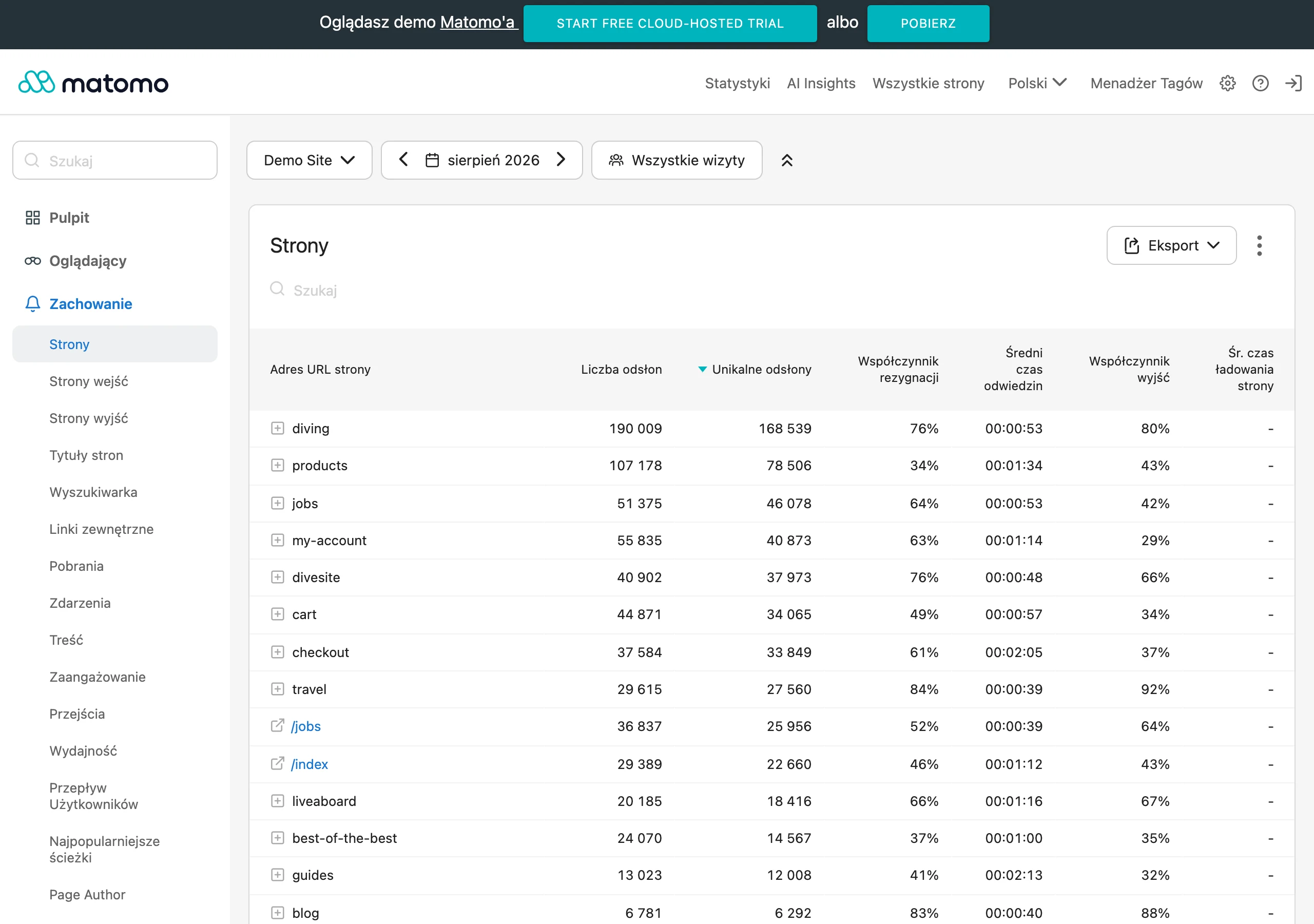
One of the biggest advantages of automation is the ability to generate detailed reports. These platforms provide data on a site’s positions for various keywords, making it easier to analyse trends and identify areas that need improvement. For example, a drop in rankings for an important keyword can be spotted immediately and the appropriate optimisation actions taken.
Automation also makes it possible to monitor the competition. Tools such as Moz Pro or Serpstat allow you to track competitors’ site rankings for the same keywords. This helps you understand their SEO strategies and adapt your own activities to current market trends.
Another important feature is the ability to set alerts. Rank tracking platforms can automatically notify you about significant changes in a site’s positions or the appearance of new keywords in search results. This allows you to react quickly, minimising the negative effects of algorithm changes.
It is also worth paying attention to integrating data from other SEO tools. Many platforms combine position data with information on organic traffic, conversions or backlink analysis. This gives you a comprehensive picture of how effective your optimisation efforts are and helps you plan the next steps more effectively.
Thanks to automation, SEO specialists can focus on the strategic aspects of optimisation while reducing the risk of errors associated with manual data entry. This translates into greater efficiency and better results in the long term.
How to automate content creation and link building?
Automation plays a key role in modern SEO strategies, especially in content creation and link building. It not only saves time, but also significantly improves the effectiveness of your efforts. When it comes to content generation, AI-powered tools such as Jasper or Surfer SEO help create search engine optimised copy. They analyse the top search results, suggesting the optimal article structure and the right keyword density. As a result, the process of preparing valuable content becomes faster and more precise.
When it comes to link building, automation mainly focuses on streamlining the outreach process. Tools such as BuzzStream or Pitchbox make it easier to identify potential backlink sources and automate the sending of collaboration requests. This means that reaching out to site owners is not only more effective, but also less time-consuming. In addition, automation allows you to monitor the progress of a link building campaign on an ongoing basis, making it possible to react quickly to changes and adapt the strategy.
Analysis of backlink quality is also extremely important. Platforms such as Ahrefs or SEMrush automatically assess domain authority (DA) and page authority (PA), which helps avoid acquiring links from low-quality sources. What is more, these tools monitor the loss of existing backlinks, sending alerts if links are removed or deactivated. This allows you to take remedial action quickly, minimising any negative impact on a site’s position.
Automation also supports the personalisation of messages during outreach. Tools analyse the profiles of potential partners, suggesting a personalised approach to each contact. This increases the chances of establishing cooperation and acquiring valuable backlinks.
It is worth remembering, however, that automation does not replace creative thinking or strategic planning. It is, however, invaluable support in carrying out repetitive tasks, allowing SEO specialists to focus on more advanced aspects of website optimisation.
How to use automation to optimise page speed?
Automating page speed optimisation is a key element of an effective SEO strategy, affecting both website performance and user experience. Thanks to specialist tools such as Google PageSpeed Insights, GTmetrix or WebPageTest, you can monitor loading time on an ongoing basis and identify elements that slow down the site. These solutions analyse various technical aspects, including file size, image optimisation and the efficiency of JavaScript and CSS code.
One of the main areas of automation is asset minification. Tools can automatically compress images, remove unnecessary HTML, CSS and JavaScript code, and combine files, which significantly reduces the number of HTTP requests. An example is Cloudflare, which offers an automatic image optimisation feature without loss of quality, resulting in faster page loading.
Another important aspect is the use of cache. Automation makes it possible to configure caching rules for different types of assets, shortening loading time for returning users. Tools such as WP Rocket for WordPress automatically manage the cache, generating static versions of pages and reducing server load.
Automation also supports the deployment of modern technologies such as AMP (Accelerated Mobile Pages) or lazy loading. As a result, content loads dynamically as the user scrolls, which especially improves performance on mobile devices. Solutions such as LiteSpeed Cache offer ready-made mechanisms for implementing these technologies.
In addition, automation enables continuous monitoring of website performance through the generation of real-time reports. Platforms such as New Relic or Dareboost provide detailed data on server response time, page rendering speed and other key metrics. This allows for a quick response to problems and the implementation of necessary fixes.
It is also worth paying attention to integration with CDN (Content Delivery Network) systems. Automation makes it possible to deliver content dynamically from the nearest geographical server, shortening loading time for users from different regions of the world. An example is Cloudflare CDN, which optimises the data transfer route automatically.
Thanks to automation, SEO specialists can focus on the strategic aspects of page speed optimisation while minimising the risk of errors resulting from manual work. This translates not only into a better user experience, but also into higher positions in search results.
Automation of data analysis and SEO reporting
Automation of data analysis and creation of SEO reports are the foundations of modern website optimisation strategies. Tools such as Google Analytics, Data Studio or SEMrush allow you to automatically monitor key performance indicators (KPIs) such as organic traffic, bounce rate or time spent on the site. They not only collect data in real time, but also generate detailed reports that make it easier to track progress in SEO activities.
One of the biggest advantages of automation is the ability to generate reports on a regular basis. This means SEO specialists can regularly provide clients with up-to-date information on campaign results. For example, Data Studio integrates data from various sources, such as Google Search Console or Google Ads, creating clear visualisations and analyses. This makes it easy to spot trends and areas requiring improvement.
Personalisation is another strong point of automation. Tools make it possible to tailor the format and content of reports to the individual needs of the client. You can select specific metrics, such as the number of visits from mobile devices or conversions from specific keywords, which significantly increases the substantive value of the document.
Automation also brings huge time savings. It eliminates the need for manual data processing, allowing SEO teams to focus on strategic optimisation activities. In addition, the tools offer the function of automatically sending finished reports to clients or stakeholders, which greatly improves communication.
It is also worth highlighting the benefits of integrating data from various analytics platforms. Combining information on organic traffic with data on paid campaigns or social media gives a comprehensive picture of the situation. This makes it easier to plan marketing strategy more effectively and adapt it to current market needs.
Thanks to automation, SEO specialists not only increase the effectiveness of their activities, but also communicate results to clients better. This translates into greater transparency of the optimisation process and the building of long-term business relationships based on trust and cooperation.
Automation in conversion rate optimisation
Automation has become a key element in conversion rate optimisation, forming an indispensable part of modern SEO strategies. Thanks to it, marketing activities become more effective, and continuous testing and analysis make it possible to implement improvements quickly. Tools such as Google Optimize or VWO enable automatic comparisons of different website versions, providing detailed reports on the effectiveness of individual elements.
One of the most important aspects of automation is content personalisation. Using artificial intelligence, platforms such as Dynamic Yield or Optimizely tailor content to users’ individual preferences. By analysing browsing and purchase history, they display personalised product recommendations or special offers, which not only improves the user experience but also drives conversion growth.
Automation also makes it possible to monitor key metrics, such as bounce rate or time spent on the site. Analytics tools such as Hotjar or Crazy Egg generate heat maps and user session recordings, which makes it easier to identify areas requiring improvement and quickly implement changes.
Another important area is remarketing automation. Advertising platforms such as Google Ads or Facebook Ads Manager enable the creation of dynamic campaigns based on user behaviour. Thanks to automatic audience segmentation and the delivery of personalised adverts, the chances of potential customers returning to the website and completing a purchase increase.
The role of automation in optimising contact forms and the order process cannot be overlooked. Tools such as Unbounce or Leadformly allow different form variants to be tested in order to find the most effective ones. Automatic alerts informing teams about new submissions or technical issues enable customer service teams to respond quickly to users’ needs.
Thanks to automation, SEO specialists can focus on the strategic aspects of conversion rate optimisation, minimising the risk of errors resulting from manual work. This translates into better marketing campaign results, higher user satisfaction and greater competitiveness in a dynamic online environment.
Challenges and limitations of SEO automation
SEO automation brings numerous benefits, but it is not without challenges and limitations. One of the key problems is the dynamic nature of search engine algorithms, such as Google. Regular updates to these algorithms require constant monitoring and modifications to the optimisation strategy. Unfortunately, automation often cannot keep up with the pace of change, forcing specialists to intervene manually.
Another obstacle is the high cost. Implementing and maintaining automation tools such as SEMrush or Ahrefs involves significant expenditure. This applies not only to purchasing licences, but also to training teams. In addition, technologies based on artificial intelligence can generate further financial burdens.
Technological complexity is another challenge. It requires SEO experts to have solid technical knowledge and the ability to use advanced tools. Not every company has a team capable of effectively using the possibilities of automation without proper preparation.
Over-automation is also a problem. It can lead to a decline in the quality of optimisation activities. For example, content creation or competitor analysis often require human creativity and intuition, which machines cannot replace. Automated solutions may generate content of lower value or misinterpret data, which negatively affects the effectiveness of the SEO strategy.
Additionally, differences in analytical results between different tools can create chaos. Data on keyword positions often varies depending on the platform, which makes it difficult to make consistent optimisation decisions.
Finally, automation can never replace human oversight. Experts must interpret data and make strategic decisions taking into account the market context and business goals. Without this, there is a risk of making mistakes or overlooking key optimisation aspects.
Although SEO automation offers many benefits, its effective implementation requires awareness of these challenges and proper management of human and technological resources.
The future of SEO automation in Poland
The future of SEO automation in Poland is inextricably linked to technological progress, especially in the field of artificial intelligence (AI). Already in 2024, automation tools will become more sophisticated, making it possible to gain a deeper understanding of user intent and the context of their queries. This, in turn, will make it possible to tailor SEO strategies more precisely to local needs and the specific characteristics of the Polish market.
One of the key trends will be the integration of AI with SEO tools. Artificial intelligence-based algorithms will analyse not only keywords, but also the context of queries, which will lead to more effective content creation and page optimisation. Examples already include popular tools such as Surfer SEO and Jasper, which use AI to generate search engine-friendly text.
Content personalisation is another important element of the future of automation. Thanks to it, materials will be tailored to individual user preferences, taking into account their online behaviour and language differences. In Poland, where regional differences play a significant role, this may have a huge impact on the effectiveness of SEO campaigns.
In the coming years, automation will also cover more advanced data analysis. Tools will automatically track market trends, changes in search engine algorithms and competitors’ actions. This will allow SEO specialists to react faster to changing conditions and make the necessary adjustments to their strategies.
We must not forget the role of automation in technical website optimisation. Tools such as Google PageSpeed Insights and GTmetrix already help identify issues related to site performance. In the future, this process will become even more precise, which will translate into a better user experience and higher rankings in search results.
The future of SEO automation in Poland rests on three pillars: the development of AI, content personalisation and advanced data analysis. Thanks to these solutions, specialists will be able to compete more effectively in a dynamic online market, offering users an even better experience.
FAQ
Frequently asked questions
What SEO tasks can be automated in the website optimisation process?
Automation can cover keyword analysis, rank monitoring, content creation, link building, technical audits and report generation. This means repetitive tasks are completed faster and more accurately.
Does SEO automation help save time and reduce the number of errors?
Yes, because it eliminates errors caused by manual data entry and analysis. At the same time, it speeds up repetitive tasks, which lets you focus on strategy.
How can keyword analysis be automated in SEO?
Tools such as Google Keyword Planner, SEMrush and Ahrefs are used for this purpose, as they suggest keywords, assess competitiveness and show search data. They can also group keywords by user intent and track their rankings.
What tools support automating rank monitoring for websites?
The article mentions Ahrefs, SEMrush, SE Ranking, Moz Pro and Serpstat. These tools regularly check rankings, create reports and can send alerts about changes.
Can automation help with competitor and backlink analysis?
Yes, tools such as Ahrefs, SEMrush and Moz regularly analyse competitors’ link profiles and detect new backlinks. They also allow you to assess link quality and monitor the loss of existing links.
Why is it worth automating SEO reporting?
Automation makes it possible to create detailed reports in real time and regularly monitor the results of your efforts. This makes it easier to respond quickly to changes in search results and adapt the strategy.