

Want to take your SEO strategy to the next level? Discover the most important metrics worth monitoring to improve visibility in search engines and increase the effectiveness of your efforts. From organic traffic to page load speed – each of these elements plays a key role in attracting users and achieving business goals. Find out how to analyse these data effectively and use them to optimise your website!
The most important SEO metrics to track
To effectively assess and adjust SEO activities, it is worth focusing on a few key metrics. One of the most important is organic traffic, which reflects the number of users visiting the site thanks to search results. The higher this metric, the better the website’s visibility in search engines.
Another important element is the page position for key phrases. Higher positions in the rankings increase the chances of gaining more traffic. It is also worth monitoring the number of phrases for which the page appears, which can help uncover new areas for optimisation.
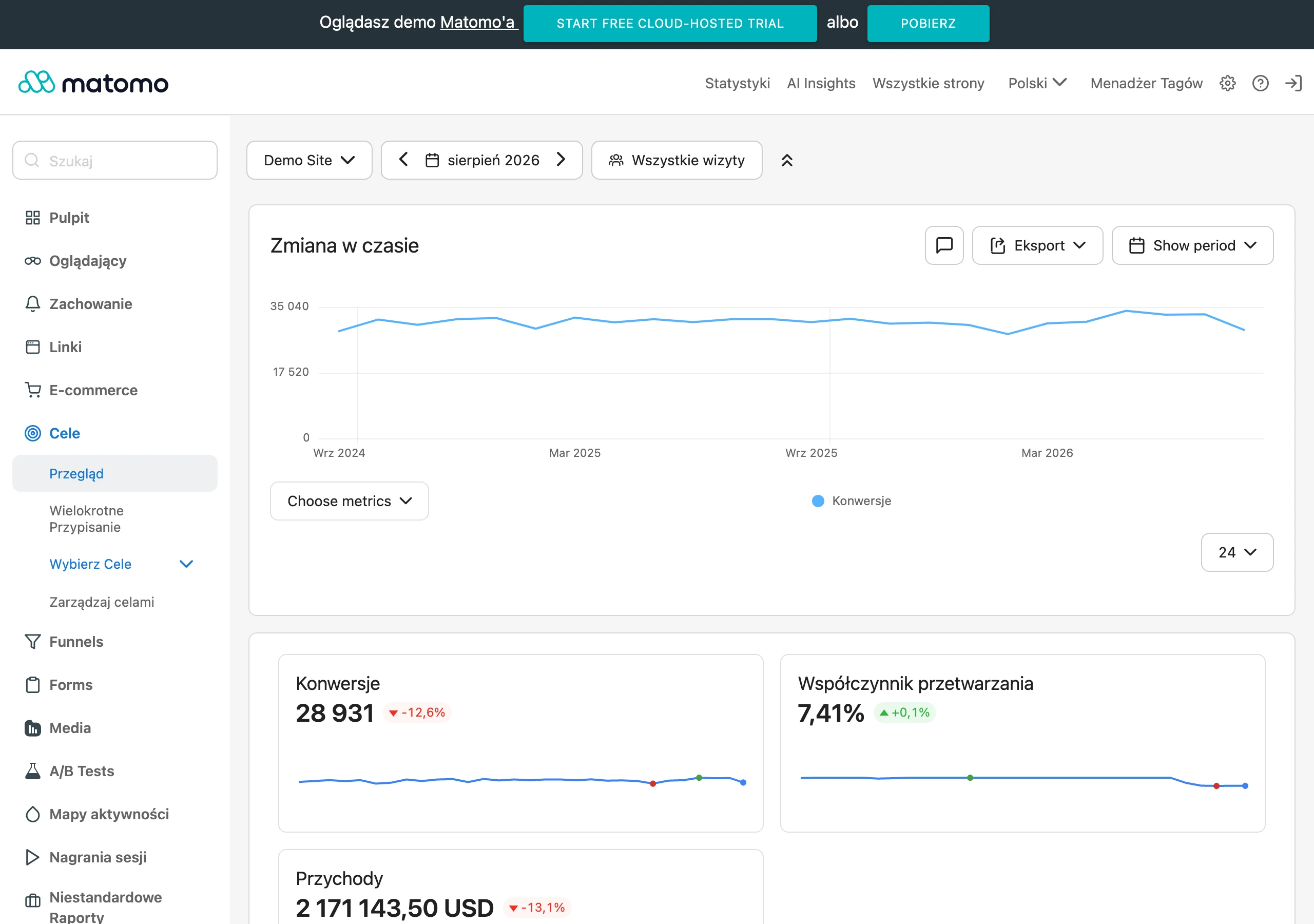
You cannot forget about the conversion rate, which shows how effectively the website encourages users to take desired actions, such as making a purchase or subscribing to a newsletter. A high rate is a sign that the content is well matched to the audience’s needs.
The quality and quantity of backlinks are also hugely important. Valuable links leading to the site increase the authority of the domain and affect its position in search results. It is equally important to check the number of indexed pages and eliminate indexing errors that may limit the site’s visibility.
The last, but no less important, factor is page load speed. Fast loading not only improves the user experience, but also affects Google’s algorithmic assessment, which translates into higher rankings.
Regularly monitoring these metrics allows you to analyse the effectiveness of your SEO strategy on an ongoing basis and make the necessary changes to achieve even better results.
- 01Organic TrafficVisits from search results
- 02Page PositionPositions for key phrases
- 03Number of PhrasesDiscovering new areas for optimisation
- 04Conversion RateEncouraging desired actions
Regular monitoring of these metrics makes effective optimisation easier and increases the site’s visibility.
Organic traffic as an SEO performance metric
Organic traffic is one of the most important indicators of the effectiveness of SEO activities. It reflects the number of users who land on the site directly from search results. The higher it is, the better the site optimisation for search engine algorithms and the greater the chance of attracting people with specific needs. This, in turn, translates into achieving business goals such as increased conversions or greater engagement from the audience.
By analysing organic traffic, you can identify the keywords generating the most visits and the pages attracting the greatest interest. This allows you to tailor your SEO strategy precisely, focusing on optimising content for the most effective areas. However, it is worth remembering that visit volume alone is not everything – the quality of traffic is crucial. Users should not only land on the site, but also spend an appropriate amount of time on it and take desired actions, which affects the bounce rate and the overall effectiveness of the strategy.
Systematic monitoring of organic traffic also makes it possible to spot seasonal trends or changes in audience behaviour. This makes it possible to react quickly to new user needs and adapt content to current algorithm requirements. In this way, organic traffic becomes not only a measure of SEO effectiveness, but also a tool for continually refining the marketing strategy and responding better to audience expectations.
Search rankings position indicator
Search rankings position is one of the most important factors determining a website’s success. It shows where a site ranks in Google for specific keywords. The higher it ranks, the greater the chance of being noticed by users, which directly translates into increased organic traffic and potential conversions.
The effectiveness of SEO activities depends largely on where the site is positioned. Statistics show that the top three results attract as much as 75% of clicks. Lower positions have far less chance of engaging audiences. That is why regularly tracking this metric is crucial to assess whether the optimisation strategy is delivering the intended results.
It is also worth observing how positions change over time. Even small shifts can have a major impact on organic traffic – for example, moving from 5th to 3rd place can increase visits by around 30%. Tools such as Google Search Console or analytics platforms (e.g. Ahrefs, SEMrush) are useful for monitoring these changes and identifying areas that need improvement.
To achieve higher rankings, it is not enough just to adapt content to keywords. You also need to take care of other ranking factors, such as:
- the quality of backlinks,
- page loading speed,
- user experience (UX).
With a holistic approach, you can gradually increase a site’s visibility and achieve increasingly better results in search engines.
- 01Understanding interactionsAnalysis of visitor behaviour
- 02Bounce rateLeaving after one page
- 03Average time on pageLength of engagement with content
Key metrics for assessing the effectiveness of SEO activities, content quality and user experience (UX), enabling continual optimisation and growth in engagement.
Number of queries for which the page appears
The number of queries for which a page appears is a key indicator of the effectiveness of SEO activities. The more diverse queries direct users to the site, the greater its visibility in search results. A high number of queries not only shows that content is well optimised, but also increases the chances of reaching a wide audience.
Analysing this metric makes it possible to identify areas where the site has potential to improve visibility. This means the SEO strategy can be adapted, focusing on new keywords or improving existing content. Tools such as Google Search Console or SEMrush make it possible to track this data and show which queries generate the most organic traffic.
It is also worth paying attention to the so-called long-tail keywords – less popular but more specific queries can attract users with particular needs. Optimising for such keywords not only increases the chances of conversions, but also affects the overall effectiveness of the SEO strategy. Regular monitoring of the number of queries makes it possible to spot changes in search trends and adapt content to the current requirements of search algorithms.
Conversion rate and its importance
Conversion rate is a key measure of the effectiveness of SEO and marketing activities. It shows what proportion of visitors to a site takes desired actions, such as buying a product, signing up to a newsletter or filling in a contact form. A high result shows that the site responds effectively to user needs and achieves its business goals.
To calculate it, simply divide the number of conversions by the total number of visits, then multiply the result by 100. For example: 50 conversions from 1000 visits gives a rate of 5%. Optimising this metric requires in-depth analysis of user behaviour and testing different site elements – from headings and CTA (Call to Action) buttons to the content layout.
A low rate may indicate problems with user experience (UX), irrelevant content or insufficient visibility of the offer. In such a case, it is worth carrying out a site audit and introducing changes that increase visitor engagement. Analytics tools, such as Google Analytics or Hotjar, are invaluable in identifying areas for improvement through detailed analysis of user behaviour.
Moreover, conversion rate plays a significant role in assessing the effectiveness of advertising campaigns and SEO activities. It makes it possible to determine which keywords or traffic sources generate the most valuable actions. Regularly tracking this metric makes it possible to flexibly adapt the marketing strategy and achieve better business results.
- 01Analysis and assessmentOngoing verification of results.
- 02Quick responseDiagnosing problems.
- 03Strategy adaptationAdjusting to trends.
Monitoring data makes it possible to continuously improve and adapt SEO activities to the needs of users and algorithms.
The quality of backlinks and their impact on SEO
The quality of backlinks is of huge importance for a website’s ranking in search results. Search engines such as Google assess the value of a website not only on the basis of the number of links, but also their quality. Links from reliable, authoritative and topically relevant sources build domain authority, which directly translates into better positions in rankings. High-quality links significantly improve website visibility in search results. They signal to algorithms that the website is valuable and deserves attention. For example, a link from a reputable industry portal carries far more weight than one from a little-known website. That is why it is so important to acquire links from sources with high Domain Authority (DA) or Page Authority (PA). At the same time, it is worth avoiding low-quality backlinks, especially those coming from suspicious websites or link farms. Such practices can result in penalties from Google and negatively affect SEO. Instead, it is better to focus on natural link building, creating valuable content that other users are happy to share and recommend. Regular analysis of the link profile using tools such as Ahrefs, SEMrush or Google Search Console makes it possible to assess the quality of acquired links and quickly respond to harmful ones. In this way, it is possible to maintain a healthy link profile that supports a long-term SEO strategy and contributes to increased website visibility in search results.
The number of indexed pages and indexing errors
The number of pages in the search engine index is an important metric that shows how many subpages of a website have been taken into account by the algorithms. The greater this number, the higher the likelihood that the content will appear in search results. This, in turn, translates into increased organic traffic and improved website visibility.
Unfortunately, errors related to indexing can significantly reduce the effectiveness of these efforts. The most common obstacles include:
- blocks resulting from the robots.txt file,
- incorrect redirects (e.g. 404 errors),
- duplicate content,
- issues with the XML sitemap.
To avoid such situations, it is worth using tools such as Google Search Console, which help identify and fix errors. Systematically checking the number of indexed pages and eliminating errors are key elements of an effective SEO strategy. This makes it possible not only to improve the website’s position in search results, but also to attract more potential users.
Page load speed and its impact on SEO
Page load speed is one of the most important factors affecting SEO. It influences not only the user experience, but also how search engine algorithms assess the website. Pages that load faster are more user-friendly, which translates into a lower bounce rate and longer time spent on the site. According to Google data, websites that load within 2 seconds have an average bounce rate of around 15%. By comparison, those taking more than 5 seconds can reach as much as 38%.
Search engines such as Google treat page load speed as an important ranking factor. Algorithms favour pages that offer a smooth and fast user experience (UX), which directly affects their position in search results. For example, a website that loads in less than 3 seconds has a better chance of higher visibility than one that takes longer.
To improve site performance, it is worth focusing on a few key areas:
- compressing images and media files,
- minifying HTML, CSS and JavaScript code,
- using cache,
- reducing the number of HTTP requests.
Tools such as Google PageSpeed Insights or Lighthouse are invaluable in identifying issues affecting performance. They also provide specific suggestions for optimisation. Regular monitoring of page load speed with Google Search Console makes it possible to respond quickly in the event of performance drops.
In some industries, such as automotive or other sectors requiring immediate access to information, page speed is particularly important. Users expect instant access to technical data, specifications or sales offers. Slow-loading websites can result in the loss of potential customers to the competition.
Optimising page speed is not just a matter of user convenience – it is also a key element of an effective SEO strategy. Improving the performance of a website can have a significant impact on its position in search results and increase visitor engagement.
Analysis of organic traffic and its importance
Organic traffic analysis is a key element in assessing the effectiveness of SEO efforts. It allows you to identify which content attracts users’ attention and which optimisation strategies deliver the best results. This makes it possible to tailor website content to audience needs, which in turn translates into better visibility in search results.
Organic traffic is visits from users who land on a website directly from search results. The higher its level, the better the site is adapted to Google’s algorithms. High organic traffic indicates that the website meets search engine requirements and attracts people with specific needs.
Analysing this metric helps determine:
- keywords generating the most visits,
- pages enjoying the greatest interest.
This makes it possible to fine-tune the SEO strategy, focusing on optimising content in the most effective areas. It is worth remembering, however, that the number of visits alone is not everything – the quality of traffic is key. Users should not only land on the site, but also spend the right amount of time on it and take the desired actions.
Regular monitoring of organic traffic also makes it possible to spot seasonal trends or changes in audience behaviour. This allows you to react quickly to new user needs and adapt content to current algorithm requirements. In this way, analysis of organic traffic becomes not only a measure of SEO effectiveness, but also a tool for continuously improving the marketing strategy and better meeting audience expectations.
Tools such as Google Analytics and Google Search Console are indispensable in the process of analysing organic traffic. They allow you to track traffic sources, identify the most effective keywords and monitor changes in user behaviour. Regular use of these tools enables ongoing content optimisation and improves the site’s visibility in search results.
A high level of organic traffic is also a signal to Google’s algorithms that the site offers valuable content. This translates into better rankings and increases the chances of attracting a larger number of potential customers. That is why organic traffic analysis should be an integral part of every effective SEO strategy.
How does organic traffic analysis help with content optimisation?
Organic traffic analysis plays a key role in content optimisation, providing valuable insights into user behaviour and the effectiveness of SEO efforts. It allows you to identify which keywords attract the most visitors and which pages generate the greatest interest. This in turn makes it possible to better tailor content to audience expectations, which translates into higher visibility in search results.
However, this analysis is not limited to highlighting successes. It also helps detect weak points in the SEO strategy. If some pages do not attract a sufficient number of users, it may signal the need to improve their keyword optimisation or content structure. Tools such as Google Analytics and Google Search Console offer detailed data on traffic sources, enabling constant tracking of the results of the actions taken.
It is worth emphasising, however, that the number of visits alone is not everything. The quality of organic traffic is key – users should not only land on the site, but also engage with its content, spend enough time on it and take desired actions such as purchases or newsletter sign-ups. Analysing these metrics makes it possible to assess whether the content offered really meets audience needs.
Regular monitoring of organic traffic also makes it possible to spot seasonal trends or changes in user behaviour. This allows you to respond quickly to new needs and adapt your SEO strategy to the current requirements of search engine algorithms. In this way, this analysis becomes not only a measure of the effectiveness of the actions taken, but also a tool for continuously improving the marketing strategy.
High organic traffic as an indicator of good optimisation
High organic traffic is a key indicator of effective website optimisation for search engines. It shows that the website attracts users directly from search results, confirming its good visibility and compliance with Google’s algorithms. The more people land on the site thanks to relevant keywords, the greater the chances of achieving business goals such as increasing conversions or audience engagement.
Organic traffic is also proof that the content is well aligned with SEO requirements. The site not only answers users’ queries, but also satisfies their informational needs. If the website ranks highly for many keywords and generates significant organic traffic, this means that its content is valuable and meets the expectations of both users and search engine algorithms.
However, the number of visits alone is not enough – the quality of the traffic is key. Users should not only land on the site, but also spend an appropriate amount of time on it and take desired actions, such as making purchases or signing up to the newsletter. That is why a high level of organic traffic should go hand in hand with strong engagement metrics.
Regular monitoring of this metric makes it possible to spot seasonal trends or changes in user behaviour. This allows you to respond quickly to new audience needs and adapt your SEO strategy to the current requirements of algorithms. Tools such as Google Analytics and Google Search Console are indispensable for analysing organic traffic – they help identify areas that need improvement and track progress.
A high level of organic traffic is not just a measure of the effectiveness of SEO activities. It is also a signal to Google’s algorithms that the site offers valuable content. This translates into better rankings and increases the chances of attracting a larger number of potential customers.
User engagement metrics
User engagement metrics play a key role in assessing the effectiveness of SEO activities and the quality of content on the site. They allow you to understand how visitors interact with the website and whether the materials presented meet their needs. The most important metrics include:
- bounce rate,
- average time spent on the page,
- time on page.
Bounce rate measures the percentage of people who leave the site after viewing just one page. A high value of this metric may suggest problems with the content or user experience (UX). Although the optimum level varies depending on the industry, it is generally accepted that a result below 40% is satisfactory.
Average time spent on the page indicates how long visitors engage with the content. A longer time spent on the site usually means that the materials are valuable and meet users’ expectations. In the case of blogs or informational websites, a result above 2 minutes is considered positive.
Another important metric is time on page, which affects how the site is assessed by Google’s algorithms. It shows how long users remain active before returning to the search results. A longer time signals to algorithms that the content is useful and well matched to the queries.
To monitor these metrics effectively, it is worth using tools such as Google Analytics and Google Search Console. They not only allow you to analyse visitor behaviour, but also point to areas that need improvement. For example, a low average time spent on the page may be a signal to improve content quality or add more engaging multimedia elements.
Regular analysis of these metrics makes it possible to adapt your SEO strategy to the current needs of your audience and the requirements of search engine algorithms. It is an essential step in building effective online visibility and achieving better business results.
Bounce rate and how to interpret it
Bounce rate is a key metric that measures how many people leave the site after viewing only one page. A value that is too high may indicate problems with the content, navigation or a mismatch with visitors’ expectations. Although the optimum level varies depending on the industry, a result below 40% is usually considered satisfactory.
A detailed analysis of this metric allows you to identify weak points on the site. For example, if the homepage generates many quick exits, it is worth reconsidering its layout or adding more attention-grabbing elements. Tools such as Google Analytics and Google Search Console are invaluable for tracking this data and identifying areas that need improvement.
However, it is worth remembering that a high bounce rate does not always mean a problem. In the case of informational websites or blogs, users often find the information they need and leave the site without browsing further. Therefore, when interpreting this metric, you should take into account both the specifics of the industry and the goals of the site itself.
Systematic monitoring of the bounce rate helps you keep your SEO strategy up to date and improve user experience (UX). It is a straightforward way to increase visitor engagement and improve the site’s rankings in search results. The key to success, however, is a deep understanding of user needs and adapting the website to their preferences.
Average time spent on the page as an indicator of valuable content
Average time spent on the page is a key metric that reflects the level of user engagement with the content. The longer visitors stay on the site, the greater the chance that the materials are valuable and meet their needs. In the case of blogs or informational websites, a result exceeding 2 minutes is considered satisfactory.
A long time spent on the page shows that the content attracts attention and matches the audience’s expectations. This not only improves user experience (UX), but may also influence an increase in conversions. What is more, Google treats this metric as a signal of a high-quality site, which may translate into better visibility in search results.
How can you increase this metric? Focus on a few important aspects:
- creating content that engages and delivers real value,
- introducing multimedia elements, such as videos or infographics,
- simplifying navigation and improving the site structure,
- speeding up website loading.
Tools such as Google Analytics make it possible to track this metric and identify areas that require optimisation. Regular analysis of the average time spent on the page helps adapt the SEO strategy to user preferences and search engine algorithm requirements. This makes it possible to effectively increase audience engagement and achieve better page performance.
Time spent on the page and its importance for SEO
Time spent on the page is a key engagement metric that has a significant impact on how algorithms assess a website. It measures how long users remain active before returning to the search results. The longer this time, the greater the likelihood that the content is valuable and meets audience needs, which can translate into a higher ranking.
A long time spent on the page indicates that the content attracts attention and meets users’ expectations. This not only has a positive impact on user experience (UX), but also increases the chances of conversions. Google treats this metric as a signal of page quality, which can result in better visibility in search results.
To improve this metric, it is worth paying attention to several important aspects:
- creating engaging and valuable content,
- using multimedia such as videos or infographics,
- simplifying navigation and optimising the site structure,
- speeding up the website loading time.
Tools such as Google Analytics make it possible to track this metric and identify areas that require improvement. Regular analysis of the time spent by users helps adapt the SEO strategy to their preferences and algorithm requirements. This makes it possible to effectively increase audience engagement and achieve better page performance.
Tools for monitoring and analysing SEO metrics
Tools for monitoring and analysing SEO metrics are crucial for assessing the effectiveness of optimisation efforts. They allow you to track important indicators such as organic traffic, search rankings or conversion rate. With them, you can continuously adapt your SEO strategy to algorithm requirements and user expectations.
One of the most popular solutions is Google Analytics. This tool makes it possible to monitor website traffic, traffic sources and visitor behaviour. It allows you to identify the most effective keywords and pages that generate the highest engagement. Detailed reports also help analyse the bounce rate or average time spent on the page, which is essential when optimising content.
Another important tool is Google Search Console. It provides information about indexing errors, the number of indexed pages and the site’s positions for specific queries. In addition, it allows you to monitor page performance in terms of loading speed and compliance with Google’s guidelines.
Among other popular solutions, it is worth mentioning:
- Ahrefs, which offers advanced link profile analysis features, which is crucial for building domain authority,
- SEMrush, which allows for comprehensive competitor analysis and tracking the site’s positions in search results,
- Senuto, which stands out for its intuitive interface and the ability to track search trends.
Using these tools regularly not only makes it possible to monitor the effects of SEO activities on an ongoing basis, but also allows you to react quickly to changes in search engine algorithms. This makes it possible to continuously refine the optimisation strategy and increase site visibility in search results.
Google Analytics and its role in monitoring SEO metrics
Google Analytics is an indispensable tool for monitoring key SEO metrics. With it, you can precisely analyse website traffic, assess the effectiveness of optimisation efforts and track important metrics such as organic traffic, traffic sources, conversion rate or time spent on the page. All of this makes it possible to continuously adapt the SEO strategy and make the necessary adjustments.
One of the greatest advantages of this tool is the ability to analyse organic traffic in detail. Google Analytics provides information about which keywords attract the most users and which pages are the most popular. This makes it possible to precisely tailor content to audience expectations and focus on optimising the most effective areas.
Monitoring the conversion rate is just as important. The tool allows you to check what percentage of visitors take desired actions, such as purchasing a product or signing up for a newsletter. A high conversion rate shows that the site effectively meets user needs and achieves its business goals.
Google Analytics also makes it possible to analyse user behaviour, such as the bounce rate or average time spent on the page. These metrics are crucial for assessing content quality and user experience (UX). For example, a high bounce rate may indicate navigation problems or a mismatch between the content and visitors’ expectations.
The tool also makes it possible to track seasonal trends in organic traffic, which enables a quick response to changes in user behaviour and adjusting the SEO strategy to the current requirements of search engine algorithms. Regular use of Google Analytics not only helps monitor the results of optimisation activities, but also uncover new opportunities for website growth.
Combined with other tools, such as Google Search Console or Ahrefs, Google Analytics becomes a key element of an effective SEO strategy. It not only allows you to track key metrics, but also make data-driven decisions. This translates into better visibility in search results and achieving the set business goals.
Google Search Console as a tool for SEO analysis
Google Search Console is an indispensable tool for anyone who wants to monitor and analyse the effects of SEO activities. It allows you to check in real time how the website performs in Google search results, identify indexing issues and optimise content for visibility. The tool provides detailed information, such as keywords that generate traffic, or CTR (the ratio of clicks to impressions), which helps assess the effectiveness of the activities carried out.
One of the most important functions is the ability to track the website’s position for specific queries. This makes it possible to identify which keywords attract the most organic traffic and which subpages are the most popular. As a result, you can precisely adjust your SEO strategy, focusing on areas with the greatest growth potential.
Google Search Console also helps detect technical errors, such as incorrect redirects or issues with the XML sitemap. Quick response to this type of issue is crucial for maintaining high visibility in search results. In addition, the tool allows you to monitor page loading speed and its compliance with Google’s guidelines.
It is worth emphasising that Google Search Console works very well with other analytical platforms, such as Google Analytics or Ahrefs. Integrating these solutions allows for a comprehensive analysis of the effectiveness of SEO activities and decision-making based on reliable data. This makes it possible to continually refine the optimisation strategy and increase the website’s visibility in search results.
Other analytical tools: Ahrefs, SEMrush, Senuto
Ahrefs, SEMrush and Senuto are advanced analytical tools that play a key role in monitoring and optimising SEO activities. Each of them offers unique functions, helping with keyword analysis, competitor assessment and building an effective SEO strategy.
Ahrefs is particularly valued for its backlink profile analysis. The tool allows you to monitor the quality and quantity of backlinks, which is crucial for building domain authority. Ahrefs also enables you to track the website’s position in search results and identify new keywords that can attract more organic traffic.
SEMrush stands out for its comprehensiveness. It offers not only keyword analysis and website position tracking, but also detailed reports on competitors. This makes it possible to understand the strategies used by rivals and adapt your own actions to current trends in the industry. SEMrush also allows you to monitor the performance of advertising campaigns and analyse organic traffic.
Senuto is a tool particularly popular in Poland, combining an intuitive interface with advanced analytical functions. It allows you to track search trends, analyse competitors and monitor website positions for selected keywords. Senuto also offers tools for technical website audits, which helps identify errors affecting site visibility.
All three tools are essential for an effective SEO strategy. They allow you not only to monitor the results of optimisation activities, but also to react quickly to changes in search engine algorithms. Thanks to them, you can continually improve your SEO strategy and increase the website’s visibility in search results.
How does monitoring SEO metrics affect the effectiveness of the strategy?
Tracking key SEO indicators is the foundation of effective SEO. Through regular analysis of data such as organic traffic, search engine positions or conversion rate, you can assess the results of optimisation activities on an ongoing basis. This not only helps identify weak points, but also adapt the strategy to current algorithmic trends and user needs.
One of the biggest advantages of monitoring metrics is the ability to react quickly to changes. A sudden drop in traffic may signal indexing issues or the need to update content for new keywords. In such situations, tools such as Google Analytics or Search Console become invaluable, allowing you to diagnose issues precisely and make the appropriate adjustments.
Conversion rate is another key element of analysis. A high level of this indicator shows that the website effectively encourages visitors to take desired actions – whether purchases or newsletter sign-ups. However, if the results are unsatisfactory, it is worth looking at user experience (UX) and content quality to increase engagement.
It is also important not to forget about backlink quality and page loading speed – both factors have a huge impact on the website’s position in search results. Regularly checking these parameters helps maintain high site performance and avoid Google penalties related to low-quality links.
Systematic analysis of metrics also makes it possible to spot seasonal trends in user behaviour. This makes it easier to tailor the strategy to current audience needs and optimise content for new queries. Monitoring this data therefore becomes not only a tool for assessing the effectiveness of actions, but also a way to continuously improve the marketing strategy.
In short, tracking SEO metrics is a key element of any well-planned SEO strategy. It allows you to monitor the effects of optimisation activities on an ongoing basis, identify areas requiring improvement, and adapt to changing algorithm requirements and user expectations. This makes it possible to achieve ever better results in search results and deliver the set business goals.
Monitoring the effectiveness of SEO activities
Monitoring the effectiveness of SEO activities is a key element of building long-term visibility of a website in search results. To assess the effectiveness of the strategy, it is worth regularly analysing key indicators, such as organic traffic, keyword positions or conversion rate. This makes it possible to introduce the necessary adjustments and optimisations on an ongoing basis.
One essential tool in this process is Google Search Console. It provides valuable data on a site’s position for specific queries, indexing errors and website loading speed. This makes it possible to quickly detect and fix technical issues that may negatively affect the site’s visibility.
Another important tool is Google Analytics, which allows you to analyse organic traffic and user behaviour in detail. It can be used to check which keywords generate the most visits and which subpages attract the most interest. This, in turn, helps better tailor content to audience expectations and focus on the most effective areas.
It is also worth regularly monitoring keyword positions using specialist tools such as Ahrefs or SEMrush. This allows you to track changes in rankings and identify new optimisation opportunities. Even a small rise from 5th to 3rd place can significantly increase the number of visits – by as much as 30%.
You should not forget about analysing the conversion rate, which shows whether the site effectively encourages users to take desired actions, such as purchases or newsletter sign-ups. A high conversion rate indicates that the content is well matched to the needs of the audience.
Systematically tracking these metrics makes it possible not only to assess the effectiveness of SEO activities, but also to react quickly to changes in search engine algorithms and evolving user behaviour trends. This makes it possible to continually improve the SEO strategy and achieve ever better results in search results.
FAQ
Frequently asked questions
Which SEO metrics are worth tracking regularly to assess performance?
It is worth monitoring organic traffic, the site’s positions for key keywords, the number of keywords the site appears for, the conversion rate, the quality of backlinks, the number of indexed pages and page load speed. These metrics show both site visibility and real business results.
Why is organic traffic so important in SEO?
Because it shows how many users land on the site directly from search results. The higher this metric is, the better the site visibility and the greater the chance of achieving business goals.
How does a site’s position in search results affect organic traffic?
A higher position increases the chance that the user will click on your site. The article states that the top three results attract as much as 75% of clicks.
What is the significance of the number of keywords a site appears for?
The more different keywords bring users to the site, the greater its visibility in search. This metric also helps uncover new areas for optimisation and long-tail keywords.
Does the conversion rate show SEO effectiveness?
Yes, because it tells you what percentage of visitors complete desired actions such as a purchase, newsletter sign-up or form submission. A high result means the site responds well to users’ needs.
What can reduce site visibility due to indexing issues?
Problems may be caused by blocks in the robots.txt file, incorrect redirects, duplicate content and XML sitemap issues. The article stresses that it is worth regularly checking these errors in Google Search Console.