

Return on investment (ROI) in SEO is a key metric that allows companies to assess the effectiveness of activities related to website SEO. By analysing the costs and revenue generated by organic traffic, businesses can make better business decisions, optimise strategies and increase long-term profits. Find out how to calculate ROI in SEO, which metrics to pay attention to, and how to adapt activities to changing market trends and search engine algorithms.
What is return on investment (ROI) in SEO?
Return on investment (ROI) in SEO is a key metric that measures the effectiveness of activities related to website SEO. It shows the value brought by organic traffic compared with the costs incurred for optimising and promoting the website. The main goal is to achieve higher revenue than expenditure, which confirms the profitability of such investments.
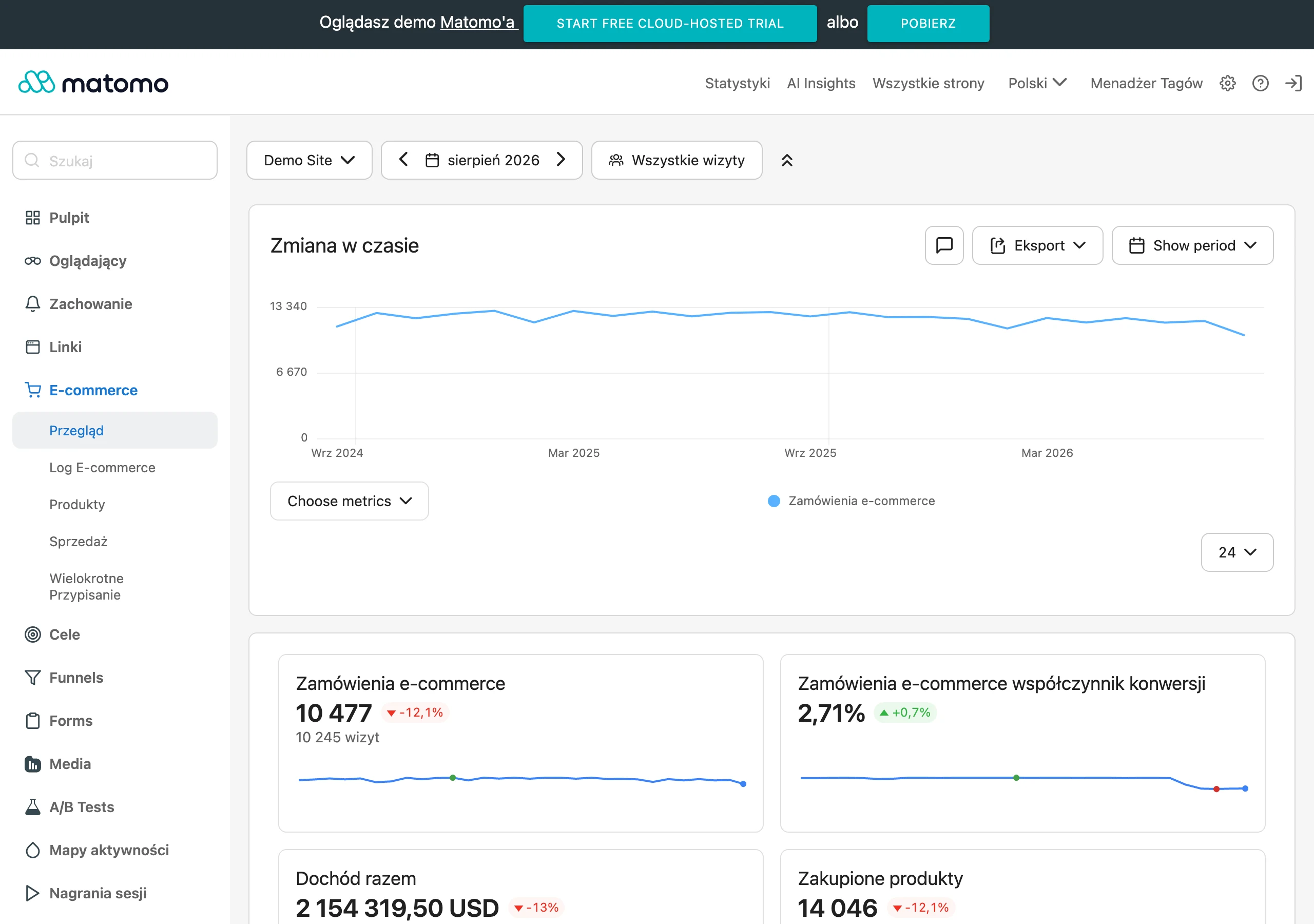
For businesses, ROI in SEO is particularly important. It allows them to assess whether SEO strategies are actually translating into financial benefits. This makes it possible to check whether activities such as content optimisation, link building or technical improvements to the website are affecting conversion and sales growth.
However, it should be remembered that the effects of SEO activities do not appear immediately. Unlike PPC campaigns, the results of SEO become visible only after several months of systematic work. That is why, when calculating ROI, you need to take the long-term nature of these activities into account.
ROI can be calculated using a simple formula: (value of organic conversions – cost of investment in SEO) / cost of investment in SEO. For example, if a company spent 10 000 zł on SEO activities and generated 30 000 zł in revenue thanks to them, the ROI is 200%. This means that every złoty invested brought 2 zł profit.
To measure ROI in SEO accurately, it is essential to monitor key metrics. These include:
- organic traffic,
- conversion rate,
- the value of leads or sales generated.
To track this data, it is worth using tools such as Google Analytics and Google Search Console.
- 01Measures SEO effectivenessThe value of organic traffic.
- 02Compares costs and profitsBrings in more than it costs.
- 03Assesses business profitabilityTranslates into conversions and sales.
A key indicator of long-term profitability, requiring patience.
Why is measuring ROI in SEO key?
Measuring ROI in SEO is a key element of assessing the effectiveness of marketing activities. Thanks to it, companies gain concrete data that shows whether investments in website optimisation translate into real financial benefits. Analysing return on investment not only makes it possible to identify the most effective activities, but also those that require modification.
One of the most important reasons to measure ROI is the ability to make better business decisions. By analysing data, businesses can direct resources where they bring the greatest results. For example, if campaigns based on long-tail keywords generate a higher conversion rate than those based on generic phrases, it is worth focusing on more precise queries.
In addition, regular ROI analysis makes it possible to assess the long-term effectiveness of an SEO strategy. Unlike paid ads, the effects of activities related to SEO are visible only after several months of systematic work. Monitoring progress allows the strategy to be adjusted on an ongoing basis to changing market trends and search engine algorithms.
Another important benefit is the ability to present the value of SEO activities to the board or investors. Precise data on return on investment helps justify the need to maintain or increase the SEO budget. For example, if expenditure amounted to 15 000 zł and revenue achieved thanks to SEO was 50 000 zł, it is easy to prove the profitability of such activities.
Regularly measuring ROI also helps avoid wasting resources on low-impact initiatives. Thanks to analysis, you can quickly identify areas that need improvement and make the necessary changes to your strategy. This is particularly important in the dynamic world of digital marketing, where search engine algorithms are constantly evolving.
In short, measuring ROI in SEO is not only a tool for assessing the effectiveness of marketing activities, but also the foundation for making strategic business decisions. It enables companies to manage their budget better and achieve long-term goals related to visibility in search results and sales growth.
What metrics are important in ROI analysis in SEO?
Analysing return on investment in SEO is based on several key indicators that help assess the effectiveness of search engine optimisation activities. Here are the most important ones:
- organic conversion value – measures how much revenue traffic from search engines generates. For example, if 1000 page visits translate into 10 sales worth a total of 5000 zł, that means each click brings in an average of 5 zł,
- SEO-related costs – include spending on website optimisation, creating valuable content, link building and using analytical tools. A monthly budget might be, for example, 3000 zł,
- click-through rate (CTR) – shows how often users click on a search result after entering a given keyword. A high CTR indicates the effectiveness of meta descriptions and page titles,
- improved visibility in search results – measured by moving key keywords up the rankings. For example, moving from 10th to 3rd place for the phrase “sklep z butami” significantly increases the chances of more visits,
- lead conversion rate – defines the percentage of users who complete a desired action (e.g. purchase) after landing on the site. A 5% rate means that for every 100 visits there are 5 conversions.
To track this data, tools such as Google Analytics and Google Search Console are essential. They allow you to monitor organic traffic, analyse visit sources and assess the effectiveness of individual keywords.
Example: If a company invested 10 000 zł in SEO and generated revenue of 30 000 zł from organic traffic as a result, ROI is as high as 200%. Such a result confirms the profitability of the investment and points to areas for further optimisation.
Regular monitoring of these metrics makes it possible to adapt your SEO strategy to the changing demands of the market and search engine algorithms. This makes it possible to increase return on investment and achieve better business results with less time and fewer resources.
- 01Investment and costsOptimisation, content, tools.
- 02Conversion valueRevenue from organic traffic.
- 03ROI formula($$Value – $$Cost) / $$Cost
- 04Return result400% ROI (4 zł for every 1 zł).
Understand how much you gain from every złoty spent on SEO.
How to calculate ROI in SEO?
To calculate return on investment (ROI) in SEO, simply use the following formula: SEO ROI = (organic conversion value – SEO investment cost) / SEO investment cost. For example, if a company spent 5000 zł on SEO activities and revenue from organic traffic reached 25000 zł, the calculation would be as follows: (25000 – 5000) / 5000 = 4. This means that return on investment is as high as 400%.
Organic conversion value is the sum of revenue generated by users who landed on the site thanks to search results. Costs include expenditure related to website optimisation, content creation, link building and analytical tools.
To determine conversion value precisely, you need to multiply the number of transactions by the average value of each one. For example, if a website recorded 100 sales with an average value of 250 zł each, the total conversion value will be 25000 zł.
To track organic traffic and analyse conversions, it is worth using tools such as Google Analytics and Google Search Console. They allow you to monitor visit sources and assess the effectiveness of individual keywords.
Regularly calculating ROI makes it possible to assess the effectiveness of your SEO strategy and adapt it to changing market conditions. This makes it possible to manage the budget better and increase return on investment in the long term.
ROI formula: (organic conversion value – SEO investment cost) / SEO investment cost
The ROI formula in SEO is as follows: (organic conversion value – SEO investment cost) / SEO investment cost. It makes it possible to assess whether search engine optimisation activities are delivering the expected financial benefits.
To use it, first you need to determine the value of organic conversions, that is, the revenue generated by users who landed on the site via search results. Then, from this amount, subtract the costs incurred on SEO activities, such as site optimisation, content creation or link building. The resulting figure is divided by the cost of investment in SEO.
For example, if a company allocated 10 000 zł to SEO activities and generated 30 000 zł in organic traffic revenue thanks to them, the calculation will look like this: (30 000 – 10 000) / 10 000 = 2. This means that ROI is 200%, which indicates a high return on investment.
The value of organic conversions can be calculated by multiplying the number of transactions by the average value of each one. For example, if the site recorded 100 sales with an average value of 250 zł each, the total conversion value will be 25 000 zł.
To monitor organic traffic and analyse conversions, it is worth using tools such as Google Analytics and Google Search Console. They make it possible to track traffic sources and assess the effectiveness of individual keywords.
Using this formula regularly makes it possible to assess the effectiveness of the SEO strategy accurately and adapt it to changing market conditions. This makes it possible to manage the budget better and increase return on investment in the long term.
- 01Long-term natureEffects visible after months
- 02Algorithm volatilityRegular Google updates
- 03Industry diversityDependence on competition
Assessing immediate benefits is almost impossible, which is a key challenge for measuring ROI in SEO.
Examples of applying the ROI formula in practice
Examples of applying the ROI formula in practice perfectly illustrate how well-thought-out SEO activities can bring significant financial benefits. Take an investment in website optimisation, for example – it often generates a return of 400%, which means that every pound spent brings as much as 4 złote profit.
Another interesting case is an e-commerce business that allocated 20 000 zł to SEO activities such as content optimisation, link building and technical improvements to the site. Thanks to this, it achieved 80 000 zł in revenue from organic traffic, which translates into an impressive ROI of 300%. This clearly shows the profitability of such investments.
A local service business also benefited from an SEO strategy. After investing 5 000 zł in positioning for keywords related to its region, it recorded a 150% increase in quote requests, which translated into an additional 25 000 zł in revenue. In this case, ROI reached as much as 400%.
We cannot overlook the example of an online store that, thanks to optimising meta descriptions and titles, increased its click-through rate (CTR) by half. This in turn contributed to a 30% increase in organic traffic and generated an additional 15 000 zł at a cost of only 3 000 zł. Here, ROI was also an impressive 400%.
These examples clearly show that well-planned SEO activities can have a significant impact on business profitability. However, the key to success is regular monitoring of results and flexible adaptation of the strategy to changing market conditions and search engine algorithms.
What are the methods of measuring ROI in SEO?
Measuring ROI in SEO is based on three main pillars: tracking the positions of key keywords, analysing search engine traffic and monitoring conversions. These activities make it possible to assess how effective the website optimisation efforts are.
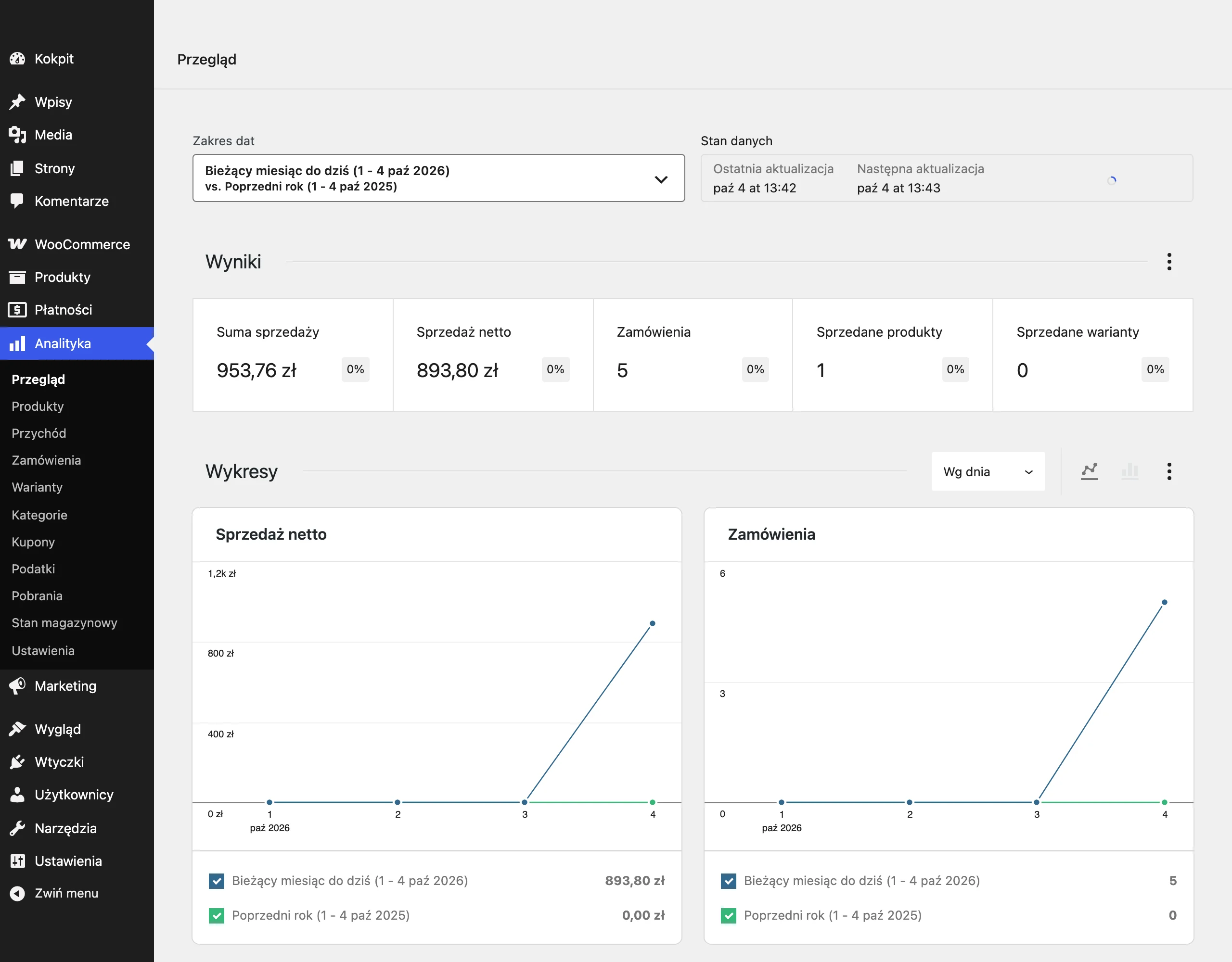
The first step is tracking keyword rankings. This means regularly checking how the site is performing in search results for selected phrases. For this purpose, it is worth using tools such as Google Search Console or specialist platforms such as Ahrefs or SEMrush. For example, if a site moves from 10th to 3rd place for the phrase “sklep z butami”, this can significantly increase the number of visitors and potential revenue.
Another important element is analysis of organic traffic. Tools such as Google Analytics make it possible to track precisely how many users land on the site via search results and what their behaviour is – e.g. time spent on the site or bounce rate. For example, a 50% increase in organic traffic after content optimisation may indicate a real impact of those changes on business results.
The final stage is tracking conversions, which may include purchases, newsletter sign-ups or submitting contact forms. To calculate their value, simply determine the average value of each conversion and multiply it by the number of conversions. For example, if the site generates 100 sales per month with an average value of 250 zł each, the total conversion value will be 25 000 zł.
These methods not only help assess the effectiveness of SEO activities, but also indicate areas that need improvement. Regular monitoring of these metrics allows the strategy to be adjusted to changing market conditions and search engine algorithm updates.
The role of Google Analytics and Google Search Console in ROI analysis
How to track organic conversions and organic traffic?
Tracking organic traffic and conversions is the foundation of assessing the effectiveness of SEO activities. To do this effectively, it is worth using analytics tools such as Google Analytics 4 (GA4) and Google Search Console. Thanks to them, you can precisely track where users come from and which activities bring the greatest benefits.
In GA4, it is crucial to configure conversion goals such as purchases, newsletter sign-ups or filling in contact forms. This makes it possible to determine what proportion of organic traffic translates into real profits. For example, if a site attracts 1000 visits per month from search engines and 50 of them end in a purchase with an average value of 200 zł, the total conversion value is as much as 10 000 zł.
Meanwhile, Google Search Console enables you to track the positions of key phrases in search results and analyse organic traffic. This makes it possible to identify keywords generating the most clicks and monitor changes in the site’s rankings. For example, a rise of the phrase “sklep z butami” from 10th to 3rd place can increase the number of visits by as much as half.
It is also worth using the multi-channel attribution feature in GA4. It allows you to assess the impact of different traffic sources – such as social media or PPC ads – on the user’s purchasing decision. This gives a better understanding of the role SEO plays in the entire sales process.
Regular analysis of this data not only helps assess the effectiveness of SEO activities, but also points to directions for website optimisation. This is the key to long-term success online.
What are the challenges in calculating ROI in SEO?
Calculating return on investment (ROI) in SEO is a process that involves many challenges. One of the biggest is the long-term nature of SEO results. Unlike paid advertising campaigns, the results of SEO activities only become visible after several months of consistent work. This makes assessing immediate benefits almost impossible.
Another obstacle is the constant volatility of search engine algorithms, such as Google’s. Regular updates can affect a site’s rankings in search results, sometimes leading to a sudden drop in visibility even for key phrases, despite following best practice.
The diversity of industries is also important. The effectiveness of SEO activities depends on how competitive a given sector is. In some areas, achieving high rankings requires far greater input of time and resources than in others. For example, SEO for an e-commerce site is usually more complex than in the case of local services.
An additional problem is the difficulty of attributing conversions solely to SEO activities. Organic traffic often coexists with other marketing channels, such as social media or PPC ads. This makes it extremely complicated to determine precisely the impact of SEO on final business results.
Finally, the lack of uniform measurement standards makes it difficult to compare results between different projects or companies. Every website has its own unique goals and success metrics, which makes calculating a universal ROI an exceptionally difficult task.
These challenges show that although SEO has huge potential as a marketing tool, its effectiveness requires in-depth analysis and a flexible approach to strategy.
Why can calculating ROI be difficult?
Calculating return on investment (ROI) in SEO is not an easy task, mainly because of several key challenges. SEO results do not appear immediately – unlike paid ads, you have to wait months for results. This makes a quick assessment of effectiveness of activities practically impossible.
Another obstacle is frequent search engine algorithm updates, such as Google’s. Even a highly optimised website can suddenly lose visibility in search results, which makes long-term strategy planning more difficult. These changes are unpredictable and may require quick adjustments to the approach.
Additionally, attributing conversions solely to SEO activities can be problematic. Organic traffic often works alongside other marketing channels, such as social media or PPC ads. As a result, it is difficult to determine unequivocally which activities delivered specific results.
The lack of universal measurement standards is another obstacle. Every website has its own individual goals and success metrics, which makes it difficult to compare results across different projects. For example, SEO effectiveness for an online store is measured differently than for a local service business.
The diversity of industries is also important. In some sectors, achieving high positions requires much more time and resources than in others. For example, SEO for an e-commerce store is usually more complex than for a local service business website.
All of this shows that although SEO has huge potential as a marketing tool, its effectiveness requires careful analysis and a flexible approach to strategy. The key is patience and a willingness to adapt activities to changing market conditions and search engine algorithms.
How to improve ROI in SEO?
To increase the return on investment in SEO, it is worth focusing on a few key areas. The first of these is keyword analysis and adapting the SEO strategy. Well-chosen keywords attract more organic traffic, which directly affects growth in conversions and revenue. However, it is important to regularly check the effectiveness of these keywords – dropping those that do not deliver results and investing in those with greater potential.
The technical side of the website must not be forgotten. Loading speed, responsiveness and security (HTTPS) have a huge impact on rankings in search results. For example, a page that loads in 2 seconds can increase the conversion rate by as much as 15% compared with one that takes 5 seconds.
Creating valuable content is another pillar of effective SEO. Blog articles, guides or case studies not only attract organic traffic, but also build trust in the brand. Interestingly, websites that run a blog have on average 434% more indexed subpages, which significantly improves their visibility in search results.
Building links is another important strategy. Links from reputable websites increase domain authority and affect rankings in Google. For example, a site with 50 high-quality backlinks can achieve results up to 30% better than one without them.
Regularly monitoring the results of SEO activities using tools such as Google Analytics or Google Search Console allows you to adapt the strategy on an ongoing basis to changing algorithms and market conditions. This makes it possible to react quickly to traffic drops or changes in the positions of key keywords.
It is also worth paying attention to long-tail keywords. Although they are less competitive, they often have a higher conversion rate. For example, the phrase “shop with trekking shoes for women” may generate more valuable traffic than the general “shoes”.
Increasing ROI in SEO requires a comprehensive approach: from keyword analysis through technical website optimisation to creating valuable content and building links. Regular monitoring of results allows you to adapt the strategy to current market needs and achieve long-term financial benefits.
Keyword analysis as a tool for increasing ROI
Keyword analysis is one of the most important tools in optimising return on investment (ROI) in SEO. It makes it possible to determine precisely which keywords bring the greatest benefits to the business, which allows for better management of the advertising budget and adaptation of the SEO strategy. Focusing on phrases with high conversion potential can significantly affect revenue growth.
The first step is analysing keyword performance. Using tools such as Google Keyword Planner, Ahrefs or SEMrush, you can analyse organic traffic and the value of individual phrases. For example, if the phrase “shop with trekking shoes” generates 500 visits per month with a conversion rate of 5%, and “women’s trekking shoes” – 300 visits with 8%, it is worth choosing the second option.
Another important element is monitoring keyword positions. Regularly checking rankings allows you to assess the effectiveness of SEO activities. For example, moving from 10th to 3rd place for the phrase “sports shoes” can increase organic traffic by as much as half. This makes it possible to react quickly to drops and adapt content to the most profitable phrases.
It is also worth paying attention to long-tail keywords. Although they have a lower search volume, they often have a higher conversion rate. For example, the query “trainers for beginners” may attract more valuable traffic than the generic “trainers”.
Keyword analysis also makes it possible to eliminate low-performing phrases. If a given query does not deliver the expected results despite significant investment, it is worth replacing it with another one with greater potential. This allows you to manage your budget more effectively and increase ROI in the long term.
The importance of optimising an SEO strategy
Optimising an SEO strategy plays a key role in increasing return on investment (ROI) in SEO. Through effective actions such as improving content quality, acquiring valuable links and taking care of the technical aspects of the website, it is possible to significantly improve visibility in search results. This in turn translates into greater organic traffic, which directly affects growth in conversions and revenue.
One of the foundations of success is keyword analysis. Choosing the right phrases allows you to reach the target audience precisely, increasing the chances of conversions. For example, long-tail keywords, such as “women’s trekking boots”, often have a higher conversion rate than generic queries.
Another important element is link building. Links from reputable websites raise domain authority and have a significant impact on a site’s position in Google rankings. It is worth noting that a website with 50 valuable links can achieve up to 30% better results than one without them.
No less important is technical website optimisation. Loading speed, responsiveness and security (HTTPS) are factors that significantly influence search rankings. For example, a site loading in 2 seconds can increase conversion rate by as much as 15% compared with one that takes 5 seconds.
Creating valuable content is another key pillar of effective SEO. Blog articles, guides or case studies not only attract organic traffic, but also build trust in the brand. Interestingly, websites with a blog have on average 434% more indexed pages, which significantly improves their visibility.
Regularly monitoring SEO performance using tools such as Google Analytics or Google Search Console allows you to keep your strategy up to date with changing algorithms and market conditions. This makes it possible to react quickly to traffic drops or changes in the rankings of key phrases.
In summary, optimising an SEO strategy requires a comprehensive approach: from keyword analysis, through technical website optimisation, to creating valuable content and building links. Regular monitoring of results allows you to adapt the strategy to current market needs and achieve long-term financial benefits.
How to monitor ROI in SEO?
Tracking return on investment (ROI) in SEO is a process that requires consistency and the right tools. To assess the effectiveness of optimisation efforts, it is worth regularly analysing key metrics such as organic traffic, conversion rates and the value of generated leads or sales. This practice allows you to verify on an ongoing basis whether the actions taken are delivering the expected results.
One of the most important aspects is monitoring keyword rankings. With tools such as Google Search Console or Ahrefs, you can track how a website performs in search results for selected phrases. For example, moving from 10th to 3rd place for the query “shoe shop” can significantly increase the number of visitors and potential revenue.
Another important element is analysis of organic traffic. Google Analytics enables a detailed review of how many users reach the site via search results and what their behaviour is – for example, time spent on the site or bounce rate. An increase in organic traffic of 50% after content optimisation can be a clear sign that the changes introduced are bringing real business benefits.
The final step is tracking conversions, which may include purchases, newsletter sign-ups or submitting contact forms. To calculate their value, it is enough to determine the average value of each conversion and multiply it by their number. For example, if a website generates 100 sales per month with an average value of 250 zł each, the total conversion value will be 25 000 zł.
Tools such as Google Analytics and Google Search Console are essential for monitoring these data. They not only allow you to track traffic sources, but also to analyse the effectiveness of individual keywords and assess the performance of the SEO strategy in real time.
Regular monitoring of ROI is the key to adapting your strategy to changing market demands and search engine algorithms. This makes it possible to increase return on investment and achieve better business results with less time and resource input.
What analytical tools are helpful in monitoring ROI?
To effectively monitor return on investment (ROI) in SEO, the right analytics tools are essential. They make it possible to track key metrics, such as organic traffic, conversions and keyword rankings. One of the most popular solutions is Google Analytics, which allows for a detailed analysis of user behaviour, traffic sources and the value generated by conversions. This tool helps determine how much revenue comes directly from organic search results.
Another essential tool is Google Search Console. It provides valuable information about a website’s visibility in search results. With it, you can monitor rankings for key phrases, detect technical errors and analyse the performance of individual queries. For example, moving a site from 10th to 3rd place for the phrase “sklep z butami” can lead to an increase in organic traffic of even 50%.
For more advanced analyses, it is worth using platforms such as SEMrush or Ahrefs. These tools offer detailed reports on competition, backlink quality and keyword potential. SEMrush, for example, makes it possible to track changes in a site’s rankings for hundreds of phrases at once, which enables a quick response to drops in visibility.
Regular use of these solutions not only helps assess the effectiveness of SEO activities, but also adapt the strategy to changing search engine algorithms and market conditions. In this way, ROI can be increased by optimising the most profitable areas of the website and making better use of available resources.
FAQ
Frequently asked questions
How to calculate ROI in SEO step by step?
You need to subtract the SEO investment cost from the value of organic conversions, then divide the result by the investment cost. The formula is: (value of organic conversions – SEO investment cost) / SEO investment cost.
Which metrics are most important when analysing ROI in SEO?
The most important are organic traffic, conversion rate, the value of leads or sales generated, and CTR. The article also highlights improved visibility in search results as an important indicator.
Can ROI in SEO be measured immediately after implementation?
No, SEO effects do not appear immediately. They usually become visible only after several months of consistent work.
Why is it worth measuring ROI in SEO regularly?
This makes it possible to assess which activities deliver the best results and which need to be changed. As a result, the company manages its budget better and can make more accurate business decisions.
Which tools help track ROI in SEO?
For analysis, it is worth using Google Analytics and Google Search Console. They make it possible to monitor organic traffic, traffic sources and the effectiveness of keywords.
When can ROI in SEO be high?
High ROI occurs when revenue from organic traffic is clearly higher than the costs of SEO activities. The article gives examples of results at 200%, 300% and 400%.