

SEO promising guaranteed results sounds tempting, but can such assurances really be trusted? In the dynamic world of Google algorithms and shifting competition, achieving lasting positions is a challenge that requires time and strategy. Find out why a long-term approach based on quality content, technical optimisation and valuable links is the key to success in SEO. Choose ethical SEO instead of unrealistic promises that can lead to disappointment.
Is SEO with guaranteed results a good idea?
SEO with guaranteed results may seem attractive, especially for companies looking for quick results. In reality, however, such promises are often unrealistic. Positions in search engine results depend on many variables over which SEO agencies have no full control. Google algorithms, such as Panda or Penguin, are regularly updated, which can significantly affect a site’s rankings. In addition, competition in search engines is extremely dynamic – positions can change even without any intervention from the site owner.
Promises of guaranteed rankings are usually impossible to fulfil. Rather than looking for quick fixes, it is better to choose a long-term SEO strategy. Effective SEO is based on three key elements:
- high-quality content,
- technical optimisation of the site,
- building valuable external links.
Although it requires time and consistent work, the effects are lasting and more predictable.
When choosing an SEO agency, it is worth paying attention to its experience, portfolio and the way it reports progress. Focusing on promises of guarantees can lead to disappointment – even the best actions do not always bring immediate results. The key to success is cooperation based on trust and a strategy tailored to individual business needs. A long-term approach is the way to achieve stable and satisfying results.
- 01Content qualityValuable, unique content
- 02On-site optimisationSpeed and mobile-friendliness
- 03Long-term linksBuilding authority naturally
- 04Consistent workA long-term process, without shortcuts
- 05Adapting to changesAlgorithms and competition are dynamic
Avoid false promises. Choose a reliable, long-term SEO strategy that takes time rather than a quick guarantee.
Why do some SEO companies offer guaranteed results?
Some SEO agencies use guaranteed results as a marketing ploy to attract clients looking for quick and measurable outcomes. Such promises may seem tempting, especially for companies seeking immediate success. Unfortunately, in most cases they are impossible to fulfil. This is due to constant changes in search engine algorithms, such as Google, and dynamic competition in the market.
The main purpose of offering guarantees is to stand out from other providers. Agencies often promise high rankings to gain the trust of potential clients. In reality, however, achieving such results is extremely difficult. The effects of SEO activities depend on many factors beyond the agency’s control, such as:
- algorithm updates,
- competitors’ actions,
- changes in user behaviour.
What’s more, guaranteed results can lead to unethical practices. For example, keyword stuffing or buying links may bring short-term benefits, but in the long run it harms the site’s reputation and can result in penalties from search engines. That is why it is better to choose a long-term strategy based on:
- high-quality content,
- technical optimisation of the website,
- building valuable external links.
Instead of being guided by promises that cannot be fulfilled, it is worth choosing an SEO agency that focuses on transparency and honesty. The key is the company’s experience and its approach to cooperation – focusing on realistic goals and regular progress reporting will bring better results than empty declarations.
Why can’t SEO companies guarantee specific search rankings?
SEO companies are unable to guarantee specific positions in search results. This is because site rankings depend on many variables over which agencies have no full control. Search engine algorithms, such as Google, are constantly being refined, which directly translates into changes in website positions. Updates such as Panda or Penguin can radically reshape the results layout, affecting site visibility.
Results are also affected by external factors such as competitors’ actions or the evolution of user behaviour. Even the most refined SEO strategies cannot predict these changes. For example, competing companies may invest heavily in marketing campaigns or publish new content, which affects the whole industry.
SEO is a field full of dynamism and challenges. Although high-quality content and technical optimisation of a website are crucial, they do not ensure a permanent position. Even websites achieving high rankings can lose them after another algorithm update or a change in audience preferences.
However, it is worth remembering the importance of rank tracking, which allows you to monitor the progress of optimisation efforts. Even so, regular reporting does not guarantee maintaining a specific ranking position. That is why SEO agencies focus on long-term strategies, avoiding promises of immediate success.
The inability to guarantee results stems from continuous algorithm changes and the influence of factors independent of the agency’s actions. Effective SEO requires flexibility and adapting strategies to current market trends and the requirements set by search engines.
- 01Algorithm volatilityContinuous search engine updates.
- 02External factorsCompetition and user behaviour.
- 03UnpredictabilitySEO is a dynamic process.
Key takeaway: SEO is a continuous, dynamic process, not a one-off action with guaranteed results.
What are the external factors affecting search results?
External factors play a key role in shaping search results and website rankings. One of the strongest influences is changes in search engine algorithms, such as the Google Panda or Penguin updates. These mechanisms analyse not only content quality, but also the technical performance of a website and the value of the links pointing to it. Any algorithm modification can lead to sudden changes in rankings, either to a website’s benefit or disadvantage.

Competition also matters. Companies in the same industry often invest in intensive marketing campaigns, regularly publish new materials or introduce optimisations on their websites. Such actions affect the overall market dynamics, which is why monitoring competitors is essential in order to adapt an SEO strategy to current realities.
Market trends are another important piece of the puzzle. Changing consumer preferences, seasonal fluctuations or the emergence of new technologies can significantly affect the way people use search engines. For example, the growing popularity of mobile devices has forced a greater emphasis on website responsiveness and adapting sites to the needs of smartphone and tablet users.
Nor can user behaviour itself be ignored. Search engines are increasingly analysing visitors’ interactions with websites, such as time spent on the site or the bounce rate. That is why creating content that engages and meets the needs of the audience is so important.
In local SEO, geographical factors and user reviews of companies operating in a given region become crucial. Reviews and ratings have a direct impact on the visibility of local businesses in search results, which makes online reputation management just as important as the technical aspects of optimisation.
In summary, external factors include both the technical aspects related to search engine algorithms and the dynamic market elements and user behaviour. Understanding them makes it possible to adapt an SEO strategy more effectively to changing conditions and achieve lasting results.
What are the alternatives to SEO with guaranteed results?
If traditional SEO with promises of high ranking positions is not convincing, it is worth considering a subscription model. In this approach, you pay for specific actions, such as:
- increasing traffic organic,
- improving the visibility of the site,
- technical optimisation.
This makes the investment more transparent and based on measurable results.
A worthwhile option is also cooperation with the possibility of a refund. Some agencies offer a partial refund if the agreed indicators are not achieved. Such a solution not only builds trust, but also motivates the contractor to greater efficiency.
It is also worth considering paid advertising campaigns (PPC). Although they are not part of organic activity, they provide instant results and can be an excellent complement to a long-term SEO strategy. Thanks to them, it is possible to maintain a steady flow of traffic to the site, even in the initial phase of activity.
Long-term benefits are also brought by investment in valuable content and building the authority of the brand. Instead of looking for quick results, it is better to focus on content marketing and PR activities. These methods affect not only trust in the brand, but also how it is perceived by users and search engine algorithms.
A key element of success is choosing an SEO agency that focuses on transparency and regular reporting of progress. This makes it possible to monitor the effects of the activity on an ongoing basis and adapt the strategy to changing market conditions and the requirements of search engine algorithms.
- 01Subscription modelPay for specific actions (content, audits)
- 02Cooperation with a refundPartial refund if there are no results (KPI)
- 03PPC campaigns (paid)Instant traffic and a steady flow
Key takeaways: Transparent investment, greater trust and an instant complement to the strategy
What SEO methods are the most effective?
The best SEO strategies are based on a holistic approach, combining the technical aspects of the website, valuable content and building credibility online. One of the key steps is analysis of keywords, including the use of so-called long tails. For example, the phrase “sports shoes shop in Warsaw” may generate less traffic, but often brings a higher conversion rate.
Content optimisation is another pillar of effective SEO. Articles, guides or product descriptions must not only answer users’ needs, but also contain appropriately selected keywords. It is also important to update materials regularly – this makes it possible to adapt them to changing trends and the requirements of search engine algorithms.
An essential part of the process is position monitoring. Thanks to tools such as Google Search Console or Ahrefs, it is possible to track progress on an ongoing basis and react quickly to changes in rankings. Visibility analysis of the site also helps identify areas requiring improvement.
The technical optimisation of the website is also crucial. Page loading speed, responsiveness on mobile devices and a correct HTML structure have a direct impact on position in search results. It is also worth taking care of security by implementing the HTTPS protocol.
Another important aspect is building valuable external links. Links from reputable sites increase the domain authority and improve its visibility. However, artificial practices such as buying backlinks should be avoided – they can lead to penalties from Google.
Effective SEO requires flexibility and adapting the strategy to dynamic changes in algorithms and market trends. Regular competitor analysis and introducing innovations make it possible to maintain an advantage over other players in the industry.
What are the ethical SEO practices?
Ethical SEO practices are actions that bring benefits in the long term, strengthen trust in the brand and are compliant with the rules of search engines such as Google. Key is transparency – agencies should clearly communicate to clients which methods they use and what impact they have on page visibility. Avoiding unfair techniques, such as keyword stuffing or artificial link acquisition, is the foundation of an ethical approach. Although such methods may bring quick results, in the longer term they risk sanctions from search engines.
The basis of ethical SEO is creating high-quality content that genuinely meets users’ needs. Articles, guides or product descriptions must be not only substantive, but also engaging. Regularly updating materials makes it possible to adapt them to changing trends and algorithm requirements.
No less important is the technical optimisation of the website. The site’s loading speed, its responsiveness on mobile devices and the correct structure of the HTML code have a direct impact on its position in search results. It is also worth ensuring security by implementing the HTTPS protocol.
Another important element is acquiring valuable external links. Links from reputable sites increase domain authority and improve visibility. However, you should avoid artificial link acquisition methods – they may lead to penalties from Google.
An ethical approach also includes rank tracking and regular reporting of progress. Thanks to tools such as Google Search Console or Ahrefs, you can keep track of the effectiveness of your activities and respond quickly to changes in rankings.
Ethical SEO is above all about long-term benefits, building trust in the brand and complying with search engine guidelines. Focusing on content quality, technical optimisation and valuable links makes it possible to achieve lasting results without the risk of sanctions from algorithms.
What importance does competitor analysis have in an SEO strategy?
Competitor analysis is a key element of an effective SEO strategy. It makes it possible to understand what steps other companies in the industry are taking, and then adapt your own activities to current trends and the requirements of search engine algorithms. For example, research into keywords that bring competitors success can significantly improve your site’s SEO. If you notice that competitors achieve high positions thanks to specific keywords, it is worth including them in your strategy.
It is equally important to look at competitors’ inbound links. Valuable links from reputable sources increase domain authority, which directly translates into better results in search engines. Tools such as Ahrefs or SEMrush make it much easier to track this data and help draw practical conclusions.
Another important step is analysing content published by competitors. This makes it possible to identify gaps in their strategy and create materials with greater value for users. For example, if you notice a lack of detailed guides or case studies on their sites, it is worth introducing such elements on your own website.
Technical aspects of competitors’ sites should also not be overlooked. A site’s loading speed, responsiveness or mobile optimisation have a huge impact on positions in search results. Analysing these factors makes it possible to introduce the necessary improvements on your own site.
Thanks to a comprehensive competitor analysis, you can better understand the market and adapt your SEO strategy to current conditions. It is a straightforward path to achieving higher positions in search results and increasing organic traffic to the site.
How to estimate the costs and timeline for implementing an SEO strategy?
Planning the costs and timeline of SEO activities is a complex process that requires taking many factors into account. The key is understanding business goals, the current condition of the site and competitor analysis. Everything starts with an initial analysis, meaning a technical audit, keyword research and an assessment of rivals’ activities. On this basis, you can set priorities and estimate the time and resources needed to achieve the intended results.
The costs of an SEO strategy depend on several important elements:
- project size – the larger the website, the more work and resources are needed to optimise it,
- industry competitiveness – sectors such as finance or e-commerce require more intensive and more costly activities,
- scope of work – different tasks, such as technical improvements to the site, content creation or link building, involve different expenses.
For example, a technical audit can cost from 1000 to 5000 zł depending on the scale of the site. Meanwhile, monthly SEO activities for a medium-sized website usually range between 3000 and 10 000 zł.
The timeline should be divided into three main stages:
- Short-term actions (1-3 months) – focus on improving the site technically, optimising meta tags and introducing basic changes to the content.
- Medium-term actions (3-6 months) – include creating valuable content, link building and regular monitoring of rankings.
- Long-term actions (over 6 months) – involve continuously updating content, analysing the competition and adapting the strategy to changes in search engine algorithms.
It is worth using tools such as Google Search Console or Ahrefs, which allow you to monitor progress on an ongoing basis and make any necessary adjustments. This is crucial for maintaining the effectiveness of your efforts.
Another extremely important aspect is defining key performance indicators (KPIs). These can include, for example: a 20% increase in organic traffic within six months or improved visibility of the site for selected keywords. This makes it easier to assess the return on investment in SEO and adapt the strategy to changing market conditions.
Estimating the costs and timeline for implementing an SEO strategy is a process that requires precise analysis and flexibility in adapting actions to the specifics of the industry and business goals.
How to monitor SEO effectiveness?
Monitoring SEO effectiveness is a key element of every SEO strategy. It allows you to assess whether the actions taken are delivering the intended results. To track progress effectively, it is worth paying attention to several important indicators (KPIs):
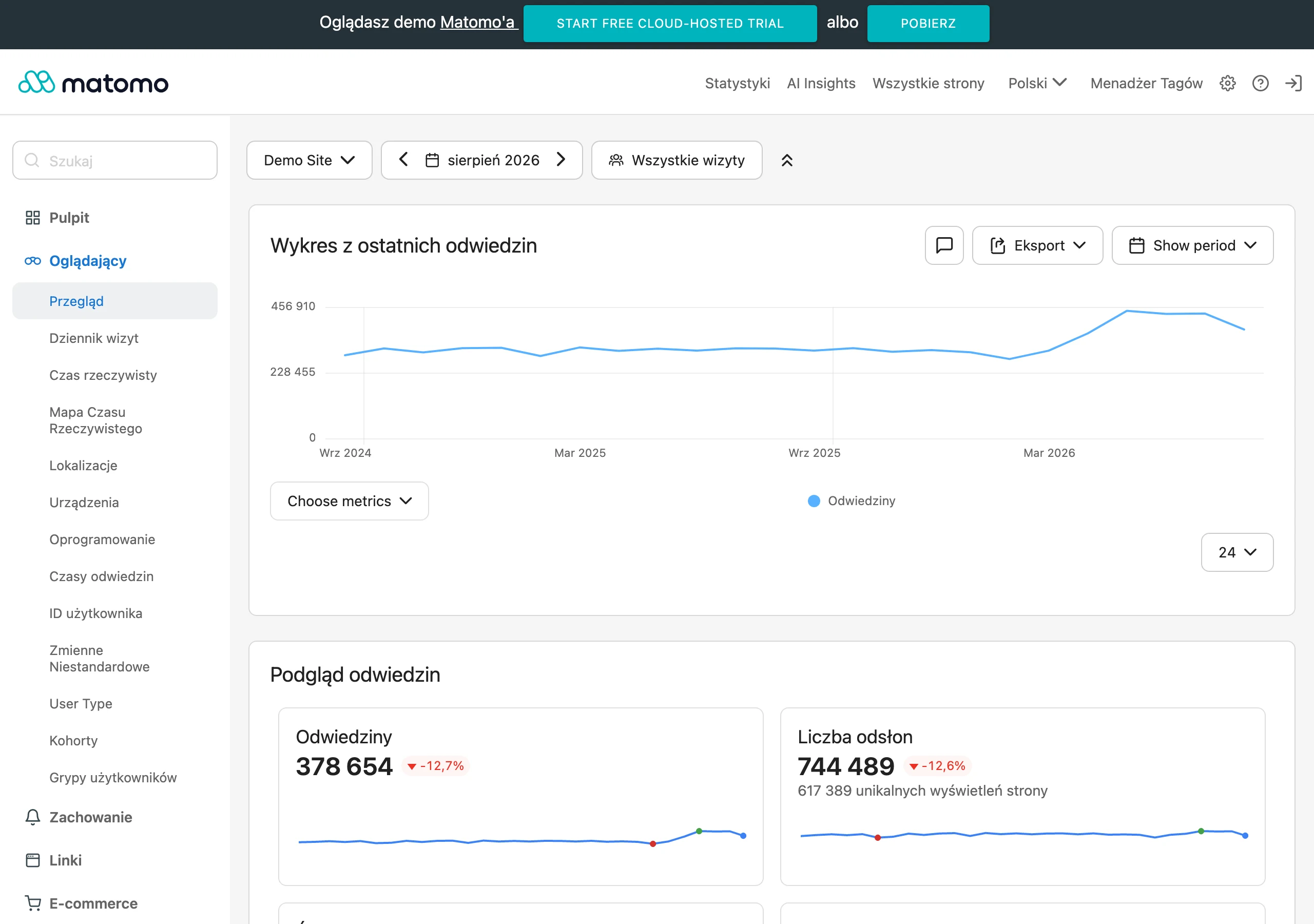
- keyword rankings,
- organic traffic,
- conversion rate.
Regular analysis of this data allows the strategy to be adapted to the current requirements of search engine algorithms.
One of the most important tools is Google Search Console. It allows you to monitor site visibility in search results, analyse click-through rate and detect technical errors. This means you can react quickly to changes and make any necessary adjustments. It is also worth using other solutions such as Ahrefs or SEMrush, which offer advanced features, including analysis of rankings, links and the competition.
Organic traffic is another key area to monitor. Tools such as Google Analytics make it possible to track:
- the number of visits to the site from search results,
- time spent by users,
- bounce rate.
This information helps to assess whether the content is attractive and meets the audience’s needs.
Monitoring conversions is no less important. Metrics such as the number of orders in an online store or quote requests show the real business benefits resulting from SEO activities. It is worth regularly checking the rankings of keywords for the most important product or service categories in order to have a full picture of the effectiveness of the actions.
Effective monitoring of SEO effectiveness requires consistency and the use of the right analytics tools. This allows you to optimise the strategy on an ongoing basis and achieve ever better results in search results.
What are the differences between SEO and paid ads?
SEO and paid ads are two different marketing strategies that differ not only in their goals, but also in the speed at which results are achieved. The key difference lies in the way visibility in search results is gained. SEO (Search Engine Optimization) focuses on the natural growth of a site’s rankings through content optimisation, technical improvements and acquiring valuable external links. It is a long-term process that requires time and patience, but offers lasting benefits.
By contrast, paid ads, such as Google Ads, allow you to appear at the top of search results almost instantly. However, their effectiveness depends on ongoing funding – you pay for every click (the PPC – Pay Per Click model). Once you stop investing in the campaign, your visibility disappears. Unlike SEO, paid ads do not build domain authority or affect the long-term reputation of the site.
Costs are another important aspect. SEO is a long-term investment, which can generate organic traffic for years without the need for additional outlay beyond the initial optimisation activities. On the other hand, paid advertising requires continuous funding – the greater the visibility, the higher the spend.
The effectiveness of both methods also differs. SEO brings benefits mainly in the longer term and is more cost-effective in terms of ROI (return on investment). Paid advertising can quickly increase website traffic, but its cost can be high, especially in competitive industries.
In summary, the choice between SEO and paid advertising depends on business goals and the available budget. The long-term benefits of investing in SEO include lasting visibility and increased trust in the brand. Paid advertising, on the other hand, is an effective tool for quickly acquiring traffic and testing new marketing strategies.
How does SEO affect brand trust and UX?
SEO plays a key role in building brand trust and shaping user experience (UX). A high position in search results not only increases visibility, but also convinces audiences that they can rely on your company. This, in turn, strengthens brand authority and deepens relationships with customers.
Good SEO practices, such as content optimisation or site structure, have a direct impact on UX. Page load speed, intuitive navigation and valuable content encourage users to engage for longer. For example, mobile-friendly pages achieve a 50% higher conversion rate than those without responsive design.
High-quality content is another important factor. Articles that address audience needs not only improve ranking position, but also increase time spent on the site. Research indicates that websites offering valuable content record a 30% higher retention rate.
The importance of backlinks from reputable sources cannot be overlooked either. When your site is recommended by industry authorities, its credibility grows in users’ eyes. This affects not only visibility in search results, but also customers’ purchasing decisions.
SEO is more than just a tool for increasing website traffic. It is a strategy for building brand trust and delivering positive online experiences to users. Long-term benefits include growth in organic traffic, higher conversion rates and strengthening the company’s market position.
What are the long-term benefits of investing in SEO?
Investing in SEO offers long-lasting benefits that translate into steady growth in organic traffic and better brand visibility in search results. Thanks to a well-optimised website, companies can attract more visitors, which in turn leads to higher conversion rates and more potential customers. Importantly, these effects last for a long time without the need for continuous spending on advertising.
Another significant advantage is building brand trust. High positions in search results are seen by users as a signal of credibility. Research shows that pages appearing on the first page of Google enjoy 50% greater trust than those in lower positions. This not only improves brand perception, but also increases customer loyalty.
Long-term SEO benefits also include improved user experience (UX). Technical website optimisation, load speed and responsiveness have a direct impact on how comfortable the site is to use. Interestingly, mobile-friendly pages record a 30% higher conversion rate, which highlights the importance of adapting an SEO strategy to audience needs.
It is worth noting that the effects of SEO activities are lasting. Unlike paid advertising, which brings immediate results only while a campaign is running, website optimisation generates organic traffic for many years. Well-prepared content can attract visitors even several years after publication.
For financial institutions or banks, investment in SEO is also a way to build industry authority. High positions for keywords related to financial services not only increase visibility, but also strengthen the perception of the company as an expert in its field.
FAQ
Frequently asked questions
Is SEO with guaranteed results a good idea?
Usually not, because promises of guaranteed rankings are most often unrealistic. It is better to focus on a long-term strategy that delivers more lasting results.
Why do SEO companies offer a guarantee of results?
They often do this as a marketing tactic to attract clients looking for quick results. Such assurances are meant to make the offer stand out, but they do not change the fact that results cannot be reliably guaranteed.
Why can’t an SEO agency guarantee a specific position in Google?
Rankings depend on many variables over which the agency has no full control. They are influenced, among other things, by algorithm updates, competitor activity and changing user behaviour.
What external factors affect search results?
The most important are changes in Google’s algorithms, competitor activity and market trends. User behaviour also matters, and in local SEO, reviews and geographic factors are additionally important.
Which SEO methods are most effective?
The best results come from combining quality content, technical website optimisation and building valuable external links. Keyword analysis, position monitoring and regular content updates are also important.
What are ethical SEO practices?
These are actions that comply with search engine guidelines and are based on transparency and quality. They include creating valuable content, technical optimisation and acquiring natural links, without spamming or artificial tricks.