

There are many different metrics related to using websites. Some are closely linked to time. One of them is the so-called “dwell time”, or time spent using a page. It is worth finding out more about it.
What is dwell time in SEO?
Dwell time refers to the amount of time a user spends on a page from the search results before returning to the results page (SERP). It is a measure of the user’s waiting time, showing how long they stay on the page from the moment they click a search result until they leave the page.
Let’s assume you are searching for “przepis na domowe pesto” (recipe for homemade pesto). You click on the first organic result, which turns out to be an unstructured article in which there is some personal story by the author before the recipe. In addition, the page contains lots of ads.
As a result, you return to the results page after just 10 seconds. In this case, the dwell time is 10 seconds.
You then visit another page that contains a useful and easy-to-understand recipe. You use it and spend five minutes on the page. In this case, the page dwell time is much longer.
Dwell time is not a confirmed Google ranking factor. However, it can help you check user interest in your website.
- 01Time on pageFrom click to return
- 02Short dwell timeQuick return to SERP
- 03Long dwell timeThe user engages with the content
- 04Value for SEOIndicates content quality
Dwell time measures the quality of user engagement, indicating how valuable the found content is.
Is dwell time a ranking factor?
Bing was the first search engine to mention dwell time in 2011. It described dwell time as “a signal we observe” to determine quality. But is dwell time a ranking factor in Google? Most likely not.
Some SEO specialists believe that dwell time affects rankings because Google has revealed that it may influence machine learning algorithms. However, there is no clear evidence.
In 2019, Gary Illyes from Google said on Reddit that dwell time “is rubbish” and that “search is much simpler than people imagine”.
The important thing is that a lower dwell time does not necessarily mean low content quality or user dissatisfaction. For example, a user may have found the information they needed at the top of the page and then quickly returned to the search results page (SERP).
This, in turn, means that the page did what it was supposed to do and fully satisfied the user’s search intent (the reason why someone is searching for something). That is exactly what Google wants. As a result, dwell time does not seem to be a ranking factor. At least not a direct one.
Even so, dwell time can still provide insight into various things about your users. If they stay on your site longer, it may mean that your content is engaging for them. Persistently low dwell times, in turn, may indicate that there are some issues causing users to leave the page.
Dwell time vs bounce rate and time on page
Many people confuse the meaning of dwell time with bounce rate and time on page. However, these terms mean different things.
All three of these metrics measure user engagement. However, bounce rate and time on page differ from dwell time in that they do not tell you whether the user returned to the search results page (SERP).
Here is a breakdown of the metrics that people often confuse with dwell time:
- bounce rate – a bounce occurs when a user lands on a page and spends less than 10 seconds on it, then leaves before clicking anything or carrying out any other interaction with the page. In other words, bounce rate checks sessions in which the user did nothing on the page,
- time on page – time on page tells you how long a user spends on a page before clicking something else (e.g. another page on your website or an external page). This metric is defined by two clicks. The first checks the user onto the page, and the second allows them to leave it.
- 01Bounce rate< 10s, no interaction
- 02Time on pageSession length
- 03Dwell TimeTime before returning to the SERP
They all measure engagement, but only Dwell Time takes the return to search results into account.
How to calculate dwell time?
Dwell time can indicate audience engagement, so it is no surprise that you may want to know how to measure this factor. The truth is that there is no formula for calculating dwell time.
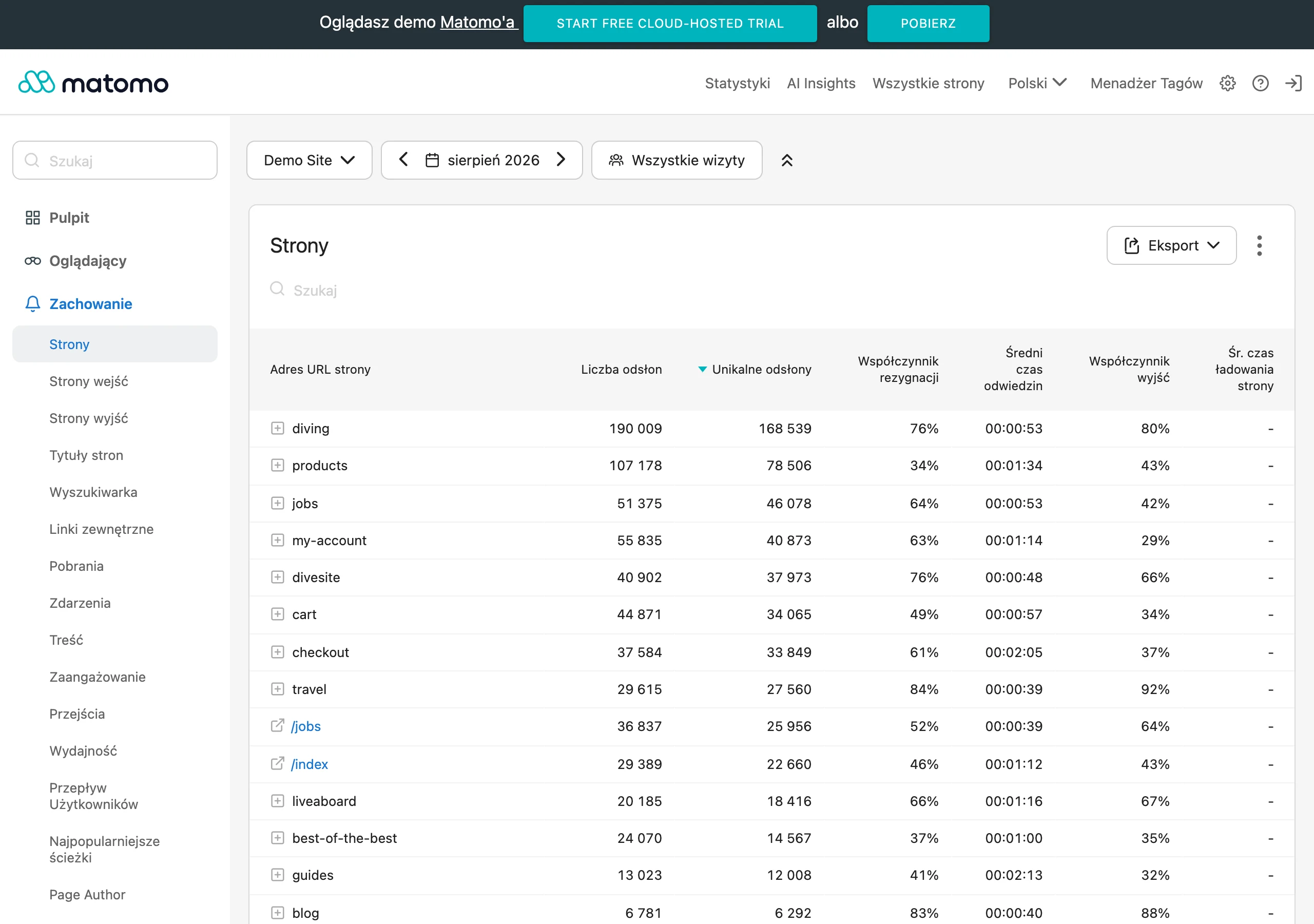
However, you can work around this problem by using the average session duration metric available in Google Analytics. This metric shows the average time spent by a user who landed on the page.
Important note – this is not an exact measurement of usage time. The average session duration metric measures the time spent by a user across the entire website, not on a single page. It also does not tell you when users return to the SERP.
On the other hand, understanding how much time users spend on your website can indicate their level of engagement (similar to dwell time).
Log in to your Google Analytics account. Then go to “Behavior” > “Site Content” > “Landing Pages”.
Click “+ Add Segment”. Then tick the box next to “Organic Traffic”. Click “Apply”. This way you can review organic traffic data (e.g. search results that do not come from paid ads).
You will then see a column titled “Avg. Session Duration” (average session duration). Like other metrics, average session duration helps you determine what is working properly and what needs improvement.
Let us assume that you are reviewing the average session duration for different pages. One stands out from the others with a 4-minute session time. For the remaining pages, this time is shorter than two minutes. Pay attention to the page with the longest session. What makes it different? Maybe it contains more text, uses custom visual elements, or has video content?
Of course, there are some methods for improving dwell time. These will be presented later.
Tip – when using Google Analytics 4, you can also use the metric called “Average Engagement Time” to find out how long users are actively engaging with your page.
Average time on page
Industry standards for average dwell time are between 2-4 minutes. That is usually how long it takes to browse a page and get used to its layout. You will see this industry standard in Google Analytics when looking for benchmark metrics. To find these metrics, go to “Audiences”, and then “Benchmarking” on the left-hand side of the screen.
Then decide whether you want to see industry standards for devices, channels or locations. For our purposes, let us check the industry standard for “Business and Industry” on devices. Based on the data obtained, you can see that most businesses record average sessions of 2-3 minutes.
Most marketers agree that it is rare to record an average session duration longer than 10 minutes or shorter than a minute. If you have a goal you are aiming for, it usually takes 2-4 minutes.
When looking at metrics, it is a good idea to pay attention to all of them so that you have a complete picture of your website’s performance. If you have high rankings in the SERP, it means your SEO efforts are excellent, but if your website does not provide useful information, your session time may be low.
- 01Industry standard2-4 minutes
- 02Google AnalyticsFind in Benchmarking
- 03For businessAverage 2-3 minutes
Most business companies record an average session time of 2-3 minutes, rarely exceeding 10.
How to increase Dwell Time?
Whether or not you believe dwell time is a ranking factor, getting people to spend more time on your website is very good.
Here are a few methods for increasing dwell time and keeping visitors on the site for longer.
Meet search intent
Search intent is the reason a user types something into a search engine. Users are less likely to stay on a page if it does not provide the information they are looking for. That is why you should always take into account what users want and try to help them achieve their goals through your content.
There are four main search intent categories:
- navigational – users are looking for a specific page (e.g. “Google Search Console login”),
- informational – users are looking for information on a given topic (e.g. “what is dwell time”),
- commercial – users are looking for information before making a purchase (e.g. “best inflatable pool”),
- transactional – users want to carry out an action or make a purchase (e.g. “buy dog food”).
Create longer (and better) content
This is logical. If you place more content on a page, it will take people longer to consume it. The result will be an increase in dwell time. Of course, it is not just quantity that matters, quality is also key. Users will probably leave the page if they read 1-2 paragraphs of poor-quality content.
Focus on user experience
Google prefers pages where user experience is a priority. You need to take into account both on-page SEO factors (e.g. content optimised for SEO) and technical SEO factors (such as page speed).
Here are a few ways to improve readability and the overall user experience associated with a page:
- easy-to-scan content – format content using main and subheadings. Also organise the content using bullet lists and short paragraphs,
- loading time – make sure the main content of your page loads in 2.5 seconds or less,
- browser compatibility – check whether your page loads correctly by testing it in different browsers, such as Safari, Chrome, Opera and Firefox,
- navigation – make sure users can easily find what they are looking for thanks to navigation bars,
- technical SEO – monitor page load time, check the code and page markup, and review the page for other issues,
- create mobile-optimised pages – every page should have a mobile-friendly version
Make your content interesting and engaging
Improving dwell time requires analysing the content on the page and determining what is working properly and what is not. The key to keeping users engaged for longer is to give them reasons to stay on the page longer, even if you have already answered the main question.
For example, you could create a page that answers the question “how often should I change the oil in my car?”. You can technically answer this question in one sentence, at the top of the page. However, you can provide additional value for users in the following ways:
- include a breakdown of costs depending on the vehicle type,
- warn users about common problems that arise when you do not change the oil in a vehicle,
- add a chart covering an annual oil change schedule,
- etc.
Here are other examples of how to make users stay on the page longer:
- provide useful visual elements such as screenshots, illustrations and infographics,
- include relevant videos that will make users spend more time on your page,
- provide additional context with specific examples,
- improve the site speed so that users do not return to the SERP before the page loads,
- give visitors the opportunity to engage (e.g. through comments, ratings, etc.).
Take care of good internal linking
Dwell time is the amount of time someone spends on a page before returning to the SERP. Therefore including internal links to other blog posts or landing pages is a great opportunity to keep the user on the site for longer.
Follow good linking practices to build the right architecture for the SERP and user experience. It is crucial to make sure your links are relevant to the topic being discussed. For example, a blog post about social media should link to another post about Instagram or YouTube, rather than about website creation.
Include multimedia elements
Many readers may be tired of reading too much text, so consider breaking up the page with embedded videos, podcasts, illustrations and other multimedia elements. This will help keep readers interested.
Along with improving dwell time, embedding such elements on the page can increase traffic to other types of content on your brand. For example, embedding a YouTube video in a blog post (where appropriate) can increase views on your YouTube channel. Alternatively, including a link to a podcast can increase the number of listeners.
Summary
It can be said that dwell time is a factor that indicates the quality of your content and user experience (UX). If it is low, then the content and UX are simply too weak. So think about how you can refresh your content to better meet users’ needs and search intent. Follow best practices for pages so that users are satisfied and spend plenty of time on your site.
FAQ
Frequently asked questions
What is dwell time in SEO and how is it calculated?
It is the time spent on a page from clicking a search result to returning to the results page. The article stresses that there is no single formula for calculating it.
Is dwell time a Google ranking factor?
It is most likely not a direct ranking factor. Google has not clearly confirmed that it affects positions.
Why does a low dwell time not always mean poor content?
A user may have found the needed information very quickly and returned to the SERP because the page satisfied their intent. A short time therefore does not necessarily mean dissatisfaction.
How is dwell time different from bounce rate?
Bounce rate refers to a situation where a user lands on a page and does not carry out any interaction. Dwell time additionally shows whether the user returned to the search results.
How do you check dwell time in Google Analytics?
The article suggests using average session duration, and in GA4 also Average Engagement Time. However, it is important to remember that this is not an exact measurement of dwell time for a single page.
How can you increase dwell time on a site?
Matching search intent, creating better and longer content, and focusing on UX help. It is also worth adding internal linking, multimedia and ensuring the page loads quickly.