

Are you wondering how to effectively increase traffic on your blog? From SEO optimisation and updating older content to the power of content marketing and social media activity – there are many strategies that can help attract interested readers. Find out how to use paid advertising, collaboration with other creators and analytics tools to not only improve your site’s visibility, but also build long-term online success!
What are effective strategies for increasing blog traffic?
To attract more visitors to a blog, it is worth implementing a range of methods that will appeal to a wider audience. One of the key aspects is SEO optimisation, that is, tailoring content to the requirements of search engines. By choosing the right keywords, creating meta descriptions and improving page loading speed, you can significantly increase organic traffic.
Another important step is updating older posts. Regularly adding to and modernising existing articles ensures they remain valuable for readers, while at the same time signalling to search engines that the site is active.
It is also worth focusing on link building, that is, acquiring backlinks from other websites. Collaborating with other bloggers, writing guest posts or being active on forums are effective ways to build the domain’s authority and improve rankings in search results.
You should not forget about content marketing. Creating engaging content – whether in the form of catchy headings, infographics or video materials – attracts users’ attention and encourages them to share it. Regularly publishing new posts and promoting them on social media is another way to increase traffic.
If we want faster results, it is worth considering paid activities, such as PPC (Pay-Per-Click) campaigns or Google Ads advertising. These allow you to reach a target audience through personalised ads – this is particularly useful for new blogs or when promoting specific content.
It is also crucial to monitor results. Tools such as Google Analytics allow you to track traffic sources, user behaviour and the effectiveness of individual strategies. This makes it possible to better tailor actions to the audience’s needs and continuously optimise results.
It is also worth thinking about offline activities. Organising webinars, taking part in conferences or publishing in the press can significantly increase the blog’s recognition and attract new readers.
To sum up, to effectively increase traffic on a blog, you need to combine a range of methods – from SEO optimisation through content marketing to activity on social media and data analysis. The most important thing is to act regularly and deliver valuable content that meets the audience’s needs.
- 01SEO optimisationKeywords, speed, meta descriptions
- 02Content updatesAdding to and modernising posts
- 03Link BuildingAcquiring backlinks, collaboration
Implement these varied methods to attract a wider audience and increase organic traffic.
SEO optimisation as a key element
SEO optimisation is a key element in building traffic on a blog. It focuses on two main areas: the technical aspects of the site and creating search engine-friendly content.
The first of these, technical optimisation, covers a range of actions aimed at improving the site’s functionality. The key is:
- speeding up page load time,
- making it mobile-friendly,
- creating an XML sitemap.
You also cannot forget about security – implementing the HTTPS protocol is now standard, which affects SEO in Google.
The second pillar is the right selection of keywords and their natural incorporation into the content. Keywords should reflect user intent, which increases the chance of a higher position in search results. However, the mere presence of keywords is not enough – the content must be valuable and address readers’ needs in order to attract their attention and encourage them to keep browsing.
No less important is link building, that is, acquiring links from other websites. Working with other bloggers, writing guest posts or exchanging links help build domain authority and increase the blog’s visibility. The more high-quality links point to your site, the better it is for its position in search results.
With well-executed SEO optimisation, you can significantly increase organic traffic to the blog. This means not only more visitors, but also better results for the entire project. However, it is worth remembering that SEO is a process that requires patience and regular work – search engine algorithms are constantly changing, and strategies need to be adapted to those changes.
The importance of updating old content
Updating older posts is one of the most effective ways to increase traffic on a blog. By regularly expanding and modernising existing articles, you can significantly improve their position in Google search results, which translates into greater site visibility. Fresh and up-to-date content attracts users’ attention, increasing their engagement and time spent on the site.
Modernisation can involve:
- adding new data, statistics or examples that better reflect current realities,
- adapting keywords to current search trends,
- optimising meta descriptions and headings for SEO.
Thanks to these measures, older posts gain new value for both readers and search engine algorithms.
Regular updates signal to Google that the site is active and provides valuable information. This in turn translates into better indexing and higher positions in search results. As a result, the blog attracts more organic traffic without the need to create completely new content from scratch.
It is worth remembering that updating old posts is not only an SEO matter. It is also a way to build trust among users who appreciate access to reliable and up-to-date information. This increases the chance of readers returning and sharing the content with other people.
In short, regular updates are an investment in the blog’s long-term success. They not only improve visibility, but also build relationships with the audience.
- 01Understanding audience needsAnalysis of the target group.
- 02Creating valuable contentThe foundation of an effective strategy.
- 03Encouraging interactionBuilding loyalty.
- 04Building brand authorityLong-term success.
Effective content marketing is not just traffic, but the foundation for building long-term brand authority and reader loyalty.
The role of link building in increasing visibility
Link building is a key element affecting a blog’s visibility in search results. High-quality links from other websites increase domain authority, which directly translates into higher positions in Google. The more valuable links point to your site, the greater the likelihood that algorithms will recognise it as a reliable source of information.
An effective link building strategy includes:
- collaborating with other content creators,
- publishing guest articles,
- being active on forums and industry groups.
Exchanging links with reputable sites not only brings in more organic traffic, but also strengthens audience trust. It is also important to create engaging content that naturally encourages others to share it and link to it.
Backlinks have a significant impact on site indexing by search engine crawlers. The more links point to your blog, the faster new materials are noticed and included in search results. This is particularly important for blogs operating in competitive topic niches.
Link building is not only a tool for improving visibility in Google – it is also a way to build long-term domain authority and attract valuable organic traffic.
How does keyword selection affect a blog’s visibility?
Choosing the right keywords is hugely important for a blog’s visibility online. They are what determine how high a page appears in search results. Well-chosen keywords make it possible to create content that genuinely responds to users’ needs, which in turn leads to better rankings in Google.

To find effective keywords, it is worth using tools such as Google Keyword Planner or SEMrush. They not only allow you to analyse the popularity of individual queries, but also to spot those that are less competitive yet still valuable. However, the key is not only finding the keywords themselves – it is equally important to understand user intent. Is the user looking for information, a specific product, or perhaps a service? Matching your content to those needs increases audience engagement and makes people spend more time on the site.
It is worth remembering that keywords should be woven naturally into the text. Overuse can have the opposite effect – Google’s algorithms may treat it as an attempt at manipulation and lower the page’s ranking. That is why maintaining a balance between optimisation and readability is so important.
Well-chosen keywords influence not only a blog’s organic visibility. They also matter enormously for marketing activities – both PPC campaigns and content marketing. They make it possible to reach a larger audience and increase traffic to the site, which ultimately translates into better results for the overall online strategy.
- 01Building a listForm placed in a visible spot
- 02Valuable incentivesOffer something extra, an e-book
- 03Engaging contentRegular, interesting materials
The secret lies in delivering content that is interesting and useful, while maintaining regular contact and building lasting relationships.
How does understanding keywords help create valuable content?
Understanding keywords is the foundation of creating valuable content that attracts audience attention and increases a blog’s visibility. Analysing keywords makes it easier to understand users’ needs and tailor materials to their expectations, which translates into higher positions in search results and greater reader engagement.
With tools such as Google Keyword Planner or SEMrush, you can identify keywords with high potential but low competition. However, the key is not only finding the right keywords, but also understanding user intent — whether they are looking for information, a guide, or a specific product. It is intent that determines how effectively we can respond to their needs.
Creating valuable content requires keywords to be woven naturally into the text. Overusing them can have the opposite effect and lower a page’s ranking in search results. That is why it is worth focusing on substantive articles that answer users’ questions and offer practical solutions.
Well-chosen keywords also have an impact on other areas of internet marketing. They form the basis of effective PPC campaigns and content marketing strategies. They make it possible to reach a wider audience and increase organic traffic to the site, making the blog more visible and attracting valuable visitors.
It is worth remembering that understanding keywords is not just a matter of SEO optimisation – above all, it is a way of creating content that genuinely responds to audience needs and builds the blog’s long-term success.
What are the methods of generating traffic through content marketing?
Content marketing is one of the most effective strategies for attracting traffic to a blog. The key to success is creating valuable and engaging content that not only attracts the audience’s attention, but also encourages them to interact. Here are a few proven methods worth implementing:
- valuable articles – long, in-depth posts with practical advice meet users’ needs and increase time spent on the site,
- click-worthy headlines – well-crafted titles attract attention and encourage clicks; they should be clear, intriguing and include keywords,
- using visual content – infographics, photos or diagrams make the text more varied and make information easier to absorb, as well as increasing reach on social media,
- video format – short tutorials, interviews or presentations effectively engage the audience and attract new readers,
- publishing consistently – regularly adding new content signals activity to Google’s algorithms, which positively affects its positions in search results,
- building relationships with readers – replying to comments and encouraging discussion increases engagement and builds audience loyalty,
- collaborating with other creators – writing guest posts on other blogs or inviting experts to co-create content makes it possible to reach a new audience,
- promotion on social media – sharing content on platforms such as Facebook, Instagram or LinkedIn increases its visibility and attracts additional traffic,
- updating older posts – modernising existing articles by adding new data or optimising them for SEO can significantly improve their positions in search results,
- long-form content – articles over 2000 words are more likely to be shared and are better rated by Google’s algorithms, which translates into greater organic traffic.
Thanks to these methods, content marketing becomes not only a tool for generating traffic, but also a way to build long-term brand authority and reader loyalty.
Creating engaging content
Creating engaging content is the foundation of effective content marketing. It attracts the audience’s attention and generates more traffic on the blog. But how do you achieve this effect? The key is to focus on a few important elements.
First and foremost, understanding the audience’s needs is the basis of success. Analysing the target group makes it possible to tailor the message to their expectations and challenges, which translates into greater engagement. Analytical tools such as Google Analytics can help you better understand user behaviour.
Another important aspect is creating content that solves specific problems. Guides, case studies or practical tips are far more valuable than general information. For example, the article “5 ways to save energy at home” will be more useful than a text dealing with ecology in general.
Nor should you forget about the proper use of keywords. Well-chosen phrases support SEO optimisation and increase the blog’s visibility in search results. The key, however, is to weave them in naturally so as not to disrupt the flow of reading.
Multimedia, such as infographics, photos or videos, not only add variety to the content, but also make information easier to absorb. Research indicates that articles containing images are shared 94% more often than those without them. It is also worth noting the growing popularity of video formats – according to Cisco, by 2024 video-related traffic will account for as much as 82% of all internet traffic.
The final key element is uniqueness and standing out from the competition. Creating original content that offers a fresh perspective or valuable data attracts the attention of both readers and search engine algorithms. Examples include unique in-house research or exclusive interviews with industry experts.
With these strategies, creating engaging content becomes a powerful tool for attracting organic traffic and building the blog’s long-term authority.
The importance of attractive headlines
Attention-grabbing headlines play a key role in attracting visitors to a blog. They are the first element users come across – both in search results and on social media platforms. They not only encourage clicks, but also affect the site’s SEO in Google.
Good headlines should be clear, intriguing and include keywords that match the audience’s needs. Instead of a general title such as “How to save money?”, it is better to go for a more specific example: “5 proven ways to save 500 zł a month”. This approach not only attracts readers’ attention, but also helps search engine algorithms understand the topic of the article.
According to research, headlines containing numbers (e.g. “7 tips”) or questions (e.g. “How to start investing?”) generate 20% more clicks than standard forms. It is also worth using emotion-triggering words such as “effective”, “simple” or “quick”, which can encourage users to read the content.
The optimal headline length is around 50-60 characters – this helps avoid truncation in search results and gives readers a clear idea of the article’s topic.
Creating engaging headlines is not only a way to increase organic traffic. It is also an effective tool for building audience engagement and improving the CTR (Click-Through Rate). It is worth experimenting with different formats and monitoring their effectiveness using tools such as Google Search Console or A/B tests.
The role of visual content and video format
Visual content, such as photos, infographics or diagrams, plays a key role in attracting readers’ attention and increasing traffic to the blog. Research shows that articles containing images are shared as much as 94% more often than those without graphic elements. They not only add variety to the text, but also make information easier to absorb, which translates into greater audience engagement.
No less important is the video format, which effectively engages users. According to Cisco forecasts, by 2024 video-related traffic will account for as much as 82% of all internet traffic. Short tutorials, interviews or presentations not only attract attention, but also encourage people to spend longer on the site. On social media, videos generate much greater interaction than traditional text posts.
Introducing visual content and video materials also affects the site’s SEO. Google algorithms favour sites rich in multimedia, which can significantly improve the blog’s visibility in search results. In addition, such materials are more readily shared by users, which translates into greater reach and attracts new visitors.
However, it is worth remembering that every graphic or video element should be consistent with the blog’s topic and provide valuable information. Only in this way can you not only attract the audience’s attention, but also build long-term brand authority.
How can social media help increase traffic to a blog?
Social media is an indispensable tool for attracting more visitors to a blog. Thanks to it, you can not only reach new readers, but also build a lasting bond with them. One of the most effective ways is systematic sharing of valuable content on platforms such as Facebook, Instagram, LinkedIn or Twitter. Posts containing links to articles attract attention and encourage users to click. It is also crucial to ensure visual appeal – photos, infographics or short videos significantly increase the chance of shares and interactions.
No less important is interaction with the audience. Replying to comments, taking part in discussions and holding conversations build authentic relationships that encourage people to visit the blog more often. It is also worth making it easier for readers to share content by adding share buttons in visible places on the site.
Tracking popular hashtags and current trends is another way to reach a wider audience. Using the right tags increases the visibility of posts and attracts people interested in a given topic. Organising competitions or promotional campaigns also brings great results – prizes motivate people to take part and share content with friends.
It is also worth considering paid advertising campaigns, which make it possible to quickly reach a specific target group. Personalised ads can significantly increase the number of visits to the blog, especially when they are well matched to the audience’s needs.
Social media is a powerful tool that can significantly affect a blog’s popularity. The key to success is consistency in publishing, actively engaging the audience and using a range of promotional methods – both organic and paid advertising activities.
Social media marketing as a way to build a brand
Social media marketing is a powerful tool that helps not only in building a brand, but also in increasing traffic to a blog. Thanks to a presence on platforms such as Facebook, Instagram, LinkedIn or Twitter, you can reach a wider audience. The secret lies in publishing content systematically that attracts attention and encourages people to visit the site.
One of the most important aspects is brand building. Consistent communication both visually and in terms of content makes it possible to create a strong image for the blog. It is worth taking care of a unique graphic style for posts and using various forms of communication – photos, infographics or short videos. Such actions not only attract attention, but also increase audience engagement.
Social platforms also provide the opportunity for direct contact with readers. Replying to comments, leading discussions or organising competitions are great ways to build relationships with the audience. Sharing links to new articles, on the other hand, translates into greater organic traffic.
It is also worth remembering hashtags, which are key to increasing content visibility. Appropriately chosen tags help you reach people interested in a given topic. Tracking current trends and adapting content to users’ needs is another step towards success.
Social media marketing is not just free organic activity. Paid advertising campaigns make it possible to quickly reach a specific target group. Personalised ads can significantly increase the number of visits to the blog, especially when they are well matched to the audience’s needs.
To sum up, social media marketing is an effective tool both for building a brand and attracting new readers. The key to success is consistent publishing, active audience engagement and using a variety of promotional methods – both organic and paid advertising activities.
Using influencer marketing
Using influencer marketing is one of the most effective strategies for increasing traffic to a blog. By working with people who have a large following, you can reach a new audience that may be interested in your blog’s topic. By promoting content to their fans, influencers not only generate greater reach, but also attract new readers.
However, it is crucial to choose the right person – someone whose profile and values are aligned with your site’s topic. This ensures that the promoted content will be authentic and credible to the audience. Collaboration can take various forms:
- product or service reviews,
- joint projects,
- competitions engaging the community.
Research confirms that influencer recommendations have a huge impact on consumers’ purchase decisions. According to a Nielsen report, as many as 92% of people trust the opinions of well-known figures more than traditional advertising. That is precisely why it is worth investing in this type of marketing activity – they not only increase traffic on the site, but also build brand awareness and strengthen its image. This is especially important for new blogs or those operating in competitive topic niches.
To assess the effectiveness of working with influencers, it is worth using analytics tools such as Google Analytics or platforms for tracking marketing campaigns. They make it possible to better understand the impact of the activities and adapt the strategy to the needs of the audience and the brand’s goals.
How can a newsletter increase traffic to a blog?
A newsletter is a powerful tool that can significantly increase traffic to your blog. By regularly sending valuable content to subscribers, you not only maintain contact with current readers, but also encourage them to visit the site more often. The secret lies in delivering information that is both interesting and useful to the audience.
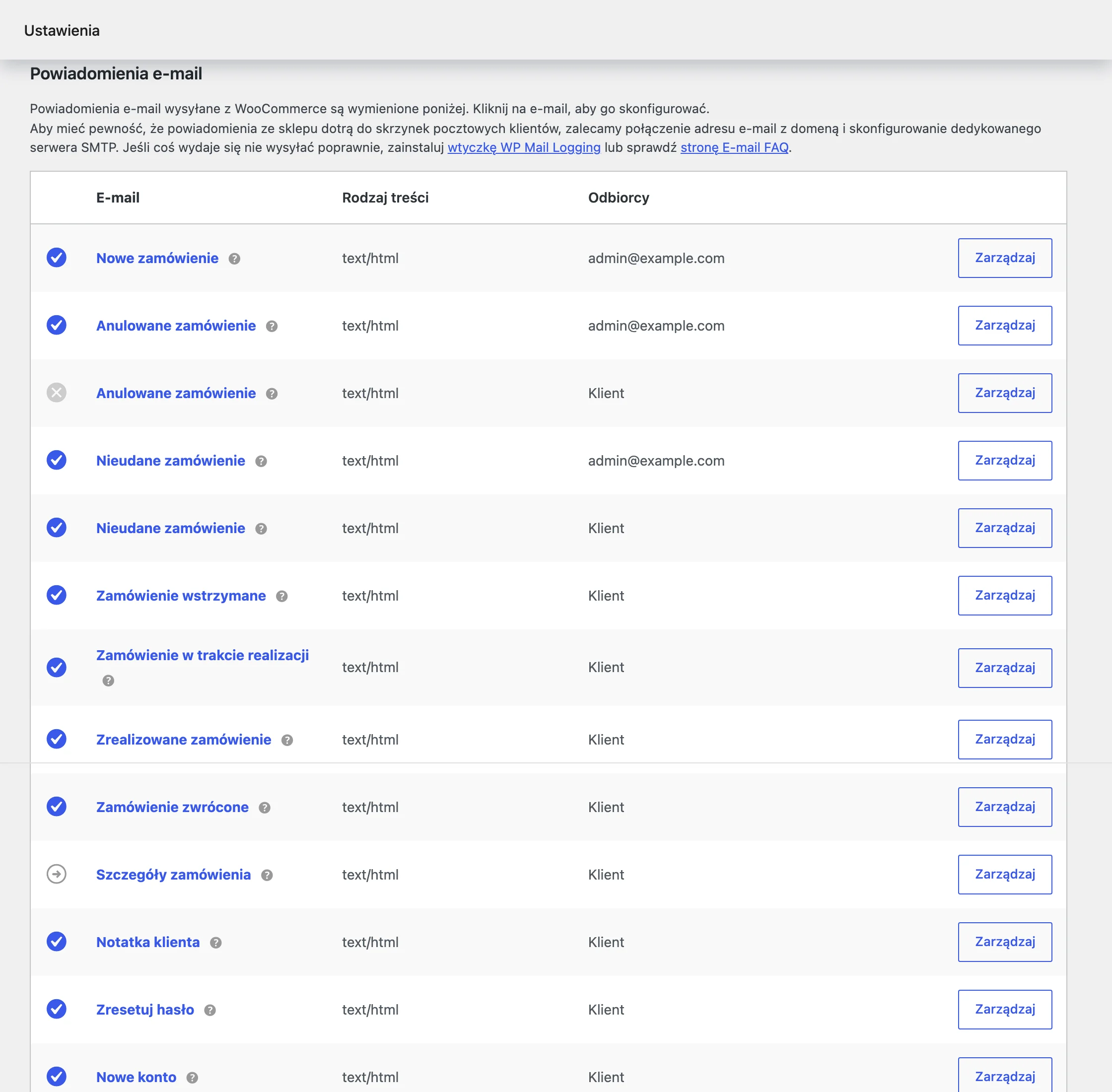
The first step is to build a subscriber base. This can be done by placing the sign-up form in a visible place on the site, e.g. in the header or footer. It is also worth offering something extra – a free e-book or access to exclusive materials – in return for joining the mailing list.
The next key element is preparing engaging content. A newsletter should include not only links to the latest blog posts, but also additional materials such as practical tips, case studies or interviews available only to subscribers. This will give readers a reason to check the site regularly and share the content with others.
Sending consistency also plays a huge role. Too frequent newsletter bombardment can put audiences off, while too infrequent emails may make them forget about your site. The optimum frequency is usually once a week or twice a month – it all depends on the blog’s topic and your audience’s preferences.
Don’t forget about personalisation too. The more personalised the content, the greater the chance of attracting readers’ interest. This can be achieved by segmenting the mailing list and tailoring the message to specific audience groups.
To sum up, a newsletter is an effective marketing tool that can significantly influence traffic to your blog. The key to success is regularly delivering valuable content and building relationships with readers through personalisation and engaging materials.
Newsletter as a form of communication with customers
A newsletter is a powerful tool that allows you to communicate effectively with customers. It makes it possible to keep audiences up to date with news, promotions or the latest blog posts. This is not only a way to maintain contact with current readers, but also an encouragement to visit the site more often. The secret to success is delivering valuable content – content that is both interesting and practical for the audience.
Sending newsletters is also an excellent way to build relationships with readers. Personalising the message and tailoring it to specific audience groups significantly increases engagement and subscriber loyalty. Regular updates on new articles, exclusive materials or special offers make readers more likely to return to the blog and share the content with their friends.
What’s more, a newsletter can become a platform promoting other marketing activities, such as competitions or webinars. This tool not only attracts more traffic to the site, but also helps build long-term brand authority. It strengthens the brand’s image in the eyes of the audience, which translates into greater trust and loyalty towards the brand.
Sending newsletters to visitors
Sending newsletters to visitors is a great way to increase traffic on the blog. Through regular contact with readers, you encourage them to return to the site and interact with new content. This is not only a tool for informing, but also an effective method of building lasting relationships with the audience.
To make a newsletter valuable, it is worth delivering content that meets subscribers’ needs. You can share:
- links to the latest articles,
- exclusive content,
- practical tips,
- previews of upcoming events.
This gives readers motivation to check the blog regularly and actively take part in its development.
Personalisation plays a key role here. Segmenting the mailing list and tailoring content to specific audience groups significantly increases engagement and loyalty. For example, people interested in a particular topic can receive personalised article recommendations or special offers tailored to their preferences.
Regularity of sending is equally important. Messages that are too frequent can irritate recipients, while messages that are too rare can make them forget about your site. The optimal frequency is usually once a week or twice a month, depending on the blog topic and readers’ expectations.
A newsletter can also serve as a platform promoting other marketing activities, such as competitions or webinars. This not only attracts more visitors to the site, but also strengthens the brand image and builds its authority in the eyes of the audience.
What are the benefits of paid ads in increasing traffic on a blog?
Paid ads, such as PPC (Pay-Per-Click) campaigns or Google Ads, are powerful tools that can significantly increase traffic on a blog. They make it possible to reach a broad audience in no time, which is especially valuable for new blogs or when promoting specific content. What’s more, precise targeting means the campaigns are not only effective, but also save budget.
One of the key advantages of paid ads is an immediate increase in traffic. Unlike organic activities, which take time to deliver results, PPC campaigns work straight away. This allows you to quickly test different strategies and adapt them to audience preferences.
Another advantage is the ability to target precisely. Advertising platforms such as Google Ads or Facebook Ads offer advanced options for selecting a target group. You can define not only users’ age or gender, but also their location or interests. As a result, ads reach exactly those people who are most interested in the blog’s topic.
Paid ads also make it possible to monitor results in real time. Thanks to analytics tools, you can track key metrics such as the number of clicks, conversion rate or the cost of acquiring one user (CPA). This allows you to optimise the campaign on an ongoing basis and manage the budget more effectively.
The flexibility of paid ads is also important. PPC campaigns can be easily adapted to current trends or seasonal changes in user behaviour. For example, during holidays or important industry events, you can increase the ad budget to reach a larger audience and take advantage of the moment of increased interest.
In short, paid ads are an effective way to attract new readers and reach the target audience precisely. In addition, they enable continuous monitoring and optimisation of marketing activities in real time.
Using PPC and Google Ads campaigns
PPC (Pay-Per-Click) and Google Ads campaigns are effective ways to quickly increase traffic on a blog. They make it possible to reach a specific audience precisely, which is especially useful when promoting new content or building site recognition. Ads in Google Ads are shown to users searching for specific keywords, which increases the chance of attracting valuable visitors.
One of the biggest advantages of PPC campaigns is precise targeting. You can not only define the audience’s location, age or gender, but also tailor ads to their interests or online behaviour. As a result, they reach people most interested in the blog’s topic, which translates into a higher conversion rate.
Another advantage is the immediate effect. Unlike organic activities, which require time to deliver results, PPC campaigns start working as soon as they are launched. This makes them an ideal solution for new blogs or when promoting seasonal content.
It is also worth noting the flexibility of PPC campaigns. The budget can be adjusted to current needs, and ads can be modified depending on the results. Analytics tools such as Google Analytics or the Google Ads platform make it possible to track key performance indicators (e.g. CTR – click-through rate), which allows you to optimise activities in real time.
Additionally, Google Ads offers the option of remarketing, i.e. reaching users again who have already visited the blog. This is an effective way to increase engagement and encourage them to return to the site.
In summary, PPC campaigns and Google Ads are powerful marketing tools. They allow you to quickly increase traffic to the blog and precisely reach the target audience. The key to success, however, is proper budget management and continuous optimisation of advertising activities.
What is the importance of data analysis and analytics in increasing blog traffic?
Data analysis and analytical tools are essential for building an effective blog growth strategy. Thanks to solutions such as Google Analytics, you can precisely monitor where visitors come from, how they behave on the site, and which content is the most popular. This makes it easier to understand what attracts readers’ attention and which marketing activities deliver the best results.
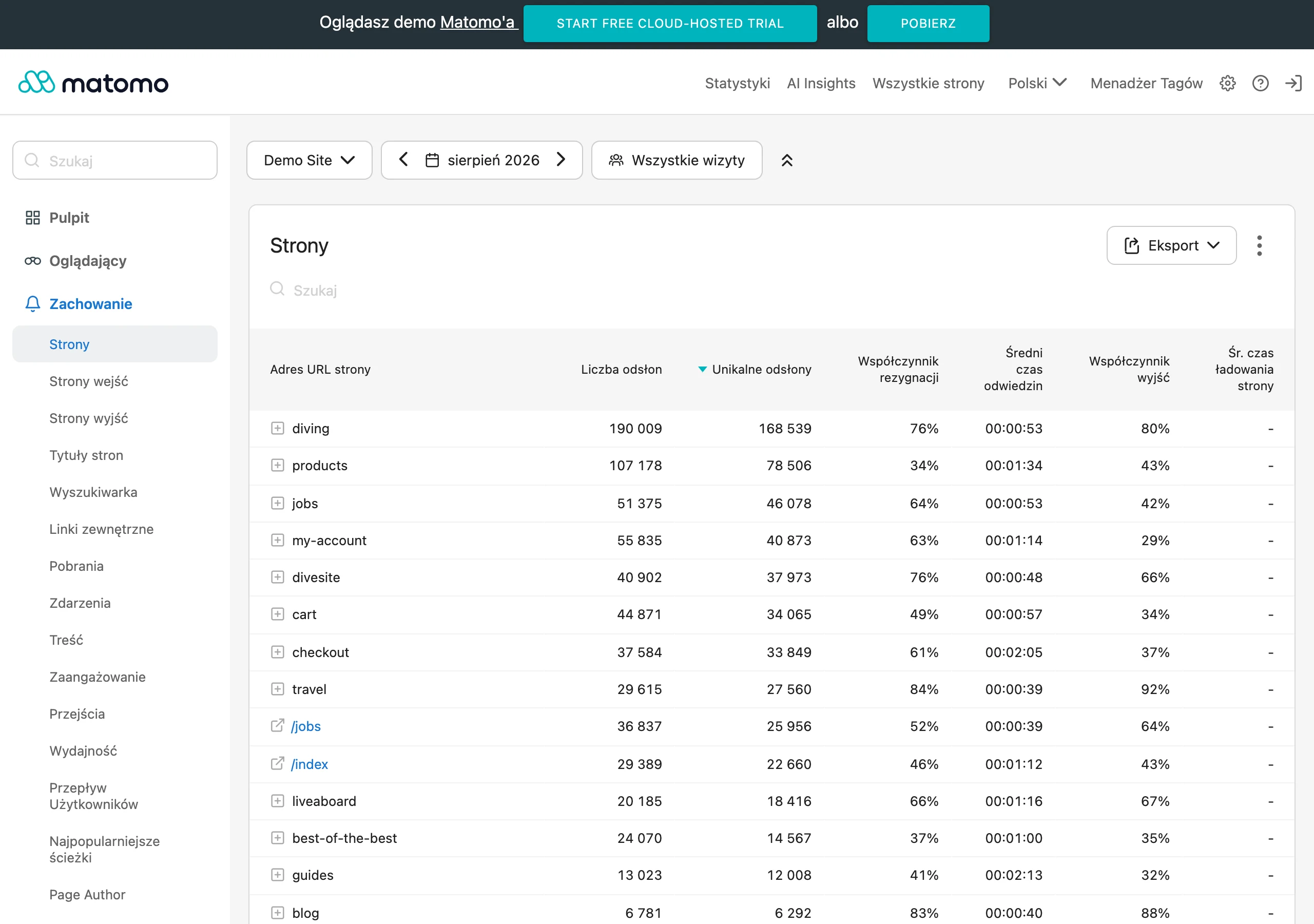
One of the key uses of data analysis is identifying trends. This allows you to adapt published materials to the current interests of your audience, which translates into greater engagement and a higher conversion rate. For example, if the data shows that guides generate more traffic than other formats, it is worth focusing on this type of content.
Equally important is tracking traffic sources. Google Analytics makes it possible to check whether users arrive at the blog from search engines, social media or external links. This allows you to plan promotional activities better – for example, increase activity on social media or invest in link building campaigns.
Data analysis also plays a key role in SEO optimisation. You can determine which keywords generate the most organic traffic and adapt existing articles to them. In addition, analytical tools make it possible to monitor the bounce rate and time spent on the page – valuable pointers when assessing content quality.
It is also worth using data to experiment with different strategies. For example, you can compare the effectiveness of long-form articles with shorter posts or check how different formats (e.g. video vs text) affect user engagement. In this way, you can continuously improve the blog and deliver valuable materials that meet readers’ expectations.
In summary, data analysis is the foundation of effective blog management. It allows you to better understand audience needs, optimise marketing activities and increase site visibility in search results. Regular use of analytical tools is the key to the long-term success of any blog.
The role of Google Analytics in measuring traffic
Google Analytics is an indispensable tool for every blogger, helping to accurately measure traffic on the site and analyse visitor behaviour. It provides valuable information about traffic sources, the popularity of individual subpages and the time users spend on the blog. This makes it easy to identify which content attracts the most attention and which marketing activities deliver the best results.
One of the key functions is monitoring traffic sources. The tool shows where visitors come from – whether from search engines, social media or external links. This data allows you to tailor your promotional strategy, for example by increasing activity on social media or focusing on SEO optimisation for specific phrases.
Another important aspect is analysis of user behaviour. Google Analytics provides detailed data on the bounce rate, time spent on the site and navigation paths. This makes it possible to assess which articles are the most engaging and which need improvement.
For blogs running marketing or sales activities, the conversion tracking feature is extremely useful. It allows you to determine which content generates the most leads or sales. This is valuable information when planning an advertising budget and optimising campaigns.
What is more, Google Analytics enables creating personalised reports that help monitor key performance indicators (KPI). Thanks to them, you can adapt your strategy to the blog’s current needs on an ongoing basis. Regular data analysis not only increases organic traffic, but also affects the overall site performance.
In short, Google Analytics is a must-have for every blogger. It allows you to measure the effectiveness of marketing activities precisely, tailor content to audience needs and plan the site’s development based on reliable data.
What are other ways to increase traffic on a blog?
In addition to standard strategies such as SEO, content marketing or social media activity, there are less obvious but equally effective ways to increase traffic on a blog. One of them is active participation in online forums related to your site’s topic. Sharing valuable knowledge and links to your own articles can attract new audiences. However, it is important to avoid pushy promotion and focus on an authentic exchange of ideas.
Another interesting approach is engaging in commenting on other blogs. Regularly adding substantive remarks under posts on similar topics can draw the attention of both authors and their readers. The key here is quality – comments should add something new to the discussion, encouraging others to visit your site.
Collaborating with other creators is another effective method. Writing guest articles for popular blogs or inviting other authors to collaborate allows you to reach a wider audience. Mutual promotion and the exchange of experience benefit both sides while also building a network of valuable contacts.
Organising webinars is also a great way to attract attention. Sharing knowledge in the form of live streams or online training not only strengthens your authority, but also encourages participants to visit the blog for more information. Recordings of such events can later be shared as additional value for readers.
Don’t forget about offline activities too, such as taking part in industry conferences or organising networking meetings. Building real-life contacts often translates into greater online visibility and attracts new audiences to your site.
Although these methods are often overlooked, they can significantly influence blog traffic growth – especially when used alongside traditional marketing strategies.
Getting involved in online forums and commenting on blogs
Activity on online forums and commenting on blogs are effective methods for increasing traffic to your site. By taking part in discussions on platforms related to your blog’s topic, you can not only build credibility, but also attract new audiences. It is important to share valuable information and place links to your content in a subtle way – avoid aggressive promotion.
Commenting on posts on other blogs is another useful tactic. Regularly adding substantive remarks under posts on similar topics draws the attention of both authors and their readers. Remember, however, that your comments should add something meaningful to the conversation – they must be interesting and encourage others to visit your site.
Thanks to such activities, you not only increase the reach of your blog, but also build valuable relationships with other creators and audiences. It is an investment in long-term growth that can result in greater organic traffic and lasting interest from readers.
Collaborating with other bloggers and writing guest posts
Collaborating with other creators and publishing guest posts are effective methods for increasing traffic on a blog. Thanks to such activities, you can reach a completely new group of audiences who have not had the chance to discover your site before. Exchanging links and cross-promoting not only build domain authority, but also improve positions in search results.
Writing guest articles is an excellent opportunity to showcase your expertise to a new audience. However, the key is to choose blogs with a similar topic – this way you will reach people who are genuinely interested in your business. In return for providing the content, you can add a link to your own site, which will attract fresh readers.
Collaborating with other creators can take various forms:
- sharing experience,
- organising joint initiatives such as webinars,
- competitions.
Such projects not only generate more traffic, but also help build valuable relationships in the industry. Success depends on consistency and the quality of the collaboration. It is worth building contacts with people who share similar values and goals – this guarantees long-term benefits for both sides.
Organising webinars and offline activity
Organising webinars and offline activity are proven methods for increasing visibility of a blog and attracting new audiences. Webinars, i.e. online seminars, enable direct interaction with readers, sharing knowledge and building authority in a given field. They are also an excellent opportunity to promote content available on the blog, and participants often return to the site to explore the topic in more depth.
Offline activities, such as taking part in industry conferences or organising networking meetings, also contribute to increasing recognition. Being present at such events allows you to build valuable contacts that may lead to collaboration or link exchanges. Additionally, publications in trade press or giving interviews attract new readers interested in the given topic.
Regardless of the form of activity you choose, proper preparation and promotion are key. Information about upcoming events is worth publishing both on the blog and in social media. This makes it possible to reach a wider audience, increase traffic to the site and build lasting relationships with readers and other creators in the industry.
FAQ
Frequently asked questions
What are the most effective strategies for increasing blog traffic?
It is best to combine several activities: SEO optimisation, updating older posts, content marketing, link building and promotion on social media. The article also points to paid and offline activities as support for the blog’s visibility.
How does SEO optimisation help increase blog traffic?
SEO improves a site’s visibility in search engines through keyword selection, meta descriptions and faster page loading. Technical elements such as responsiveness, an XML sitemap and HTTPS are also important.
Can updating older posts improve a blog’s position in Google?
Yes, regularly expanding and modernising older articles can improve their visibility in search results. It is also a signal to Google that the site is active and provides valuable information.
Why does link building matter for a blog’s visibility?
Link building increases a domain’s authority if it is linked to by high-quality backlinks from other sites. The article notes that this helps improve positions in Google and attract organic traffic.
How can content marketing attract more readers to a blog?
Content marketing works when the content is valuable, engaging and tailored to the audience’s needs. Long-form articles, catchy headings, infographics, video and regular publishing all help with this.
When is it worth using paid ads to promote a blog?
Paid ads, such as PPC or Google Ads, are particularly useful when you want faster results. The article says they work especially well for new blogs or promoting specific pieces of content.