
Did you know that HTML5 semantics can be the key to improving your site’s visibility in search engines? Using tags such as `
`, “ and “ not only organises content, but also makes it easier for crawling bots to understand the structure of the site. Find out how the proper use of these elements can lead to better SEO and a clearer experience for users – both people and algorithms.
What is a guide to HTML5 and semantics in SEO?
A guide to HTML5 and semantics in SEO is a practical compendium of knowledge about modern HTML5 standards and their significance in optimising websites for search engines. The latest version of the markup language introduces semantic elements that make it easier for crawling bots to understand the structure and content of a site. As a result, site owners can more effectively influence SEO, increasing visibility in search results.
Semantic tags, such as `
`, “, “, “ or “, allow you to define precisely the type of content and its hierarchy. This means that search engine algorithms can analyse the page content more accurately, which translates into a better understanding of context and improved positions in the rankings. The guide not only shows how to use these elements, but also explains their impact on the effectiveness of SEO.
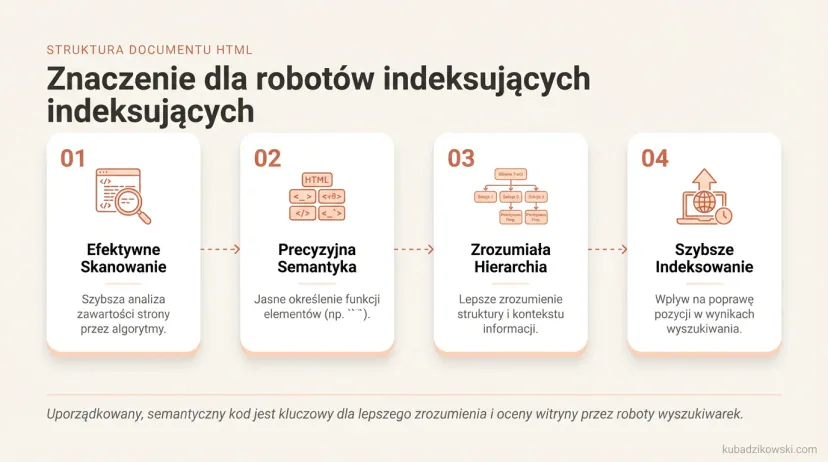
HTML5 semantics play a key role in the process of crawling websites by indexing bots. A correct document structure based on semantic tags makes it easier for browsers to interpret content, leading to faster indexing and better SEO. That is why this guide is an essential tool for anyone who wants to increase their site’s visibility both in Google and on other platforms.
- 01Modern standardsA practical compendium of modern HTML5.
- 02Understanding the structureIt helps bots analyse site content.
- 03Defined hierarchyPrecise tags, better context.
- 04Effective SEOGrowth in visibility in search results.
Summary: Semantic HTML5 increases search engines’ understanding of your site, improving its rankings.
Why is the guide important for online content owners?
A guide to HTML5 and semantics in SEO is essential support for anyone who manages online content. It contains practical tips on modern HTML5 standards that help you better understand how to adapt pages to search engine requirements. The key thing here is the proper use of semantic tags such as <header>, <main>, <article>, <section> or <footer>. Thanks to them, you can precisely define the structure of the content, which makes it easier for crawling bots to interpret the content.
Thanks to this tool, site owners can more effectively influence their SEO. A correct HTML5 document structure, based on semantic elements, speeds up the indexing process by search engine bots. As a result, the site gains greater visibility in search results, and algorithms better understand its context and meaning.
The guide not only shows the benefits of semantics, but also teaches you how to avoid typical technical errors related to HTML5 code. These errors can negatively affect SEO, so eliminating them is crucial. In addition, the guide helps adapt sites to the requirements of modern browsers and mobile devices – especially important at a time when more and more users access the internet on smartphones and tablets.
As a result, this guide becomes an indispensable tool for anyone who wants to increase the effectiveness of their SEO strategy and improve their site’s position in search results.
The role of HTML5 in SEO
HTML5 plays a key role in optimising websites for SEO, introducing new semantic tags that make it easier for crawling bots to understand the structure and content of a site. Thanks to elements such as `
`, “, “, “ or “, websites become better organised, which translates into more effective indexing by search engines.
HTML5 semantic tags allow you to define precisely the hierarchy and type of content, which is important for search engine algorithms. For example, the `
` indicates the main content of the article, and “ defines the logical parts of the document. This enables robots to analyse the page content faster and more accurately, which can lead to an improvement in its position in search results.
Moreover, HTML5 supports responsive web design, which is crucial in the era of mobile device dominance. A correctly built HTML5 document structure speeds up the crawling process for indexing robots, so the page appears in search results more quickly. Using semantic HTML5 elements not only makes content management easier, but also increases the site’s visibility in Google and other platforms.
New semantic tags also make the site more user-friendly. Better content organisation translates into easier navigation and improved readability for visitors to the site. This can reduce the bounce rate and increase the time spent on the page – factors that are important for SEO.
HTML5 is not only a tool for creating modern websites, but also a key element of a search engine optimisation strategy. Using its capabilities properly can significantly improve a site’s SEO and its online visibility.
- 01Logical StructureThey assign precise meaning to content.
- 02Key Tagsheader, nav, main, article, section.
- 03Machine InterpretationEasier to understand for robots.
- 04Better SEOSupports ranking in search results.
The key to better structure, comprehensibility and visibility of the site for people and machines.
How does HTML5 affect site optimisation?
HTML5 significantly affects website optimisation, mainly thanks to the introduction of semantic tags. Elements such as <header>, <main>, <article>, <section> or <footer> not only organise the content, but also help indexing robots better understand the structure and content of the site. As a result, search engine algorithms can analyse the page more accurately, which often translates into a higher position in search results.
Semantic tags precisely define the hierarchy and type of content, which is crucial for SEO. For example, the <article> tag indicates the main part of an article, and <section> groups logical fragments of the document. This organisation means that robots interpret the page content faster and more accurately, which can increase its visibility not only in Google, but also on other platforms.
HTML5 also supports responsive web design, which is extremely important in the age of mobile device dominance. A correct document structure speeds up the crawling process for indexing robots, which in turn leads to the page appearing in search results more quickly. Better content organisation also improves navigation for users – this can reduce the bounce rate and increase time spent on the page, i.e. factors that have a direct impact on SEO.
Using semantic HTML5 elements not only makes content management easier, but also increases the site’s visibility in search results. That is why HTML5 has become an indispensable tool in website optimisation strategies for SEO.
The importance of semantic HTML structure in SEO
Semantic HTML structure is of great importance for SEO, because it helps indexing robots better understand the page content. Using tags such as `
`, “, “ or “ creates a clear hierarchy that makes it easier for search engine algorithms to interpret the content.
Semantic elements play a key role in defining the function of individual parts of a document. For example, the `
` tag indicates the main content, while “ groups related fragments. This allows robots to analyse the content more efficiently, which can translate into a better position in search results.
What is more, a well-organised semantic structure also affects user experience. A clear content layout and intuitive navigation can reduce the bounce rate and increase time spent on the page – both of these factors are important for SEO. Using modern HTML5 tags brings benefits both for indexing robots and for people visiting the site.
Semantic tags in HTML5
Semantic tags in HTML5 are key tools that give documents a logical and clear structure. Unlike traditional elements, such as `
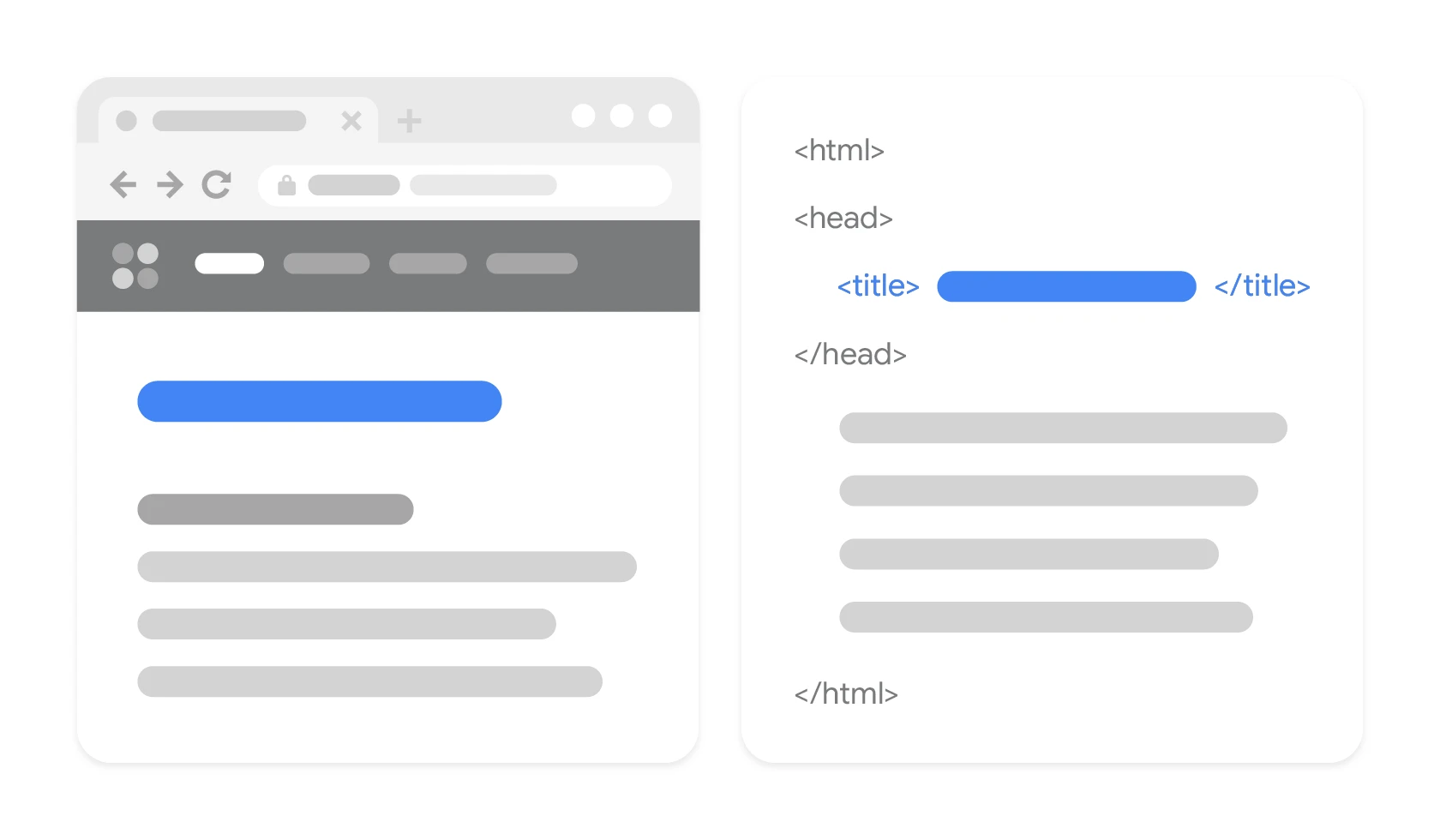
` or “, used mainly for styling, semantic tags carry specific meaning. Examples include “, “, “, “ and “. Each of them precisely defines the type and hierarchy of content on the page, which makes it easier for both machines to interpret and for people to consume. The benefits of using them are visible on many levels. For indexing robots, elements such as “ indicate the page’s main content, while “ groups related parts of the document. This means search engine algorithms can more easily understand the site’s content, which often translates into a better position in search results. In addition, semantic tags significantly improve accessibility for people using assistive technologies. For example, the “ tag defines a navigation section, making it easier for people with visual impairments to move around the page. Similarly, other structural elements help screen readers interpret content more effectively. HTML5 introduced many new tags that organise the structure of a document:
- “ – the top part of the page,
- “ – the navigation section,
- “ – the main content of the document,
- “ – an independent unit of content,
- “ – a logical section of the document,
- “ – supplementary content,
- “ – the bottom part of the page.
These elements not only simplify the organisation of the source code, but also affect indexing efficiency for search engine robots. Thanks to them, the process of scanning a page is faster and more precise, which can translate into better visibility of the site in search results. It is a simple tool with a huge impact on the quality and accessibility of websites.
What are semantic tags and how should they be used?
Semantic tags in HTML5 are elements that give website content specific meaning and structure. Unlike traditional tags, such as <div> or <span>, which are used mainly for styling, these semantic ones have defined functions. Examples include <header>, <main>, <article>, <section> and <footer>. Each of them precisely defines the type and hierarchy of content, making it easier for both indexing robots and users to understand the page content.
Using these tags involves placing them correctly in the HTML code. For example, <header> should contain the page or section heading, while <article> should contain the main body of the article. As a result, indexing robots interpret the structure of the document better, which translates into more effective SEO of the page in search results.
The key semantic tags in HTML5 include:
- <header> – the top part of the page or section,
- <nav> – the navigation section,
- <main> – the main content of the document,
- <article> – an independent unit of content,
- <section> – a logical section of the document,
- <aside> – supplementary content,
- <footer> – the bottom part of the page.
Correct use of these elements not only organises the source code, but also affects the accessibility of the site for people using assistive technologies, such as screen readers. As a result, the site becomes more user-friendly for both machines and end users.
Benefits of using semantic tags for SEO
The benefits of using semantic tags in SEO are invaluable. Thanks to them, indexing robots better understand the page content, which translates into more effective analysis of its structure. Elements such as `
`, “, “, “ or “ play a key role in this process, helping search engine algorithms interpret the content more accurately. This, in turn, can contribute to improving the site’s position in search results.
Semantic tags provide valuable information about the hierarchy and type of content, which significantly makes indexing easier. For example, the ` tag
` indicates the main part of the article, while “ groups related fragments of the document. This organisation means that bots recognise the page content faster and more precisely, which can translate into better visibility in Google and other search engines.
What is more, using semantic tags has a positive impact on the site’s accessibility for people using assistive technologies, such as screen readers. A clear document structure makes navigation easier not only for indexing bots, but also for end users. This can result in a lower bounce rate and longer time spent on the site – both of these factors are crucial for effective SEO.
It is also worth emphasising that using semantic HTML5 elements speeds up the crawling process for indexing bots. A properly organised document structure means that the site appears in search results faster, which is important for effective SEO.
Semantic tags not only organise the source code, but also have a direct impact on the site’s visibility and its accessibility for different audience groups. Using them is a simple way to improve both the technical aspects of SEO and user experience.
Structural elements in HTML5
Structural elements in HTML5 play a key role in creating modern websites. Thanks to them, a document gains a logical and clear structure, which makes it easier for both indexing bots and users to understand the content. Semantic tags such as `
`, “, “, “ or “ allow search engine algorithms to analyse the content more accurately, which translates into better visibility of the site in search results.
New HTML5 elements not only improve code readability, but also make it easier for machines to interpret content. For example, the ` tag
` indicates the main part of the article, and “ groups related fragments of the document. This organisation means that indexing bots recognise the page content faster, increasing crawling efficiency.
In addition, structural elements support responsive web design, which is crucial in the age of mobile devices. A properly built structure speeds up the indexing process for search engine bots, which can lead to the page appearing in search results sooner. Better content organisation also improves navigation convenience for users – it reduces the bounce rate and increases time spent on the site.
It is worth emphasising that using HTML5 elements not only simplifies content management, but also increases the site’s accessibility for people using assistive technologies. A clear document hierarchy makes navigation easier for people with visual impairments and for those using screen readers.
HTML5 structural elements are therefore an essential tool for every web designer. Their proper use affects both the efficiency of indexing by search engine bots and the experience of end users. Thanks to them, the site becomes more friendly for both machines and people.
What are the new HTML5 tags?
HTML5 introduces new semantic elements that not only organise the site structure, but also make it easier for indexing bots to understand the role of individual sections of the document. Among the key tags, it is worth mentioning:
- <header> – used to mark the top part of a page or section, usually containing the heading,
- <nav> – designed to create a navigation menu with links to other parts of the site,
- <main> – covers the main content of the document, focusing on the most important information,
- <article> – ideal for marking self-contained units of content, such as blog posts or articles,
- <section> – groups related fragments into a logical whole,
- <aside> – used to place side content, e.g. additional information or adverts,
- <footer> – the bottom part of the page, often containing contact details or useful links.
In addition, HTML5 offers tags such as <figure> and <figcaption>, which make it easy to add illustrations with descriptions. The <time> tag allows precise specification of dates and times. These innovations not only simplify content organisation, but also improve indexing by search engines. As a result, pages become more readable both for bots and for end users.
The importance of structural elements in web design
Structural elements in HTML5 play a key role in creating modern websites. Thanks to them, documents gain a logical and clear organisation, which not only makes navigation easier, but also affects the efficiency of indexing by search engine bots. Semantic tags such as `
`, “, “, “ or “ allow for a more accurate analysis of the page content, which can translate into a higher position in search results.
Using these elements makes content management much easier. For example, the `
` is used to mark the main part of an article, while “ groups related parts of a document. Such a structure not only helps search engine algorithms better understand the page content, but also makes it easier for users to orient themselves within its layout.
Structural elements support responsive web design, which is particularly important in the age of widespread use of mobile devices. A properly built structure speeds up the indexing process by search engine bots, which may result in the page appearing in search results more quickly.
Accessibility is also worth remembering. Proper use of HTML5 structural elements makes the page more user-friendly for people using assistive technologies. A clear document hierarchy makes navigation easier for people with visual impairments and those using screen readers.
HTML5 structural elements are an indispensable tool for every web designer. Their proper use affects both the efficiency of indexing by search engine bots and the end-user experience. Thanks to them, the page becomes more user-friendly for both machines and people.
The importance of HTML document structure
A good HTML document structure plays a key role in efficient crawling of the page by indexing bots. Well-organised code, based on semantic tags, allows algorithms to analyse the website content more quickly and accurately. This, in turn, affects a better understanding of the information hierarchy and content context, which is essential for improving positions in search results.
Using elements such as `
`, “, “, “ or “ helps bots precisely determine the function of individual parts of the page. For example, the “ tag indicates the main content of an article, while “ groups related fragments. Such organisation makes it easier for algorithms to interpret the content, which can lead to faster indexing and higher rankings.
Well-organised HTML structure also affects the user experience. A clear content layout and intuitive navigation can reduce the bounce rate and extend time spent on the page – both of these factors are important for SEO. Using modern HTML5 tags brings benefits both for indexing bots and for people visiting the page.
It is also worth noting that the correct HTML document structure speeds up the crawling process by indexing bots. As a result, the page appears in search results faster, which is crucial for effective SEO. Proper use of semantic HTML5 elements not only simplifies content management, but also increases the website’s visibility on Google and other platforms.
The right HTML document structure is not just a technical matter, but also a key element of an SEO strategy. Thanks to it, the page becomes more user-friendly for both indexing bots and end users. This translates into better results in search results and greater effectiveness of online marketing activities.
How does the correct HTML structure affect crawling by indexing bots?
Correct HTML structure plays a key role in the process of crawling a page by indexing bots. Using semantic tags such as <header>, <main>, <article>, <section> or <footer> makes it easier to understand the hierarchy and type of content, which affects faster and more accurate indexing. This, in turn, has a direct impact on the page’s position in search results.
HTML5 elements act as a guide for bots. For example, the <article> tag indicates the main content of an article, and <section> groups related parts of the document. Thanks to this, search engine algorithms can analyse the page content more effectively, which may translate into better visibility on Google.
Well-organised HTML structure speeds up the crawling process for bots. Proper use of semantic tags shortens the time needed to interpret content, which is particularly important in the case of large websites with a complex hierarchy.
It is also worth noting that the correct HTML structure affects not only bots, but also the user experience. A clear content layout and intuitive navigation can reduce the bounce rate and extend time spent on the page – both of these factors are important for SEO. Semantic HTML5 elements bring benefits both to indexing bots and to people visiting the page.
The right HTML document structure is a key element of an SEO strategy. Thanks to it, the page becomes more user-friendly for both indexing bots and end users, which translates into better results in search results.
FAQ
Frequently asked questions
How do semantic HTML5 tags affect a site’s SEO?
They help indexing robots better understand the structure and content of the site. As a result, algorithms can analyse the page more accurately, which may translate into better positions in search results.
Do tags such as header, main, article and section help with SEO?
Yes, because they precisely define the hierarchy and type of content on the page. This makes it easier for search engines to interpret the content and can improve the site’s visibility.
Why is correct HTML5 structure important for indexing robots?
Because it makes it easier for them to crawl and interpret the page’s content. As a result, indexing can be faster and more accurate.
When is it worth using semantic tags instead of ordinary divs and spans?
When you want to give content a specific meaning and logical structure. Semantic elements describe the function of sections better than tags used mainly for styling.
What does using HTML5 structural elements give site users?
The site becomes more clear and easier to navigate. This can reduce the bounce rate and increase the time spent on the site.
How does HTML5 support site accessibility for people using screen readers?
Semantic tags help better interpret the layout and content of the page. This means assistive technology can read and organise the content more effectively.