

In the digital era, a restaurant’s success depends largely on its online presence, and an effective SEO strategy becomes the key to attracting customers for hospitality businesses. Local optimisation, visibility in Google Business Profile, and adapting the website for mobile devices are the foundations of effective SEO. Did you know that as many as 80% of users choose venues from the first search results page? Find out how SEO can help your restaurant stand out from the crowd of competitors!
Why is SEO in the hospitality sector crucial?
SEO in the hospitality sector is hugely important, especially nowadays, when most people look for places for lunch, dinner or a business meeting հենց on the internet. Search engines have become the primary tool for customers looking for restaurants in their area. That is why both local SEO and overall online visibility are crucial to the success of any venue.
In the face of growing competition, restaurants must ensure they stand out in search results. Research shows that over 80% of users choose places visible on the first page of Google. Thanks to an effective SEO strategy, you can not only increase your online presence, but also attract more guests and improve sales performance.
In restaurant marketing, local SEO is particularly important. Customers often search using phrases such as “restaurant in Warsaw” or “takeaway pizza Kraków”, so optimisation for such keywords is essential. Regularly updating your details in Google Business Profile, adding photos and encouraging reviews are actions that improve rankings and build trust among potential customers.
You also cannot forget about changing consumer habits. More and more people use mobile devices to browse hospitality offers. That is why a responsive website and its loading speed are key to maintaining users’ interest and increasing the number of bookings or orders.
Investing in SEO is something more than just a way to improve online visibility. It is also a tool for building lasting relationships with customers by providing valuable content and up-to-date information about the venue.
- 01Online visibilityWhere guests search
- 02Local relevance (SEO)Being found nearby
- 03Attract guestsMore traffic and sales
Effective SEO increases visibility and directly affects a venue’s success.
The importance of restaurant SEO in a marketing strategy
Restaurant SEO plays a key role in an effective marketing strategy, directly affecting a venue’s visibility in search results. In the digital age, most people use the internet to find the perfect place for lunch or dinner, which is why high rankings in Google are extremely important. Good SEO can not only attract more customers, but also increase the number of bookings and improve a venue’s finances.
In the case of restaurants, local SEO is especially important. People often search for places in their area, so optimisation for phrases such as “restaurant in Wrocław” or “takeaway pizza Gdańsk” makes it possible to reach the local community. Regularly updating your profile in Google Business Profile and encouraging guests to leave reviews build trust and strengthen your position in search results.
Consumer habits are evolving – more and more people browse hospitality offers using smartphones. That is why a responsive website and its loading speed are absolutely crucial. This not only keeps users interested, but also translates into a greater number of online orders.
Investing in SEO is something more than just improving visibility online. It is a tool for building lasting relationships with customers through valuable content and up-to-date information about the venue. Thanks to a well-planned SEO strategy, a restaurant can stand out from the competition and attract new guests who will become regulars.
Benefits of investing in SEO for restaurants
Investing in SEO for restaurants is key to achieving better business results. Thanks to it, you can not only increase the number of customers, but also improve the venue’s finances. One of the most important effects is better visibility online. Optimising the website for phrases such as “restaurant in Warsaw” or “takeaway pizza Kraków” means that the venue appears in top positions in search results, attracting the attention of potential guests.
Another benefit is acquiring new customers. Most users choose places visible on the first page of Google, which is why an effective SEO strategy makes it possible to reach people looking for specific hospitality services in the area. Particularly important is local SEO, which helps you effectively reach audiences from the immediate vicinity.
SEO also affects building a positive brand image. Regularly updating your Google Business Profile, adding attractive photos and encouraging guests to leave positive reviews strengthens trust and increases the venue’s appeal. It is also worth investing in valuable content, such as detailed menu descriptions or a food blog. These not only attract attention, but also position the restaurant as an expert in its field.
You cannot forget the impact of SEO on engaging current customers. A responsive website, fast loading times and intuitive navigation mean that users are more likely to visit the venue again or make an online booking. This translates into a greater number of orders and reservations, which directly affects sales results.
Investing in SEO is not only a way to improve online visibility – it is also a tool for building lasting relationships with customers and increasing a restaurant’s competitiveness in the hospitality market.
- 01Local keywordsIncrease visibility in the area
- 02Detailed menuDescribe ingredients and allergens
- 03Engage usersExtend time spent on the website
- 04Regular updatesIntroduce new items to the menu
- 05Visibility in search resultsOptimise Google results
The key elements are local SEO, rich food-related content and attention to user experience.
What are the key elements of an effective SEO strategy for restaurants?
An effective SEO strategy for restaurants is based on several key elements. Choosing the right keywords is the first step – they should answer the needs of potential customers and be closely related to the venue’s offer. For example, phrases such as “restaurant in Wrocław” or “takeaway pizza Kraków” attract a local audience, so it is worth choosing those that are frequently searched by users.
Another important aspect is creating valuable content. Menu descriptions, a food blog or information about promotions not only attract attention, but also build the restaurant’s image as an expert in its field. It is important that the content is unique, engaging and regularly updated – this encourages customers to visit the website more often.
Internal and external linking is another pillar of effective SEO. Internal links make navigation around the site easier, improving user experience and helping search engines with indexing. By contrast, links from reputable food websites or local portals increase the restaurant website’s authority, which translates into better positions in search results.
Technical optimisation of the website is also hugely important. Loading speed, responsiveness and intuitive navigation are key to maintaining user interest. Studies show that websites taking longer than 3 seconds to load lose up to 40% of visitors.
You cannot forget about local SEO. Optimising the Google Business Profile and using local keywords are the foundations. Regularly updating the venue’s information, adding photos and encouraging guests to leave reviews builds trust and increases the restaurant’s visibility in local search results.
An effective SEO strategy for restaurants requires combining the right keywords, valuable content, effective linking and technical website optimisation. Thanks to these actions, you can significantly increase the venue’s online visibility and attract more guests.
Choosing the best keywords
Choosing the right keywords is the key to an effective SEO strategy for restaurants. Focusing on terms related to location, cuisine type and specific dishes allows you to reach the right audience. For example, phrases such as „restauracja we Wrocławiu” or „pizza na wynos Kraków” attract the attention of customers from a given area.
It is also worth paying attention to long tail phrases, which are more detailed and answer users’ precise queries. Examples include „wegetariańska restauracja w Warszawie” or „najlepsza kawa w Gdańsku”. Such expressions have lower competition but higher conversion, because they match the exact needs of potential guests.
For keyword analysis, you can use tools such as:
- Google Keyword Planner,
- Ubersuggest,
- SEMrush.
Monitoring the competition is no less important – checking which phrases other venues in the area use can help you adapt your own strategy.
Local keywords play a particularly important role for restaurants. Phrases containing the name of a city or district increase the chances of appearing in search results for local users. It is also worth including service-related wording, e.g. „dostawa jedzenia Łódź” or „rezerwacja stolika online”.
Regularly updating the keyword list and adapting it to changing trends and seasonality (e.g. „letnie menu Warszawa”) makes it possible to maintain high visibility in search results and attract new guests. Thanks to this, the restaurant can continuously develop its online presence and increase the number of customers.
- 01Building trustKey to decision-making
- 02A signal for search enginesConfirms the value of the venue
- 03Assessing credibilityGoogle’s algorithms analyse
- 04Social proof88% trust them like recommendations
- 05Improving visibilityKeywords in reviews
Systematic gathering of good reviews is an investment in a higher position and trust.
The role of valuable content in attracting customers
High-quality content on a restaurant website plays a key role in attracting customers and shaping a positive brand image. Unique and engaging materials, such as detailed dish descriptions, a food blog or information about seasonal promotions, not only attract the attention of potential guests, but also position the venue as an expert in its field.
Examples of valuable content include:
- dish descriptions containing information about the ingredients and how they are prepared,
- culinary tips or recipes inspired by the restaurant’s menu,
- information about local produce used in the kitchen.
Research shows that websites with high-quality content have a 50% greater chance of achieving better positions in search results. Regularly updating content encourages customers to visit the website more often, which translates into an increase in bookings and online orders.
It is worth emphasising that valuable content influences user engagement. Longer time spent on the website and a lower bounce rate are signals for Google’s algorithms, which can improve the restaurant’s visibility in search results.
In addition, content tailored to the needs of the local community (e.g. posts about traditional regional dishes) increases the chances of reaching customers from the immediate area. Investing in content marketing is not only a way to improve SEO, but also a tool for building lasting relationships with guests.
The impact of internal and external linking on SEO
Internal linking and external linking are the two pillars of effective SEO for a restaurant website. Internal linking is the process of connecting different subpages of a website, which not only makes navigation easier for visitors, but also helps search engines better understand the structure of the site. Examples of such links include links to the menu, food blog or customer reviews section. Thanks to this, users quickly find the information they need, which translates into longer time spent on the website and a lower bounce rate.
In turn, external linking involves acquiring links leading to the restaurant’s website from other sites. These may be local food portals, culinary blogs or social media profiles. Such links signal to search engines that the site is valuable and trustworthy, which directly affects its positions in search results. It is worth investing in sponsored articles on food-related portals or collaborating with influencers promoting the venue.
Research shows that sites with a well thought-out internal link structure have even 40% better chances of ranking higher in Google. In turn, external links from reputable sites increase domain authority, which is crucial for effective SEO. For restaurants, links from local food guides or online booking platforms are particularly valuable.
An important element is also anchor text, meaning the keywords used in the link text. They should sound natural and match the content of the destination page. For example, phrases such as “restaurant menu” or “table reservation online” attract the attention of both users and search engine algorithms.
Well planned linking – both internal and external – is the key to improving a restaurant’s visibility in search results and increasing traffic to the website.
How to optimise a restaurant website?
Website optimisation for a restaurant is a process that requires taking into account several key elements affecting both search visibility and visitor satisfaction. The first step is using local keywords, such as “restaurant in Warsaw” or “pizza takeaway Kraków”. These make it easier to reach customers from the immediate area and increase the chance of appearing in local Google results.
Another important aspect is describing the menu in detail. It is worth including information about ingredients, the way dishes are prepared and any allergens. This practice not only increases the value of the site for users, but also extends time spent on the page and reduces the bounce rate. In addition, regularly updating the promotions and events section can encourage customers to visit more often.
Unique titles (title tags) and meta descriptions are another important element of optimisation. They should contain key phrases and be attractive to users to encourage them to click. For example: “Discover the best pizza in Kraków – fresh ingredients, fast delivery and exceptional flavours”.
The heading structure (H1, H2, H3) also matters. It should be logical and include keywords, which makes navigation easier for users and indexing easier for search engines. Example: H1 – “Restauracja XYZ – Best Italian cuisine in Warsaw”, H2 – “Our menu”, H3 – “Pizza Margherita”.
SEO-friendly URLs are another step towards success. They should be short, readable and contain keywords. For example: www.restauracja-xyz.pl/menu/pizza-margherita instead of www.restauracja-xyz.pl/index.php?id=123.
You cannot forget about page loading speed. Research shows that pages taking longer than 3 seconds to load lose even 40% of visitors. Image optimisation (compression), using cache and minimising CSS and JavaScript code are basic actions that improve performance.
The last element is website responsiveness, meaning adapting it to mobile devices. Over 60% of users browse food offers using smartphones, so intuitive navigation and readability on small screens are crucial for maintaining interest.
Thanks to these actions, the restaurant website not only improves its position in search results, but also increases conversion through a better user experience.
The importance of page loading speed
Page loading speed plays a key role in ranking in search engines such as Google. Algorithms favour websites that perform smoothly, which directly translates into higher positions in the results. Research indicates that pages taking longer than 3 seconds to load can lose even 40% of potential visitors. This leads to an increase in the bounce rate and lowers the chances of conversion.
For restaurants, loading speed is particularly important, especially as customers often browse offers on mobile devices, where every second makes a huge difference. Optimisation may include:
- image compression,
- using cache,
- simplifying CSS and JavaScript code.
Such actions not only speed up the website, but also affect user satisfaction, which translates into a greater number of reservations and online orders.
In addition, smooth website performance affects the time users spend on it and their engagement. Sites that load quickly and without problems encourage closer familiarisation with the menu or current promotions. In this way, a restaurant can not only improve its visibility in search results, but also build a loyal customer base.
Making the site mobile-friendly
Making the site mobile-friendly is one of the most important aspects of optimising a restaurant website. Most users – over 60% – browse food and drink offers on smartphones. A responsive website has a huge impact on customer experience and final conversion. If a site is not optimised for mobile devices, a restaurant can lose up to half of its potential guests.
A responsive website automatically adjusts its layout to the screen size, ensuring readability and convenient navigation. Key elements include:
- intuitive menu – making it easy to quickly move to sections such as the menu or bookings,
- large CTA buttons – e.g. “Order online” or “Book a table”, which are easy to use even on smaller screens,
- image optimisation – dish photos should be high quality, but also lightweight so they do not slow down the site loading.
According to research, responsive websites have as much as a 50% higher chance of retaining users’ interest. What is more, Google prefers mobile sites in search results, which translates into better SEO for restaurants.
You also cannot forget about the page loading speed on mobile devices. Optimising CSS and JavaScript code and using cache can significantly improve site performance. As a result, customers are more likely to make a booking or place an online order.
Making the site mobile-friendly is not only a matter of user convenience, but also an effective strategy for increasing a restaurant’s visibility online and improving the conversion rate.
Implementing an SSL certificate
Implementing an SSL certificate is one of the most important steps in optimising a restaurant website. Thanks to it, data transmitted between the user and the server is encrypted, which significantly raises the level of security when booking tables or placing online orders. What is more, Google rewards sites with SSL, which can translate into better positions in search results.
According to research, over 85% of people avoid websites without an SSL certificate, especially when they are asked to provide sensitive information or make a payment. In the case of restaurants, where customers often use online services, the lack of such protection may result in losing their trust and a drop in the number of orders.
The impact of SSL on SEO is also significant. This certificate improves site usability, and Google’s algorithms treat security as a key ranking factor. Sites operating on the HTTPS protocol (secured by SSL) are favoured in search results, which translates into greater online visibility for restaurants.
SSL also opens the door to using modern browser technologies such as HTTP/2 and AMP (Accelerated Mobile Pages). These solutions speed up site loading and significantly improve the user experience. For restaurants, site speed matters hugely – it affects customer engagement and encourages them to take further action.
Implementing an SSL certificate is not just a matter of security – it is also an effective marketing strategy. It improves a restaurant’s visibility online and builds customer trust, which translates into real business benefits.
The role of a responsive website in increasing conversions
A responsive website is a key element in increasing conversions for restaurants. Thanks to adaptation to different devices, such as smartphones, tablets or computers, users can conveniently browse the menu, make bookings or check current promotions. What is more, research indicates that over 60% of people use mobile devices to view food and drink offers. A lack of responsiveness may therefore mean losing up to half of potential customers.
The impact of responsiveness on user experience is also significant. Intuitive navigation, clear CTA buttons (e.g. “Order online” or “Book a table”) and properly optimised images make customers more willing to engage with the restaurant’s services. It is worth adding that sites adapted to different devices have even a 50% higher chance of retaining visitors’ interest.
Another important aspect is search engine optimisation. Google favours responsive websites, which translates into higher positions in search results. For restaurants, this means not only greater online visibility, but also the ability to attract new guests.
You also cannot forget about page loading speed. Responsive websites are usually better optimised for performance, which affects the time users spend on the site and reduces the bounce rate. This directly translates into an increase in the number of bookings and online orders.
In short: a responsive website is not just convenience for customers – it is also an effective strategy for increasing conversions and improving a restaurant’s visibility online.
How does local SEO affect a restaurant’s visibility?
Local SEO is a powerful tool that can significantly increase a restaurant’s visibility online. Most people looking for places to eat focus on their local area, so it is crucial to tailor the strategy to local needs. Using phrases such as “restaurant in Warsaw” or “pizza takeaway Krakow” helps reach customers who are ready to use the service here and now. This allows restaurants to appear in top positions on Google, which directly translates into more visits and bookings.
One of the most effective tools in this area is Google Business Profile. The profile should always be up to date – opening hours, address, menu or attractive photos are essential. Regularly updating the information and encouraging guests to leave reviews not only builds trust, but also improves your position in local search results.
It is worth remembering that 75% of users do not look beyond the first page of Google results. That is why it is so important to focus on optimisation for local queries. Long-tail phrases such as “vegetarian restaurant in Wrocław” or “best coffee in Gdańsk”, although less competitive, often deliver higher conversion and attract more engaged customers.
Local SEO is not just about online activities. Activity in the community – taking part in events or working with other businesses – is also hugely important. Such initiatives not only build brand recognition, but can also help secure valuable links from reputable sources, which further supports SEO.
Investing in local SEO is a proven way to increase visibility of a restaurant online and attract new customers from the immediate area. This combination of digital and real-world activities delivers the best results.
Optimising the Google Maps listing
Optimising the Google Maps listing is a key element of the strategy for restaurants that want to increase their presence in local search results. A professionally prepared profile not only attracts the attention of potential customers, but also affects the venue’s SEO. It is crucial that it includes up-to-date information:
- address,
- opening hours,
- phone number,
- website link.
It is also worth adding attractive photos of dishes and the interior – a simple way to draw attention and build interest.
Regularly updating the profile and encouraging guests to leave reviews are other important steps. Positive reviews not only build trust, but also improve your position in Google results. Interestingly, as many as 88% of users trust online reviews as much as recommendations from friends.
It is worth using local keywords in the description, such as “restaurant in Wrocław” or “pizza takeaway Krakow”. This makes it easier to reach customers from the immediate area. Adding the right business categories (e.g. “Italian restaurant” or “café”) also increases the chances of appearing in relevant queries.
The listing is also a great tool for promoting events and special offers. You can add posts about current promotions or seasonal menus, which encourages customers to visit more often and increases their engagement.
Thanks to these simple activities, a restaurant can significantly improve its online visibility, attract more guests and increase the number of bookings and online orders. It is an investment that quickly brings measurable benefits!
The importance of local SEO
Local SEO is an effective way to increase a restaurant’s visibility among customers from the immediate area. It allows venues to appear in top positions in search results when users type in phrases such as “restaurant in Warsaw” or “pizza takeaway Krakow”. This is particularly important because over 75% of people do not look beyond the first page of Google, and most of them search for places to eat in their local area.
A key element of local SEO is optimising the Google Business Profile. Regularly updating opening hours, the menu or adding attractive photos draws the attention of potential guests. Encouraging customers to leave reviews is also hugely important – research shows that 88% of users trust online reviews as much as recommendations from friends. This builds trust and improves your position in search results.
It is also worth focusing on using local keywords. Phrases such as “vegetarian restaurant in Wrocław” or “best coffee in Gdańsk” are less competitive, but often deliver higher conversion. They help you reach people looking for specific food services in their area.
Local SEO is not just about online activities – offline activity also matters. Taking part in community events or working with other businesses can help secure valuable links from reputable sources, which further supports SEO. Such actions not only build brand recognition, but also affect its online visibility.
Investing in local SEO is an effective way to attract new customers and increase the number of bookings and online orders. The combination of digital and real-world activities delivers the best results for restaurants looking to stand out from the competition.
How do local keywords increase visibility?
Local keywords play a key role in increasing a restaurant’s visibility in search results. They allow you to reach customers from the immediate area who are searching for specific services, such as “restaurant in Wrocław” or “takeaway pizza Kraków”. Since these phrases are often entered by users, optimising for local queries becomes essential for effective SEO.
Using such keywords on a website and in the Google My Business profile description helps better match the needs of local customers. For example, phrases like “vegetarian restaurant in Warsaw” or “best coffee in Gdańsk” attract the attention of people looking for specific services in their area. As a result, a restaurant can appear in top positions in local Google results, which translates into more visits and reservations.
Research shows that more than 75% of users do not look beyond the first page of search results. That is why it is worth focusing on long-tail phrases – they are less competitive, but often bring higher conversion. Regularly updating information about the venue and encouraging guests to leave reviews also affects a higher position in Google and builds trust among potential customers.
Local keywords are not only a tool for improving online visibility – they are also a way to reach people ready to use your services here and now. Thanks to them, restaurants can compete effectively in the gastronomy market and attract new guests from the immediate area.
What significance do customer reviews have for SEO?
Customer reviews are extremely important for SEO, shaping both the decisions of potential guests and the restaurant’s position in search results. Good online reviews not only strengthen trust in the brand, but also send search engines a signal that the venue deserves attention. Google’s algorithms analyse both the number and quality of reviews, assessing the credibility of the site – which directly affects its ranking.
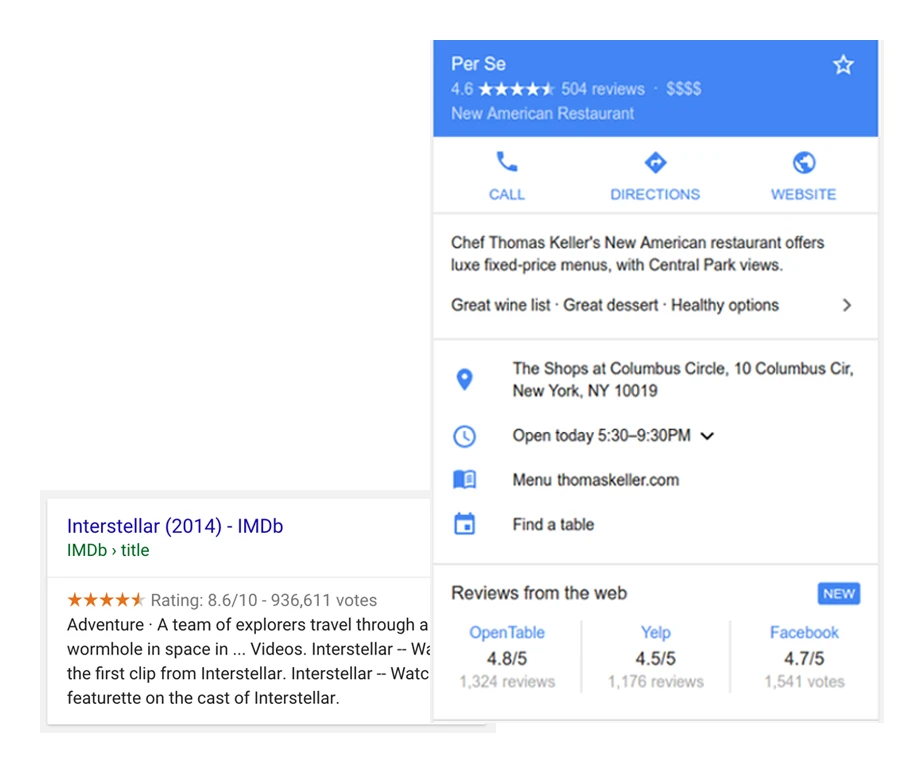
According to research, as many as 88% of users trust online reviews as much as recommendations from friends. That is why it is so important to systematically encourage customers to share their experiences on platforms such as Google My Business or TripAdvisor. In addition, reviews containing phrases related to the restaurant’s offer (e.g. “best pizza in Kraków”) can significantly improve the venue’s visibility in local results.
Just as important is active review management – both positive and negative. By responding to comments, a restaurant demonstrates commitment to customer relationships, which has a positive effect on its image and can contribute to better positions in Google. Negative reviews are worth treating as an opportunity to improve services and try to persuade dissatisfied guests to change their rating.
In short: customer reviews are not only a tool for building trust, but also a key element of an SEO strategy. Thanks to them, a restaurant can increase its online visibility and attract more people interested in using its offer.
The impact of online reviews on SEO
Online reviews are hugely important for a restaurant’s SEO because they are one of the key factors taken into account by search engine algorithms such as Google. Positive reviews not only attract new guests, but also build trust and demonstrate the high quality of services. This in turn translates into a better position in search results. What is more, research shows that as many as 70% of consumers trust reviews found online, which makes them an inseparable element of an effective SEO strategy.
In the case of catering venues, reviews often contain local keywords, such as “best pizza in Kraków” or “restaurant in Wrocław”. Such phrases can significantly increase a restaurant’s visibility in local Google results, especially when they appear regularly and are updated. Algorithms analyse both the number of reviews and their quality, which has a direct impact on the site’s ranking.
Interestingly, 88% of users trust online reviews just as much as recommendations from friends. That is why managing reviews becomes key to building trust and attracting new customers. Regularly encouraging guests to leave reviews and responding to them – both positive and negative – can significantly affect the venue’s image and its position in search results.
In short: online reviews are not only a tool for building relationships with customers – they are also an important element of SEO strategy that can increase a restaurant’s visibility and attract more people interested in its offer.
How to deal with negative comments?
Negative reviews are a challenge that every restaurant will sooner or later have to deal with. However, the right approach to criticism can bring benefits and even strengthen the venue’s image. The key is to remain professional and avoid emotional reactions. By responding to negative comments from the official profile, you show customers that their opinion matters to you and that you care about solving their problems.
The first step is a quick response. The sooner you respond to criticism, the greater the chance of easing the tension. It is important that the response is personalised – thank them for the feedback and show that you understand the customer’s point of view. For example: “Thank you for sharing your observations. We understand your concerns and will try to make improvements”.
Another important element is avoiding confrontation. Even if the comment seems unfair or exaggerated, stay calm and focus on finding a solution. You can suggest a phone call or a meeting at the venue to better understand the situation and show the customer that you take their problem seriously.
Public responses have an additional advantage – they show other customers that the restaurant cares about service quality and is open to dialogue. This not only builds trust among potential guests, but can also improve the brand’s image.
It is also worth analysing negative reviews to draw constructive conclusions from them. If several people complain about the same issue (e.g. a long waiting time), that is a clear signal to make changes to the venue’s operations. This helps avoid similar situations in the future.
Managing negative comments is not only a way to improve customer relations, but also an element of SEO strategy – positive interactions can have an impact on better visibility for the restaurant in search results.
How does competitor analysis support SEO in hospitality?
Competitor analysis is the foundation of an effective SEO strategy for restaurants. It helps you understand which actions deliver the best results in the hospitality industry and adapt your own approach to SEO. By examining competitors, it is easy to uncover their strengths – whether that is the use of local keywords, high content quality, or activity on social media. It is a great starting point for setting goals that will make your venue stand out from the rest.
A key step is monitoring the keywords used by competitors. Tools such as SEMrush or Ahrefs allow you to check which keywords are driving traffic to their sites. If, for example, another restaurant is succeeding thanks to the phrase “vege pizza in Warsaw”, it is worth considering using it in your own materials. It is a simple way to improve online visibility.
It is also worth looking at competitors’ external linking. Check which sources they are acquiring links from – this may inspire you to build similar partnerships. Pay attention to the content quality published by other venues: whether it is valuable for users and whether it includes the right keywords.
Do not overlook the technical analysis of competitors’ websites. Check page loading speed, responsiveness and heading structure. If another venue’s website works more efficiently or looks better on mobile devices, it is worth introducing similar improvements on your own site.
Another important element is observing competitors’ activity in Google Business Profile. The number of reviews, the quality of photos or updates published by other venues can provide valuable pointers. This makes it easier to tailor your profile to customer expectations and increase its appeal.
Competitor analysis is not only a way to avoid other venues’ mistakes, but also a source of inspiration for developing your SEO strategy. It allows you to continually refine your online efforts and maintain an edge in the fast-moving hospitality industry.
Strategies for overtaking the competition
To get ahead of the competition in the hospitality industry, it is worth focusing on effective SEO strategies based on a thorough analysis of what other venues are doing. The key to success is adapting your own actions to your rivals’ strengths.
Start by monitoring the keywords that generate traffic on competitors’ websites. Tools such as SEMrush or Ahrefs allow you to discover which keywords bring them the best results. For example, if the phrase “vege pizza in Warsaw” works well for others, it is worth considering using it in your own materials.
The next step is analysing external linking. Check which sources your competitors are getting links from – this can become an inspiration for building similar partnerships. Also look at the quality of content published by other venues: whether it is valuable for users and whether it includes the right keywords.
Do not forget the technical side of competitors’ websites. Page loading speed, responsiveness and a proper heading structure have a huge impact on SEO. If you notice that another venue’s site works more efficiently or looks better on mobile devices, make similar improvements on your own site.
It is also worth following competitors’ activity in Google Business Profile. The number of reviews, the quality of photos or updates published by other restaurants can provide valuable pointers and help you tailor your own profile to customer expectations.
Thanks to such actions, you will not only avoid mistakes made by the competition, but also find inspiration for developing your own SEO strategy. This is a simple way to maintain an advantage in the dynamic gastronomy industry and attract more customers.
Using competitor data for optimisation
Competitor analysis is the foundation of effective restaurant SEO online. It helps you discover which solutions deliver the best results in gastronomy and adapt your own SEO strategy to current trends. By researching competitors, it is easy to notice their strengths – whether that is clever use of local keywords, valuable content on the website, or activity on social media. This is an excellent starting point for setting goals that will make your venue stand out from the others.
The first step is to look at the keywords used by competitors. Tools such as SEMrush and Ahrefs will help you identify the phrases generating traffic on their websites. If, for example, another restaurant is successful thanks to the phrase “wegetariańska pizza w Warszawie”, it is worth considering using it in your own materials. This is a simple way to increase visibility in search results.
Another important aspect is analysing external linking. Check which sources competitors gain backlinks from – this may inspire you to establish similar partnerships. Also pay attention to the quality of content published by other venues: whether it is valuable for users and whether it contains the right keywords.
Do not forget the technical side of competitors’ websites. Check the site’s loading speed, responsiveness and heading structure. If another venue’s website works more efficiently or looks better on mobile devices, it is worth implementing similar improvements on your own site.
It is also worth monitoring competitors’ activity in Google My Business. The number of reviews, the quality of photos or the updates published by other venues can provide valuable clues. This makes it easier to adapt your profile to customers’ expectations and increase its appeal.
Analysing competitor data is not only a way to avoid other venues’ mistakes, but also a source of inspiration for developing your SEO strategy. It allows you to continuously refine your online activities and maintain an advantage in the dynamic gastronomy industry.
What are the best SEO practices for restaurants?
To increase a restaurant’s visibility in search results, it is worth applying several proven SEO strategies. To begin with, content optimisation and meta tags are crucial. It is worth ensuring that page titles and meta descriptions include relevant key phrases, such as “restauracja w Warszawie” or “pizza na wynos Kraków”. This helps the site be better recognised by search engine algorithms, which translates into higher rankings.
Another important step is regularly updating venue information. This applies to both the website and the Google My Business profile. Current opening hours, menu, promotions or photos of dishes not only attract the attention of potential customers, but also build their trust. It is worth remembering that more than 80% of people check restaurant information before visiting – so keeping the data up to date is extremely important.
You also cannot forget about activity on social media. Platforms such as Facebook or Instagram are excellent tools for promoting the venue and building relationships with customers. Regularly publishing engaging content – photos of dishes, kitchen videos or previews of events – attracts attention and encourages visits. What is more, activity in social media can positively affect your website’s SEO through increasing organic traffic.
The quality of food photos also plays a key role. Attractive photographs not only catch the eye, but also encourage people to use the restaurant’s offer. Research shows that pages with high-quality images have up to a 40% greater chance of maintaining users’ attention.
In the case of restaurants, local SEO is particularly important too. Optimising for phrases related to a given city or district (e.g. “restauracja we Wrocławiu”) allows you to reach customers from the immediate area. Regularly updating your Google My Business profile and encouraging guests to leave reviews are further steps that improve the venue’s visibility.
Implementing these practices not only improves a restaurant’s visibility online, but also translates into more reservations and online orders. It is an investment that quickly brings measurable business benefits.
Optimisation of content and meta tags
Content optimisation and meta tags play a key role in effective SEO for restaurants. With properly constructed meta titles and descriptions, you can attract both users and the attention of search engine algorithms. Meta titles should include relevant phrases, such as “restauracja w Warszawie” or “pizza na wynos Kraków”, which increases the chance of a better position in search results. It is important that they are short, concise and encourage clicks.
Meta descriptions serve a similar function – they should contain key information about the restaurant’s offer, such as cuisine specialities, opening hours or delivery availability. A well-prepared description not only attracts attention, but also affects the click-through rate (CTR). For example: “Discover the best pizza in Kraków – fresh ingredients, fast delivery and exceptional flavours”.
No less important is heading optimisation (H1, H2, H3) on the website. They should contain keywords and be organised logically. For example:
- H1 – “Restaurant XYZ – the best Italian cuisine in Warsaw”,
- H2 – “Our menu”,
- H3 – “Pizza Margherita”.
This structure makes navigation easier for both users and search engine crawlers.
Unique content on the site is another important element. Descriptions of dishes should be detailed, containing information about ingredients and how they are prepared. Regularly updating the promotions or special events section also matters. Research shows that sites with high-quality content have up to a 50% greater chance of ranking higher in search results.
It is also worth taking care of image optimisation. Graphic files should be compressed appropriately so they do not slow down page loading. The ALT attributes of images must contain keywords related to the restaurant’s offer, e.g. “pizza Margherita Kraków”. This not only improves site visibility in Google Image results, but also has an impact on overall SEO optimisation.
Content optimisation and meta tags are an ongoing process – regularly updating information and adapting it to changing trends helps maintain high online visibility for the restaurant and attract new guests.
The importance of up-to-date venue information
Up-to-date venue information, such as opening hours, menu or promotions, plays a key role for both customers and restaurant SEO. Regularly updating these details on the website and in the Google Business Profile not only builds trust among potential guests, but also improves the venue’s visibility in search results.
According to research, more than 80% of people check restaurant information before visiting. That is why it is so important for the data to always be current – whether it is changes in opening hours or seasonal offers. It is also worth regularly posting new photos of dishes and the venue interior – it is a simple way to increase the appeal of the offer and attract customers’ attention.
In the context of SEO, the freshness of information has a direct impact on rankings in search results. Google’s algorithms prefer sites that are systematically updated with fresh content. What is more, up-to-date data is hugely important for local SEO, which is particularly relevant for restaurants wanting to reach customers from the immediate area.
The role of customer reviews also cannot be overlooked – encouraging guests to leave them and responding to them not only builds trust, but also has a positive effect on the venue’s visibility online.
The role of social media in an SEO strategy
Social platforms are playing an increasingly important role in SEO strategy for restaurants, becoming an indispensable tool for building relationships with customers and increasing online presence. Activity on platforms such as Facebook, Instagram or TikTok allows you to reach a wide audience, especially those looking for local food and drink services. Appealing content, such as appetising photos of dishes, short behind-the-scenes kitchen videos or previews of special events, attracts attention and encourages interaction.
Interestingly, research indicates that more than 60% of users browse restaurant offers using mobile devices, and social media are one of the main sources of information. As a result, regular activity on these platforms can significantly affect organic traffic to the venue’s website. It is worth adding links to the website of the restaurant in posts – it is a simple way to increase its authority in the eyes of search engine algorithms.
Engaging users is also key. Running competitions, promotions or surveys not only attracts customers’ attention, but also encourages them to share content. It is an excellent way to build a community around the brand and increase the number of website visits. Let us not forget that Google’s algorithms take social signals into account as one of the factors influencing rankings in search results.
Social media can also support local SEO. Using local keywords in post descriptions and geotagging photos helps reach customers from the immediate area. Regularly updating the profile and encouraging guests to leave reviews on platforms such as Google Business Profile are further steps that improve the venue’s visibility in search results.
In summary, social media are not just a marketing tool – they are also an important element of SEO strategy for restaurants. Thanks to them, you can increase customer engagement, improve online visibility and attract more guests interested in the venue’s offer.
FAQ
Frequently asked questions
Which SEO elements are most important for restaurants?
The most important are local SEO, well-chosen keywords, valuable content and technical website optimisation. Google Business Profile, images, reviews and website responsiveness are also important.
Does local SEO help a restaurant get more customers from the local area?
Yes, because customers often search for restaurants in their area by entering phrases with the city or district name. With local SEO, it is easier to reach such users and increase visits.
Why are customer reviews in Google Business Profile important for restaurants?
Reviews build trust among potential guests and improve visibility in search results. Regularly encouraging people to leave them also supports a positive venue image.
Which keywords are worth choosing for a restaurant?
The best-performing keywords are those related to location, cuisine type and specific dishes, for example “restauracja we Wrocławiu” or “pizza na wynos Kraków”. It is also worth choosing long-tail keywords, because they have lower competition and higher conversion.
Does a responsive restaurant website affect the number of reservations and orders?
Yes, because more and more people browse hospitality offers on smartphones. A fast-loading and easy-to-use website helps retain users’ attention and increases the chance of a reservation or order.
How does valuable content help with restaurant SEO?
Unique dish descriptions, a food blog and information about promotions attract users and build the restaurant’s image as an expert. Well-prepared content can also improve the site’s position in search results.