

In the digital age, SEO has become a key foundation of success for hotels and travel agencies that want to attract customers’ attention in the dynamically growing tourism market. Visibility in search results increases not only bookings, but also builds trust in the brand. Find out how the right SEO strategy helps you beat the competition, reach new audiences and effectively make use of seasonality in the tourism industry.
Why is SEO crucial for travel agencies and hotels?
SEO is a key element of success for hotels and travel agencies. These days, most people start planning their holidays by browsing the internet. Good positions in search engine results, such as Google, help attract the attention of potential customers and increase the number of bookings. Hotels can use this to stand out from the competition, especially in regions with a wide range of accommodation. Travel agencies, on the other hand, have a chance to reach a larger audience by presenting attractive trips or promotional packages.
SEO optimisation not only improves visibility, but also affects the user experience. Websites that are well designed from a technical and content perspective are easier to use, load faster and attract visitors. This directly translates into a higher conversion rate – more bookings or enquiries about offers.
Moreover, SEO builds trust in the brand. Users are more likely to trust pages appearing in the top positions in search results. For hotels and travel agencies, this means not only greater customer loyalty, but also a stronger brand reputation. As a result, SEO activities not only generate traffic to the website, but also influence the purchase decisions of potential guests.
In the tourism industry, seasonality plays a huge role. A well-planned SEO strategy makes it possible to prepare for periods of increased interest. This allows hotels and travel agencies to make the most of their market potential and significantly increase revenue.
- 01Początek rezerwacji w sieciUżytkownicy zaczynają planowanie w internecie. Pierwszy kontakt z ofertą.
- 02Wyższa widoczność i zasięgPrzyciąga więcej potencjalnych klientów i zwiększa rezerwacje. Dotarcie do szerokiej publiki.
- 03Wyróżnienie na tle konkurencjiPomaga hotelom zabłysnąć. Kluczowe w regionach turystycznych.
- 04Lepsze doświadczenie użytkownikaPoprawia szybkość i łatwość obsługi. Strony są intuicyjne i wydajne.
Optymalizacja SEO zwiększa widoczność, przyciąga klientów i poprawia jakość korzystania z witryny, przekładając się na sukces w branży turystycznej.
The importance of visibility in search engines
Visibility in search engines plays a key role in SEO strategy for the tourism industry. According to research, as many as 93% of people start planning a trip by looking for information online. The higher the position in Google results, the greater the chance of reaching customers looking for accommodation or attractive trips.
For travel agencies, better visibility translates into a rise in interest in offers, especially before the season. Hotels, meanwhile, gain the opportunity to attract guests looking for accommodation in specific locations. This is particularly important in tourist regions, where competition is intense.
Position in search results also affects brand perception. Pages appearing in top positions are considered more trustworthy by three quarters of users. In the tourism industry, this means not only a rise in bookings, but also the opportunity to build lasting relationships with customers.
Effective SEO optimisation requires both attention to the technical aspects of a website and the creation of valuable content that meets users’ needs. Thanks to this, both travel agencies and hotels can compete effectively on the market, especially during periods of the greatest interest in tourism services, such as the summer or winter season.
Building credibility and trust
In the tourism industry trust and credibility are key to the success of hotels and travel agencies. Effective SEO plays a huge role here, influencing how a brand is perceived by potential customers. Interestingly, as many as 75% of users trust websites that rank in the top positions in Google search results. That is why SEO optimisation is not only a way of increasing visibility, but also a tool for shaping a positive image.
A key trust-building element is guest reviews. Tourism businesses that regularly publish customer reviews gain greater credibility. Positive experiences shared on websites or social media profiles attract new customers. Just as important is content quality – valuable blog articles or travel guides help businesses build authority and an expert position.
However, SEO is not just about content – technical aspects of the website are equally important. Fast-loading websites and clear offer descriptions make users feel more comfortable while browsing. This directly affects their purchasing decisions – whether booking accommodation or using a travel agency’s services. As a result, a well-optimised website becomes not only a tool for building trust, but also an effective way to increase sales.
- 01Website optimisationFast, responsive, mobile.
- 02Mobile conversionLoading <2s, higher conversion rate.
- 03Content architectureMeta descriptions, heading logic.
- 04Competitor analysisTrack strategies, adapt your offer.
Effective visibility combines technical perfection with an analytical approach to the market.
Impact on customer decisions
Website SEO is hugely important in the tourism industry, where customers often decide on hotel or travel agency offers based on information found online. As studies show, 93% of people planning a trip start their search on the internet. High visibility in Google search results not only attracts the attention of potential guests, but also increases the likelihood that they will read reviews before making a booking.
Positive reviews play a key role in customers’ decision-making process. Businesses that regularly publish reviews build trust and attract new guests. What is more, 75% of users trust websites appearing in top search positions more, which directly affects sales growth and bookings.
You also cannot forget about content quality and page load speed – both of these factors have a huge impact on user experience. Clear offer descriptions and valuable blog articles not only build brand authority, but also translate into concrete purchasing decisions. With the right website optimisation, you can not only attract the attention of potential customers, but also increase the number of bookings and sales of tourism services.
Basic elements of an effective SEO strategy in tourism
An effective SEO strategy in tourism requires focusing on several key aspects that help attract customers and improve online visibility. One of the most important steps is choosing the right keywords. In this industry, it is worth targeting terms that reflect the real needs of potential customers, such as “tanie wakacje all inclusive” or “noclegi nad morzem”. To find the best phrases, you can use tools such as Google Keyword Planner and analyse competitors’ actions.
Another important element is technical website optimisation. The website should be fast, responsive and intuitive to use. It is worth paying attention to correct image tagging, optimising meta descriptions and the right heading structure (H1, H2). For hotels and travel agencies, adapting the site for mobile devices is particularly important, as most users browse offers on smartphones.
Content marketing is another pillar of effective SEO. Creating valuable content such as travel guides, how-to articles or accommodation reviews not only attracts visitors, but also builds trust in the brand. Blog articles can include long-tail keywords, which are less competitive but better match users’ specific queries.
You cannot forget about link building, which plays a key role in building a site’s authority. Acquiring links from reputable travel websites or travel blogs has a significant impact on a site’s position in search results. Equally important is taking care of internal linking, which makes it easier to navigate the site and helps Google’s bots index content more effectively.
All these elements must be consistently connected with one another and regularly monitored for effectiveness. This enables hotels and travel agencies not only to increase traffic to their site, but also to turn it into real bookings and sales of travel services.
- 01Local visibilityPrecise regional queries
- 02Targeting touristsPlanning a trip to destinations
- 03Google Business ProfileShowcasing key information
- 04Mobile discoveryEasy access and action
Effective local SEO helps tourism businesses stand out, attract customers and turn their interest into real bookings.
Keyword selection
Selecting the right keywords is a key element of an effective SEO in tourism strategy. With well-chosen keywords, you can attract people actively searching for hotel offers or trips. To find the optimal phrases, it is worth using tools such as Google Keyword Planner or Ahrefs, which provide information on the popularity and competitiveness of individual phrases.
In the tourism industry, long-tail phrases (long-tail keywords) are particularly important. Examples include “cheap all-inclusive holidays in Greece” or “seaside accommodation with a pool”. Although less competitive, such phrases are more precise and better match users’ needs, which translates into a higher chance of conversion.
You cannot forget about competitor analysis. Checking which keywords other players in the market use can provide valuable inspiration. It is also worth tracking seasonal trends – in summer, focus on phrases related to seaside holidays, and in winter on ski trip offers.
Location also plays an important role. In the case of hotels, local keywords are particularly important, such as “hotel in Kraków near the market square” or “accommodation on the Baltic Sea coast”. These help you effectively reach people looking for accommodation in a specific region.
The keyword selection process requires not only data analysis, but also an understanding of customer needs and observation of market trends. It is an ongoing process that should be updated regularly to adapt to changing user preferences and market conditions.
Technical optimisation of the site
Technical optimisation of the site is the foundation of effective SEO, especially in the tourism industry. It involves adapting the website so that it is user-friendly for both users and search engine algorithms.
One of the key aspects is loading speed. Research shows that pages loading within 2 seconds achieve a 15% higher conversion rate than slower ones. In the case of hotels or travel agencies, quick access to information about offers or booking options can significantly influence customer decisions.
No less important is responsiveness, meaning adapting the site to different mobile devices. More than 60% of users browse travel offers on smartphones, which is why the site must be intuitive and easy to navigate even on smaller screens.
Another important element is consistent internal linking, which not only makes it easier to move around the site, but also helps Google’s bots index content more effectively. An example could be creating links between offer pages and blog articles with travel advice.
It is also worth ensuring an XML sitemap, which improves indexing by search engines, and site security through an SSL certificate. This not only builds user trust, but also has a positive impact on the site’s position in search results.
All these elements combine to create a smoothly functioning website. Such a site not only attracts more visitors, but also translates into real business benefits, such as increased bookings and sales of travel services.
Content marketing and its role
Content marketing plays a key role in an effective SEO strategy for travel agencies and hotels. It is about creating valuable materials that attract users and answer their needs. In the travel industry, a blog is one of the most important tools, allowing you to publish guides, how-to articles or accommodation reviews. Such content not only attracts visitors, but also builds trust in the brand.
It is worth paying attention to User Generated Content (UGC), that is content created by users. Guest reviews, travel photos or accounts of hotel stays are extremely valuable for potential customers. Research shows that as many as 93% of people planning a trip check reviews before booking. That is why encouraging customers to share their experiences can significantly influence other people’s purchasing decisions.
Creating unique content is also key for SEO. Blog articles can include long-tail keywords, which are less competitive but better reflect specific user queries. Examples of such keywords are “best hotels by the sea” or “cheap last-minute holidays”. This gives the site a better chance of ranking higher in Google search results.
Content marketing is not just about text – it is also worth using multimedia such as photos, videos or infographics. Visual content attracts attention and increases user engagement. For example, a video presenting the tourist attractions of a given region may encourage people to take advantage of a travel agency’s offer.
Content marketing is an essential element of an effective SEO strategy in the travel industry. Creating valuable content and using UGC makes it possible not only to attract more visitors, but also to increase the number of bookings and sales of travel services.
Link building and its importance
Link building is one of the most important elements of an SEO strategy, especially in the travel sector. Securing valuable links from reputable websites increases a site’s credibility in the eyes of search engines, which translates into better positions in the results. For hotels and travel agencies, this is an opportunity to increase visibility and attract more users through organic traffic.
Backlinks from travel websites, travel blogs or review portals not only strengthen trust in the brand, but can also directly direct potential customers to the site. For example, a link from a popular travel blog can effectively attract new guests to a hotel offer.
Do not forget about internal linking, which makes it easier to navigate the site and helps Google robots index content more effectively. It is worth creating links between blog articles and specific travel or accommodation offers, which additionally strengthens the site structure.
Effective link building practices include:
- working with influencers,
- publishing guest posts on reputable portals,
- being present in travel directories.
These activities not only build site authority, but also help improve its position in Google search results.
How can travel agencies increase online visibility?
To increase their online visibility, travel agencies can implement several key strategies. Effective actions cover both the technical aspects of website optimisation and a creative approach to content as well as competitor analysis.
Website optimisation is the foundation of success. The site should be fast, responsive and adapted for mobile devices. Research indicates that websites loading within 2 seconds achieve a 15% higher conversion rate. It is also worth ensuring correct image tagging, meta descriptions and a logical heading structure (H1, H2), which makes indexing by search engines easier.
Another important step is competitor analysis. Monitoring the actions of other travel agencies allows you to identify effective strategies and adjust your own offer. Tools such as Ahrefs or SEMrush make it possible to track the keywords used by competitors and analyse their backlink profile.
It is also worth focusing on travel blogs, which are an excellent way to attract new customers. Publishing valuable content such as travel guides or how-to articles not only attracts visitors, but also builds trust in the brand. Articles can include long-tail keywords (long-tail keywords), which, although less competitive, better answer specific user queries.
Local SEO is also crucial. Creating profiles in Google Business Profile and optimising for local keywords can significantly increase a travel agency’s visibility in a given region. Examples of such keywords are “last-minute trips from Warsaw” or “all-inclusive holidays by the Baltic Sea”.
All these activities should be closely interconnected and regularly monitored for effectiveness. This way, travel agencies can not only increase traffic to their website, but also turn it into real bookings and sales of travel services.
Website optimisation
Website optimisation for a travel agency is a key element of an effective SEO strategy. It is not just about adapting the site to search engine algorithm requirements, but also about providing users with a pleasant and efficient experience. One of the most important factors is page loading speed. Research shows that websites loading within 2 seconds have a 15% higher conversion rate. To achieve this, it is worth compressing images, simplifying CSS and JavaScript code, and using caching technology. No less important is mobile responsiveness. Over 60% of people browse travel offers on smartphones or tablets, so the site must be intuitive and easy to use on smaller screens. Regularly testing how the site looks on different devices helps avoid display issues. Site structure also plays a key role. A clear menu, logical placement of headings (H1, H2) and consistent internal linking make navigation easier. In the case of travel agencies, it is particularly important to design a simple purchase journey – from selecting an offer to completing the booking. It is also worth paying attention to content optimisation. Meta descriptions, page titles and image alt text should include relevant keywords, such as “cheap last minute holidays” or “all inclusive trips”. This helps search engines better understand the content of the site and promote it more effectively. Security is another important aspect. An SSL certificate not only builds customer trust, but also affects the site’s position in Google’s results. Regular updates to the CMS and plugins minimise the risk of security vulnerabilities. However, technical optimisation is only part of success – equally important is adapting content to users’ needs. Clear offer descriptions, attractive images and valuable blog articles attract attention and encourage visitors to stay on the site longer. Effective website optimisation for a travel agency requires combining the technical aspects of SEO with attention to user experience. This makes it possible not only to increase visibility in search results, but also to turn organic traffic into real bookings and sales of travel services.
Competitor analysis
Competitor analysis is an indispensable element of an effective SEO strategy for travel agencies and hotels. It makes it possible to better understand how other market players operate, as well as to adapt your own activities to current trends and customer expectations. It is a great way to uncover gaps in the competition’s offering and use them to stand out from other companies.
One of the key aims of such analysis is identifying popular keywords used by competitors. Tools such as Ahrefs and SEMrush make it possible to track the keywords that generate traffic on their sites. This allows you to tailor your own SEO strategy more precisely and focus on the keywords that bring the greatest benefits.
It is also worth paying attention to the quality of content published by competitors. Blog articles, travel guides or reviews can become an inspiration for creating more valuable materials. Such content not only attracts visitors, but also increases user engagement.
Another important element is competitor backlink profile analysis. Checking the sources of their backlinks can provide valuable clues about potential partnerships or places for guest posts. It is worth paying attention to the quality of these links – those from reputable travel websites carry greater SEO value.
Technical aspects of websites should not be overlooked. Site loading speed, responsiveness and an appropriate heading structure have a direct impact on search rankings. Analysing these elements makes it possible to introduce the necessary improvements to your own site, making it more user-friendly both for users and Google’s algorithms.
Seasonality plays a key role in the travel industry. Analysing competitors’ actions before the season makes it easier to prepare for periods of increased interest in travel or accommodation offers. It is possible to observe trends in last minute promotions or all inclusive offers and adapt your own marketing strategy accordingly.
Competitor analysis is not only a way to better understand the market, but also a tool for optimising a website for SEO. Thanks to it, travel agencies and hotels can compete more effectively for the attention of potential customers and increase their visibility in Google search results.
Using travel blogs
Travel blogs are an extremely effective tool in an SEO strategy for travel agencies. Creating valuable content such as practical guides, inspiring travel stories or detailed itineraries attracts the attention of potential customers and generates more traffic to the website. It is an excellent way to build an expert image in the travel industry and increase trust in the brand.
The blog optimisation for search engines is key. It is worth focusing on long-tail keywords that answer specific user queries, e.g. “best hotels by the sea” or “last-minute holidays in Greece”. Such phrases, although less competitive, often deliver better results because they speak directly to customer needs.
Publishing posts regularly not only provides readers with valuable information, but also affects how often Google indexes the site. The more unique and substantive articles there are, the greater the chance of improving rankings in search results. Blogs also provide an ideal platform for integration with social media, which further extends reach and engages users.
However, technical aspects of optimisation must not be forgotten. Page loading speed, responsiveness and consistent internal linking have a huge impact on search rankings. Thanks to these measures, travel agencies not only attract more visitors, but also increase the chances of converting traffic into real bookings and sales of travel services.
Key SEO strategies for hotels
To increase the visibility of hotels in search results and attract more guests, it is worth applying several key SEO strategies. One of the most important steps is optimisation for local keywords. Focusing on phrases such as “hotel in Kraków near the main square” or “accommodation by the Baltic Sea” makes it possible to effectively reach people planning a trip to a specific destination.
Another important aspect is managing guest reviews. Positive opinions not only build trust in the brand, but also affect the hotel’s position in search results. It is worth remembering that as many as 93% of travellers check reviews before making a booking. That is why encouraging guests to share their experiences and regularly monitoring profiles on platforms such as Google My Business or Booking.com is essential.
Website optimisation is another pillar of effective SEO. The website should be fast, responsive and intuitive to navigate. It is crucial to ensure a clear heading structure (H1, H2), proper image tagging and meta descriptions containing relevant phrases. Let us also not forget about the SSL certificate, which not only increases site security, but also affects its position in Google.
Content marketing also plays an important role. Creating valuable content, such as travel guides or advice for travellers, helps build brand authority. Blog articles can include long-tail keywords that answer specific user queries, e.g. “best seaside hotels with a swimming pool”.
The importance of link building, which strengthens the authority of a website, cannot be overlooked. Acquiring links from reputable travel websites or travel blogs translates into better visibility in search results. It is also worth taking care of internal linking – it makes navigation around the site easier and helps Google robots index content more effectively.
All these elements must be coherently connected and regularly analysed for effectiveness. This enables hotels not only to increase traffic on their website, but also to turn it into real bookings and revenue growth.
The role of local keywords
Local keywords play a key role in SEO strategy for hotels, especially in the travel industry. Focusing on phrases such as “hotel in Kraków near the main square” or “accommodation by the Baltic Sea” makes it possible to effectively reach people planning a trip to specific places. This allows hotels to increase their visibility in search results, especially when users are looking for accommodation in a particular location.
In regions with high competition, such as popular tourist destinations, using phrases like “apartments by the sea” or “guesthouse in the mountains” is particularly important. Such keywords attract the attention of people looking for accommodation and help hotels stand out from the competition, which translates into a higher number of bookings.
Optimising for local phrases also requires taking care of the Google My Business profile and presence on Google Maps. Accurate location details, opening hours or attractive photos of the property can significantly affect the hotel’s position in search results. In addition, encouraging guests to leave reviews on platforms such as Google or Booking.com builds trust in the brand and improves its online visibility.
Local SEO is, however, more than just keywords – it is also creating content tailored to the needs of regional customers. Blog articles describing tourist attractions in a given region can attract the attention of people planning a trip and encourage them to use the hotel offer.
As a result, local keywords are an indispensable element of an effective SEO strategy for hotels. They not only increase online visibility, but also attract more guests interested in accommodation in a specific location.
The importance of guest reviews
Guest reviews play a key role in a hotel’s SEO strategy, influencing both visibility in search results and the decisions of potential customers. Positive reviews build trust in the brand, which directly translates into a higher conversion rate. What’s more, research shows that as many as 93% of travellers check reviews before making a booking, making them one of the most important factors influencing hotel choice.
Looking after reviews on platforms such as Google Business Profile or Booking.com, as well as on your own website, helps shape a positive brand image. Encouraging guests to share their experiences and responding quickly to their opinions – both praise and criticism – strengthens customer relationships and helps improve overall ratings.
In an SEO context, reviews are an important signal for search engine algorithms. Hotels with a larger number of positive reviews have a better chance of achieving higher rankings in local search results. That is why it is worth actively encouraging guests to leave feedback and regularly monitoring your online profiles.
Reviews are also valuable User Generated Content (UGC) that can be effectively used in content marketing. Publishing excerpts from reviews on the website or sharing them on social media attracts the attention of potential customers and increases user engagement.
Effective review management is not only a way to improve brand reputation, but also a tool for increasing online visibility and attracting new customers through organic traffic.
Hotel website optimisation
Website optimisation for a hotel is the foundation of an effective SEO strategy that directly influences visibility in search results and attracts potential guests. The key is to create an intuitive and responsive website that provides a comfortable experience across different devices, especially smartphones. Given that over 60% of people browse travel offers on mobile devices, adapting the site to smaller screens becomes a priority.
Important information such as the hotel’s location, amenities or pricing should be easy to access. A clear heading structure (H1, H2) and consistent internal linking not only make navigation easier for users, but also help Google’s crawlers index content more efficiently. Let’s not forget meta descriptions and page titles – it is worth including relevant keywords in them, for example “hotel nad morzem” or “noclegi w górach”, to increase the chances of a higher ranking in search results.
Local SEO plays a key role here. A Google Business Profile with accurate location details, opening hours and attractive property photos can significantly improve a hotel’s visibility in local results. Encouraging guests to leave reviews on platforms such as Google or Booking.com not only affects the site’s position, but also builds trust in the brand.
Regular content updates are just as important. A hotel blog with articles about regional attractions or travel guides can attract more visitors and increase user engagement. Working with local businesses and taking part in regional events can further strengthen the site’s position in local results.
Website security is another important aspect. An SSL certificate not only builds customer trust, but also affects a site’s ranking in Google. Regular updates to the CMS and plugins minimise the risk of security vulnerabilities.
Examples of well-optimised hotel websites often stand out for their fast loading times (under 2 seconds), which can increase the conversion rate by as much as 15%. Using User Generated Content (UGC), such as guest reviews or photos from stays, also has a huge impact on the decisions of potential customers.
Optimising a hotel website requires combining technical SEO aspects with attention to user experience and regularly updating content tailored to the needs of regional customers. This makes it possible not only to increase online visibility, but also to turn organic traffic into real bookings and revenue growth.
How does local SEO support the tourism industry?
Local SEO plays a key role in the tourism industry, helping hotels and travel agencies increase their presence in search results. By properly targeting regional queries such as “hotel w Krakowie blisko rynku” or “noclegi nad Bałtykiem”, businesses can effectively reach people planning trips to specific destinations. In highly competitive regions, standing out becomes essential for success.
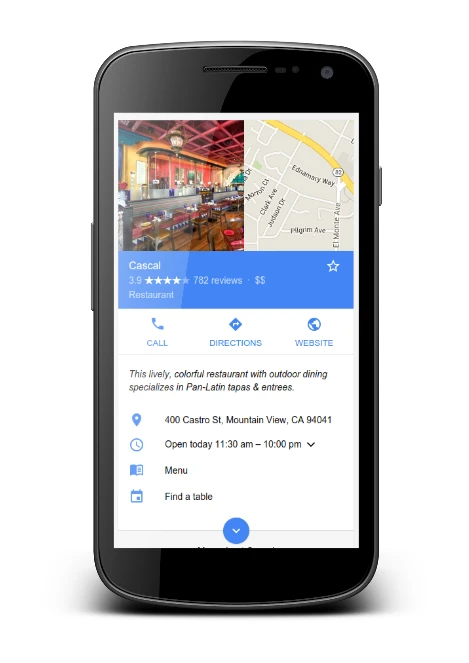
One of the most important tools is Google Business Profile. A profile on this platform makes it possible to present key information such as location, opening hours or photos of the property. This makes it easy for potential customers to find the place they are interested in. What is more, research indicates that as many as 76% of people using smartphones to browse local businesses visit them on the same day. That is why activity on Google Business Profile can significantly affect the number of bookings.
Equally important are guest reviews. Positive reviews build trust in the brand and have a positive impact on the page’s ranking in search results. Encouraging customers to share their experiences and responding quickly to their comments is an effective way to improve online visibility and attract new guests.
Creating content tailored to regional audiences is another important aspect of local SEO. Blog articles describing tourist attractions in a given area can attract the attention of people planning a trip. For example, a post about the “best restaurants by the sea” may prompt tourists to choose accommodation in that region.
You also cannot overlook technical website optimisation. The site’s loading speed, its responsiveness and consistent internal linking have a huge impact on its position in search results. An SSL certificate not only increases website security, but also affects its Google ranking.
Local SEO is not just a tool for improving online visibility – it is also a way to build lasting relationships with customers by providing valuable information and responding to their regional needs. This enables hotels and travel agencies to compete effectively in the tourism market, attracting more guests interested in accommodation or trips to specific destinations.
Google Business Profile
A Google Business Profile is an extremely effective tool that significantly improves a business’s visibility in Google search results. For the tourism industry, such as travel agencies or hotels, this is hugely important – customers can quickly find essential information such as the address, opening hours or phone number. In addition, adding attractive photos of the property draws the attention of potential guests and increases their interest in the offer.
Thanks to this platform, businesses have the chance to appear both in local search results and on Google Maps. This is especially important for hotels and travel agencies that want to reach people planning trips to specific destinations. Interestingly, research shows that as many as 76% of smartphone users browsing local businesses decide to visit them on the same day. That is why activity on this platform can directly increase the number of bookings.
Another advantage is the ability to collect customer reviews. Positive reviews not only build trust in the brand, but also improve the profile’s position in search results. Encouraging guests to share their experiences and responding quickly to their comments is a simple way to increase online visibility and attract new customers.
Google Business Profile also offers the function of publishing updates and promotions. This makes it possible to regularly inform customers about new offers or upcoming events. This tool not only supports local SEO, but also helps build relationships with potential guests and increase competitiveness in the dynamic tourism market.
Benefits of local SEO
Local SEO brings the tourism industry, especially hotels and travel agencies, a range of benefits. One of the key ones is increasing traffic to the website. By optimising for keywords related to specific regions, such as “hotel in Kraków near the market square” or “accommodation on the Baltic Sea”, businesses can more effectively reach people planning trips to those places. This directly translates into more site visits and potential bookings.
Another advantage is better visibility in search results. Hotels and travel agencies that invest in local SEO appear higher in Google for queries relating to a given area. It is worth noting that pages appearing on the first results page attract as much as 75% of clicks, which significantly increases interest in the offer.
Local SEO also plays an important role in gathering positive customer reviews, which are essential for building trust in the brand. Positive reviews not only increase the attractiveness of the offer in the eyes of potential guests, but also help improve the site’s position in local results. What is more, as many as 93% of people check reviews before making a booking, which makes them a key element of the marketing strategy.
In addition, local SEO supports building relationships with customers by delivering content tailored to their needs. Blog articles describing tourist attractions in a given region attract the attention of people planning a trip and encourage them to use hotel or tour services.
In short, local SEO is not just a tool for improving online visibility – it is also an effective way to attract a larger number of guests interested in accommodation or tours in specific locations. This enables hotels and travel agencies to compete effectively in the tourism market and increase their revenue.
Seasonality and its impact on the SEO strategy
Seasonality is of huge importance in the SEO strategy for the tourism industry, because traffic to websites is closely linked to periods of increased interest in travel. During the summer or winter holidays, queries about accommodation, tours or tourist attractions rise sharply, which requires the site and its content to be properly prepared. However, even outside the season, when traffic drops, it is not worth abandoning SEO activities – it is the perfect time for optimisation and planning future campaigns.
Adapting the strategy to seasonal trends is key to success. Before the summer season, it is worth focusing on keywords related to seaside holidays or last minute offers, and before winter promoting ski trips or festive packages. This allows you to attract customers already at the planning stage of their trip.
Historical data analysis makes it possible to predict trends and plan SEO activities better. Tools such as Google Trends make it possible to track the popularity of specific keywords over time. For example, if we notice growing interest in ecotourism in a given region, it is worth creating blog articles or guides dedicated to this topic.
We cannot forget seasonal local events, such as festivals or tourism fairs. Optimising for keywords related to these events can bring additional organic traffic. For example, a post about “the best hotels during the film festival in Gdynia” may encourage tourists to book accommodation there.
Seasonality also affects link building. Working with local media or travel bloggers can bring more valuable backlinks during periods of increased interest in a given region. In addition, it is worth using social media to promote seasonal offers, which will increase brand visibility and attract new customers.
An effective SEO strategy in the tourism industry must take into account changing customer needs with the seasons and appropriately adapt marketing activities and content to these trends. This makes it possible to make the most of market potential both during periods of increased traffic and outside the season.
Planning SEO activities before the season
Planning SEO activities before the season is a key element of the marketing strategy for travel agencies and hotels. Starting optimisation work several weeks or months before the period of increased traffic allows you to make the most of the growth potential of visits to the site. This makes it possible to prepare the offer better, adapt content to customer needs and increase visibility in search results.
Before the season, it is worth focusing on analysing keywords that may be popular at a given time. For example, before summer, it is worth optimising pages for phrases such as „wakacje nad morzem” or „last minute all inclusive”. Tools such as Google Trends help track trends and adapt the strategy to users’ current needs.
Another important step is updating content on the website. Before the season, it is worth adding new blog articles, travel guides or how-to guides that answer potential customers’ questions. This not only attracts more visitors, but also builds trust in the brand as an expert in the tourism industry.
Technical site optimisation also plays an important role. Before the season, it is worth checking the site’s loading speed, responsiveness and the correctness of the heading structure (H1, H2). A fast and easy-to-navigate site increases the chances of a higher position in search results and improves the user experience.
We must not forget about local SEO, which is especially important for hotels and travel agencies operating in specific regions. Before the season, it is worth updating the profile in Google My Business, adding new photos of the property and encouraging guests to leave reviews. Positive reviews not only build trust in the brand, but also influence the site’s position in local search results.
Planning SEO activities before the season is also an excellent time to analyse the competition. Checking which keywords other market players use and what content they publish can provide valuable inspiration for your own strategy. This makes it possible to prepare better for the period of heightened interest in travel offers and compete more effectively for the attention of potential customers.
It is also worth remembering about link building – acquiring valuable links from reputable travel sites or travel blogs. Before the season, you can start working with influencers or local media to increase brand visibility and attract more visitors to the website.
Planning SEO activities before the season is a process that requires proper preparation and analysis of market trends. This allows travel agencies and hotels to effectively increase their online visibility, attract more customers and make the most of the period of heightened interest in travel services.
Taking seasonal keywords into account
Using seasonal keywords is a key element of an effective SEO strategy in the travel industry. Changing customer needs depending on the time of year require content and keywords to be tailored to current trends. In summer, it is worth focusing on phrases such as “beach holidays” or “last minute all inclusive”, while in winter phrases related to skiing trips or Christmas offers work better.
Tools such as Google Trends are invaluable for monitoring the popularity of specific phrases over time. They make it possible to accurately match the strategy to current user queries, which allows you to prepare websites and blog content that address the needs of potential customers in a given season.
Regularly updating a travel blog is another important step. Before the summer season, it is worth publishing guides to the most popular beaches or tips on packing for holidays. Such materials not only attract readers’ attention, but also increase the chances of better positions in search results.
Seasonal keywords are also a great opportunity to promote special offers or last minute packages. It is worth using them both in meta descriptions and page titles, as well as in PPC advertising campaigns. This makes it possible to effectively reach people planning trips in a given period and increase the number of bookings.
Local seasonal events, such as festivals or travel fairs, should not be overlooked either. Optimising for phrases related to these events can attract additional organic traffic and encourage tourists to take advantage of the hotel or tour offer.
Taking seasonal keywords into account is a proven way to increase website visibility and attract a greater number of customers interested in travel services during a given period.
New trends in SEO in the travel industry
New SEO trends for the travel industry focus on ecotourism, pop culture inspiration and counteracting overtourism. Modern travellers increasingly value environmental aspects, which has a direct impact on their choices of accommodation or travel destinations. Companies that focus on sustainable development and eco-friendly solutions can stand out in search results.
Ecotourism plays an increasingly important role in the SEO strategies of hotels and travel agencies. It is worth focusing on phrases related to environmental protection, such as “eco hotels” or “green destinations”. Creating valuable content, for example guides on how to travel in a way that is kind to the planet, can attract the attention of conscious consumers.
Another important trend is the use of pop culture themes. If a particular region has gained popularity thanks to a film or series, it is worth using this in SEO content. Articles describing places known from film productions can attract fans and increase traffic to the website.
Overtourism, meaning the problem of overcrowding in popular destinations, poses a challenge for the travel industry. Companies can counteract this phenomenon by promoting lesser-known locations or off-season offers. Optimising for phrases such as “undiscovered destinations” or “holidays outside the peak season” makes it possible to reach new audiences looking for alternative solutions.
Implementing these trends into an SEO strategy not only helps adapt to changing customer expectations, but also increases brand visibility in Google results.
Ecotourism and sustainable travel
Ecotourism and sustainable travel are becoming key trends in the travel industry, directly affecting SEO strategies. As travellers become increasingly environmentally aware, companies must adapt their content to changing expectations. Website optimisation for phrases such as “eco hotels” or “green destinations” can effectively attract the attention of people looking for eco-friendly solutions.
Creating valuable materials, such as guides on travelling in an environmentally friendly way, not only builds trust in the brand, but also improves visibility in search results. It is also worth promoting offers connected with local environmental initiatives – for example hotels using renewable energy or travel agencies offering trips with a minimal carbon footprint.
Sustainable travel is not just a passing trend, but a response to global environmental challenges. Tourism businesses that take these issues into account in their SEO strategy can stand out from the competition and attract customers who value environmental responsibility. This is beneficial both for the planet and for business.
Using pop culture in SEO
Using pop culture themes in marketing strategies is a great way to attract tourists’ attention and increase traffic to the website. Places that have appeared in films, TV series or books often become a magnet for travellers. Examples include locations from “Game of Thrones”, which attract crowds of fans to Croatia and Iceland, as well as New Zealand landscapes inspired by “The Lord of the Rings”.
Content optimisation for keywords related to popular productions, such as “places from the film XYZ” or “locations known from the series ABC”, can significantly improve a site’s position in search results. Creating blog articles, guides or lists of attractions connected with iconic works is an effective way to attract fans and encourage them to visit a given region.
Social media also offer huge opportunities. Using pop culture themes in posts increases user engagement and encourages them to share content. This not only affects organic traffic, but also builds brand awareness as a place worth paying attention to.
Additionally, pop culture makes it possible to stand out from the competition. Tourism businesses can organise themed tours or events inspired by popular productions, which attracts new audience segments and increases interest in the offer. This is a creative way to combine entertainment with promoting the region.
Responding to the overtourism phenomenon
To counteract overtourism, it is worth promoting less well-known but equally interesting places. This approach not only supports the sustainable development of tourism, but also eases pressure on overcrowded destinations, while attracting travellers looking for unusual experiences.
Tourism businesses can effectively use SEO strategies to promote such locations. Optimising pages for keywords such as “undiscovered destinations” or “off-season holidays” makes it possible to reach people looking for authentic and less crowded places. This is a simple way to increase interest in alternative destinations.
Thanks to such actions, the tourism industry can develop in a more sustainable way, which brings benefits to both travellers and local communities. This is a solution that combines care for the environment with the opportunity to discover new, fascinating corners of the world.
FAQ
Frequently asked questions
How does SEO help hotels and travel agencies win more bookings?
Better visibility in Google increases the chance that customers will land on the right offer. This translates into more enquiries and bookings.
Does visibility in search results affect trust in a hotel or travel agency?
Yes, users are more likely to trust websites appearing in top positions. The article states that this applies to 75% of users.
Which keywords are worth choosing in SEO for the tourism industry?
The best choice is keywords that reflect real customer needs, including long-tail terms, for example those related to a specific destination, type of accommodation or season. It is also worth including location, as in searches for a hotel in a particular city.
Why is page loading speed important for hotels and travel agencies?
A fast-loading website improves the user experience and can increase conversion. The article says that websites loading in 2 seconds achieve a 15% higher conversion rate than slower ones.
Do blog content and customer reviews matter in tourism SEO?
Yes, valuable articles build brand authority, while guest reviews increase credibility. This matters because 93% of people planning a trip check reviews before booking.
How does seasonality affect SEO strategy in tourism?
In the tourism industry, it is worth planning activities around periods of increased interest, such as the summer and winter seasons. This makes it possible to make better use of traffic and increase revenue.